Age-Related Hearing Loss Diet: Foods That May Help and Foods to Limit
Medical note: This article discusses foods and researched botanicals. It does not claim to prevent, treat, or cure disease. Supplements are not a substitute for food, and studied amounts are not personal prescriptions.
People searching “age-related hearing loss diet foods that help or worsen” usually want a kitchen plan that supports overall health as hearing changes—not a claim that food restores damaged inner-ear hair cells, cures presbycusis, or replaces hearing aids or other devices. MedlinePlus defines age-related hearing loss, or presbycusis, as the slow loss of hearing that occurs as people get older. Tiny hair cells in the inner ear do not regrow, so hearing loss from hair-cell damage is permanent, and there is no known single cause. NIDCD likewise describes gradual hearing loss as one of the most common conditions of aging and states that scientists do not yet know how to prevent age-related hearing loss, though you can protect yourself from noise-induced damage. Mayo Clinic notes that you usually cannot get hearing back, but there are ways to improve what you hear. Kitchen patterns may help when they support conditions official pages associate with hearing—such as diabetes, high blood pressure, and not smoking—but they do not treat the ear the way a hearing device does.
What this age-related hearing loss diet guide covers (and what it does not)
This guide is for adults with gradual, clinician- or audiologist-recognized age-related hearing loss who want practical eating alongside hearing care. Because `https://medlineplus.gov/agerelatedhearingloss.html` no longer resolves, anchors are MedlinePlus — Age-related hearing loss, NIDCD — Age-Related Hearing Loss (Presbycusis), and Mayo Clinic — Hearing loss. NIDCD reports that about one in three people in the U.S. between ages 65 and 74 has hearing loss, and nearly half of people older than 75 have difficulty hearing. MedlinePlus lists contributing factors including family history, repeated loud-noise exposure, smoking, diabetes, and certain medicines such as some chemotherapy drugs. NIDCD also notes that high blood pressure and diabetes are associated with hearing loss. Related reading: Tinnitus Diet: Foods That May Help and Foods to Limit, type 2 diabetes diet guide, and high blood pressure diet guide.
Evidence snapshot: hearing-loss diet claims vs public sources
| Claim people hope for | What public sources actually say | Confidence |
|---|---|---|
| “A hearing diet can restore lost hearing” | MedlinePlus: there is no cure; treatment focuses on everyday function with hearing aids, assistive devices, and, in severe cases, cochlear implants. Hair cells do not regrow | Strong against food-as-cure |
| “Supplements reverse presbycusis” | Official patient pages reviewed here do not present a proven supplement protocol that restores age-related hearing. NIDCD research focuses on genes, noise, brain processing, and access to hearing aids | Strong to avoid unproven “ear vitamin” claims |
| “Diet does not matter at all” | Official pages associate diabetes, high blood pressure, and smoking with hearing loss; those conditions have well-described dietary patterns. That is support for overall metabolic and vascular care, not proof that food repairs the cochlea | Moderate that overall patterns may be relevant; weak for ear-specific foods |
| “If hearing fades slowly, I can wait indefinitely” | NIDCD and MedlinePlus encourage evaluation; Mayo Clinic: seek care right away for sudden hearing loss, especially in one ear | Strong to get tested and not delay sudden loss |
| “Noise protection is optional if I eat well” | NIDCD: protect hearing by avoiding loud noise, reducing exposure time, and using earplugs or earmuffs. Food does not replace that | Strong for noise protection |
Foods and patterns that may help with age-related hearing loss care
“May help” means supporting general health conditions officially linked with hearing—not a promise of sharper ears.
Everyday patterns often discussed alongside hearing care
- – A balanced eating pattern that helps manage blood pressure and blood sugar if you have those conditions, because NIDCD associates both with hearing loss and MedlinePlus lists diabetes among contributing factors
- – Simple proteins, vegetables, fruit, and starches that are easy to cook if hearing fatigue makes long kitchen sessions harder
- – Food-first nutrition rather than “hearing booster” pills unless a clinician has documented a deficiency
- – Not smoking; MedlinePlus states that smokers are more likely to have this type of hearing loss than nonsmokers
When diabetes or blood pressure are part of the picture
If you already have a diabetes or hypertension plan, keep following it. See type 2 diabetes diet guide and high blood pressure diet guide. Those pages address conditions official hearing sources mention; they are not a hidden cure for presbycusis.
Pattern that supports communication, not a superfood hunt
NIDCD suggests turning down background noise, including the TV, when you are trying to converse, and choosing quieter restaurant seating away from kitchens or bands. Plan meals at a table where you can see faces, which NIDCD notes can help you use expressions and lip movements.
Foods and habits that often worsen hearing-health risks
- – Loud sound at meals or in the kitchen—blenders, dining near speakers, or maxing headphone volume while cooking. NIDCD lists loud music, high-volume earbuds, and many power tools among damaging noise sources. Mayo Clinic, citing CDC, notes that noise above 70 decibels over time can start to damage hearing.
- – Smoking. MedlinePlus lists it as a contributing factor.
- – An eating pattern that works against blood-pressure or diabetes goals if you already have those conditions (NIDCD, MedlinePlus).
- – Heavy alcohol use that blunts awareness—official hearing pages do not present alcohol as the cause of presbycusis, but MedlinePlus notes physical safety problems such as not hearing a fire alarm.
- – Skipping meals before medical visits only to rely on unproven ear supplements.
- – Delaying care for sudden hearing change, headache, vision changes, or dizziness—MedlinePlus says to contact a provider right away in those cases.
“Limit” means reducing noise, tobacco, and metabolic-risk habits that official pages already flag—not a permanent ban on favorite foods in the hope of “ear detox.”
Practical kitchen protocol: a hearing-aware week
1. Treat hearing in parallel
Get a hearing test if you have not had one. MedlinePlus: hearing loss should be checked promptly, including for wax or medicine effects. NIDCD outlines over-the-counter hearing aids for adults who think they have mild to moderate loss, and professional care if devices do not help or symptoms are complex.
2. Shopping list for easy, quiet-to-prepare plates
Oats, eggs, yogurt, canned or fresh fish, beans, frozen vegetables, fruit, and staple starches you can cook without standing next to loud appliances for long periods. If you have diabetes or high blood pressure, keep the foods your clinician already recommended.
3. Default plate template
- – Half vegetables and fruit
- – A quarter protein
- – A quarter starch
- – Water or other unsweetened drinks your clinician has not limited
- – Eat where you can see conversation partners; lower the TV (NIDCD)
4. Sample day (illustrative)
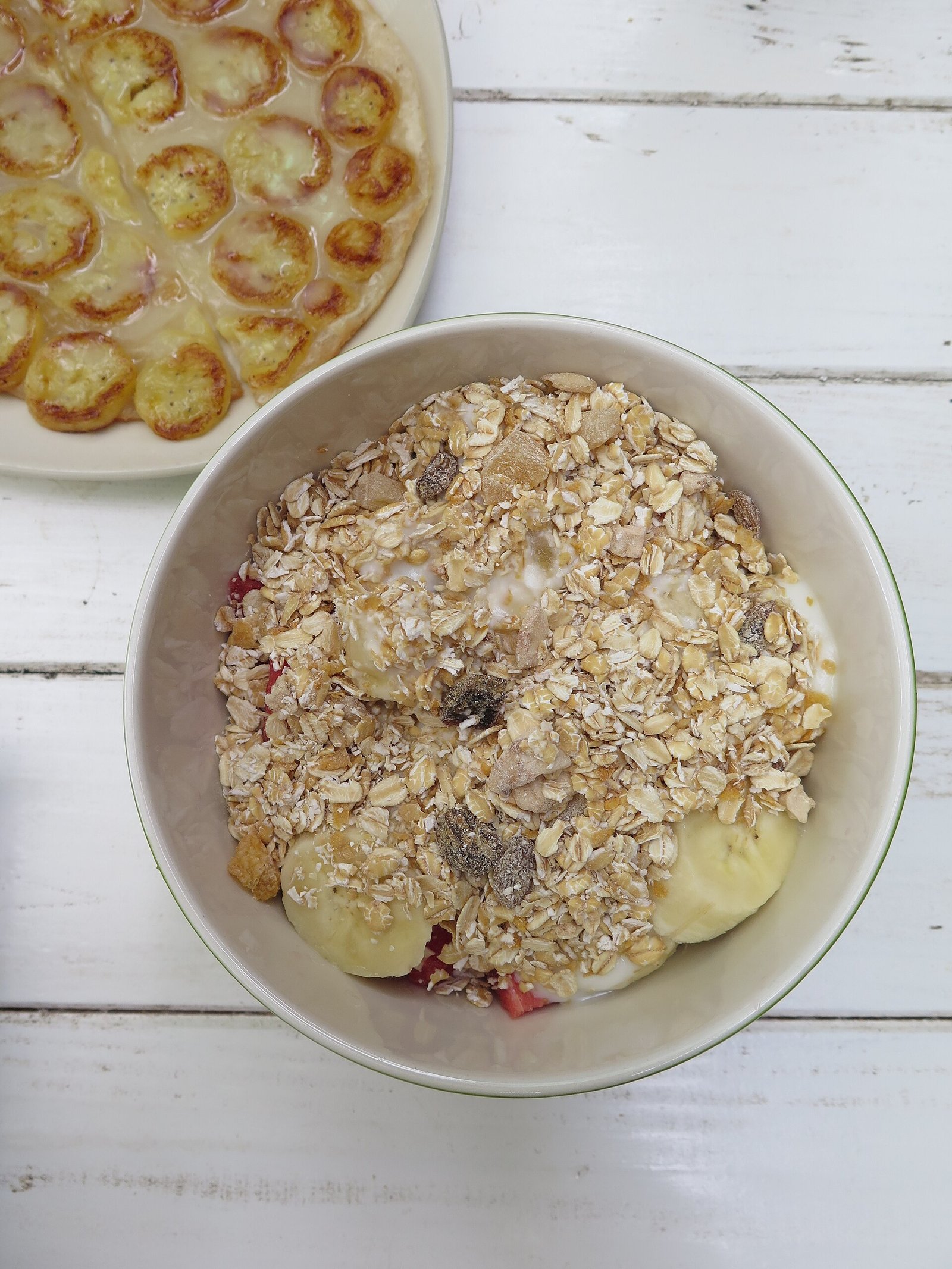
- – Breakfast: oatmeal with fruit; if you watch morning news, use captions rather than raising volume.
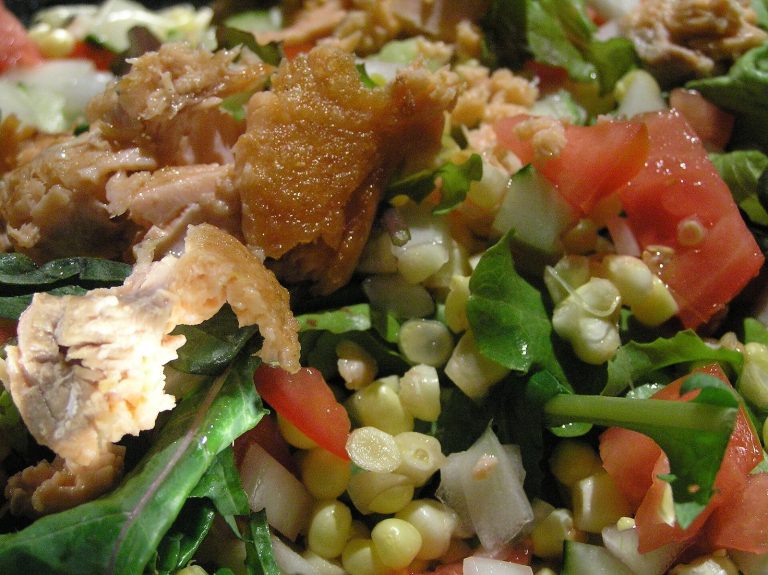
- – Lunch: a bean or fish salad with vegetables, eaten in a quieter room.
- – Snack: yogurt or fruit.
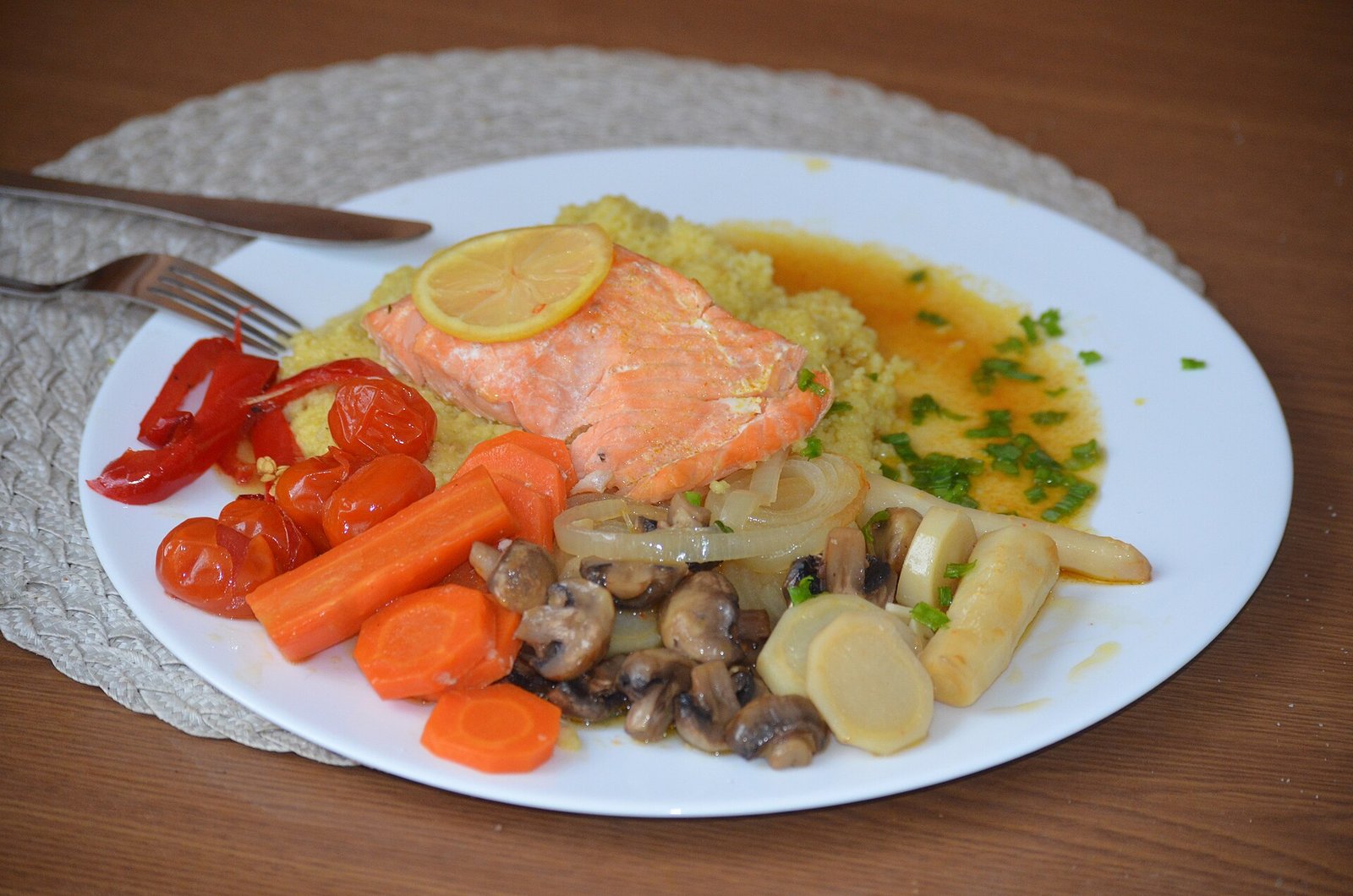
- – Dinner: baked fish or chicken, potatoes, and cooked greens at a table facing others.
- – Evening: avoid loud headphone use; note any new tinnitus for your clinician (Mayo Clinic lists ringing in the ears among hearing-loss symptoms; see Tinnitus Diet: Foods That May Help and Foods to Limit).
5. If medicines or wax may be involved
Mayo Clinic lists some medicines, including the antibiotic gentamicin, certain cancer drugs, and very high doses of aspirin or some other drugs, as possible hearing risks. Do not stop a prescribed medicine on your own; ask the prescribing clinician. Earwax can also block hearing and is removable—this is not a diet issue.
6. After a device is fitted
Keep regular meals so energy and attention hold up while you adapt to a hearing aid or implant. NIDCD notes that research to date supports hearing-aid use to help maintain the brain’s sound-processing capabilities. Food remains supportive, not a substitute for wearing the device as advised.
Safety, interactions, and who should ask a clinician first
- – Sudden hearing loss, especially in one ear: seek medical attention right away (Mayo Clinic).
- – Hearing loss plus headache, vision changes, or dizziness: contact a provider promptly (MedlinePlus).
- – Diabetes, high blood pressure, cancer treatment, or a long medicine list: bring hearing changes to the coordinating clinicians.
- – Depression, social withdrawal, or fall risk: Mayo Clinic links hearing loss with depression, social isolation, cognitive impairment, and fall risk—ask for support rather than only changing recipes.
- – Do not use ear candles, untested “hearing” supplements, or high-dose aspirin for tinnitus without medical advice.
FAQ
Can diet reverse age-related hearing loss? No. MedlinePlus states there is no cure and that hair-cell damage is permanent. Food patterns may support related conditions such as diabetes or high blood pressure.
Should I start hearing-loss supplements? The official pages used here do not recommend a standard supplement that restores presbycusis. Ask before buying products that promise to “regrow” hearing.
Why do diabetes and blood pressure keep coming up? NIDCD says those conditions, which are more common in older adults, are associated with hearing loss. MedlinePlus also lists diabetes as a contributing factor. Association is not the same as a food cure.
Is gradual loss an emergency? Gradual loss should still be evaluated. Sudden loss, especially in one ear, or loss with headache, vision changes, or dizziness needs prompt care.
Will quieter restaurants really help? NIDCD specifically recommends quieter seating and reducing background noise to make conversation easier. That is communication support, not a nutritional treatment.
Do hearing aids mean I can ignore nutrition and smoking? No. Devices help you hear; smoking and unmanaged metabolic conditions remain relevant in the official risk discussions.
How this differs from related OTCFood topics
This page is an age-related hearing loss (presbycusis)–bound diet guide focused on the limits of food, noise protection and hearing devices, and patterns that support conditions official pages associate with hearing. It is not a tinnitus-only guide or a substitute for audiology care.
Medical disclaimer
Medical disclaimer: This article is for general information only. It is not medical advice, diagnosis, or a treatment plan. Hearing care depends on the type and speed of hearing loss, earwax, medicines, other medical conditions, and your clinician’s or audiologist’s judgment. Talk with a clinician, audiologist, or registered dietitian before starting, stopping, or changing any eating plan, supplement, or medicine. Seek urgent care for sudden hearing loss, especially in one ear, or for hearing change with a severe headache, vision changes, or dizziness.