Duodenal Ulcer Diet: Foods That May Help and Foods to Limit
Medical note: This article discusses foods and researched botanicals. It does not claim to prevent, treat, or cure disease. Supplements are not a substitute for food, and studied amounts are not personal prescriptions.
People searching “duodenal ulcer diet foods that may help or worsen” usually want gentler meals while a sore in the first part of the small intestine heals—not a claim that food closes the ulcer the way treating Helicobacter pylori or changing NSAID pain relievers can. NIDDK states that researchers have not found that diet and nutrition play an important role in causing, preventing, or treating peptic ulcers, and that doctors do not recommend following a special diet or avoiding specific foods or drinks to prevent or treat ulcers. MedlinePlus notes that stress and spicy foods do not cause ulcers but can make them worse, and that antacids and milk cannot heal peptic ulcers. Kitchen changes may help comfort; they do not replace testing and treatment of the cause.
What this duodenal ulcer diet guide covers (and what it does not)
This guide is for adults with a clinician-recognized duodenal ulcer—a peptic ulcer on the inside of the duodenum, the upper part of the small intestine—who want practical meal pacing. Anchors: MedlinePlus — Peptic Ulcer, NIDDK — Peptic Ulcers (Stomach or Duodenal Ulcers), NIDDK — Eating, Diet, & Nutrition, and Mayo Clinic — Peptic ulcer.
Mayo Clinic distinguishes gastric ulcers (inside the stomach) from duodenal ulcers (inside the duodenum). MedlinePlus describes the most common symptom as burning stomach pain that starts between meals or during the night, briefly stops if you eat or take antacids, lasts minutes to hours, and can come and go for days or weeks. The most common causes are H. pylori infection and long-term NSAID use such as aspirin or ibuprofen. Related reading: peptic ulcer diet guide, H. pylori Diet: Foods That May Help and Foods to Limit, gastritis diet guide, and GERD acid reflux diet guide.
This is not an H. pylori antibiotic schedule, not a stomach-ulcer-only page, and not a reason to stop prescribed heart aspirin without medical advice.
Evidence snapshot: duodenal ulcer diet claims vs public sources
| Claim people hope for | What public sources actually say | Confidence |
|---|---|---|
| “A bland duodenal ulcer diet heals the sore” | NIDDK: diet and nutrition do not play an important role in causing, preventing, or treating peptic ulcers; doctors do not recommend a special diet | Strong against food-as-cure |
| “Milk coats and heals the ulcer” | MedlinePlus: antacids and milk can’t heal peptic ulcers | Strong against the milk-as-cure myth |
| “Stress or spicy food caused the ulcer” | MedlinePlus and Mayo Clinic: stress and spicy foods do not cause peptic ulcers but can make symptoms worse | Strong against cause claims; moderate that they may worsen symptoms |
| “I can ignore NSAIDs if I eat carefully” | Mayo Clinic and NIDDK: long-term NSAID use is a leading cause; treatment may include changing those medicines | Strong that medicines matter more than plates |
| “Smoking and alcohol are unrelated” | MedlinePlus: not smoking and avoiding alcohol can help. NIDDK: quitting smoking can lower ulcer risk and help existing ulcers heal. Mayo Clinic: alcohol can irritate and erode the mucous lining and increase stomach acid; smoking may raise ulcer risk in people with H. pylori | Strong caution |
Foods and patterns that may help with duodenal ulcer comfort
“May help” means easier days while medical therapy addresses H. pylori, NSAIDs, or acid—not a guaranteed pain-free menu.
Timing that matches how duodenal pain often behaves
MedlinePlus describes pain that starts between meals or at night and briefly eases after eating or taking antacids. Mayo Clinic says that for some people pain is worse between meals and at night; for others it is worse after eating. Use your own pattern:
- – Do not skip meals if emptiness clearly brings on night or between-meal pain
- – Keep a small, ordinary snack available if your clinician has not restricted eating for a test
- – Avoid going to bed immediately after a very large, high-fat meal if fullness and reflux overlap; see GERD acid reflux diet guide when heartburn is part of the picture
Everyday plates that are easier for many people
Because NIDDK does not prescribe a special ulcer diet, the useful kitchen default is “ordinary food you personally tolerate,” not a forever bland list:
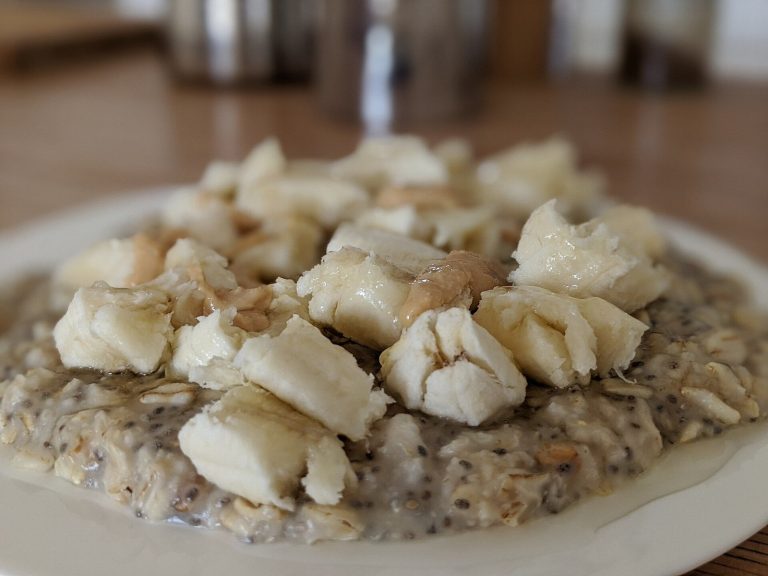
- – Oatmeal, rice, potatoes, or toast-style starches if they sit well
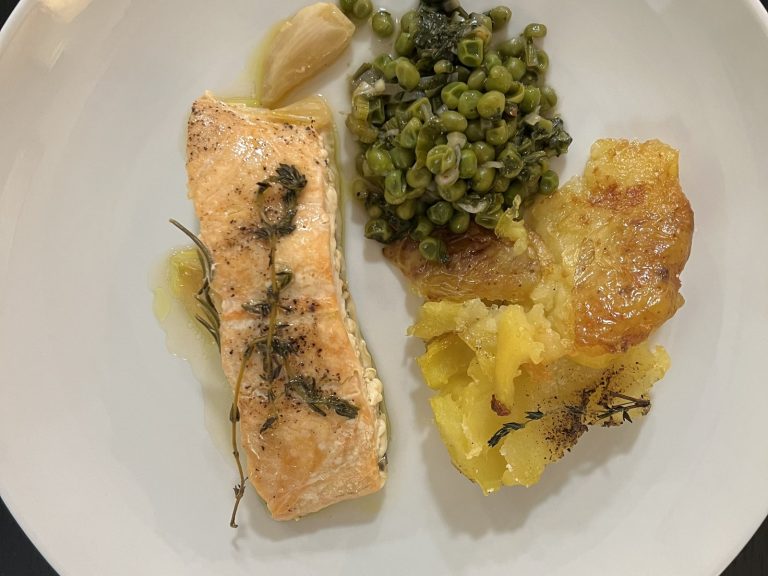
- – Eggs, tender fish, yogurt if tolerated, or skinless poultry
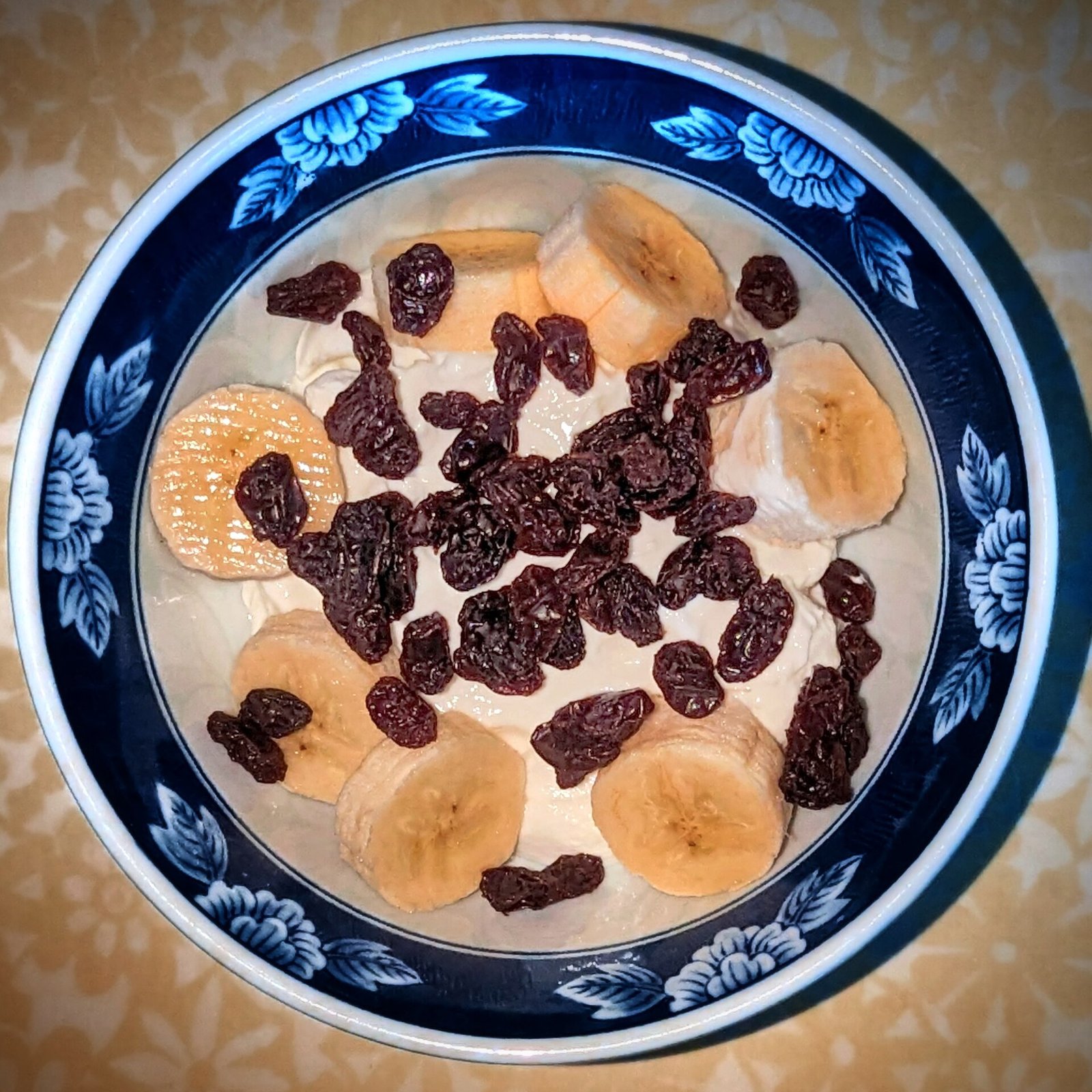
- – Cooked vegetables and ripe bananas or other mild fruits
- – Smaller portions if bloating, fullness, or nausea (listed by NIDDK and Mayo Clinic among possible symptoms) show up after large plates
What actually treats the ulcer
NIDDK: doctors recommend medicines to heal peptic ulcers and look for the underlying cause. They treat H. pylori with medicines and may change NSAIDs if those caused the ulcer. Finish antibiotics and acid-reducing medicines exactly as prescribed. Food does not stand in for that plan; see H. pylori Diet: Foods That May Help and Foods to Limit and gastritis diet guide if those diagnoses overlap.
If bleeding has caused anemia, that is a medical issue, not a kitchen iron protocol you should invent. Ask whether you need evaluation for iron deficiency; see iron-deficiency anemia diet guide.
Foods and habits that often worsen duodenal ulcer symptoms
- – Alcohol—Mayo Clinic: alcohol can irritate and erode the mucous lining and increase stomach acid. MedlinePlus: avoiding alcohol can help.
- – Smoking—NIDDK: quitting can lower risk and help existing ulcers heal. Mayo Clinic: smoking may increase ulcer risk in people infected with H. pylori.
- – Regular NSAID pain relievers (ibuprofen, naproxen, and similar) unless your clinician has a specific plan. Mayo Clinic notes that acetaminophen is not in that NSAID group. Do not stop prescribed low-dose aspirin for heart disease without asking the prescribing team.
- – Personal symptom triggers such as spicy foods, coffee, or very large fried meals if they clearly worsen your pain. MedlinePlus and Mayo Clinic say spicy foods do not cause ulcers but can make them feel worse. That is a reason to test your own list, not to permanently ban every flavorful food on someone else’s blog.
- – Using milk as treatment—it cannot heal the ulcer (MedlinePlus).
- – Ignoring bleeding or blockage signs—Mayo Clinic: vomiting blood (red or black), black or tarry stools, dizziness or fainting; ulcers can also perforate or block the passage of food.
Practical kitchen protocol: a duodenal-ulcer week
1. Treat the cause in parallel
Ask whether you need H. pylori testing (blood, breath, or stool, as MedlinePlus describes) or a review of NSAID use. Diet supports comfort; it does not replace those steps.
2. Shopping list without an “ulcer myth” cart
Oats, rice, bananas, eggs, yogurt if tolerated, tender fish or chicken, cooked vegetables, potatoes, and still water or other non-alcoholic drinks. You do not need specialty “ulcer healing” products.
3. Default plate template during painful days
- – An ordinary balanced plate in a portion you can finish without painful fullness
- – Protein you tolerate
- – A starch and a cooked vegetable or fruit
- – No alcohol
- – If emptiness triggers night pain, plan a clinician-approved small evening snack rather than grazing all night
4. Sample day (illustrative)
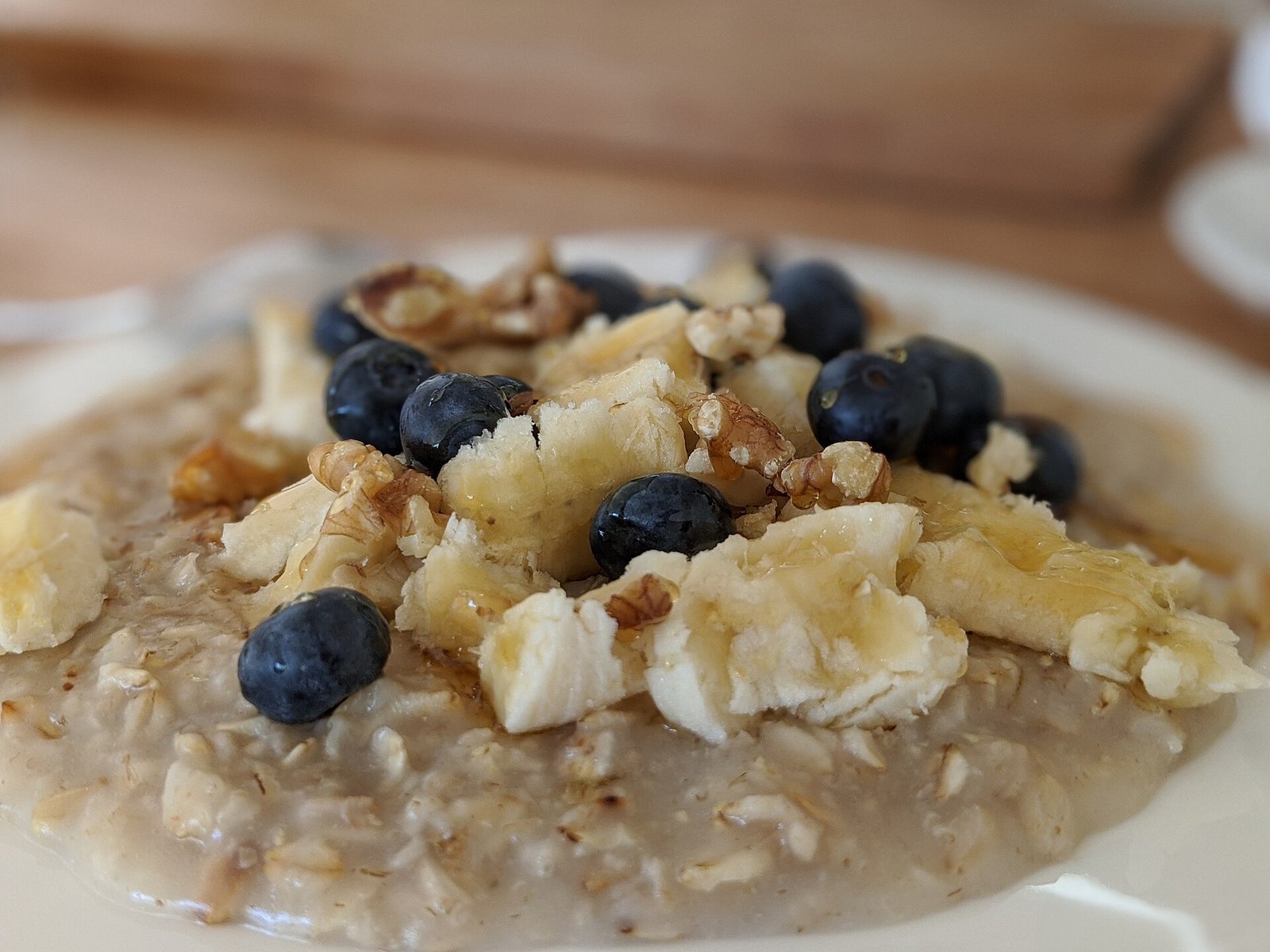
- – Breakfast: oatmeal with banana.
- – Lunch: rice or potato with tender chicken or fish and cooked carrots.
- – Snack: yogurt or a banana if between-meal pain is your pattern.
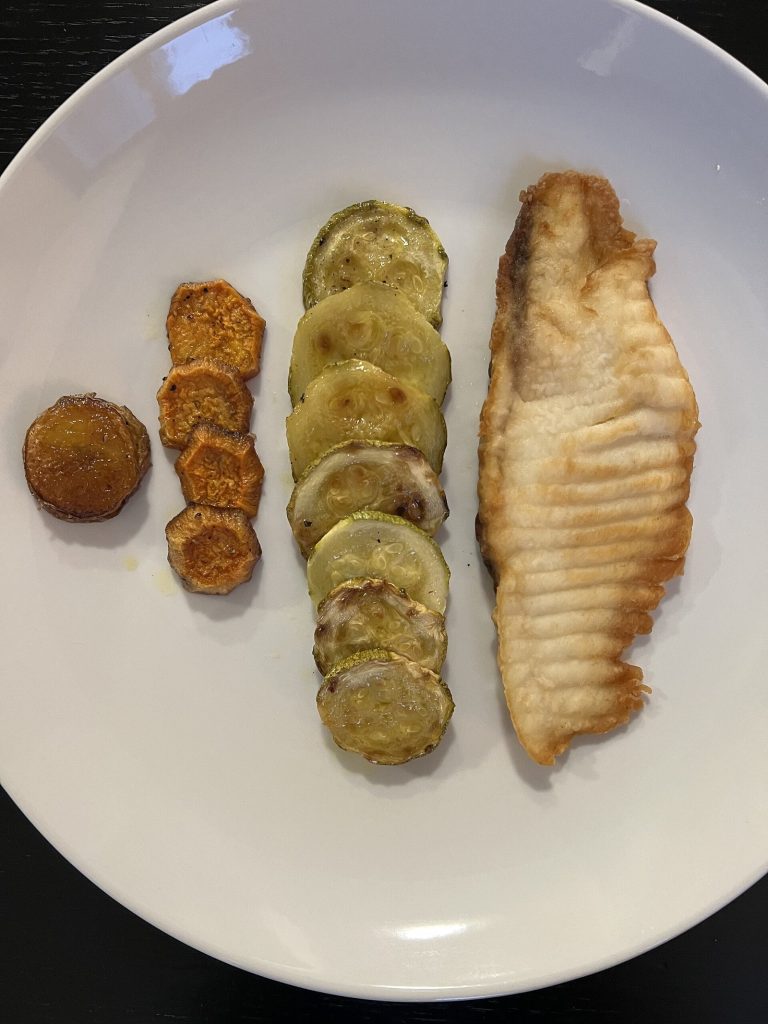
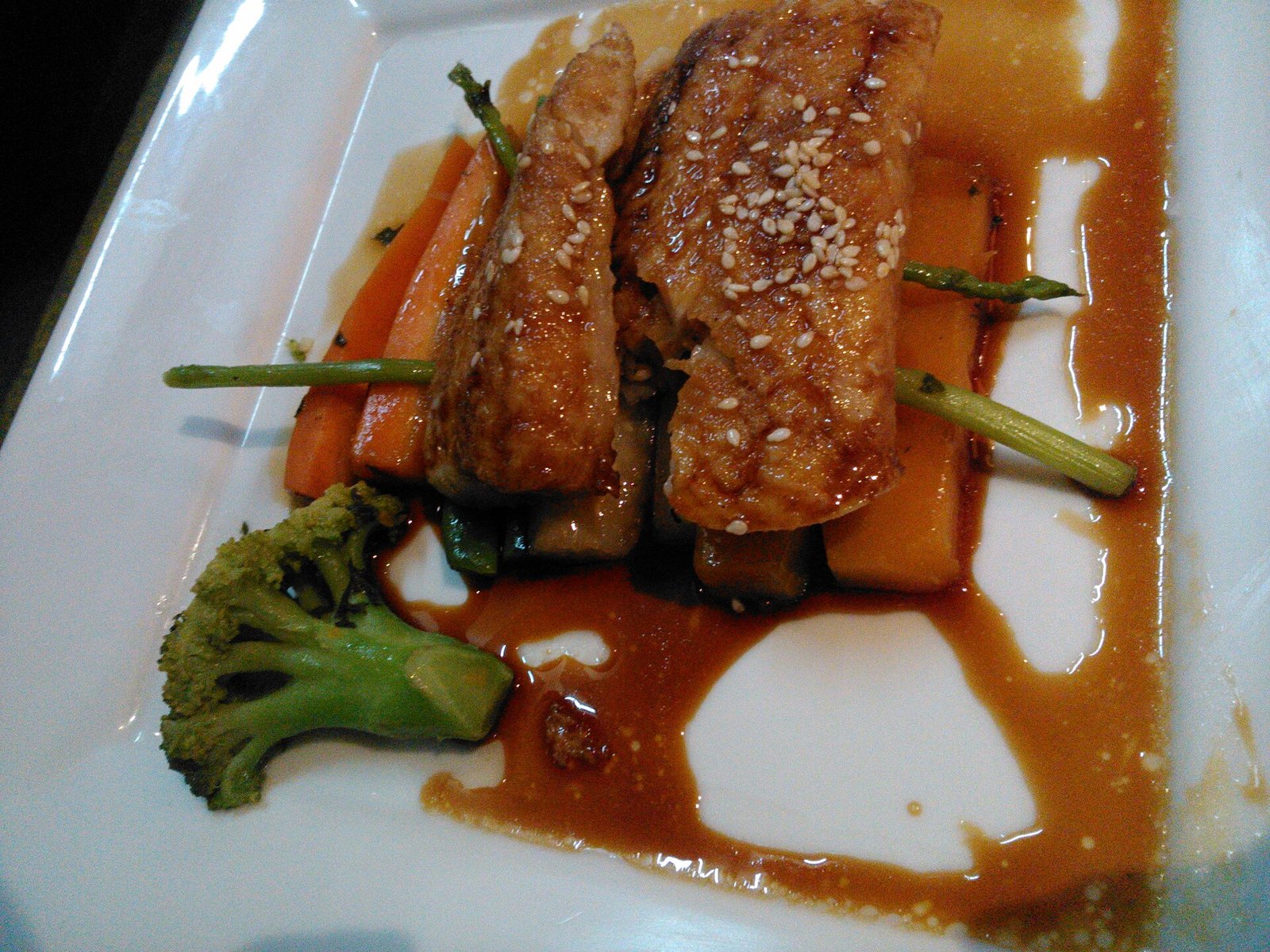
- – Dinner: baked fish, rice, steamed zucchini.
- – Evening: skip alcohol; note pain timing for your clinician.
5. Keep a one-week log instead of a forever ban
Write down meal size, alcohol, coffee, spicy foods, NSAID doses, and when pain appears (empty stomach, after eating, or at night). Bring that log to your appointment. Patterns beat generic “never eat tomatoes” lists that NIDDK does not endorse.
6. After H. pylori treatment or an NSAID change
Finish the medicine plan. Gradually return to a wider diet as pain settles. Stay off smoking if you can, and keep alcohol limited. Recheck with your clinician if pain returns after antacids only briefly help—Mayo Clinic says to be seen if nonprescription acid reducers help but pain comes back.
Safety, interactions, and who should ask a clinician first
- – Vomiting blood, black or tarry stools, fainting, or sudden severe abdominal pain: urgent care (Mayo Clinic). These can signal bleeding, perforation, or another emergency.
- – Unexplained fullness, repeated vomiting, or weight loss: Mayo Clinic lists blockage as a possible ulcer complication.
- – Age over 60, prior ulcers, high-dose or multiple NSAIDs, steroids, blood thinners, certain antidepressants (SSRIs), or osteoporosis medicines such as alendronate or risedronate: Mayo Clinic notes higher NSAID-ulcer risk—review the full medicine list with a clinician.
- – Do not stop cardioprotective aspirin on your own even if your upper belly hurts—call the prescriber.
- – Pregnancy, kidney disease, or a long medicine list: review any new supplement before adding it.
FAQ
Do I need a lifelong bland diet for a duodenal ulcer? NIDDK says doctors do not recommend a special diet to treat or prevent ulcers. Temporary gentler eating for comfort is individual, not a universal lifelong mandate.
If eating eases my night pain, does that mean food is healing the ulcer? Not necessarily. MedlinePlus notes that pain may briefly stop if you eat or take antacids. That symptom pattern can be a clue; healing still depends on treating H. pylori, NSAIDs, and acid as advised.
Can spicy food give me a duodenal ulcer? MedlinePlus and Mayo Clinic say no: spicy foods do not cause peptic ulcers, though they can make symptoms worse for some people.
Is a duodenal ulcer the same as gastritis or GERD? Related neighborhood, different problems. Gastritis is inflammation of the stomach lining; GERD is reflux. See gastritis diet guide and GERD acid reflux diet guide. Get the diagnosis confirmed rather than self-labeling every upper-belly ache.
Why would my clinician talk about stomach cancer risk? Mayo Clinic notes that people infected with H. pylori have an increased risk of stomach cancer. That is a reason to treat the infection when found—not a reason to make food claims about cancer risk.
How this differs from related OTCFood topics
This page is a duodenal-ulcer–bound diet guide focused on between-meal or nighttime pain patterns, the NIDDK “no special ulcer diet” message, and alcohol/NSAID/smoking cautions. It is not the broader peptic-ulcer overview at peptic ulcer diet guide and not an H. pylori medicine protocol.
Medical disclaimer
Medical disclaimer: This article is for general information only. It is not medical advice, diagnosis, or a treatment plan. Duodenal ulcer care depends on H. pylori status, NSAID use, bleeding risk, medicines, and your clinician’s judgment. Talk with a clinician or registered dietitian before starting, stopping, or changing any eating plan, supplement, or medicine. Seek urgent care for vomiting blood, black stools, severe abdominal pain, fainting, or persistent vomiting.