Emphysema Diet: Foods That May Help and Foods to Limit
Medical note: This article discusses foods and researched botanicals. It does not claim to prevent, treat, or cure disease. Supplements are not a substitute for food, and studied amounts are not personal prescriptions.
People searching “emphysema diet foods that help or worsen” usually want smaller meals and enough calories when breathing itself is hard work—not a claim that food rebuilds damaged air sacs or replaces inhalers, oxygen, or pulmonary rehabilitation. MedlinePlus explains that emphysema is a type of COPD (chronic obstructive pulmonary disease) in which the walls between many of the air sacs are damaged, so the lungs have a harder time moving oxygen in and carbon dioxide out. There is no cure, but treatments and lifestyle changes can help with symptoms, slow progression, and support activity. An eating plan may help you meet energy needs and reduce meal-related breathlessness; it does not treat emphysema.
What this emphysema diet guide covers (and what it does not)
This guide is for adults living with clinician-diagnosed emphysema (often overlapping with chronic bronchitis inside the broader COPD label) who want practical kitchen pacing. Anchors: MedlinePlus — Emphysema, NHLBI — What Is COPD? and Living With COPD, CDC — About COPD, and MedlinePlus’s COPD discharge instructions (listed under emphysema as well as COPD).
NHLBI describes emphysema as damage to the walls between many of the air sacs, which makes it harder to move air out; most people with COPD have a mixture of emphysema and chronic bronchitis. MedlinePlus says cigarette smoke is the main U.S. cause, and that up to 75% of people who have emphysema smoke or used to smoke; other inhaled irritants and, rarely, alpha-1 antitrypsin deficiency can play a role. CDC notes there is no cure for COPD, but it can be treated, and that nearly 16 million U.S. adults have COPD. Related reading: COPD diet guide, asthma diet guide, pulmonary fibrosis diet guide, and GERD acid reflux diet guide.
Evidence snapshot: emphysema diet claims vs public sources
| Claim people hope for | What public sources actually say | Confidence |
|---|---|---|
| “A lung-cleansing diet reverses emphysema” | MedlinePlus, NHLBI, and CDC: there is no cure; treatments and lifestyle changes (especially quitting smoking) help symptoms and can slow progression | Strong against food-as-cure |
| “Large ‘power’ meals give you more oxygen” | MedlinePlus COPD discharge: eat smaller meals more often, such as 6 smaller meals a day—it might be easier to breathe when your stomach is not full | Moderate practical consensus |
| “If you cannot finish plates, just eat less overall” | NHLBI: if shortness of breath and fatigue make it hard to eat enough, you may miss calories and nutrients, which can worsen symptoms and raise infection risk | Strong that undernutrition is a risk |
| “Fruits, vegetables, grains, and fish have no lung relevance” | NHLBI: eating a healthy diet with fresh fruits and vegetables, whole grains, and fish may also help protect your lungs | Moderate supportive pattern language from NHLBI |
| “Heartburn is unrelated to breathing flares” | NHLBI: reflux can increase your risk of a flare-up; ask your provider about ways to reduce heartburn | Moderate to address reflux with your clinician |
Foods and patterns that may help with emphysema day-to-day energy
“May help” means protecting nutrition and making meals less breathless—not repairing air-sac walls.
Smaller, more frequent meals when the stomach competes with the lungs
MedlinePlus’s COPD/emphysema discharge page recommends eating smaller meals more often, such as six smaller meals a day, because it might be easier to breathe when your stomach is not full. It also advises not drinking a lot of liquid before eating or with your meals. NHLBI’s living-with-COPD page similarly suggests eating smaller meals more often throughout the day, resting before eating, and taking vitamins or nutritional supplements if your doctor suggests them.
Enough calories and nutrients when breathing is tiring
NHLBI warns that trouble eating enough because of shortness of breath and fatigue can leave you short of calories and nutrients, worsen symptoms, and raise infection risk. MedlinePlus notes that severe emphysema can cause weight loss and lower-muscle weakness—another reason to ask what foods can help you get more energy and for an eating plan that meets your needs. Pulmonary rehabilitation, which MedlinePlus lists among treatments, may include nutritional counseling; CDC adds that rehab can help you choose foods and activities that are right for you.
A lung-supportive grocery pattern (NHLBI)
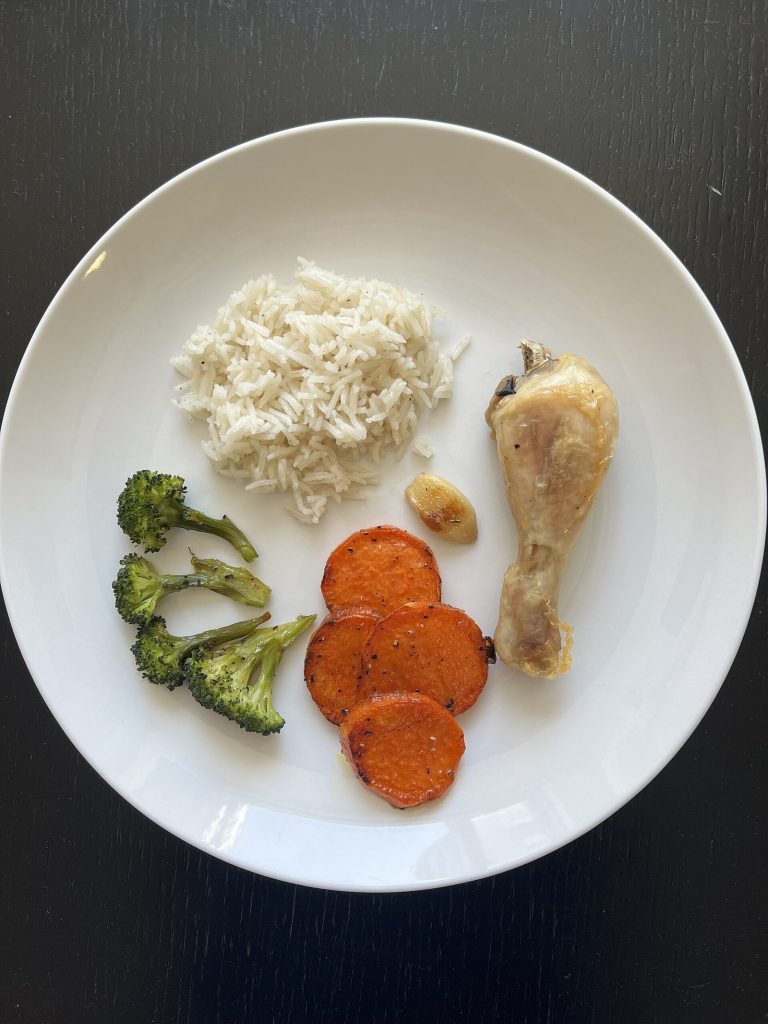
NHLBI says eating a healthy diet with fresh fruits and vegetables, whole grains, and fish may also help protect your lungs. Practical defaults many people use once a clinician has checked weight trends:
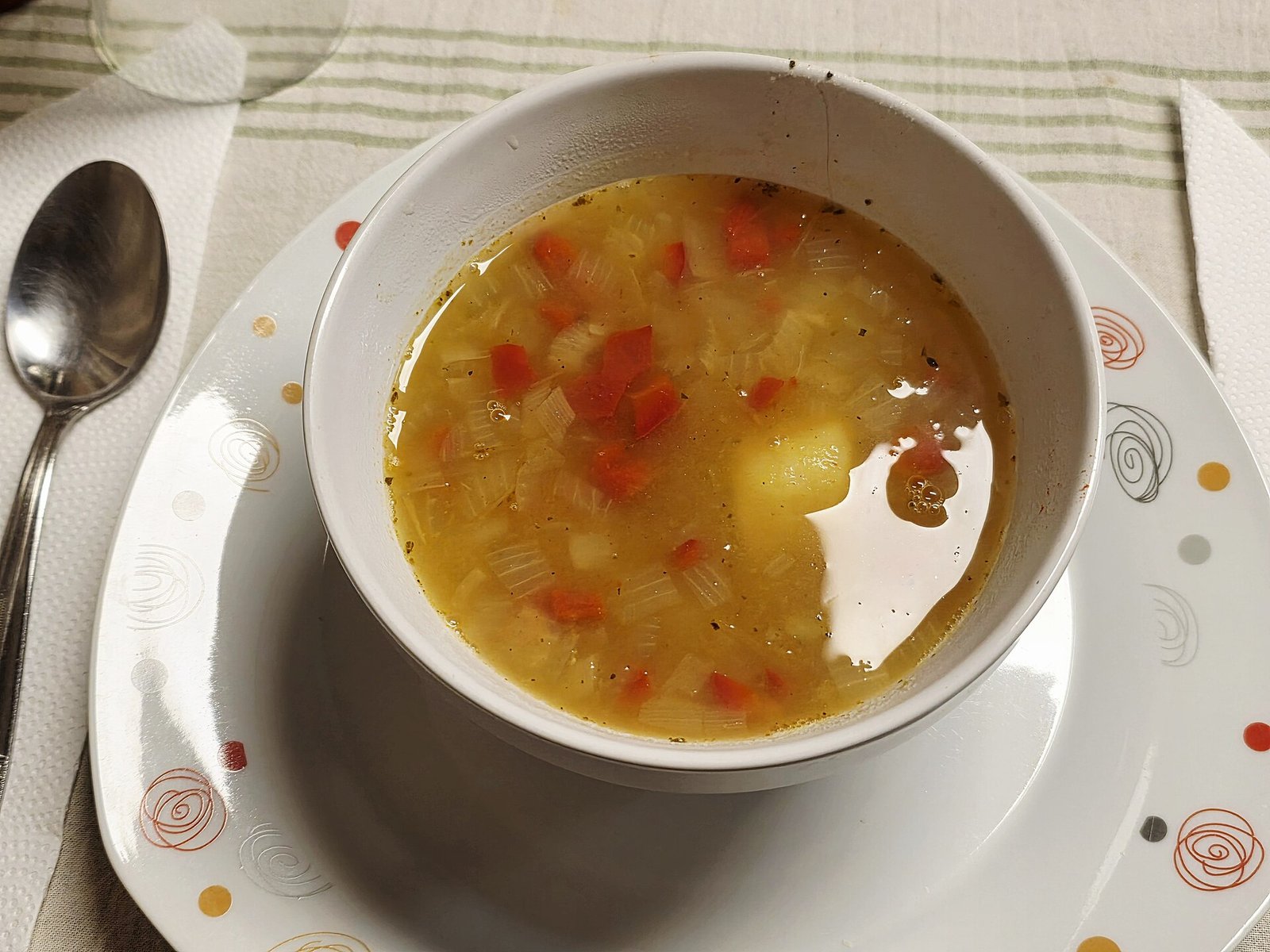
- – Soft cooked vegetables and fruit you can finish without rushing
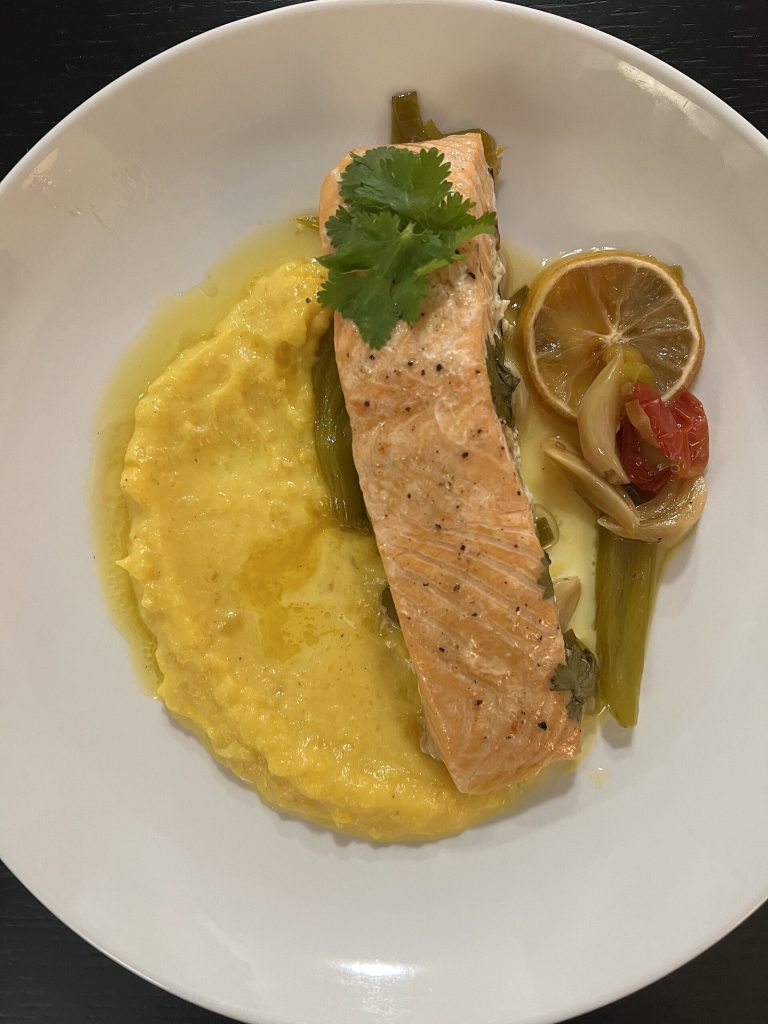
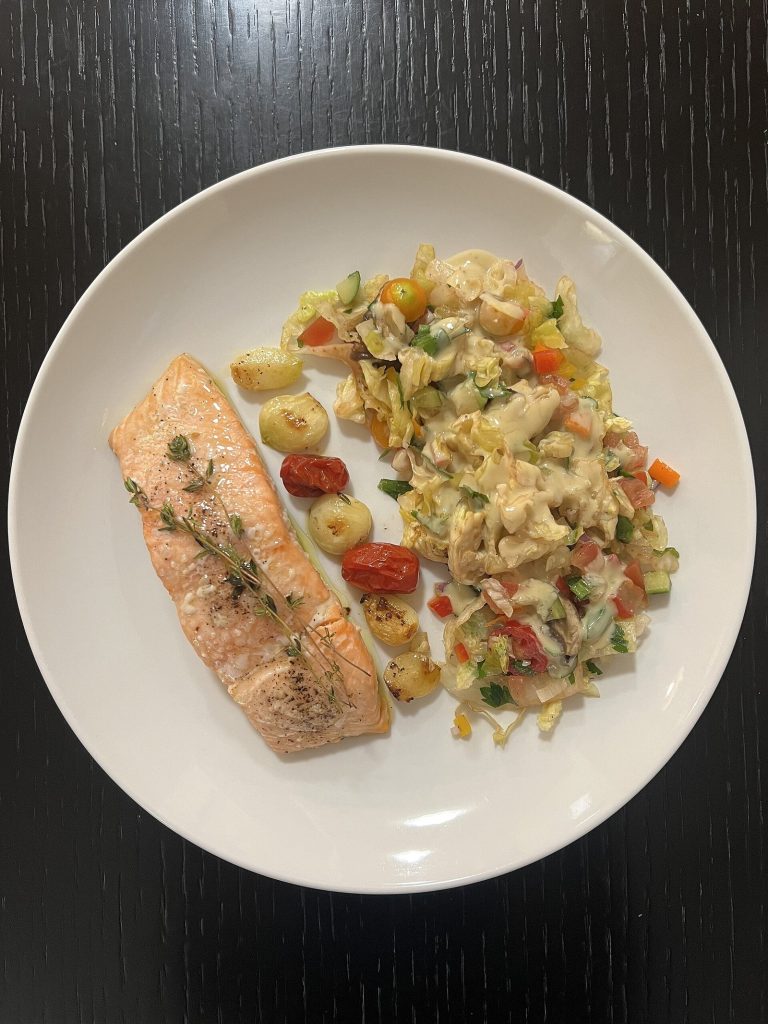
- – Fish, eggs, yogurt, beans, or tender poultry if tolerated, to keep protein in smaller plates
- – Oats, rice, potatoes, or other easy starches that do not require a huge chewing effort when you are short of breath
- – Nutrient-dense snacks between small meals if full plates feel impossible
If heart disease or high blood pressure overlap—NHLBI notes heart and lung problems often travel together, and high blood pressure is the most common condition among people with COPD—layer those sodium and fat instructions on top. See high blood pressure diet guide and heart failure diet guide.
Foods and habits that often worsen comfort or nutrition with emphysema
- – Very large meals and a lot of fluid with food. MedlinePlus: a full stomach can make breathing harder; limit big drinks right before and during meals.
- – Skipping food because eating feels like work. NHLBI links under-eating with worse symptoms and higher infection risk.
- – Continued smoking and other inhaled irritants. MedlinePlus: quitting smoking is the most important treatment step; avoid secondhand smoke, air pollution, chemical fumes, and dusts. NHLBI also flags cooking-fuel smoke and secondhand smoke as flare triggers.
- – Unaddressed heartburn. NHLBI: reflux can increase flare-up risk.
- – Assuming diet replaces vaccines, inhalers, or oxygen. MedlinePlus and CDC emphasize medicines, recommended vaccinations, oxygen when blood oxygen is low, and pulmonary rehab. Never change oxygen flow without asking your provider (MedlinePlus discharge).
“Limit” means reducing meal size and lung irritants—not fearing every flavorful food.
Practical kitchen protocol: an emphysema-aware week
1. Get an eating plan, not a social-media “lung cleanse”
MedlinePlus tells people with emphysema to ask for an eating plan that meets nutritional needs and how much physical activity they can do. Activity can strengthen the muscles that help you breathe.
2. Shopping list for smaller, easier plates
Oats, eggs, yogurt if tolerated, fish, tender chicken, cooked carrots or green beans, potatoes, rice, bananas or other easy fruit, and ready-to-eat snacks. Choose cooking tools that are not heavy and sit down to prepare food when you can (MedlinePlus energy-saving tips).
3. Default day built around six smaller eating times
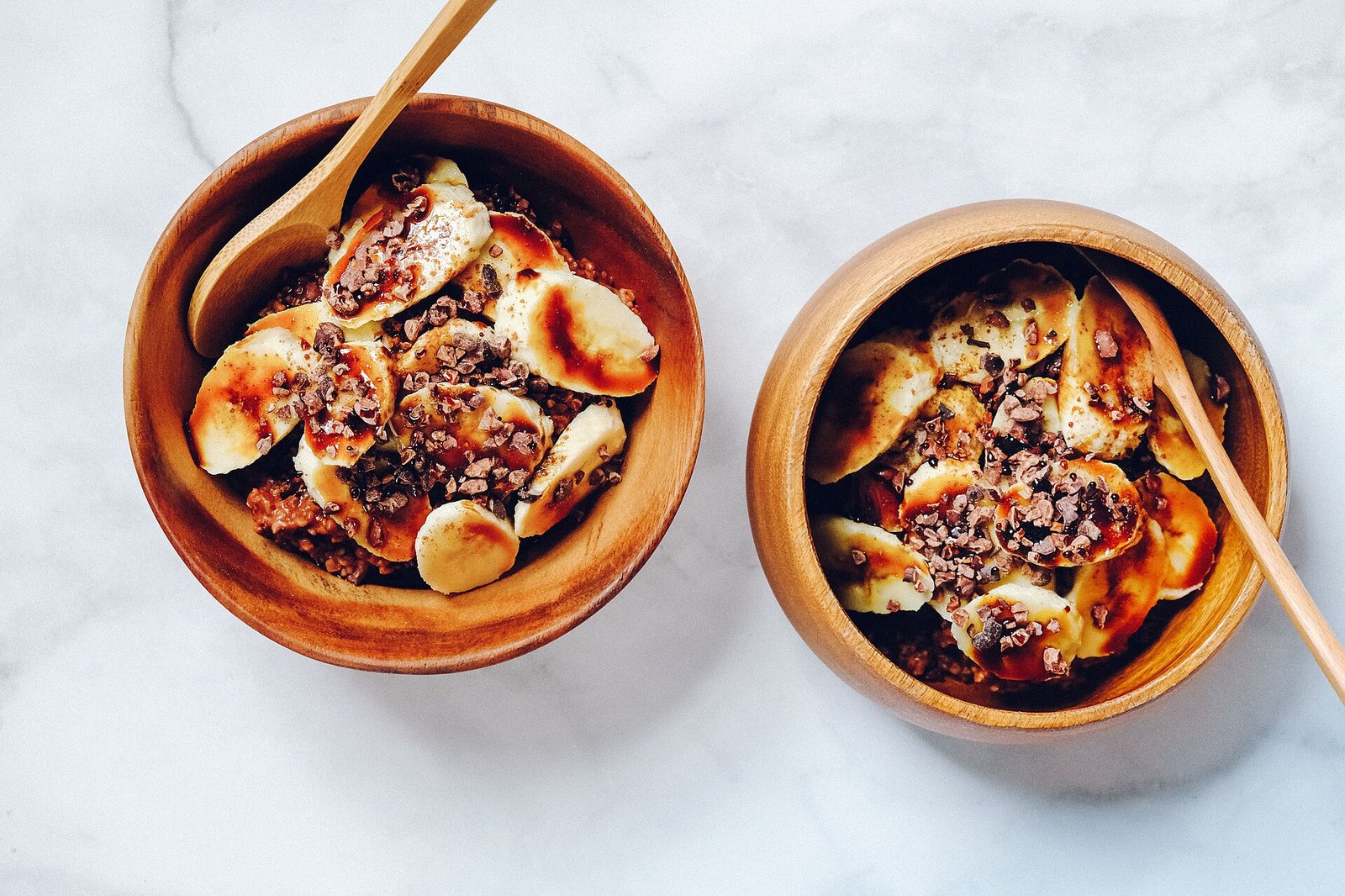
- – Early breakfast: oatmeal with banana.
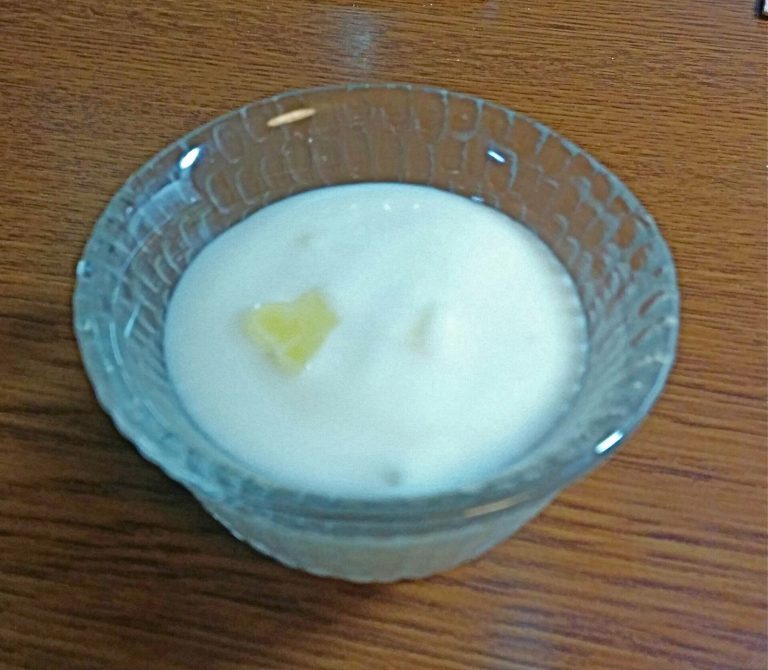
- – Mid-morning: yogurt or a small handful of easy fruit.
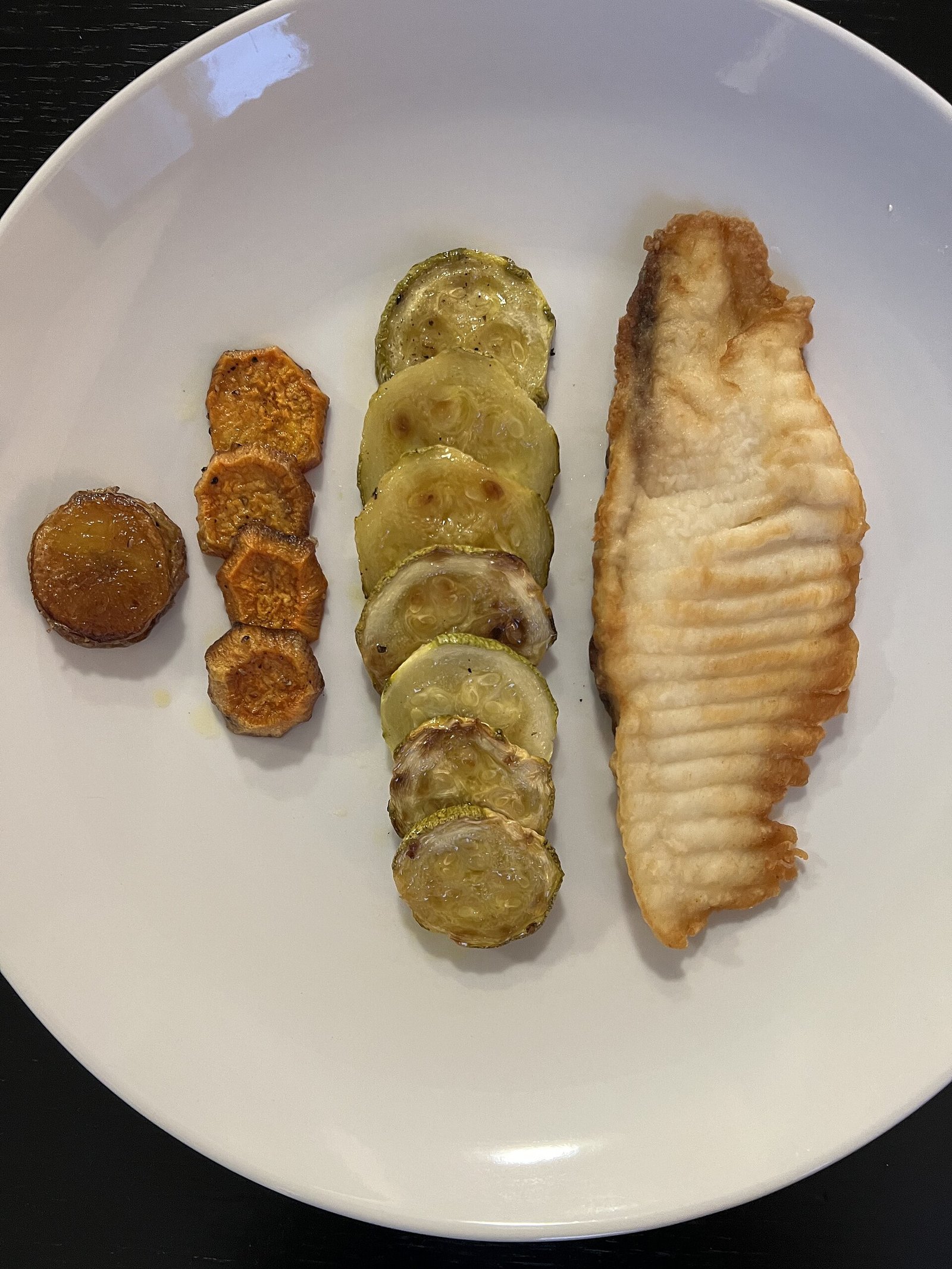
- – Lunch: baked fish or eggs with rice and cooked vegetables—stop before painful fullness.
- – Afternoon: a small potato or toast-and-nut-butter snack if that sits well.
- – Dinner: another modest protein-and-vegetable plate.
- – Evening: a small snack if weight is drifting down; sip fluids between meals more than during them.
4. Rest, pace, and kitchen setup
NHLBI: rest before eating; put items you use often in one easy-to-reach place; find simple ways to cook. MedlinePlus: sit down if you can when cooking and eating, use slow steady motions, and do not try to do too much in one day.
5. Watch for infection and flare-up signs—not just the menu
Call your provider if symptoms worsen or you have signs of infection such as a fever (MedlinePlus, NHLBI). MedlinePlus lists emergency warning signs such as trouble catching your breath or talking, and discharge instructions also flag faster or shallower breathing, needing to lean forward to breathe, difficulty speaking even a few words, using rib muscles to breathe, extra headaches, sleepiness or confusion, dark mucus, or blue fingertips.
Safety, interactions, and who should ask a clinician first
- – Unintentional weight loss, swelling in the ankles, or new lower-muscle weakness: report it (MedlinePlus lists these among more severe emphysema features).
- – Heart disease, high blood pressure, diabetes, or obesity overlapping with COPD (CDC and NHLBI note these combinations are common): do not invent a high-calorie plan that ignores those conditions.
- – Oxygen users: never change the flow rate on your own (MedlinePlus).
- – Depression or anxiety: NHLBI notes living with COPD may cause fear, anxiety, depression, and stress—ask about support rather than using food as the only coping tool.
- – Alpha-1 antitrypsin deficiency or a strong family history: mention it; MedlinePlus lists genetics among risk factors.
FAQ
Will changing my diet reverse emphysema? No. MedlinePlus, NHLBI, and CDC state there is no cure. Food may help you meet energy needs and feel less breathless at meals while medical care and smoking cessation do the disease-modifying work.
Why six small meals instead of three large ones? MedlinePlus says it might be easier to breathe when your stomach is not full. NHLBI also suggests smaller meals more often if symptoms make it hard to eat enough.
Should I drink a big glass of water with every meal? MedlinePlus discharge advice is not to drink a lot of liquid before eating or with your meals. Sip fluids between eating times unless your clinician gave other instructions (for example, a heart-failure fluid limit).
Do I need vitamin supplements? Only if your doctor suggests them (NHLBI). Pulmonary rehab nutritional counseling is a better first conversation than self-started megadoses.
Is this the same as a general COPD diet? Emphysema is one main type of COPD, so kitchen pacing overlaps; see COPD diet guide for broader COPD tactics. This page stays tied to emphysema sources and the weight-loss picture MedlinePlus describes.
When should I get emergency care? MedlinePlus: severe symptoms such as trouble catching your breath or talking. Also use the flare-up and infection warning list above.
How this differs from related OTCFood topics
This page is an emphysema-bound diet guide focused on smaller meals, protecting calories when breathing is hard, NHLBI’s fruits-vegetables-grains-and-fish pattern, and reflux as a flare trigger. It is not an asthma plan or a substitute for oxygen or inhaler teaching.
Medical disclaimer
Medical disclaimer: This article is for general information only. It is not medical advice, diagnosis, or a treatment plan. Emphysema and COPD care depend on lung function, oxygen needs, infections, other conditions, and your clinician’s judgment. Talk with a clinician or registered dietitian before starting, stopping, or changing any eating plan, supplement, or medicine. Seek urgent care for severe shortness of breath, trouble speaking, confusion, blue fingertips, or other emergency warning signs your care team has given you.