Diet After Pacemaker Implant: Foods That May Help and Foods to Limit
Medical note: This article discusses foods and researched botanicals. It does not claim to prevent, treat, or cure disease. Supplements are not a substitute for food, and studied amounts are not personal prescriptions.
People searching “diet after pacemaker implant foods that help or worsen” usually want kitchen habits that fit a heart-healthy pattern, support everyday energy while the pocket heals, and respect device-clinic rules—not a claim that food replaces the pacemaker, “resets” heart rhythm, or substitutes for prescribed heart medicines. MedlinePlus explains that a pacemaker uses electrical pulses to help control abnormal heart rhythms. NHLBI living-with guidance stresses regular doctor visits to check the device, carrying a pacemaker ID card, and keeping strong magnets and certain electronics at a safe distance from the generator pocket.
What this after-pacemaker diet guide covers (and what it does not)
This guide is for adults recovering from pacemaker implantation who want practical eating patterns while wound care, arm restrictions, and cardiology/device follow-up remain primary. Anchors: MedlinePlus — Pacemakers and implantable defibrillators, NHLBI — Pacemakers, NHLBI — Living with a pacemaker, and NHLBI — DASH Eating Plan.
NHLBI notes household appliances that work properly are usually safe, but cell phones should be kept away from the pocket (speakerphone or opposite-ear use; avoid shirt-pocket storage), and headphones with magnets should stay distant from the generator. Kitchen changes do not reprogram devices, reverse cardiomyopathy, or replace anticoagulation or rate-control medicines when those are prescribed. Related reading: diet after pacemaker implantation guide, diet after CABG guide, hypertension diet guide, and heart failure diet guide.
Evidence snapshot: after-pacemaker diet claims vs public sources
| Claim people hope for | What public sources actually say | Confidence |
|---|---|---|
| “A special diet turns the pacemaker off when you ‘heal’” | NHLBI: pacemakers need ongoing checks; diet does not replace the device | Strong: device stays medical |
| “Megadose supplements charge the battery” | Battery/lead function is checked clinically; unregulated megadoses can interact with medicines | Strong against megadose myths |
| “DASH-style eating may support heart-healthy patterns around device care” | NHLBI presents DASH as a flexible heart-healthy eating style with sodium and saturated-fat limits | Moderate for overall heart pattern support |
| “Salt cleanses or potassium megadoses replace diuretics” | Fluid/electrolyte medicines are prescribed individually—especially in heart failure | Strong: do not DIY electrolytes |
| “Keeping a phone on the pacemaker pocket is fine if the diet is clean” | NHLBI: avoid close/prolonged contact with phones and magnetic devices near the pacemaker | Strong for device interference rules |
Foods and patterns that may help after pacemaker implant day to day
“May help” means supporting a steadier heart-healthy plate and easier meals while the incision heals—not a promise that food eliminates arrhythmia risk.
DASH-aligned everyday patterns
- – NHLBI DASH recommendations include vegetables, fruits, and whole grains; fat-free or low-fat dairy; fish, poultry, beans, nuts, and vegetable oils; limiting fatty meats, full-fat dairy, tropical oils, sugar-sweetened drinks, and sweets.
- – Example sodium targets discussed in DASH materials include 2,300 mg daily, with 1,500 mg lowering blood pressure further for many people—confirm your personal sodium goal with cardiology (especially if you have heart failure).
- – See hypertension diet guide for sodium-aware kitchen tactics that often overlap.
Soft, easy meals during early pocket healing
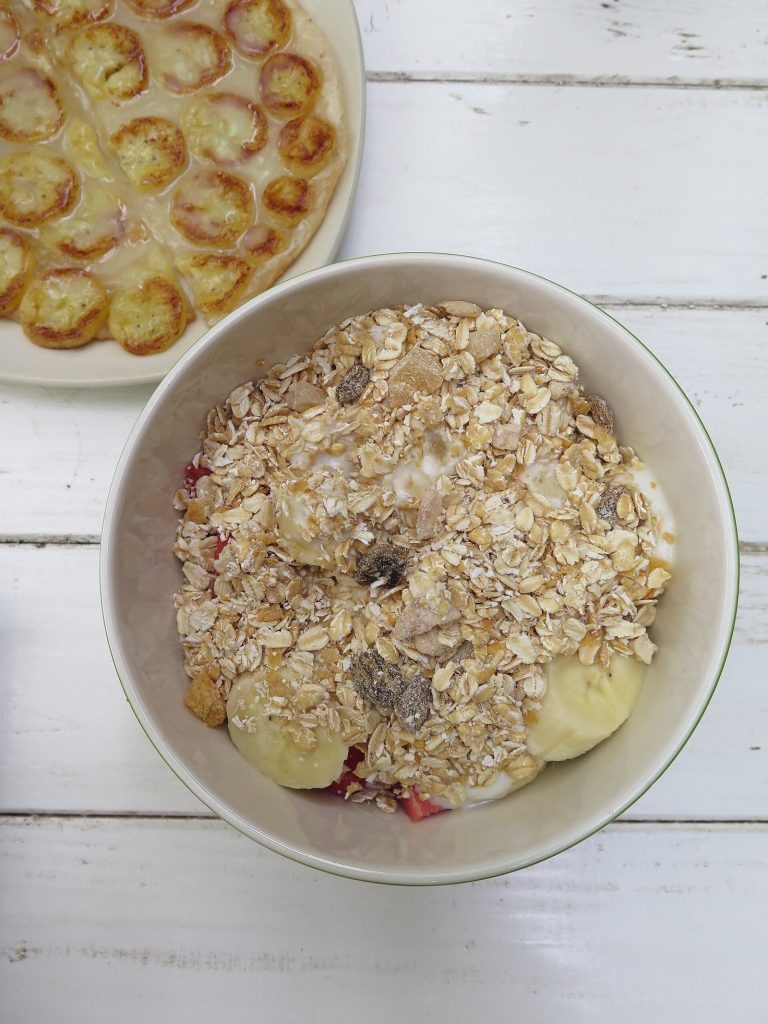
- – Eggs, yogurt, oatmeal, tender fish or poultry, tofu, rice, soups, and cooked vegetables reduce kitchen strain if arm motion on the implant side is limited.
- – Prep foods at counter height; ask helpers to lift grocery bags and cast-iron pans.
Potassium-, calcium-, and magnesium-aware foods within clinician targets
- – DASH highlights foods rich in potassium, calcium, magnesium, fiber, and protein.
- – If you take diuretics or have kidney disease, do not load potassium supplements or salt substitutes without clinician clearance—food patterns still need personalization. Related: heart failure diet guide and chronic kidney disease diet guide.
Steady nonalcoholic fluids as advised
- – Meet fluid goals your cardiologist set. Some people with heart failure have fluid caps; others do not—follow your sheet, not a generic “gallon a day” slogan.
Device-clinic lifestyle pairing
- – Carry your pacemaker ID card; know infection warning signs (fever, chills, pain or redness at the pocket—NHLBI notes these can appear even months later).
- – Keep phones and magnetic headphone cases off the generator pocket while you cook or snack.
Foods and habits that often worsen after-pacemaker kitchen patterns
- – High saturated-fat, high-sodium restaurant default patterns that work against DASH-style goals when cardiology wants blood-pressure and cholesterol support.
- – Sugar-sweetened beverage habits DASH materials advise limiting.
- – Unprescribed megadose vitamin/mineral or “heart detox” stacks—ask before supplements; they can interact with warfarin, antiarrhythmics, or other medicines.
- – Salt substitutes high in potassium if you have kidney disease or take medicines that raise potassium—clinic clearance first.
- – Alcohol excess that may disturb sleep, hydration, and medicine plans—ask for your limit.
- – Storing a phone or magnetic tablet case over the generator pocket.
- – Expecting kitchen changes to fix pocket infection signs, fainting, prolonged dizziness, or device shocks (if you also have an ICD)—those are device-clinic/ER issues.
“Limit” means aligning with heart-healthy patterns and device safety—not claiming one salty meal disables the pacemaker.
Practical kitchen protocol: an after-pacemaker diet week
1. Keep the medical spine first
Confirm wound care, arm restrictions, driving rules, medicine list (including blood thinners if any), device-check schedule, and which household electronics need distance. Carry your pacemaker ID card.
2. Shopping list for DASH-leaning recovery
Vegetables and fruit; oats and other whole grains; low-fat dairy or fortified alternatives; beans; fish and poultry; nuts in modest portions; olive or other unsaturated oils; herbs instead of heavy salt; labeled lower-sodium broths; easy yogurt and eggs for one-handed snacks.
3. Default plate template
- – Half non-starchy vegetables
- – Quarter whole grain or starchy vegetable
- – Quarter lean protein
- – Minimal table salt; respect any fluid cap
4. Sample day (illustrative)
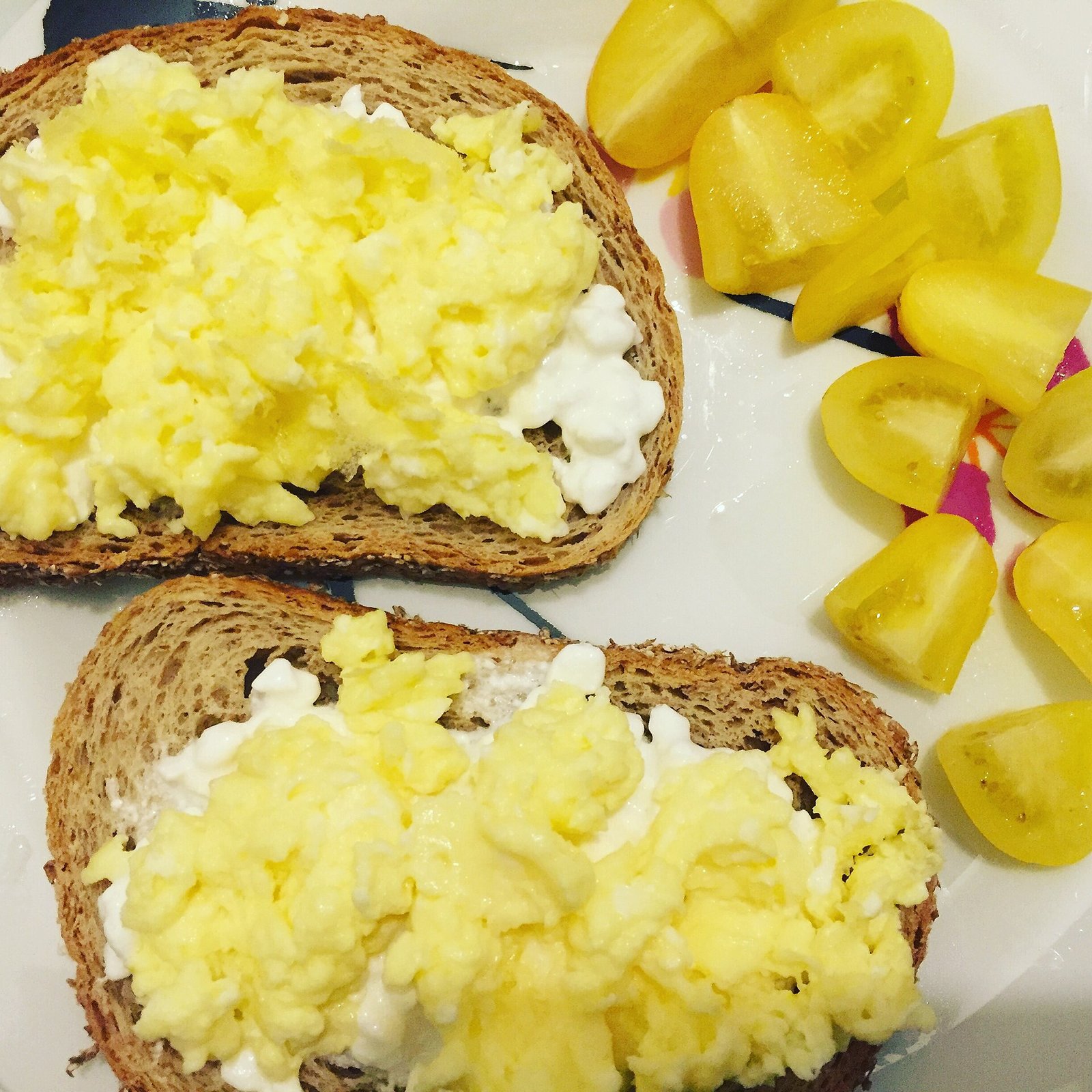
- – Breakfast: scrambled eggs on whole-grain toast; fruit; water.
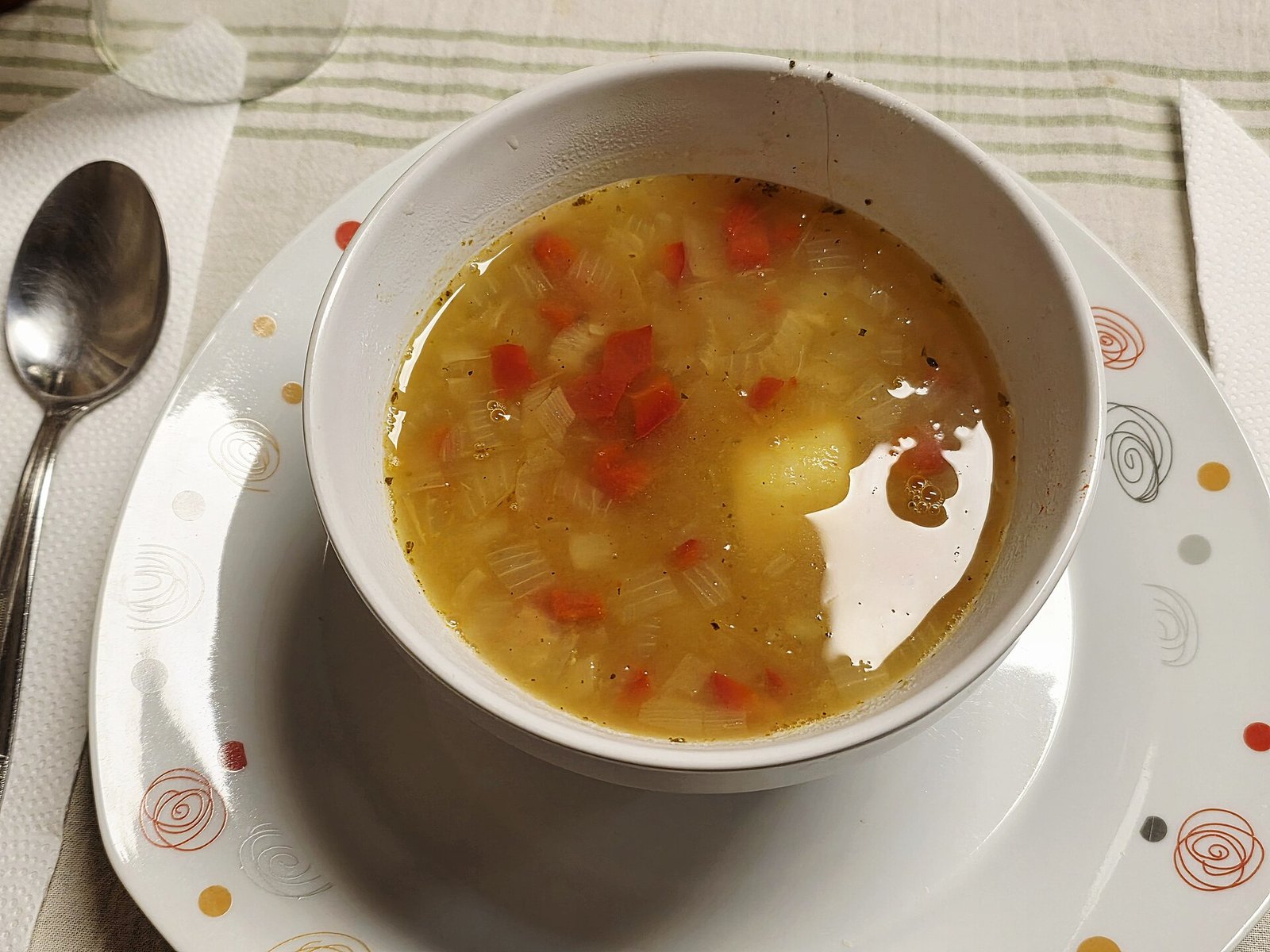
- – Lunch: vegetable soup with a side salad; yogurt.
- – Snack: banana or cheese stick if tolerated.
- – Dinner: grilled fish or chicken, roasted vegetables, rice; water.
- – Device habit: charge the phone away from the implant pocket; use speakerphone while cooking.
5. Eating out and travel
Choose grilled proteins and vegetables; watch salty appetizers; show your pacemaker ID at airport security as NHLBI describes; pack medicines in carry-on.
6. When heart-failure or CAD coexists
Blend this page with heart failure diet guide or diet after coronary stent guide without changing device settings or diuretics on your own.
Safety, interactions, and who should ask a clinician first
- – Pocket redness, drainage, fever, or chills: contact the implanting team promptly (NHLBI).
- – New fainting, severe dizziness, or feeling the device is not working: seek urgent care as NHLBI advises.
- – Kidney disease or potassium-sparing medicines: individualize DASH produce and salt substitutes.
- – MRI, surgery with electrocautery, TENS, lithotripsy, or radiation: always disclose the pacemaker (NHLBI procedure list).
- – Call urgently for stroke signs, severe chest pain, or syncope.
FAQ
Can diet replace my pacemaker? No. Pacemakers treat electrical problems; food supports overall heart-healthy habits around device care.
Do megadose vitamins charge the battery? No. Battery and lead function are checked clinically (NHLBI).
Is DASH required after every pacemaker? DASH is a flexible heart-healthy pattern many cardiology teams endorse for blood pressure and cardiometabolic eating—confirm sodium/fluid targets for your diagnosis.
Can I keep my phone in a shirt pocket over the generator? NHLBI advises keeping phones away from the pocket and using the opposite ear or speakerphone.
What if I also have an ICD? Follow ICD-specific shock and activity instructions from your clinic; kitchen patterns still follow heart-healthy defaults unless your team sets other limits.
How is this different from the longer “implantation” diet page? Shared DASH and device-safety logic—see diet after pacemaker implantation guide—with implant-focused framing from MedlinePlus and NHLBI living-with pages.
How this differs from related OTCFood topics
This page is an after-pacemaker-implant–bound diet guide focused on DASH-style eating, easy pocket-healing meals, and device interference habits. It is not a device-programming manual and not a substitute for device-clinic care.
Medical disclaimer
Medical disclaimer: This article is for general information only. It is not medical advice, diagnosis, or a treatment plan. Care after pacemaker implant depends on the underlying rhythm problem, medicines, heart function, and device settings. Talk with a clinician or registered dietitian before starting, stopping, or changing any eating plan, supplement, or medicine. Seek urgent care for fainting, severe dizziness, pocket infection signs, chest pain, or stroke symptoms.