Ehlers-Danlos Syndrome Diet: Foods That May Help and Foods to Limit
Medical note: This article discusses foods and researched botanicals. It does not claim to prevent, treat, or cure disease. Supplements are not a substitute for food, and studied amounts are not personal prescriptions.
People searching “Ehlers-Danlos syndrome diet foods that help or worsen” usually want kitchen habits that support energy, bowel regularity, and bone-friendly nutrients while living with joint hypermobility and fragile connective tissue—not a claim that food rebuilds collagen like a cure, replaces physical therapy, or treats vascular EDS emergencies. MedlinePlus describes Ehlers-Danlos syndrome (EDS) as a group of inherited disorders that weaken connective tissues supporting skin, bones, blood vessels, and organs, with symptoms that can include loose joints, stretchy skin that bruises easily, and abnormal wound healing. MedlinePlus Genetics notes hypermobility as a hallmark of many types and explains that classification now includes multiple forms ranging from milder joint issues to life-threatening vascular complications. There is no cure; care focuses on symptom management, joint protection, and preventing injuries.
What this Ehlers-Danlos syndrome diet guide covers (and what it does not)
This guide is for adults with EDS (especially hypermobile patterns) who want practical eating strategies while they follow genetics, rheumatology, cardiology, or PT plans as indicated. Anchors: MedlinePlus — Ehlers-Danlos Syndrome, MedlinePlus Genetics — Ehlers-Danlos syndrome, and MedlinePlus Encyclopedia — Ehlers-Danlos syndrome.
Diet does not prevent arterial rupture in vascular EDS, fix mitral valve disease, or replace bracing/PT. Related reading: Constipation Diet, Osteoporosis Diet, and Vitamin C Deficiency Diet.
Evidence snapshot: EDS diet claims vs public sources
| Claim people hope for | What public sources actually say | Confidence |
|---|---|---|
| “Collagen powders cure EDS” | MedlinePlus: EDS involves gene-related collagen/connective-tissue problems; there is no cure—treatment manages symptoms | Strong against cure claims |
| “A special diet rebuilds ligaments” | Public pages emphasize joint protection, PT, and injury prevention—not culinary ligament repair | Strong: food is supportive |
| “Ignore constipation because EDS is only joints” | Dysautonomia/GI motility issues are commonly discussed in clinical EDS care; fiber/fluid patterns may help bowel comfort (general constipation evidence) | Moderate: individualize |
| “Avoid all vitamin C foods after bruising” | Vitamin C supports normal collagen metabolism in general nutrition science; deficiency hurts connective tissue—do not self-delete produce without advice | Moderate–strong against avoidance |
| “Vascular EDS is managed with juice cleanses” | Vascular complications need urgent specialty care—not detox diets | Strong |
Foods and patterns that may help with Ehlers-Danlos syndrome day to day
“May help” means supporting steady energy for PT days, bowel comfort when constipation worsens pelvic or abdominal strain, and nutrient adequacy for bone and skin health—not a promise that dinner ends dislocations.
Protein-forward plates for recovery and muscle support around unstable joints
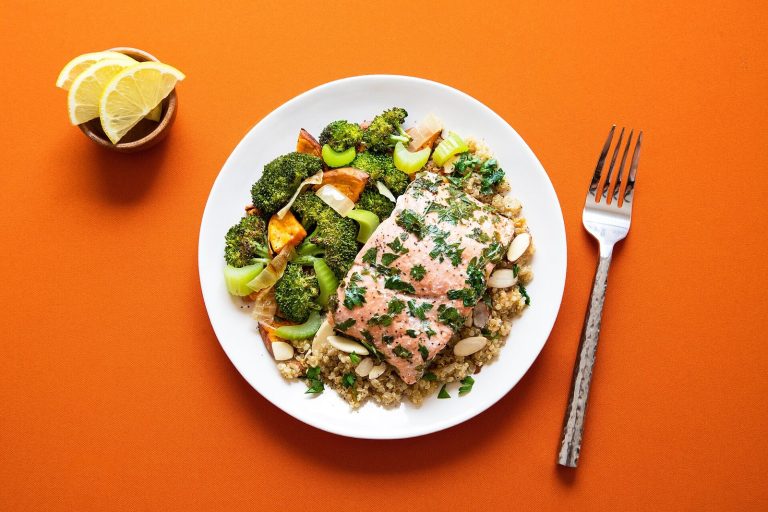
- – Include eggs, fish, poultry, dairy or fortified alternatives, beans, and tofu as tolerated to fuel physical therapy without claiming muscle “tightens” hypermobile joints alone.
- – Soft textures help on high-pain days when standing to cook is limited—batch-cook when energy allows.
Fiber and fluids for bowel strain reduction
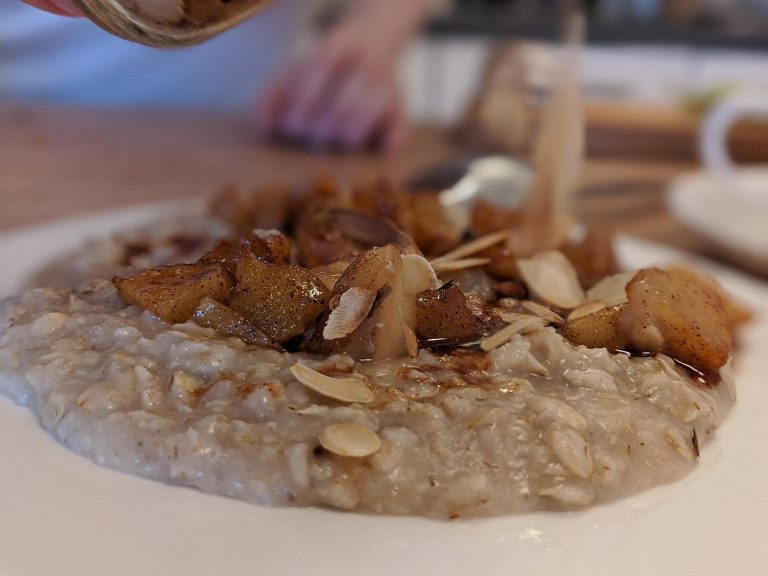
- – Straining on the toilet can stress pelvic floors and abdominal walls; constipation-aware patterns from Constipation Diet (oats, fruits, vegetables, water) may help comfort when your clinician agrees.
- – Increase fiber gradually if bloating is an issue; some people with EDS also explore clinician-guided approaches overlapping IBS Diet.
Bone-friendly calcium and vitamin D food patterns
- – Hypermobility and reduced activity can coexist with bone concerns—see Osteoporosis Diet and Calcium Deficiency Diet themes (dairy or fortified plant milks, canned fish with bones if tolerated) without inventing EDS-specific RDA changes.
- – Ask about labs before high-dose vitamin D self-supplementation.
Vitamin C–containing produce as part of balanced meals
- – Citrus, berries, peppers, and broccoli contribute vitamin C in ordinary diets; Vitamin C Deficiency Diet covers deficiency risks. This is adequacy care, not megadose therapy for EDS genetics.
Pain-flare kitchen shortcuts that still keep nutrition on the board
- – Keep a freezer tray of pre-portioned cooked proteins and soft vegetables for days when shoulder or wrist pain blocks chopping.
- – Use electric can openers and jar grippers if hand hypermobility makes lids risky.
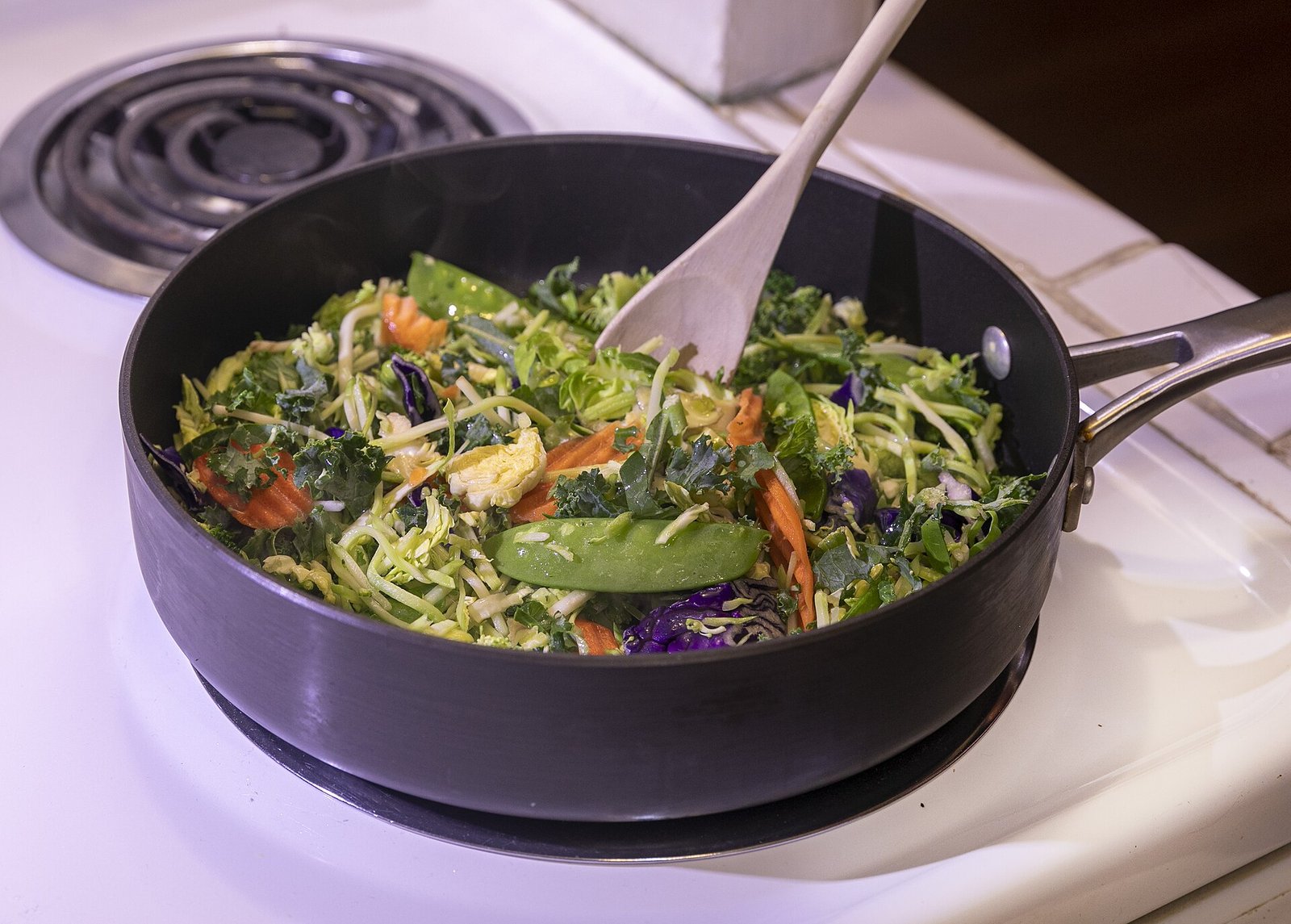
- – Prefer slow-cooker or one-pan meals so you are not standing through multiple burners during a flare.
- – Pair mealtime with prescribed joint-protection pacing—food prep is an activity dose, not a separate “push through” sport.
Easy-prep patterns for dysautonomia-adjacent fatigue (if present)
- – Salty fluids or smaller frequent meals are sometimes discussed clinically for postural symptoms—only follow personalized guidance from your clinician, not social-media sodium challenges.
Foods and habits that often worsen EDS kitchen patterns
- – Crash diets and under-fueling that worsen fatigue, dizziness, and injury risk during PT.
- – Very low-fluid, low-fiber patterns that promote hard stools and straining.
- – Unsupervised supplement megadoses marketed as “collagen rebuilding protocols.”
- – Heavy lifting of giant water-cooler bottles “for hydration” against joint-protection advice.
- – Alcohol excess that impairs balance and bruise awareness.
- – Ignoring vascular EDS red flags (sudden severe pain, signs of internal bleeding) because a meal plan felt “anti-inflammatory.”
“Limit” means reducing strain and under-fueling—not that one food type defines EDS severity.
Practical kitchen protocol: an EDS diet week
1. Keep the medical spine first
Confirm your EDS type (when known), cardiac/vascular surveillance needs, PT home program, brace use, and GI or autonomic plans. Put emergency contacts visible if vascular EDS is in the differential.
2. Shopping list for joint-friendly kitchens
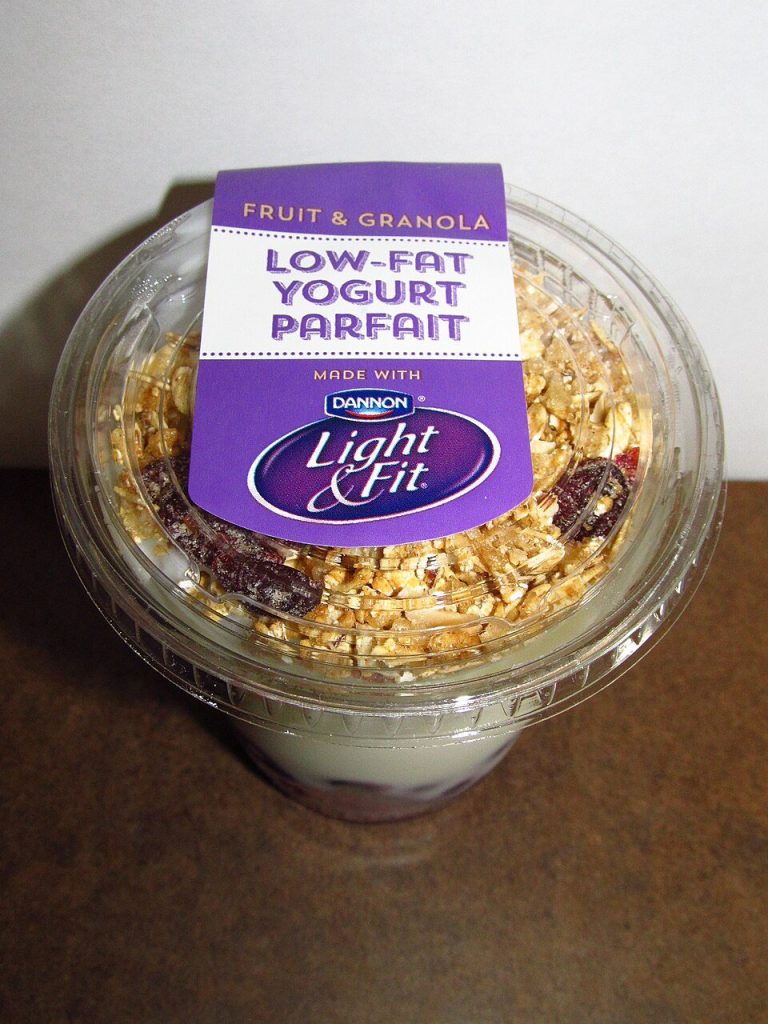
Eggs; yogurt; soft cheeses or fortified plant milks; fish/poultry; beans; oats; berries and citrus; leafy greens; pre-washed salad kits; olive oil; oral rehydration or salty snacks only if clinician-advised; stool-soft fiber foods you tolerate.
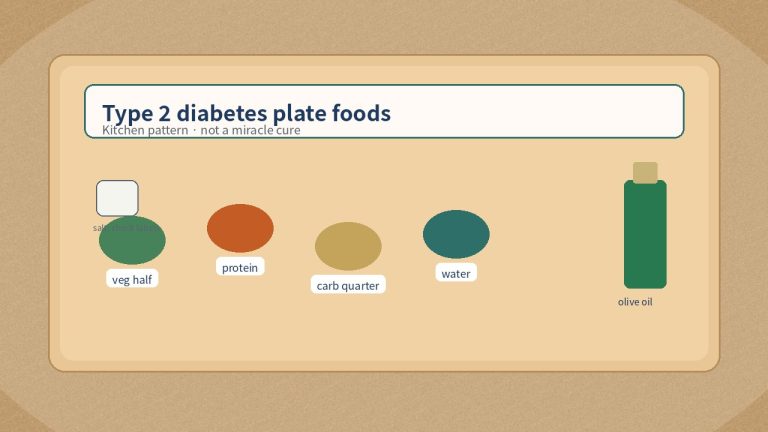
3. Default plate template
- – Protein
- – Fiber-containing carbohydrate
- – Fruit/vegetable
- – Fluid
- – Optional calcium source
4. Sample day (illustrative)
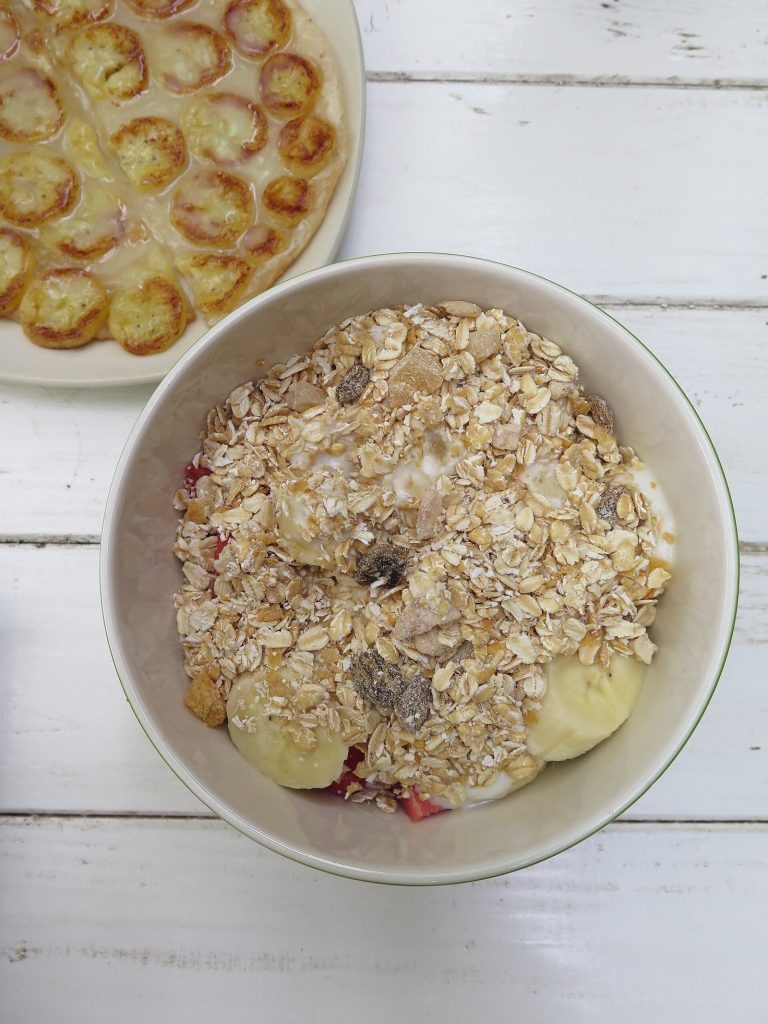
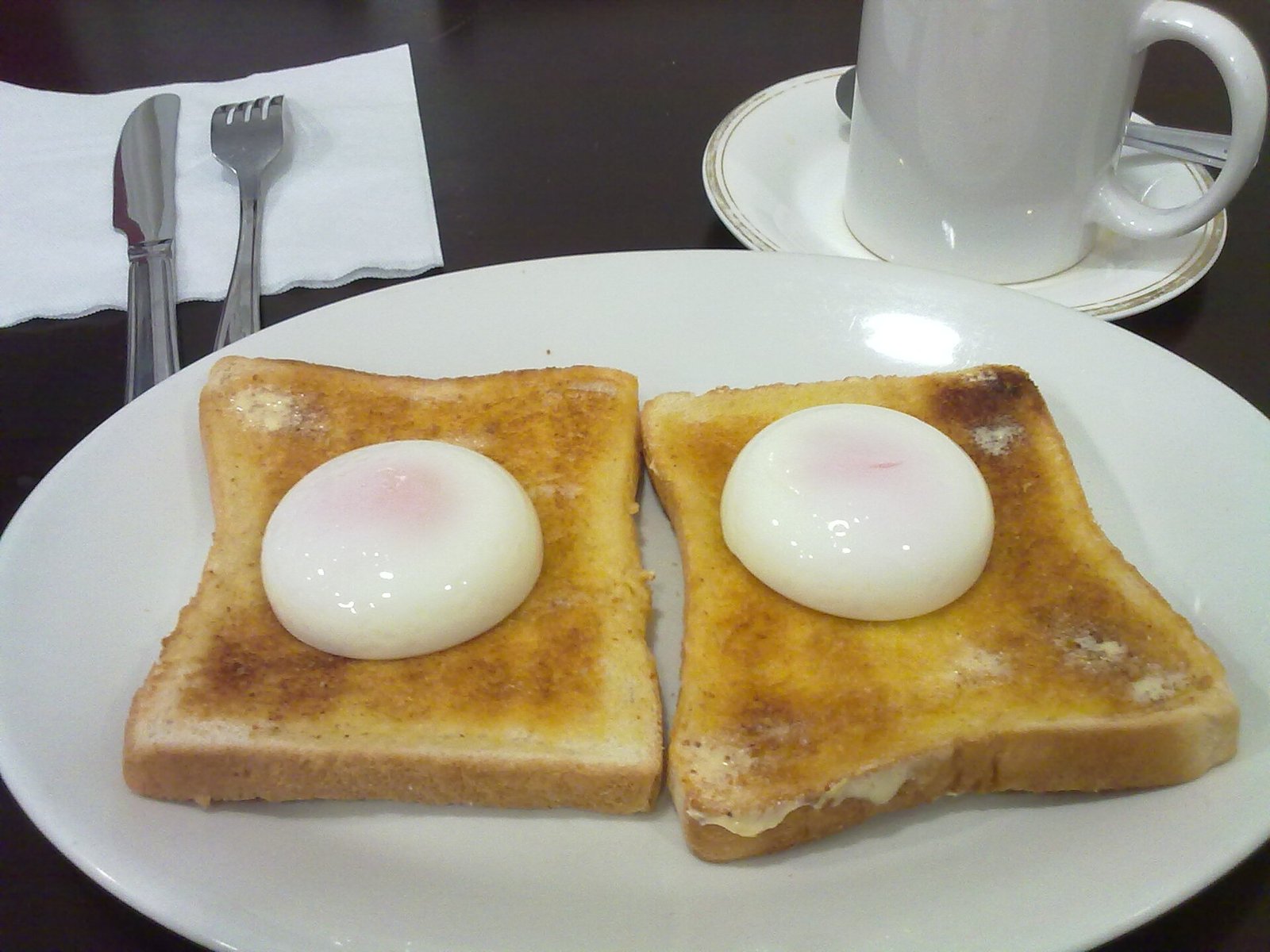
- – Breakfast: two eggs on toast; yogurt; water.
- – Lunch: vegetable stir-fry with tofu or chicken over rice; fruit.
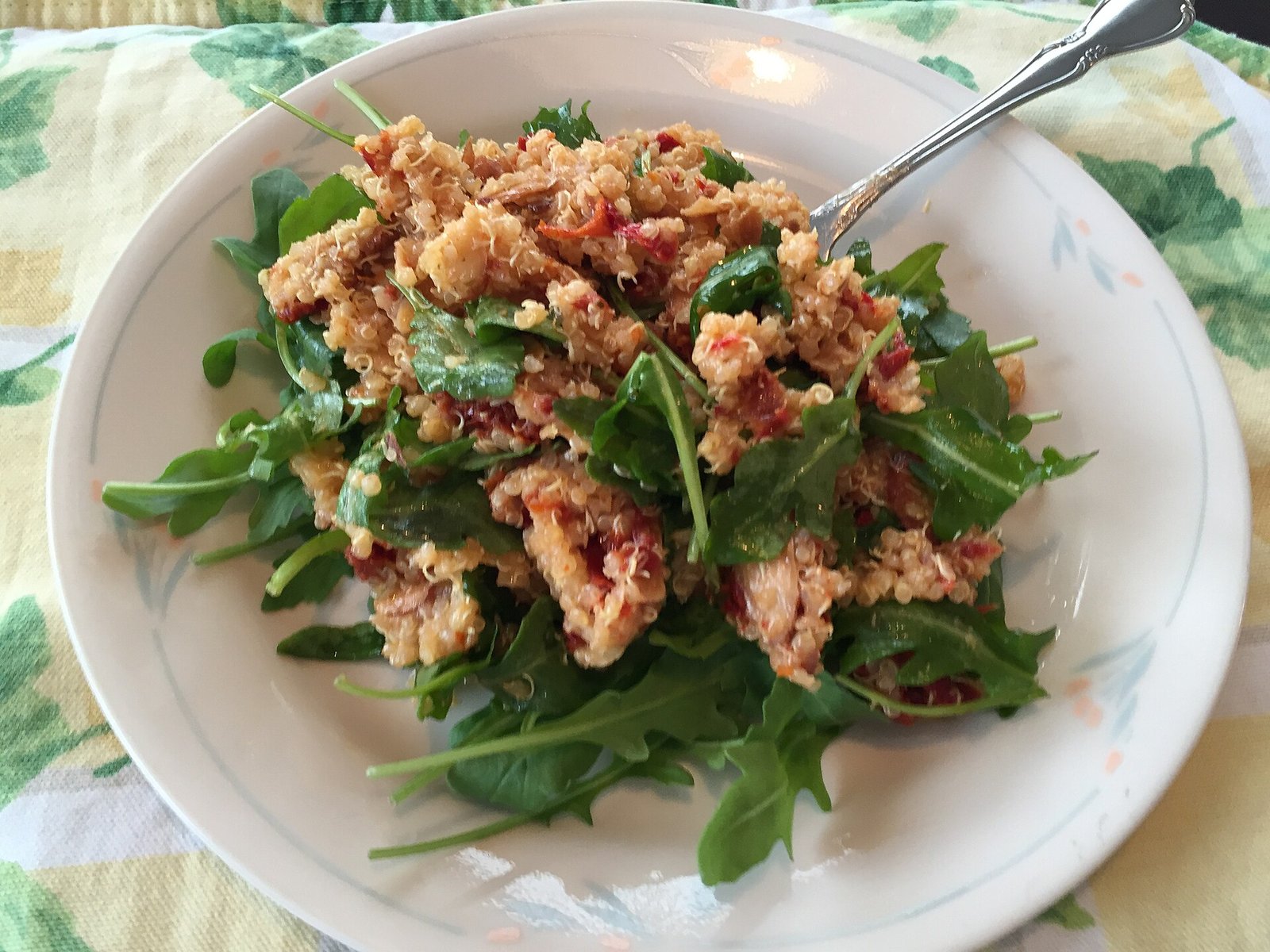
- – Snack: quinoa salad portion or cheese and crackers if standing is limited.
- – Dinner: baked fish, potatoes, cooked greens; milk or fortified alternative.
- – Evening: warm fluid; gentle bowel routine—avoid prolonged toilet straining (see constipation guide).
5. Home setup tips
Store heavy pans at waist height; use a perching stool at the counter; batch-freeze soups; prefer lighter grocery bags or delivery during flares.
6. If mast-cell or histamine symptoms overlap
Some people with hypermobility spectra report mast-cell–type symptoms—coordinate with allergy/immunology rather than self-diagnosing; see Histamine Intolerance Diet only under clinician guidance.
Safety, interactions, and who should ask a clinician first
- – Vascular EDS or arterial complications: emergency pathways override diet experiments.
- – Pregnancy in EDS: specialist obstetric planning.
- – Wound healing after surgery: follow surgical nutrition guidance; do not pack wounds with powders.
- – Anticoagulation or bleeding risk with easy bruising: ask before high-dose fish oil or similar.
- – Seek care for chest/abdominal pain that could signal vascular events, new neurologic deficits, or uncontrolled dislocations.
FAQ
Can diet cure Ehlers-Danlos syndrome? No. MedlinePlus states there is no cure; treatment manages symptoms with medicines, PT, and joint protection.
Should I take collagen peptides? Ask your clinician. Genetic connective-tissue disorders are not shown in public MedlinePlus pages to be cured by culinary collagen.
Why talk about constipation on an EDS page? Bowel straining can worsen pelvic and abdominal discomfort; general fiber/fluid strategies may help comfort while you follow specialty care.
Do I need a low-histamine diet? Only if an allergy/immunology evaluation supports it—do not restrict widely based on social media alone.
Is a Mediterranean-style pattern reasonable? Often as a general healthy template—produce, fish, olive oil, legumes—while you individualize fiber and salt with your clinicians. It is not an EDS-specific cure diet.
How is this different from a general joint-pain diet? EDS adds inheritance, skin/vessel fragility, and type-specific risks beyond ordinary osteoarthritis kitchen tips.
How this differs from related OTCFood topics
This page is an EDS-bound diet guide focused on fueling, bowel comfort, and nutrient adequacy around hypermobility care. It is not a vascular surgery protocol, not a cure program, and not a substitute for genetics or specialty follow-up.
Medical disclaimer
Medical disclaimer: This article is for general information only. It is not medical advice, diagnosis, or a treatment plan. EDS care depends on subtype, vascular risk, cardiac findings, and other conditions. Talk with a clinician or registered dietitian before starting, stopping, or changing any eating plan, supplement, or medicine. Seek emergency care for sudden severe pain, signs of internal bleeding, or other vascular warning symptoms.