Diet After Sinus Surgery: Foods That May Help and Foods to Limit
Medical note: This article discusses foods and researched botanicals. It does not claim to prevent, treat, or cure disease. Supplements are not a substitute for food, and studied amounts are not personal prescriptions.
People searching “diet after sinus surgery foods that help or worsen” usually want kitchen habits that keep meals soft, support fluid intake to thin mucus, and limit face pressure while they follow saline rinses and activity rules—not a claim that food opens sinus ostia or replaces endoscopic care, antibiotics when prescribed, or ENT follow-up. MedlinePlus defines sinusitis as inflamed sinuses that can block drainage and cause pain; encyclopedia guidance notes surgery to enlarge sinus openings and drain sinuses may be considered when symptoms persist after months of treatment or when infections keep returning. Nasal endoscopy pages describe how clinicians view sinuses and sometimes remove polyps or debris. Soft-pressure recovery habits often parallel septoplasty discharge education used when nasal packing or splints are present.
What this after-sinus-surgery diet guide covers (and what it does not)
This guide is for adults recovering from functional endoscopic sinus surgery (FESS) or related sinus procedures who want practical eating patterns while they follow rinse schedules, activity limits, and bleeding watches from their ENT surgeon. Anchors: MedlinePlus — Sinusitis, MedlinePlus — Sinusitis encyclopedia, MedlinePlus — Nasal endoscopy, and nasal recovery parallels in MedlinePlus — Septoplasty discharge. Related reading: chronic sinusitis diet guide, acute sinusitis diet guide, and diet after rhinoplasty guide.
MedlinePlus self-care for sinus symptoms includes drinking plenty of fluids to thin mucus, saline sprays, and humidified air; surgical candidacy is framed around failed medical care or recurrent acute episodes. Kitchen changes do not replace urgent evaluation for heavy nosebleed, trouble breathing, severe headache, neck stiffness, high fever, or vision changes your surgeon listed. Soft textures overlap diet after tonsillectomy guide without claiming throat-surgery equivalence.
Evidence snapshot: after-sinus-surgery diet claims vs public sources
| Claim people hope for | What public sources actually say | Confidence |
|---|---|---|
| “A dairy-free detox always heals sinuses after surgery” | MedlinePlus centers medical care, saline, fluids, and—when needed—surgery; dairy elimination is not a universal protocol | Low as a cure claim; personal trigger tracking is separate |
| “Skipping water dries crusts faster so surgery works better” | Fluids are listed to thin mucus in sinus self-care; dehydration often worsens comfort | Strong: under-drinking usually backfires |
| “Spicy food permanently ruins FESS results” | Tolerance varies; bigger early priorities are no nose blowing (if restricted), limited bending/straining, and rinse adherence | Low for permanent “ruin” |
| “Alcohol is fine the night of surgery” | When nasal packing/splints are used, septoplasty-style discharge guidance avoids alcohol for at least 24 hours after anesthesia—follow your sinus surgeon’s sheet | Strong: honor anesthesia rules |
| “Hard crunchy snacks speed recovery” | Soft early meals reduce face muscle work while swelling and crusting are managed | Moderate: comfort-first early |
Foods and patterns that may help after sinus surgery day to day
“May help” means supporting hydration, soft textures, and easier bowel habits so you are less likely to strain or bend hard against facial pressure limits—not a promise that soup rebuilds mucosa on day one.
Soft, easy textures early
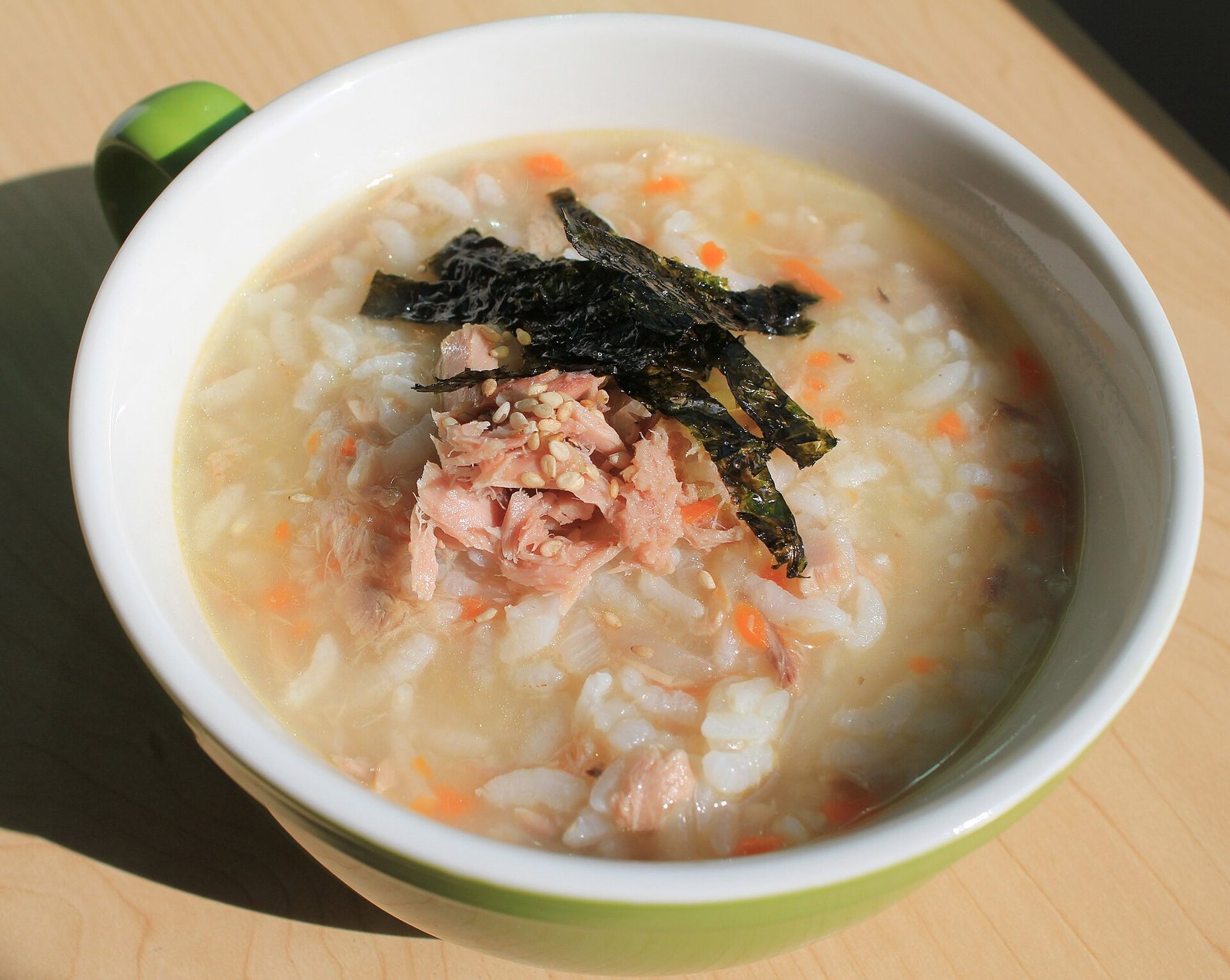
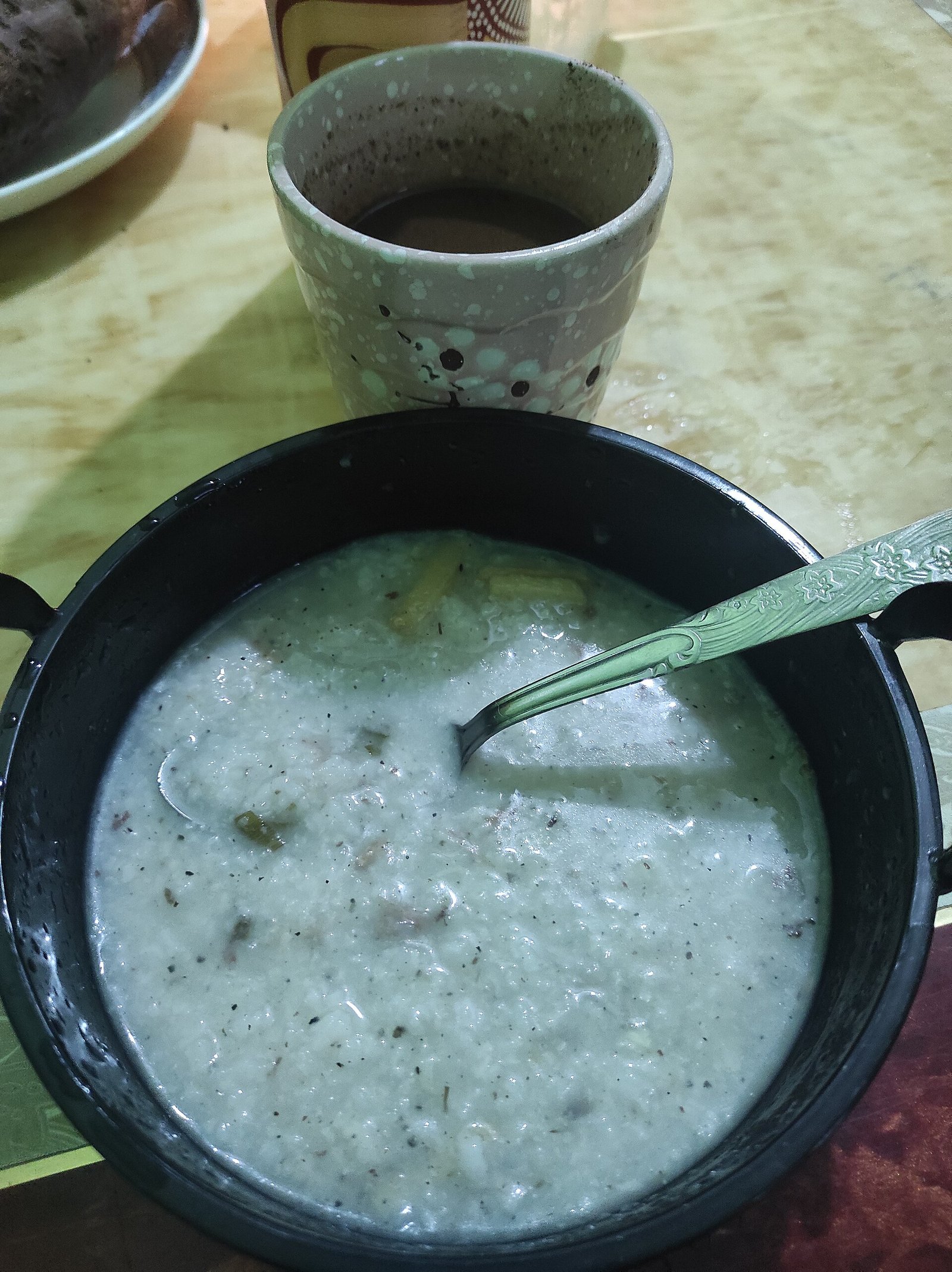
- – Rice porridge, broth-based soups, yogurt, scrambled eggs, oatmeal, mashed potato, soft fish, and puddings are common templates when chewing and nose breathing feel awkward.
- – Prefer moderate temperatures if very hot steam under the nose conflicts with your icing or crust-care plan—follow saline instructions instead of DIY extreme steam stacks.
Steady nonalcoholic fluids to thin mucus
- – MedlinePlus sinus self-care: drink plenty of fluids to thin mucus.
- – Sip water through the day; warm nonalcoholic fluids count toward comfort for many people.
Fiber once nausea settles
- – Pain medicines slow bowels; soft fiber plus fluids may limit constipation-related straining—see constipation diet guide.
- – Septoplasty-style discharge lists bowel-muscle tightening among face-pressure activities to limit when packing/splints are present.
Protein for recovery fueling
- – Eggs, dairy if tolerated, tender poultry/fish, or tofu keep calories up when smell/taste are temporarily off.
Pattern awareness for reflux or postnasal drip triggers
- – If spicy, very acidic, or late heavy meals worsen throat drip or heartburn for you, track them—overlap themes with GERD diet guide without claiming GERD diagnosis from sinus surgery alone.
Foods and habits that often worsen after-sinus-surgery kitchen patterns
- – Nose blowing or aggressive “clearing” against surgeon restrictions.
- – Bending into low ovens with breath-holding during the early lifting/face-pressure window.
- – Alcohol within the anesthesia window (and longer if told).
- – Chronic low fluid intake against mucus-thinning self-care.
- – Dry constipating snack patterns that invite straining.
- – Unprescribed “sinus detox” teas or high-dose supplements marketed to replace rinses and follow-up.
- – Expecting kitchen changes to fix heavy bleeding, fever, severe headache, double vision, or stiff neck—red flags.
“Limit” means reducing pressure and dehydration risk—not that one pepper flake defines surgical success.
Practical kitchen protocol: an after-sinus-surgery diet week
1. Keep the medical spine first
Confirm rinse recipe and schedule (including safe water guidance your clinic gave), activity limits, pain plan, packing/splint timing if used, and when nose blowing is allowed. Put saline supplies where you will not skip doses.
2. Shopping list for soft, fluid-forward recovery
Broth; soft rice or porridge; yogurt; eggs; bananas; applesauce; soft fish/tofu; oatmeal; oral fluids; a stool softener only if advised.
3. Default plate template (when advancing)
- – Soft lean protein
- – Soft starch (porridge, mashed potato, soft rice)
- – Soft fruit or cooked vegetables
- – Fluid at every meal
4. Sample day (illustrative)
- – Breakfast: rice porridge or oatmeal; water.
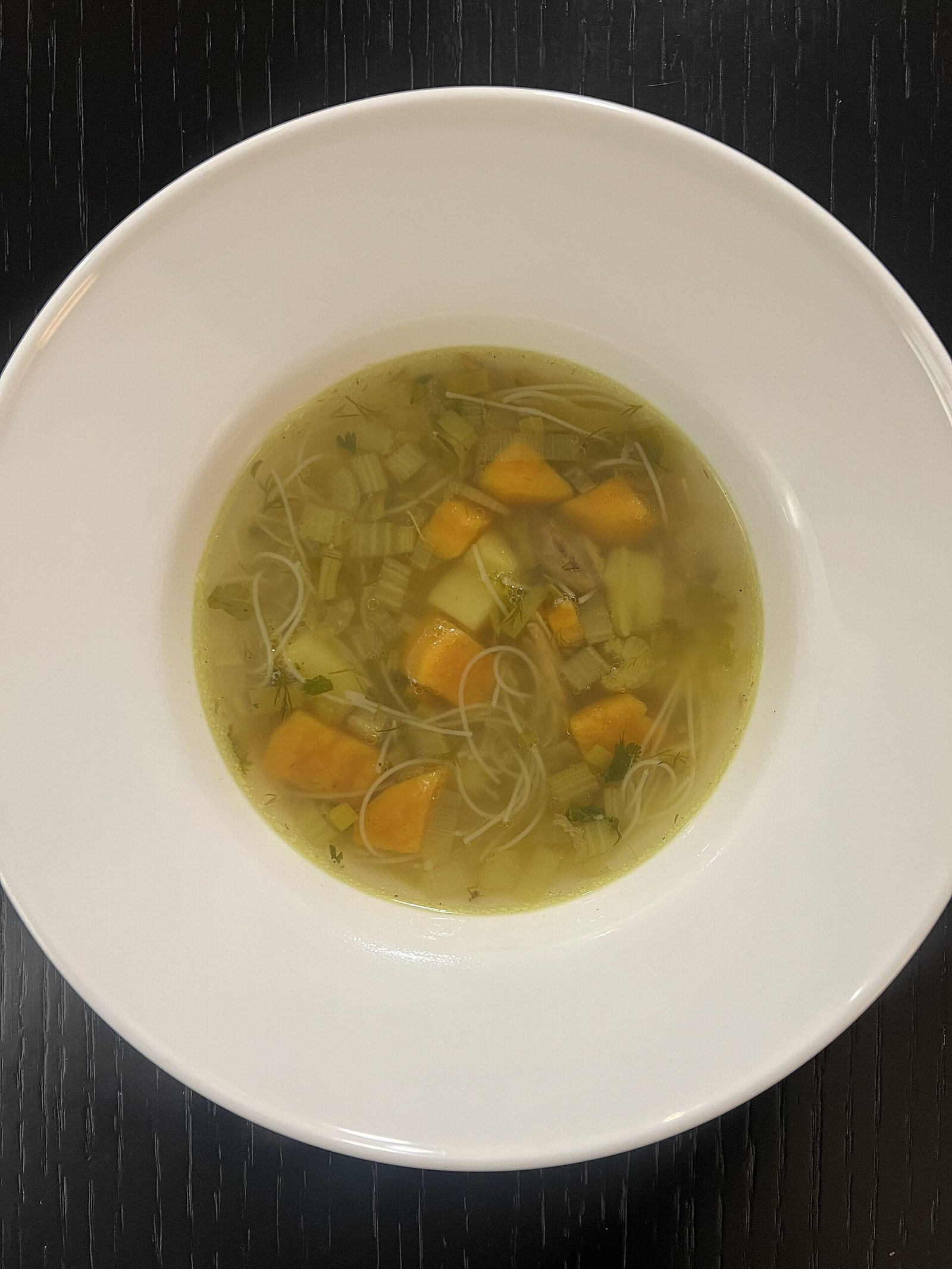
- – Lunch: chicken soup with soft noodles; yogurt.
- – Snack: applesauce or pudding; water.
- – Dinner: soft fish, mashed potato, cooked carrots; water.
- – Evening: warm nonalcoholic fluid; stool plan as needed.
5. Home setup tips
Batch soups before surgery; keep a refillable bottle at your rinse station; avoid towering spice experiments the first week if smell is altered.
6. If chronic sinusitis was the background problem
Longer-term patterns overlap chronic sinusitis diet guide; postoperative crusting and rinse technique stay with your ENT.
Smell and taste changes in the kitchen
- – Temporary smell or taste changes can make favorite foods seem bland; rotate soft herbs your surgeon allows rather than dumping extra salt.
- – Keep a short list of “still tastes okay” soft foods on the fridge so caregivers do not guess.
- – Reintroduce crunchy textures gradually once rinses and activity limits ease—do not force hard chips through an early packed week.
Safety, interactions, and who should ask a clinician first
- – Opioid pain medicines: ask about softeners.
- – Blood thinners or bleeding disorders: report heavy bleeding promptly.
- – Asthma or aspirin-exacerbated respiratory disease: coordinate diet experiments with your clinicians.
- – Neti pot or rinse users: use only the water type your surgeon/FDA-style guidance requires—never untreated tap water if instructed otherwise.
- – Contact care for heavy nosebleed, trouble breathing, high fever/chills, severe headache, disorientation, neck stiffness, or sudden vision changes.
FAQ
Can diet make sinus surgery recovery painless? No. Food supports fluids and soft textures; it does not erase mucosal healing timelines.
Should everyone go dairy-free after FESS? Not automatically. Track personal mucus or reflux triggers; MedlinePlus does not frame dairy elimination as universal sinus surgery aftercare.
Why fluids matter after surgery? MedlinePlus lists drinking fluids to thin mucus as a core sinus self-care step.
When can I eat crunchy chips again? Advance as swelling, crusting, and your surgeon allow—often after the early packed or high-rinse days feel more comfortable.
How is this different from a septoplasty diet page? Sinus surgery targets sinus openings/polyps/drainage; septoplasty targets the septum—see diet after rhinoplasty guide and septoplasty-bound guides when those procedures were combined.
How this differs from related OTCFood topics
This page is a sinus-surgery-bound diet guide focused on soft meals, fluids, and face-pressure reduction around endoscopic sinus recovery. It is not a DIY polyp protocol and not a substitute for ENT follow-up.
Medical disclaimer
Medical disclaimer: This article is for general information only. It is not medical advice, diagnosis, or a treatment plan. Care after sinus surgery depends on technique, packing, bleeding risk, and your surgeon’s protocol. Talk with a clinician or registered dietitian before starting, stopping, or changing any eating plan, supplement, or medicine. Seek urgent care for heavy bleeding, trouble breathing, high fever, severe headache, neck stiffness, or vision changes.