Kidney Infection (Pyelonephritis) Diet: Foods That May Help and Foods to Limit
Medical note: This article discusses foods and researched botanicals. It does not claim to prevent, treat, or cure disease. Supplements are not a substitute for food, and studied amounts are not personal prescriptions.
People searching “kidney infection diet foods that help or worsen” usually want clear hydration and kitchen rules while antibiotics do the real work—not a claim that food treats pyelonephritis. NIDDK explains that a kidney infection (pyelonephritis) is a type of urinary tract infection (UTI) that usually begins in the bladder or urethra and travels to one or both kidneys. It needs prompt medical care. On eating and nutrition, NIDDK states that experts do not think diet and nutrition can prevent or treat kidney infections, while drinking lots of liquids—water is best—may help prevent UTIs including kidney infections. Some research discusses cranberry products for prevention in certain settings; NIDDK notes evidence is mixed and products are not a treatment for an active kidney infection.
What this kidney infection diet guide covers (and what it does not)
This guide is for adults who have been diagnosed with a kidney infection or who are recovering after antibiotic treatment and want practical fluid and meal habits. Anchors: NIDDK — Kidney Infection (Pyelonephritis), NIDDK — Eating, Diet, & Nutrition for Kidney Infection, and MedlinePlus encyclopedia overview.
Fever, flank pain, nausea, vomiting, or UTI symptoms that worsen need medical care—not a juice cleanse. Kitchen changes do not replace antibiotics, imaging when indicated, or hospital care for severe infection. For lower UTI kitchen context, see also UTI diet guide. This is not a chronic kidney disease (CKD) protein/potassium protocol—see chronic kidney disease diet guide if you have CKD.
Evidence snapshot: pyelonephritis diet claims vs public sources
| Claim people hope for | What public sources actually say | Confidence |
|---|---|---|
| “A special diet treats kidney infection” | NIDDK: experts don’t think diet/nutrition can prevent or treat kidney infections | Strong: antibiotics and medical care are central |
| “Drink lots of water to help prevent UTIs” | NIDDK: drink lots of liquids; water is best; may help prevent UTIs including kidney infections | Moderate for prevention support; not a cure for active pyelonephritis |
| “Cranberry juice cures pyelonephritis” | NIDDK notes some research on cranberry for prevention; not a substitute for treating an active kidney infection | Low–moderate for prevention interest; strong against using it instead of antibiotics |
| “Stop antibiotics early if urine looks clear” | Kidney infections require completing prescribed antimicrobial courses as directed by the clinician | Strong: finish prescribed care |
| “If you have CKD, the same high-fluid advice always applies” | Fluid goals change with heart failure, CKD, or fluid restrictions—individualize | Strong: ask before forcing fluids |
Foods and patterns that may help during and after a kidney infection
“May help” means supporting hydration and easier eating while you recover—not erasing infection.
Fluids (NIDDK)
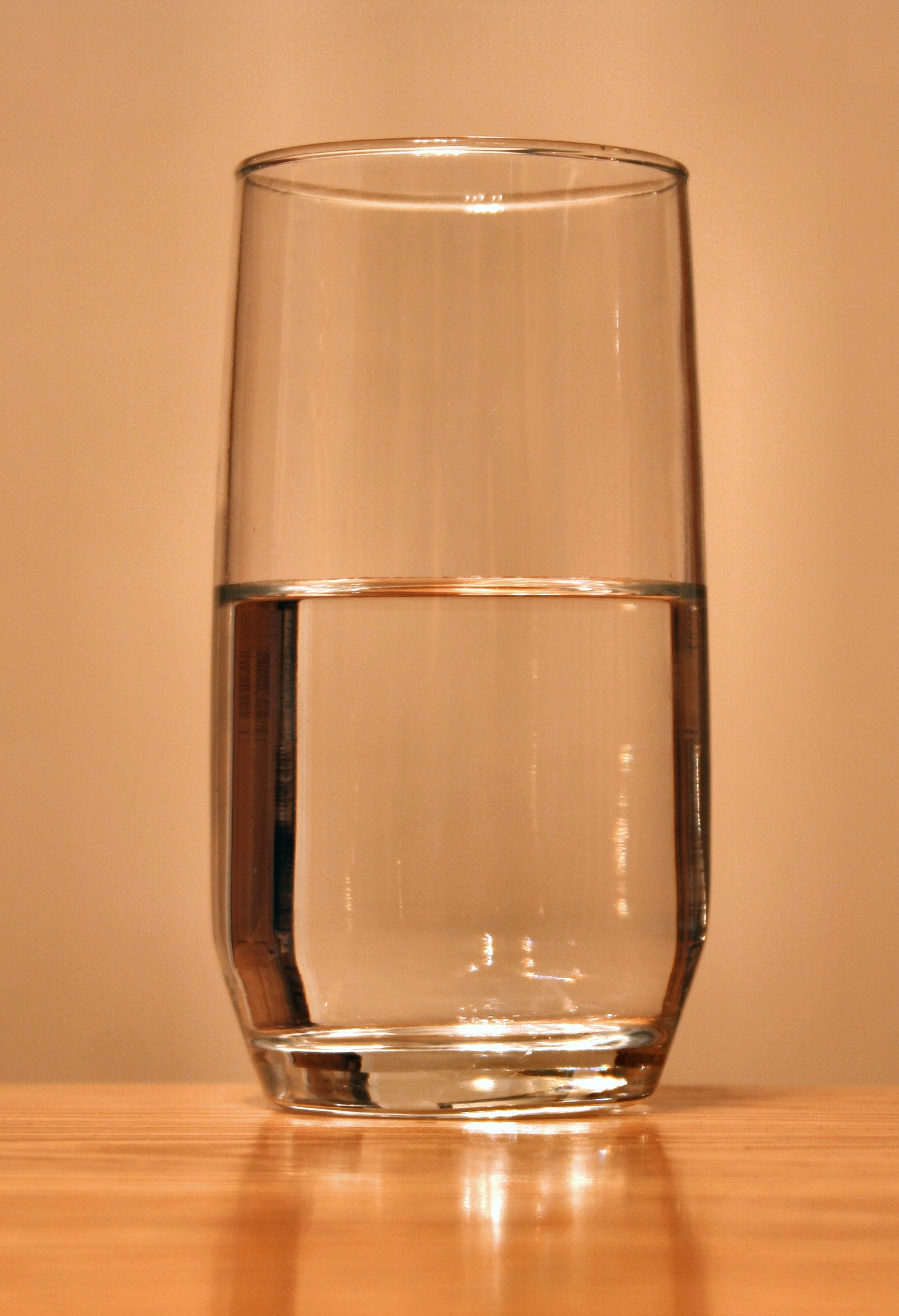
- – Prioritize water and other clinician-approved fluids unless you have been told to restrict fluids (heart failure, advanced kidney disease, dialysis planning, etc.).
- – Sip regularly if fever, nausea, or antibiotics upset your stomach; oral rehydration solutions may be suggested by your clinician if vomiting limits intake.
- – After appetite returns, continue a steady fluid habit as part of UTI-prevention discussions with your clinician—NIDDK links higher fluid intake with helping prevent UTIs.
Easy meals while febrile or nauseated
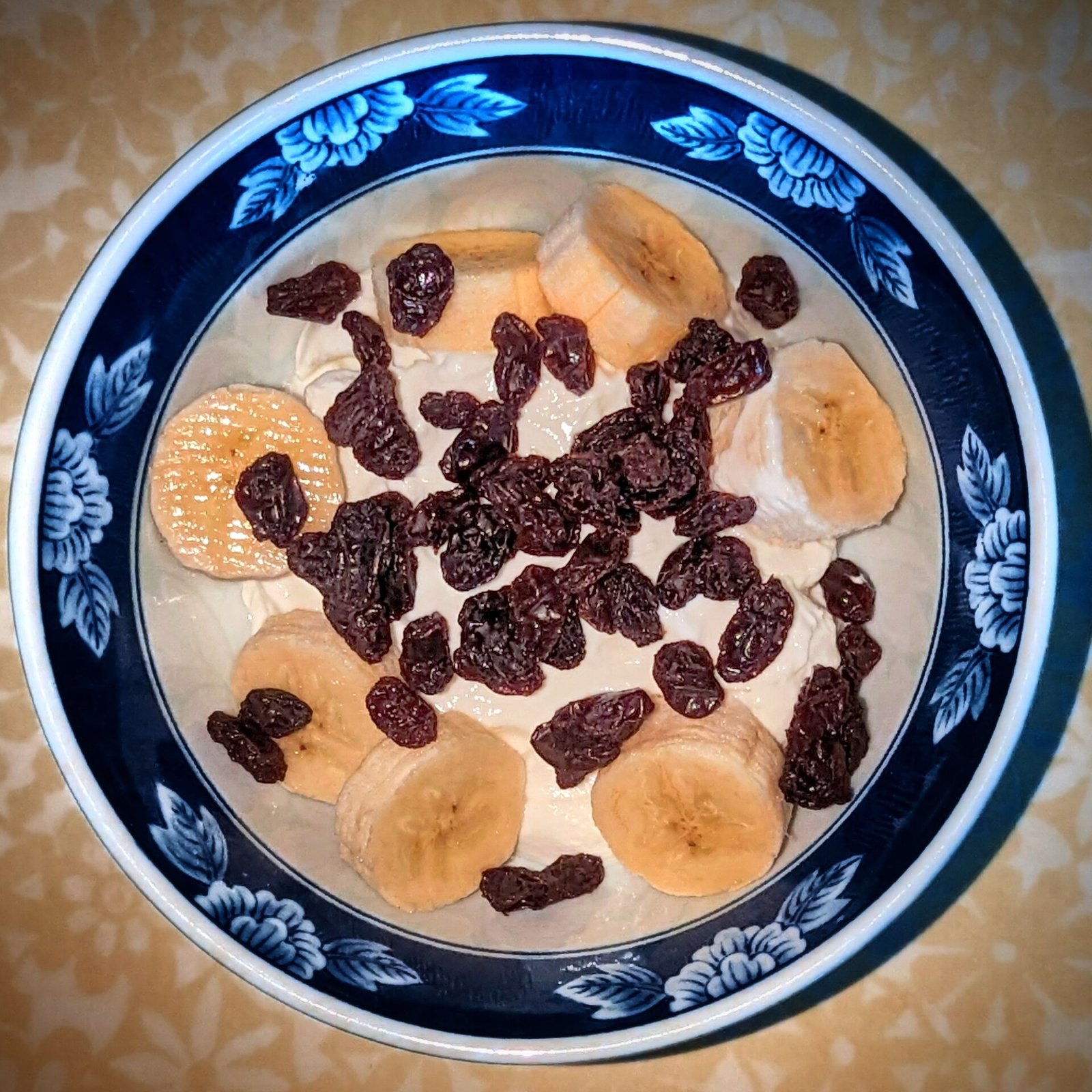
- – Broths, toast, rice, bananas, applesauce, yogurt (if tolerated), scrambled eggs, and bland cooked vegetables are often easier than greasy takeout.
- – Small, frequent plates beat large heavy meals when nausea is present.
After antibiotics: return to a balanced plate
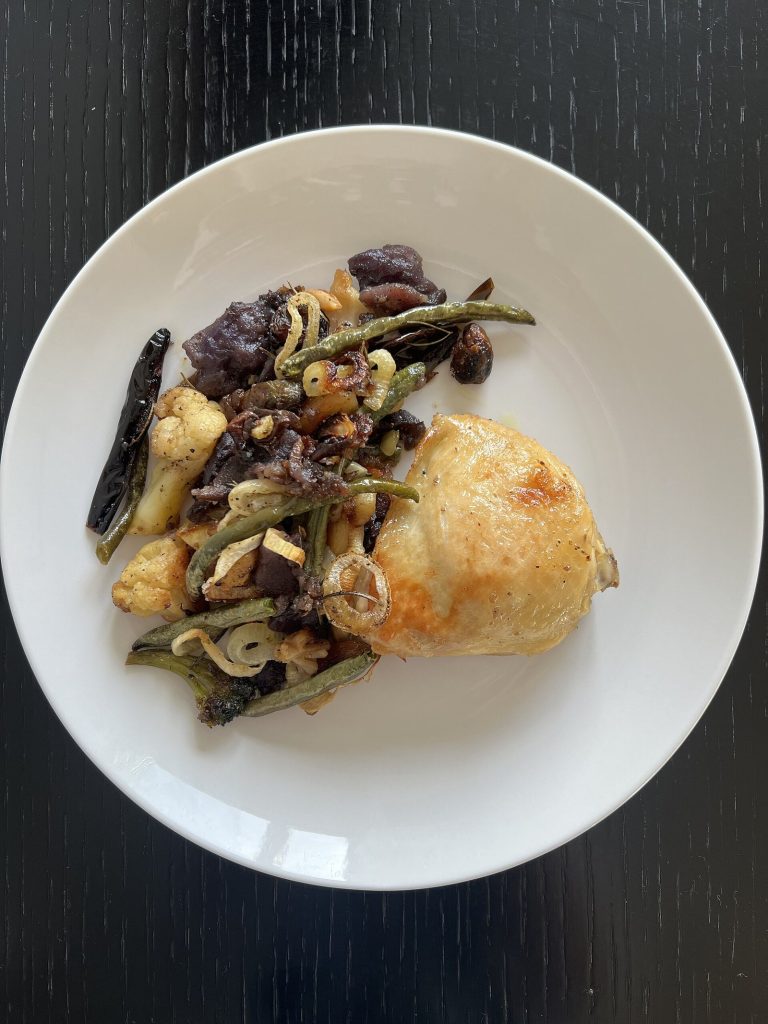
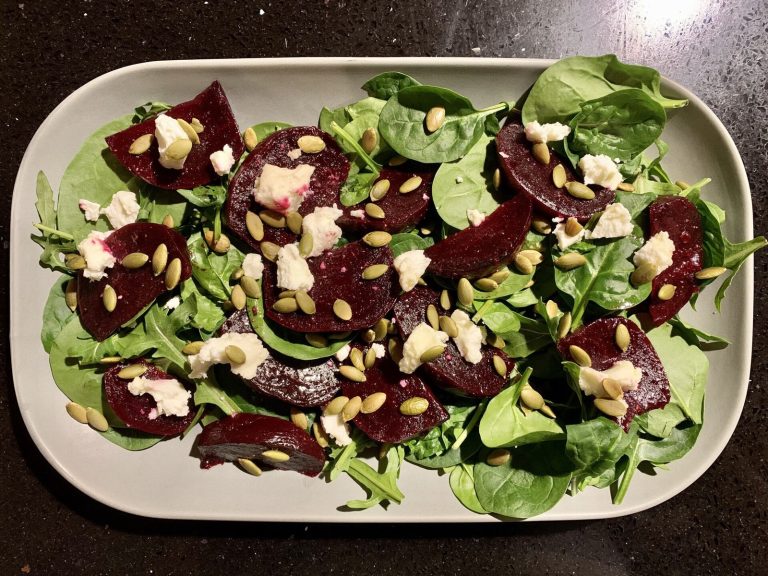
- – Vegetables, fruit, whole grains, lean protein, and beans in portions that fit your overall health—without claiming food sterilizes the urinary tract.
- – If you also deal with kidney stones, coordinate separately with kidney stones diet guide; stone diets and pyelonephritis fluid advice are related but not identical.
Cranberry products (prevention talk only)
- – NIDDK: some research suggests cranberry products may help prevent UTIs in some people; discuss with your clinician. They do not replace antibiotics for an active kidney infection, and sugary cocktails are not a medical protocol.
Foods and habits that often worsen kidney-infection kitchen patterns
- – Relying on cranberry, “kidney teas,” or alkaline diets instead of prescribed antibiotics.
- – Severely restricting fluids during fever without a clinician’s fluid-restriction order.
- – Heavy alcohol while febrile, dehydrated, or on medicines that interact with alcohol.
- – Ignoring nausea/vomiting that prevents pills and fluids—that may need urgent rehydration care.
- – Assuming leftover flank pain after antibiotics is “just diet”—follow-up belongs with your clinician, especially if fever returns.
Practical kitchen protocol: a kidney infection recovery week
1. Keep the medical spine first
Take antibiotics exactly as prescribed. Know emergency signs: inability to keep fluids down, confusion, very high fever, severe pain, or pregnancy with UTI symptoms.
2. Shopping list
Water; oral rehydration if advised; broths; bananas; rice; toast; yogurt; soft proteins; simple cooked vegetables; clinician-approved cranberry product only if you choose it for prevention talk later—not as acute treatment.
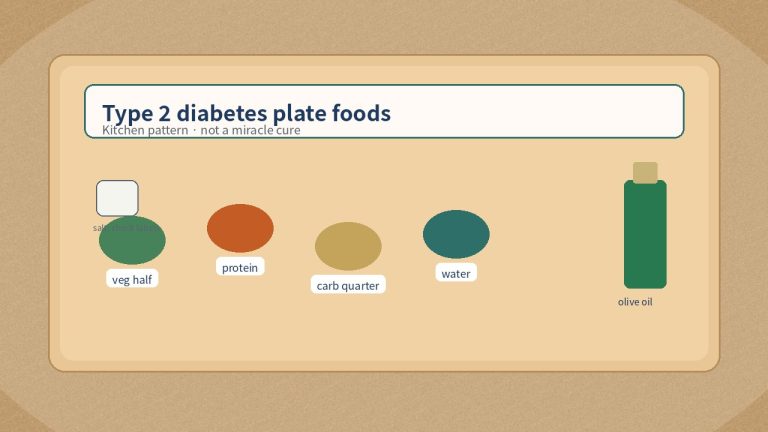
3. Default plate template (when eating well again)
- – Half vegetables and fruit
- – Quarter whole grains or starchy vegetables
- – Quarter protein
- – Water glass as the default drink
4. Sample day (illustrative, non-curative)
- – Breakfast: oatmeal or toast with banana; large water bottle started.
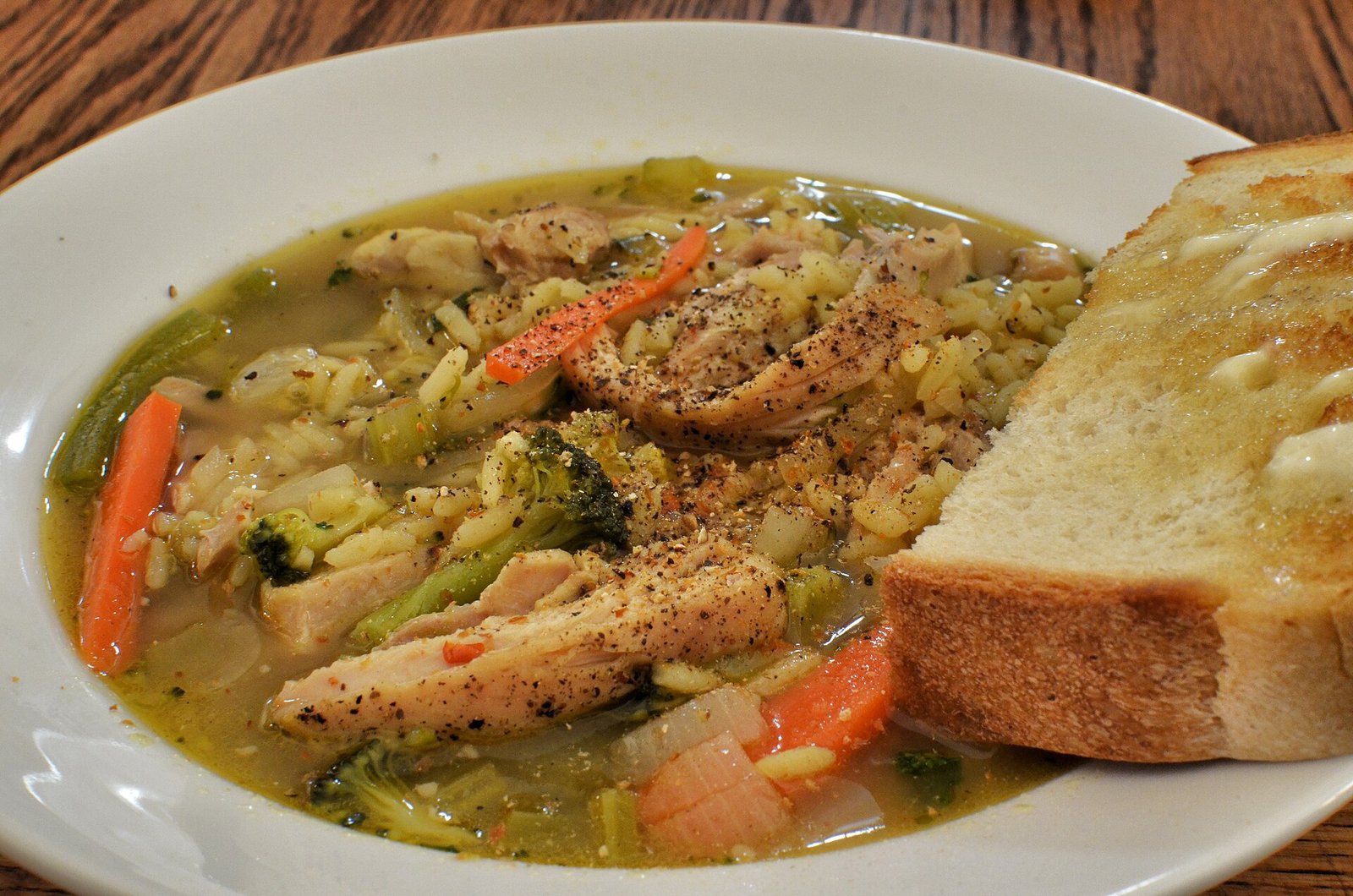
- – Lunch: chicken-rice soup; fruit; water.
- – Snack: yogurt; water.
- – Dinner: baked fish or tofu, soft vegetables, rice; water.
- – Night: finish remaining antibiotic dose with food if your label requires it.
5. Prevention habits after recovery (NIDDK-aligned framing)
Discuss urine habits, fluid goals, and whether cranberry products make sense for you. Do not self-treat recurrent fever/flank pain with kitchen changes alone—recurrent kidney infections need medical evaluation.
6. When CKD or stones coexist
Fluid and mineral advice can conflict across diagnoses. Use chronic kidney disease diet guide and kidney stones diet guide only under clinician/dietitian guidance.
Safety, interactions, and who should ask a clinician first
- – Pregnant people with UTI or kidney-infection symptoms need prompt clinical care.
- – Children, older adults, and immunocompromised patients have higher complication risk.
- – People with urinary catheters, kidney stones, or anatomical urinary issues need individualized plans.
- – Cranberry products and supplements can interact with some medicines (for example, discussions around warfarin appear in general medication counseling)—ask a pharmacist/clinician.
- – Never “push fluids” against a documented fluid restriction.
FAQ
Can diet cure a kidney infection? No. NIDDK: experts don’t think diet/nutrition can prevent or treat kidney infections. Antibiotics and medical care treat the infection; fluids may support prevention and comfort.
How much water should I drink? NIDDK encourages lots of liquids with water as best for helping prevent UTIs, but your exact target depends on other conditions. Ask your clinician for a number that fits you.
Does cranberry juice treat pyelonephritis? No. At most, some prevention research is discussed; it is not acute treatment.
Why do I still feel wiped after antibiotics? Recovery from fever and infection takes time. Persistent fever, pain, or urinary symptoms need follow-up—not only kitchen tweaks.
Is this the same as a CKD diet? No. Pyelonephritis is an infection topic; CKD has separate mineral and protein frameworks—see chronic kidney disease diet guide.
How this differs from related OTCFood topics
This page is a kidney-infection-bound diet guide centered on NIDDK fluid guidance and the limits of food versus antibiotics. It is not a general UTI diet guide bladder-only page (though related), not a stone clinic, and not a CKD nutrition manual.
Medical disclaimer
Medical disclaimer: This article is for general information only. It is not medical advice, diagnosis, or a treatment plan. Kidney infections can become serious and require timely antibiotics and sometimes hospital care. Talk with a clinician or registered dietitian before starting, stopping, or changing any eating plan, supplement, or medicine. Seek urgent care for high fever, vomiting that blocks medicines, severe flank pain, confusion, or symptoms in pregnancy.