Tension-Type Headache Diet: Foods That May Help and Foods to Limit
Medical note: This article discusses foods and researched botanicals. It does not claim to prevent, treat, or cure disease. Supplements are not a substitute for food, and studied amounts are not personal prescriptions.
People searching “tension headache diet foods that help or worsen” usually want meal, caffeine, hydration, and alcohol habits that may reduce triggers—not a claim that food replaces stress care, sleep fixes, or clinician evaluation for other headache types. The NHS describes tension headaches as very common, with pressing or tightening pain on both sides of the head that can last from 30 minutes to several days. NINDS notes tension-type headache is the most common primary headache; triggers often include emotional stress, poor sleep, awkward postures, alcohol, dehydration, and mental strain. MedlinePlus patient education covers tension headache symptoms and care basics. Diet is supportive. It does not cure headache disorders.
What this tension headache diet guide covers (and what it does not)
This guide is for adults with presumed tension-type headaches who want kitchen patterns that may help day-to-day comfort while they address stress and sleep. Anchors: NHS — Tension headaches, NINDS — Headache, MedlinePlus — Tension headache, and ODS — Magnesium (Health Professional).
NHS advises seeing a GP if headaches are frequent or severe, if painkillers and relaxation do not help, or if headaches throb on one side with nausea and light/noise sensitivity—those features can suggest migraine or other diagnoses. Thunderclap onset, fever with stiff neck, neurologic weakness, or headache after injury needs urgent care—not a new elimination diet.
Evidence snapshot: tension headache diet claims vs public sources
| Claim people hope for | What public sources actually say | Confidence |
|---|---|---|
| “A detox diet cures tension headaches” | NHS/NINDS emphasize stress, sleep, posture, caffeine patterns, and avoiding painkiller overuse—not detox cures | Strong: no food cure |
| “Cutting caffeine always helps” | NHS: try cutting down caffeinated tea, coffee, or cola; sudden total cessation can also trigger headaches in regular users | Moderate: taper thoughtfully |
| “Dehydration and alcohol can worsen headaches” | NINDS lists dehydration and alcohol among common triggers | Moderate–strong for personal trigger management |
| “Magnesium supplements fix all tension headaches” | ODS: magnesium supports nerve and muscle function; food sources include greens, legumes, nuts, seeds, whole grains—supplement use needs clinician context | Low–moderate for empiric high-dose pills |
| “Daily painkillers are harmless if headaches continue” | NHS: taking painkillers too often can cause medication-overuse (rebound) headaches | Strong: limit frequency per pharmacist/GP advice |
Foods and patterns that may help with tension headache day-to-day comfort
“May help” means steady meals, smart caffeine, hydration, and magnesium-rich foods as part of a broader stress-and-sleep plan.
Regular meals and stable energy
- – Skipping meals can worsen irritability and headache for some people; keep simple breakfast and lunch defaults even on stressful days.
- – Combine carbohydrate with protein (yogurt and fruit, eggs and toast, beans and rice) to avoid mid-afternoon crashes that stack onto work stress.
Hydration as a default
- – NINDS lists dehydration as a common trigger. Keep a water bottle visible; include water-rich foods like cucumbers, oranges, and soups if you forget to drink.
- – Limit substituting only sugary sodas for fluids if they disrupt sleep or add unplanned caffeine.
Caffeine: personalize, do not swing wildly
- – NHS suggests cutting down caffeinated tea, coffee, or cola if they contribute to your pattern.
- – If you use caffeine daily, taper rather than stopping overnight to reduce withdrawal headaches. Track whether afternoon coffee wrecks sleep—poor sleep is itself a NHS-listed contributor.
Magnesium-aware grocery choices
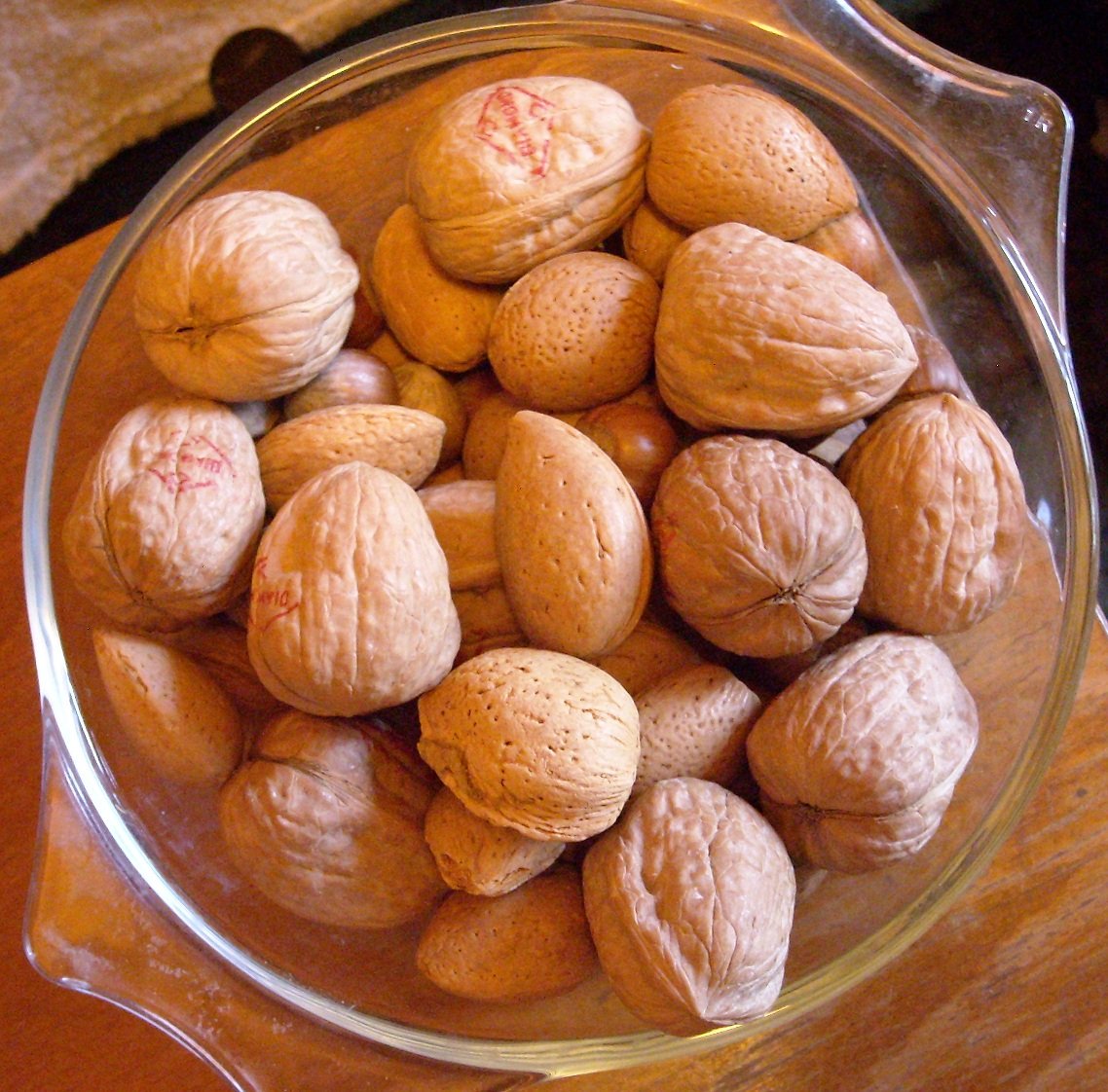
- – ODS lists green leafy vegetables, legumes, nuts, seeds, and whole grains as good magnesium sources; refined grains often lose magnesium.
- – Food-first magnesium support is reasonable for many adults; pills are a separate decision with kidney and medicine checks. Sleep-focused magnesium products are covered more in magnesium glycinate for sleep guide—do not assume sleep formulas fix headache diagnosis.
Evening wind-down plates
- – Prefer lighter evening meals if heavy late dinners worsen sleep.
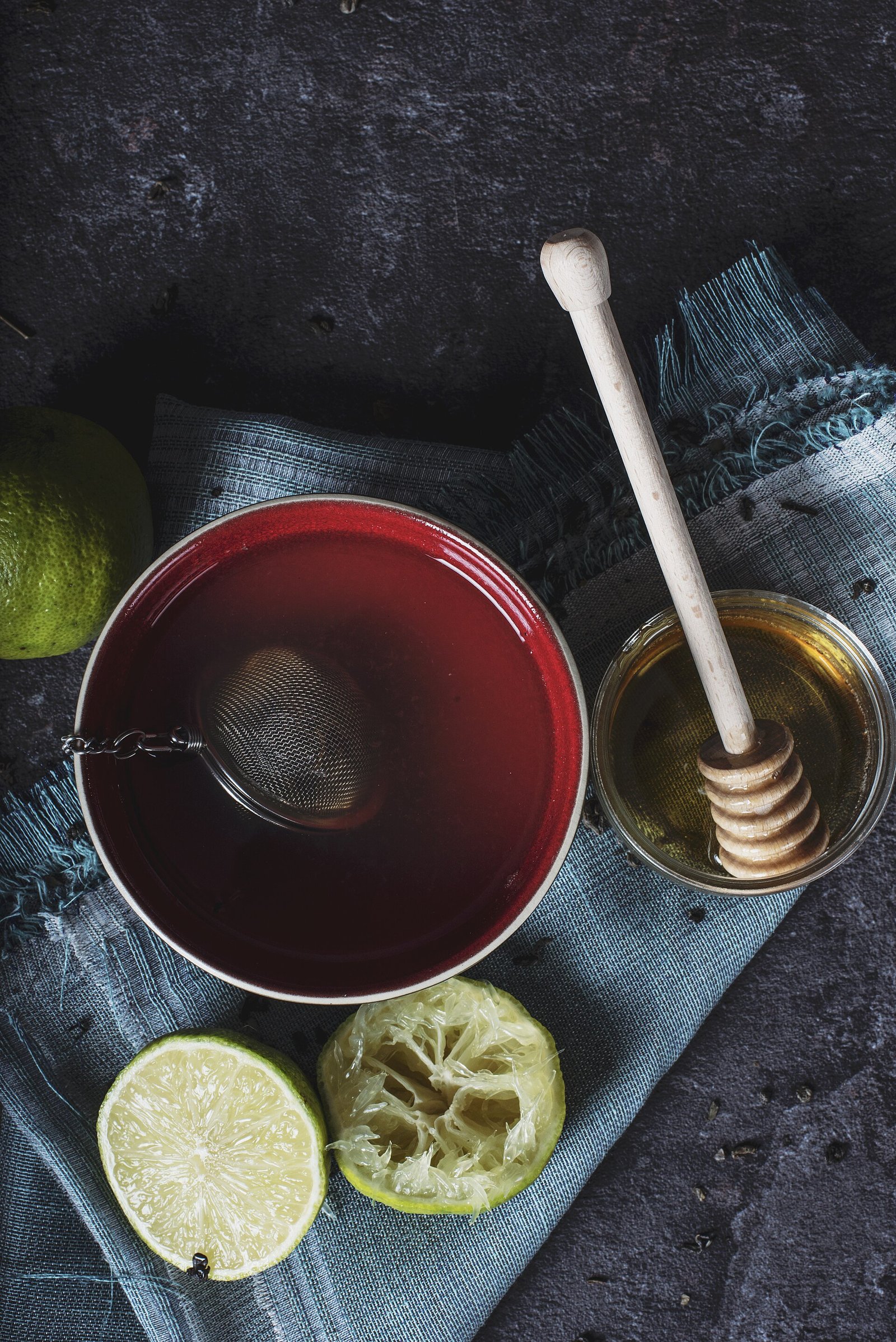
- – Herbal caffeine-free tea can replace a late coffee ritual when sleep is fragile—NHS links sleep problems with tension headaches.
Foods and habits that often worsen tension headache patterns
- – Medication-overuse patterns—NHS warns frequent painkiller use can perpetuate headaches; ask a pharmacist how many days per week are safe for you.
- – Alcohol, especially binge drinking—NINDS lists alcohol among triggers; NHS also flags alcohol–medicine interactions in related pain contexts.
- – Dehydration during long meetings, flights, or hot weather.
- – Chaotic caffeine—huge Monday catch-up coffees after a low-caffeine weekend.
- – Assuming every headache is “just tension”—one-sided throbbing with nausea and light sensitivity may be migraine; see migraine diet guide and get evaluated.
- – Stress eating that wrecks sleep—large late sugar loads plus anxiety spirals; stress and mood topics overlap with anxiety diet guide and insomnia diet guide.
“Limit” means reduce personal triggers and rebound-risk habits—not that one coffee permanently causes chronic headache.
Practical kitchen protocol: a tension-headache-aware diet week
1. Two-week trigger and timing log
Note headache start time, sleep hours, caffeine ounces, alcohol, skipped meals, posture-heavy computer blocks, and painkiller doses. Keep foods that do not correlate; change only clear patterns.
2. Shopping list for steady days
Oats, eggs, yogurt, whole-grain bread, leafy greens, beans, lentils, nuts, seeds, bananas, berries, olive oil, herbal teas, sparkling water, and easy soup bases for low-effort lunches.
3. Default plate template
- – Half vegetables and fruit
- – Quarter protein
- – Quarter whole grains or starchy vegetables
- – Water with meals; move caffeine earlier in the day if sleep is poor
4. Sample day (illustrative)
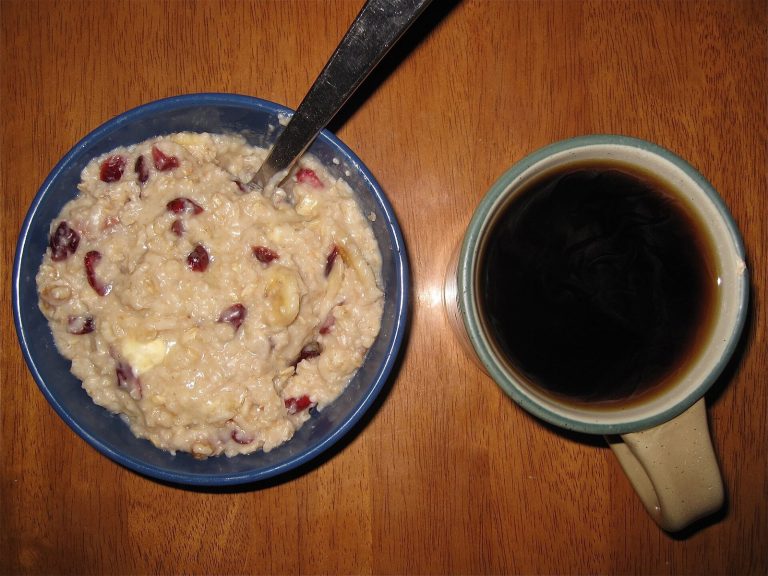
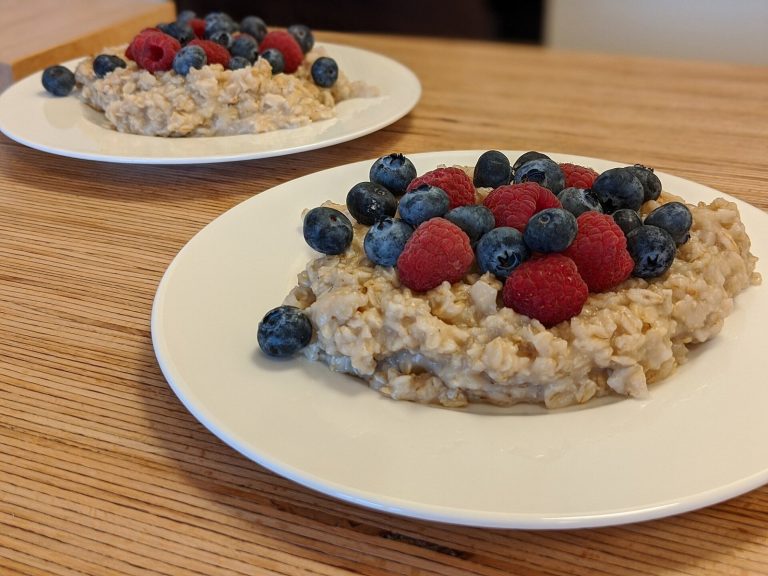
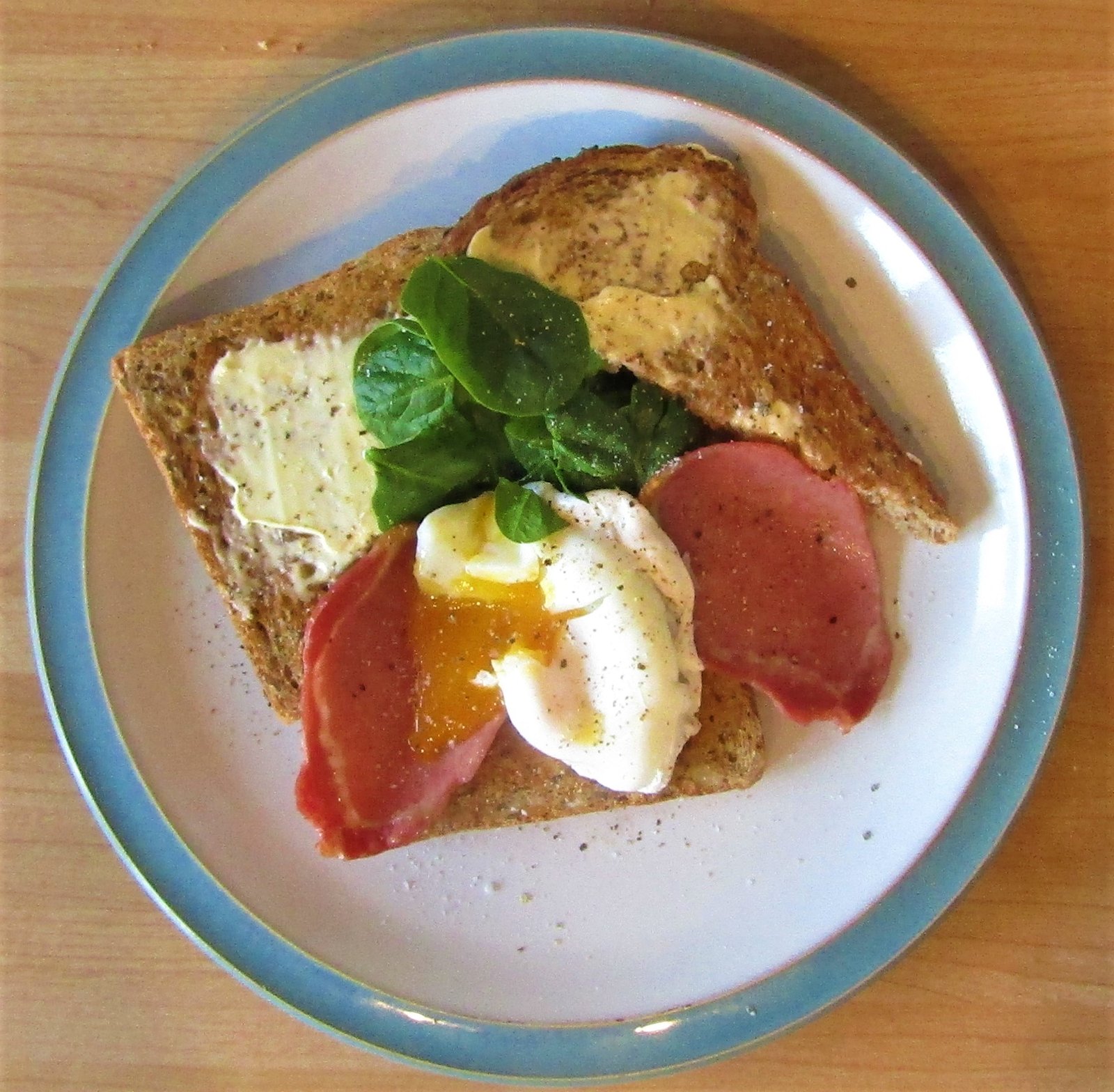
- – Breakfast: Oatmeal with nuts and fruit, or eggs on whole-grain toast; modest coffee or tea if desired.
- – Lunch: Lentil or vegetable soup with salad; water.
- – Snack: Yogurt or a small handful of mixed nuts if hungry before late meetings.
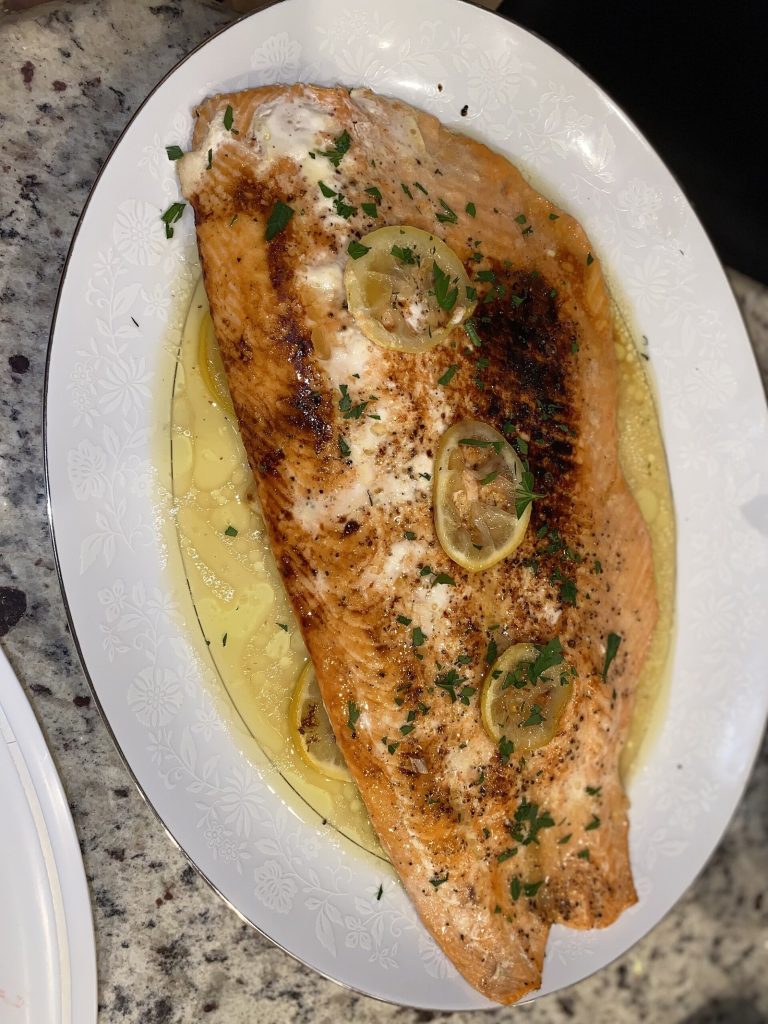
- – Dinner: Fish or tofu with leafy greens and a whole grain; herbal tea afterward instead of late espresso.
- – If a mild tension headache starts: NHS self-care includes appropriate painkillers used sparingly, relaxation, and sleep-habit resets—not fasting as punishment.
5. Eating out and workplace tactics
Carry a water bottle and a planned snack so back-to-back meetings do not become a caffeine-only afternoon. Choose balanced cafe bowls over pastry-only lunches when deadlines pile up.
6. When headaches may not be tension-type
NHS: see a GP for several headaches a week, severe pain, failure of simple care, or migraine-like features. NINDS emphasizes medical evaluation when headaches disrupt life. Depression and persistent low mood can coexist with pain disorders—depression diet guide is related reading, not a substitute for mental-health care.
Extra practical note for screen-heavy jobs
Pair posture breaks and gentle neck mobility (per clinician or physio advice) with hydration alarms. Keep lunch away from the keyboard at least a few days weekly so meal skipping stops being the default under deadline stress.
Safety, interactions, and who should ask a clinician first
- – Urgent features: sudden worst headache, fever, stiff neck, confusion, weakness, vision loss, headache after head injury, or new headache in pregnancy.
- – Painkiller limits matter—ask a pharmacist about paracetamol, ibuprofen, or aspirin suitability (NHS: children under 16 should not take aspirin; pregnancy has special rules).
- – Magnesium supplements can interact with some antibiotics and cause diarrhea; kidney disease changes safety.
- – Do not start aggressive elimination diets that cause under-eating during already stressful periods.
- – Chronic daily headache needs medical review for medication overuse and secondary causes.
FAQ
Can diet cure tension-type headaches? No. NHS and NINDS focus on stress, sleep, posture, caffeine habits, and careful painkiller use. Food patterns may reduce some triggers only.
Should I quit coffee completely? Not always. NHS suggests cutting down if caffeine contributes. Taper if you are a heavy daily user to reduce withdrawal headaches.
Is magnesium worth taking as a pill? Food sources are a reasonable first step. Supplements need individualized advice—ODS discusses roles and food sources, not a universal tension-headache cure dose.
How is this different from migraine diet advice? Migraine often includes nausea, light/noise sensitivity, and one-sided throbbing; trigger lists and medicines differ. Use the migraine guide if that pattern fits and get a proper diagnosis.
Can I take painkillers every day until stress passes? Frequent use can cause rebound headaches (NHS). Ask a clinician about safer limits and preventive strategies if headaches are that often.
How this differs from related OTCFood topics
This page is a tension-type headache–bound diet guide focused on caffeine, hydration, meal regularity, and magnesium-rich foods beside stress and sleep care. It is not a migraine diet guide migraine map, not an anxiety diet guide primary mental-health protocol, and not an insomnia diet guide sleep clinic substitute—though those issues frequently travel together.
Medical disclaimer
Medical disclaimer: This article is for general information only. It is not medical advice, diagnosis, or a treatment plan. Headache disorders require proper diagnosis; secondary causes can be serious. Talk with a clinician or pharmacist before starting, stopping, or changing any eating plan, caffeine taper, supplement, or pain medicine. Seek urgent care for sudden severe headache, neurologic deficits, fever with stiff neck, or headache after trauma.