TIA Recovery Diet: Foods That May Help and Foods to Limit
Medical note: This article discusses foods and researched botanicals. It does not claim to prevent, treat, or cure disease. Supplements are not a substitute for food, and studied amounts are not personal prescriptions.
After a transient ischemic attack (TIA, often called a “mini-stroke”), many people want a food list that will help them recover and lower the chance of a later stroke. A TIA happens when blood supply to part of the brain is briefly blocked, according to NINDS. Eating patterns such as the DASH eating plan may help you follow a heart-healthy pattern public sources describe after urgent medical care. Food does not treat a TIA, replace 9-1-1, or guarantee that a later stroke will not occur.
If stroke-like symptoms are happening now, call 9-1-1. NINDS: there is no immediate way to tell whether symptoms are from a TIA or a stroke. Get emergency care right away. Call an ambulance; do not try to drive to the hospital.
What this TIA recovery diet guide covers (and what it does not)
This guide is for adults who have already had urgent evaluation for a TIA and want practical eating patterns for the weeks and months that follow. Official anchors: MedlinePlus — Transient Ischemic Attack, NINDS — Transient Ischemic Attack (TIA), NHLBI — DASH Eating Plan, NHLBI — Following DASH, NHLBI — Living with DASH, NHLBI — Health Benefits of DASH, CDC — About Stroke, CDC — Preventing Stroke, CDC — Risk Factors for Stroke, and NHLBI — What Is a Stroke?. Related reading: stroke recovery diet guide and hypertension diet guide.
It is not first aid for a TIA, not a swallowing-therapy manual (TIA symptoms often resolve; lasting swallowing trouble needs medical review and may point to a completed stroke—see stroke recovery diet guide), and not a substitute for medicines or procedures your clinician prescribes.
Evidence snapshot: TIA recovery diet claims vs public sources
| Claim people hope for | What public sources actually say | Confidence |
|---|---|---|
| “A special diet treats a TIA” | A TIA is a medical emergency. CDC: a TIA is a warning sign of a future stroke and is a medical emergency just like a major stroke. Food is not described as TIA treatment | Strong that food is not a treatment |
| “If symptoms go away, you can wait to be seen” | NINDS: most TIA symptoms happen suddenly and usually go away within an hour, though they may last up to 24 hours. CDC: blood flow may be blocked for only a short time—usually no more than 5 minutes—and there is no way to know at the start whether symptoms are a TIA or a major stroke. Call 9-1-1 | Strong that urgent evaluation comes first |
| “A TIA is too small to matter later” | CDC: more than a third of people who have a TIA and don’t get treatment have a major stroke within 1 year. As many as 10% to 15% of people will have a major stroke within 3 months of a TIA. Recognizing and treating TIAs can lower the risk of a major stroke | Strong that medical follow-up matters |
| “DASH-style eating can support a heart-healthy pattern” | NHLBI: DASH is a flexible eating plan that helps create a heart-healthy eating style. CDC says choosing healthy meals, plenty of fruits and vegetables, foods low in saturated fat, trans fat, and cholesterol and high in fiber, and limiting sodium can help with blood pressure and cholesterol, which raise stroke chances | Moderate for a heart-healthy pattern; do not read this as a promise that diet prevents every stroke |
| “Potassium-rich DASH foods are right for everyone after a TIA” | DASH emphasizes foods rich in potassium, calcium, magnesium, fiber, and protein and lower in sodium. People with kidney disease or high blood potassium need an individualized plan | Moderate caution when kidney disease or hyperkalemia is present |
Foods and patterns that may help after a TIA
“May help” means supporting the heart-healthy pattern CDC and NHLBI describe while your clinical team looks for the cause of the TIA and manages blood pressure, cholesterol, diabetes, or clotting risk.
DASH-style pattern (NHLBI)
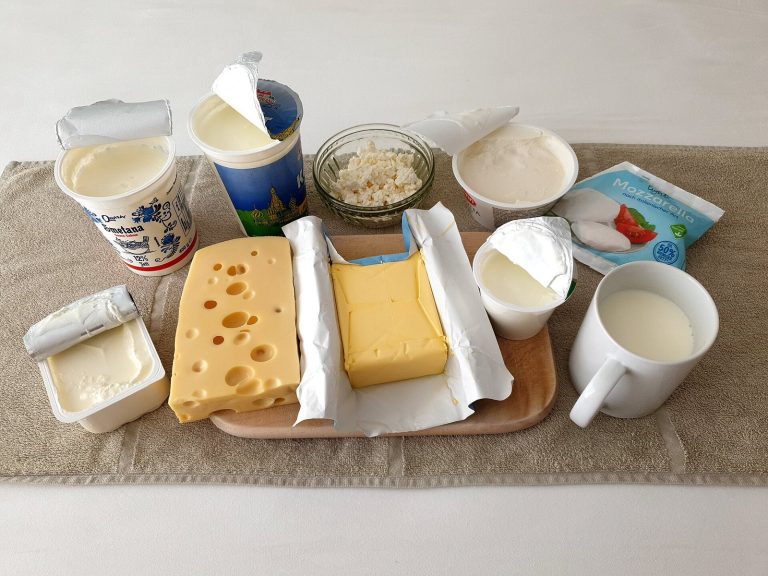
DASH recommends eating vegetables, fruits, and whole grains; including fat-free or low-fat dairy products, fish, poultry, beans, nuts, and vegetable oils; limiting foods high in saturated fat, such as fatty meats, full-fat dairy products, and tropical oils such as coconut, palm kernel, and palm oils; and limiting sugar-sweetened beverages and sweets. For a 2,000-calorie-a-day example, NHLBI lists daily servings of grains 6–8; meats, poultry, and fish 6 or less; vegetables 4–5; fruit 4–5; low-fat or fat-free dairy 2–3; fats and oils 2–3; and sodium 2,300 mg; plus weekly servings of nuts, seeds, dry beans, and peas 4–5 and sweets 5 or less. NHLBI notes that 1,500 mg sodium lowers blood pressure even further than 2,300 mg daily. Servings depend on your calorie needs; use the plan with your clinician if you also have kidney disease, diabetes, or a prescribed sodium limit. See hypertension diet guide and high blood pressure diet guide.
What CDC emphasizes for lifestyle
CDC: eat plenty of fresh fruits and vegetables. Eating foods low in saturated fats, trans fat, and cholesterol and high in fiber can help with high cholesterol. Limiting salt (sodium) can also lower blood pressure. High cholesterol and high blood pressure increase the chances of having a stroke. Physical activity can help with weight, cholesterol, and blood pressure; for adults, the surgeon general recommends 2 hours and 30 minutes of moderate-intensity aerobic activity, such as a brisk walk, each week. If you have heart disease, high cholesterol, high blood pressure, or diabetes, CDC says you can take steps to lower stroke risk with your care team, including regular blood pressure checks and cholesterol testing at least once every 5 years unless your clinician advises otherwise.
Foods and habits that often worsen cardiovascular risk after a TIA
- – Foods high in saturated fat, such as fatty meats, full-fat dairy, and tropical oils listed by NHLBI, if they crowd out the DASH pattern.
- – Frequent sugar-sweetened drinks and sweets beyond the small weekly DASH example.
- – A high-sodium pattern if blood pressure is part of your risk. CDC and NHLBI both emphasize limiting sodium.
- – Cigarette smoking. CDC: smoking greatly increases the chances of a stroke; quitting lowers that risk.
- – Drinking too much alcohol, which CDC says can raise blood pressure. CDC: men should have no more than two drinks per day, and women no more than one.
- – Skipping medicines or follow-up because meals feel “healthier.” CDC: if you have a TIA, your health care team can find the cause and take steps to prevent a major stroke.
If your clinician has diagnosed high cholesterol, coronary disease, or a recent heart attack, see high cholesterol diet guide, coronary artery disease diet guide, diet after heart attack guide, or heart failure diet guide for those more specific patterns.
Practical kitchen protocol: a TIA-recovery-aware week
1. Keep emergency response ahead of the grocery list
Know TIA and stroke warning symptoms. NINDS lists sudden numbness or weakness in the face, arm, or leg, especially on one side; trouble seeing in one or both eyes, or double vision; problems with walking or dizziness; confusion; difficulty talking or understanding speech; and loss of balance and coordination. Call 9-1-1 even if symptoms fade.
2. Shopping list for a DASH-style week
Vegetables and fruit for several days; whole-grain bread, rice, or pasta; fat-free or low-fat dairy if you use dairy; fish, poultry, beans, or nuts; vegetable oils; and herbs instead of a heavy salt shaker. Compare sodium on Nutrition Facts labels. If you have CKD or high blood potassium, do not adopt a high-potassium DASH pattern without a dietitian; ask your clinician to reconcile this page with a potassium plan.
3. Default plate and an illustrative day
- – Make vegetables and fruit visible at most meals.
- – Choose whole grains more often than refined grains when you can.
- – Use fish, poultry, beans, or nuts more often than fatty meats.
- – Keep sweets and sugary drinks occasional, in line with the DASH weekly example.
- – Breakfast: oatmeal or whole-grain toast with fruit and low-fat yogurt if you eat dairy.
- – Lunch: a vegetable-heavy plate with beans, poultry, or fish and a whole grain.
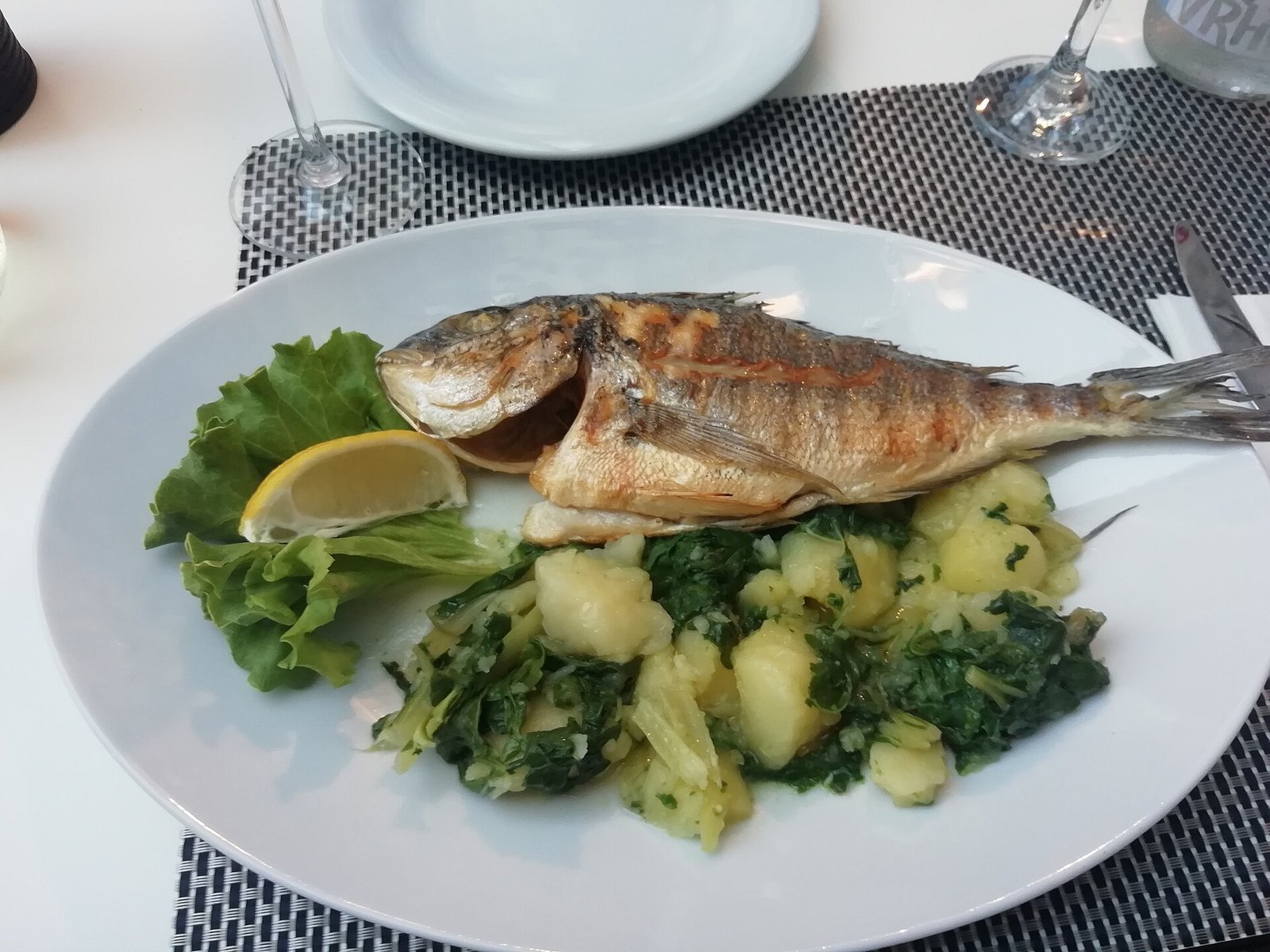
- – Dinner: grilled or baked fish or poultry, vegetables, and a starch, cooked with modest salt and vegetable oil.
- – Snacks: fruit, unsalted nuts in a modest portion, or raw vegetables.
4. Blood pressure, cholesterol, and smoking in parallel
DASH is one eating pattern, not a complete prevention program. Follow blood pressure and cholesterol checks your clinician orders, take prescribed medicines as directed, and get help to quit smoking if you smoke. CDC also notes that having overweight or obesity increases stroke risk; any weight-change plan should be set with your care team, especially soon after a TIA.
Safety, interactions, and who should ask a clinician first
- – Call 9-1-1 for new or returning stroke-like symptoms; do not drive yourself (NINDS).
- – If symptoms do not fully resolve, or swallowing, weakness, or speech problems persist, seek urgent review; that situation may be a stroke rather than a resolved TIA.
- – People with kidney disease, high blood potassium, or a very low blood pressure target need an individualized sodium and potassium plan.
- – Alcohol limits from CDC may not apply if your clinician has advised you not to drink at all, including because of medicines.
- – Do not start or stop antiplatelet, anticoagulant, blood pressure, or cholesterol medicines because of a diet change.
FAQ
If my symptoms lasted only a few minutes, do I still need emergency care? Yes. CDC and NINDS both stress that you cannot tell a TIA from a major stroke at the start. Call 9-1-1.
Can a DASH-style diet replace medicines after a TIA? No. CDC says recognizing and treating TIAs can lower the risk of a major stroke, and your team may use medicines and other steps. DASH may support a heart-healthy eating style; it does not replace that care.
How much sodium does DASH use? NHLBI’s 2,000-calorie example uses 2,300 mg daily, and notes that 1,500 mg lowers blood pressure even further. Your clinician may set a different limit.
Is this the same as a stroke-recovery diet? No. A TIA’s symptoms usually resolve. Stroke recovery may involve lasting swallowing or mobility issues. See stroke recovery diet guide.
Should I eat a lot of high-potassium foods because DASH is rich in potassium? Only if that fits your medical situation. If you have kidney disease or hyperkalemia, ask for an individualized plan.
How this differs from related OTCFood topics
This page is a TIA-bound diet guide: emergency recognition first, then a DASH-style, sodium-aware pattern after medical care. It is not a completed-stroke recovery plan and not a stand-alone high blood pressure or high cholesterol article.
Medical disclaimer
Medical disclaimer: This article is for general information only. It is not medical advice, diagnosis, or a treatment plan. A TIA is a medical emergency and a warning sign of future stroke. Call 9-1-1 for stroke-like symptoms. Talk with a clinician or registered dietitian before changing your eating plan, especially if you have kidney disease, diabetes, or take blood pressure, cholesterol, or blood-thinning medicines.