Thyroid Eye Disease Diet: Foods That May Help and Foods to Limit
Medical note: This article discusses foods and researched botanicals. It does not claim to prevent, treat, or cure disease. Supplements are not a substitute for food, and studied amounts are not personal prescriptions.
People searching “thyroid eye disease diet foods that help or worsen” usually want kitchen habits that support overall thyroid care, limit smoking-related worsening, and keep meals practical when dry or bulging eyes make cooking uncomfortable—not a claim that food reverses proptosis, replaces Tepezza or steroids, or cures Graves’ disease. NEI explains that Graves’ eye disease (also called GED, Graves’ ophthalmopathy, or thyroid eye disease/TED) happens when swelling around the eyes makes them bulge; it is caused by Graves’ disease and often stays mild, though double vision and other symptoms can occur. NIDDK describes Graves’ disease as an autoimmune cause of hyperthyroidism and notes smoking makes Graves’ orbitopathy worse.
What this thyroid eye disease diet guide covers (and what it does not)
This guide is for adults with Graves’-related eye findings who want practical eating patterns while they follow endocrinology and ophthalmology plans. Anchors: NEI — Graves’ eye disease, NIDDK — Graves’ disease, MedlinePlus — Thyroid diseases, and ODS — Iodine.
Diet does not replace artificial tears, quitting smoking, prism lenses, orbital decompression when indicated, or thyroid medicines. Related reading: Graves’ Disease Diet, Hyperthyroidism Diet, and Dry Eye Diet.
Evidence snapshot: thyroid eye disease diet claims vs public sources
| Claim people hope for | What public sources actually say | Confidence |
|---|---|---|
| “A TED diet shrinks bulging eyes” | NEI centers medical/surgical eye care and lifestyle steps like quitting smoking—not culinary cures for proptosis | Strong: food is supportive only |
| “Quit smoking matters more than any superfood” | NEI and NIDDK state smoking increases eye-problem risk and makes GO worse | Strong |
| “High-dose iodine supplements calm Graves’ eyes” | ODS: excess iodine can disrupt thyroid function; iodine interacts with antithyroid drugs; only use clinician-directed amounts | Strong against self-dosing iodine |
| “Selenium megadoses replace Tepezza” | Not an NEI listed TED treatment pathway on the patient page; prescription options include tears, steroids, teprotumumab, surgery | Strong: do not substitute supplements for prescribed TED care |
| “Avoid all cruciferous vegetables forever” | ODS notes goitrogens in some plants are not a concern for most people with adequate iodine; individualize with your endocrinologist | Moderate: blanket bans rarely needed |
Foods and patterns that may help with thyroid eye disease day to day
“May help” means supporting overall nutrition during hyperthyroid weight loss or treatment fatigue, making mealtime easier with eye discomfort, and aligning iodine intake with your endocrinologist—not a promise that dinner fixes double vision.
Align iodine with your thyroid team—not internet megadoses
- – ODS: adults generally need about 150 mcg iodine/day; seafood, dairy, eggs, and iodized salt are common sources; upper limit for adults from food plus supplements is 1,100 mcg/day unless medically supervised.
- – People preparing for radioactive iodine treatment are often told to follow a low-iodine diet temporarily—that is a clinician protocol, not DIY TED therapy.
- – If you take methimazole or similar drugs, ODS warns high iodine intake with antithyroid medicines can push thyroid hormone too low—ask before kelp pills.
Protein-forward, calorie-aware plates during hyperthyroid metabolism
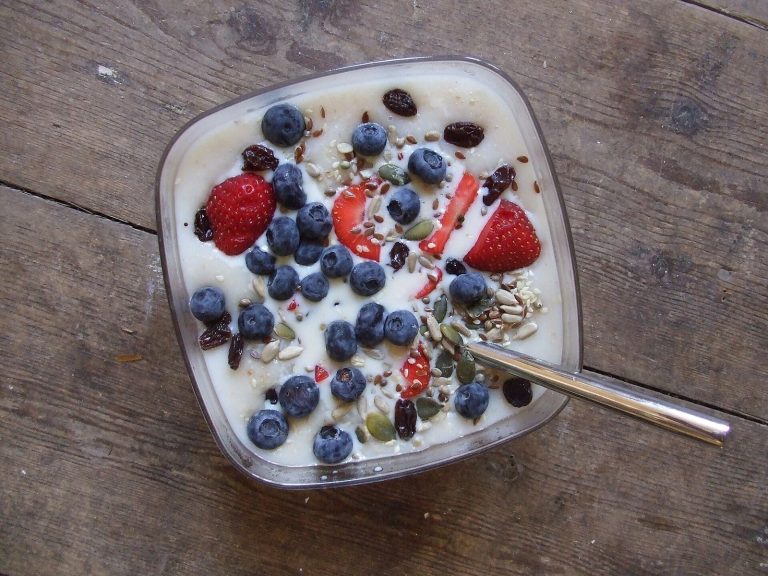
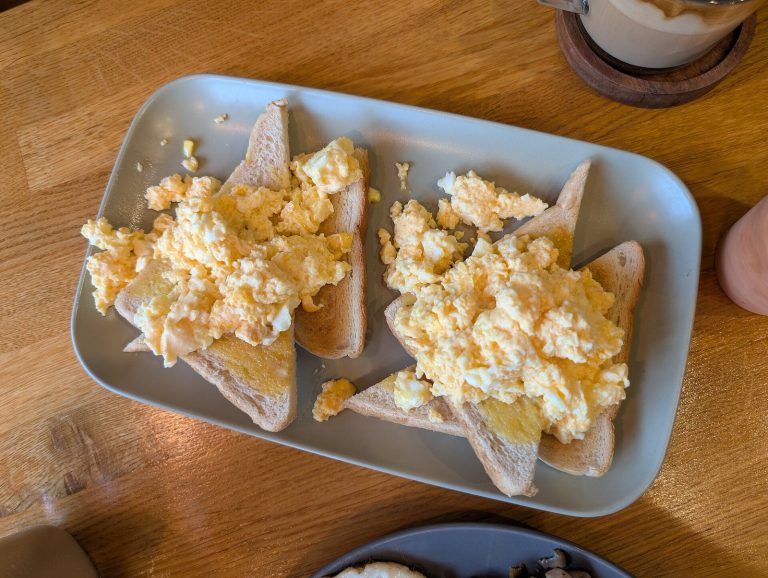
- – Hyperthyroidism can increase appetite or unintended weight loss; steady meals with eggs, fish, poultry, beans, yogurt, and soft starches may be easier than skipping meals then bingeing.
- – Overlap with Graves’ Disease Diet and Hyperthyroidism Diet for whole-diet structure.
Eye-comfort kitchen habits (indirect but practical)
- – NEI suggests artificial tears, sunglasses, elevating the head of the bed for puffy lids, and taping lids at night if they do not close—pair those with easy-prep meals so you are not chopping for an hour under bright lights.
- – Soft breakfasts, pre-washed greens, and batch-cooked proteins reduce eye strain in the kitchen when light sensitivity is high.
- – For dry-eye comfort themes, see Dry Eye Syndrome Diet—without claiming omega-3s reverse TED swelling.
Weekend prep when photophobia limits cooking time
- – Batch-cook plain rice, shredded chicken, and soft vegetables on a lower-symptom morning so weekday dinners are reheat-only.
- – Keep ready yogurt cups and pre-peeled hard-boiled eggs for days when sunglasses-indoors lighting still feels harsh.
- – If double vision makes knife work unsafe, switch to scissors for opening packs or ask a household helper—kitchen safety is part of TED self-care, not vanity.
Hydration and lower-irritant evening patterns
- – Keep nonalcoholic fluids handy; if caffeine worsens tremor or sleep while eyes already feel gritty, trial earlier cutoffs with your clinician’s blessing.
Foods and habits that often worsen thyroid eye disease kitchen patterns
- – Continued smoking or vaping nicotine—NEI calls quitting the most important lifestyle change for Graves’ eye disease.
- – Unsupervised kelp, high-dose iodine, or “thyroid detox” teas that can destabilize hormone levels (ODS).
- – Skipping prescribed antithyroid medicines because a diet blog claimed food is enough.
- – Very late, huge meals if they worsen reflux that already irritates a dry throat—coordinate with GERD Diet if both issues coexist.
- – Expecting kitchen changes to fix sudden vision loss, severe eye pain, or optic-nerve warning signs—those need urgent eye care (NEI notes rare pressure on the optic nerve).
“Limit” means reducing thyroid destabilizers and smoking—not that one broccoli serving defines TED outcomes.
Practical kitchen protocol: a thyroid eye disease diet week
1. Keep the medical spine first
Confirm thyroid labs and medicines, eye-drop schedule, smoking-cessation plan (1-800-QUIT-NOW per NEI), and red-flag vision symptoms. Store sunglasses by the door for outdoor errands.
2. Shopping list for TED-aware kitchens
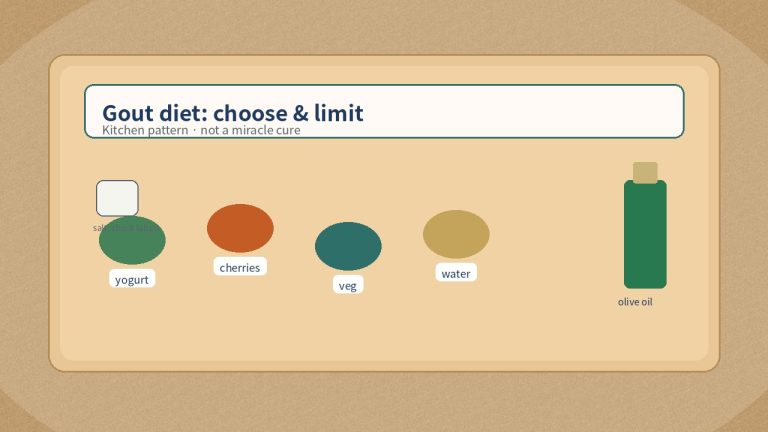
Eggs; yogurt; fish or poultry; beans; soft cooked vegetables; fruits; rice/oats; iodized salt only as your endocrinologist advises (or non-iodized if on a supervised low-iodine protocol); ready-to-eat proteins for low-energy days; artificial tears in the bathroom—not the spice rack.
3. Default plate template
- – Lean protein
- – Soft vegetables or salad if light sensitivity allows prep
- – Carbohydrate you tolerate
- – Fluid; sunglasses for outdoor market trips
4. Sample day (illustrative)
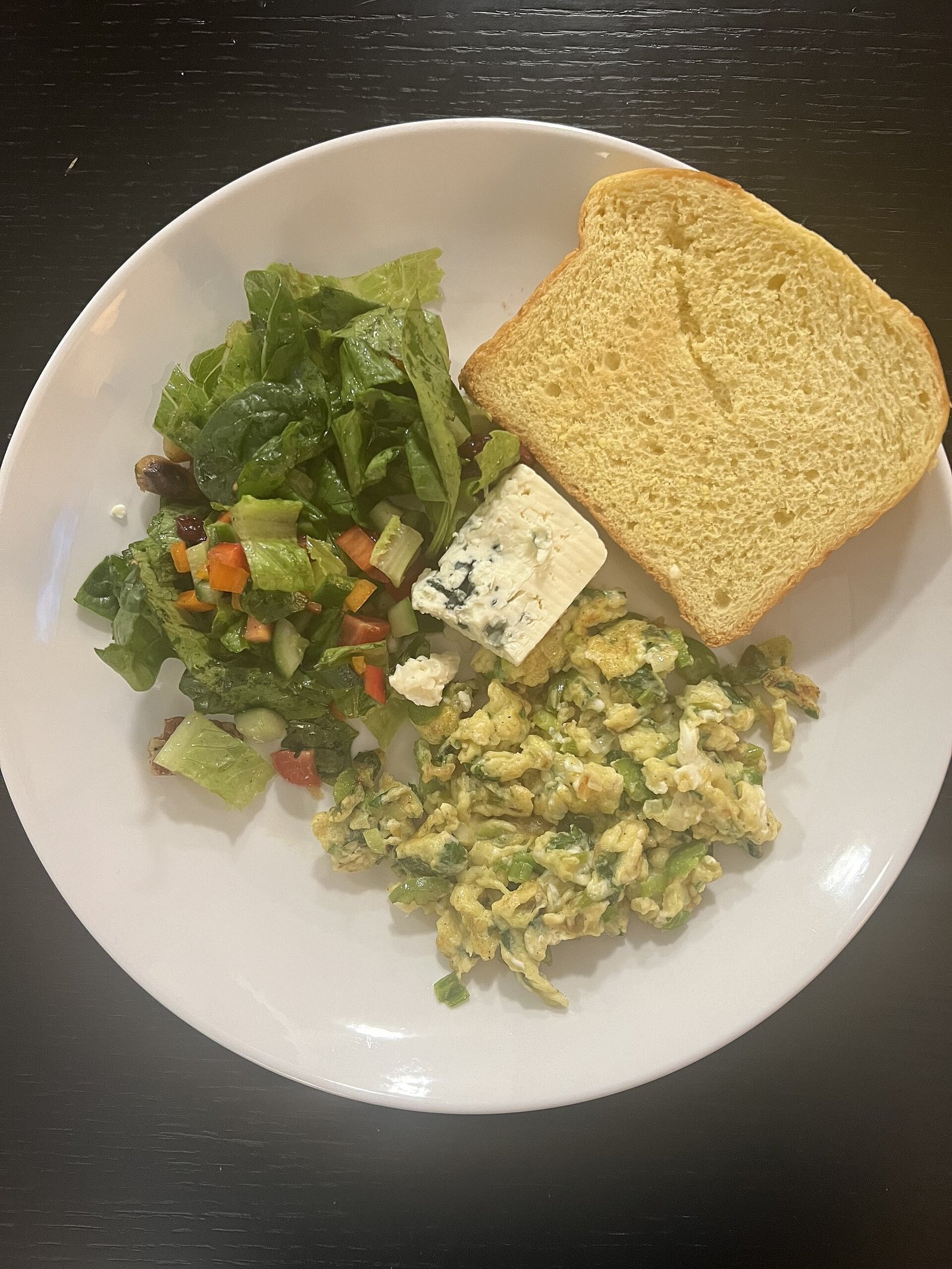
- – Breakfast: eggs with soft tomatoes; yogurt; water.
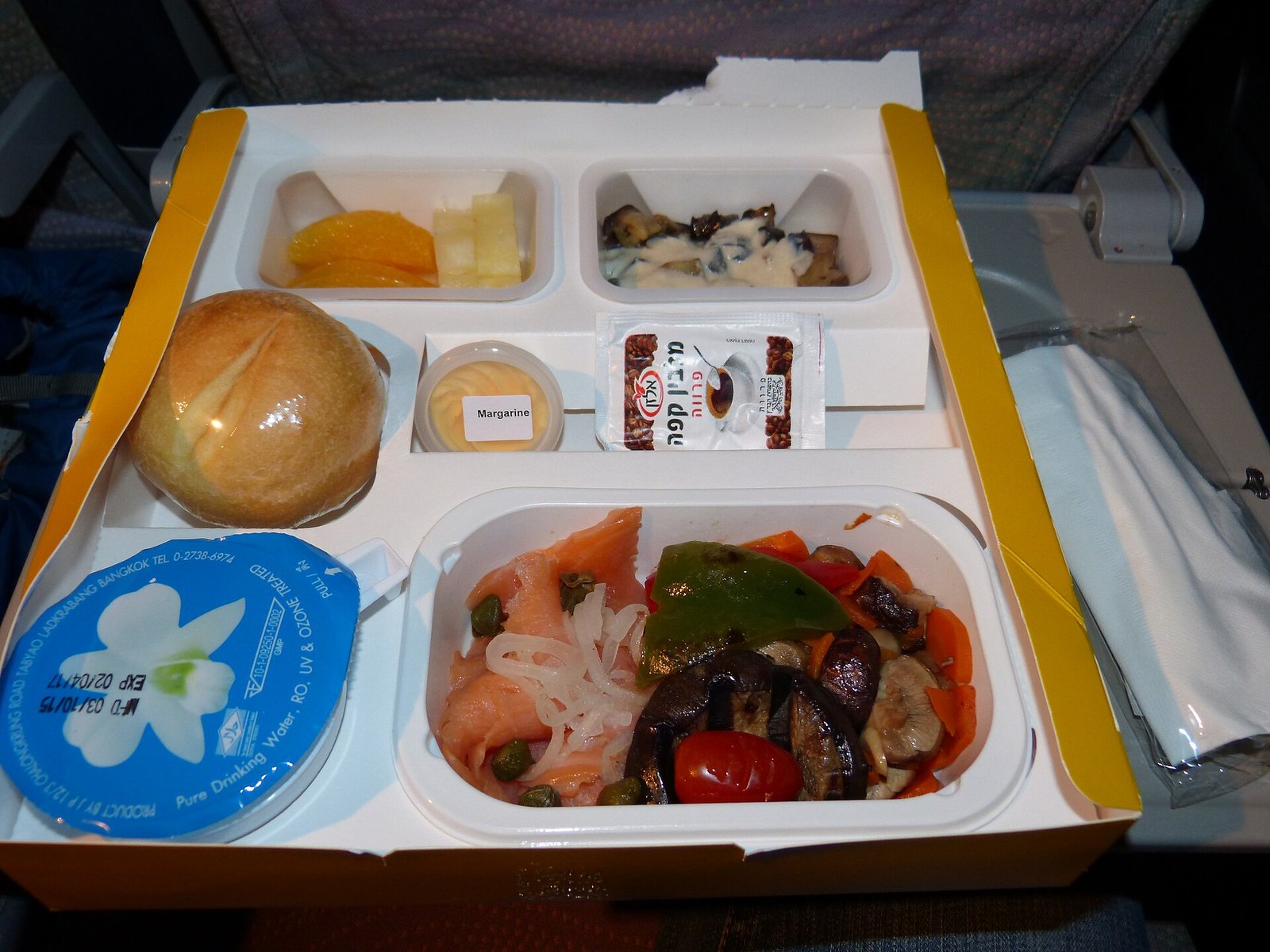
- – Lunch: salmon or chicken with grilled vegetables and rice.
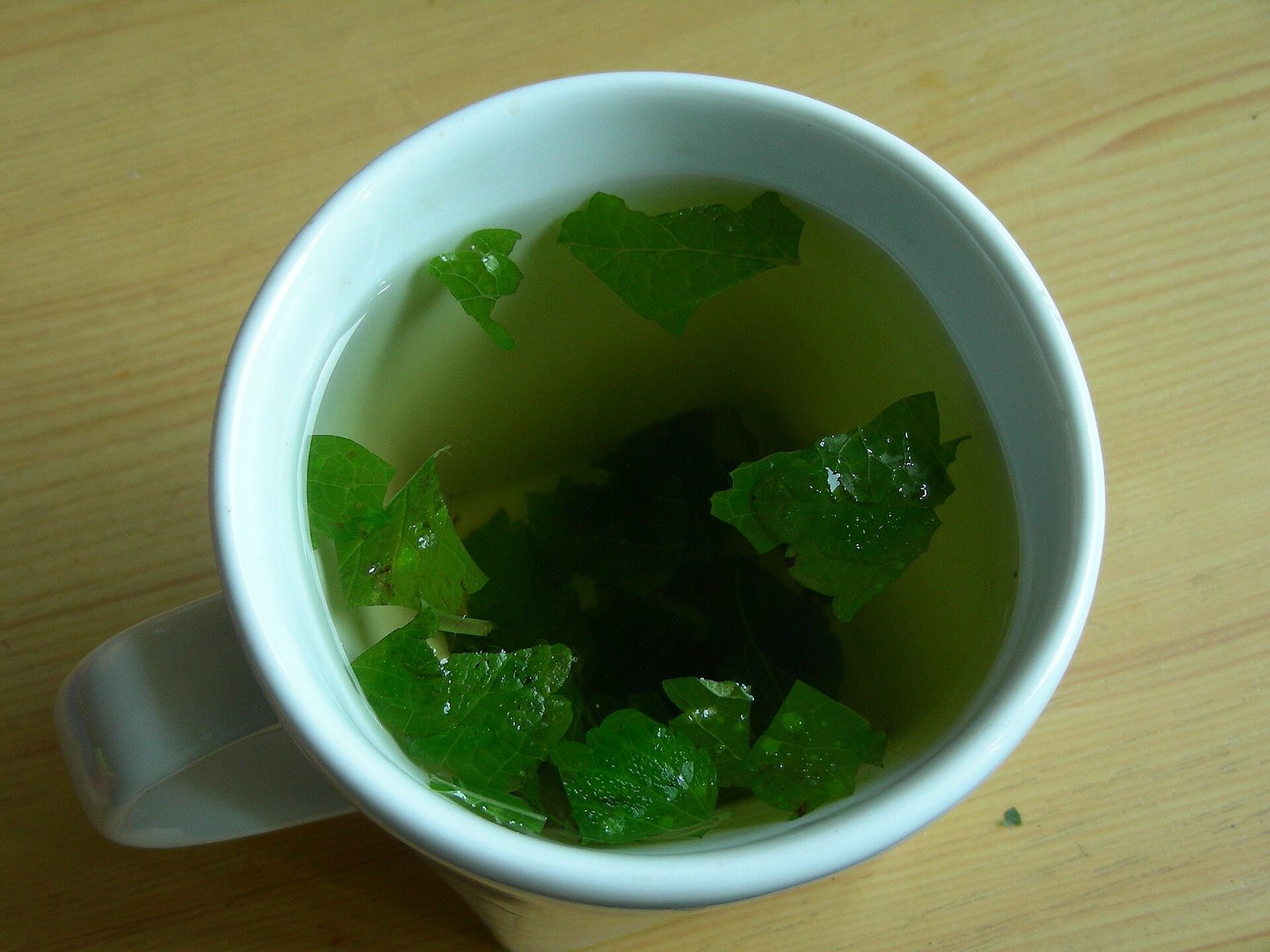
- – Snack: banana or cheese stick; lemon-balm or other non-caffeinated tea if you enjoy herbal cups.
- – Dinner: tender protein, potatoes or rice, cooked greens.
- – Evening: earlier last meal if nighttime eye puffiness and reflux overlap; elevate head of bed as NEI suggests for lids.
5. Home setup tips
Use brighter task lighting only where needed; prefer pre-cut produce during flares of photophobia; batch-cook on better-vision days.
6. If hypothyroidism follows treatment
Diet themes may later overlap Hypothyroidism Diet or Hashimoto’s Thyroiditis Diet—follow current labs, not old hyperthyroid habits.
Safety, interactions, and who should ask a clinician first
- – Pregnancy and Graves’ disease need specialist thyroid and obstetric care—do not self-adjust iodine.
- – ACE inhibitors or potassium-sparing diuretics plus potassium iodide: ODS notes potassium can rise too high.
- – Orbital steroids, teprotumumab, or planned surgery: nutrition support is adjunctive only.
- – Seek urgent eye care for sudden vision change, severe pain, or inability of lids to protect the cornea.
FAQ
Can diet reverse bulging eyes? No. NEI treatments include tears, medicines, quitting smoking, prisms, and sometimes surgery or radiation—not culinary reversal of proptosis.
Should I take selenium or iodine for TED? Ask your endocrinologist/ophthalmologist. ODS warns excess iodine can harm thyroid status; do not replace prescribed TED therapy with supplements.
Does quitting smoking really matter for the eyes? Yes. NEI and NIDDK both highlight smoking as a major modifiable factor for Graves’ eye disease.
Are cruciferous vegetables forbidden? Usually not for people with adequate iodine (ODS). Individualize if your clinician gave specific guidance.
Can artificial tears replace diet changes? No. NEI lists tears for dry, irritated eyes; diet supports overall thyroid nutrition and does not lubricate the ocular surface.
How is this different from a general Graves’ diet page? See Graves’ Disease Diet for systemic hyperthyroid eating; this page emphasizes eye-symptom logistics and smoking cessation alongside iodine caution.
How this differs from related OTCFood topics
This page is a thyroid eye disease–bound diet guide focused on iodine prudence, smoking cessation support, and kitchen practicality with ocular symptoms. It is not a radioactive-iodine protocol, not an orbital surgery handbook, and not a substitute for endocrinology or ophthalmology follow-up.
Medical disclaimer
Medical disclaimer: This article is for general information only. It is not medical advice, diagnosis, or a treatment plan. Thyroid eye disease care depends on thyroid status, eye findings, medicines, and smoking history. Talk with a clinician or registered dietitian before starting, stopping, or changing any eating plan, supplement, or medicine. Seek urgent eye care for sudden vision loss, severe eye pain, or corneal exposure problems.