Ovarian Cysts Diet: Foods That May Help and Foods to Limit
Medical note: This article discusses foods and researched botanicals. It does not claim to prevent, treat, or cure disease. Supplements are not a substitute for food, and studied amounts are not personal prescriptions.
People searching “ovarian cysts diet foods that may help or worsen” usually want to know whether meals can shrink a fluid-filled sac on the ovary—not a claim that food dissolves cysts, replaces pelvic exams, or treats ovarian torsion. MedlinePlus describes ovarian cysts as fluid-filled sacs in or on an ovary that usually form during ovulation, are usually harmless, and often go away by themselves. Mayo Clinic likewise says most cysts cause little or no discomfort and go away without treatment within a few months, and that there is no way to prevent most ovarian cysts. Kitchen changes may help if bloating or irregular eating is making you more uncomfortable; they do not treat the cyst itself.
What this ovarian cysts diet guide covers (and what it does not)
This guide is for adults with clinician-recognized ovarian cysts—most often functional cysts tied to the menstrual cycle—who want honest food guidance while they are monitored. Anchors: MedlinePlus — Ovarian Cysts, Mayo Clinic — Ovarian cysts, and the Office on Women’s Health — Ovarian cysts.
Mayo Clinic describes two common functional cysts: a follicular cyst (the follicle does not release its egg) and a corpus luteum cyst (fluid builds up after the egg is released). They are usually harmless and often disappear within two to three menstrual cycles. Less common types include dermoid cysts, cystadenomas, and endometriomas tied to endometriosis. Related reading: PCOS diet guide, endometriosis diet guide, uterine fibroids diet guide, and adenomyosis diet guide.
This is not a PCOS treatment plan, not an ovarian-cancer diet, and not a reason to ignore sudden severe pelvic pain.
Evidence snapshot: ovarian cyst diet claims vs public sources
| Claim people hope for | What public sources actually say | Confidence |
|---|---|---|
| “A special diet shrinks ovarian cysts” | MedlinePlus, Mayo Clinic, and OWH describe watchful waiting, pain medicine, hormonal birth control to lower the chance of new cysts, or surgery when needed—not a food protocol that dissolves cysts | Strong against food-as-cure |
| “I can prevent all cysts by eating a certain way” | Mayo Clinic: there’s no way to prevent most ovarian cysts. OWH: you cannot prevent functional cysts if you are ovulating; hormonal birth control may lower the chance of new cysts by stopping ovulation | Strong against diet-as-prevention |
| “Every ovarian cyst is cancer” | MedlinePlus: rarely, cysts can become cancerous, and that risk increases with age. OWH: most cysts are not cancerous; risk is higher after menopause | Strong that most cysts are not cancer |
| “Cysts always cause obvious symptoms” | MedlinePlus and Mayo Clinic: most cysts are small and cause no symptoms; many are found during a pelvic exam or imaging | Strong that silence is common |
| “PCOS and a single functional cyst are the same problem” | MedlinePlus: PCOS is a separate condition that can include high male hormones, irregular or absent periods, and small ovarian cysts. OWH: PCOS can cause problems with the ovaries and with getting pregnant | Strong that they are not identical |
Foods and patterns that may help while you are being monitored
“May help” means supporting overall comfort and regular meals—not shrinking the cyst.
Ordinary, regular plates
OWH notes that most women make at least one follicle or corpus luteum cyst every month and may not know unless a problem develops. There is no public-source shopping list that targets the cyst. Use an ordinary balanced pattern:
- – Regular meals if nausea or bloating is already present
- – Vegetables, fruit, grains, beans if tolerated, and proteins such as fish, eggs, yogurt, or poultry
- – Steady non-alcoholic fluids, especially if constipation makes pelvic pressure feel worse—this is comfort, not cyst treatment
If bloating or pelvic pressure is your main complaint
Mayo Clinic lists coming-and-going pelvic pain, abdominal fullness or heaviness, and bloating among symptoms a large cyst can cause; OWH lists similar pressure and side pain.
- – Smaller, more frequent meals if a very large plate increases pressure
- – Limit gas-producing foods only if they personally worsen bloating
- – Pair fiber with fluid if hard stools add to pelvic discomfort, without a sudden fiber jump
When the diagnosis overlaps with PCOS or endometriosis
If the issue is many small follicle growths plus irregular periods and high androgens, that may be PCOS rather than a single functional cyst. MedlinePlus and OWH treat PCOS as a separate condition. Related eating questions belong on PCOS diet guide, not as a cyst-dissolving menu.
If the cyst is an endometrioma, OWH and Mayo Clinic tie that type to endometriosis; see endometriosis diet guide. Shared pelvic-pressure topics include uterine fibroids diet guide, adenomyosis diet guide, and perimenopause diet guide.
After a “watch and wait” plan
MedlinePlus says that if a provider finds a cyst, you may wait to see whether it gets bigger, and you may need surgery if you have pain, are past menopause, or the cyst does not go away. OWH adds that hormonal birth control may be prescribed if you get cysts often because it can stop ovulation and may lower the chance of new cysts. None of those steps is a diet.
Foods and habits that often make the situation harder
- – Crash diets or “ovary detoxes” sold to shrink cysts—public patient pages do not support a food cure
- – Skipping meals until a scan “looks better”—monitoring is medical; starvation is not a treatment listed by MedlinePlus, Mayo Clinic, or OWH
- – Ignoring sudden severe pain because you are “managing it with food”—Mayo Clinic and OWH treat sudden severe abdominal or pelvic pain, pain with fever or vomiting, and signs of shock (cold clammy skin, rapid breathing, lightheadedness or weakness; OWH also lists faintness and rapid breathing) as reasons to get medical help right away. Those signs can mean rupture or ovarian torsion
- – Assuming every cycle change is “just a cyst” without follow-up, especially after menopause, when OWH notes cysts are less common and the chance of ovarian cancer is higher
- – High-dose supplements marketed for hormone balance without telling your clinician, especially if you also take prescription hormones
- – Alcohol as pain relief for pelvic discomfort—it is not a listed treatment and can muddy symptoms
There is no strong public-source list of foods that “feed” functional ovarian cysts the way some blogs claim for dairy or soy. If a food clearly worsens bloating for you, limit that item based on your log, not on an unproven cyst theory.
Practical kitchen protocol: a monitoring week
1. Know which type of cyst you have
Ask whether it is a functional cyst, an endometrioma, another benign type, or something that needs closer follow-up. Mayo Clinic: functional cysts often disappear within two to three cycles. OWH, citing published estimates: about 8% of premenopausal women develop large cysts that need treatment, and 5% to 10% of women have surgery to remove an ovarian cyst, of which 13% to 21% are cancerous.
2. Shopping list for ordinary comfort
Oats, fruit, vegetables for cooked or raw salads you tolerate, rice or potatoes, eggs, yogurt if tolerated, beans if they do not increase your bloating, and fish or poultry. Build a normal grocery cart, not a “cyst cleanse” cart.
3. Default plate template
- – Half vegetables or fruit you digest well
- – A quarter protein
- – A quarter starch or whole grain
- – Water or another non-alcoholic drink
- – Stop at comfortable fullness if pressure is already high
4. Sample day (illustrative)
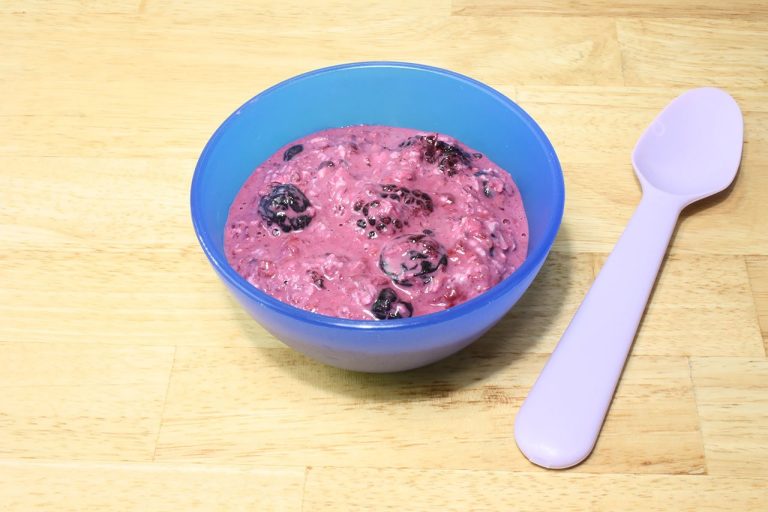
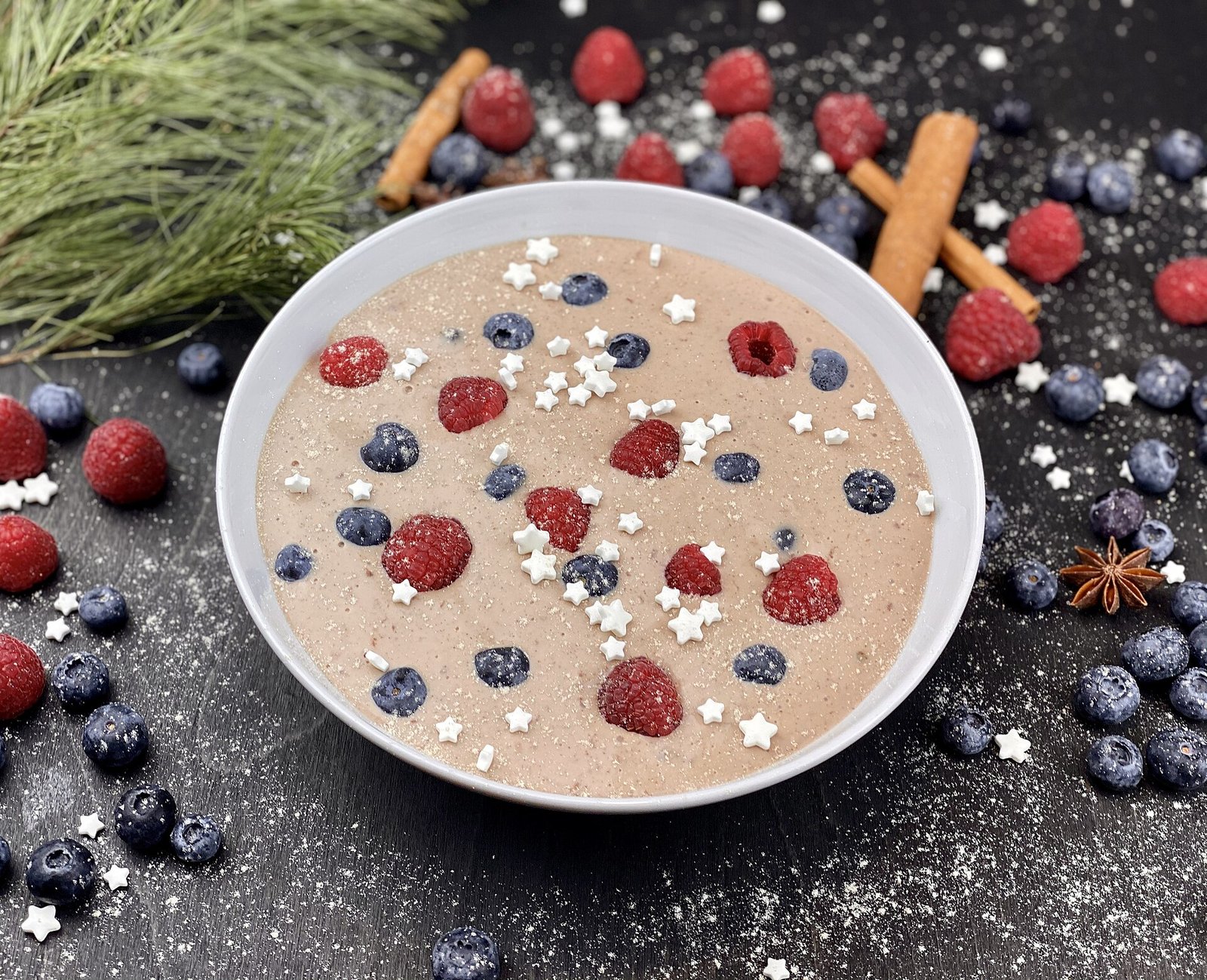
- – Breakfast: oatmeal with berries.
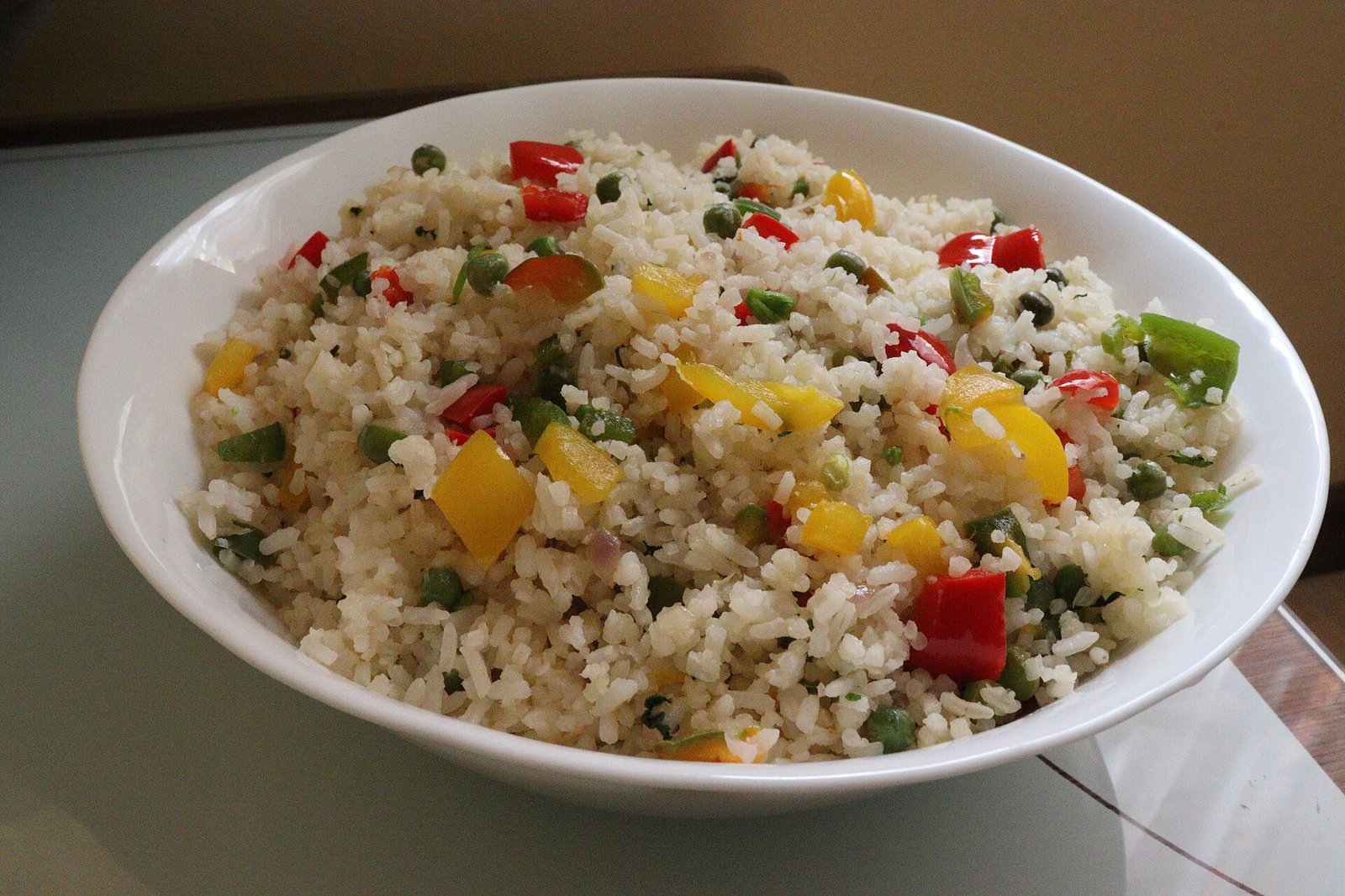
- – Lunch: grain-and-vegetable bowl with eggs, fish, or beans you tolerate.
- – Snack: yogurt or fruit.
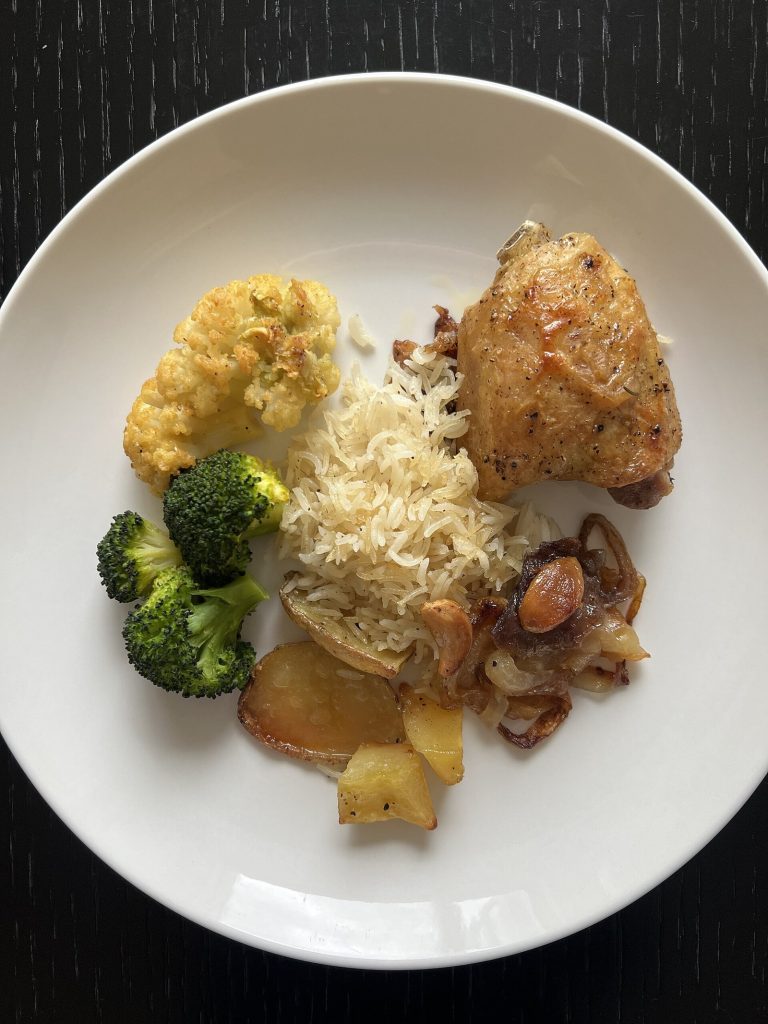
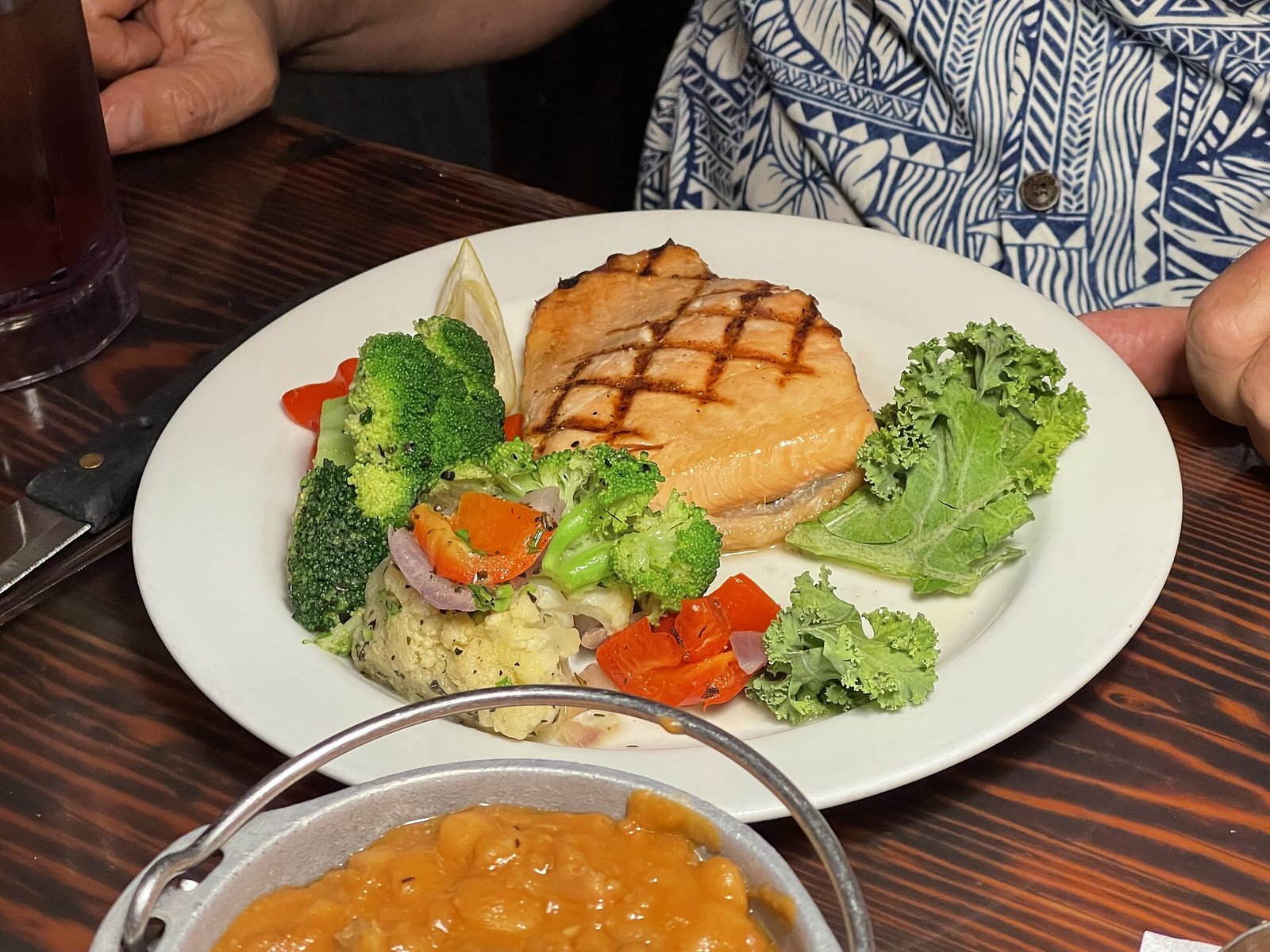
- – Dinner: baked fish or chicken, potatoes or rice, cooked vegetables.
- – Evening: note pain location, bloating, and cycle day rather than adding a late “detox tea.”
5. Red-flag card on the fridge
Sudden severe pelvic or abdominal pain, pain plus fever or vomiting, feeling faint, dizzy, weak, or short of breath: emergency evaluation (Mayo Clinic; OWH). OWH explains these symptoms could mean a cyst has ruptured; large ruptured cysts can cause heavy bleeding. Mayo Clinic adds that ovarian torsion can reduce or stop blood flow to the ovary.
Safety, interactions, and who should ask a clinician first
- – Postmenopause plus a new ovarian cyst: higher cancer-risk context (MedlinePlus; OWH)—do not self-monitor with diet only.
- – Pregnancy: OWH notes cysts are common in early pregnancy and are typically harmless, but cysts that keep growing can rupture, twist, or cause problems in childbirth and should be monitored.
- – Endometriosis, repeated cysts, or fertility questions: ask whether the cyst type itself (endometrioma or PCOS) is affecting pregnancy chances. OWH: most cysts do not affect fertility, but endometriosis and PCOS can.
- – Blood tests such as CA-125: OWH notes that many non-cancer conditions can raise CA-125 before menopause, so do not interpret a number from a blog.
- – Pain medicines: OWH says your clinician may recommend over-the-counter or prescription pain relief—confirm what is appropriate for you.
FAQ
Can changing my diet make an ovarian cyst go away? Public pages do not describe a diet that shrinks cysts. Many functional cysts go away on their own within months or within two to three menstrual cycles (Mayo Clinic). Follow the monitoring plan you were given.
What foods should I avoid with ovarian cysts? There is no official avoid-list for dissolving or aggravating functional cysts. Limit items that personally increase bloating or nausea, and skip unproven “cleanse” products.
Do ovarian cysts mean I have PCOS? Not necessarily. MedlinePlus describes PCOS as a separate hormonal condition that can include small ovarian cysts plus irregular periods and higher male hormones. A single functional cyst is common in people who ovulate.
Can cysts make it harder to get pregnant? OWH: typically no. Most cysts do not affect pregnancy chances. Endometriosis and PCOS are the two listed conditions that both cause certain cysts and can affect fertility.
When is an ovarian cyst an emergency? Sudden severe pelvic or abdominal pain; pain with fever or vomiting; or signs of shock such as faintness, weakness, cold clammy skin, or rapid breathing (Mayo Clinic; OWH).
How this differs from related OTCFood topics
This page is an ovarian-cyst–bound diet guide that separates functional cysts from PCOS and endometriosis and refuses a food-cure story. It is not a PCOS insulin-resistance plan and not a substitute for ultrasound follow-up or emergency care for torsion or rupture.
Medical disclaimer
Medical disclaimer: This article is for general information only. It is not medical advice, diagnosis, or a treatment plan. Ovarian cyst care depends on cyst type and size, age, menopausal status, pregnancy, pain, and your clinician’s judgment. Talk with a clinician or registered dietitian before starting, stopping, or changing any eating plan, supplement, or medicine. Seek urgent care for sudden severe pelvic pain, pain with fever or vomiting, fainting, or rapid breathing.