Diet After TURP: Foods That May Help and Foods to Limit
Medical note: This article discusses foods and researched botanicals. It does not claim to prevent, treat, or cure disease. Supplements are not a substitute for food, and studied amounts are not personal prescriptions.
People searching “diet after TURP foods that help or worsen” usually want kitchen habits that support bladder comfort, keep stools soft so straining is less likely, and fit a urologist’s catheter and activity plan—not a claim that food shrinks the prostate again or replaces prescribed medicines, catheter care, or follow-up. MedlinePlus describes transurethral resection of the prostate (TURP) as surgery that removes the inside part of the prostate gland, most often for symptoms of an enlarged prostate (benign prostatic hyperplasia, BPH). NIDDK notes that BPH is not caused by cancer and that lifestyle steps and medicines are often tried before procedures.
What this after-TURP diet guide covers (and what it does not)
This guide is for adults recovering from TURP who want practical eating and drinking patterns while they follow lifting limits, catheter instructions, and urine-color watches from their urologist. Anchors: MedlinePlus — Transurethral resection of the prostate, MedlinePlus — TURP discharge, and NIDDK — Enlarged prostate (BPH).
MedlinePlus discharge guidance emphasizes resting with short walks, avoiding heavy lifting for several weeks, drinking plenty of water to help flush the bladder, limiting bladder irritants such as coffee, soft drinks, and alcohol, and eating a fiber-forward pattern (with stool softener or fiber supplement if advised) so constipation does not delay healing. Kitchen changes do not reverse BPH biology or replace antibiotics, catheter teaching, or urgent evaluation for fever, inability to urinate, or heavy clotting. Related reading: diet after prostatectomy guide, BPH diet guide, and constipation diet guide.
Evidence snapshot: after-TURP diet claims vs public sources
| Claim people hope for | What public sources actually say | Confidence |
|---|---|---|
| “A special diet heals the prostate faster than the surgeon’s timeline” | MedlinePlus/NIDDK center catheter care, fluids, fiber for comfort, and activity limits—not culinary prostate “rebuilds” | Strong: food is supportive only |
| “Cutting all fluids ‘rests’ the bladder better” | TURP discharge: drink plenty of water (often framed as about 8–10 glasses a day) to help flush the bladder—follow your urologist if you have fluid restrictions | Strong against arbitrary under-drinking after TURP |
| “Coffee and alcohol are fine if stools stay soft” | MedlinePlus discharge: coffee, soft drinks, and alcohol can irritate bladder and urethra after TURP | Moderate–strong for irritation risk |
| “Zero fiber forever protects the surgical site” | Discharge guidance: healthy diet with plenty of fiber; softener/fiber supplement may help prevent constipation that delays healing | Strong for fiber once appropriate |
| “Herbal prostate ‘shrink’ teas replace urology follow-up” | NIDDK treatment for BPH is lifestyle, medicines, procedures—not unregulated detox teas as TURP protocols | Strong: ask before herbal products |
Foods and patterns that may help after TURP day to day
“May help” means supporting hydration, softer stools, and fewer common bladder irritants while you heal—not a promise that food erases burning, clots, or leakage on a fixed day.
Steady water-forward fluids (as cleared by your clinician)
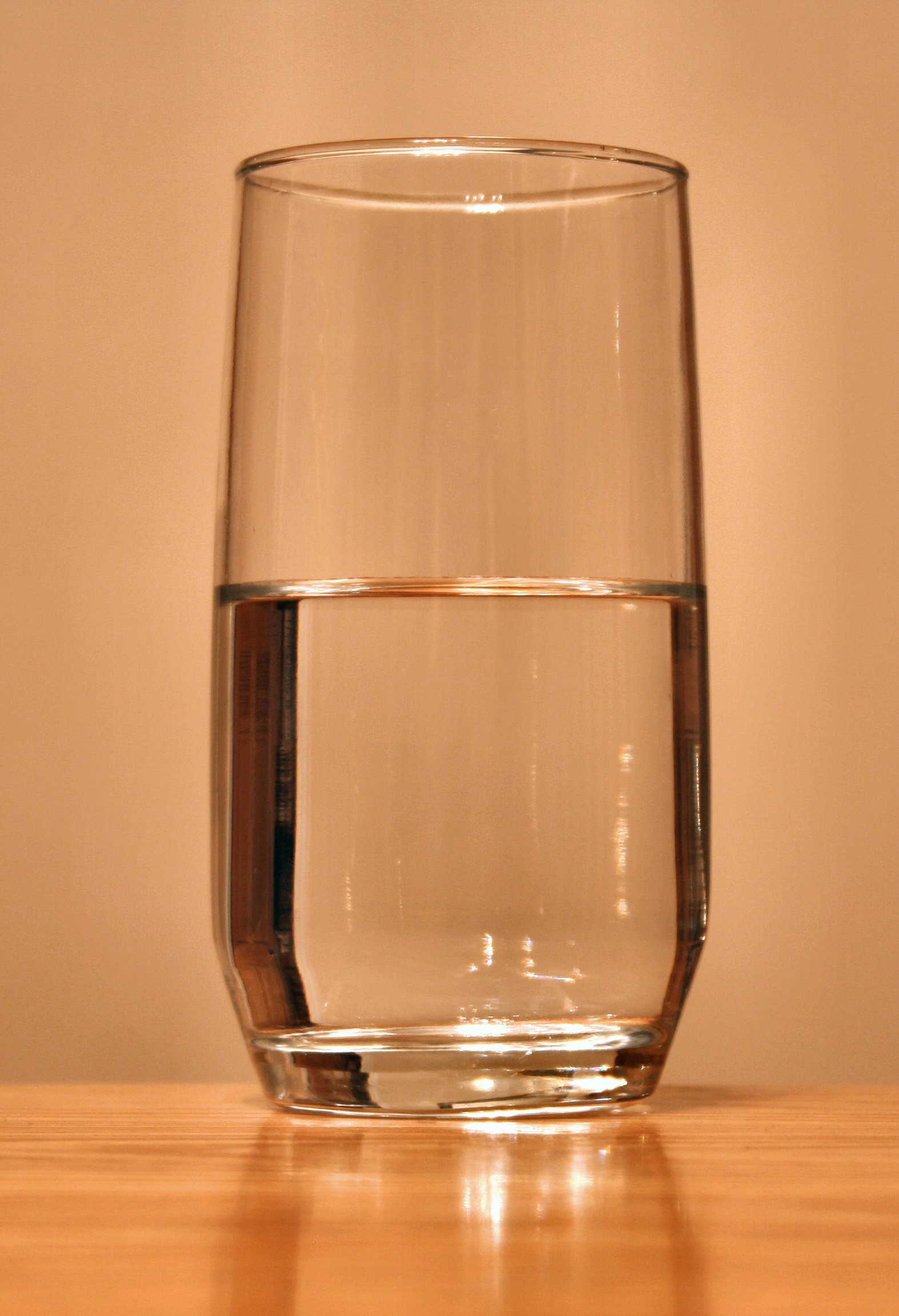
- – MedlinePlus TURP discharge: drink plenty of water to help flush fluids through the bladder; many patient pages cite a ballpark of 8–10 glasses a day—individualize if you have heart or kidney limits.
- – Keep a bottle visible during the first weeks when pain medicines may slow the bowels and when catheter spasms feel urgent.
- – Space intake earlier in the day if night waking to urinate is hard—still meet your urologist’s total fluid goal.
Fiber-forward patterns to limit straining
- – Discharge care: eat a healthy diet with plenty of fiber; stool softener or fiber supplement may be used to help prevent constipation.
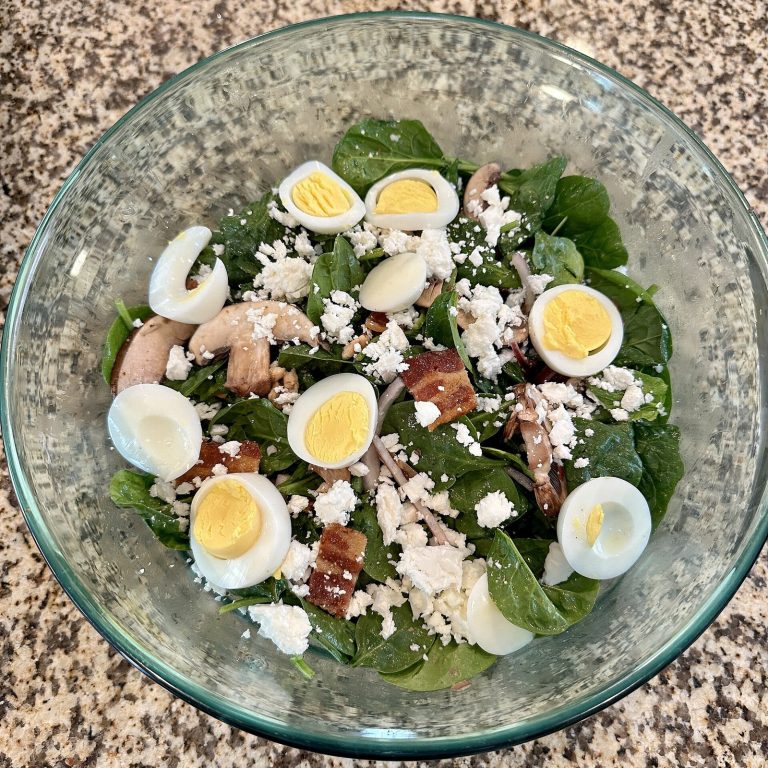
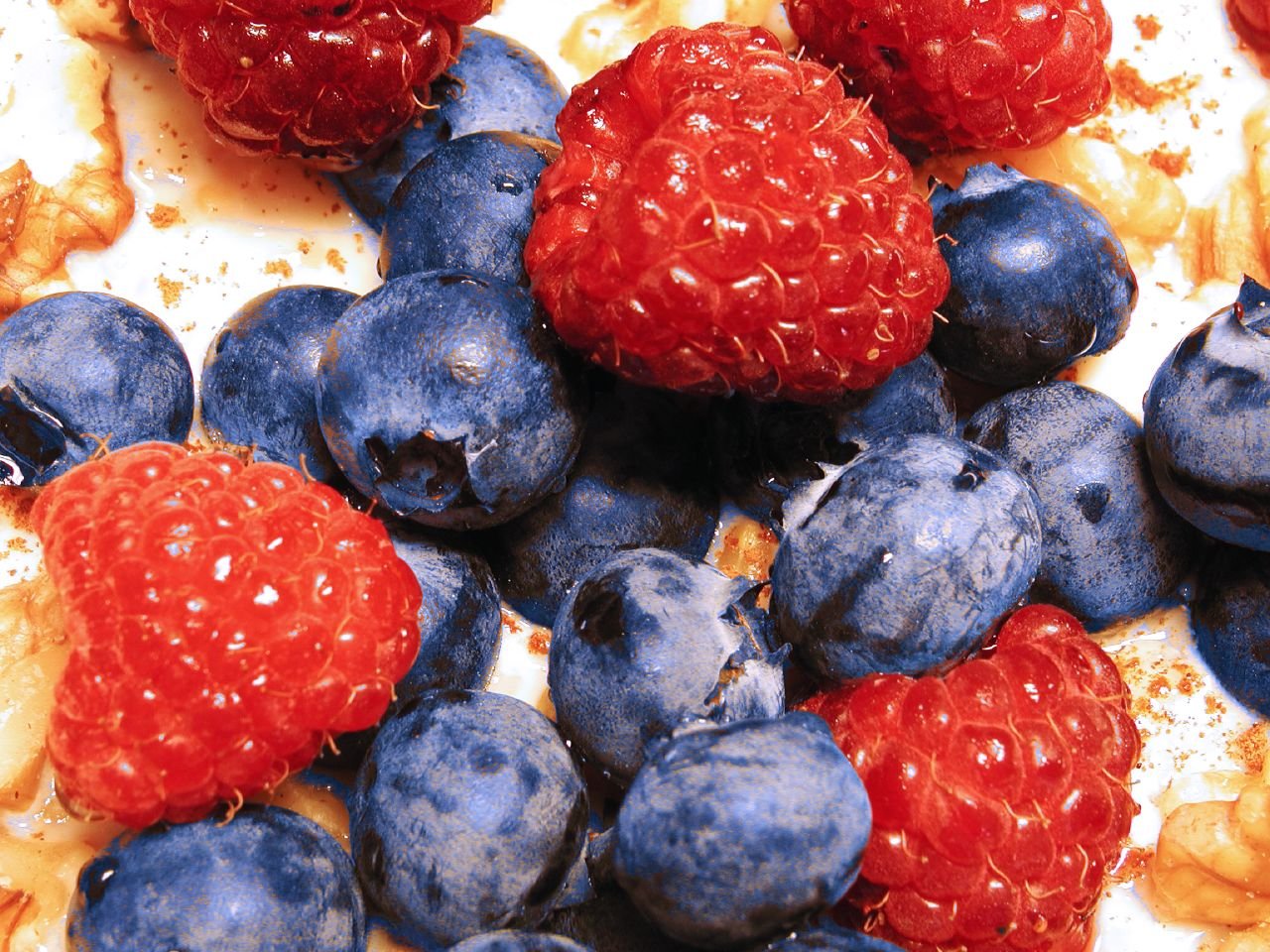
- – Practical sources often include oats, pears and apples with skin if tolerated, berries, beans, cooked greens, sweet potato, and whole-grain breads—increase gradually and pair with fluids.
- – See constipation diet guide for longer-term stool softness themes that overlap BPH kitchen comfort.
Soft, easy meals when appetite or mobility is limited
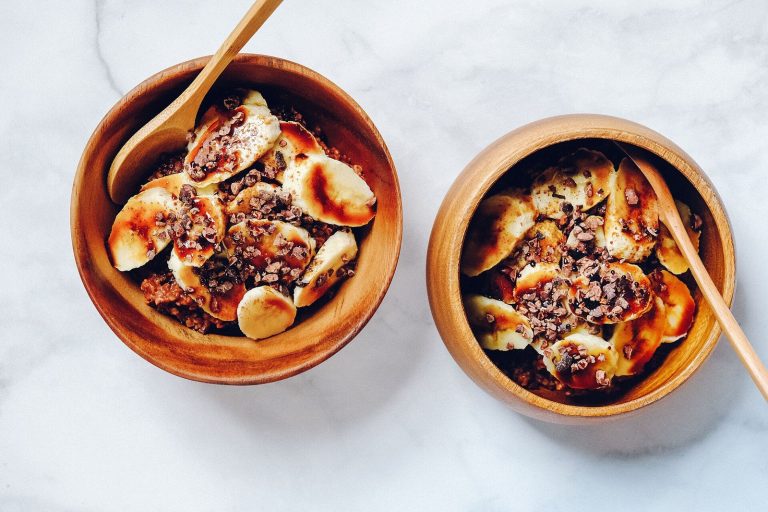
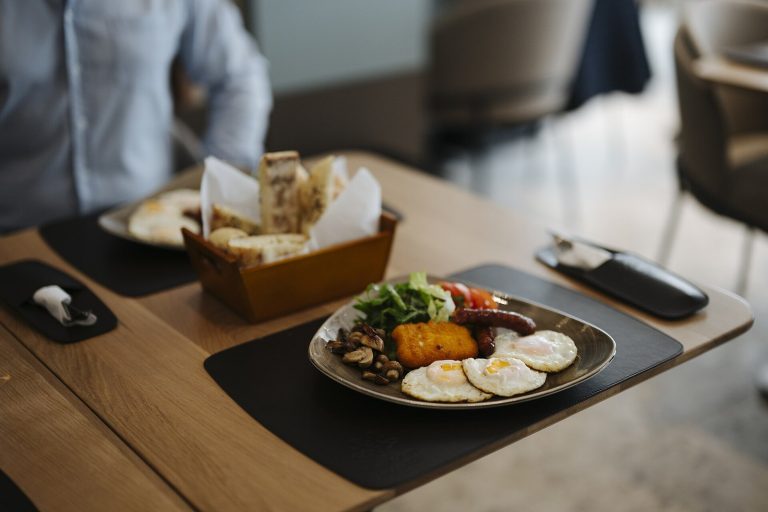
- – Yogurt, eggs, oatmeal, ripe bananas, tender fish or poultry, tofu, and well-cooked vegetables reduce kitchen strain when lifting grocery bags is restricted (MedlinePlus: avoid lifting more than about 5 pounds / 2.3 kg for 3–6 weeks unless your surgeon says otherwise).
- – Ask helpers for grocery runs rather than hauling water-cooler jugs “for hydration.”
Gentle return to everyday protein
- – Include eggs, dairy if tolerated, fish, poultry, beans, or tofu as energy returns—general recovery fueling, without claiming TURP-specific “healing macros.”
Foods and habits that often worsen after-TURP kitchen patterns
- – Coffee, soft drinks, and alcohol that can irritate bladder and urethra (MedlinePlus discharge).
- – Low-fluid patterns that work against the flush-the-bladder advice in discharge care.
- – Low-fiber, constipating ultra-processed snack patterns that invite straining and may delay healing.
- – Unprescribed harsh stimulant laxative stacks or “colon cleanses” without surgeon clearance.
- – Heavy lifting of grocery crates or water jugs while still under lift limits.
- – Expecting kitchen changes to fix fever, thick yellow-green urine, blocked catheter, inability to pass urine, or rapidly worsening belly pain—those are urology red flags.
- – Assuming BPH “drink less overall” lifestyle tips cancel TURP discharge fluid goals—pre-procedure BPH symptom tips and post-TURP flush guidance are different contexts; follow the discharge plan you were given.
“Limit” means reducing irritation and strain risk—not that one cup of coffee defines surgical success.
Practical kitchen protocol: an after-TURP diet week
1. Keep the medical spine first
Confirm catheter care, antibiotic course if prescribed, which pain or spasm medicines are allowed, lifting/driving limits, sexual-activity pause (often several weeks), and when to call for clotting or fever. Put stool softener where you will not miss doses if advised.
2. Shopping list for bladder-and-bowel comfort
Water you will actually drink; oats; pears, berries, prunes if tolerated; beans; sweet potatoes; cooked greens; yogurt; eggs; tender fish/poultry; olive oil; fiber supplement only if your clinician advised one. Skip stocking a mini-bar of coffee concentrates and energy soft drinks for the early weeks if irritation is an issue for you.
3. Default plate template
- – Soft lean protein
- – High-fiber carbohydrate when advancing
- – Fruit/vegetables
- – Water at meals; keep coffee/alcohol paused or minimized per discharge advice
4. Sample day (illustrative, after your urologist’s plan)
- – Breakfast: oatmeal with berries; water.
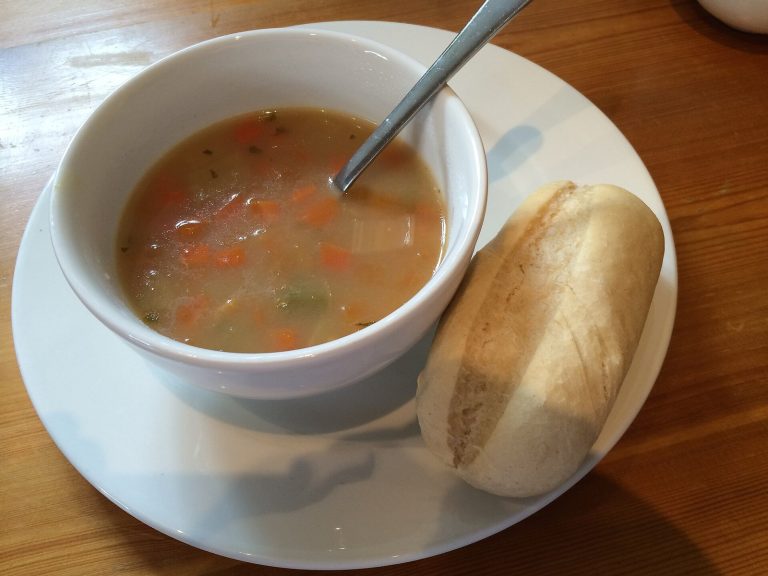
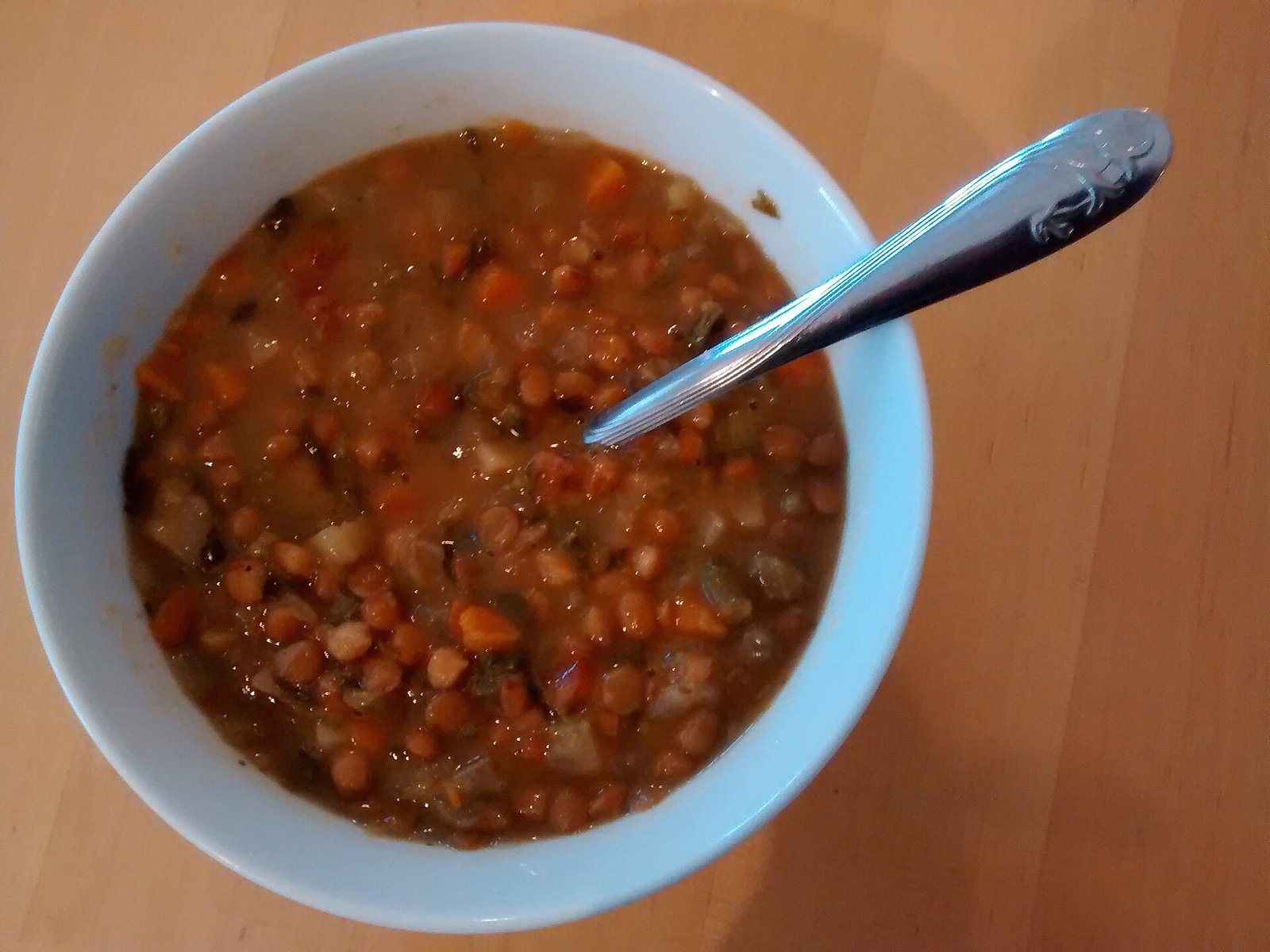
- – Lunch: lentil soup with soft vegetables; fruit; water.
- – Snack: yogurt or a pear; water.
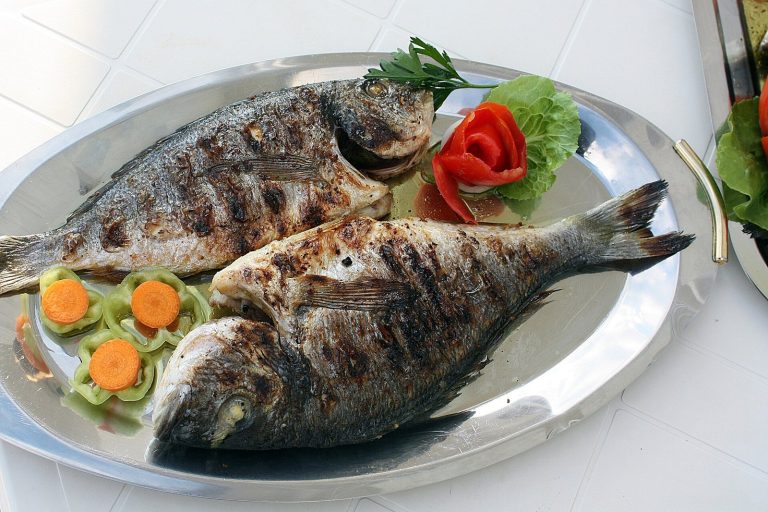
- – Dinner: baked fish, sweet potato, cooked greens; water.
- – Evening: warm non-caffeinated fluid; stool plan per clinician—not a late espresso if caffeine worsens urgency.
5. Home setup tips
Stage a bathroom softener caddy; keep a marked water bottle; ask for help with laundry baskets and grocery bags while under lift limits; practice Kegel teaching only as your team instructed for continence rehab.
6. If BPH symptoms were the long background story
Longer-term patterns overlap BPH diet guide and diet after prostatectomy guide, but catheter rules, clotting watches, and early irritant limits stay with your TURP discharge sheet.
Safety, interactions, and who should ask a clinician first
- – Check with your surgeon before aspirin, ibuprofen, naproxen, or similar medicines in the early weeks (MedlinePlus discharge).
- – Kidney disease, heart failure, or fluid restrictions: individualize the “plenty of water” goal.
- – Opioid pain medicines: expect slower bowels—ask about scheduled softeners rather than waiting for concrete stool.
- – Contact the surgical team for fever above about 100.5°F (38°C), inability to drink or eat, blocked catheter, inability to pass urine after catheter removal, foul cloudy urine, or leg swelling/redness.
FAQ
Can diet make TURP recovery painless? No. Food supports hydration, softer stools, and fewer common irritants; it does not erase surgical healing timelines or continence rehab.
Should I avoid all fluids at night forever? Follow your discharge fluid totals first. Timing tricks for night waking can be discussed with your urologist without abandoning overall hydration goals.
Is fiber safe right after TURP? MedlinePlus encourages a healthy diet with plenty of fiber and notes softeners/supplements may help prevent constipation that delays healing—confirm brands/doses with your team.
Do spicy foods ruin the operation? Not automatically. Priority targets after TURP are fluids, fiber, lift limits, and limiting coffee/soft drinks/alcohol irritation. Track personal triggers without panic.
How is this different from a general BPH diet page? Overlap exists—see BPH diet guide—but post-TURP care adds catheter, clotting, early irritant, and activity rules your urologist owns.
How this differs from related OTCFood topics
This page is a TURP-bound diet guide focused on fluids, fiber, and bladder irritant limits around surgical recovery. It is not a prostate cancer diet, not a DIY catheter protocol, and not a substitute for urology follow-up.
Medical disclaimer
Medical disclaimer: This article is for general information only. It is not medical advice, diagnosis, or a treatment plan. Care after TURP depends on surgical technique, catheter status, other urinary or cardiac conditions, and your urologist’s protocol. Talk with a clinician or registered dietitian before starting, stopping, or changing any eating plan, supplement, or medicine. Seek urgent care for fever, inability to urinate, heavy bleeding, chest symptoms, or a blocked catheter.