Parkinson’s Disease Diet: Foods That May Help and Foods to Limit
Medical note: This article discusses foods and researched botanicals. It does not claim to prevent, treat, or cure disease. Supplements are not a substitute for food, and studied amounts are not personal prescriptions.
People searching “Parkinson’s diet foods that help or worsen” usually want kitchen patterns that support steadier energy, easier bowel habits, safer swallowing when needed, and smoother timing around prescribed medicines—not a claim that food replaces levodopa, physical therapy, or neurology follow-up. MedlinePlus notes there is no cure for Parkinson disease, while treatment can help control symptoms, and it advises staying healthy by eating nutritious foods and making diet changes if swallowing problems appear. NINDS describes constipation, nausea, chewing and swallowing difficulty in later stages, and the challenge of getting enough nutrients when eating becomes harder.
What this Parkinson’s diet guide covers (and what it does not)
This guide is for adults living with Parkinson disease (or caregivers shopping and cooking with them) who want practical food patterns grounded in public NIH and MedlinePlus patient education. Anchors: MedlinePlus — Parkinson’s disease, MedlinePlus Medical Encyclopedia — Parkinson disease, NINDS — Parkinson’s disease, MedlinePlus — Levodopa and carbidopa, and MedlinePlus — Constipation.
Kitchen habits do not reverse neurodegeneration, do not replace deep brain stimulation decisions, and do not override swallowing evaluations. Related reading: constipation diet guide and magnesium deficiency diet guide.
Evidence snapshot: Parkinson’s diet claims vs public sources
| Claim people hope for | What public sources actually say | Confidence |
|---|---|---|
| “A special diet cures Parkinson’s” | MedlinePlus states there is no cure; medicines and therapies help control symptoms | Strong: food is supportive only |
| “High-protein meals always boost levodopa” | MedlinePlus carbidopa-levodopa: talk to your doctor if you plan to change your diet to high-protein foods such as meat, poultry, and dairy | Strong: ask before major protein shifts |
| “Fiber and fluids are optional if stools are hard” | MedlinePlus constipation guidance emphasizes fruits, vegetables, grains (fiber), and plenty of liquids; NINDS lists constipation as a common non-motor issue | Strong for supportive bowel habits |
| “Swallowing problems mean starve until it passes” | MedlinePlus advises changing what you eat or drink if you have swallowing problems and using assistive utensils when needed; incorrect swallowing can risk choking or aspiration | Strong: individualized texture with clinician/SLP |
| “Caffeine or supplements alone stop progression” | NINDS notes research interest in caffeine and nutrients but does not authorize DIY “anti-Parkinson” stacks | Low for cure claims; ask before supplements |
Foods and patterns that may help with Parkinson’s day to day
“May help” means supporting nutrient intake, softer stools, safer textures when cleared, and medicine-aware meal timing—not a promise that food erases tremor or stiffness.
Nutritious, regular meals (not skipping)
- – MedlinePlus: stay healthy by eating nutritious foods.
- – Steady meal timing also reduces the “ran on empty all day” pattern that can worsen fatigue and make medicine schedules harder to keep.
Fiber-forward produce and whole grains for constipation risk
- – NINDS lists constipation among gut-related PD symptoms.
- – MedlinePlus constipation prevention includes eating more fruits, vegetables, and grains that are high in fiber, drinking plenty of water and other liquids, getting enough exercise as advised, and taking time for bowel movements.
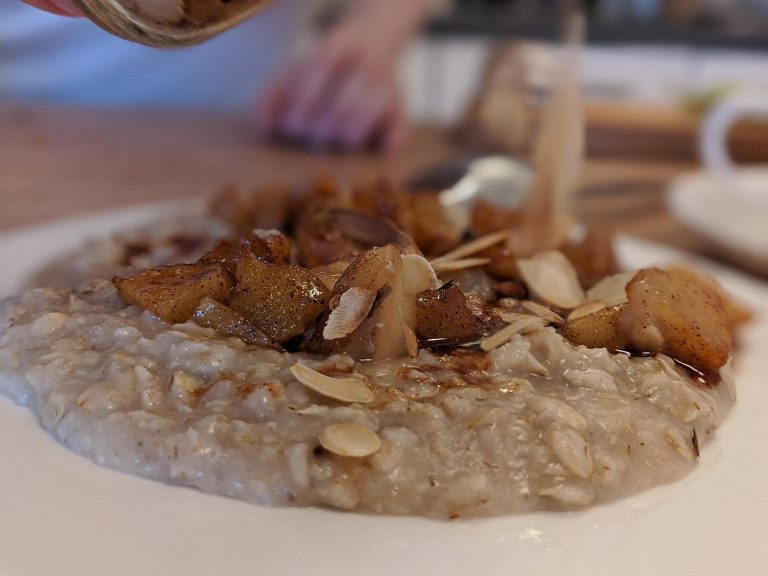
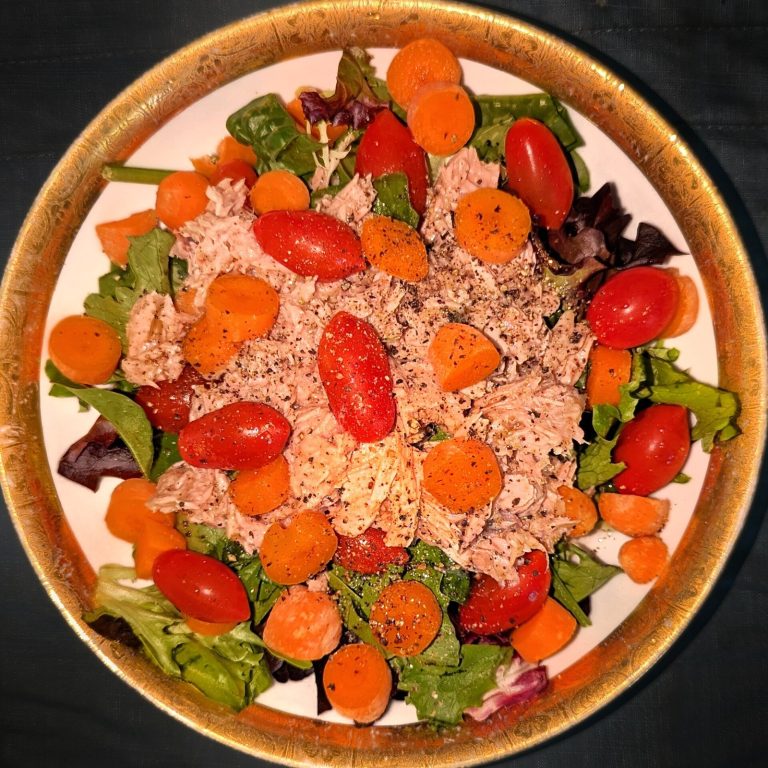
- – Practical picks: oats, berries, pears, cooked beans if tolerated, leafy greens when chewing is safe, whole-grain toast. Increase fiber gradually with fluids. See constipation diet guide.
Soft, moist textures when chewing or swallowing is hard
- – NINDS notes food and saliva may collect in the mouth and throat in later stages, with choking risk; getting enough nutrients can become difficult.
- – MedlinePlus encyclopedia: make diet changes if swallowing problems appear; assistive eating utensils can help.
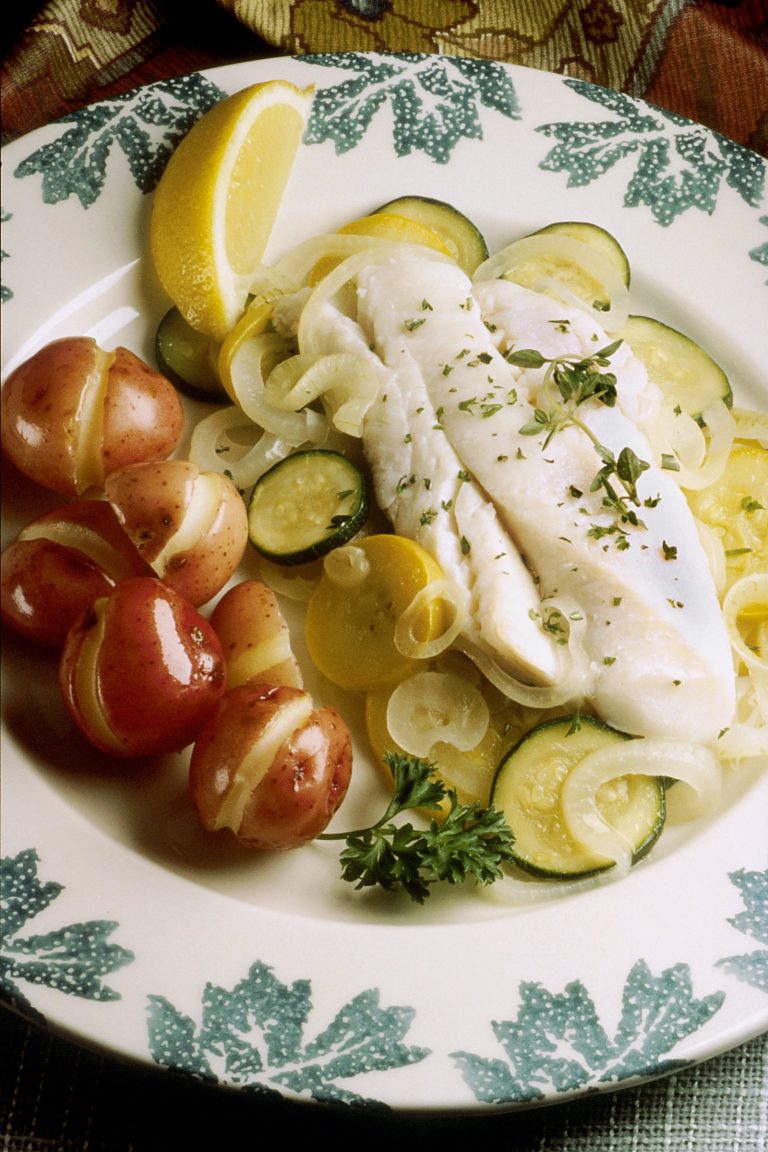
- – Often easier textures (only as your clinician or speech-language pathologist advises): yogurt, scrambled eggs, tender fish, well-cooked vegetables, oatmeal, smooth soups. Never invent a prolonged clear-liquid “detox.”
Protein timing awareness with levodopa/carbidopa
- – MedlinePlus: talk with your doctor before shifting toward a high-protein pattern (meat, poultry, dairy). Some people redistribute protein later in the day under clinical guidance—do not DIY dose changes.
- – Keep protein in the overall day for muscle and recovery fueling; the question is timing and total pattern with your prescriber, not protein avoidance forever.
Bone- and muscle-supportive calcium and vitamin D patterns
- – Reduced mobility and fall risk make bone nutrition relevant. ODS lists milk, yogurt, cheese, canned fish with bones, and certain greens as calcium sources. Pair with clinician-guided vitamin D status. Related: osteoporosis diet guide and calcium deficiency diet guide.
Foods and habits that often worsen Parkinson’s kitchen patterns
- – Very low-fluid, low-fiber weeks that harden stool when constipation is already common (NINDS/MedlinePlus).
- – Sudden high-protein diet overhauls without asking the clinician who manages levodopa/carbidopa (MedlinePlus dietary instruction).
- – Dry, hard-to-chew foods when dysphagia is present—raising choking and aspiration risk (NINDS/MedlinePlus).
- – Skipping meals then overeating late, which destabilizes energy and medicine routines.
- – Unregulated “PD miracle” powders, megadose antioxidants, or colon cleanses marketed online; NINDS notes complementary approaches exist but medicine and rehab remain central.
- – Heavy alcohol that worsens balance, sleep, and hydration.
- – Expecting kitchen changes to fix sudden severe swallowing failure, aspiration, high fever, or inability to take medicines—those need urgent clinical care.
“Limit” means reducing constipation, aspiration, and medicine-timing friction—not that one cheese plate defines disease course.
Practical kitchen protocol: a Parkinson’s-friendly week
1. Keep the medical spine first
Confirm medicine schedule (especially carbidopa-levodopa timing relative to meals), constipation plan, swallowing status, and fall precautions. Put medicines where tremors will not scatter pills onto the floor.
2. Shopping list for steadier PD kitchen days
Oats; berries and soft fruits; yogurt; eggs; tender fish or poultry; canned salmon with bones if tolerated; soft-cooked vegetables; olive oil; whole-grain bread if chewing allows; oral rehydration-friendly fluids you will actually drink; fiber cereal or a clinician-advised fiber product if stools stay hard.
3. Default plate template
- – Soft lean protein sized to your medicine plan
- – High-fiber carbohydrate (oats, potato, beans if tolerated)
- – Soft fruit or cooked vegetables
- – Fluid at every meal
4. Sample day (illustrative; adjust with your clinician)
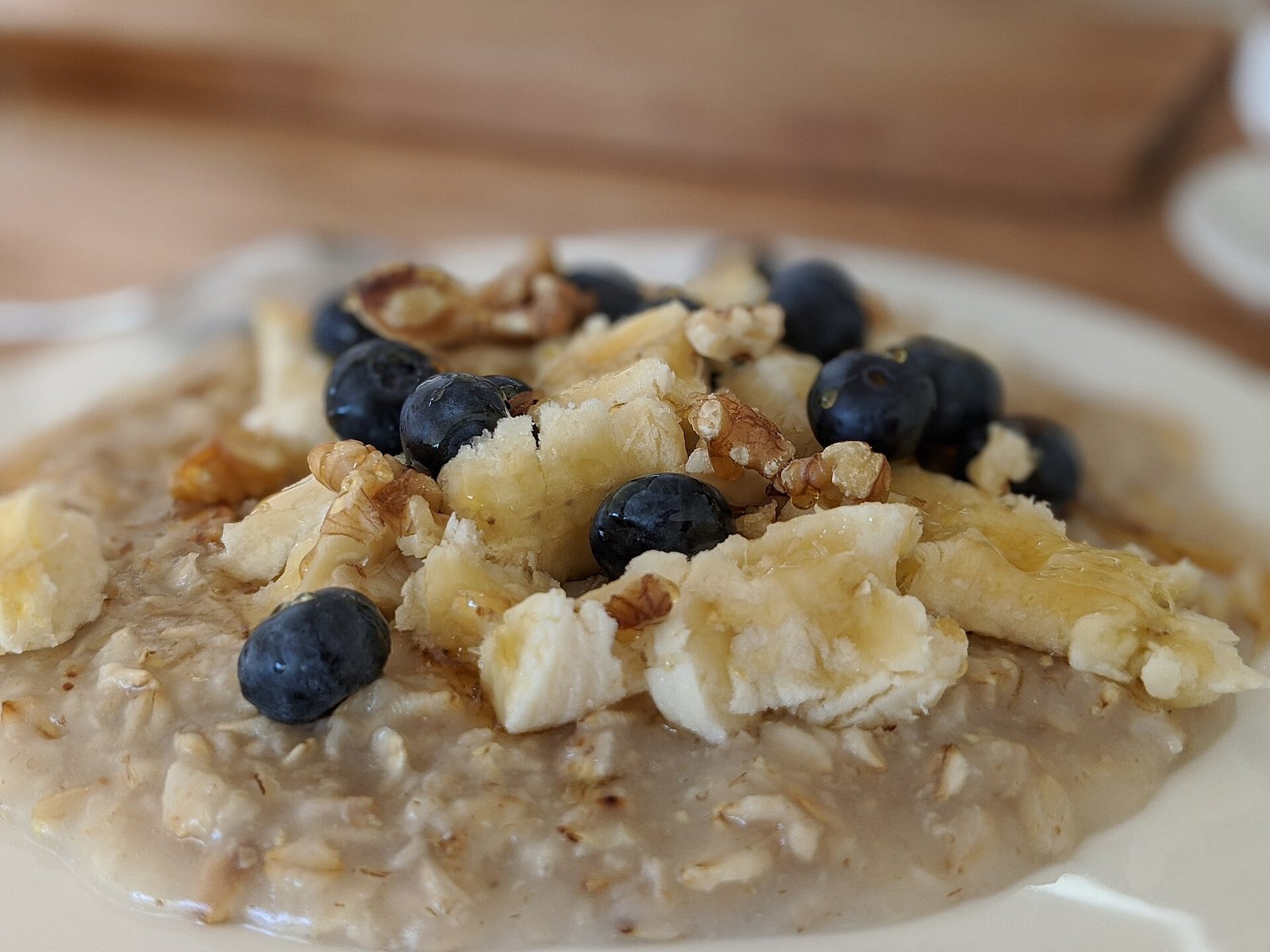
- – Breakfast: banana oatmeal; water; medicines per prescribed timing.
- – Lunch: lentil or vegetable soup with soft bread; yogurt.
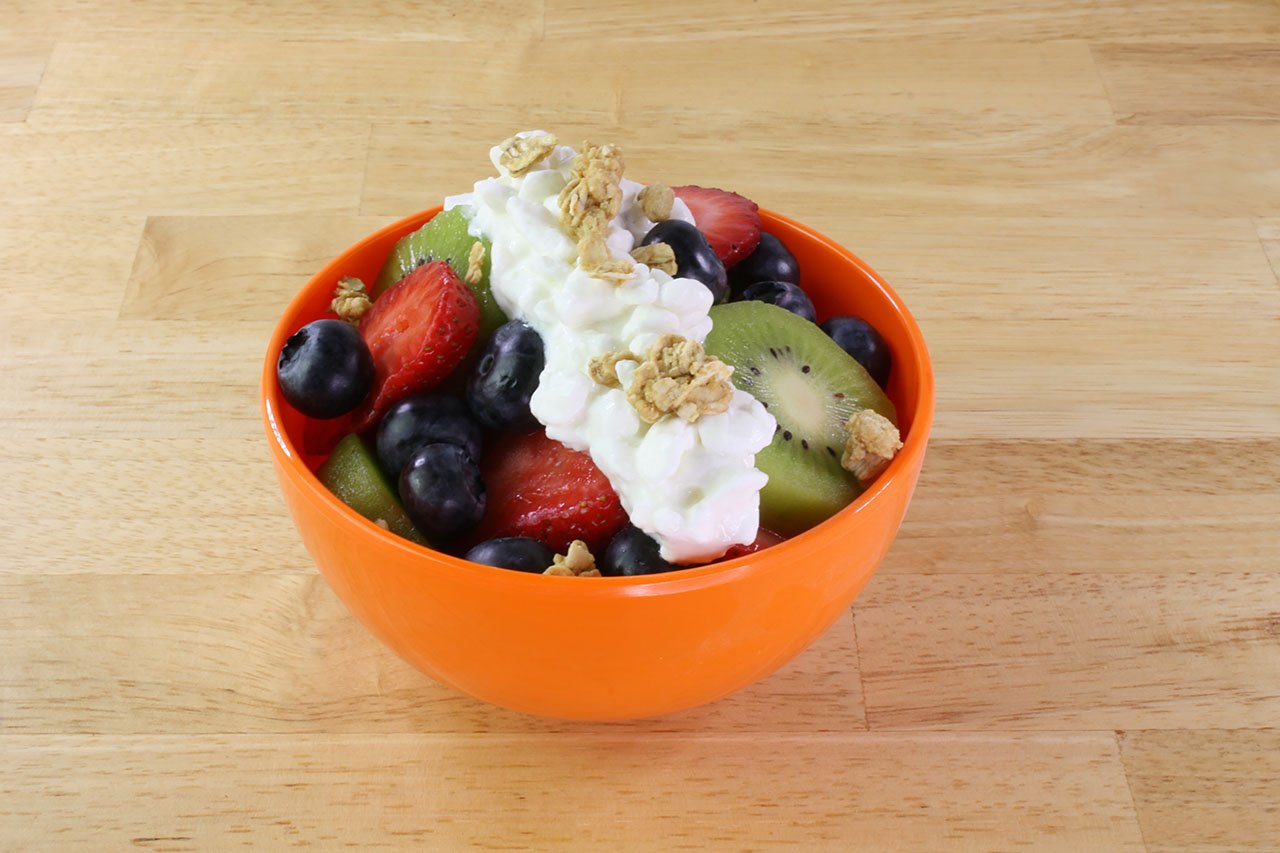
- – Snack: cottage cheese or fruit puree if protein timing allows.
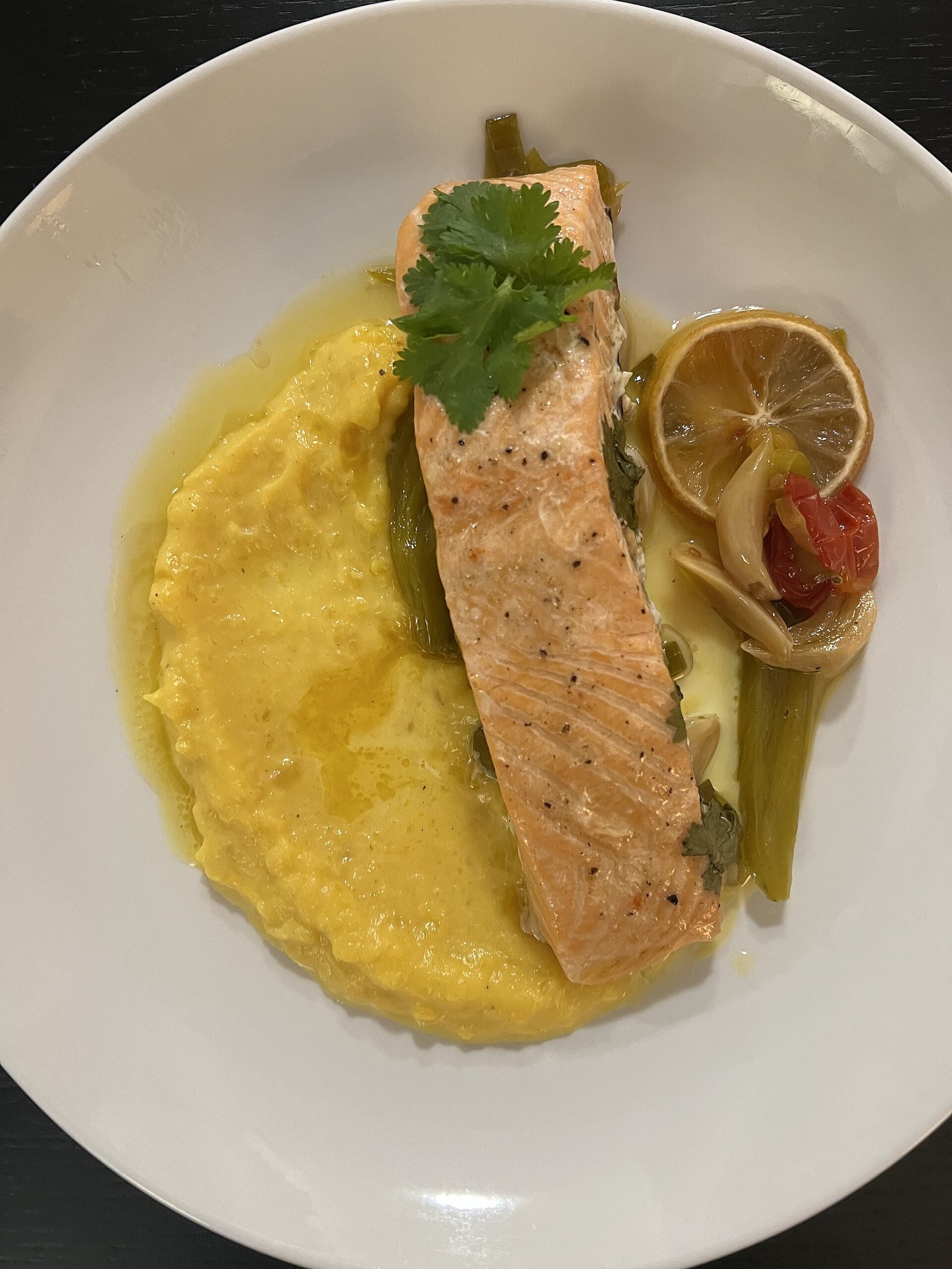
- – Dinner: baked fish, mashed sweet potato, cooked greens; water.
- – Evening: warm nonalcoholic fluid; bowel plan—not a second espresso if caffeine worsens sleep or urgency for you.
5. Caregiver and setup tips
Non-slip mats, weighted or built-up utensils if recommended, pre-cut produce, slow-cooker stews, and seated prep to limit fatigue. If tremor spills liquids, use cups with lids.
6. If constipation dominates
Layer constipation diet guide habits while watching that opioid or anticholinergic medicines (if used) may slow bowels further—ask before stacking stimulant laxatives.
Safety, interactions, and who should ask a clinician first
- – Carbidopa-levodopa: ask before high-protein diet changes (MedlinePlus).
- – Swallowing difficulty: ask for speech-language pathology evaluation before aggressive texture experiments.
- – Orthostatic hypotension (NINDS): sudden standing plus dehydration can worsen dizziness—individualize fluids with your clinician.
- – Kidney disease or fluid limits: do not force high fluid volumes.
- – Falls risk: avoid rushing hot liquids across the kitchen.
- – Contact urgent care for choking, aspiration signs, inability to take oral medicines, or severe dehydration.
FAQ
Can diet reverse Parkinson’s disease? No. MedlinePlus states there is no cure; food supports day-to-day function and comfort.
Should I cut all protein to make levodopa work better? Do not invent a zero-protein diet. MedlinePlus says talk to your doctor if you plan to change toward high-protein foods—individual timing strategies belong with your prescriber.
Why does constipation keep coming up? NINDS lists gut and constipation issues among PD symptoms; MedlinePlus fiber-and-fluid habits are a standard supportive pattern.
What if chewing is exhausting by dinner? Shift calories earlier, use softer textures as cleared, and ask about assistive utensils (MedlinePlus).
Are caffeine or herbal stacks proven disease-modifiers? NINDS mentions ongoing research interest; they are not a substitute for prescribed therapy. Ask before supplements.
How is this different from a general constipation page? Overlap is real—see constipation diet guide—but Parkinson’s adds medicine–protein timing and swallowing safety layers.
How this differs from related OTCFood topics
This page is a Parkinson disease–bound diet guide focused on nutritious intake, constipation-aware fiber/fluids, swallowing-safe textures, and levodopa-aware protein conversations. It is not a DBS protocol, not a detox plan, and not a substitute for neurology or speech therapy.
Medical disclaimer
Medical disclaimer: This article is for general information only. It is not medical advice, diagnosis, or a treatment plan. Care for Parkinson disease depends on stage, medicines, swallowing safety, and other conditions. Talk with a clinician or registered dietitian before starting, stopping, or changing any eating plan, supplement, or medicine. Seek urgent care for choking, aspiration, inability to swallow medicines, or severe dehydration.