Primary Sclerosing Cholangitis Diet: Foods That May Help and Foods to Limit
Medical note: This article discusses foods and researched botanicals. It does not claim to prevent, treat, or cure disease. Supplements are not a substitute for food, and studied amounts are not personal prescriptions.
People searching “primary sclerosing cholangitis diet foods that help or worsen” usually want kitchen habits that support nutrition, bone health, and safer food handling while they follow hepatology care—not a claim that food opens scarred bile ducts or replaces procedures, medicines for itch, or transplant evaluation when needed. NIDDK describes primary sclerosing cholangitis (PSC) as a chronic liver disease in which bile ducts inside and outside the liver become inflamed and scarred, then narrowed or blocked, so bile builds up and further damages the liver. NIDDK also states that no cure or fully effective disease-modifying treatment currently exists, though doctors can treat narrowed ducts and complications.
What this primary sclerosing cholangitis diet guide covers (and what it does not)
This guide is for adults with PSC who want practical eating patterns while they follow imaging, ERCP when indicated, itch management, and monitoring for cirrhosis complications. Anchors: NIDDK — Primary sclerosing cholangitis, NIDDK — Eating, diet, and nutrition for PSC, NIDDK — Treatment for PSC, and MedlinePlus — Malabsorption.
NIDDK’s diet page advises a healthy, well-balanced diet at all stages—including cirrhosis—to help the liver work and manage complications; calcium and vitamin D supplements may be recommended to help prevent osteoporosis; fat-soluble vitamins A, D, E, or K may be supplemented when levels are low; raw/undercooked shellfish, fish, meat, and unpasteurized milk should be avoided; and alcohol should be limited or stopped—completely stopped if cirrhosis is present. Kitchen tips do not replace hepatology. Related gut–liver frames: autoimmune hepatitis diet guide and bile acid malabsorption diet guide.
Evidence snapshot: PSC diet claims vs public sources
| Claim people hope for | What public sources actually say | Confidence |
|---|---|---|
| “A liver detox or herbal cleanse reverses bile-duct scarring” | NIDDK: no cure currently; doctors treat narrowed ducts and complications; diet supports nutrition | Strong: no herbal detox as disease control |
| “Cutting all fat always heals PSC” | NIDDK emphasizes balanced calories/nutrients and clinician-guided vitamin repletion when malabsorption occurs—not a universal zero-fat cure | Moderate for individualized fat/vitamin plans with a dietitian |
| “Food alone prevents the need for ERCP or transplant discussion” | NIDDK treatment pages center duct procedures, symptom care, and transplant criteria when disease advances | Strong: procedures/transplant are medical |
| “Calcium and vitamin D foods fully cancel osteoporosis risk in PSC” | NIDDK may recommend calcium and vitamin D supplements to help prevent osteoporosis—under clinician dosing | Moderate for food-first plus prescribed repletion |
| “A little alcohol is fine even with cirrhosis” | NIDDK: people with PSC and cirrhosis should completely stop drinking alcohol | Strong: follow hepatology alcohol rules |
Foods and patterns that may help with PSC day to day
“May help” means supporting adequate calories and nutrients, safer food hygiene, and bone-aware plates—not a promise that dinner opens strictures.
Balanced calories and protein when appetite or itch disrupt meals
- – NIDDK: good nutrition matters in all stages of PSC, including cirrhosis.
- – Smaller, more frequent meals can help when fatigue, itch, or abdominal discomfort cuts appetite—coordinate protein targets with your clinician if fluid retention or encephalopathy changes the plan.
- – Soft, easy proteins (eggs, yogurt if tolerated, fish that is fully cooked, tofu, lentils) reduce cooking burden on low-energy days.
Calcium- and vitamin D–aware patterns for bone support
- – NIDDK notes clinicians may recommend calcium and vitamin D supplements to help prevent osteoporosis in PSC.
- – Pair food sources (fortified dairy or alternatives, canned fish with bones if fully cooked and appropriate, leafy greens, fortified cereals) with prescribed doses—see calcium deficiency diet guide and osteoporosis diet guide.
Fat-soluble vitamin awareness when malabsorption is documented
- – When bile flow is impaired, absorption of vitamins A, D, E, and K can fall. NIDDK advises following your doctor’s instructions on type and amount of supplements.
- – MedlinePlus malabsorption pages explain that problems absorbing fats and vitamins can stem from many gut–liver conditions—dietitian-guided plans beat internet “bile flushes.” Related reading: short bowel syndrome diet guide for malabsorption kitchen pacing (context only).
Fully cooked, lower-infection-risk proteins
- – NIDDK: avoid raw or undercooked shellfish, fish, meat, and unpasteurized milk because bacteria or viruses may cause severe infections in people with liver disease.
- – Choose thoroughly cooked fish/poultry/meat, pasteurized dairy, and careful leftover reheating.
Alcohol limits aligned with hepatology
- – Limit or stop alcohol if you have PSC; stop completely if cirrhosis is present (NIDDK).
Foods and habits that often worsen PSC kitchen patterns
- – Raw oysters, undercooked seafood, rare meat, or unpasteurized dairy that raise infection risk.
- – Herbal “liver detox,” high-dose turmeric megastacks, or unregulated bile-salt products taken without hepatology clearance.
- – Continuing alcohol despite cirrhosis or clinician advice to stop.
- – Extreme juice fasts that drop calories when nutrition is already fragile.
- – Expecting kitchen changes to fix fever, new jaundice, confusion, vomiting blood, black stools, or tense abdominal swelling—those are medical red flags for infection or cirrhosis complications (NIDDK symptom pages).
- – Self-stopping prescribed itch medicines or vitamin regimens because a blog promised a food cure.
“Limit” means reducing infection risk and empty detox habits—not that one carefully cooked meal defines PSC prognosis.
Practical kitchen protocol: a PSC diet week
1. Keep the medical spine first
Confirm hepatology follow-up, ERCP/stent plans if any, itch regimen, bone and fat-soluble vitamin labs/supplements, IBD overlap care when present (PSC often associates with colitis in clinical practice—coordinate with GI), and alcohol rules. Put prescribed vitamins where doses will not be missed.
2. Shopping list for safer PSC kitchens
Pasteurized dairy or fortified alternatives; eggs; thoroughly cookable fish/poultry; tofu; lentils/beans; oats and rice; peeled or well-washed produce; cooked greens; citrus; olive oil; fully cooked leftovers in shallow containers; skip raw shellfish platters.
3. Default plate template
- – Adequate protein for your clinician’s target
- – Easy carbohydrates
- – Vegetables/fruit
- – Added fats individualized if steatorrhea or vitamin issues are present—ask a dietitian rather than guessing
4. Sample day (illustrative)
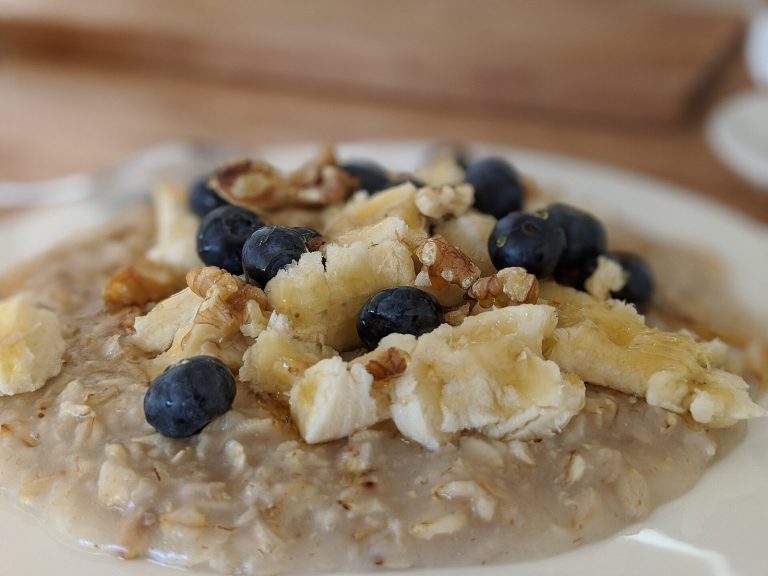
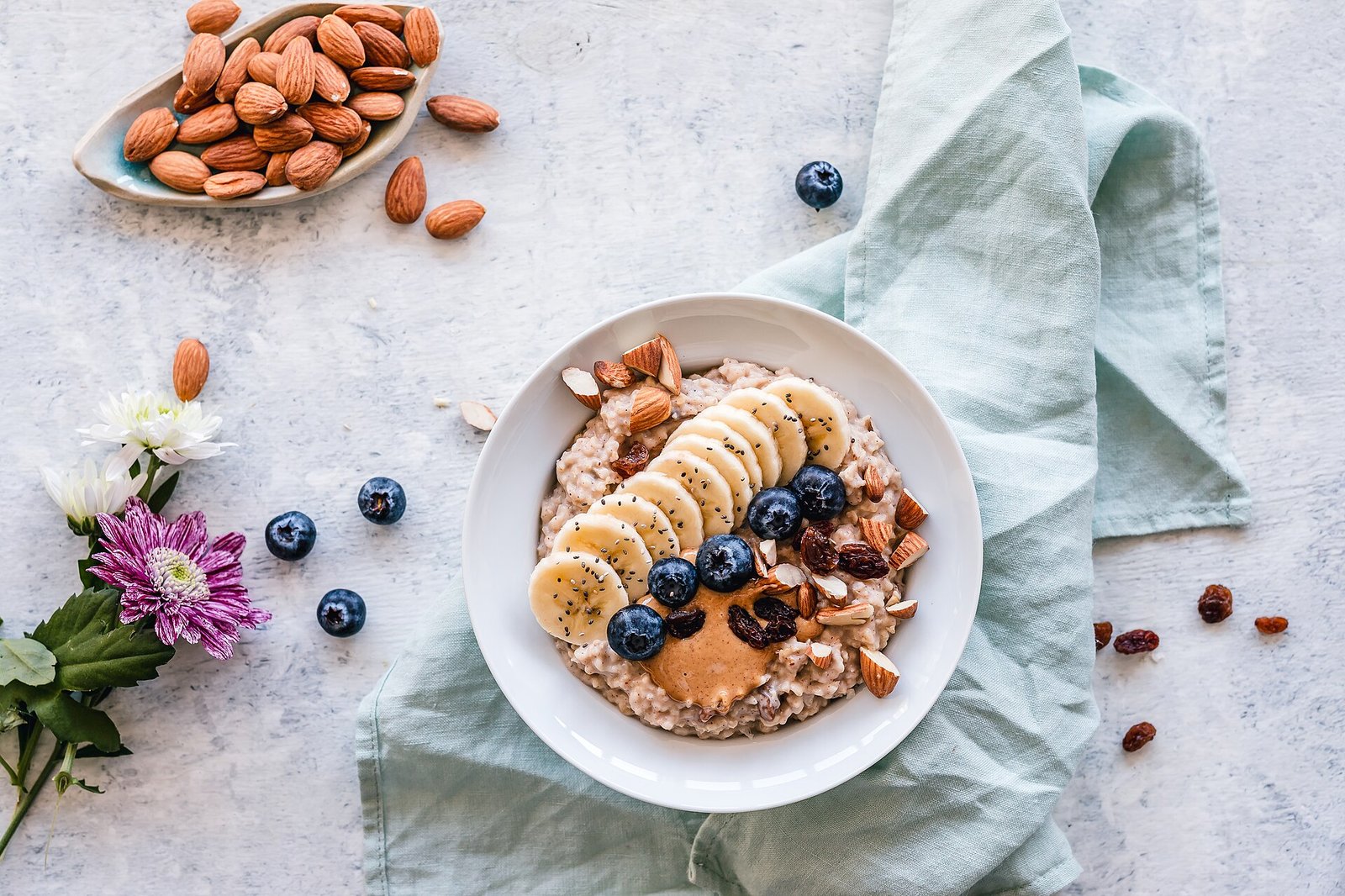
- – Breakfast: fortified oatmeal with pasteurized milk; banana; water.
- – Lunch: fully cooked chicken and rice bowl with soft vegetables; fruit.
- – Snack: yogurt (pasteurized) or hummus with cooked carrots.
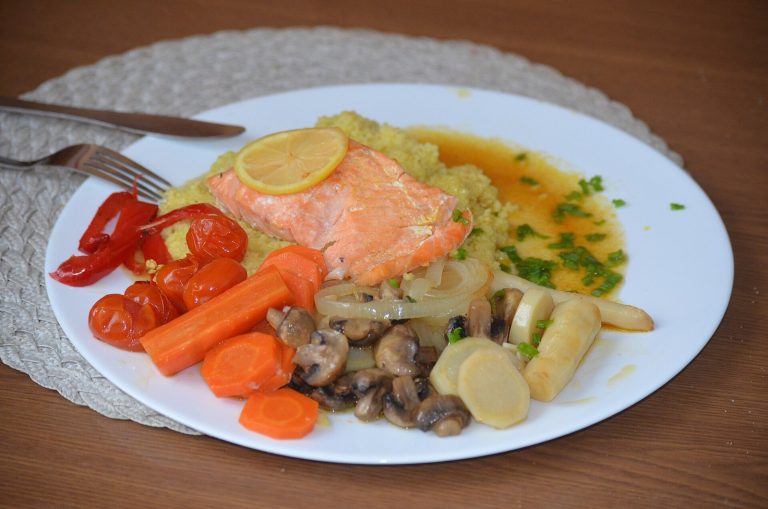
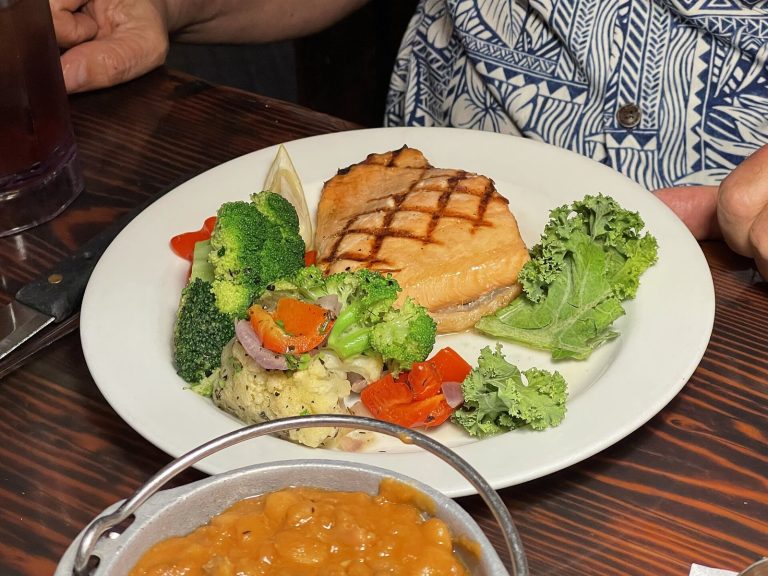
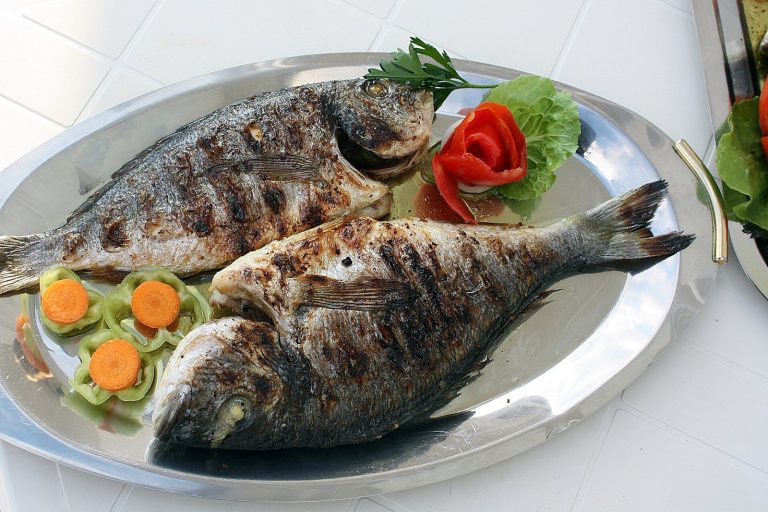
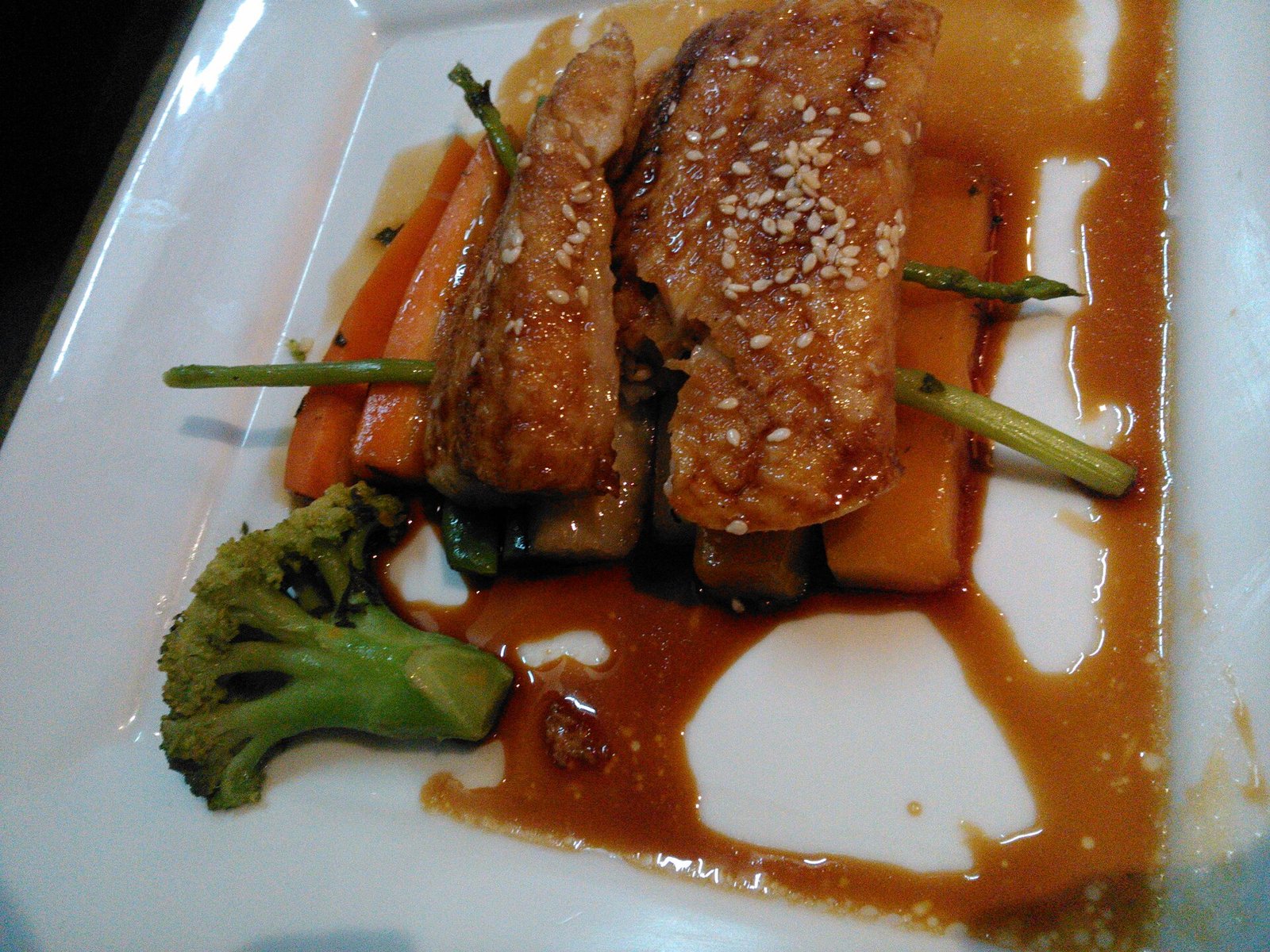
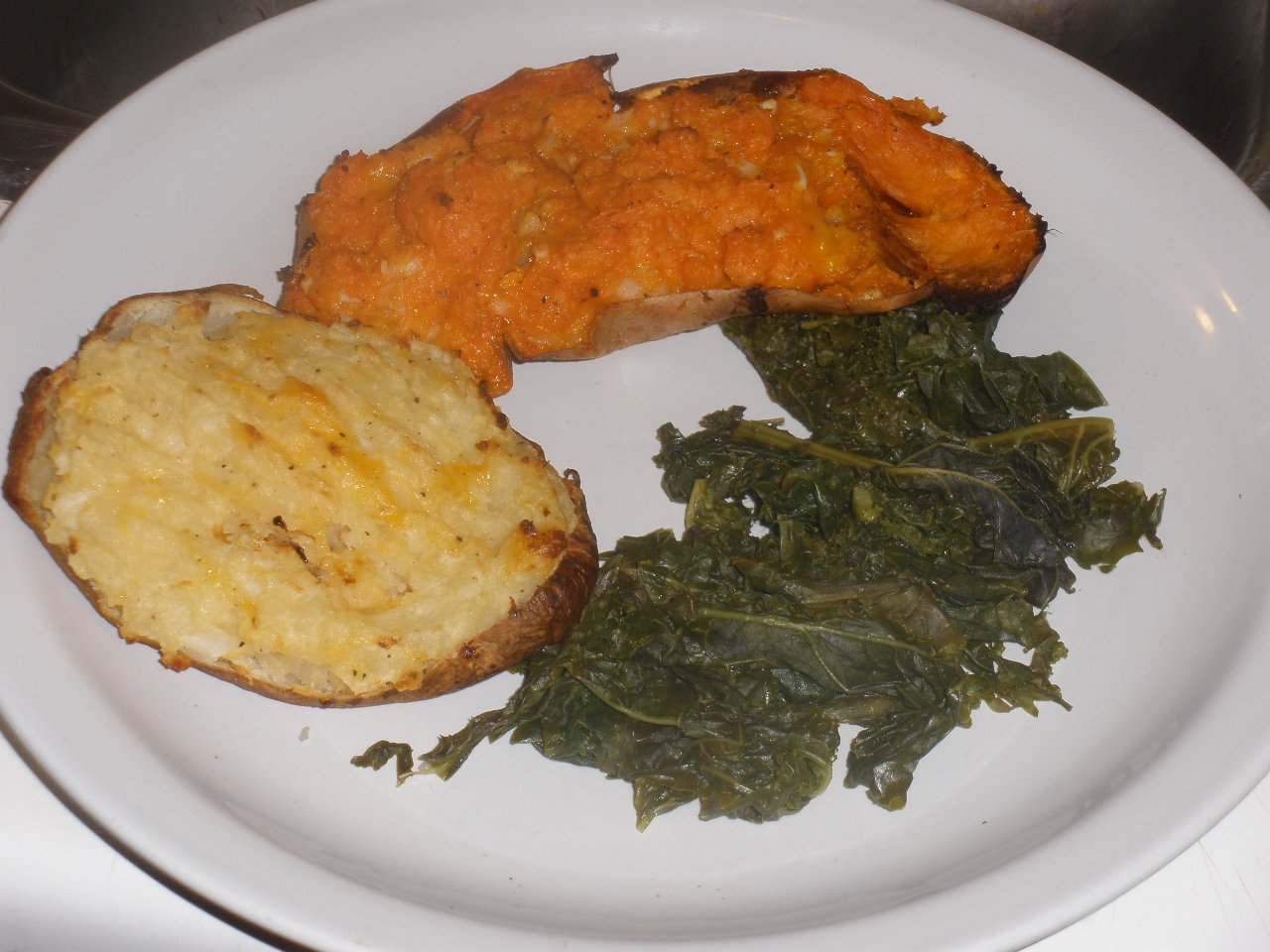
- – Dinner: baked (not raw) fish or lentils, potato, cooked greens.
- – Evening: calcium-containing snack if it fits your plan; no alcohol if cirrhosis is present.
5. Home setup tips
Use a food thermometer for meats; keep raw and cooked foods separate; batch-cook and freeze portions for fatigue days; ask about dietitian referral early.
6. If IBD overlaps
Bowel-urgency patterns may need separate GI diet advice—see ulcerative colitis diet guide or Crohn’s disease diet guide as related frames, not as PSC duct therapy.
Safety, interactions, and who should ask a clinician first
- – Cirrhosis with ascites or encephalopathy: sodium, protein, and fluid plans may be specialized—do not copy generic “high protein” internet advice.
- – Anticoagulation or variceal bleeding history: coordinate vitamin K changes only with clinicians.
- – Kidney stones or hypercalcemia risk: do not self-megadose calcium.
- – Seek urgent care for fever/chills with right-upper abdominal pain and worsening jaundice, confusion, vomiting blood, or black stools.
FAQ
Can diet cure primary sclerosing cholangitis? No. NIDDK states no cure currently exists. Food supports nutrition and safer eating while hepatology manages ducts and complications.
Why avoid raw shellfish if my liver enzymes are only mildly up? NIDDK warns that bacteria or viruses from raw/undercooked animal foods may cause severe infections in people with liver disease—risk is not limited to end-stage disease alone.
Do I need fat-soluble vitamin pills automatically? Only if your clinician finds low levels or judges risk high. Follow their type and dose instructions (NIDDK).
Is a Mediterranean pattern automatically the PSC diet? A balanced pattern is reasonable starting language, but PSC needs infection-safe cooking, alcohol rules, and often vitamin/bone plans your team individualizes—see also NAFLD fatty liver diet guide for general liver-healthy plate ideas (different disease).
How is this different from autoimmune hepatitis diet content? Both value alcohol limits and nutrition—see autoimmune hepatitis diet guide—but PSC is a bile-duct–scar disease with distinct procedural and infection-food rules.
How this differs from related OTCFood topics
This page is a PSC-bound diet guide focused on balanced nutrition, bone and fat-soluble vitamin awareness, alcohol limits, and infection-safe cooking. It is not a herbal detox protocol, not a guarantee against transplant, and not a substitute for hepatology.
Medical disclaimer
Medical disclaimer: This article is for general information only. It is not medical advice, diagnosis, or a treatment plan. Care for primary sclerosing cholangitis depends on duct anatomy, liver stage, overlapping bowel disease, and your specialists’ protocols. Talk with a clinician or registered dietitian before starting, stopping, or changing any eating plan, supplement, or medicine. Seek urgent care for signs of bile-duct infection, gastrointestinal bleeding, confusion, or sudden worsening jaundice.