Pericarditis Diet: Foods That May Help and Foods to Limit
Medical note: This article discusses foods and researched botanicals. It does not claim to prevent, treat, or cure disease. Supplements are not a substitute for food, and studied amounts are not personal prescriptions.
People searching “pericarditis diet foods that help or worsen” usually want everyday eating patterns that support comfort and heart-healthy habits while medical care for pericardial inflammation is underway—not a claim that turmeric lattes, juice cleanses, or “anti-inflammatory” grocery lists replace NSAIDs, colchicine, antibiotics when needed, or emergency evaluation for tamponade. MedlinePlus describes pericarditis as inflammation of the sac-like covering around the heart (pericardium). NHLBI explains that the pericardium is a two-layer sac with a small amount of fluid; inflammation can also lead to pericardial effusion, and excess fluid can cause life-threatening cardiac tamponade.
What this pericarditis diet guide covers (and what it does not)
This guide is for adults with acute, recurrent, or recovering pericarditis who want practical kitchen habits alongside cardiology care. Anchors: MedlinePlus — Pericarditis, NHLBI — Pericarditis, and NHLBI — Heart inflammation treatment.
MedlinePlus notes chest pain that often worsens lying flat and eases sitting forward, lists infectious and noninfectious causes, and centers treatment on identifying the cause when possible, high-dose NSAIDs (such as aspirin or ibuprofen) plus colchicine to reduce pain and inflammation, and other medicines or procedures when fluid or infection requires them. NHLBI urges calling 9-1-1 for chest pain or severe shortness of breath because symptoms can mimic a heart attack. Kitchen patterns may support sodium awareness if diuretics or swelling are part of your plan, limit alcohol that undermines recovery sleep and medicine safety, and favor overall heart-healthy plates—but they do not drain fluid from the pericardium. Related recovery fueling context only: diet after CABG guide and hypertension diet guide.
Evidence snapshot: pericarditis diet claims vs public sources
| Claim people hope for | What public sources actually say | Confidence |
|---|---|---|
| “An anti-inflammatory grocery list replaces NSAIDs/colchicine” | MedlinePlus centers medicines (and procedures when needed) to reduce pericardial inflammation and pain | Strong: diet is adjunct only |
| “Detox juices reverse pericardial effusion” | NHLBI describes effusion/tamponade as medical emergencies; drainage procedures are clinical, not culinary | Strong: seek urgent care |
| “Salt alone causes pericarditis” | Causes include infection, autoimmune disease, MI, surgery, medicines, and many idiopathic cases—not a single seasoning | Strong: sodium advice is situational |
| “Supplements heal the pericardium faster than follow-up ECGs” | Public pages emphasize diagnosis, CRP/ESR when used, imaging, and prescribed anti-inflammatory regimens | Strong: monitoring is medical |
| “Kitchen rest cures bacterial pericarditis without antimicrobials” | MedlinePlus: antibiotics for bacterial infection; antifungals when fungal cause is identified | Strong: infection care is not optional |
Foods and patterns that may help with pericarditis day to day
“May help” means supporting hydration and nutrition while you follow activity limits and medicines, and choosing heart-wise patterns that clinicians often encourage for overall cardiovascular health—not a promise that food shortens inflammation timelines.
Follow the medical anti-inflammatory plan first
- – MedlinePlus: high-dose NSAIDs and colchicine are used for days to weeks or longer in some cases; corticosteroids appear in selected situations.
- – Take medicines with food if your clinician or pharmacist advises that for stomach protection—kitchen timing supports adherence, it does not replace the drug.
Heart-healthy plate patterns as comfort adjuncts
- – Emphasize vegetables, fruit, whole grains, legumes, nuts if tolerated, fish, and unsaturated oils in everyday cooking—patterns often discussed for blood-pressure and heart-health support in hypertension diet guide.
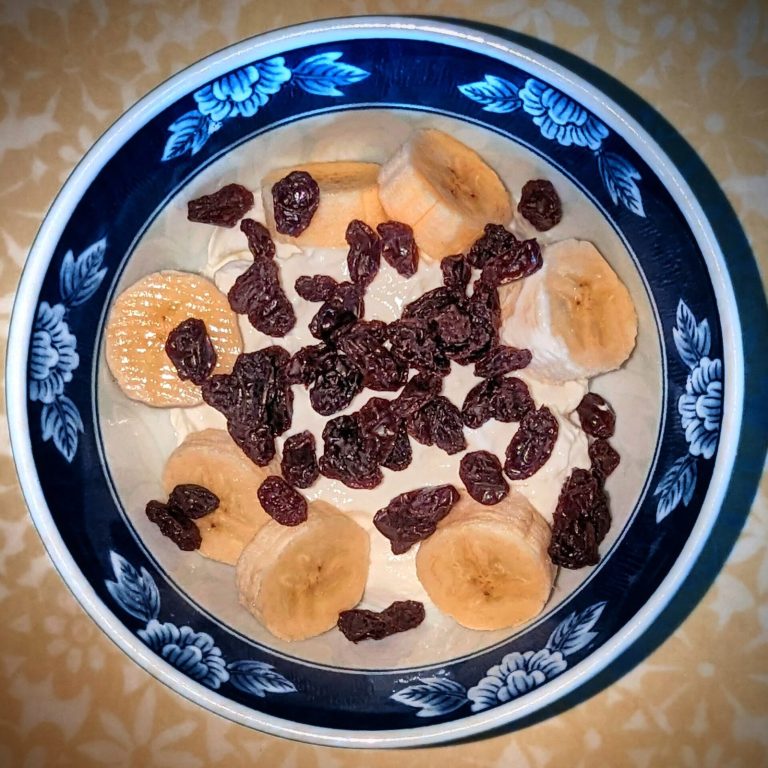
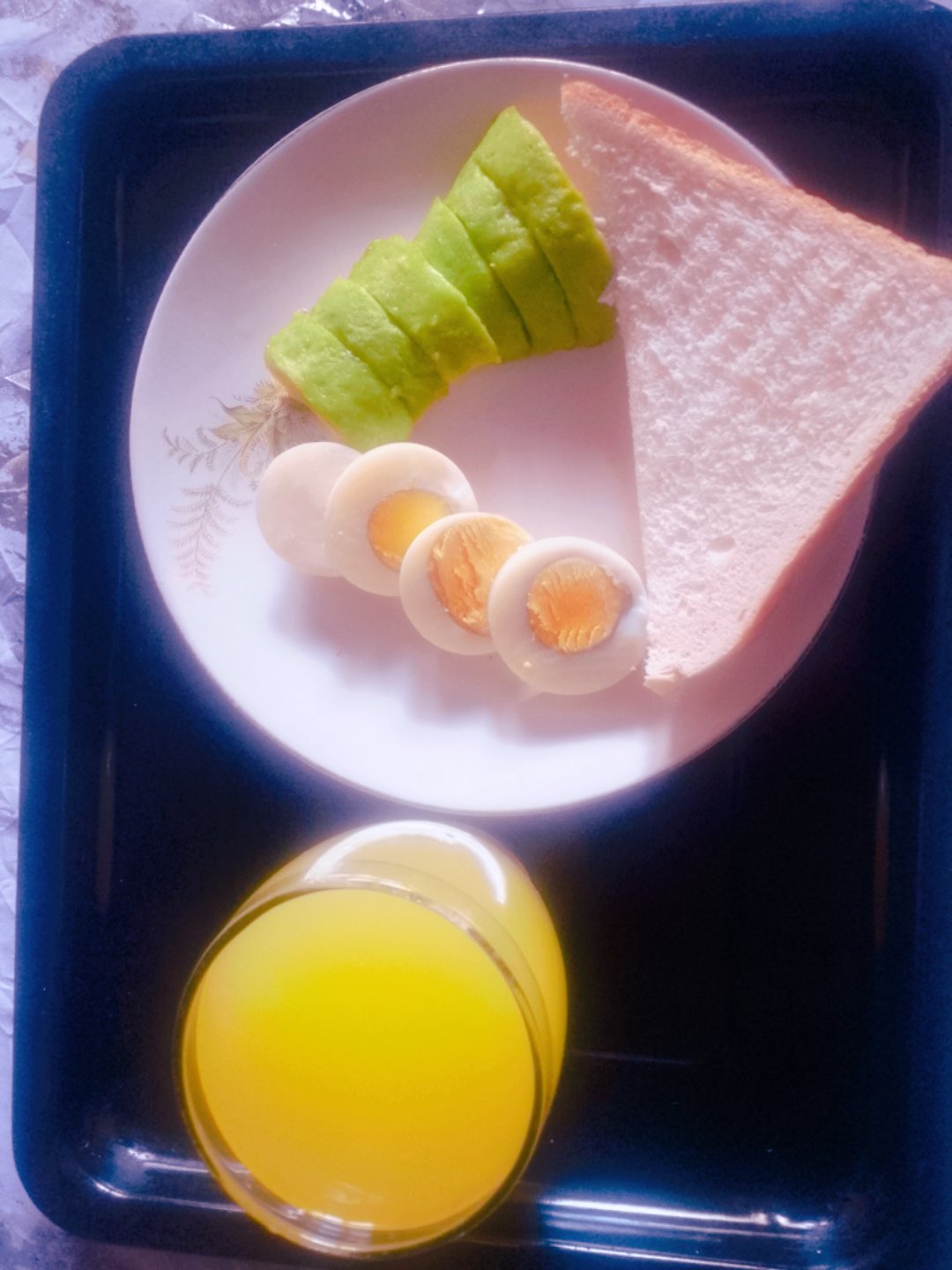
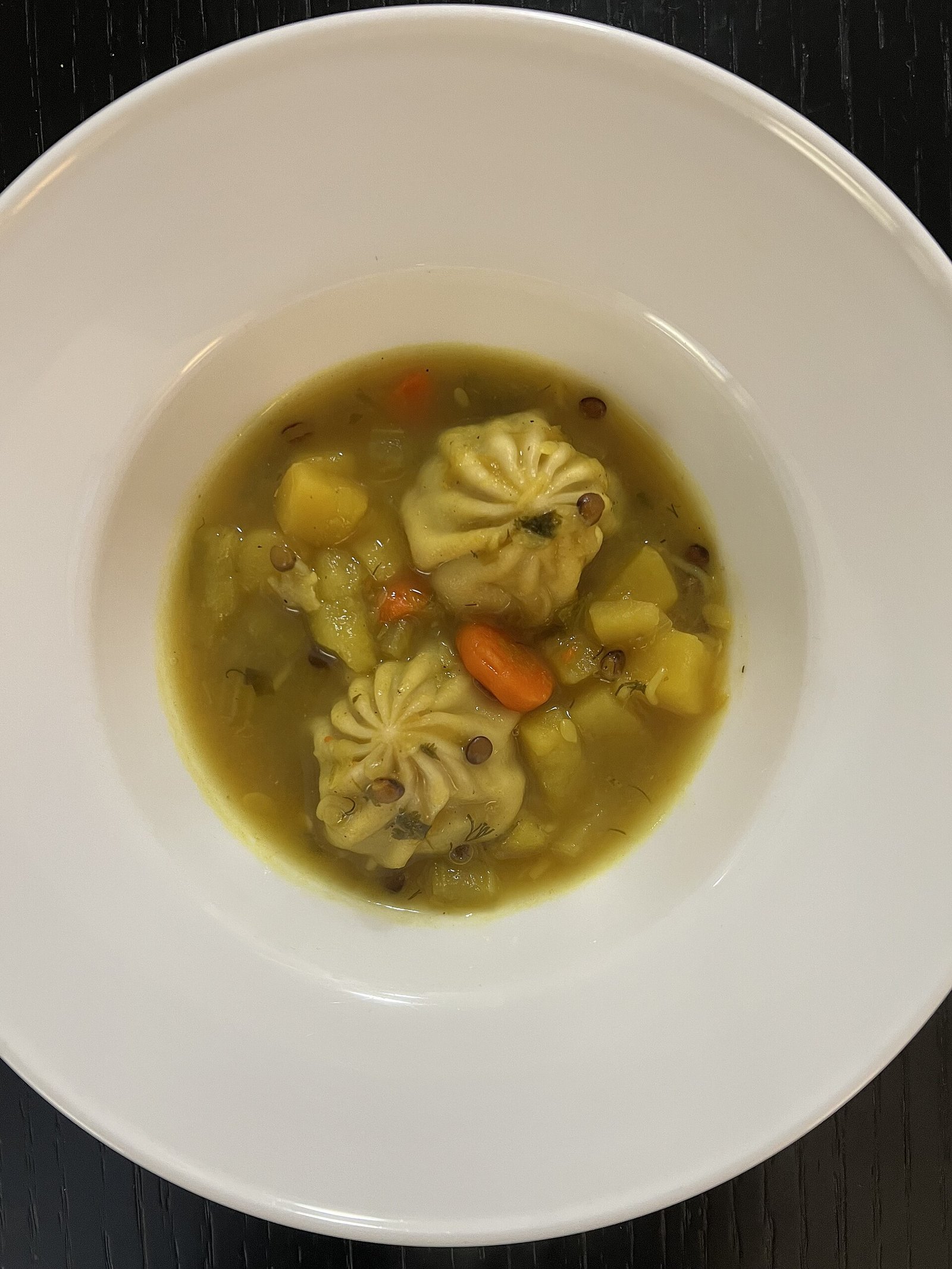
- – Soft, easy meals help when pain, fever, or fatigue blunt appetite: soups, yogurt, eggs, tender fish, oatmeal, and rice bowls.
Sodium awareness when swelling or diuretics are involved
- – MedlinePlus lists ankle/foot/leg swelling among possible symptoms and notes diuretics (“water pills”) may be used to remove excess fluid in some cases.
- – If your clinician set a sodium limit because of effusion management, heart failure overlap, or blood pressure, follow that number—do not invent extreme salt avoidance on your own if no limit was given.
Steady fluids and light meals during painful flares
- – Small frequent plates may be easier than one heavy dinner when lying flat worsens discomfort after eating.
- – Limit large late meals if nighttime pain and reflux-like discomfort stack—sleep positioning guidance still comes from your clinician.
Practical recovery fueling
- – Prioritize protein at meals (eggs, fish, poultry, beans, dairy if tolerated) to support strength while activity is limited.
- – Batch-cook so you are not lifting heavy grocery bags during early recovery if your team restricted exertion—similar low-strain kitchen logistics appear in post-cardiac surgery diet frames like diet after CABG guide.
Foods and habits that often worsen pericarditis kitchen patterns
- – Stopping prescribed NSAIDs or colchicine because a “pericarditis diet” blog promised food would be enough.
- – Heavy alcohol, which can worsen sleep, dehydration, medicine interactions, and overall recovery stamina.
- – Very salty processed-food binges when you were given a sodium limit for swelling, blood pressure, or fluid management.
- – Stimulant-heavy energy-drink stacks that disrupt sleep and heart-rate comfort while you are still symptomatic—ask your clinician about caffeine limits that fit your case.
- – Unprescribed high-dose herbal “heart cleanses,” mystery anti-inflammatory megadoses, or bleeding-risk supplements combined with NSAIDs without telling your cardiologist.
- – Expecting diet to fix crushing chest pain, fainting, severe shortness of breath, or sudden swelling—NHLBI says seek emergency care for chest pain or severe breathing trouble.
“Limit” means reducing habits that undermine medical therapy and recovery fueling—not blaming one salty meal for every CRP change.
Practical kitchen protocol: a pericarditis diet week
1. Keep the medical spine first
Confirm diagnosis details, medicine schedule (NSAID/colchicine/steroid/antimicrobial as prescribed), activity limits, follow-up ECG/echo plans, and red-flag instructions. Put pills with meals if that improves adherence.
2. Shopping list for easy, heart-wise kitchens
Oats; berries and other fruit; leafy greens and mixed vegetables; beans; fish; poultry; eggs; yogurt; whole-grain bread or rice; olive oil; unsalted or lightly salted nuts if tolerated; herbs and spices instead of heavy salt packets when a sodium limit applies; soup bases you can control.
3. Default plate template
- – Half vegetables and fruit
- – A quarter lean protein
- – A quarter whole-grain or starchy vegetable
- – Flavor with herbs, citrus, garlic, and modest oil rather than salty sauces if you were given sodium guidance
4. Sample day (illustrative)
- – Breakfast: oatmeal with berries; yogurt; water.
- – Lunch: grilled chicken or bean salad with plenty of vegetables; fruit.
- – Snack: banana or unsalted nuts in a small portion if tolerated.
- – Dinner: baked fish, rice, steamed vegetables; herbal tea if desired.
- – Evening: light yogurt or toast if medicines need food—per pharmacist advice.
5. Home setup tips
Keep a sodium-label habit if limited; prep soft meals for painful days; ask helpers with heavy shopping; elevate rest near a water bottle so dehydration does not sneak in while appetite is low.
6. After the acute pain settles
Recurrent pericarditis needs ongoing cardiology plans. Diet stays supportive—protein-aware, produce-forward, alcohol-modest—while you follow tapering instructions for medicines. Do not restart intense exercise diets until cleared.
Safety, interactions, and who should ask a clinician first
- – Kidney disease, ulcer history, or anticoagulation: NSAID regimens need specialist oversight; food choices do not cancel bleeding or kidney risks.
- – Autoimmune disease or post-MI / post-surgery pericarditis: coordinate with the teams already treating those conditions.
- – Diuretics or heart-failure overlap: follow personalized fluid and sodium rules.
- – Pregnancy: chest pain evaluation and medicine choices are specialized—do not self-treat with internet anti-inflammatory diets.
- – Call emergency services for chest pain that could be a heart attack, severe shortness of breath, fainting, or sudden profound weakness—NHLBI is explicit that pericarditis symptoms can feel like other emergencies.
FAQ
Can an anti-inflammatory diet replace colchicine? No. MedlinePlus lists colchicine and high-dose NSAIDs as standard tools to reduce pain and pericardial inflammation. Food patterns are supportive only.
Should I cut all salt immediately? Only if your clinician set a limit for swelling, blood pressure, or related heart conditions. Idiopathic viral pericarditis without fluid issues may not need extreme sodium restriction—ask rather than guess.
Do I need a special “pericarditis superfood” list? No public NHLBI/MedlinePlus page requires exotic superfoods. Everyday heart-healthy patterns plus medicine adherence matter more.
Is alcohol okay in small amounts? Many people do better limiting alcohol while on anti-inflammatory medicines and while sleep and hydration are fragile. Confirm against your specific prescriptions.
How is this different from diet after heart surgery? overlapping heart-wise plate ideas appear in diet after CABG guide, but pericarditis is inflammation of the sac around the heart and follows its own medicine and monitoring path.
How this differs from related OTCFood topics
This page is a pericarditis-bound diet guide focused on supportive, heart-wise eating while medical anti-inflammatory care addresses pericardial inflammation. It is not a heart-attack protocol, not an effusion drainage guide, and not a substitute for emergency evaluation of chest pain.
Medical disclaimer
Medical disclaimer: This article is for general information only. It is not medical advice, diagnosis, or a treatment plan. Care for pericarditis depends on cause, imaging findings, other medical conditions, and your clinician’s protocol. Talk with a clinician or registered dietitian before starting, stopping, or changing any eating plan, supplement, or medicine. Seek emergency care for chest pain, severe shortness of breath, fainting, or other signs of a heart emergency.