Cholecystitis Diet: Foods That May Help and Foods to Limit
Medical note: This article discusses foods and researched botanicals. It does not claim to prevent, treat, or cure disease. Supplements are not a substitute for food, and studied amounts are not personal prescriptions.
People searching “cholecystitis diet foods that help or worsen” usually want gentler, lower-irritant plates while gallbladder inflammation is evaluated and treated—not a claim that food dissolves every gallstone, cures cholecystitis, or replaces surgery when clinicians recommend cholecystectomy. MedlinePlus defines acute cholecystitis as sudden swelling and irritation of the gallbladder that causes severe belly pain, often when a gallstone blocks the cystic duct so bile builds up. Mayo Clinic describes cholecystitis as inflammation of the gallbladder, most often from gallstones blocking the tube leaving the gallbladder, and warns that untreated disease can lead to serious complications including infection, tissue death, or gallbladder tear; treatment often involves surgery to remove the gallbladder. NIDDK’s gallstones pages explain that stones can cause sudden pain needing prompt care and that eating patterns may help lower future stone risk, while very rapid weight loss can raise stone risk. Kitchen changes may help comfort and long-term prevention talks; they do not replace urgent evaluation for biliary pain.
What this cholecystitis diet guide covers (and what it does not)
This guide is for adults recovering from a clinician-recognized cholecystitis episode, awaiting planned gallbladder surgery, or working on gallstone-risk eating after medical advice. Anchors: MedlinePlus — Acute cholecystitis, Mayo Clinic — Cholecystitis, NIDDK — Gallstones, and NIDDK — Eating, Diet, & Nutrition for Gallstones.
MedlinePlus notes pain often lasts at least 30 minutes in the upper right or middle belly and may follow a meal, more commonly a fatty meal; fever, nausea, vomiting, clay-colored stools, or jaundice can occur. Mayo Clinic adds that symptoms often come after a meal and that a large or fatty meal is most likely to trigger them. Related reading: gallstones diet guide, diet after gallbladder removal guide, pancreatitis recovery diet guide, and gastritis diet guide.
Evidence snapshot: cholecystitis diet claims vs public sources
| Claim people hope for | What public sources actually say | Confidence |
|---|---|---|
| “A gallbladder cleanse cures cholecystitis” | Mayo Clinic: untreated cholecystitis can be life-threatening; treatment often involves surgery | Strong against food-as-cure |
| “Fatty meals can trigger symptom flares” | MedlinePlus/Mayo: pain commonly after meals, especially fatty/large meals | Moderate–strong for trigger awareness |
| “Healthy eating may lower gallstone risk over time” | NIDDK: fiber-rich foods, fewer refined carbs/sugars, healthy fats like fish oil/olive oil; avoid unhealthy fats in desserts/fried foods; maintain healthy weight | Moderate for prevention patterns |
| “Crash dieting is a smart shortcut” | NIDDK: losing weight too quickly, very low-calorie diets, and some weight-loss surgeries can raise gallstone risk | Strong caution against rapid loss |
| “Diet replaces emergency care for severe pain” | Mayo Clinic: severe pain that prevents getting comfortable needs emergency evaluation | Strong seek-care message |
Foods and patterns that may help with cholecystitis comfort and prevention talks
“May help” means easing post-meal stress on a sensitive biliary system and supporting NIDDK prevention patterns—not dissolving stones at home.
During acute symptoms (only as directed while you seek care)
- – Smaller, lower-fat meals if your clinician or care team says oral intake is appropriate
- – Soft starches, cooked vegetables, and lean proteins you tolerate
- – Steady non-alcoholic fluids unless you are NPO (nothing by mouth) for tests/surgery
- – Stop eating and get care if pain is severe, feverish, or associated with jaundice/vomiting you cannot control
Longer-term patterns NIDDK lists to help prevent gallstones
- – More high-fiber foods: fruits, vegetables, beans, peas
- – Whole grains such as brown rice, oats, and whole-wheat bread
- – Fewer refined carbohydrates and less sugar
- – Healthy fats such as fish oil and olive oil to help the gallbladder contract and empty regularly
- – Avoid unhealthy fats often found in desserts and fried foods
- – Reach and maintain a healthy weight with regular activity—without crash diets
Mayo Clinic prevention overlap
Mayo Clinic’s prevention section similarly emphasizes slow weight loss if needed, healthy weight, and a plan rich in fruits, vegetables, and whole grains rather than high-fat, low-fiber eating.
Foods and habits that often worsen cholecystitis symptoms or stone risk
- – Large, high-fat, fried meals when the gallbladder is inflamed—MedlinePlus and Mayo Clinic both flag fatty/large meals as common symptom triggers.
- – Very rapid weight loss or extreme very-low-calorie diets—NIDDK links these with higher gallstone risk.
- – High refined-carbohydrate and sugary patterns relative to fiber-rich eating (NIDDK prevention).
- – Ignoring fever, jaundice, or unrelenting right-upper pain—complications can include infection, gangrene, or perforation (Mayo Clinic).
- – Alcohol binge patterns that add pancreatitis or liver stress risk in vulnerable people—ask your clinician for personal limits, especially if enzymes are abnormal.
- – DIY stone-flush kits promising to purge stones overnight—these are not a substitute for imaging and surgical decisions.
“Limit” means reducing fatty meal size and crash dieting—not a permanent fear of every gram of olive oil when you are stable and cleared for a prevention-style pattern.
Practical kitchen protocol: a cholecystitis-aware week
1. Separate acute care from prevention eating
Acute cholecystitis is a medical/surgical problem first. Use lower-fat comfort eating only when your team says food is allowed. After recovery or after gallbladder removal, switch to the matching guide (diet after gallbladder removal guide).
2. Shopping list for lower-fat comfort / prevention plates
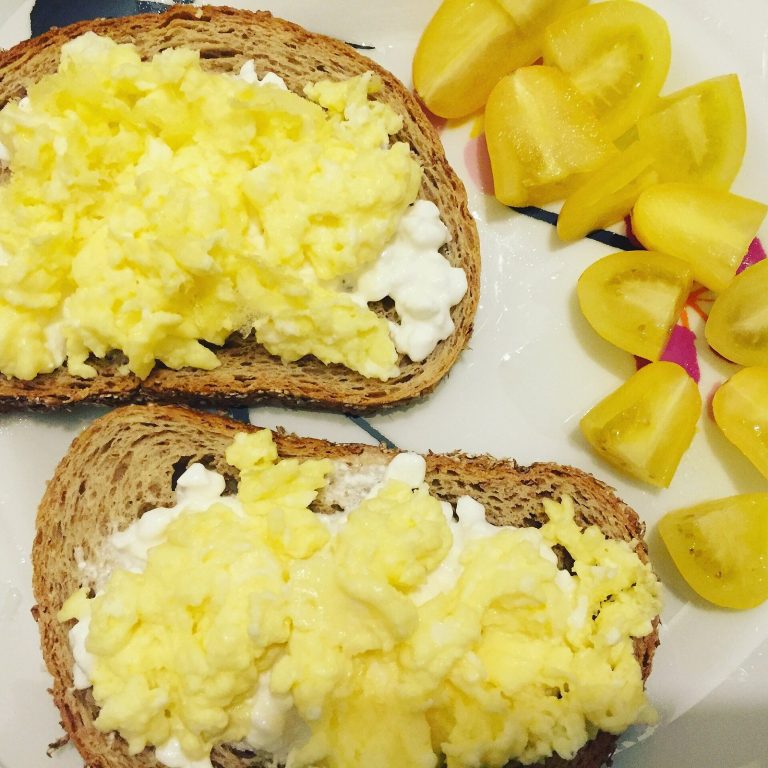
Oats, rice, potatoes, bananas, cooked carrots or green beans, skinless poultry, white fish, egg whites or whole eggs as tolerated, beans (if gas is acceptable), broth-based soups, fruit, whole-grain bread, and measured olive oil rather than deep-fried foods.
3. Default plate template (when eating is allowed)
- – Half cooked vegetables or soft fruit
- – Quarter lean protein
- – Quarter easy starch
- – Keep added fats modest during flares
- – Prefer baking, steaming, grilling, or stewing over frying
4. Sample day (illustrative, non-acute)
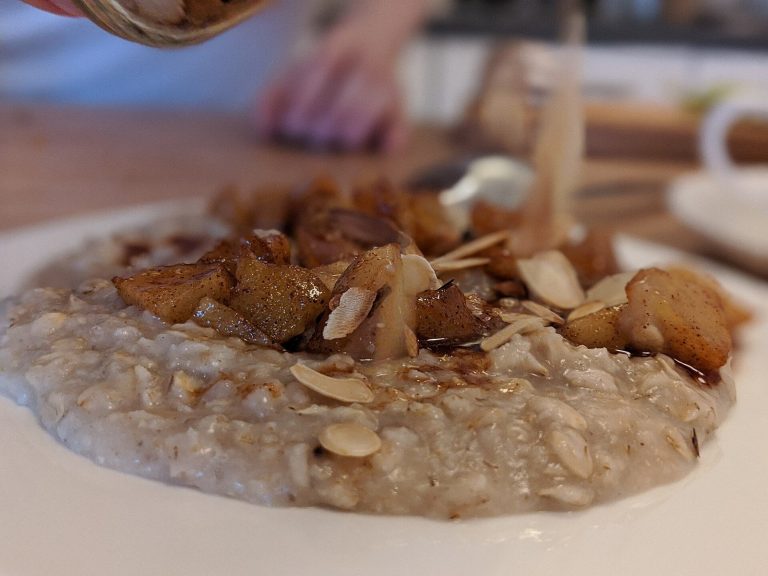
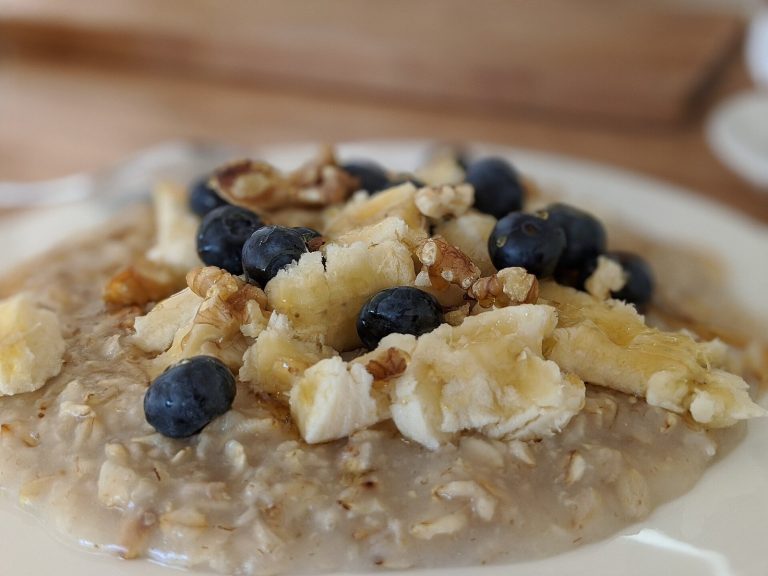
- – Breakfast: oatmeal with fruit.
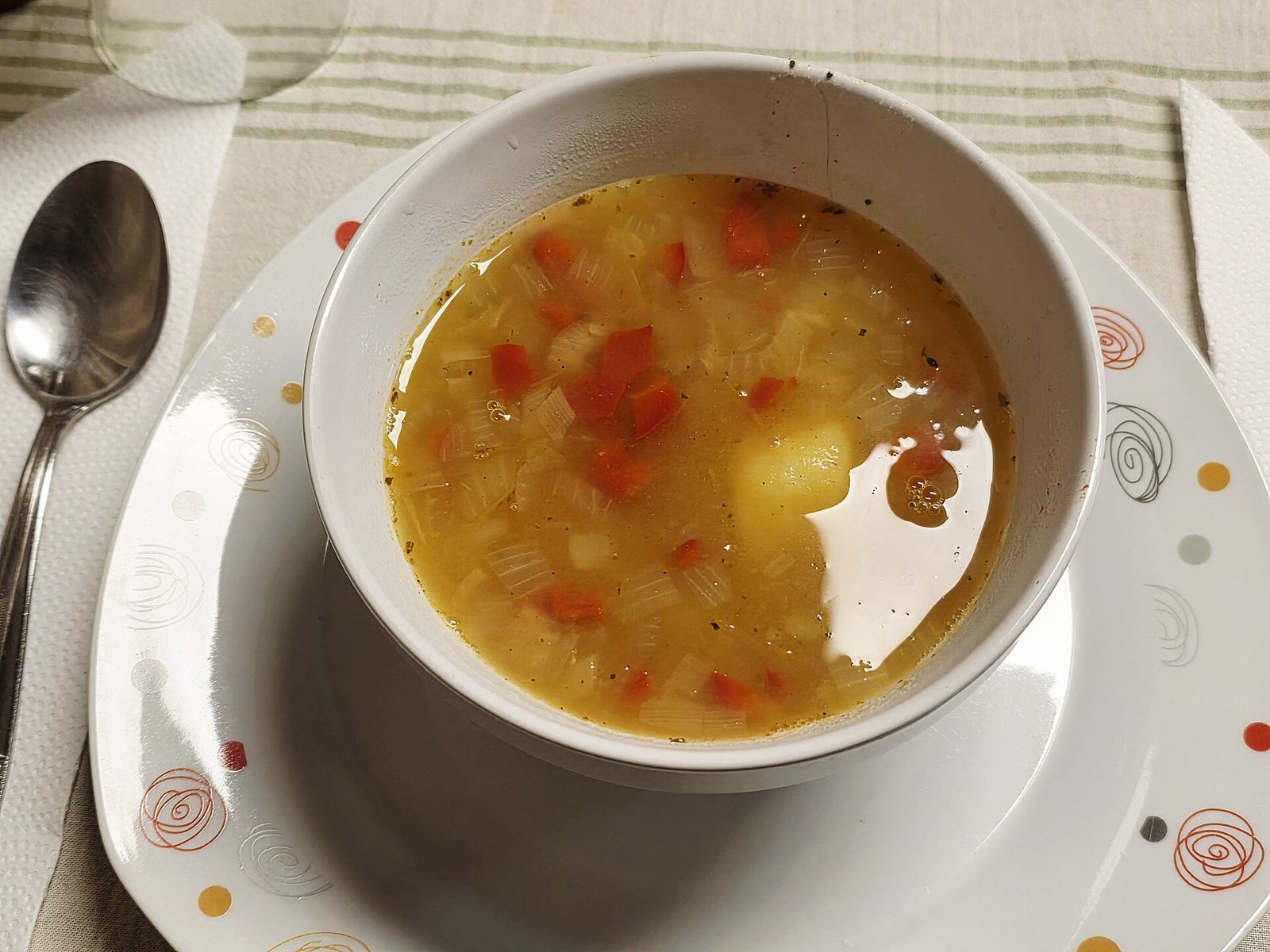
- – Lunch: vegetable soup with a small portion of chicken; crackers or rice if tolerated.
- – Snack: applesauce or yogurt if tolerated.
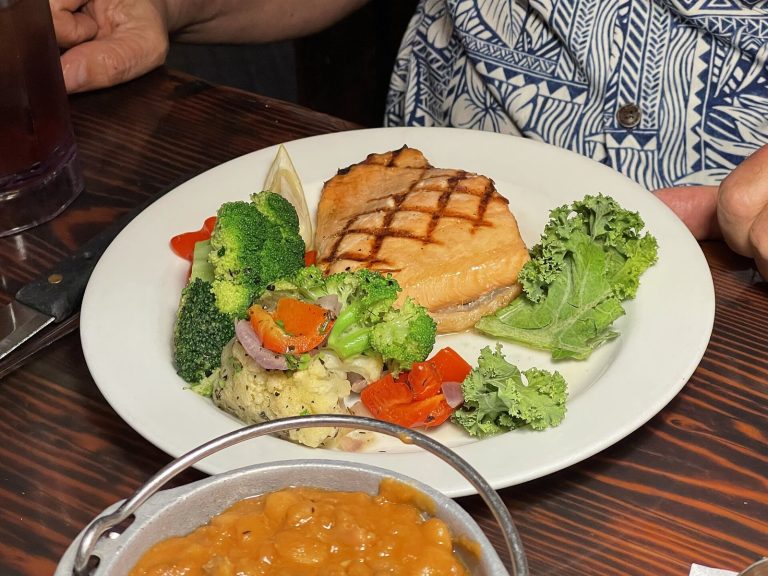
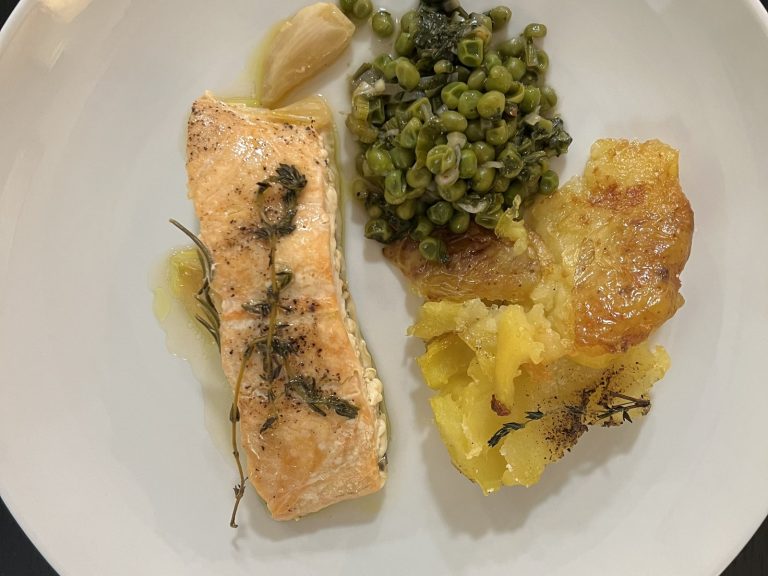
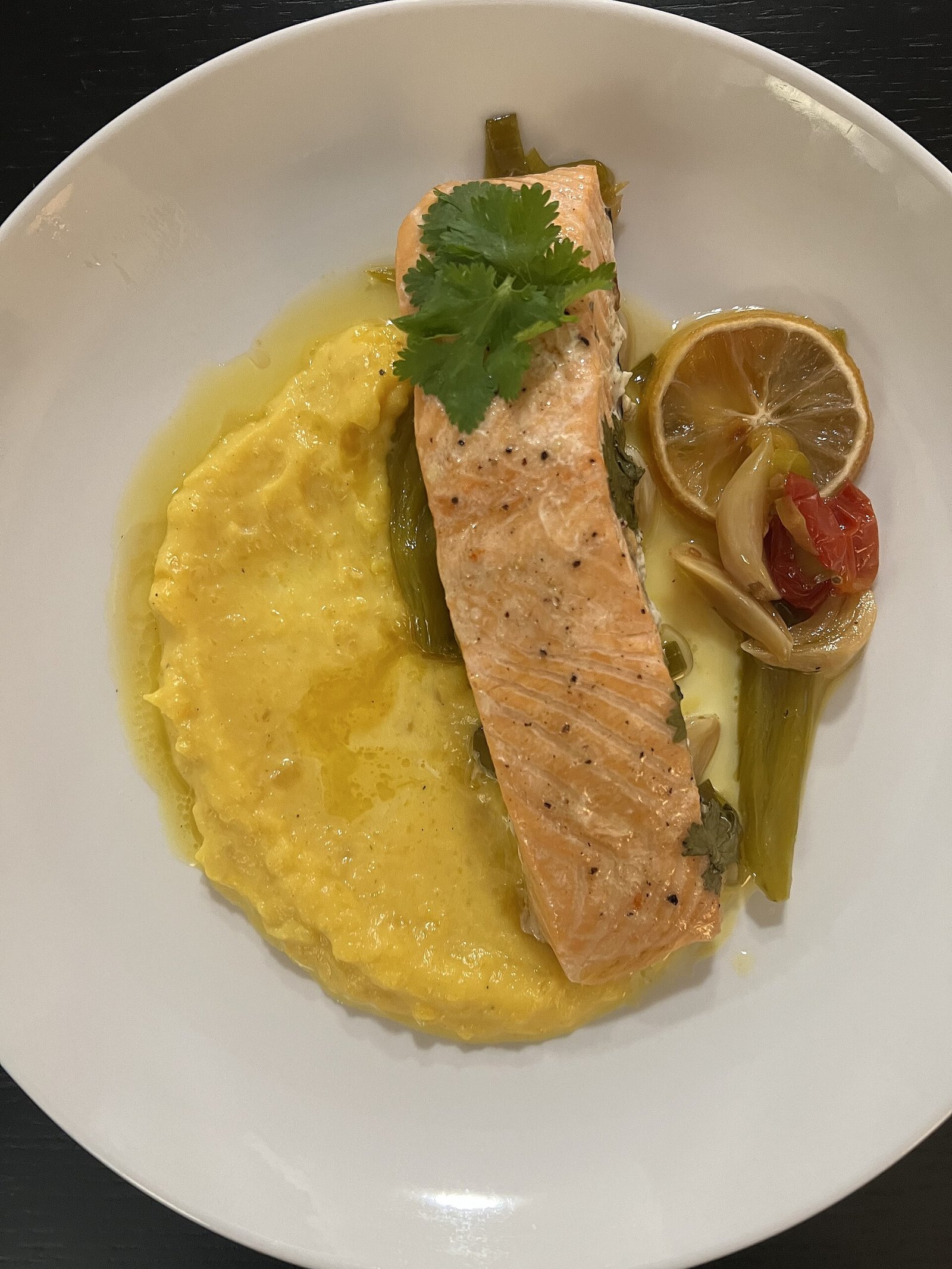
- – Dinner: baked fish, potatoes, steamed zucchini.
- – Avoid: double-fried takeout and giant creamy sauces the same week as biliary pain.
5. Weight-change pacing
If weight loss is a goal, ask for a paced plan. NIDDK warns that losing weight too quickly may raise stone risk even though healthy weight lowers long-term risk.
6. Overlap with pancreatitis or reflux
Severe upper pain can be biliary, pancreatic, or ulcer-related—get the right diagnosis. See pancreatitis recovery diet guide and GERD acid reflux diet guide only after clinicians clarify the cause.
Safety, interactions, and who should ask a clinician first
- – Severe belly pain you cannot get comfortable with, fever, jaundice, persistent vomiting: emergency care (Mayo Clinic).
- – Diabetes, pregnancy, or immune compromise: complication risk may be higher—seek care early (MedlinePlus lists diabetes among contexts that can relate to gallbladder problems).
- – Blood thinners or upcoming surgery: follow perioperative diet/medicine instructions exactly.
- – After cholecystectomy: diarrhea and fat tolerance can change—use the post-removal guide rather than this acute-inflammation page alone.
- – Do not use unregulated “gallbladder flush” products instead of ultrasound and surgical consults.
FAQ
Can diet cure cholecystitis? No. Mayo Clinic frames cholecystitis as a condition that can become life-threatening and is often treated with gallbladder removal.
Why do fatty meals hurt? When stones block bile flow, bile builds up and inflames the gallbladder; MedlinePlus and Mayo Clinic note symptoms often follow meals, especially fatty ones.
What eating pattern may lower future stone risk? NIDDK: more fiber and whole grains, fewer refined carbs/sugars, healthier fats, avoid fried/dessert-type unhealthy fats, and healthy weight without ultra-rapid loss.
Is olive oil banned forever? NIDDK actually lists healthy fats like olive oil in prevention guidance for regular gallbladder emptying. During acute flares, clinicians often prefer lower-fat meals temporarily—follow your team.
Does rapid weight loss help the gallbladder? It can raise gallstone risk (NIDDK). Prefer gradual, supervised change.
What if my gallbladder is already removed? Shift to diet after gallbladder removal guide for post-cholecystectomy bowel and fat tips.
How this differs from related OTCFood topics
This page is a cholecystitis-bound diet guide focused on fatty-meal triggers, urgent-care red flags, and NIDDK gallstone-prevention eating. It is not a surgical consent form, not a bile-reflux page, and not a post-cholecystectomy diarrhea protocol.
Medical disclaimer
Medical disclaimer: This article is for general information only. It is not medical advice, diagnosis, or a treatment plan. Cholecystitis care depends on imaging, infection risk, surgical timing, and your clinician’s judgment. Talk with a clinician or registered dietitian before changing eating plans, supplements, or medicines. Seek urgent care for severe abdominal pain, fever with biliary symptoms, jaundice, or persistent vomiting.