Diet After Appendectomy: Foods That May Help and Foods to Limit
Medical note: This article discusses foods and researched botanicals. It does not claim to prevent, treat, or cure disease. Supplements are not a substitute for food, and studied amounts are not personal prescriptions.
People searching “diet after appendectomy foods that help or worsen” usually want a practical kitchen plan while the gut settles after appendix removal—not a claim that food replaces surgical follow-up, antibiotics when prescribed, or wound care. MedlinePlus describes appendicitis as inflammation of the appendix, a small tube attached to the first part of the large intestine. Treatment almost always involves removing the appendix (appendectomy), because an untreated blockage can lead to rupture and infection in the abdomen (peritonitis). An appendectomy may be open or laparoscopic; recovery is often quicker after laparoscopic surgery, and slower if the appendix ruptured or an abscess formed. Living without an appendix causes no known major health problems according to MedlinePlus.
What this after-appendectomy diet guide covers (and what it does not)
This guide is for adults recovering from an uncomplicated appendectomy who want supportive eating patterns while following their surgeon’s written discharge diet. Anchors: MedlinePlus — Appendicitis and MedlinePlus Medical Encyclopedia — Appendectomy.
MedlinePlus notes most people leave the hospital in 1–2 days and can return to many normal activities within a few weeks, though energy may take longer to return. Kitchen timing—clear liquids, soft foods, then regular meals—must match what your surgical team told you for your incision type, whether the appendix ruptured, and whether you still have nausea or ileus. This page is not a substitute for post-op instructions, not antibiotic advice, and not a general diet after colonoscopy guide bowel-prep recovery protocol.
Evidence snapshot: after-appendectomy diet claims vs public sources
| Claim people hope for | What public sources actually say | Confidence |
|---|---|---|
| “A special diet cures appendicitis so surgery is optional” | MedlinePlus: appendicitis is a medical emergency; treatment almost always involves removing the appendix (some uncomplicated cases may be candidates for antibiotics-only—ask a clinician) | Strong: food does not replace indicated care |
| “You can advance from liquids to steak on your own schedule” | Discharge instructions and surgical teams set advancement; MedlinePlus focuses on procedure and recovery timeline, not DIY diet ladders | Strong: follow surgeon-guided advancement |
| “High fiber on day one speeds healing” | Early post-op tolerance varies; constipation after anesthesia/opioids is common, but fiber timing should follow clinician advice | Moderate for later recovery; low for day-of surgery DIY |
| “Living without an appendix requires lifelong special foods” | MedlinePlus: living without an appendix causes no known major health problems | Strong: no lifelong “appendix diet” |
| “Home enemas or laxatives fix post-op belly pain” | MedlinePlus warns against home treatments for appendicitis symptoms; post-op pain/fever needs clinical review | Strong: do not self-treat red flags |
Foods and patterns that may help after appendectomy day-to-day comfort
“May help” means supporting hydration, easier digestion while the gut wakes up, and energy for healing—not speeding incision closure beyond medical care.
Follow the staged diet your surgeon prescribed
- – Many teams start with clear liquids (water, clear broth, dilute juice, gelatin if allowed), then advance to full liquids or soft/bland solids when nausea settles, then to regular meals.
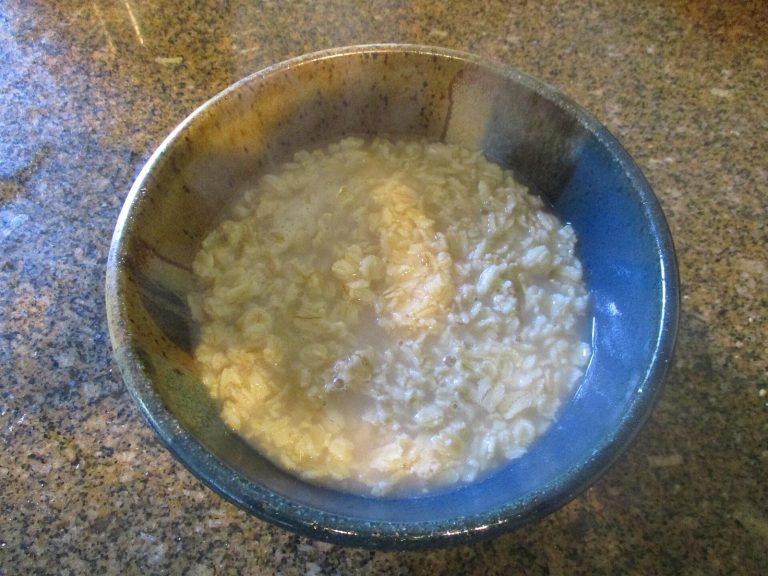
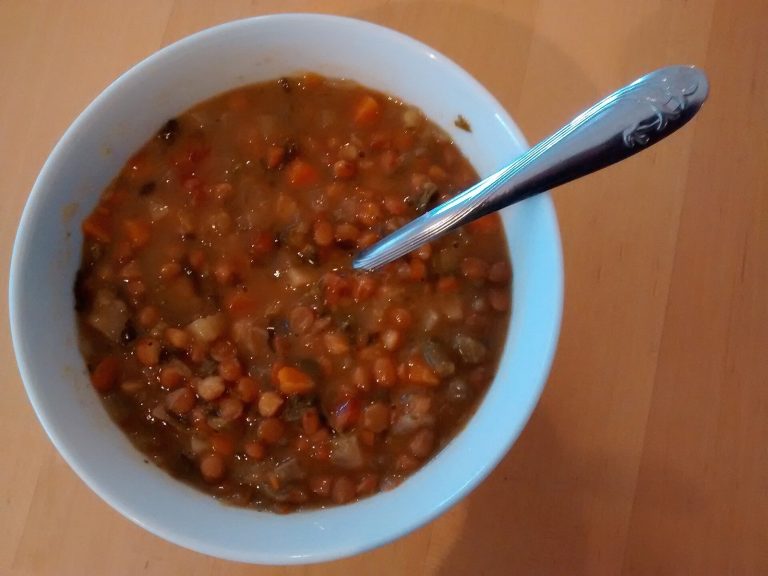
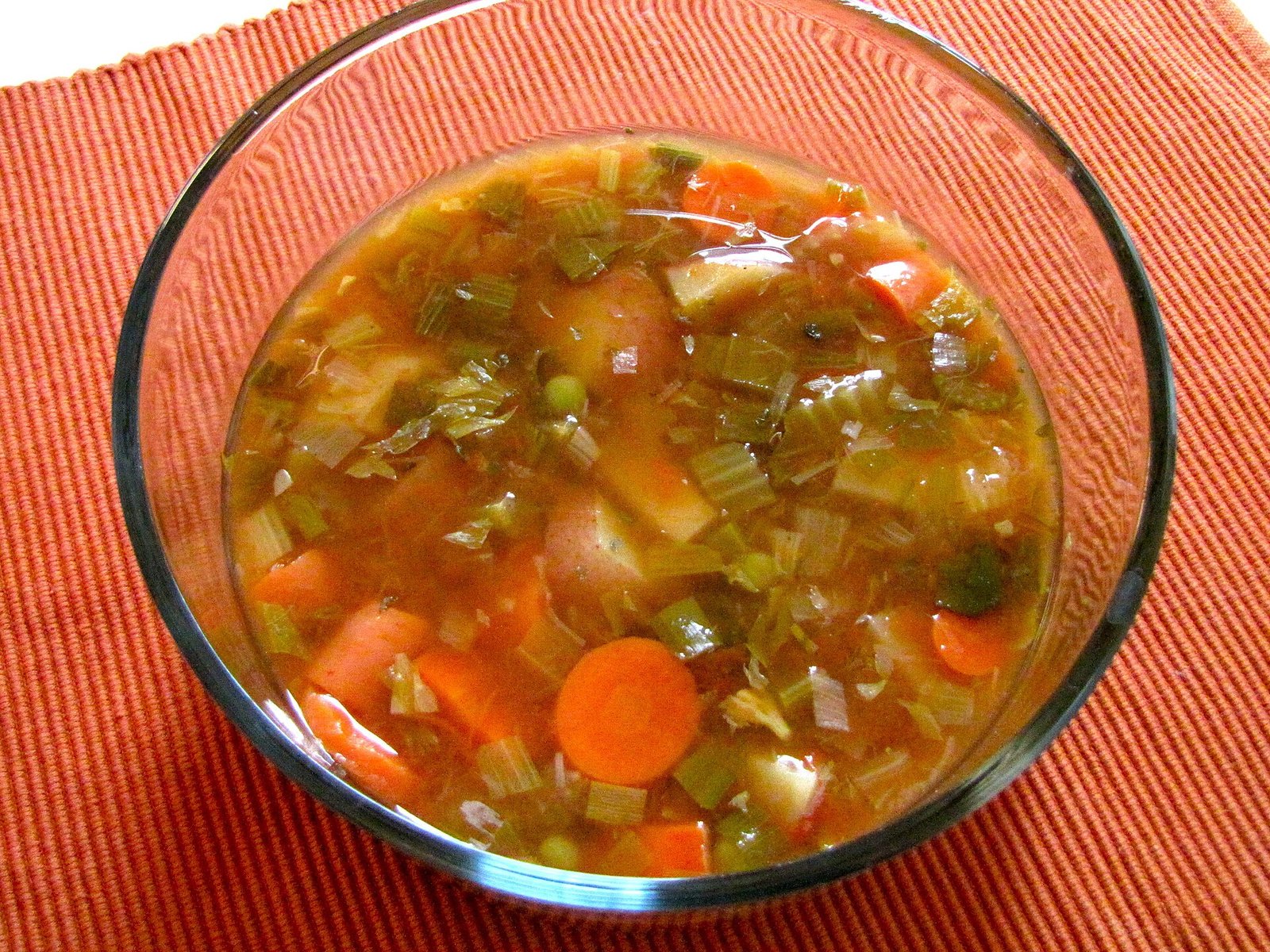
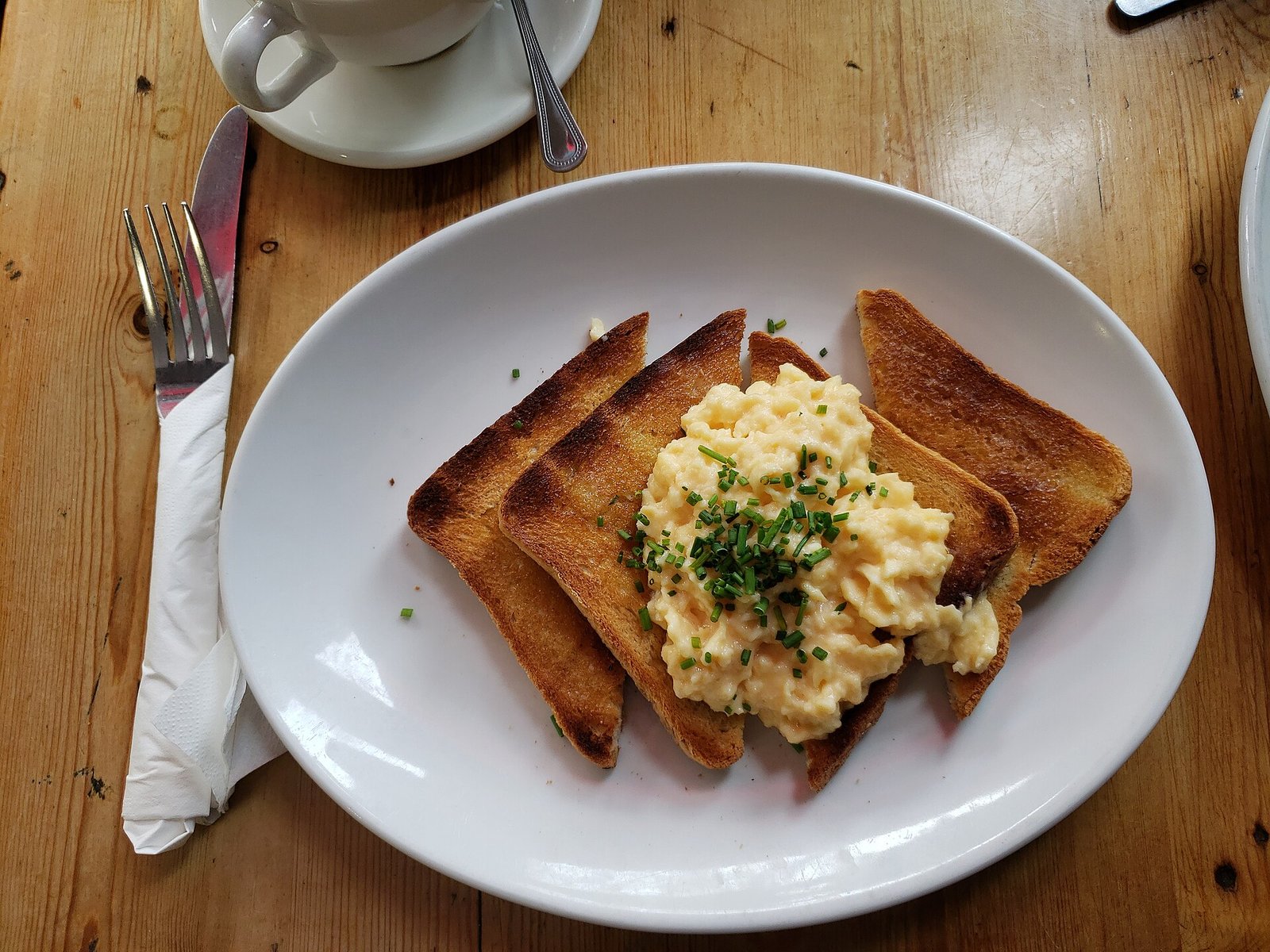
- – Prefer foods that are easy to chew and digest early on: broth-based soups, yogurt, applesauce, mashed potato, scrambled eggs, soft cooked rice, ripe banana, oatmeal if tolerated.
- – Take small, frequent portions if large plates feel heavy—similar practical pacing discussed in our dumping syndrome diet guide guide for meal size, not because dumping and appendectomy are the same condition.
Fluids and gentle fiber later (not as a DIY first step)
- – Sip fluids regularly unless you were told to limit them. Dehydration can worsen constipation after anesthesia and pain medicines.
- – When your team says you may increase fiber, add cooked vegetables, fruit, and whole grains gradually—see also constipation diet guide for general kitchen patterns once cleared.
- – Protein from eggs, fish, poultry, tofu, dairy, or beans (when tolerated) may help meet energy needs while appetite returns.
Appetite and nausea management in the kitchen
- – Bland, lukewarm foods are often easier than greasy fried plates or strong spices in the first days at home.
- – If you were prescribed anti-nausea medicine, take it as directed; food experiments do not replace it.
Foods and habits that often worsen early post-appendectomy kitchen patterns
- – Skipping surgeon diet steps and jumping to heavy, high-fat restaurant meals before you were cleared.
- – Large, greasy, or very spicy meals that provoke nausea while the gut is still recovering.
- – Carbonated soft drinks in excess if they cause bloating (personal tolerance varies; ask your team).
- – Alcohol while on pain medicines or before you feel steady—alcohol can impair judgment and hydration.
- – Ignoring fever, worsening abdominal pain, vomiting that prevents fluids, wound redness, or inability to pass gas/stool when your discharge sheet says to call—diet changes do not fix surgical complications.
- – Self-prescribing “colon cleanses,” harsh laxatives, or enemas without clinician advice after abdominal surgery.
“Limit” means reducing habits that undermine recovery—not forever banning favorite foods once you are cleared for a regular diet.
Practical kitchen protocol: the first weeks after appendectomy
1. Keep the medical spine first
Confirm laparoscopic vs open approach, whether the appendix ruptured, antibiotic course if any, lifting limits, and the exact diet stage on your discharge paper. Do not stop prescribed antibiotics early because “food is enough.”
2. Shopping list matched to stage
- – Clear/soft stage: broth, oral rehydration or electrolyte drinks if recommended, yogurt, applesauce, bananas, white rice or soft rice porridge, mashed potato, scrambled eggs, soft bread if allowed.
- – Transition stage: lean fish or chicken, cooked carrots/zucchini, oatmeal, tofu.
- – Regular diet (when cleared): return toward a balanced plate with vegetables, fruit, whole grains, and protein—similar everyday patterns as in chronic gastritis diet guide if you remain sensitive to spice/fat for a while.
3. Sample day (illustrative only—override with your surgeon’s plan)
- – Breakfast: oatmeal or scrambled eggs; water or tea.
- – Mid-morning: yogurt; sip fluids.
- – Lunch: chicken or vegetable broth soup with soft rice; ripe fruit.
- – Snack: applesauce or banana.
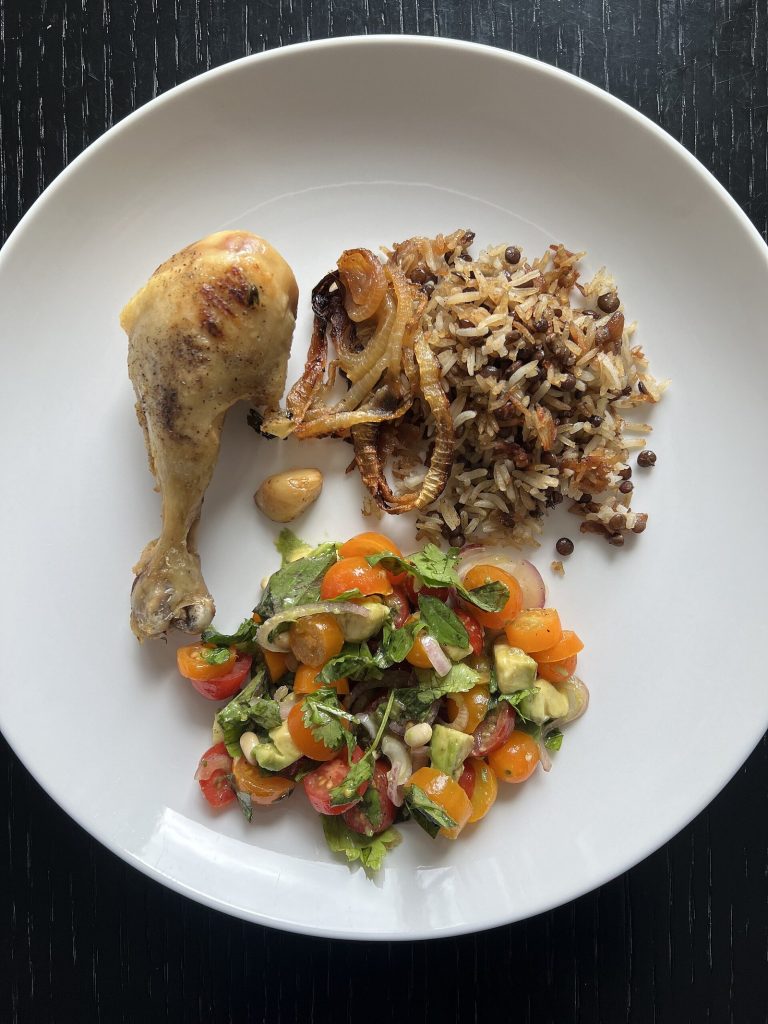
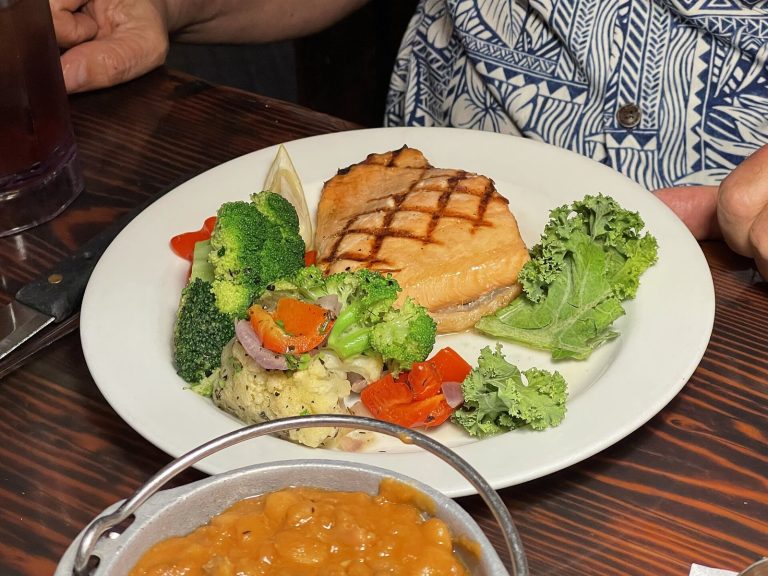
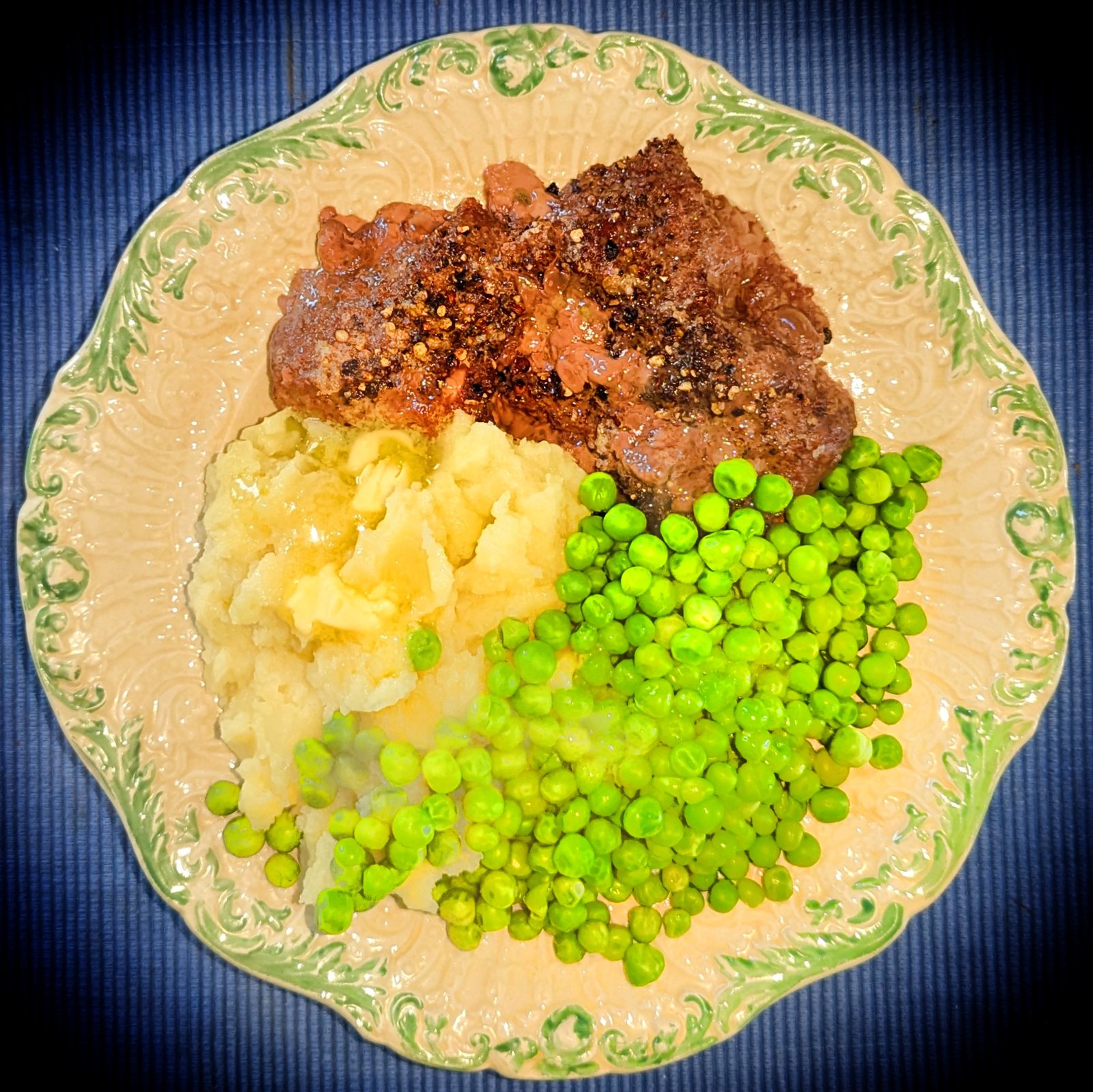
- – Dinner: baked fish or tofu, mashed potato, soft cooked vegetables.
- – Evening: fluids; avoid heavy late alcohol.
4. Activity and eating
MedlinePlus notes activity returns over weeks; combine light walking when allowed with meals rather than lying completely still all day if your team encourages early mobility—movement and fiber (when cleared) both matter for post-op constipation risk.
5. When IBS or reflux was already in the picture
If you already manage sensitive digestion, keep known triggers lighter early on and revisit longer-term patterns with IBS diet guide after you are past the acute surgical diet stage.
Safety, interactions, and who should ask a clinician first
- – Children, older adults, pregnant people, and anyone immunocompromised need closer post-op follow-up thresholds.
- – Opioid pain medicines can slow the gut—ask about stool softeners rather than inventing a harsh cleanse.
- – Diabetes meal plans may need temporary soft-diet swaps; coordinate with your clinician or dietitian.
- – Call urgently for severe pain, high fever, wound drainage, chest pain, shortness of breath, or inability to keep fluids down.
FAQ
Can diet reverse the need for appendectomy? No. MedlinePlus frames appendicitis as requiring prompt medical care; food does not replace indicated surgery or clinician-directed antibiotics-only pathways.
How fast can I eat “normal” food? Only as fast as your surgical team’s advancement plan. Laparoscopic recovery is often quicker; rupture/abscess recovery is slower (MedlinePlus).
Do I need a lifelong low-fiber or low-fat diet without an appendix? MedlinePlus states living without an appendix causes no known major health problems. Long-term restrictions are not a default “appendix rule.”
What if I am constipated after surgery? Hydration, gradual fiber when cleared, activity when allowed, and clinician-guided stool softeners matter more than DIY enemas. See constipation diet guide for general patterns after you are cleared.
Is this the same as colonoscopy recovery food? No. Colonoscopy prep recovery and appendectomy recovery share “gentle foods” themes but different procedures—see diet after colonoscopy guide only for contrast, not as a copy-paste plan.
How this differs from related OTCFood topics
This page is an after-appendectomy–bound diet guide focused on surgeon-directed diet advancement, soft easy meals, hydration, and red-flag awareness. It is not a chronic IBS diet guide protocol and not a claim that kitchen habits treat appendicitis.
Medical disclaimer
Medical disclaimer: This article is for general information only. It is not medical advice, diagnosis, or a treatment plan. Appendectomy recovery depends on surgical findings, complications, medicines, and other health conditions. Talk with your surgeon, clinician, or registered dietitian before starting, stopping, or changing any eating plan, supplement, or medicine. Seek urgent care for severe pain, fever, wound problems, vomiting that blocks fluids, chest pain, or breathing difficulty.