Mastitis Diet: Foods That May Help and Foods to Limit
Medical note: This article discusses foods and researched botanicals. It does not claim to prevent, treat, or cure disease. Supplements are not a substitute for food, and studied amounts are not personal prescriptions.
People searching “mastitis diet foods that help or worsen” usually want supportive nutrition while a breast infection is treated—not a claim that food clears bacterial mastitis the way antibiotics and lactation care can. The NHS describes mastitis as a swollen, hot, painful breast, most common in breastfeeding women. MedlinePlus (breast infection) explains that common skin bacteria such as Staphylococcus aureus can enter through nipple cracks, causing swelling, pain, and sometimes fever. Medical care comes first: continue milk removal as advised, use pain relief appropriately, and see a clinician promptly if symptoms are not improving—diet is supportive only.
What this mastitis diet guide covers (and what it does not)
This guide is for adults dealing with lactation-associated mastitis (or recovering afterward) who want kitchen habits that support hydration, energy, and healing while following NHS and MedlinePlus clinical self-care rules. Anchors: NHS — Mastitis, MedlinePlus — Breast infection.
NHS advice for breastfeeding mastitis includes continuing to breastfeed or hand-express as needed, checking latch/positioning with a specialist, cold compresses, rest, and paracetamol or ibuprofen as directed—not aspirin. See a GP if symptoms are not better in 12–24 hours of home care, if antibiotics are not helping within about 48 hours, or if you get mastitis while not breastfeeding. MedlinePlus notes antibiotics are very effective for breast infection and that you must continue breastfeeding or pumping to relieve engorgement while on antibiotics (unless your clinician says otherwise for an abscess). Food does not replace antibiotics, abscess drainage, or evaluation of non-lactation mastitis.
Evidence snapshot: mastitis diet claims vs public sources
| Claim people hope for | What public sources actually say | Confidence |
|---|---|---|
| “A special diet cures mastitis” | NHS/MedlinePlus: milk removal, rest, pain relief, and often antibiotics; abscesses may need drainage | Strong: diet is not antimicrobial therapy |
| “Stop breastfeeding to rest the breast” | NHS: continue breastfeeding; sudden stopping is discouraged; express if direct feeding is too painful | Strong continue-feeding message |
| “Cabbage leaves or detox juices replace antibiotics” | Public pages center clinical care and latch support; unproven food rituals are not substitutes | Strong against replacement claims |
| “Hydration and steady meals support recovery” | General illness nutrition: fluids and energy help you keep feeding/pumping schedules—supportive, not curative | Moderate for supportive care |
| “Non-lactation mastitis is just a diet issue” | MedlinePlus: infections or inflammation not related to breastfeeding may need imaging to exclude other causes, rarely including cancer | Strong: get evaluated |
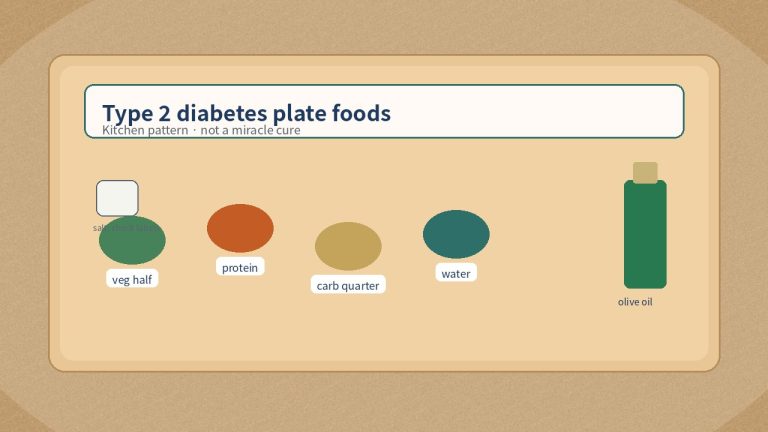
Foods and patterns that may help with mastitis day-to-day recovery
“May help” means helping you stay hydrated and fueled enough to keep removing milk and taking medicines—not sterilizing breast tissue with food.
Hydration and energy defaults
- – Drink fluids regularly (water as the default) so dehydration does not compound fatigue and feverish feelings.
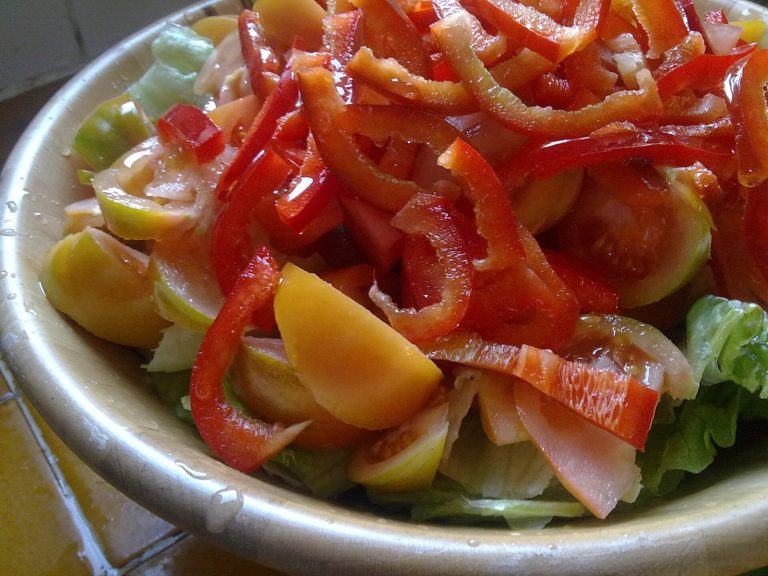
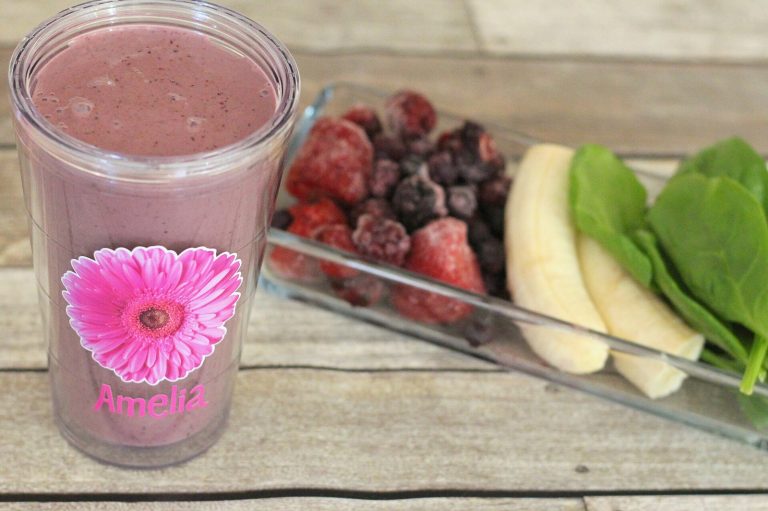
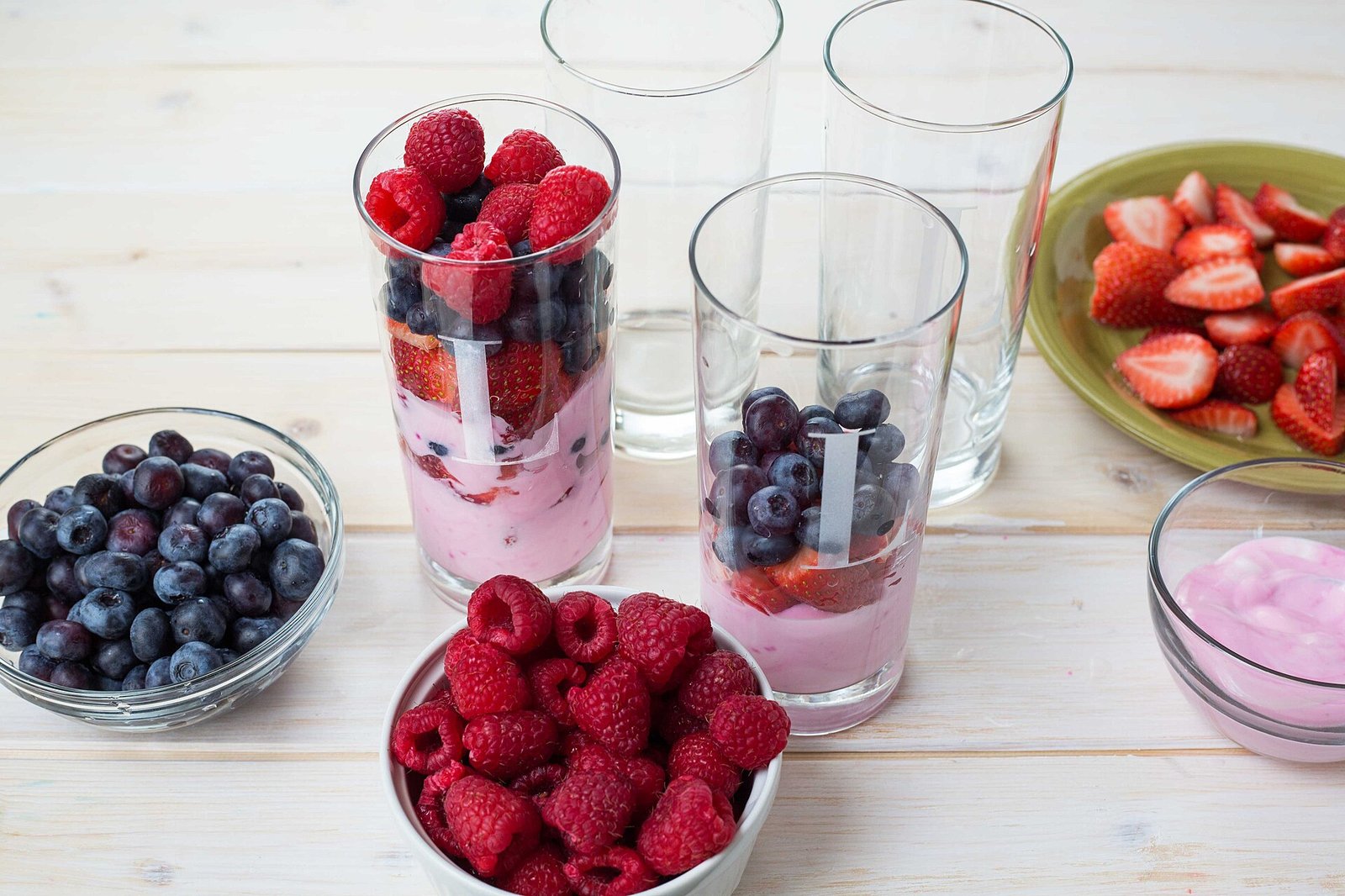
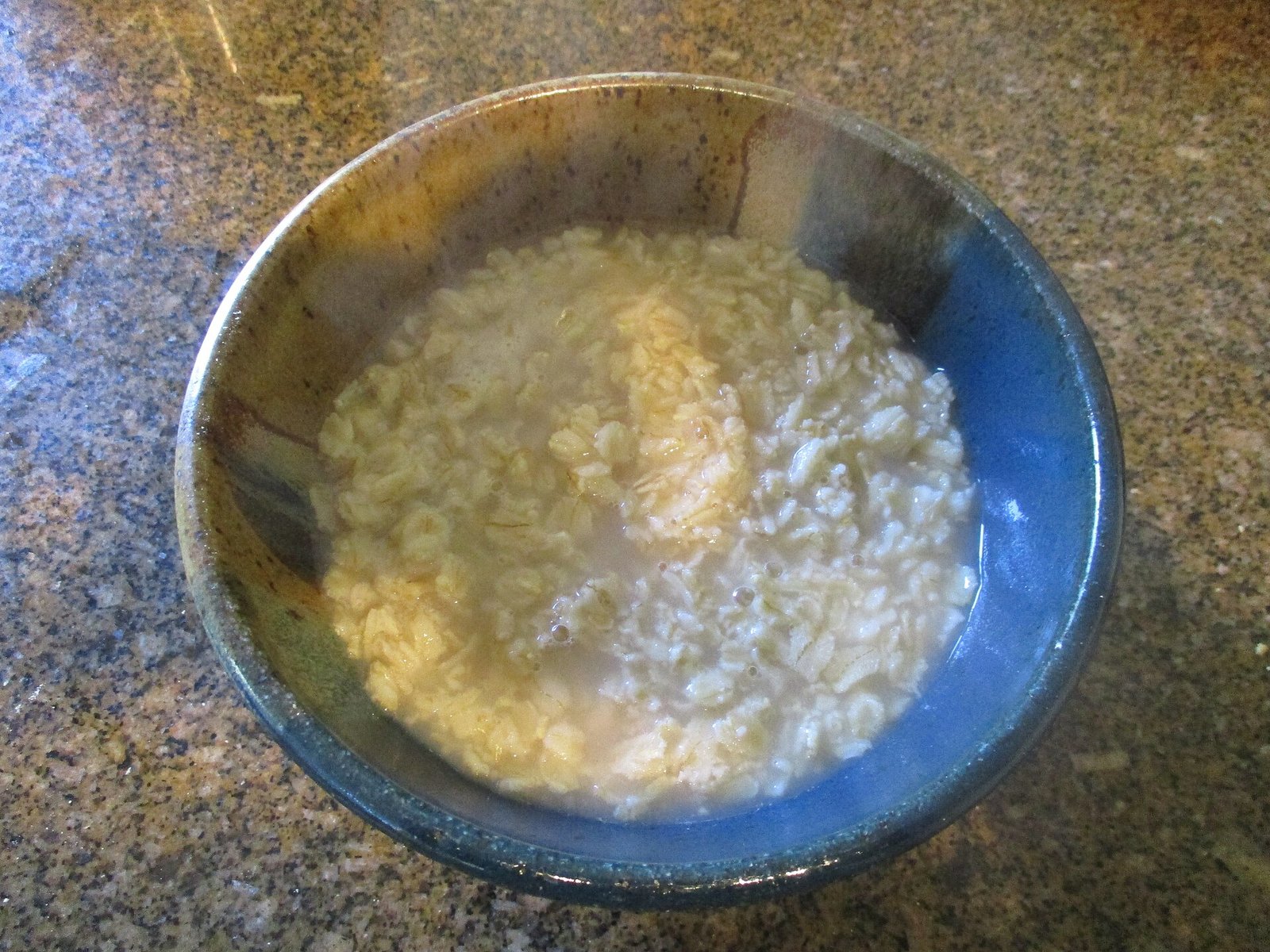
- – Eat small frequent meals if pain or flu-like symptoms kill appetite—yogurt, eggs, oatmeal, soups, fruit, toast, and simple proteins are practical.
- – Include protein and colorful plants across the day to support general recovery nutrition while antibiotics work.
Practical plates while you are treating mastitis
- – Keep snack trays near your feeding chair: water bottle, easy fruit, yogurt, cheese or nut butter on toast if tolerated.
- – Warm or cool foods based on comfort; NHS emphasizes cold compresses on the breast for pain—not spicy “milk-drying” diets.
- – If antibiotics upset your stomach, bland easy meals and probiotics foods (like yogurt with live cultures) may be easier—ask your clinician about probiotic products rather than self-prescribing high doses.
Prevention-oriented habits after the acute episode
MedlinePlus prevention points are clinical, not culinary: careful nipple care, frequent feeding/pumping to avoid engorgement, good latch, and slow weaning. Pair kitchen support with lactation help—not elimination diets that shrink milk supply when you still need frequent emptying.
If gut comfort is also an issue on antibiotics, our constipation diet guide or IBS diet guide pages may help with stool changes—still secondary to mastitis medical care.
Foods and habits that often worsen mastitis kitchen patterns
- – Stopping breastfeeding suddenly because of pain—NHS warns against abrupt stopping; get help to continue or express.
- – “Drying up milk” teas or severe calorie cuts while an infection still needs emptying.
- – Alcohol or sedating “nightcaps” that impair safe infant care and hydration.
- – Skipping antibiotics or stopping early for a juice protocol.
- – Applying oils, soaks, or random creams to the breast against NHS “don’t” guidance.
- – Ignoring non-improvement—worsening redness, high fever, or a progressive lump can signal abscess (MedlinePlus) needing drainage.
“Limit” means avoiding habits that interfere with milk removal and medical care—not that one spicy meal causes mastitis.
Practical kitchen protocol: a mastitis-supportive few days
1. Medical spine first
Start timing: feed/pump, pain medicine, cold compress (NHS: about 10 minutes each hour as tolerated), rest. Book clinical review if not improving on the NHS timeline.
2. Shopping list for low-effort recovery food
Bottled water; oral rehydration or broth if feverish; oatmeal packets; bread or crackers; eggs; yogurt; bananas and other soft fruit; prewashed salad or simple soup; cooked chicken or canned fish you already tolerate.
3. Default “one-hand” meal template
- – Protein + carbohydrate + fruit or vegetable
- – Large water within reach during every feed
- – Skip elaborate cooking until fever and pain ease
4. Sample day (illustrative)
- – Breakfast: oatmeal with fruit; water; feed/pump on schedule.
- – Lunch: egg on toast or yogurt bowl; soup; water.
- – Snack: banana and crackers; water.
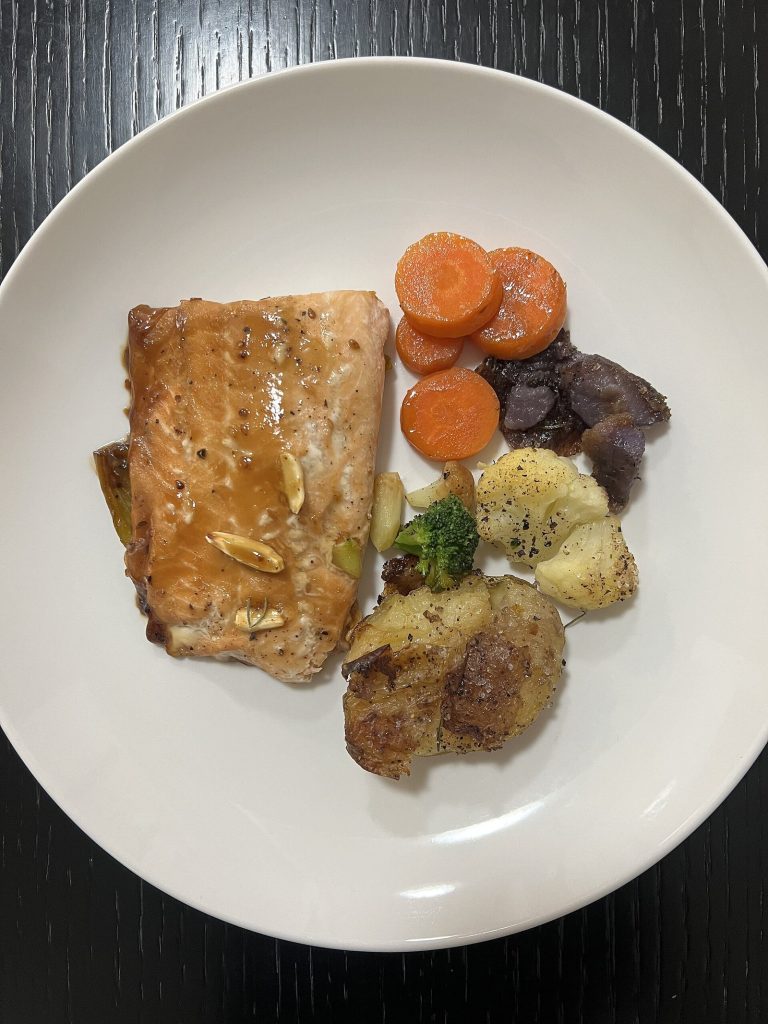
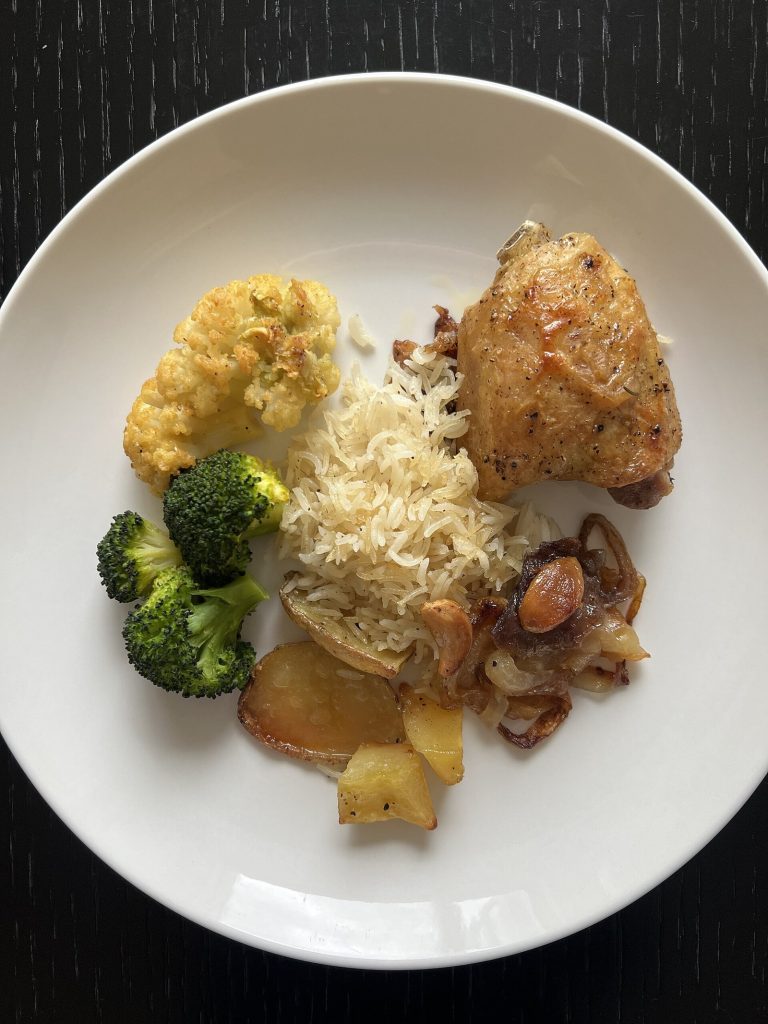
- – Dinner: simple chicken or fish with rice and vegetables; water.
- – Overnight: water bottle at the bedside; continue milk removal as advised—do not “save up” long stretches that worsen engorgement.
5. Partners and household help
Ask others to bring water and easy meals so you can prioritize latch help and rest—NHS lists rest among do’s.
6. After recovery
Return to your usual balanced pattern. If recurrent mastitis continues, NHS points to positioning/attachment problems—see a breastfeeding specialist rather than inventing a permanent exclusion diet. For general postpartum iron fatigue questions, iron deficiency anemia diet guide may be relevant after clinical labs.
Safety, interactions, and who should ask a clinician first
- – Mastitis while not breastfeeding: see a GP (NHS)—do not self-treat with diet only; MedlinePlus notes further tests may be needed.
- – Signs of abscess, spreading redness, or sepsis-like illness: urgent care.
- – Antibiotic allergies, infant concerns about medicines in milk, or pumping plans after drainage: follow your clinician’s instructions.
- – NHS: do not take aspirin for mastitis pain in this context; use recommended alternatives.
- – Herbal galactagogues or “milk cleanse” products: check safety while infected and while feeding an infant.
FAQ
Can diet clear a breast infection without antibiotics? Sometimes mild cases improve with milk removal and home care, but NHS and MedlinePlus center clinical review and antibiotics when needed. Do not delay care for a food experiment.
Should I stop breastfeeding until the infection ends? Generally no. NHS advises continuing; MedlinePlus says continue breastfeeding or pumping while on antibiotics unless told otherwise for an abscess.
Do I need a low-dairy or anti-inflammatory diet? Public mastitis pages do not prescribe a universal dairy ban as treatment. Focus on fluids, energy, and medical care.
What if mastitis keeps coming back? NHS: recurrent cases often relate to positioning and attachment—get skilled lactation help promptly.
Is mastitis the same as engorgement? Engorgement is overcrowding with milk; mastitis is inflamed/infected tissue with pain, heat, and often systemic symptoms. Both need effective milk removal; infection may need antibiotics.
How this differs from related OTCFood topics
This page is a mastitis-bound supportive nutrition guide during medical and lactation care. It is not a general constipation diet guide plan, not an iron deficiency anemia diet guide pregnancy clinic, and not a substitute for evaluating non-lactation breast inflammation.
Medical disclaimer
Medical disclaimer: This article is for general information only. It is not medical advice, diagnosis, or a treatment plan. Mastitis care depends on exam findings, lactation status, antibiotics when indicated, and sometimes imaging or drainage. Talk with a clinician, midwife, or lactation specialist before starting, stopping, or changing any feeding plan, medicine, or supplement. Seek urgent care for high fever, spreading redness, severe swelling, or feeling seriously unwell.