Cluster Headache Diet: Foods That May Help and Foods to Limit
Medical note: This article discusses foods and researched botanicals. It does not claim to prevent, treat, or cure disease. Supplements are not a substitute for food, and studied amounts are not personal prescriptions.
People searching “cluster headache diet foods that help or worsen” usually want kitchen habits that support attack-period stability—not a claim that food stops cluster attacks the way oxygen or prescribed medicines can. The National Institute of Neurological Disorders and Stroke (NINDS) describes cluster headache as the most common trigeminal autonomic cephalalgia (TAC): sudden, extremely painful one-sided attacks, often behind or around one eye, peaking within five to ten minutes and lasting up to three hours. Attacks come in “cluster periods” (from every other day up to eight times a day). Alcohol—especially red wine—and smoking can trigger attacks. Food patterns may support overall headache-care habits; they do not replace medical acute or preventive care.
What this cluster headache diet guide covers (and what it does not)
This guide is for adults diagnosed with episodic or chronic cluster headache who want practical eating patterns during and between cluster periods while they follow Neurology care. Anchors: NINDS — Headache, MedlinePlus / related facial-pain education, and clinician-guided oxygen, triptans, and preventive medicines (NINDS notes verapamil is often first-line for preventing cluster periods).
NINDS: cluster headache is more common in men than women, often begins between ages 20 and 40, and is more common in smokers. Attacks often wake people from sleep. Sudden “worst ever” headache with stiff neck, fever, weakness, confusion, or vision change needs emergency care—not a diet experiment. Kitchen changes do not replace oxygen therapy, prescribed abortive medicines, or preventive regimens.
Evidence snapshot: cluster headache diet claims vs public sources
| Claim people hope for | What public sources actually say | Confidence |
|---|---|---|
| “A special diet cures cluster headache” | NINDS focuses on clinical acute and preventive options (oxygen, triptans, verapamil, and others)—not culinary cures | Strong: food is not a substitute |
| “Avoiding alcohol ends cluster periods” | NINDS: alcohol (especially red wine) and smoking can trigger attacks during a vulnerable period | Moderate for trigger reduction; not period prevention alone |
| “Supplements replace oxygen or verapamil” | NINDS treatment list is clinical; complementary approaches for related facial pain are adjunctive at best | Strong: do not stop prescribed cluster care for unproven products |
| “One migraine diet works for cluster” | NINDS separates cluster (TAC) from migraine; triggers and attack patterns differ | Moderate: keep a personal journal; do not copy migraine rules blindly |
| “If attacks stop briefly, diet is enough” | Cluster periods often remiss then return; chronic forms can last years with short pain-free gaps | Strong: keep Neurology follow-up |
Foods and patterns that may help with cluster headache day-to-day health
“May help” means supporting hydration, sleep-compatible meals, and trigger awareness that often coexist with cluster care—not a promise to end a cluster period.
Trigger-aware defaults during a cluster period (NINDS)
- – Skip alcohol, especially red wine, while you are in a cluster period—NINDS lists alcohol as a trigger for attacks.
- – Prefer steady hydration with water across the day; NINDS lists dehydration among general headache triggers in related education.
- – Keep meal timing predictable so sleep and night-attack logistics (oxygen access, rescue meds) stay easier—cluster attacks often wake people at night.
Plate patterns that support overall headache and vascular health
- – Build meals around vegetables, fruit, whole grains, lean protein, and unsalted nuts in portions that fit your overall health plan—similar habits discussed in our migraine diet guide and tension headache diet guide guides, while remembering cluster is a distinct TAC.
- – If blood pressure or heart medicines are part of your plan, coordinate sodium and alcohol limits with your clinician; see also high blood pressure foods guide.
Sleep-compatible evening kitchen habits
- – Avoid heavy late alcohol and large stimulating caffeine loads late at night if they disrupt sleep—NINDS links sleep-wake timing to cluster attacks and notes attacks often occur at night.
- – Keep a simple bedtime snack only if it helps you take medicines on schedule without reflux or insomnia; pair with our insomnia diet guide tips when sleep is fragile.
Smoking and secondhand smoke
- – NINDS: cluster headache is more common in smokers; smoking can trigger attacks. Quitting supports overall neurological and cardiovascular health alongside medical cluster care.
Foods and habits that often worsen cluster headache kitchen patterns
- – Drinking alcohol during a cluster period—NINDS flags alcohol (especially red wine) as a trigger.
- – Continuing to smoke or heavy secondhand exposure when you are trying to stabilize attack frequency.
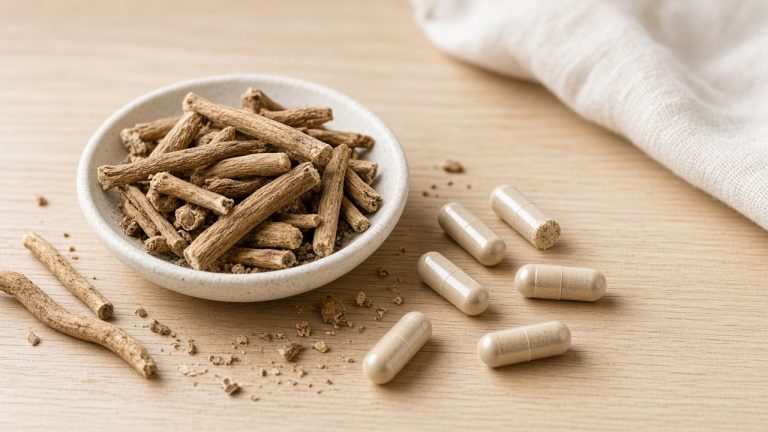
- – Skipping oxygen setup or prescribed abortive/preventive medicines for “natural cluster diets,” detox teas, or unproven supplements.
- – Crash fasting or extreme elimination that worsens dehydration, sleep, or medication adherence.
- – Ignoring sudden severe headache with neurological red flags—NINDS lists emergency warning signs that need urgent care.
“Limit” means reducing habits that reliably worsen attack risk or undermine medical care—not that one accidental sip of wine defines your prognosis.
Practical kitchen protocol: a cluster headache diet week
1. Keep the medical spine first
Confirm with your clinician how to use oxygen, triptans or other abortives, and preventives (NINDS often cites verapamil first for preventing cluster periods). Put rescue tools where night attacks happen.
2. Shopping list for cluster-period kitchens
Water as default drink; herbal or decaf options if evening caffeine worsens sleep; vegetables and fruit; eggs, fish, poultry, beans; whole grains; yogurt; unsalted nuts in small portions; soft foods if facial allodynia or concurrent dental sensitivity makes chewing hard—without claiming food stops TAC pain.
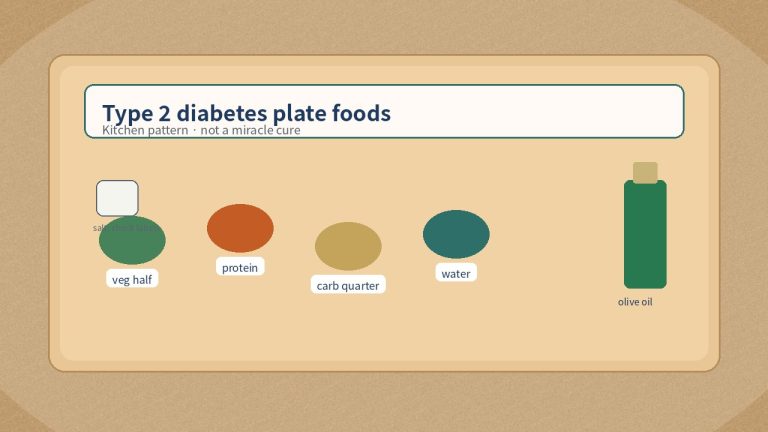
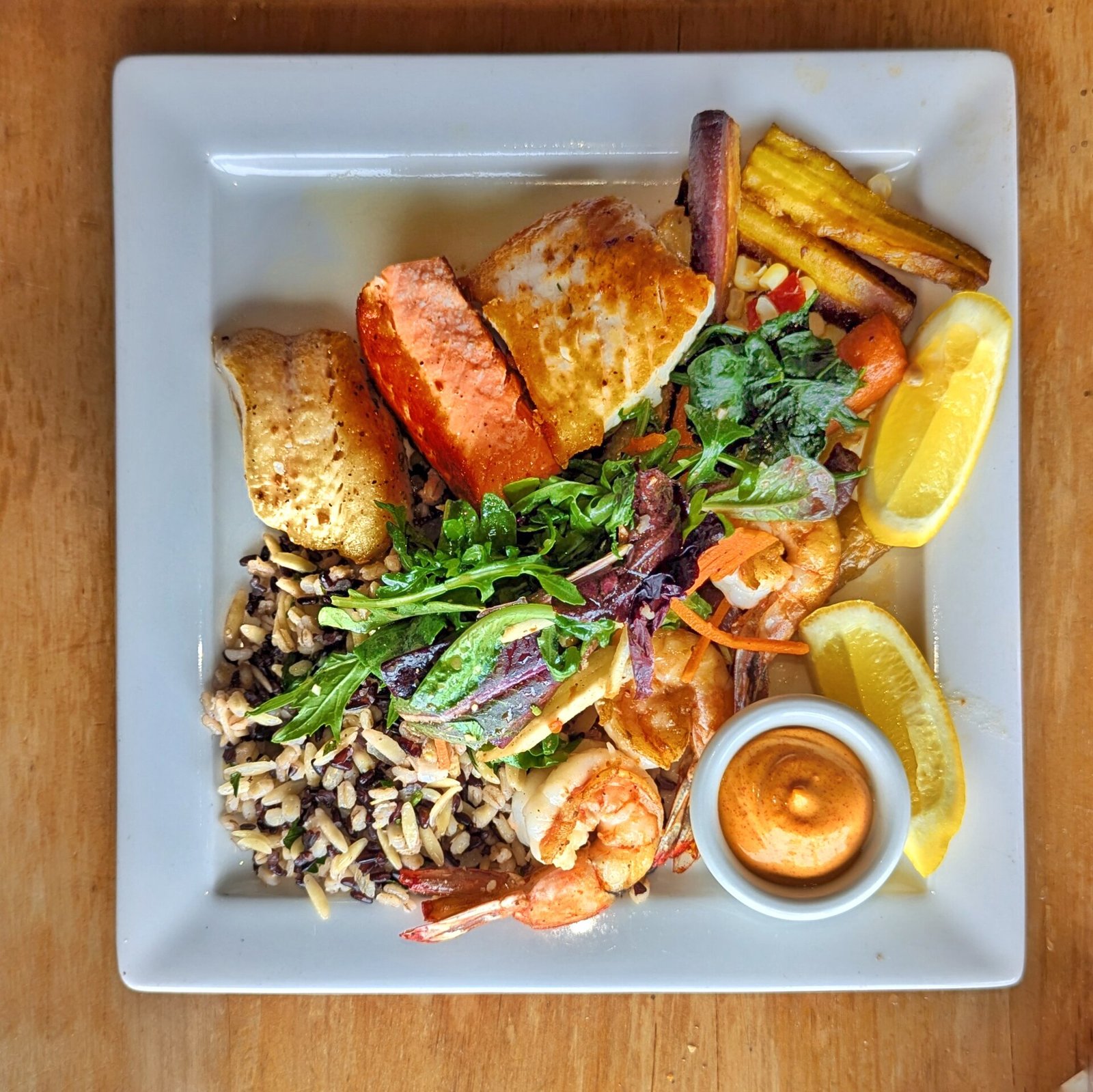
3. Default plate template
- – Half vegetables and fruit
- – Quarter whole grains or starchy vegetables
- – Quarter protein
- – Season with herbs; keep alcohol off the table during active cluster periods
4. Sample day (illustrative, non-alcoholic)
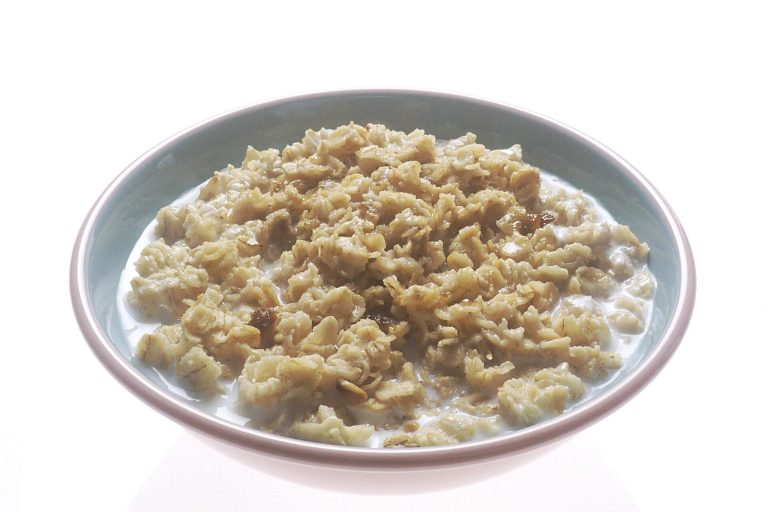
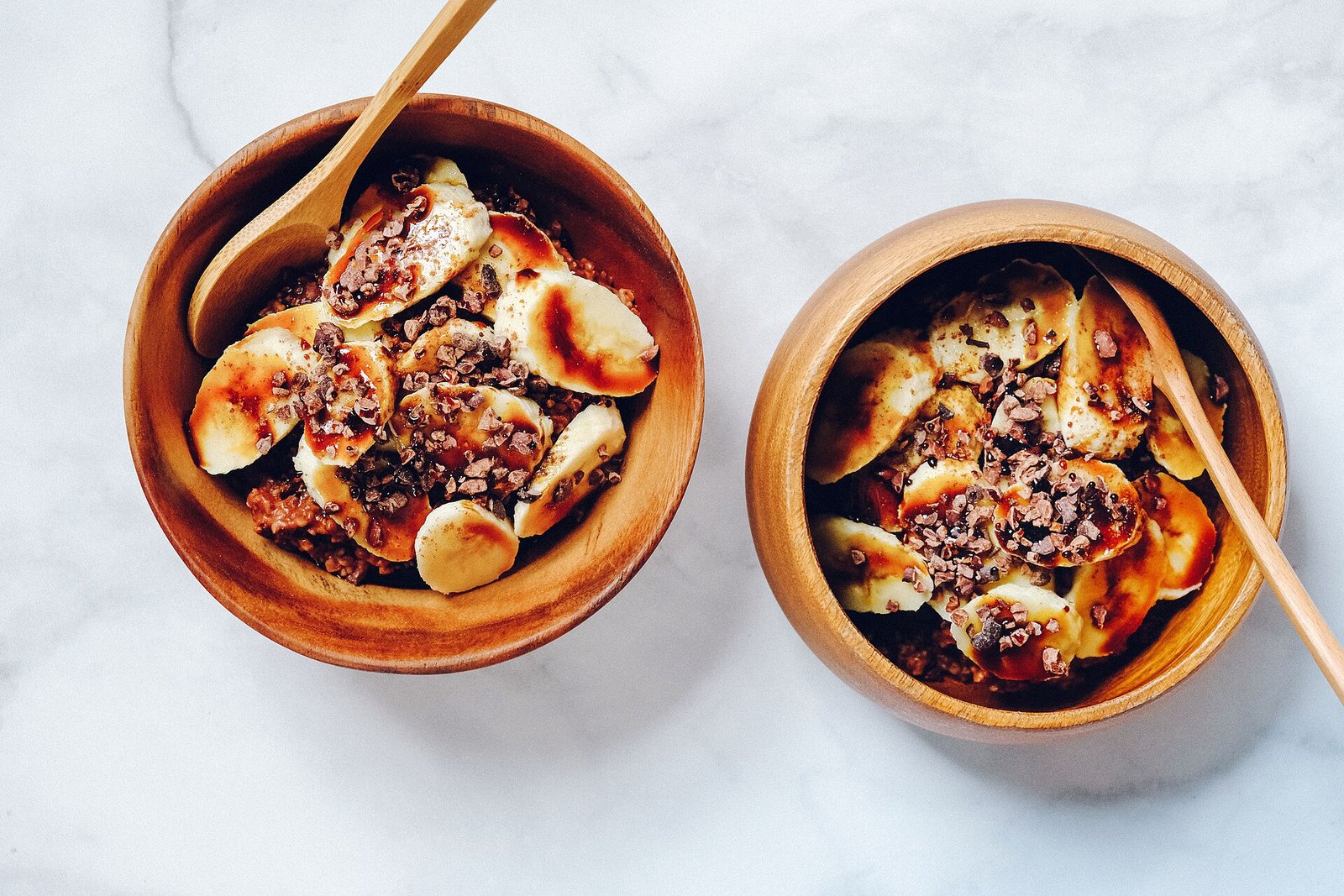
- – Breakfast: oatmeal with banana and yogurt; water.
- – Lunch: grilled chicken or bean salad with mixed greens and olive oil; fruit.
- – Snack: unsalted nuts or yogurt; water before evening.
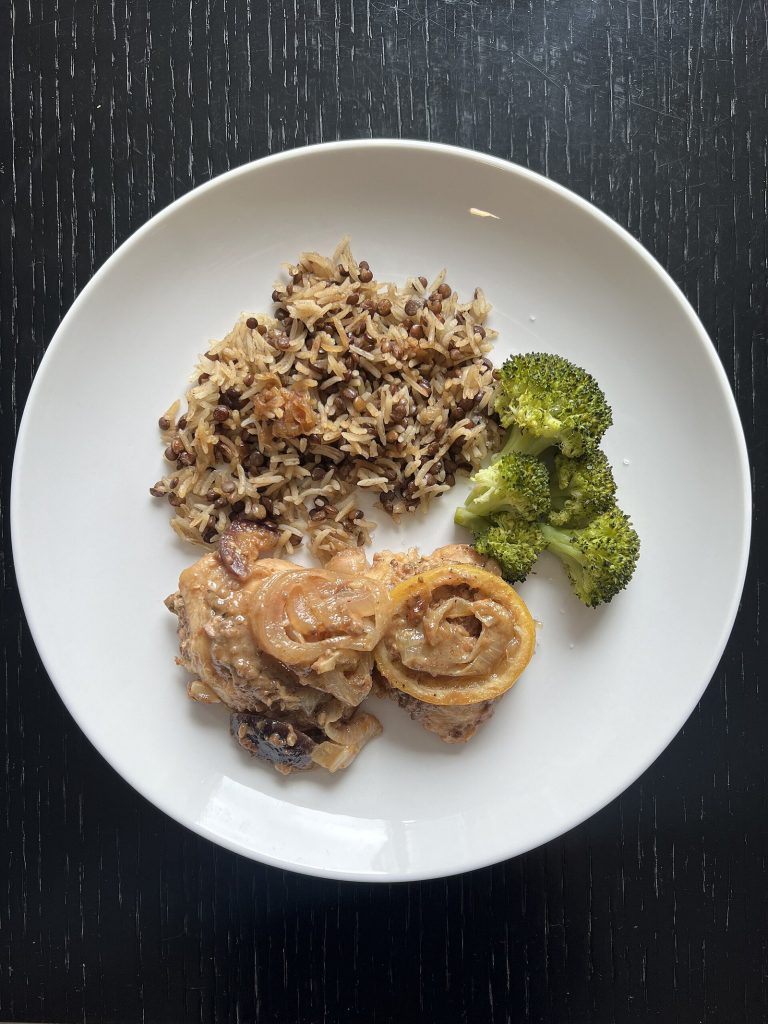
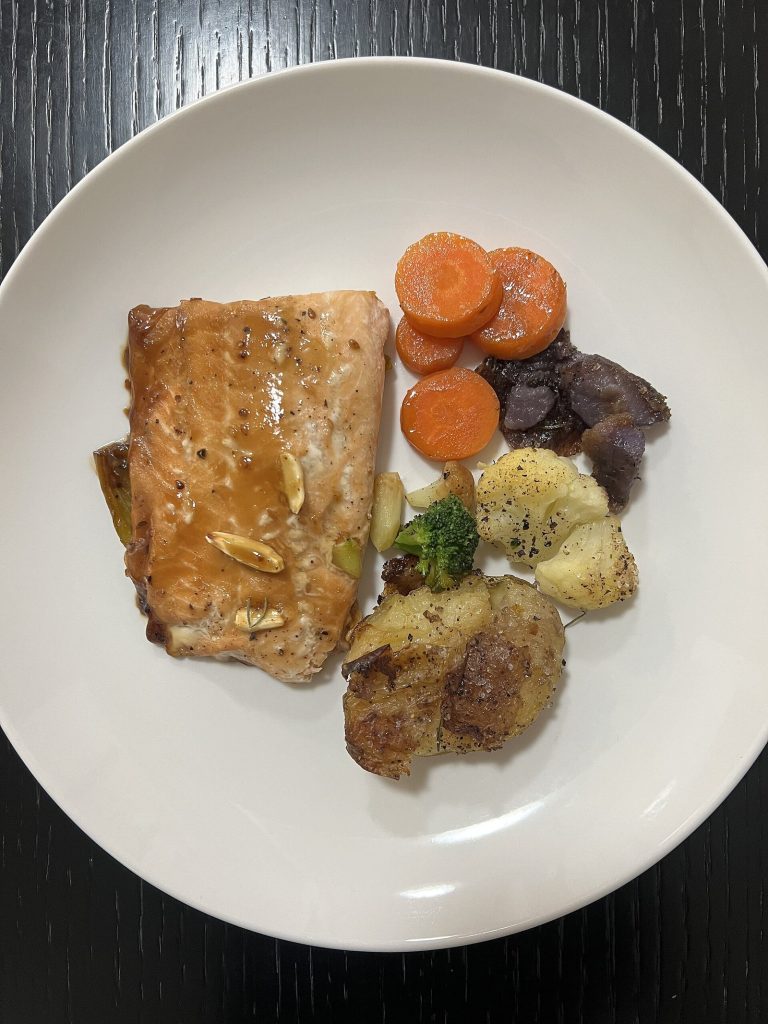
- – Dinner: baked fish, broccoli, brown rice; no wine.
- – Night: oxygen and medicines ready; light snack only if needed for adherence.
5. Eating out during a cluster period
Choose water or non-alcoholic drinks by default; skip “bottomless” wine service; keep portions moderate so night sleep stays usable.
6. When migraine or tension-type headache overlaps
Some adults have more than one headache diagnosis. Pair this page with migraine diet guide or tension headache diet guide only as kitchen context—still without stopping cluster-specific medical care.
Safety, interactions, and who should ask a clinician first
- – Cluster acute and preventive medicines, oxygen, and procedural options belong with a headache-capable clinician—diet is supportive only.
- – Sudden severe headache with fever, stiff neck, weakness, confusion, double vision, or post-injury onset: emergency care (NINDS warning list).
- – Verapamil and other preventives can interact with other drugs and medical conditions—ask before changing supplements or grapefruit products if your clinician has flagged interactions.
- – Pregnancy, breastfeeding, or planned surgery: review all supplements and herbal “headache” products.
- – Anxiety or sleep disruption during brutal cluster nights is common; food calming rituals are optional supports, not disease modifiers—see anxiety diet guide for general kitchen calm, not TAC treatment.
FAQ
Can a cluster headache diet stop a cluster period? No. NINDS frames care around clinical abortive and preventive options. Alcohol avoidance may reduce triggers; it does not replace oxygen or medicines.
Is red wine the only alcohol to avoid? NINDS highlights alcohol—especially red wine—as a trigger. Many clinicians advise avoiding alcohol entirely during active cluster periods; follow your specialist’s advice.
Do migraine elimination diets work for cluster? Not automatically. NINDS classifies cluster under TACs, separate from migraine. Use a personal journal rather than copying migraine lists wholesale.
Should I take high-dose supplements instead of verapamil? No. Do not stop prescribed preventives for unproven products without your clinician.
Why do attacks wake me at night—does late eating cause that? NINDS notes cluster attacks often occur at night and may relate to the sleep-wake cycle. Meal timing should support sleep and medicine access, not claim to reset circadian biology.
How this differs from related OTCFood topics
This page is a cluster-headache-bound diet guide focused on alcohol/smoking trigger awareness and adherence to medical TAC care. It is not a general migraine diet guide migraine protocol, not a tension headache diet guide tension-type plan, and not an insomnia diet guide sleep clinic—though sleep and stress kitchen habits often travel with brutal nocturnal attacks.
Medical disclaimer
Medical disclaimer: This article is for general information only. It is not medical advice, diagnosis, or a treatment plan. Cluster headache care depends on attack pattern, imaging when indicated, and prescribed acute and preventive therapies. Talk with a clinician or registered dietitian before starting, stopping, or changing any eating plan, supplement, or headache medicine. Seek emergency care for sudden severe headache with neurological warning signs.