Contact Dermatitis Diet: Foods That May Help and Foods to Limit
Medical note: This article discusses foods and researched botanicals. It does not claim to prevent, treat, or cure disease. Supplements are not a substitute for food, and studied amounts are not personal prescriptions.
For most people, contact dermatitis is driven by what touches the skin, not by dinner. The American Academy of Dermatology (AAD) explains allergic and irritant contact dermatitis and emphasizes identifying allergens—often with patch testing—while NHS describes red, itchy, blistered, or cracked skin after contact with triggers such as nickel, fragrances, preservatives, or irritants like detergents. Food can occasionally matter (for example, hand dermatitis in food handlers from repeated wet work and food proteins, or rare systemic reactions), but guesswork elimination diets are a poor first step compared with dermatology evaluation. This guide stays honest: diet is rarely primary; patch testing beats elimination guesswork.
What this contact dermatitis diet guide covers (and what it does not)
This guide is for adults with suspected or diagnosed contact dermatitis who keep hearing “just cut out food X.” It covers when food-related exposures matter, why patch testing comes first, and how to eat sensibly without malnutrition. It does not replace allergen avoidance lists from your dermatologist or treat eczema of other types without assessment.
Anchors: AAD — Contact dermatitis, NHS — Contact dermatitis.
Evidence snapshot: contact dermatitis diet claims vs public sources
| Claim people hope for | What public sources actually say | Confidence |
|---|---|---|
| “Cutting nightshades clears contact dermatitis” | AAD/NHS focus on contact triggers and patch testing—not nightshade cures | Unsupported as general advice |
| “Patch testing finds allergens” | AAD emphasizes identifying the cause; patch testing is a standard dermatology tool for allergic contact dermatitis | Strong |
| “Food never matters” | Too absolute—occupational food handling and rare dietary nickel or flavor exposures can matter in selected cases | Nuanced |
| “Moisturizers and trigger avoidance help” | NHS self-care emphasizes avoiding triggers and caring for skin | Strong |
| “Elimination diets are harmless” | Unnecessary restriction can harm nutrition and delay proper diagnosis | Caution |
When food-related exposures may matter (selected situations)
1. Hands in food work
Chefs, bakers, and food-service workers may get irritant dermatitis from wet work, soaps, and repeated washing, plus allergic reactions to foods they handle (garlic, spices, proteins). The “diet” fix is often glove protocols and workplace changes, not removing those foods from every meal if eating them does not flare you.
2. Oral or peri-oral contact
Flavored lip products, chewing gum additives, or foods left on the lips can contact facial skin. Rinse and gentle cleansing matter more than systemic elimination for many.
3. Systemic contact dermatitis (uncommon)
A dermatologist may discuss dietary avoidance of a proven allergen (for example, in some nickel-allergic patients with certain patterns). That plan should follow positive testing and specialist advice, not social media lists.
4. Cross-confusion with atopic eczema or food allergy
IgE food allergy, atopic dermatitis, and contact dermatitis are different pathways. AAD/NHS pages for contact dermatitis should not be mixed with anaphylaxis rules—urgent allergy symptoms need emergency care.
Foods and patterns that may help overall skin comfort (supportive only)
- – A balanced pattern with adequate protein, iron, zinc, and essential fatty acids to avoid nutritional skin stressors
- – Enough fluids if dryness accompanies topical steroid plans your clinician prescribed
- – Anti-inflammatory general patterns (vegetables, fish, nuts) as lifestyle support—not as contact-allergen treatment
These do not replace topical medicines, steroid courses when prescribed, or allergen avoidance.
Foods and habits to limit—or rethink
- – Do not start a broad elimination diet (dairy + gluten + nightshades + histamines) based on internet lists for contact dermatitis without clinician oversight
- – Limit repeated bare-hand contact with known personal allergens in the kitchen (for example, if patch testing showed garlic or fragrance allergy, handle accordingly)
- – Alcohol-heavy routines that impair sleep and itch control
- – Fragranced foods applied to skin as DIY masks (lemon juice, essential oils)—common irritants
Practical kitchen protocol: protect skin without wrecking nutrition
1. Get the diagnosis pathway right
See a GP or dermatologist for persistent rashes. Ask whether patch testing is appropriate. Bring photos and a list of products (soaps, gloves, foods handled at work).
2. If you cook for a living or love scratch cooking
- – Use appropriate gloves for wet work (check with dermatology which materials are safe for you)
- – Use utensils instead of bare hands for chopping allergens
- – Wash with mild cleansers; moisturize after washing as advised
3. Keep eating a complete diet while you wait for testing
Continue calcium sources, whole grains, proteins, and produce. Temporary product changes beat months of food fear.
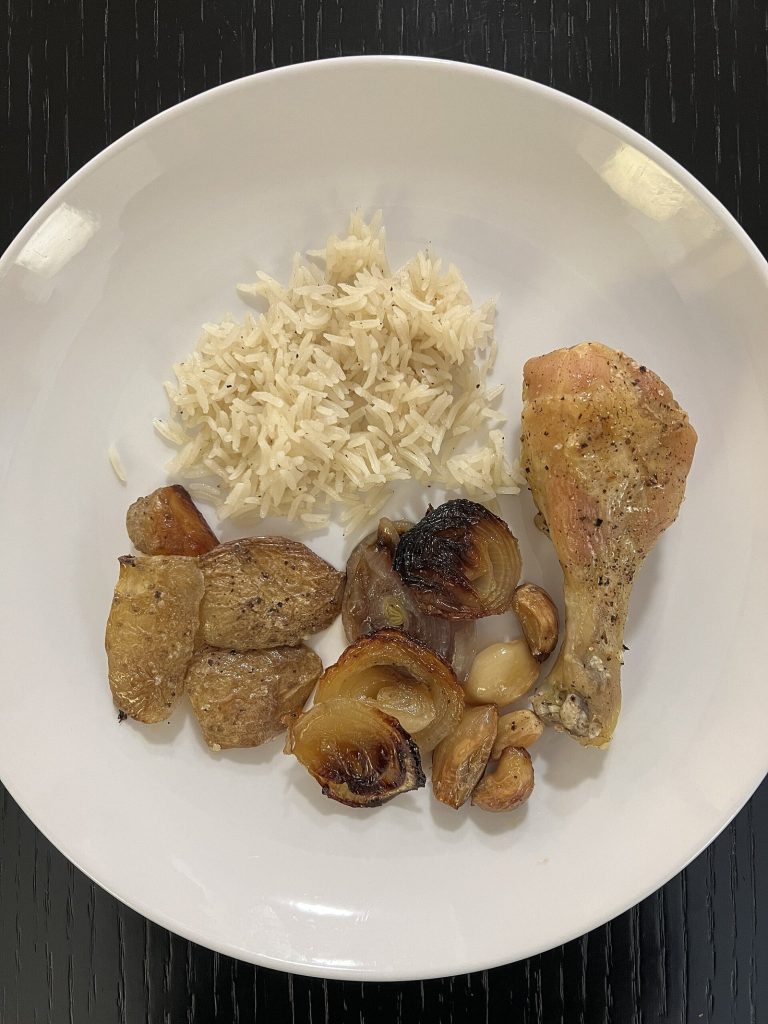
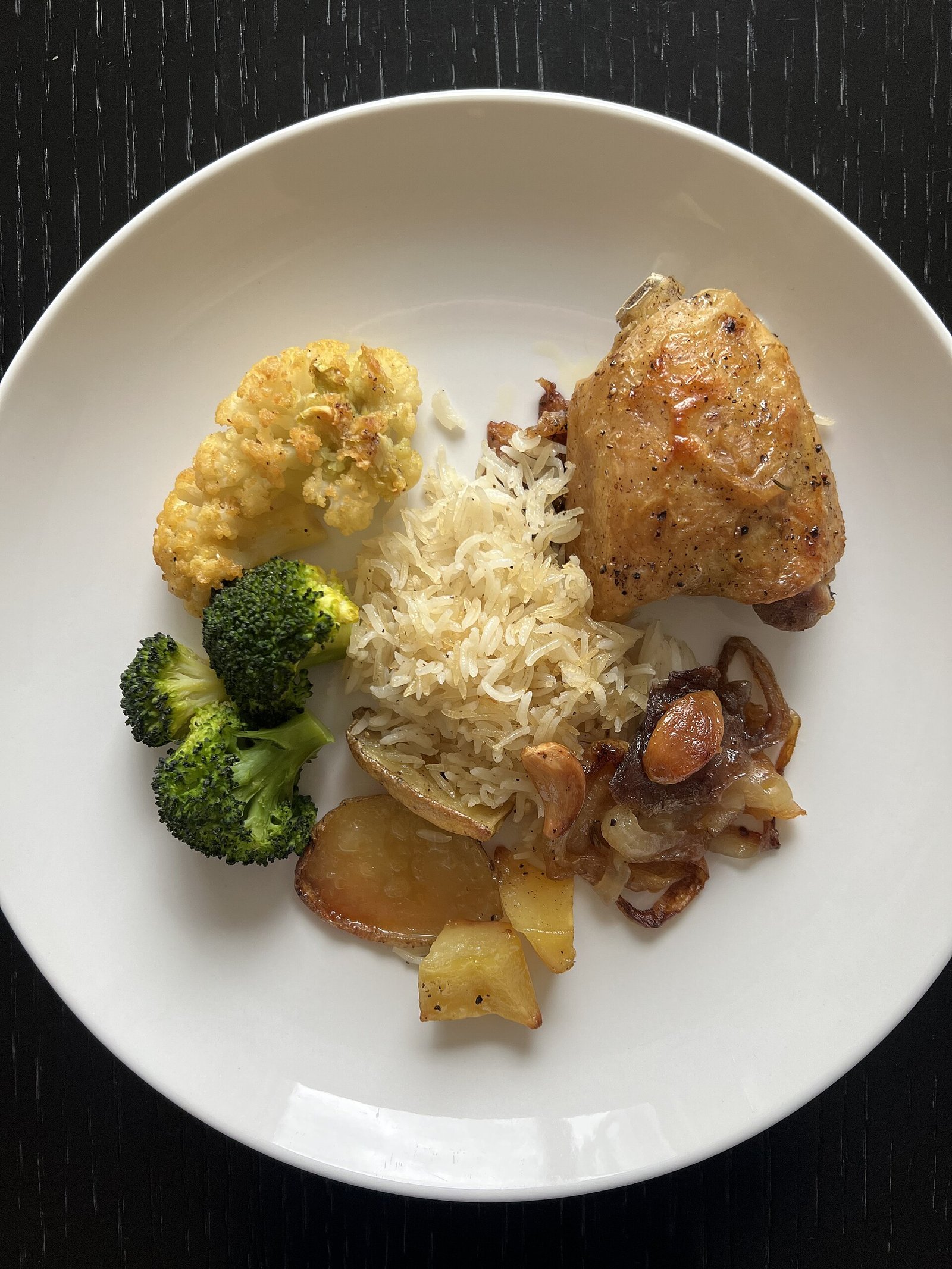
4. Sample day (normal healthy eating—not an elimination diet)
- – Breakfast: eggs, toast, fruit
- – Lunch: rice bowl with vegetables, tofu or chicken
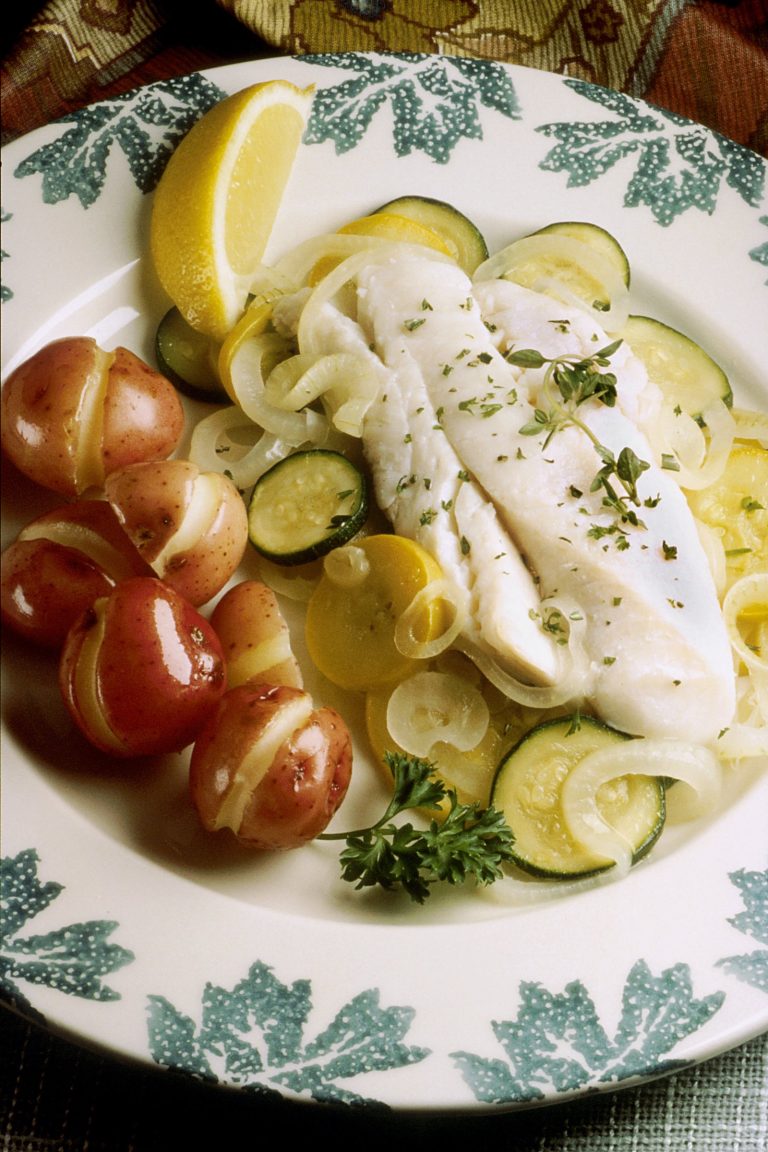
- – Dinner: fish, potatoes, salad
- – Adjust only after a clinician names a dietary allergen
5. Reading labels for product allergens
Fragrance, preservatives, and botanical extracts in skincare and dishwashing liquids are frequent culprits—often more relevant than grocery ingredient lists for classic contact dermatitis.
6. Children and restrictive diets
Do not put children on elimination diets for rashes without pediatric/allergy/dermatology guidance—growth and nutrient risks are real.
Safety, interactions, and when to get help

- – Spreading redness, fever, or honey-crusted sores can signal infection—seek care
- – Eye, genital, or widespread involvement needs prompt clinical review
- – Topical steroids and calcineurin inhibitors require correct use; food changes do not substitute
- – If breathing difficulty or anaphylaxis occurs after a food, call emergency services—that is not routine contact dermatitis
Weekly prep that protects hands without starving your diet
If wet work flares your hands, prep vegetables with gloves or a food processor, and choose one-pot meals that reduce dishwashing time. Keep fragrance-free dish soap that your dermatologist approved. Do not “test” spicy DIY skin remedies from the pantry on a rash. Maintain a normal grocery list rich in plants and proteins while you wait for patch-test results—nutrient-poor elimination diets rarely fix contact allergy and can create new problems. After testing, follow only the allergen list you were given; throw out the 20-food ban you printed from a forum.
Nickel, balsam, and other specialist diet stories
Occasionally dermatologists discuss dietary nickel reduction or balsam of Peru–related flavor avoidances for carefully selected patients with positive tests and compatible rashes. Those plans are narrow, time-limited, and supervised—nothing like deleting entire food groups because a blog said “inflammation.” If you were not given a written allergen diet by your dermatologist, you do not need one for ordinary contact dermatitis.
Sample shopping list that is intentionally ordinary
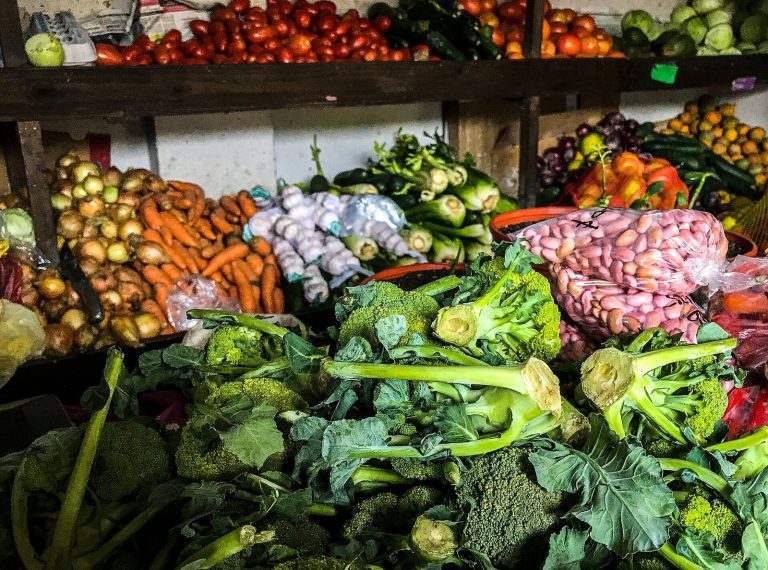
Buy the same balanced groceries you would for general health—produce, proteins, grains—plus fragrance-free dish soap and any glove type your dermatologist endorsed. The point is to show that contact dermatitis care lives in the sink and the product aisle more often than in the produce bans.
Putting patch testing and diet rumors in perspective
While awaiting patch-test results, photograph flares after specific exposures (new soap, gloves, foods handled raw). Eating the same food without hand contact is a useful contrast experiment your dermatologist may ask about. Continue a complete diet. After results, implement only named avoidances. If the report lists fragrance mix or preservatives, audit the laundry and dishwashing aisle before the pantry.
FAQ
Will cutting dairy clear contact dermatitis? Not as a general rule. AAD/NHS emphasize contact triggers; dairy elimination is not first-line for typical contact dermatitis.
What works better than guessing foods? Allergen identification, often including patch testing for allergic contact dermatitis, plus trigger avoidance and skin care.
Can foods I eat cause a rash on my hands? Usually hands flare from what they touch. Eating a food is a different exposure route and is less often the driver unless a specialist finds systemic contact dermatitis.
Should I try a histamine-free diet? Not routinely for contact dermatitis. Ask a dermatologist before specialized diets.
Is contact dermatitis the same as food allergy? Usually no. Contact dermatitis is typically from skin contact; IgE food allergy can cause hives, swelling, or anaphylaxis after eating. Get the correct pathway diagnosed.
How this differs from related OTCFood topics
Unlike eczema diet guide, this page stresses that contact dermatitis is primarily exogenous on the skin. For nutrient deficiency mimics that can affect skin appearance, see iron deficiency anemia diet guide and vitamin D deficiency diet guide—only if clinically relevant.
Medical disclaimer
Medical disclaimer: This article is educational only and is not dermatologic advice. Contact dermatitis diagnosis and patch testing belong with licensed clinicians. Do not use restrictive diets to delay proper care. Seek urgent help for infection signs, severe swelling, or breathing problems.