Liver Cirrhosis Diet: Foods That May Help and Foods to Limit
Medical note: This article discusses foods and researched botanicals. It does not claim to prevent, treat, or cure disease. Supplements are not a substitute for food, and studied amounts are not personal prescriptions.
Diet cannot reverse cirrhosis or replace medicines, procedures, or transplant evaluation. NIDDK is clear that cirrhosis often leads to malnutrition—research suggests 50% to 90% of people with cirrhosis have it—and that what you eat and drink still matters for staying nourished and avoiding infections. The supportive pattern usually emphasizes enough calories and protein, smaller, more frequent meals, and no alcohol, with sodium limits only as your care team directs. This guide is educational support, not a cure claim.
What this cirrhosis diet guide covers (and what it does not)
This guide is for adults living with cirrhosis who want NIDDK-aligned food habits. It covers meal timing, protein and calorie density, foods to avoid for infection risk, alcohol, and when to see a dietitian. It does not cover staging, ascites dosing, hepatic encephalopathy protocols, or transplant listing—those belong with your hepatology team.
Anchors: NIDDK — Eating, Diet, & Nutrition for Cirrhosis, NIDDK — Cirrhosis.
Evidence snapshot: cirrhosis diet claims vs public sources
| Claim people hope for | What public sources actually say | Confidence |
|---|---|---|
| “A special diet cures cirrhosis” | NIDDK: diet supports nutrition needs; alcohol causes more damage if continued—no cure claim | Strong (no cure) |
| “Malnutrition is common” | NIDDK: research suggests 50–90% of people with cirrhosis have malnutrition | Strong |
| “Skip meals if nauseated” | NIDDK: avoid fasting too long; smaller, more frequent meals; snack before bed or early breakfast | Moderate-to-strong |
| “Protein should be severely restricted for everyone” | NIDDK: meal plans should provide needed protein; individualized by clinicians | Moderate |
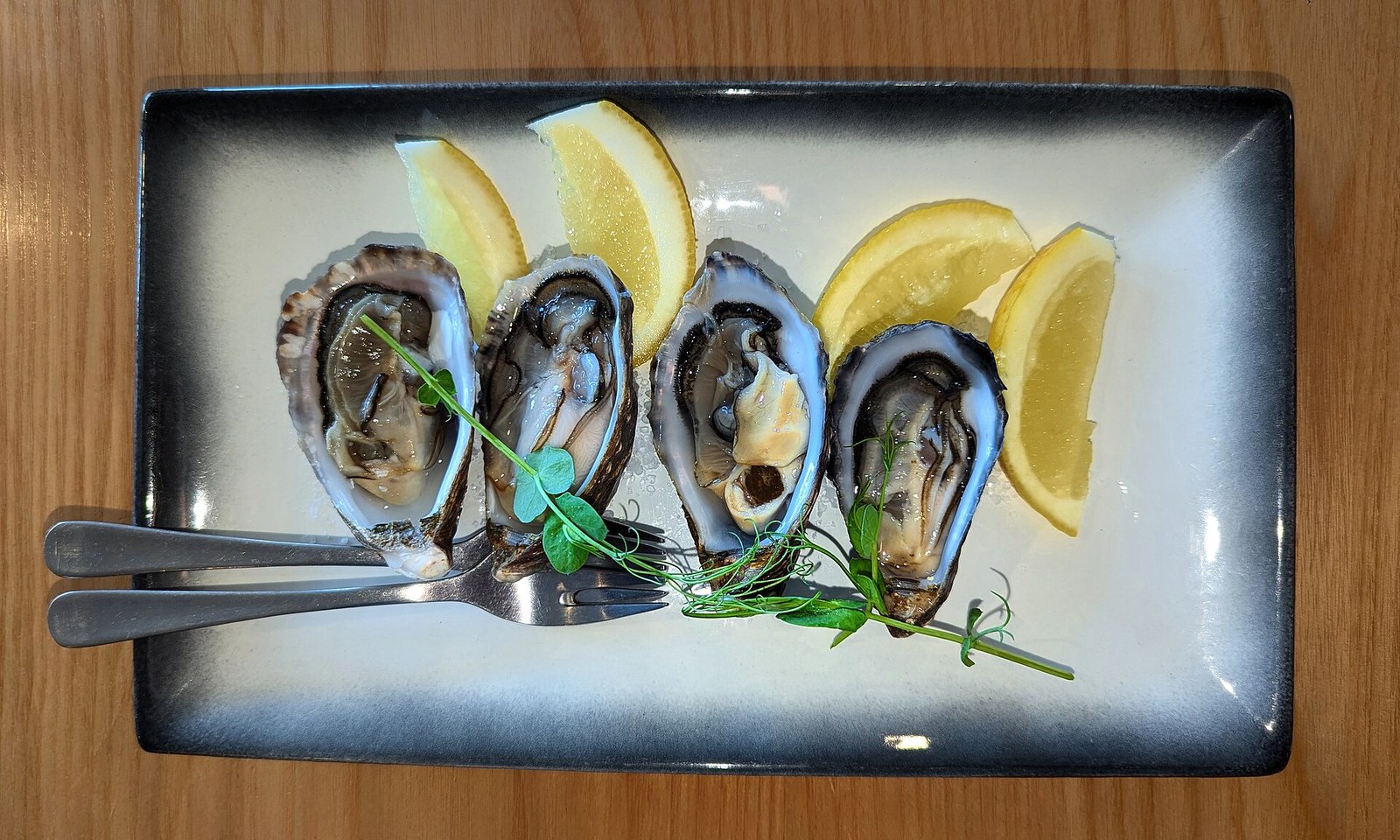
| “Raw oysters are fine if I feel OK” | NIDDK: avoid raw/undercooked shellfish, fish, meat, and unpasteurized dairy—infection risk | Strong |
| “Herbal liver cleanses help” | NIDDK: talk with your doctor before supplements, including herbal ones | Strong caution |
Foods and patterns that may help with cirrhosis nutrition
“May help” means supporting nutrition and reducing avoidable risks alongside medical care.
Smaller, more frequent meals (NIDDK)
Cirrhosis changes how the body stores and uses nutrients. Health care professionals may recommend:
- – Smaller meals more often instead of long gaps
- – Eating every 3 or 4 hours while awake
- – A snack before bedtime or an early breakfast after waking
Adequate protein and calories
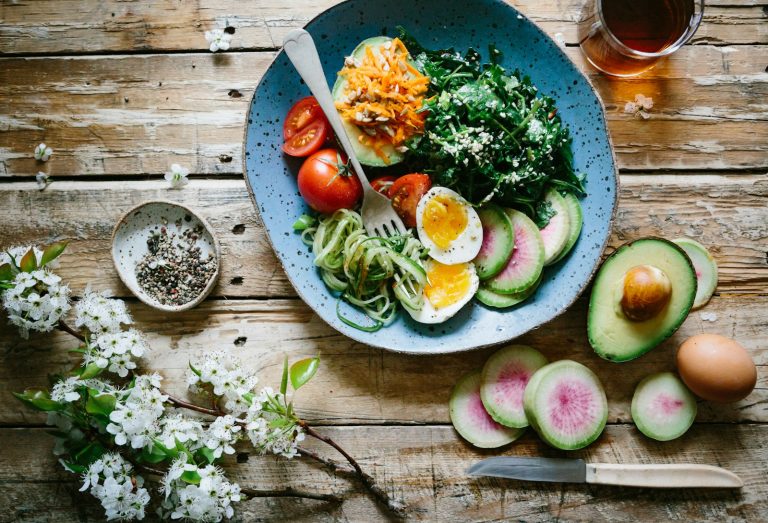
NIDDK says professionals can recommend a meal plan with the calories and nutrients—especially protein—your body needs. Soft, easy proteins many people use when appetite is low include eggs, yogurt (if tolerated), fish, chicken, tofu, lentils, and cottage cheese—adjust for sodium and fluid rules your clinician sets.
Nutrient-dense snacks between meals
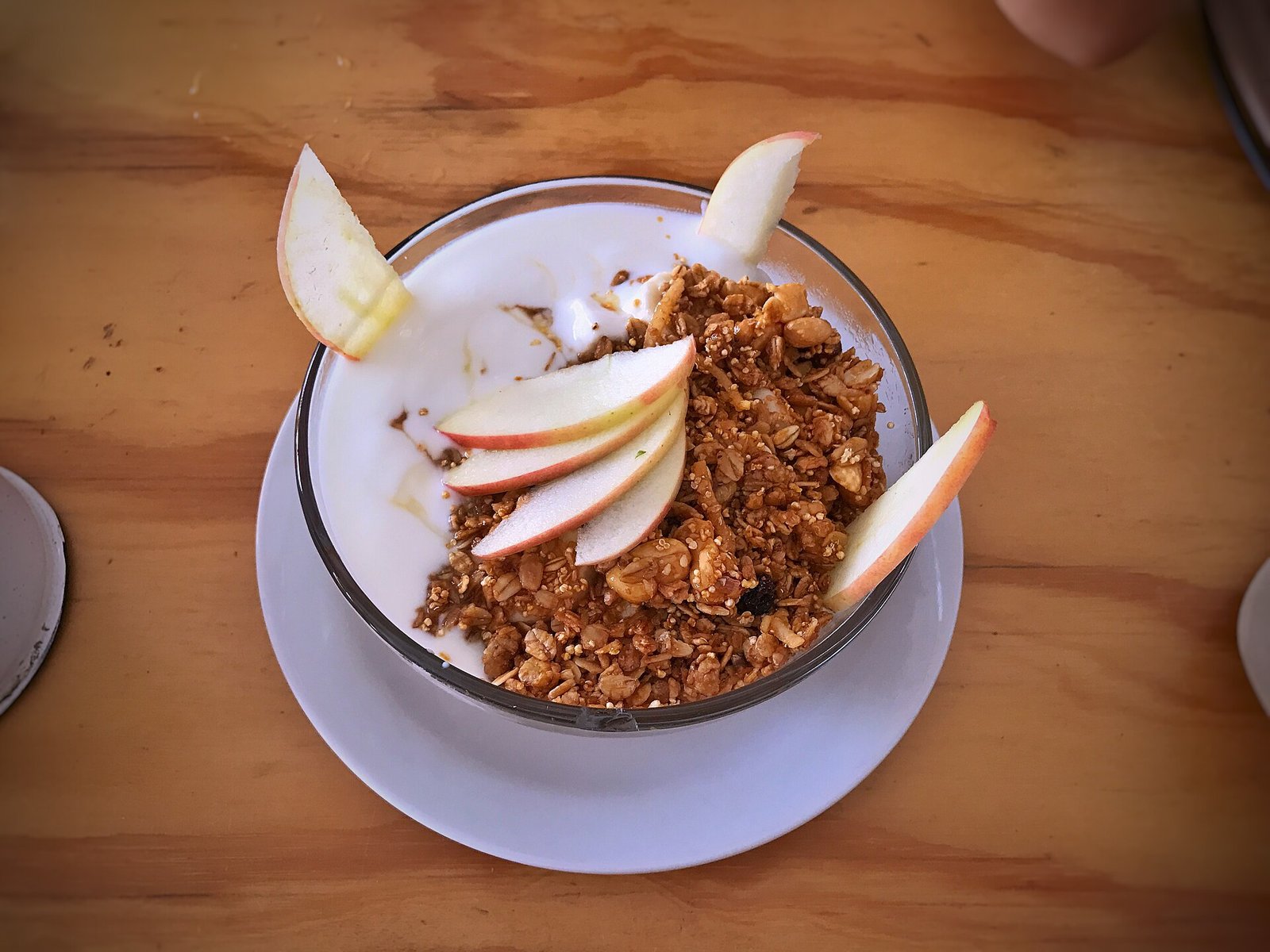
If nausea or early fullness limits portions, try yogurt with fruit, a peanut-butter sandwich, cheese and crackers (sodium-aware), a smoothie with milk or fortified plant milk, or leftover rice with egg.
Dietitian-guided supplements when levels are low
NIDDK notes clinicians may recommend certain dietary supplements if nutrient levels are low. Talk with your doctor before any supplement, including herbal products.
Hydration and sodium only as prescribed
Your doctor may recommend limiting sodium. Do not invent a severe low-salt diet or a high-salt diet on your own if you have ascites or kidney issues—ask first.
Foods and drinks to limit or avoid
- – Alcohol: NIDDK says you should completely stop drinking alcohol because it can cause more liver damage.
- – Raw or undercooked shellfish, fish, and meat
- – Unpasteurized milk and milk products
- – High-sodium packaged soups, deli meats, and salty snacks if your clinician has set a sodium limit
- – Unverified “detox teas,” high-dose vitamin A megadoses, and random herbal blends marketed for the liver without clinician review
Practical kitchen protocol: a supportive cirrhosis eating plan
1. Book a registered dietitian
NIDDK strongly points people with cirrhosis to a registered dietitian for individualized meal plans. Ask your insurer what is covered.
2. Build a 3–4 hour meal/snack rhythm
Example skeleton (illustrative only):
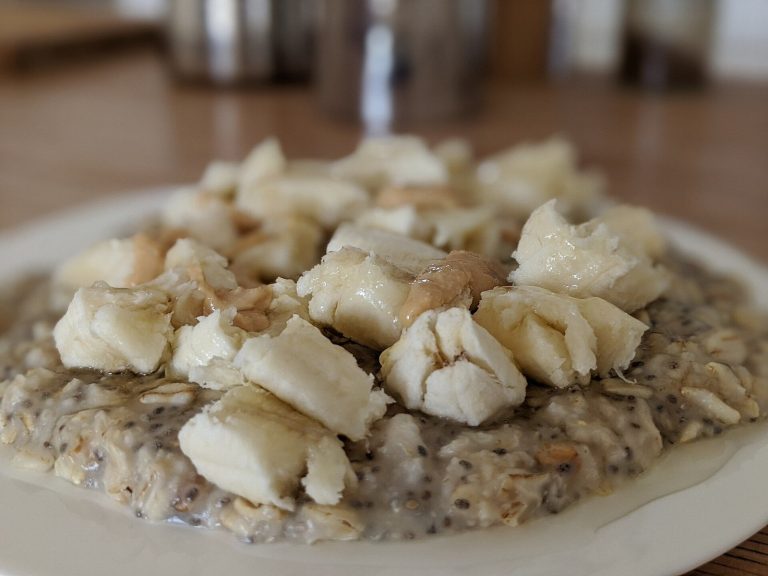
- – Breakfast: oatmeal with milk or fortified soy milk, banana, egg
- – Mid-morning: yogurt or cottage cheese and fruit
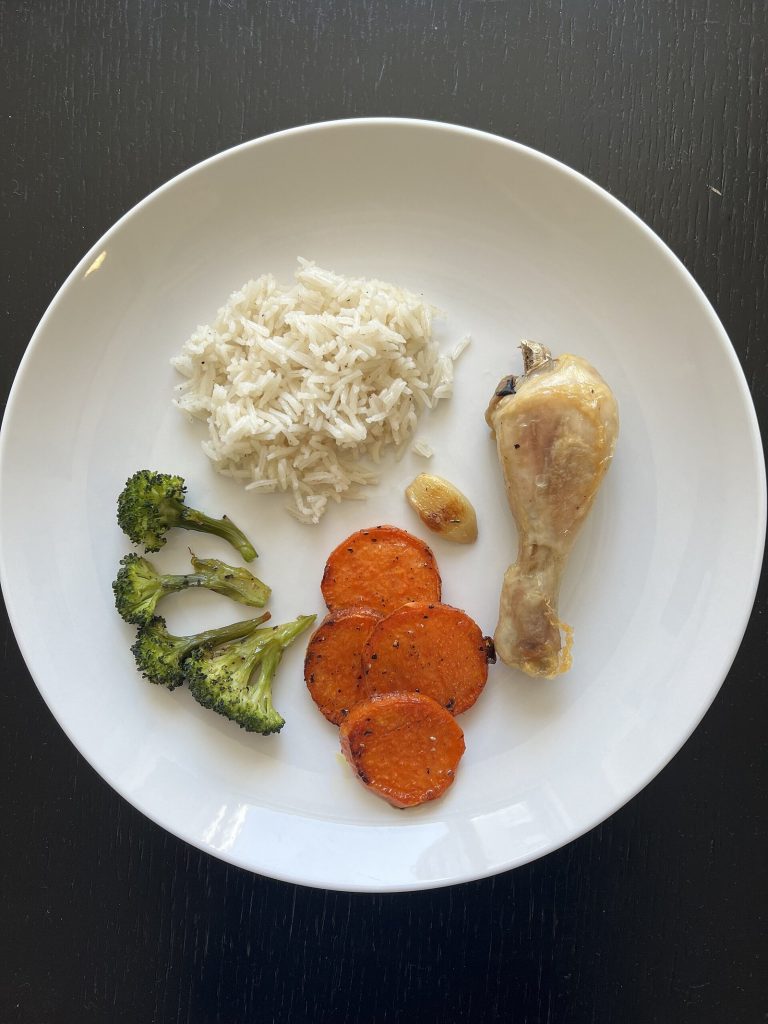
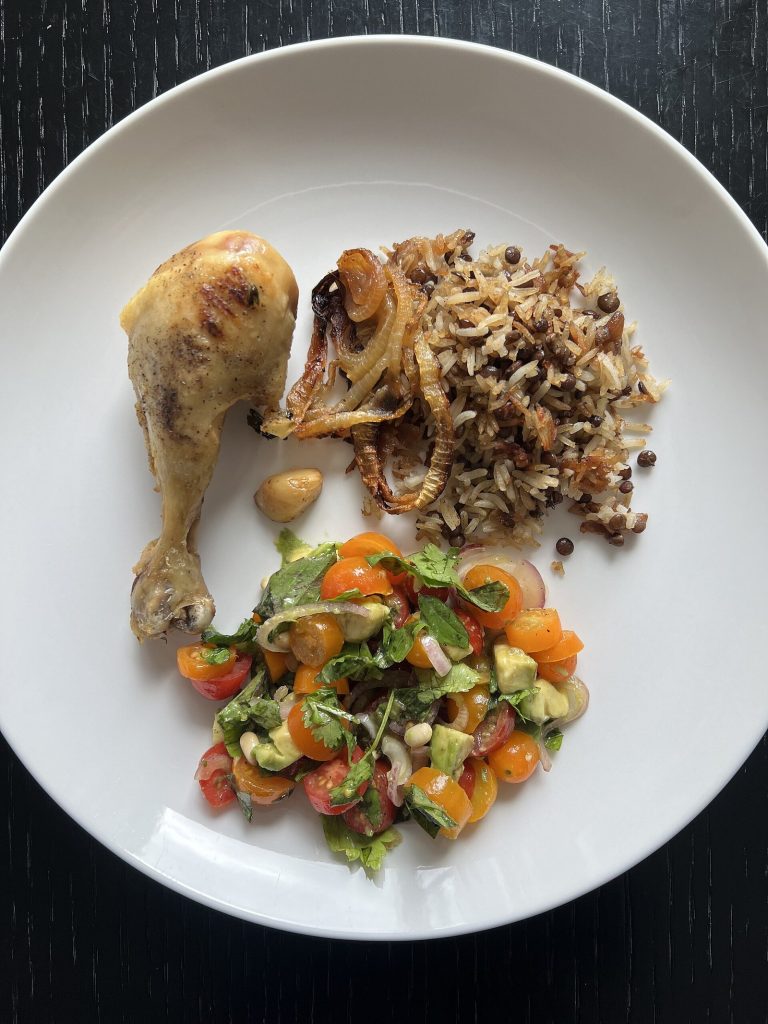
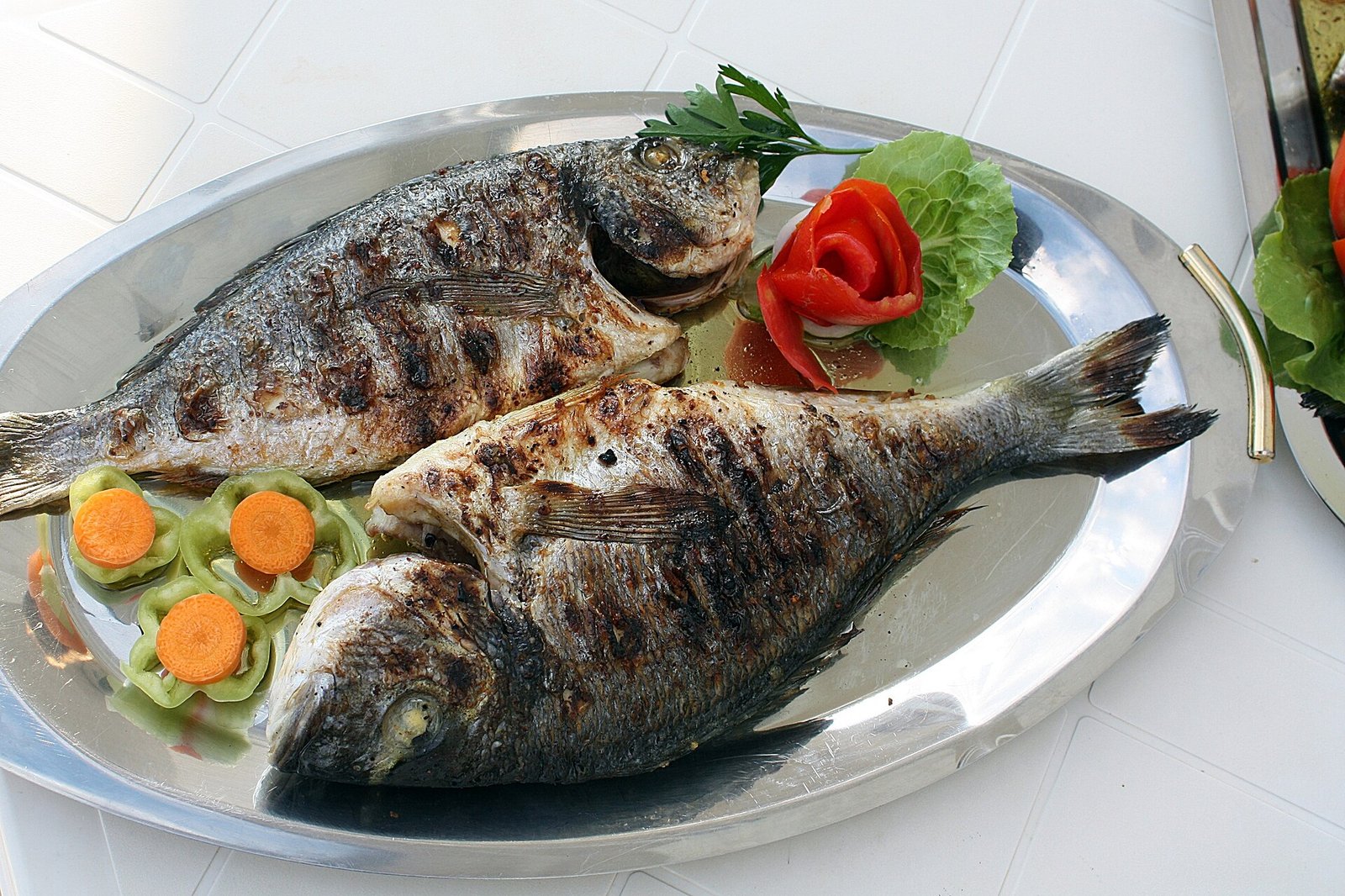
- – Lunch: baked fish or chicken, rice, cooked vegetables
- – Afternoon: toast with peanut butter or hummus
- – Dinner: tofu or lean meat stir-fry with soft vegetables and noodles
- – Bedtime snack: cereal and milk, or a cheese sandwich if sodium allows
3. Food-safety rules every shopping trip
Buy pasteurized dairy. Cook shellfish, fish, and meat thoroughly. Reheat leftovers until steaming hot. When appetite is poor, prioritize cooked foods from trusted kitchens over raw bars.
4. Sodium strategy if prescribed
Read labels; rinse canned beans; flavor with herbs, lemon, garlic, and pepper instead of salt packets; choose low-sodium broths when available.
5. Alcohol-free social swaps
Sparkling water with citrus, alcohol-free ginger drinks without excess sugar if diabetes is present, or tea. Tell hosts you are medically dry—not “cutting back.”
6. When nausea dominates
Try cold foods instead of hot, dry crackers before meds if advised, ginger tea only if your clinician says it is fine with your medicines, and liquid nutrition shakes that are pasteurized. Do not force large plates.
7. Track weight, appetite, and swelling
Sudden weight gain, swelling, confusion, vomiting blood, or black stools need urgent medical care—not a DIY diet tweak.
Safety, interactions, and when to get help
- – Diet is supportive only. It does not cure cirrhosis or replace antivirals, diuretics, banding, or other prescribed care.
- – Herbal supplements can harm an already injured liver; NIDDK advises clinician clearance first.
- – Protein, fluid, and sodium targets differ if you have ascites, encephalopathy, or kidney disease—follow your team, not generic internet lists.
- – Seek emergency care for confusion, severe abdominal pain, fever after eating seafood, vomiting blood, or fainting.
Shopping and prep checklist
- – Pasteurized dairy only
- – Fully cooked proteins; no raw fish platters
- – Fruit washed; vegetables cooked if raw produce has been a problem during low immunity periods your clinician flagged
- – Separate cutting boards for raw meat
- – Label low-sodium options if sodium is restricted
- – Keep bedtime snack ingredients visible so long overnight fasts are less likely
Weekly prep when energy and appetite are low
Choose two “anchor proteins” for the week—such as baked chicken thighs and a pot of lentils—and portion them with rice in shallow containers for quick reheating. Keep pasteurized yogurt cups and bananas at eye level for the every-3–4-hour rhythm NIDDK-style snacking needs. Pre-wash fruit; skip raw shellfish platters entirely when friends invite you out—carry a card that says you must avoid raw seafood for medical reasons if that helps socially. If sodium is restricted, cook from dry beans and low-sodium stock rather than relying on takeout soup. Put a non-alcoholic drink plan on the fridge so evening habits do not slide back toward alcohol.
Confusion, protein, and why you should not freestyle
Online advice sometimes tells every cirrhosis patient to slash protein. That can worsen malnutrition and sarcopenia. NIDDK emphasizes meeting protein needs with clinician guidance. If you develop sleepiness, confusion, or personality changes, seek medical care immediately—those symptoms are not a cue to invent a new diet at home.
FAQ
Can diet reverse cirrhosis? No. NIDDK frames eating and drinking as nutrition support and risk reduction (especially stopping alcohol), not a cure.
Why eat so often? Cirrhosis changes nutrient storage and energy use; NIDDK notes clinicians may recommend smaller, more frequent meals and avoiding long fasts.
Is protein bad for cirrhosis? Not automatically. NIDDK highlights meeting protein needs; only your clinician should set restrictions if they apply to you.
Why avoid raw shellfish? Bacteria or viruses from raw or undercooked shellfish, fish, meat, or unpasteurized dairy may cause severe infections in people with cirrhosis (NIDDK).
Do I need vitamin supplements? NIDDK says clinicians may recommend supplements if levels are low, but you should talk with your doctor before taking any—including herbal products.
How this differs from related OTCFood topics
This page is supportive nutrition for established cirrhosis. For metabolic liver fat patterns see fatty liver diet basics. For related gut comfort topics see peptic ulcer diet guide and constipation diet guide. Muscle loss concerns may overlap with sarcopenia diet guide.
Medical disclaimer
Medical disclaimer: This article is for general information only and is not medical advice or a treatment plan. Cirrhosis care is individualized. Follow your hepatology team and a registered dietitian before changing diet, sodium, protein, fluids, or supplements. Stop alcohol completely as advised by your clinicians. Seek emergency care for alarming symptoms such as confusion, bleeding, or high fever.