UTI Diet: Foods That May Help and Foods to Limit
Medical note: This article discusses foods and researched botanicals. It does not claim to prevent, treat, or cure disease. Supplements are not a substitute for food, and studied amounts are not personal prescriptions.
People searching “UTI diet foods that help or worsen” usually want drink and cranberry guidance around bladder infections—not a claim that food replaces antibiotics or delays care for kidney infection. The National Institute of Diabetes and Digestive and Kidney Diseases (NIDDK) states researchers do not think diet can help prevent or treat bladder infections in a definitive food-protocol sense. Cranberry products do not treat existing bladder infections; some research suggests they may help prevention, but evidence is not strong enough to be sure. What NIDDK does emphasize: drinking enough liquids—water is best—can help prevent or relieve bladder infections by flushing bacteria. Antibiotics remain the usual treatment when bacteria cause infection. This is supportive nutrition beside medical care, especially for a condition that can climb to the kidneys.
What this UTI diet guide covers (and what it does not)
This guide is for adults with uncomplicated bladder-infection questions who want evidence-honest kitchen and hydration defaults. Anchors: NIDDK — Bladder Infection: Eating, Diet, & Nutrition, NIDDK — Bladder Infection: Treatment, MedlinePlus — Urinary Tract Infections, and NHS — Urinary tract infections (UTIs).
MedlinePlus notes UTIs are common, especially in women, and lists burning urination, urgency, cloudy or reddish urine, fever, and back/side pain among warning signs. Fever, shaking chills, back pain under the ribs, vomiting, or confusion needs prompt medical care—not more cranberry juice alone.
Evidence snapshot: UTI diet claims vs public sources
| Claim people hope for | What public sources actually say | Confidence |
|---|---|---|
| “A UTI diet treats the infection” | NIDDK: researchers don’t think diet treats bladder infections; antibiotics are usual for bacterial UTIs | Strong against food-as-treatment |
| “Cranberry juice cures a UTI” | NIDDK: cranberry products do not treat existing bladder infections; prevention evidence is uncertain | Strong against cure claims; low–moderate for prevention curiosity |
| “Drinking more water may help” | NIDDK: enough liquids can help prevent or relieve bladder infections; water is best; fluids help flush bacteria during recovery | Moderate for supportive hydration |
| “Avoid all coffee and spicy food forever” | Public UTI pages prioritize fluids and medical care over universal spice bans; personal bladder irritants vary | Low for blanket bans |
| “Finish antibiotics only if you feel better” | NIDDK: finish the full antibiotic course as prescribed to reduce resistance risk | Strong adherence message |
Foods and patterns that may help with UTI day-to-day support
“May help” means hydration and recovery-friendly eating while medicines work—not a promise to clear bacteria without clinical care.
Fluids first (NIDDK)
- – Drink lots of liquids to stay hydrated and help healing; water is best.
- – Extra fluids help flush bacteria from the urinary tract during treatment.
- – If you have heart failure, kidney disease, or incontinence that limits fluid intake, ask your clinician how much is safe—NIDDK flags these conditions explicitly.
Eating while you recover
- – Keep easy, regular meals so fever and fatigue do not lead to skipped nutrition.
- – Include normal balanced plates (vegetables, fruit, grains, proteins) unless your clinician sets another plan.
- – A heating pad on the back or abdomen may ease pain (NIDDK)—pair with fluids and prescribed care.
Cranberry products—honest framing
- – Do not use cranberry juice, extract, or pills as treatment for an active UTI (NIDDK).
- – Some people discuss cranberry for prevention after clinician advice; evidence is mixed and not conclusive.
- – Talk with a health professional before supplements—NIDDK advises this for safety, including interactions.
After antibiotics
- – Resume your usual balanced diet; yogurt with live cultures is sometimes used for general gut comfort after antibiotics, but it is not a UTI treatment.
- – Keep water habits high if you get recurrent infections and your clinician agrees.
Foods and habits that often worsen UTI kitchen patterns
- – Relying on cranberry juice instead of seeing a clinician when symptoms start—delays antibiotics when needed.
- – Sugar-heavy “juice cleanses” that add calories without proven antibacterial benefit for active infection.
- – Alcohol binge drinking that dehydrates and impairs judgment about seeking care.
- – Stopping antibiotics early because symptoms improved (NIDDK antibiotic-resistance warning).
- – Extreme fluid restriction without medical reason.
- – Unverified herbal UTI “flush” products marketed as antibiotic substitutes.
“Limit” means avoid substituting drinks for medical care—not that one cup of coffee ruins recovery if you still hydrate well.
Practical kitchen protocol: a UTI-aware hydration week
1. If symptoms suggest a UTI, contact a clinician first
Burning urination, urgency, cloudy or bloody urine, fever, or flank pain needs assessment. Diet comes second.
2. Set a water plan you can actually follow
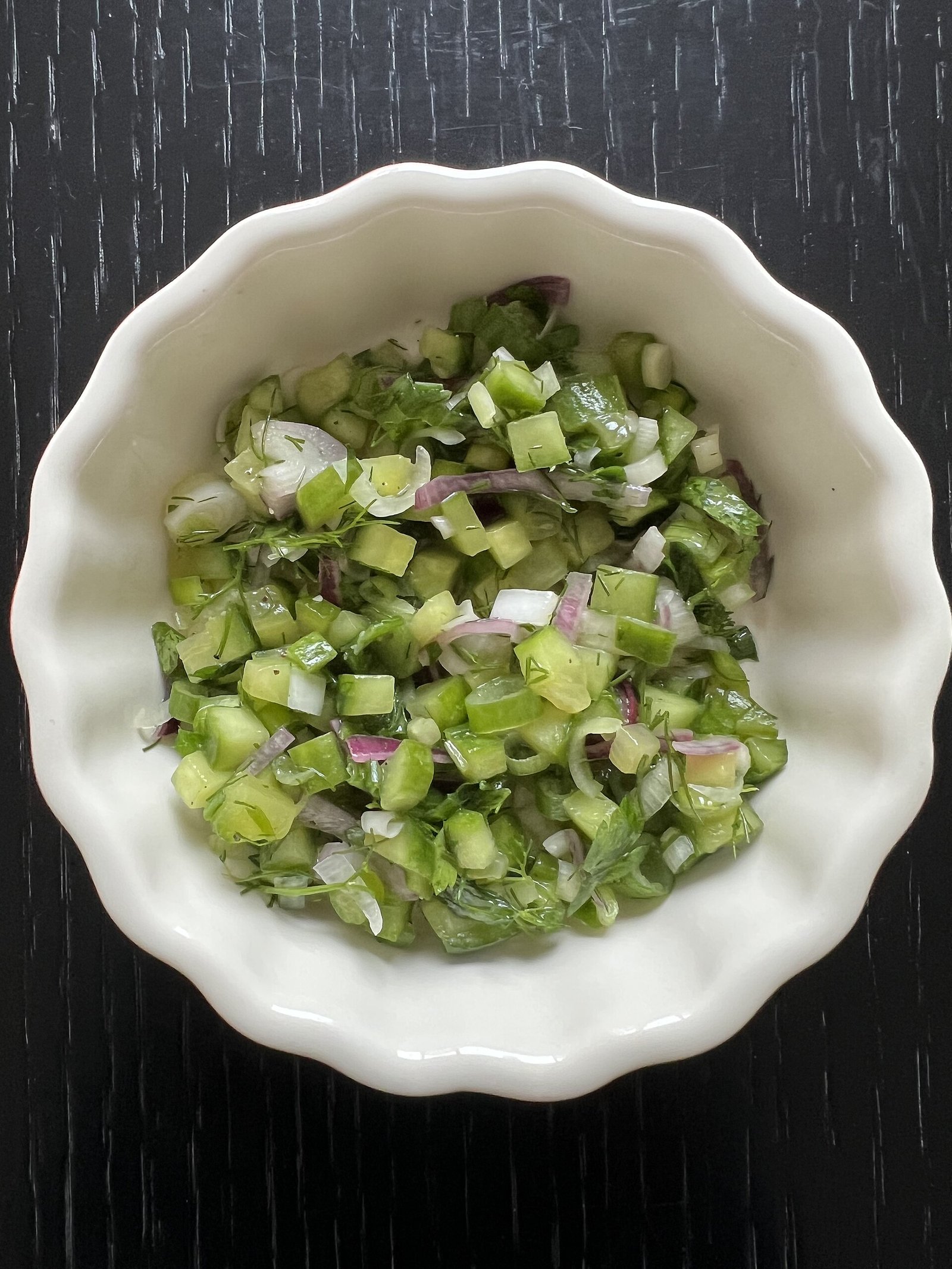
Carry a bottle; sip through the day; include water-rich foods (cucumber, melon, soups) if helpful. Confirm volume limits if you have heart or kidney disease.
3. Build a recovery shopping list
Water, oral rehydration if advised when feverish, soft fruits, yogurt, soups, easy proteins, and your prescribed antibiotic—nothing that replaces the prescription.
4. Sample day during recovery (illustrative)
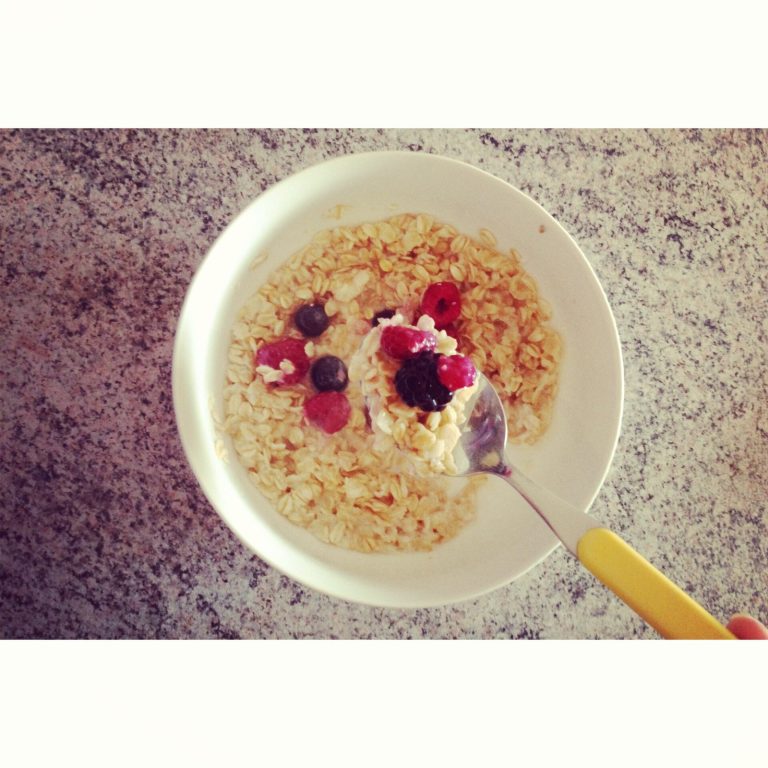
- – Morning: water on waking; oatmeal with fruit; take antibiotics exactly as labeled (with or without food per instructions).
- – Midday: sandwich or rice bowl; large water bottle emptied twice by afternoon if your clinician allows liberal fluids.
- – Snack: yogurt or fruit; more water.
- – Evening: soup and protein; water or herbal tea; heating pad if needed.
- – Avoid: using cranberry cocktails as “treatment doses.”
5. Prevention-focused habits (with clinician agreement)
- – Stay hydrated day to day.
- – Discuss whether cranberry products are worth trying for recurrent UTIs given mixed evidence.
- – Address non-diet factors clinicians emphasize (urination after sex when relevant, hygiene, catheter care, diabetes control)—food is only one slice.
6. Red-flag escalation
NHS and MedlinePlus-aligned urgency: high fever, shaking, back/side pain, vomiting, blood in urine with systemic symptoms, or symptoms in pregnancy or children—seek care promptly.
Extra practical note for recurrent UTIs
If infections keep returning, bring a simple hydration log to your clinician rather than stacking more cranberry products on your own. Note daily fluid ounces, caffeine timing, sexual activity timing when relevant, and whether symptoms start after dehydration (travel, heat, long meetings). People with diabetes should also keep glucose targets in view—MedlinePlus lists diabetes among higher-risk situations—so “UTI diet” work often sits beside the same plate patterns used for blood-sugar steadiness.
Keep prescribed antibiotics on a visible schedule (phone alarm plus pillbox) so doses are not skipped when burning eases mid-course. Store leftover antibiotics only if a clinician tells you to; unfinished bottles from old infections should not become a home remedy kit.
Safety, interactions, and who should ask a clinician first
- – Bacterial UTIs often need antibiotics selected for the organism; diet does not replace culture-guided care.
- – Men, pregnant people, children, catheter users, and people with diabetes or kidney disease need tailored medical pathways.
- – Cranberry tablets can interact with some medicines (including warfarin in some reports)—ask a pharmacist.
- – Excess fluids can be harmful in heart failure or advanced kidney disease—get a personal limit.
- – Recurrent UTIs deserve evaluation for anatomic or hormonal factors, not endless juice experiments.
FAQ
Can a UTI diet treat a bladder infection? NIDDK says researchers do not think diet treats bladder infections. Antibiotics and clinician advice come first; water supports recovery.
Does cranberry juice cure UTIs? No. NIDDK: cranberry products do not treat existing bladder infections. Prevention evidence is uncertain.
How much should I drink? Enough to stay hydrated; water is best. People with heart or kidney limits need individualized volumes.
Should I finish antibiotics if I feel better? Yes, unless your clinician changes the plan. NIDDK warns incomplete courses can foster resistance.
How this differs from related OTCFood topics
This page is a UTI-bound diet and hydration guide that prioritizes fluids, honest cranberry limits, and medical-first care. It is not a kidney stones diet guide oxalate map, not a BPH diet guide prostate symptom plate, not a constipation diet guide fiber protocol, and not an type 2 diabetes plate guide glucose guide—though diabetes raises UTI risk and may share clinic visits.
Medical disclaimer
Medical disclaimer: This article is for general information only. It is not medical advice, diagnosis, or a treatment plan. Urinary tract infection care depends on your age, sex, pregnancy status, kidney function, and culture results. Talk with a clinician before starting, stopping, or changing any eating plan, supplement, or antibiotic. Seek urgent care for high fever, back/side pain, vomiting, confusion, or symptoms in pregnancy or young children.