Hemorrhoids Diet: Foods That May Help and Foods to Limit
Medical note: This article discusses foods and researched botanicals. It does not claim to prevent, treat, or cure disease. Supplements are not a substitute for food, and studied amounts are not personal prescriptions.
People searching “hemorrhoids diet foods that help or worsen” usually want fiber and fluid habits that soften stools and reduce straining—not a claim that food replaces creams, procedures, or evaluation of bleeding. The National Institute of Diabetes and Digestive and Kidney Diseases (NIDDK) explains that eating more high-fiber foods can make stools softer and easier to pass and can help treat and prevent hemorrhoids. Drinking water and other liquids helps fiber work better. MedlinePlus lists low-fiber diets, straining, long toilet sitting, chronic constipation or diarrhea, pregnancy, and heavy lifting among contributors. NHS (piles) likewise emphasizes fiber, fluids, and not ignoring the urge to poo.
What this hemorrhoids diet guide covers (and what it does not)
This guide is for adults with internal or external hemorrhoids who want practical fiber-first kitchen defaults. Anchors: NIDDK — Hemorrhoids: Eating, Diet, & Nutrition, NIDDK — Hemorrhoids: Treatment, MedlinePlus — Hemorrhoids, NHS — Piles (haemorrhoids), and NHS — How to get more fibre.
NIDDK cites Dietary Guidelines fiber of about 14 grams per 1,000 calories (about 28 grams on a 2,000-calorie diet). NHS aims for about 30 grams of fiber daily for most adults. Heavy rectal bleeding, black stools, dizziness, or a new anal lump that is not improving needs clinical care—not only prune juice.
Evidence snapshot: hemorrhoids diet claims vs public sources
| Claim people hope for | What public sources actually say | Confidence |
|---|---|---|
| “Fiber foods soften stools and may help hemorrhoids” | NIDDK: high-fiber foods can make stools softer and easier to pass and help treat/prevent hemorrhoids; fluids help fiber work | Moderate–strong for supportive care |
| “Diet replaces banding or other procedures” | NIDDK lists office procedures when needed; diet is foundational, not a substitute for persistent bleeding or prolapse | Strong: medical options remain |
| “Zero fiber for flares is safest” | Low-fiber patterns are linked with constipation and hemorrhoid pressure (MedlinePlus); ramp fiber gradually with fluids | Moderate against prolonged low fiber |
| “Codeine painkillers are fine for pile pain” | NHS: avoid codeine-containing painkillers because they can cause constipation; avoid ibuprofen if piles are bleeding | Moderate for medicine–diet interaction |
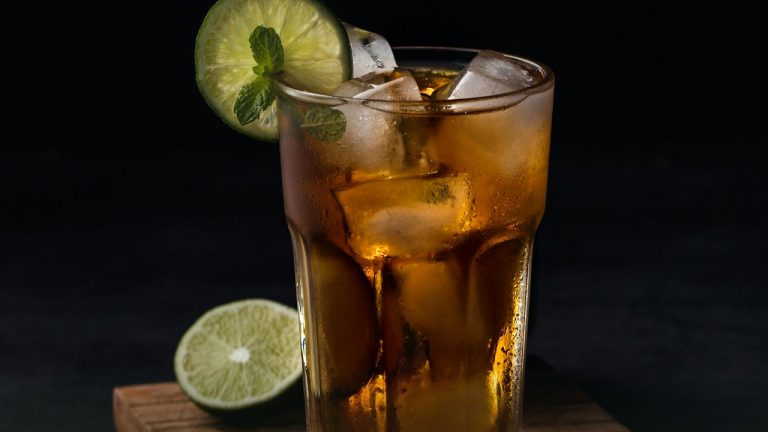
| “Alcohol and lots of caffeine help” | NHS: cut down on alcohol and caffeine (tea, coffee, cola) to avoid constipation | Moderate for limit advice |
Foods and patterns that may help with hemorrhoids day-to-day comfort
“May help” means fiber-and-fluid defaults that reduce hard stools and straining—not a promise to shrink every hemorrhoid overnight.
Fiber-rich foods NIDDK highlights
Examples from NIDDK’s table (approximate fiber):
- – High-fiber bran cereal (½ cup ≈ 14 g); shredded wheat (1 cup ≈ 6.2 g)
- – Pear with skin (≈ 5.5 g); apple with skin (≈ 4.8 g); 1 cup raspberries (≈ 8 g); ¼ cup prunes (≈ 3.1 g)
- – Cooked green peas (1 cup ≈ 8.8 g); collard greens; sweet potato; potato with skin; winter squash
- – Cooked navy, pinto, or kidney beans (½ cup ≈ 5.7–9.6 g)
Fluids that help fiber work (NIDDK / NHS)
- – Water is the default; fruit juices and clear soups also count toward liquids.
- – Ask your clinician how much to drink based on health, activity, and climate.
- – NHS: drink lots of fluid and eat plenty of fibre to keep poo soft.
Gradual increases and toilet habits
- – Raise fiber over several days to limit gas and bloating.
- – NHS: do not ignore the urge to poo; do not push too hard; do not spend longer than needed on the toilet.
- – Warm baths may ease itching and pain (NHS comfort tip)—pair with diet, not instead of care.
Foods and habits that often worsen hemorrhoids kitchen patterns
NIDDK lists low- or no-fiber foods to limit when chronic constipation drives hemorrhoids:
- – Cheese, chips, fast food, ice cream, meat-heavy plates without plants
- – Prepared frozen/snack foods and processed items such as hot dogs or some microwavable dinners
Also often unhelpful:
- – Alcohol and high caffeine if they contribute to constipation (NHS)
- – Codeine-type pain medicines that harden stools (NHS)
- – Sudden huge fiber jumps without water, which can worsen bloating and discomfort
- – Ignoring bleeding while chasing spicy-food myths alone
“Limit” means fewer low-fiber ultra-processed defaults—not a ban on all meat or dairy if you balance them with plants and fluids.
Practical kitchen protocol: a hemorrhoids diet week
1. Count fiber for three days
Use labels and NIDDK portion examples. Aim toward ~25–30 g/day (or your clinician’s target) with steady fluids.
2. Build a soft-stool shopping list
Oats or bran cereal, beans, lentils, pears, apples, berries, prunes, potatoes with skin, leafy greens, whole-grain bread, yogurt if tolerated, and a reusable water bottle.
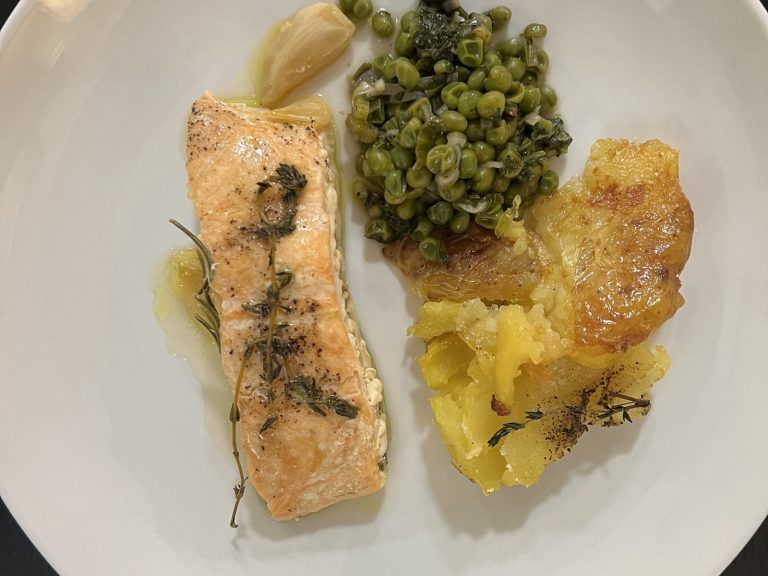
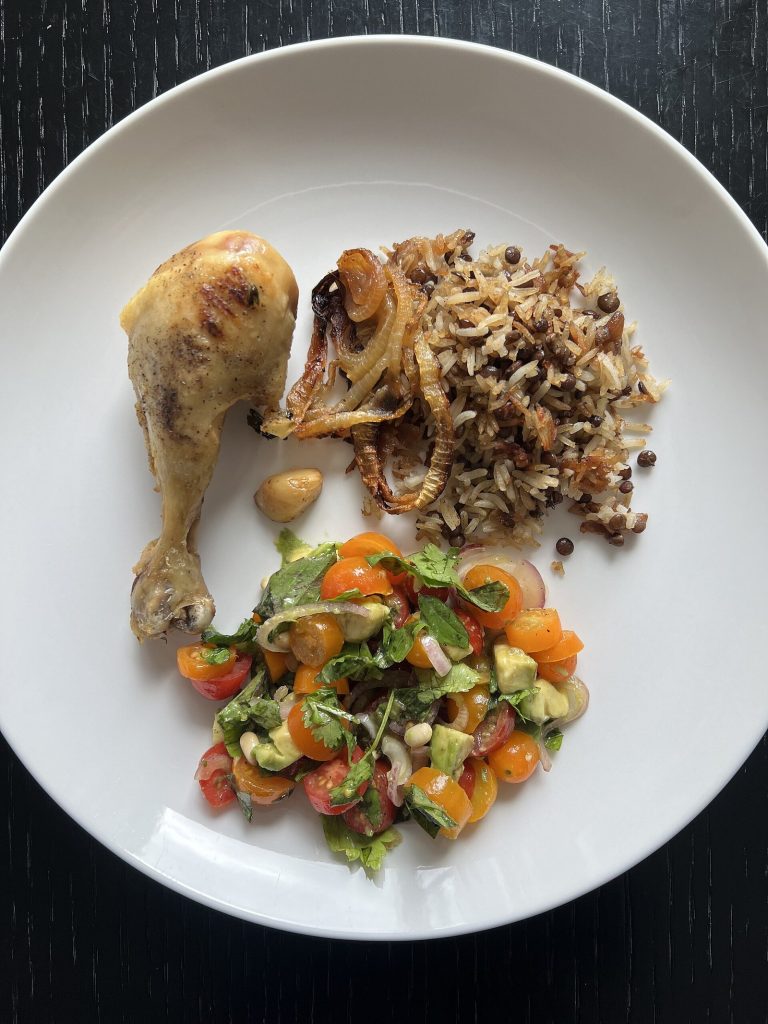
3. Default plate template
- – Half vegetables and fruit (skins on when appropriate)
- – Quarter whole grains or starchy vegetables
- – Quarter protein (beans, fish, poultry, eggs, tofu)
- – Add water or another fluid with every meal
4. Sample day (illustrative)
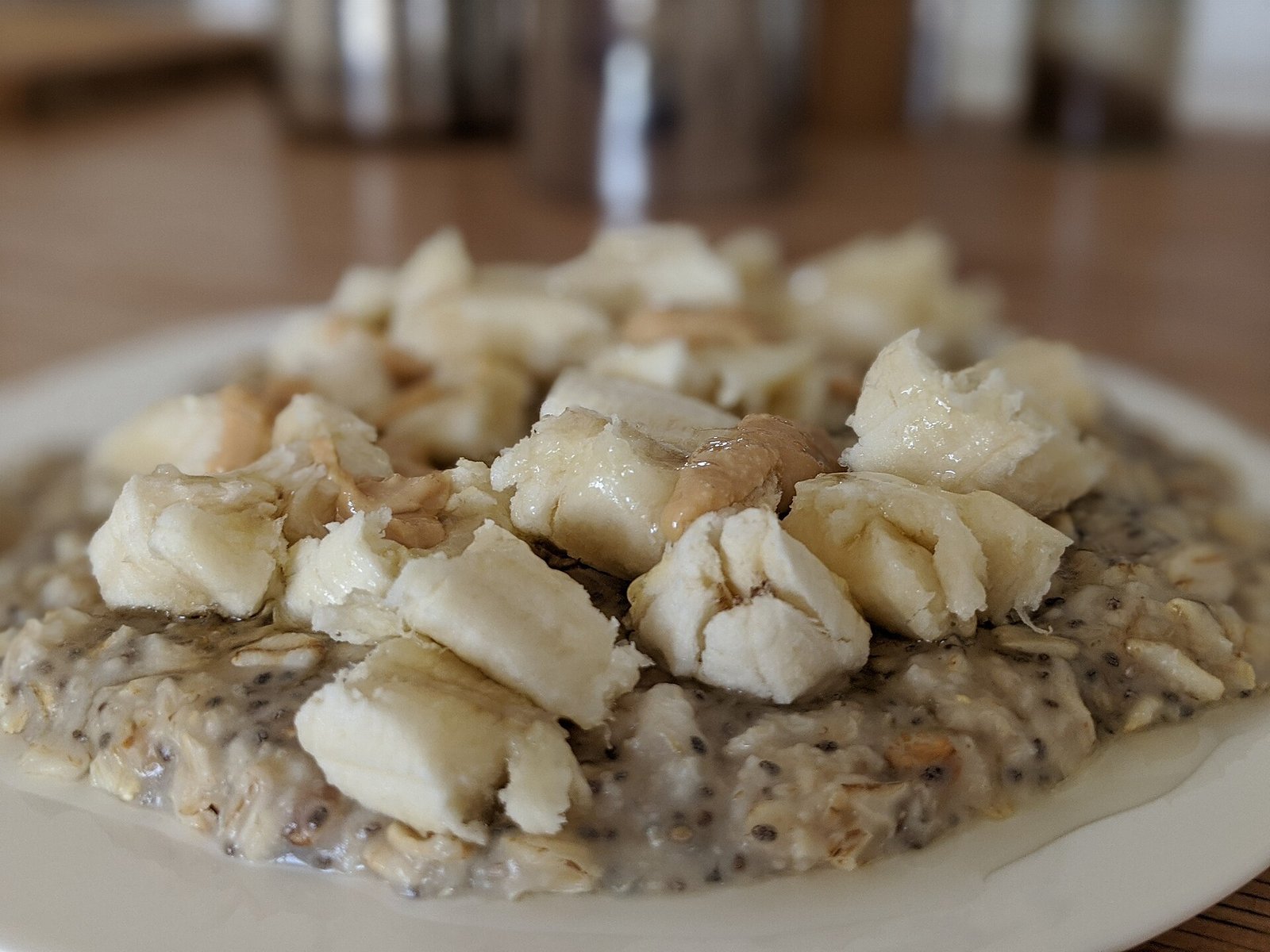
- – Breakfast: bran or shredded-wheat cereal with fruit; water or juice.
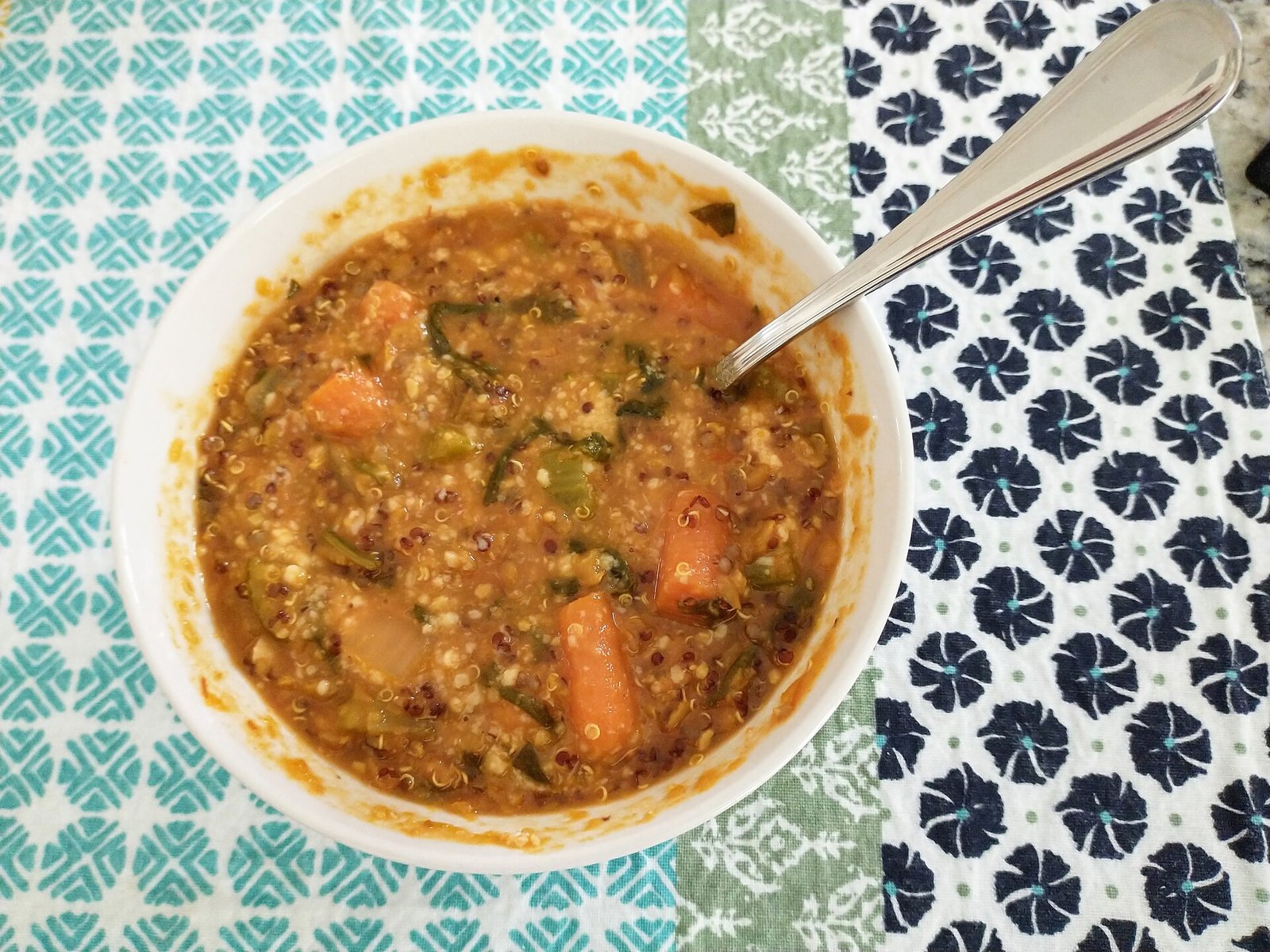
- – Lunch: lentil soup, salad, and whole-grain bread.
- – Snack: pear or a few prunes with water.
- – Dinner: baked potato with skin, beans or chicken, cooked greens.
- – Evening: herbal tea or water; avoid late heavy alcohol if constipation is active.
5. Eating out
Choose bean-and-vegetable bowls, salads with whole grains, and baked potatoes; skip fried snack piles; carry water.
6. When bleeding or pain persists
NHS: see a GP if symptoms worsen or do not improve after home care, if piles keep returning, or if you notice a new anal change. Urgent care for very high fever, severe pain, or heavy bleeding.
Extra practical note for fiber ramps
If beans cause gas at first, start with smaller portions, rinse canned beans, and spread fiber across meals instead of one giant bran bowl. Combine prune or pear snacks with an extra glass of water so the added fiber does not sit dry in the gut. Keep a simple bathroom routine: respond to the urge, avoid phone scrolling that stretches toilet time (NHS: do not spend more time than needed), and stand up to walk briefly after large meals when possible. If constipation medicines or iron tablets are in play, ask a pharmacist how to time fiber supplements so they do not block absorption of other drugs. Pregnancy-related piles often improve after delivery, but bleeding still deserves a check to rule out other causes.
Safety, interactions, and who should ask a clinician first
- – Rectal bleeding can have causes other than hemorrhoids—get checked, especially if you are over screening age or have a family history of bowel disease.
- – Pregnancy-related hemorrhoids need obstetric-aware advice on laxatives and iron supplements that can constipate.
- – Kidney, heart, or fluid-restricted conditions change how much liquid you should drink—ask first (same caution NIDDK gives in related bladder guidance).
- – Fiber supplements and stool softeners: use pharmacist/clinician guidance if food alone is not enough.
- – Do not attempt rubber-band ligation or other procedures yourself (NIDDK).
FAQ
Can a hemorrhoids diet replace medical procedures? No. NIDDK notes fiber and fluids help many people, but office treatments exist when bleeding or prolapse persists.
How much fiber should I aim for? NIDDK cites about 14 g per 1,000 calories (~28 g on 2,000 calories). NHS suggests about 30 g daily for most adults. Increase gradually.
Are spicy foods forbidden? Public pages emphasize fiber, fluids, and toilet habits more than spice bans. If spice worsens your anal discomfort, limit it personally.
Why limit caffeine and alcohol? NHS links cutting down on alcohol and caffeine with avoiding constipation that can aggravate piles.
How this differs from related OTCFood topics
This page is a hemorrhoids-bound diet guide focused on fiber grams, fluids, and low-fiber foods to limit for softer stools. It is not a general constipation diet guide motility deep-dive alone, not a diverticulitis diet guide flare-phase protocol, not an IBS diet guide FODMAP map, and not a GERD diet guide reflux plate—though bathroom habits often overlap those topics.
Medical disclaimer
Medical disclaimer: This article is for general information only. It is not medical advice, diagnosis, or a treatment plan. Hemorrhoid care depends on your bleeding pattern, pain, pregnancy status, and other bowel conditions. Talk with a clinician or registered dietitian before starting, stopping, or changing any eating plan, fiber supplement, or medicine. Seek urgent care for heavy bleeding, severe anal pain, high fever, dizziness, or black stools.