Vitamin D Deficiency Diet: Foods That May Help and Foods to Limit
Medical note: This article discusses foods and researched botanicals. It does not claim to prevent, treat, or cure disease. Supplements are not a substitute for food, and studied amounts are not personal prescriptions.
People searching “vitamin D deficiency diet foods that help or worsen” usually want food sources and supplement timing that raise low levels safely—not a claim that diet alone replaces clinician-guided dosing or sun-safety decisions. MedlinePlus defines vitamin D deficiency as not getting enough vitamin D to stay healthy. NIH Office of Dietary Supplements (ODS) explains that vitamin D helps the body absorb calcium for bones and also supports muscle, nerve, and immune function. NHS notes that lack of vitamin D can lead to rickets in children and osteomalacia (bone pain) in adults. Food helps, but fortified products and supplements are often needed because few foods naturally contain much vitamin D.
What this vitamin D deficiency diet guide covers (and what it does not)
This guide is for adults with low vitamin D labs or high risk of deficiency who want kitchen defaults grounded in ODS, MedlinePlus, and NHS consumer guidance. Anchors: ODS — Vitamin D Consumer Fact Sheet, MedlinePlus — Vitamin D Deficiency, and NHS — Vitamin D.
ODS and MedlinePlus list life-stage Recommended Dietary Allowances (RDAs): most adults 19–70 years need 15 mcg (600 IU) daily; adults 71+ need 20 mcg (800 IU). NHS advises many people to consider a daily supplement in autumn and winter, and year-round for higher-risk groups. Bone pain, muscle weakness, falls, or extreme fatigue needs clinical review—not only a new “sunshine smoothie.”
Evidence snapshot: vitamin D diet claims vs public sources
| Claim people hope for | What public sources actually say | Confidence |
|---|---|---|
| “Eating fish alone fixes deficiency” | ODS: very few foods naturally contain vitamin D; fatty fish help, but fortified foods and supplements often matter | Moderate that food helps; dose often clinical |
| “More sun always equals more vitamin D safely” | ODS/MedlinePlus: skin makes vitamin D from sun, but excess UV raises skin-cancer and aging risk | Moderate: balance sun with safety |
| “Vitamin D foods replace prescribed high-dose therapy” | Severe deficiency may need clinician-dosed supplements or prescriptions—food first is not always enough | Strong: do not self-replace medical dosing |
| “Vitamin D cures COVID-19” | NHS: not enough evidence to take vitamin D solely to prevent or treat COVID-19 | Strong against COVID claims |
| “Any dairy supplies vitamin D” | ODS (U.S.): most milk is fortified (~3 mcg/120 IU per cup); cheese and ice cream usually are not. NHS (UK): cows’ milk generally is not a good vitamin D source | Moderate: check fortification labels |
Foods and patterns that may help raise vitamin D intake
“May help” means choosing the few natural and fortified sources ODS and NHS list—not a promise that diet alone normalizes every lab value.
Best natural food sources (ODS / NHS)
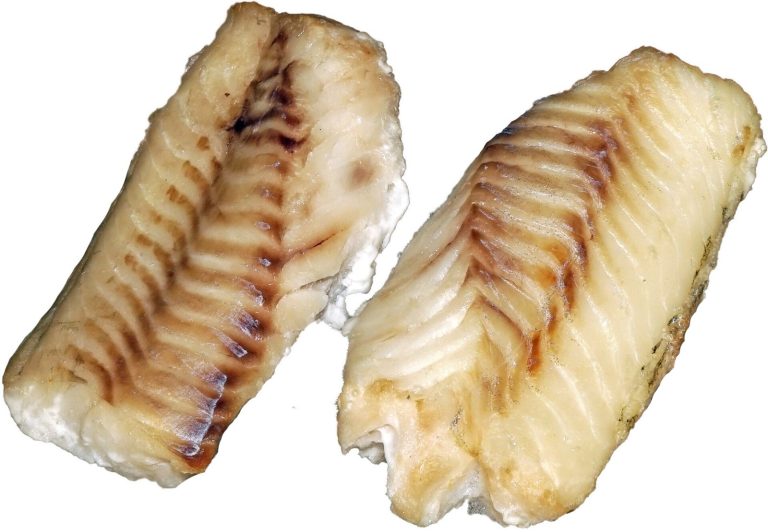
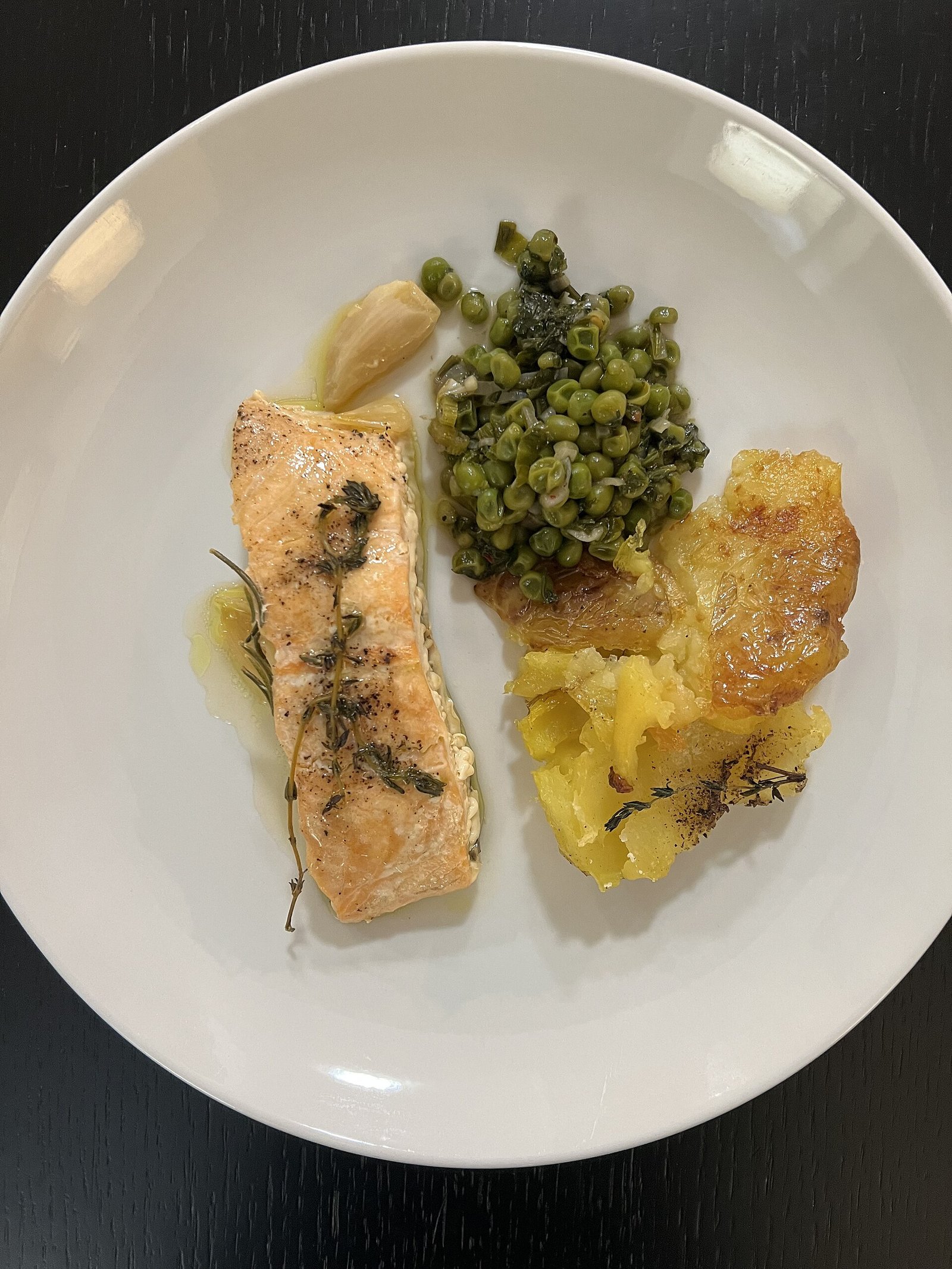
- – Fatty fish: trout, salmon, tuna, mackerel; NHS also lists sardines and herring.
- – Fish liver oils (cod liver oil)—potent; watch total vitamin A if using regularly.
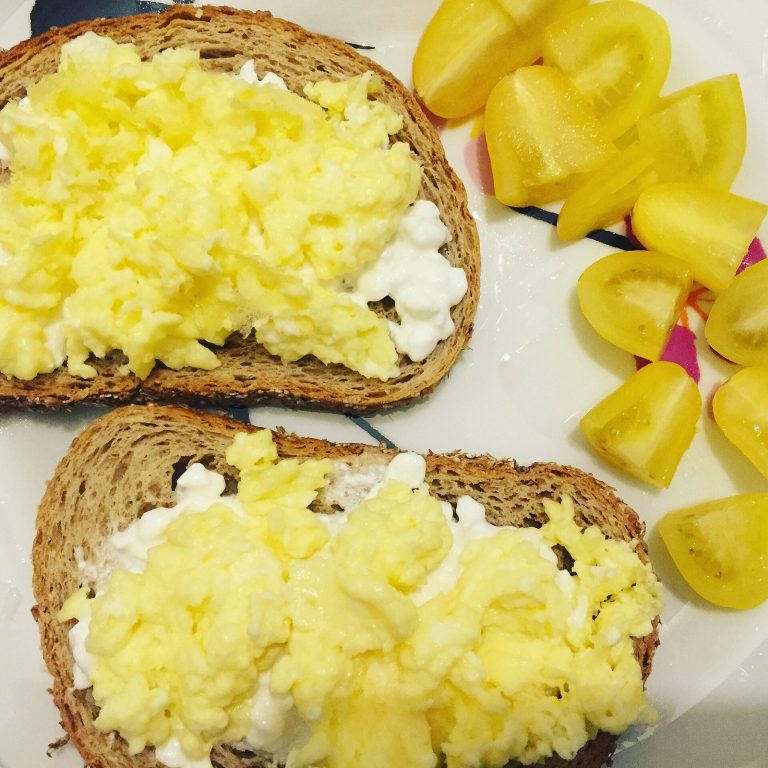
- – Egg yolks, beef liver, and cheese—small amounts only (ODS).
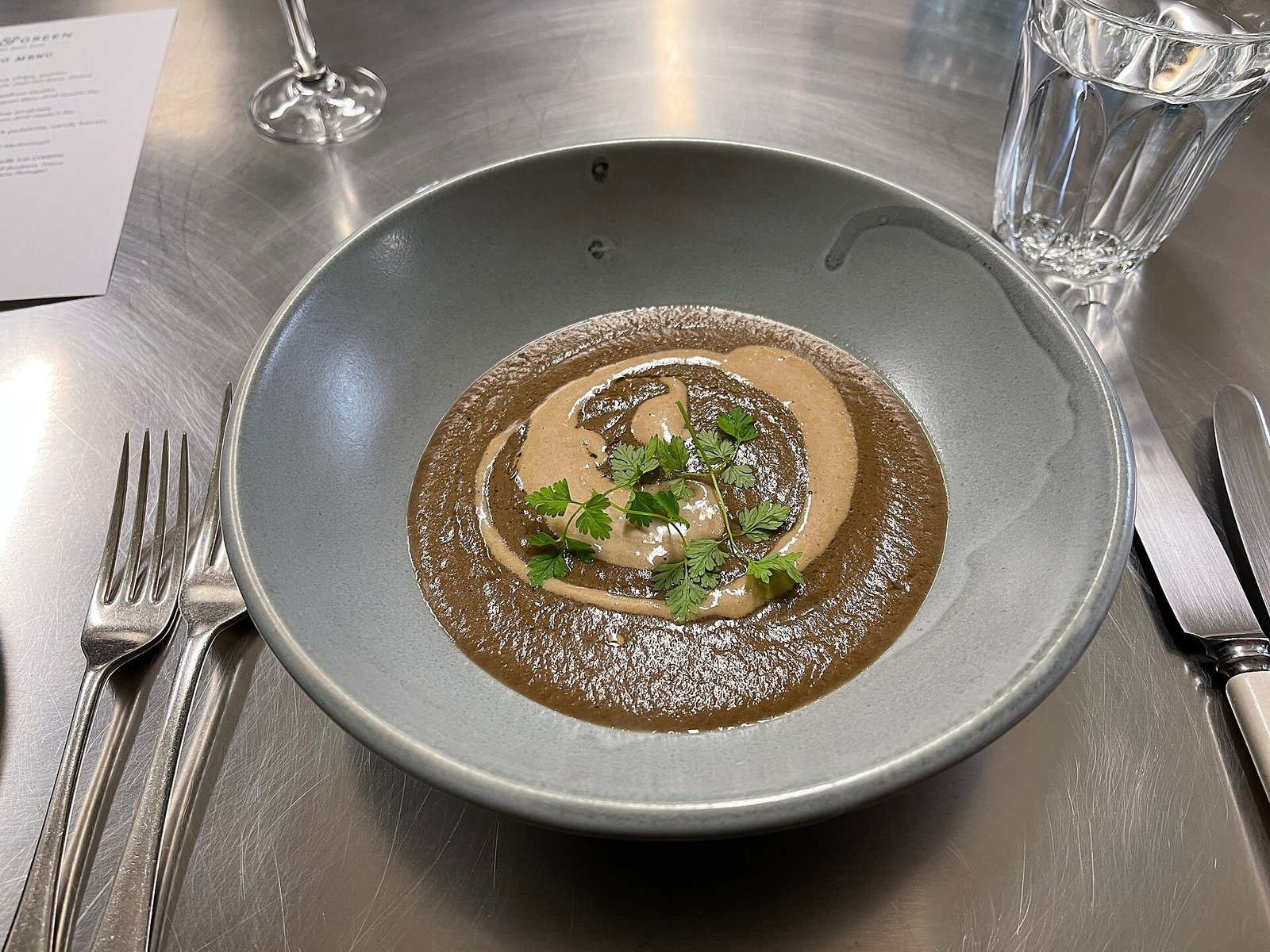
- – Mushrooms—especially some UV-exposed mushrooms that contain more vitamin D (ODS).
Fortified foods that often carry the U.S. diet (ODS)
- – Almost all U.S. milk is fortified with about 3 mcg (120 IU) vitamin D per cup.
- – Many plant milks (soy, almond, oat) are similarly fortified—check labels.
- – Breakfast cereals, some orange juices, yogurts, and margarines may be fortified.
- – Foods made from milk (cheese, ice cream) are usually not fortified.
Kitchen pairing for bone-aware eating
- – Pair vitamin D–containing foods with calcium sources (fortified milk/yogurt, canned fish with bones, calcium-set tofu, leafy greens) because vitamin D helps calcium absorption (ODS/MedlinePlus).
- – Keep a steady protein and vegetable base so “vitamin D focus” does not become a supplement-only habit.
When supplements enter the picture
- – ODS: people with limited sun, darker skin, older age, obesity, fat-malabsorption, or certain medicines may need more than food alone—ask about labs and dose.
- – NHS: consider a daily supplement in autumn/winter; higher-risk groups and young children may need year-round advice from local guidance.
Foods and habits that often worsen vitamin D kitchen patterns
- – Relying only on cheese, ice cream, or unfortified plant drinks while assuming they match fortified milk (ODS).
- – Extreme low-fat or highly restricted diets that cut fish, eggs, and fortified dairy without a replacement plan.
- – Megadose unsupervised supplements—ODS warns that very high intakes can cause toxicity (nausea, kidney problems, high blood calcium).
- – Skipping clinician follow-up after a low lab while self-dosing from social media protocols.
- – Using tanning beds as a “vitamin D strategy”—not a safe public-health recommendation given skin-cancer risk.
“Limit” means avoid false security from unfortified foods and unsafe megadoses—not that one egg yolk is worthless.
Practical kitchen protocol: a vitamin D deficiency diet week
1. Confirm your plan with labs and a clinician
Ask what dose and form (D2 vs D3) you need, how long to recheck levels, and whether calcium intake is adequate.
2. Build a vitamin D–aware shopping list
Canned or fresh salmon/tuna/mackerel, eggs, UV-exposed mushrooms if available, fortified milk or plant milk, fortified cereal or orange juice, yogurt brands that list vitamin D, and a clinician-approved supplement if prescribed.
3. Default plate template
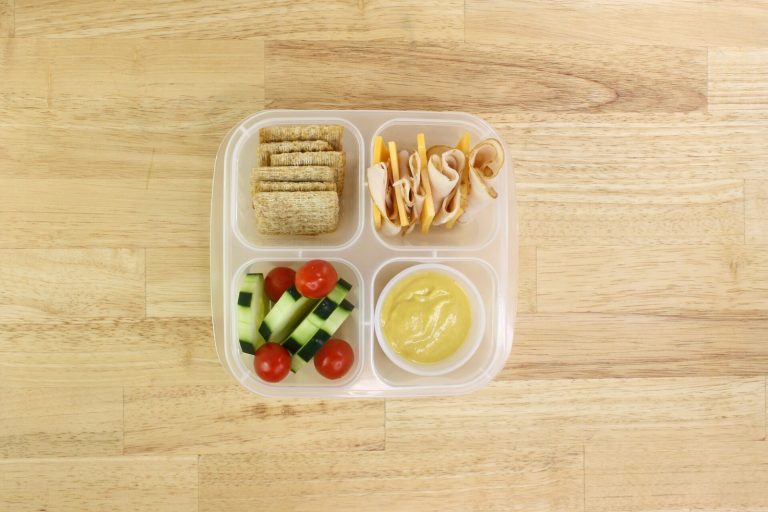
- – Include a vitamin D food or fortified drink at least once daily when possible
- – Add a calcium source at meals
- – Keep vegetables, fruit, whole grains, and lean proteins as the base
4. Sample day (illustrative)
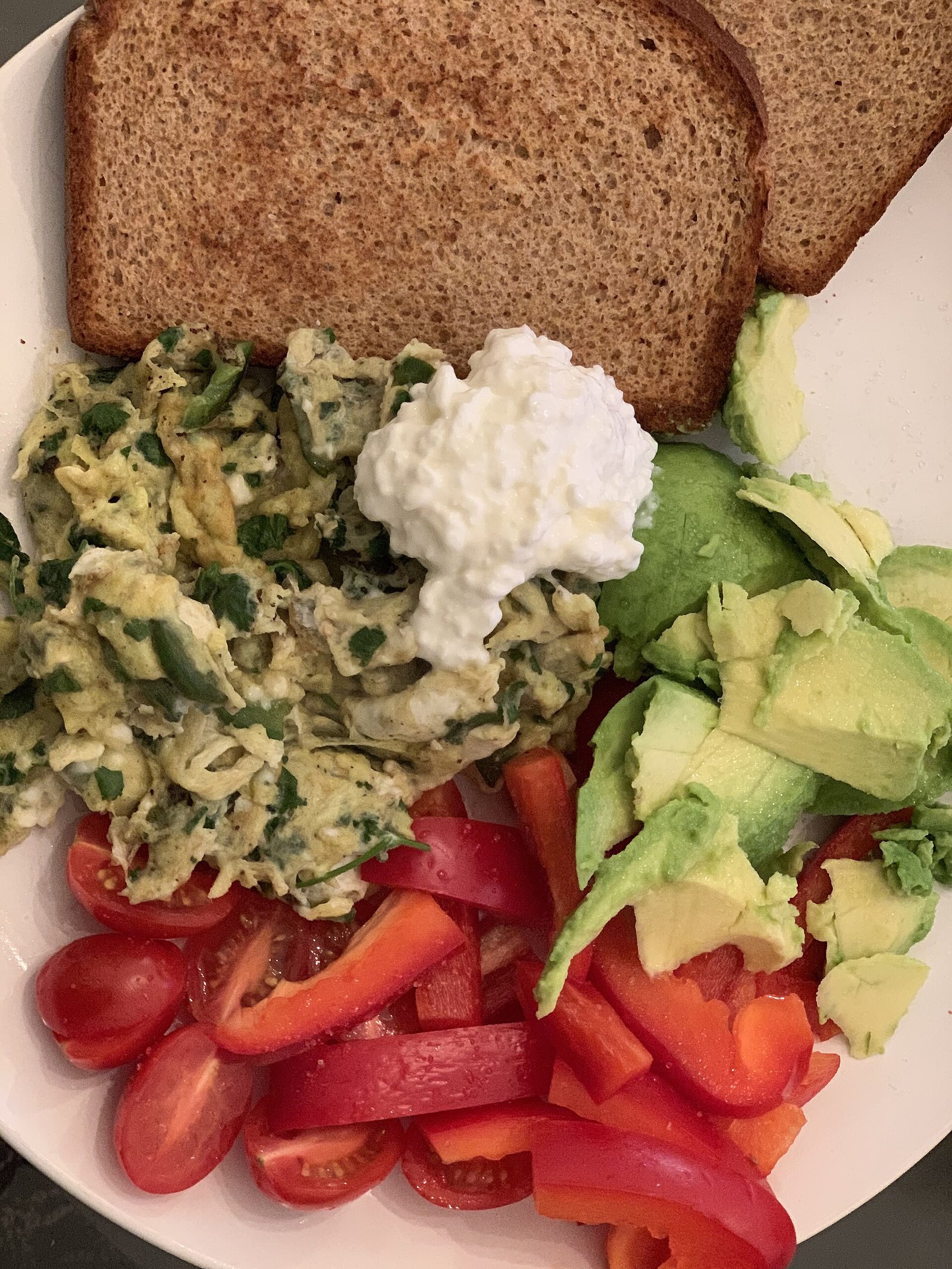
- – Breakfast: fortified cereal with fortified milk; eggs on the side some days.
- – Lunch: tuna or salmon salad on whole-grain bread; fruit.
- – Snack: fortified yogurt.
- – Dinner: baked salmon or mackerel, mushrooms, leafy greens, and potatoes or rice.
- – Supplement: take the dose your clinician set, often with a meal containing some fat for absorption.
5. Label literacy
Scan “vitamin D” on Nutrition Facts; do not assume plant milks or yogurts are fortified.
6. When levels stay low
Malabsorption, celiac disease, bariatric surgery, kidney or liver disease, and certain medicines change needs—diet tweaks alone may not be enough.
Safety, interactions, and who should ask a clinician first
- – High-dose vitamin D can raise blood calcium; ODS lists toxicity risks—do not exceed Tolerable Upper Intake Levels without medical supervision.
- – People with kidney stones, sarcoidosis, or hyperparathyroidism need individualized advice.
- – Some medicines (certain anticonvulsants, steroids, weight-loss drugs, and others) affect vitamin D status—review with a pharmacist.
- – Infants, pregnancy, and breastfeeding have specific dose rules—follow pediatric or obstetric guidance (MedlinePlus/NHS).
- – NHS: vitamin D is not established as COVID-19 prevention or treatment on its own.
FAQ
Can food alone correct vitamin D deficiency? Sometimes mild gaps improve with fortified foods and fish, but many people need supplements dosed from labs. ODS emphasizes that few foods are rich sources.
How much vitamin D do adults need daily? ODS RDA: 15 mcg (600 IU) for ages 19–70; 20 mcg (800 IU) for 71+. Your clinician may set a different short-term dose for deficiency.
Is fortified milk the same worldwide? No. ODS describes widespread U.S. milk fortification; NHS notes UK cows’ milk is generally not a good vitamin D source.
Should I sunbathe to raise vitamin D? Some sun helps many people in season, but ODS and MedlinePlus warn against excessive UV for skin-cancer risk. Food and supplements are safer controllable levers for many adults.
How this differs from related OTCFood topics
This page is a vitamin D deficiency–bound diet guide focused on natural and fortified sources, label checks, and safe supplement pairing. It is not an osteoporosis diet guide fracture-prevention dose map alone, not an iron deficiency anemia diet guide iron-pairing protocol, not a menopause diet guide hot-flash trigger guide, and not a metabolic syndrome diet guide weight-and-glucose plate—though bone and energy concerns often overlap.
Medical disclaimer
Medical disclaimer: This article is for general information only. It is not medical advice, diagnosis, or a treatment plan. Vitamin D deficiency care depends on your labs, kidney function, medicines, sun exposure, and bone health. Talk with a clinician or registered dietitian before starting, stopping, or changing any eating plan or supplement dose. Seek care for bone pain, severe muscle weakness, confusion, or symptoms of high calcium.