Peptic Ulcer Diet: Foods That May Help and Foods to Limit
Medical note: This article discusses foods and researched botanicals. It does not claim to prevent, treat, or cure disease. Supplements are not a substitute for food, and studied amounts are not personal prescriptions.
People searching “peptic ulcer diet foods that help or worsen” usually want symptom-easing meal habits while antibiotics or acid-reducing medicines work—not a claim that food heals ulcers the way drugs do. NIDDK states researchers have not found that diet and nutrition play an important role in causing, preventing, or treating peptic ulcers, and doctors do not recommend a special ulcer diet as treatment. MedlinePlus notes that stress and spicy foods do not cause ulcers but can make them feel worse; the main causes are Helicobacter pylori and NSAIDs. NHS adds practical symptom tips (earlier evening meals; avoiding personal trigger foods such as fatty/spicy foods, coffee, and chocolate for some people) and stresses medical treatment. Diet is supportive comfort; medicines and treating the cause remain essential.
What this peptic ulcer diet guide covers (and what it does not)
This guide is for adults with stomach or duodenal ulcers sorting myths from NHS/NIDDK guidance while on therapy. Anchors: NIDDK — Peptic Ulcers, NIDDK — Eating, Diet, & Nutrition, NIDDK — Treatment, MedlinePlus — Peptic Ulcer, and NHS — Stomach ulcer.
NHS urgent red flags include vomiting blood, coffee-ground vomit, black sticky stools, severe tummy pain, or sudden chest pain—call emergency services. Antacids and milk cannot heal peptic ulcers (MedlinePlus).
Evidence snapshot: peptic ulcer diet claims vs public sources
| Claim people hope for | What public sources actually say | Confidence |
|---|---|---|
| “A bland diet heals ulcers” | NIDDK: diet/nutrition not shown to play an important role in treating ulcers; no special diet recommended to treat/prevent | Strong against diet-as-treatment |
| “Spicy food caused my ulcer” | MedlinePlus: stress and spicy foods do not cause ulcers but can worsen symptoms | Strong on causation myth |
| “Milk coats and cures the ulcer” | MedlinePlus: antacids and milk can’t heal peptic ulcers | Strong warning |
| “Skipping coffee helps everyone” | NHS: avoid foods/drinks that trigger your symptoms, which can include fatty or spicy foods, coffee, and chocolate | Moderate for individualized triggers |
| “Food replaces antibiotics or PPIs” | NIDDK/NHS: treat H. pylori with medicines; reduce acid with PPIs; manage NSAIDs—diet is not the cure | Strong |
Foods and patterns that may help while an ulcer is treated
“May help” means reducing meal-related pain and supporting overall nutrition during medical healing—not replacing H. pylori eradication or acid suppression.
Follow medicines first (NIDDK + NHS)
- – Antibiotics for H. pylori when present; acid reducers such as PPIs; possible NSAID changes.
- – Treatment often lasts from about one week to two months depending on cause (NHS); confirm cure when advised.
- – Quit smoking—NIDDK: quitting can lower ulcer risk and help existing ulcers heal; NHS also recommends stopping smoking.
Symptom-easing timing (NHS)
- – Eat your evening meal 3 to 4 hours before bed.
- – Keep a short list of personal triggers rather than permanently eliminating entire food groups NIDDK says are not required to avoid.
Gentle defaults many people tolerate during flares
- – Soft, lower-fat proteins: eggs, tender fish, poultry, tofu.
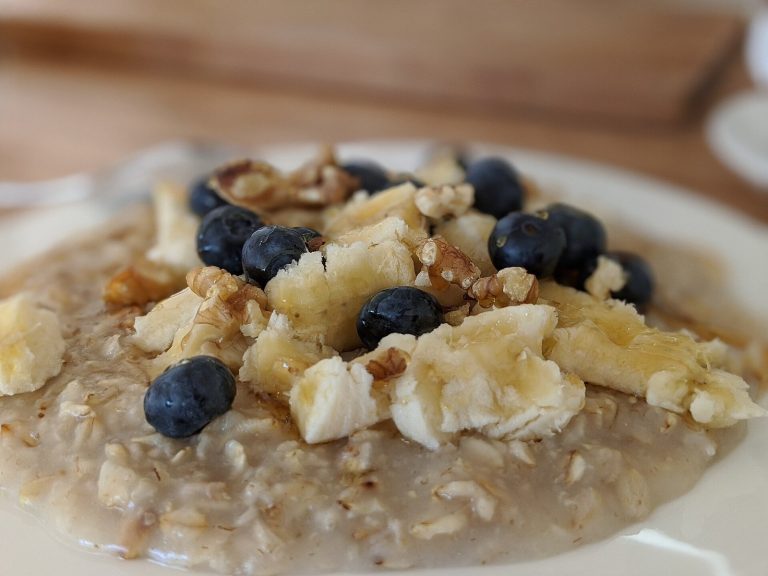
- – Soft starches: oatmeal, rice, potatoes, toast.
- – Cooked vegetables and ripe bananas or other non-acidic fruits you tolerate.
- – Water and non-irritating fluids between meals; limit alcohol (MedlinePlus: avoiding alcohol can help; NHS lifestyle advice includes drinking less).
Nutrition while appetite is poor
Smaller, more frequent meals if early fullness occurs (NHS lists early fullness among concerning symptoms that need GP review). Prioritize protein and calories so unintentional weight loss does not compound illness.
Foods and habits that often worsen ulcer symptoms
- – Personal triggers—NHS examples include fatty or spicy foods, coffee, and chocolate for some people.
- – Alcohol and smoking—MedlinePlus/NIDDK/NHS link these with worse outcomes or healing interference.
- – Continuing unnecessary NSAIDs—ibuprofen/aspirin-type drugs are a leading cause; only change medicines with your clinician (NIDDK).
- – Late heavy dinners close to lying down—NHS timing advice.
- – Relying on milk or constant antacids as “treatment”—MedlinePlus: they do not heal ulcers.
- – Ignoring red-flag bleeding—emergency, not a diet tweak.
“Limit” means temporary trigger reduction during healing—not a lifelong bland-diet prison when NIDDK says special diets are not required for cure.
Practical kitchen protocol: a peptic ulcer recovery week
1. Align food with the medicine calendar
Take antibiotics/PPIs exactly as prescribed. Ask whether any foods reduce drug absorption; do not stop antibiotics early because pain improved.
2. Two-week trigger log
Score pain after coffee, alcohol, fried food, chili, chocolate, citrus, tomato sauces, and mint. Keep non-offenders; pause clear offenders while healing.
3. Soft shopping list
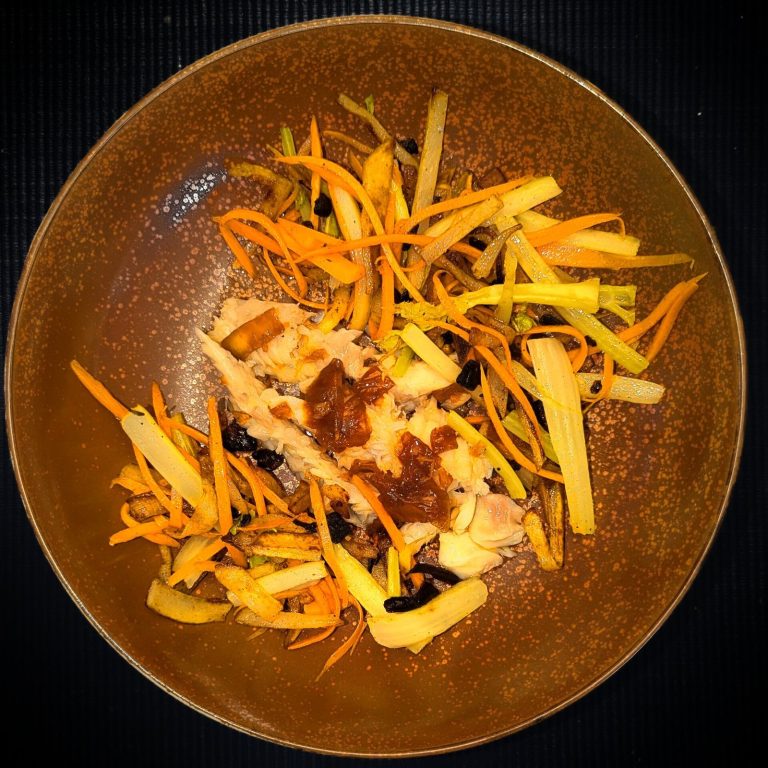
Oats, rice, bananas, eggs, yogurt if tolerated, tender chicken, white fish, peeled cooked carrots/zucchini, potatoes, bread, herbal caffeine-free options if coffee triggers you, and oral rehydration or simple soups for nauseated days.
4. Sample day (illustrative during active symptoms)
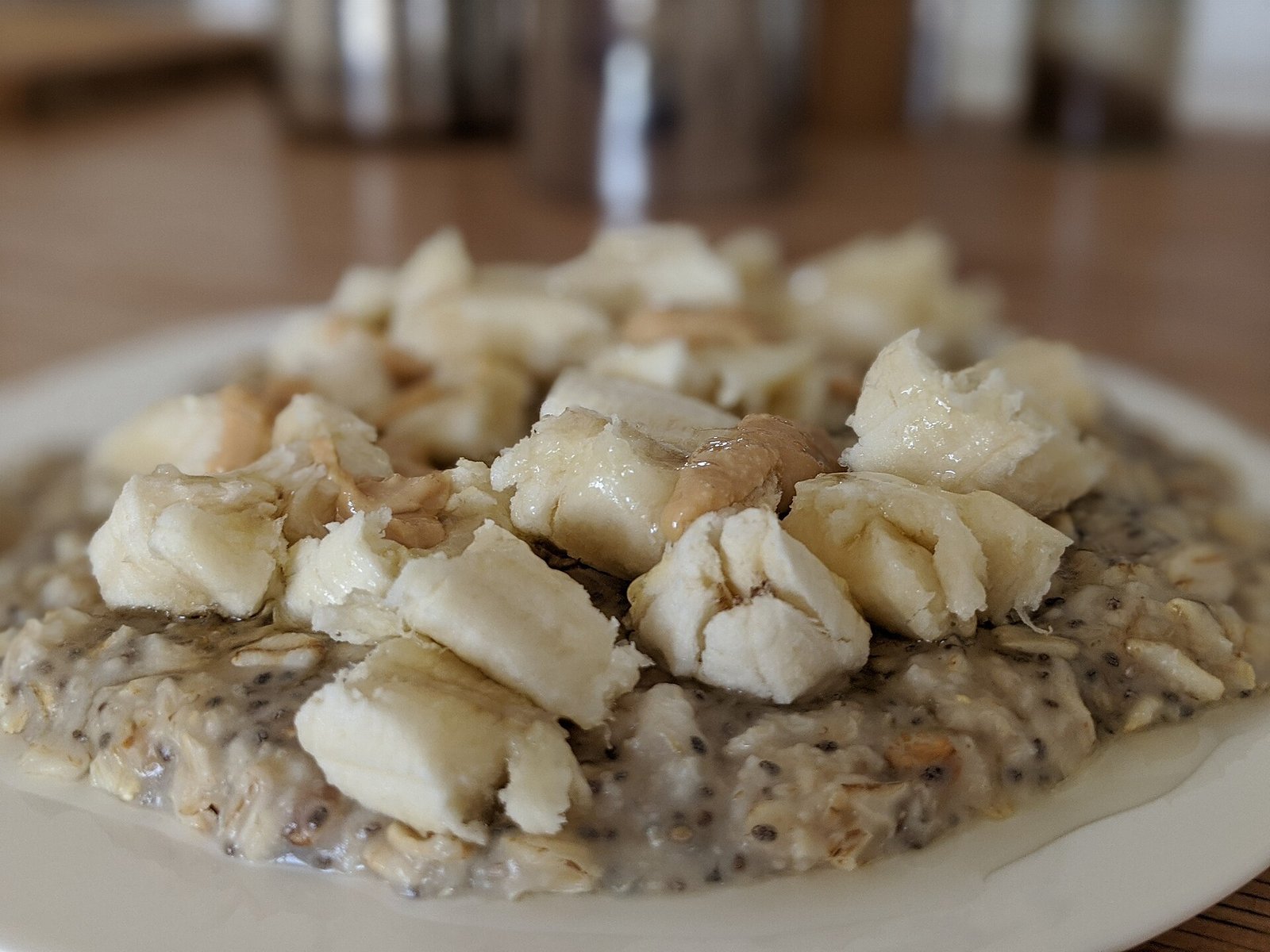
- – Breakfast: oatmeal with banana; PPI timing per label.
- – Lunch: poached fish or eggs, rice, soft cooked vegetables.
- – Snack: yogurt or toast if tolerated.
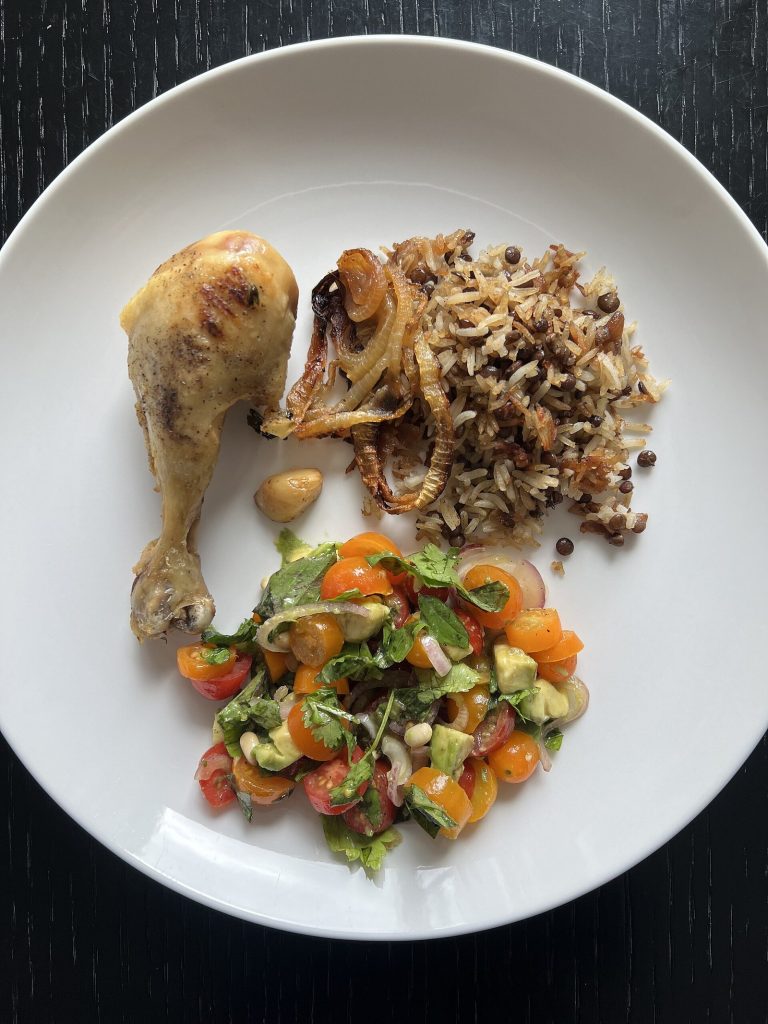
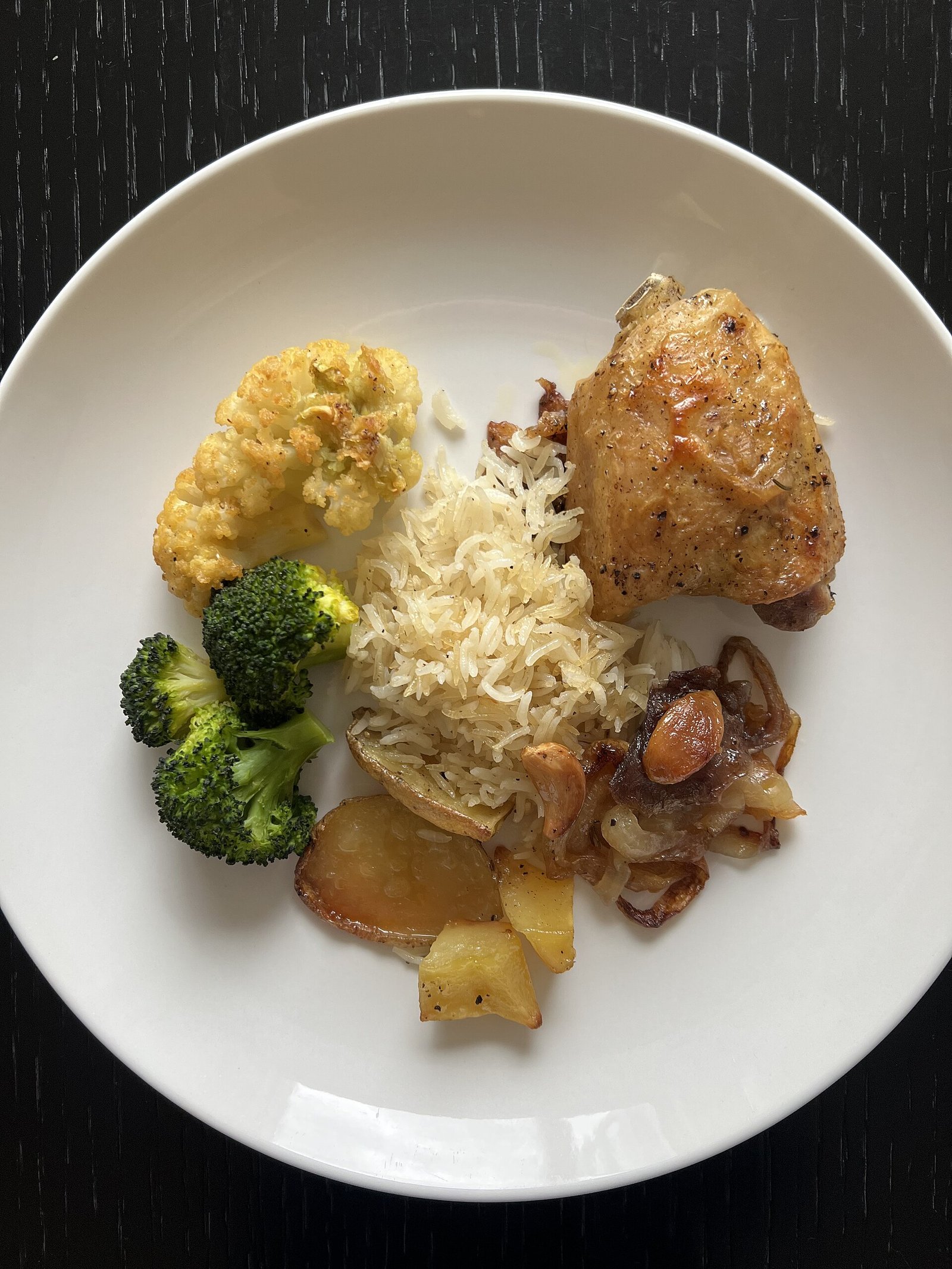
- – Dinner (early): baked chicken, mashed potato, cooked carrots—finish 3–4 hours before bed.
- – Avoid late espresso or spicy takeout during this window.
5. After confirmed healing
NIDDK does not require a permanent special diet. Reintroduce favorite foods one at a time. Keep smoking cessation and cautious NSAID use as long-term prevention habits.
6. If NSAIDs are still required
NIDDK: your doctor may change the NSAID, stop it, or add a PPI—food choices do not replace that decision.
7. Stress and mental health (NHS)
Stress does not cause ulcers, but NHS notes stress, anxiety, and depression can make symptoms feel worse—ask for support; do not blame yourself for “eating wrong.”
8. Eating out without undoing treatment
Choose grilled or steamed proteins, ask for sauces and chili on the side, skip bottomless coffee refills if caffeine is a trigger, and keep portions moderate so you are not overly full before bed. Bring a list of your ulcer medicines so pharmacists or clinicians can check NSAID-containing cold remedies—many “pain” products hide ibuprofen.
9. After H. pylori treatment finishes
Finish every antibiotic dose even if pain improves early. If your clinician schedules a test-of-cure breath or stool test, ask whether you must pause PPIs beforehand. Use the reintroduction window to add back favorite foods one at a time every few days while watching for recurrent burning pain—recurrence needs medical review, not a stricter forever bland diet.
Safety, interactions, and who should ask a clinician first
- – Untreated ulcers can lead to serious, life-threatening complications (NHS).
- – Emergency: vomiting blood, coffee-ground vomit, black tarry stools, severe abdominal pain, sudden chest pain.
- – Urgent GP/NHS 111 features: worsening pain, appetite loss, early fullness, unintentional weight loss, persistent vomiting, dysphagia, fatigue.
- – Complete H. pylori therapy; resistance and retreatment need medical follow-up (NIDDK).
- – Alcohol use disorder, pregnancy, kidney disease, or polypharmacy need tailored plans before any supplement “ulcer remedy.”
FAQ
Will cutting spicy food cure my ulcer? No. MedlinePlus: spicy foods do not cause ulcers. They may worsen comfort for some people. Medicines treat the cause.
Do I need a lifelong bland diet? NIDDK does not recommend a special diet to treat or prevent ulcers. Use temporary trigger limits while healing, then liberalize with guidance.
Can I drink milk for my ulcer? Milk does not heal ulcers (MedlinePlus). If milk soothes you briefly, that is comfort—not cure—and dairy timing may matter for other conditions.
When can I have coffee again? If coffee is a personal trigger (NHS), pause during active symptoms, then reintroduce after healing and see whether pain returns.
How this differs from related OTCFood topics
This page is a peptic ulcer guide that prioritizes medical therapy and debunks diet-as-cure myths while offering NHS-style trigger timing. It is not a GERD diet guide reflux protocol, not an IBS diet guide FODMAP plan, and not a Crohn’s disease diet guide iron protocol—though bleeding ulcers can cause anemia that needs separate treatment.
Medical disclaimer
Medical disclaimer: This article is for general information only. It is not medical advice, diagnosis, or a treatment plan. Peptic ulcer care depends on H. pylori status, NSAID use, bleeding risk, and prescribed medicines. Talk with a clinician before changing diet, supplements, or ulcer therapy. Seek emergency care for vomiting blood, black stools, severe abdominal pain, or sudden chest pain.