Iron Deficiency Anemia Diet: Foods That May Help and Foods to Limit
Medical note: This article discusses foods and researched botanicals. It does not claim to prevent, treat, or cure disease. Supplements are not a substitute for food, and studied amounts are not personal prescriptions.
People searching “iron deficiency anemia diet foods that help or worsen” usually want a clear plate plan that works with iron tablets and the cause of blood loss—not a claim that food alone fixes anemia. NHLBI defines iron-deficiency anemia as the most common anemia: not enough iron to make healthy red blood cells, often from blood loss, poor absorption, higher needs (pregnancy), or low dietary iron. NHS treats confirmed iron-deficiency anemia with iron tablets for about six months in many cases and advises eating more iron-rich foods. Food choices may help rebuild stores; they do not replace diagnosis of bleeding sources or prescribed iron.
What this iron-deficiency anemia diet guide covers (and what it does not)
This guide is for adults (and caregivers of teens) sorting heme vs nonheme iron, vitamin C pairing, and drinks that reduce absorption. Anchors: NHLBI — Iron-Deficiency Anemia, NHS — Iron deficiency anaemia, MedlinePlus — Iron deficiency anemia, and NIH ODS — Iron.
NHLBI lists causes including GI bleeding, heavy periods, pregnancy, celiac disease, IBD, H. pylori, and endurance sports. Black stools with dizziness, chest pain, or vomiting blood needs urgent care—not more spinach smoothies.
Evidence snapshot: iron anemia diet claims vs public sources
| Claim people hope for | What public sources actually say | Confidence |
|---|---|---|
| “Diet alone cures iron-deficiency anemia” | NHS: iron tablets are usually recommended when blood counts are low; diet helps when low iron intake is part of the cause | Moderate that food supports; tablets often required |
| “Plant iron works as well as meat iron” | ODS: heme iron (meat/seafood/poultry) absorbs better; vegetarians need almost twice the listed RDA because nonheme iron absorbs less well | Strong on absorption difference |
| “Vitamin C always doubles iron uptake” | ODS: vitamin C–rich foods (citrus, strawberries, peppers, tomatoes, broccoli) help absorb plant iron; NHS: orange juice after iron tablets may help absorption | Moderate as a pairing habit |
| “Tea and coffee destroy all iron” | NHS: eat/drink less tea, coffee, milk/dairy, and high-phytate wholegrains around iron-rich meals/tablets because large amounts hinder absorption | Moderate for timing, not permanent bans |
| “More iron pills are always safer” | NHS/ODS: keep supplements away from children—overdose can be fatal; follow GP dosing | Strong safety warning |
Foods and patterns that may help with iron-deficiency anemia
“May help” means raising iron density and absorption habits alongside medical treatment—not a promise to skip labs or tablets.
Iron-rich foods NHS and ODS emphasize
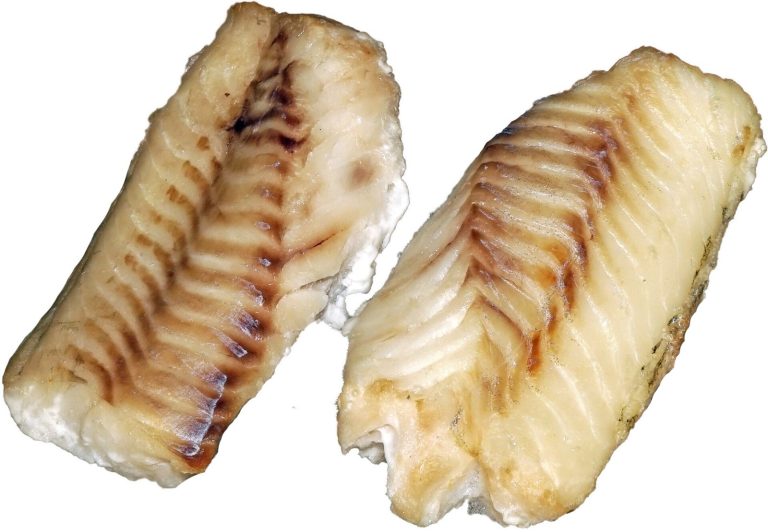
- – Meat, poultry, and seafood (heme + nonheme iron)—lean red meat, chicken, turkey, fish, shellfish as clinician-approved.
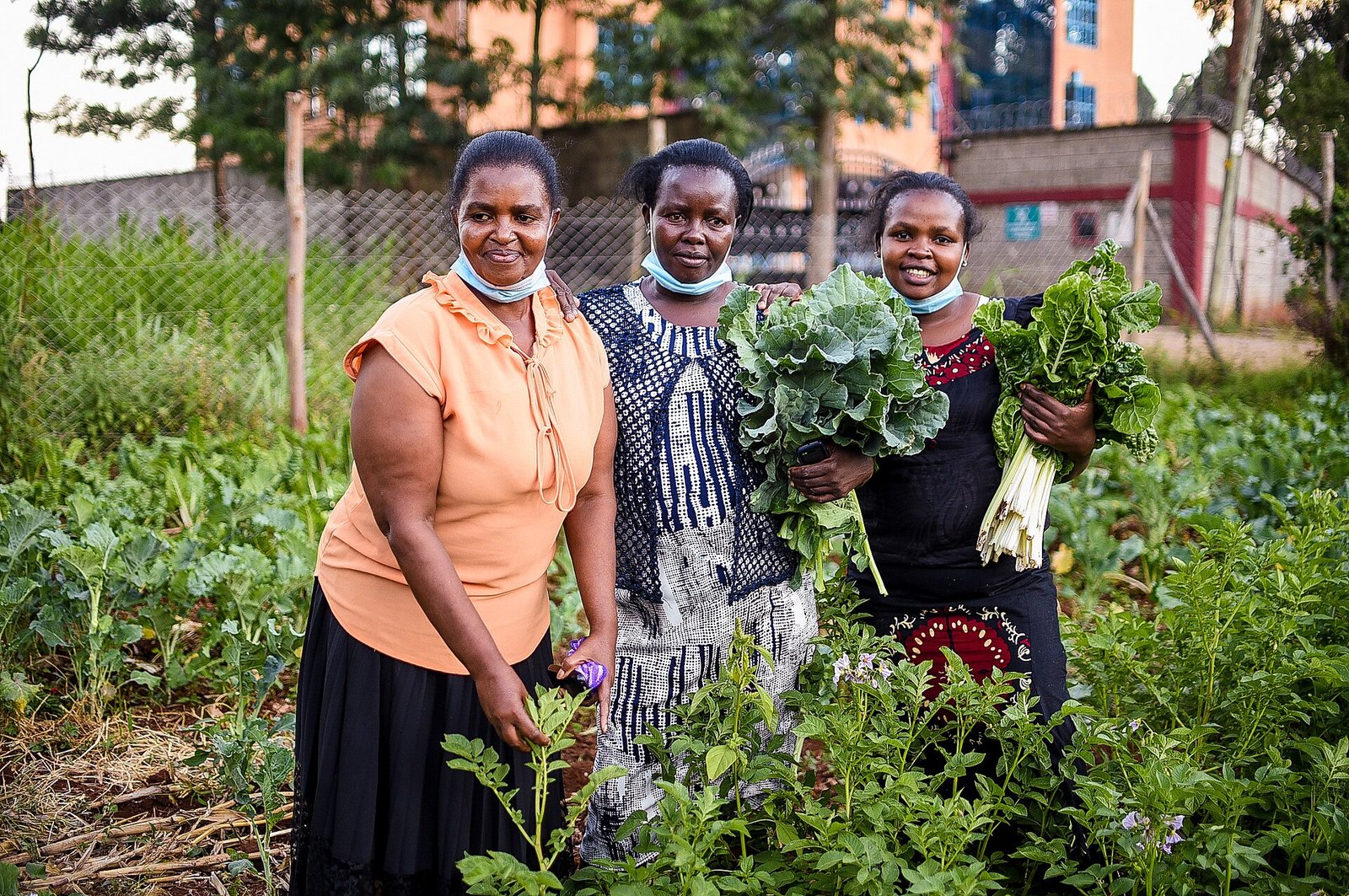
- – Dark-green leafy vegetables—NHS lists watercress and curly kale; ODS includes spinach among plant sources.
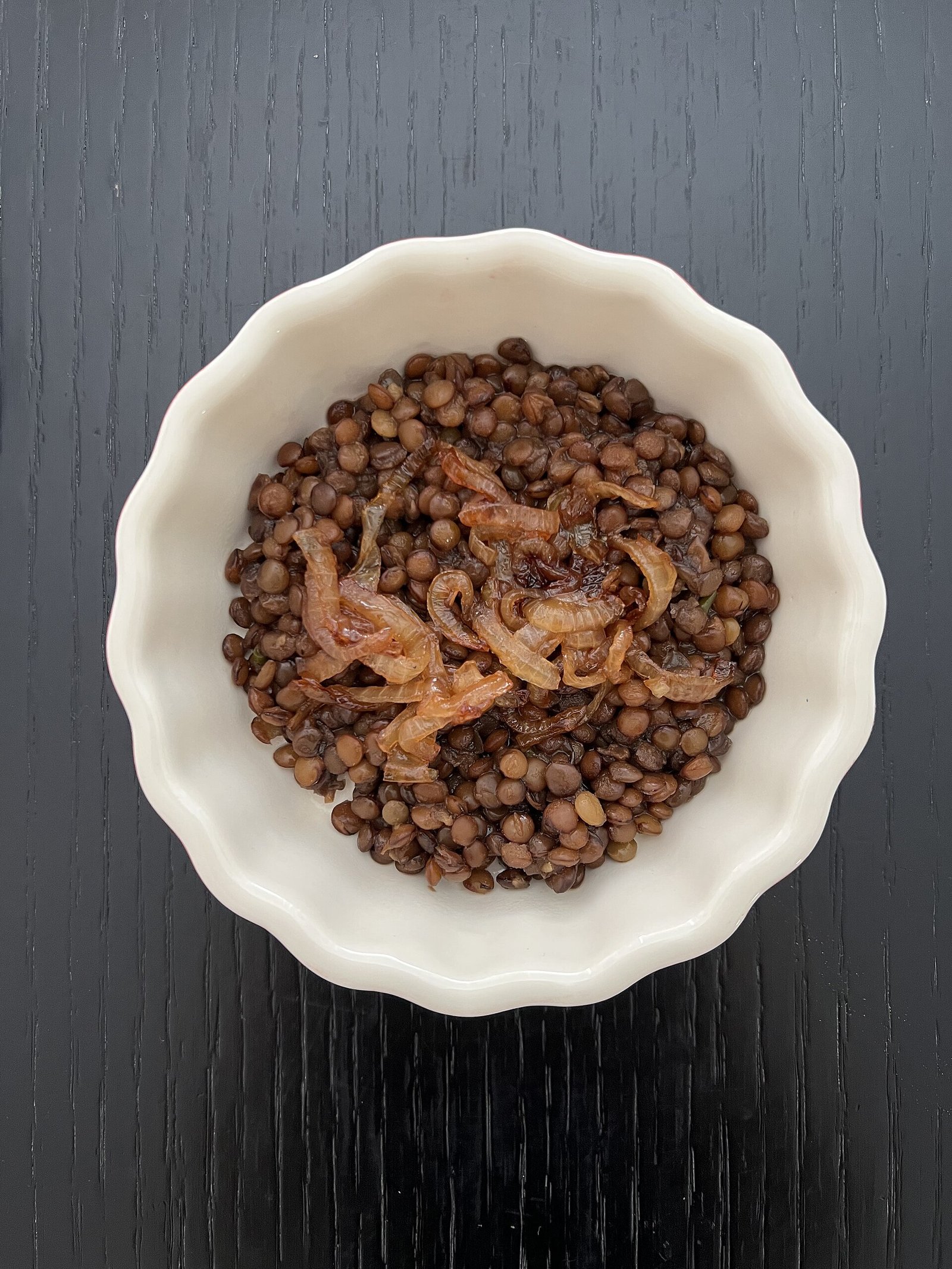
- – Pulses—beans, peas, lentils (NHS).
- – Fortified cereals and breads with added iron (NHS + ODS).
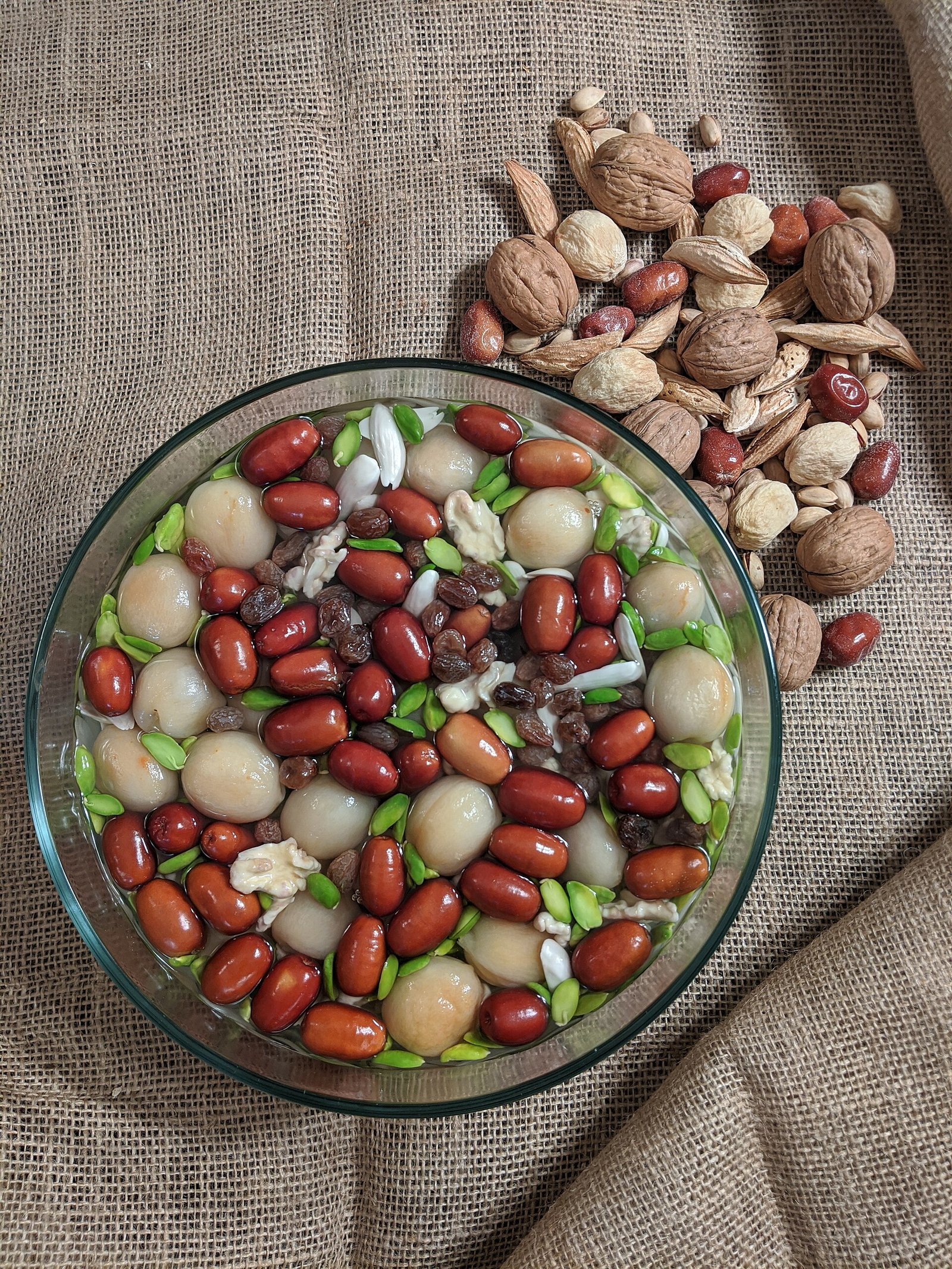
- – Dried fruit—apricots, prunes, raisins (NHS); ODS also notes nuts and raisins.
- – White beans, kidney beans, peas and other legumes (ODS).
Absorption boosters
- – Pair plant iron with vitamin C foods at the same meal (ODS).
- – Include a small serving of meat/fish with beans or greens when you eat omnivorous meals—ODS notes animal foods help plant-iron absorption.
- – NHS: drinking orange juice after an iron tablet may help absorption—follow your GP’s timing instructions.
Pattern for fatigue and focus
Iron-deficiency anemia can cause tiredness, shortness of breath, pale skin, headaches, and concentration problems (NHS/ODS). Regular meals with iron sources every day matter more than occasional “iron mega-plates,” especially while tablets rebuild stores over months.
Foods and habits that often worsen iron recovery
- – Large tea or coffee servings with iron meals or tablets—NHS advises eating/drinking less of these around iron intake.
- – Heavy milk/dairy with the iron dose or iron-focused meal—NHS includes milk and dairy among items that can hinder absorption when amounts are large.
- – Very high-phytate wholegrain piles at the same moment as iron tablets—NHS notes phytic acid in some wholegrain cereals can reduce absorption; a dietitian can still keep fiber in the overall day.
- – Relying only on food when tablets were prescribed—NHS: keep taking tablets even with side effects unless your GP changes the plan.
- – Ignoring the bleeding cause—ulcers, heavy periods, IBD, colon bleeding, or pregnancy need medical management (NHLBI/NHS).
- – Self-dosing high iron “just in case”—especially dangerous around children (NHS/ODS).
“Limit” means retimed drinks and smarter meal pairing—not cutting tea forever or dropping dairy entirely without advice.
Practical kitchen protocol: an iron-repletion week
1. Confirm the plan with labs and cause
Know whether you are on ferrous tablets, the target duration (~6 months often per NHS), and whether GI evaluation or period management is underway. Diet supports that plan.
2. Build an iron-forward shopping list
Lean beef or lamb (if eaten), chicken thighs, canned sardines or tuna, lentils, chickpeas, fortified breakfast cereal, kale or spinach, dried apricots, raisins, oranges or kiwi, tomatoes, peppers, and whole-grain breads used thoughtfully around tablet timing.
3. Meal templates
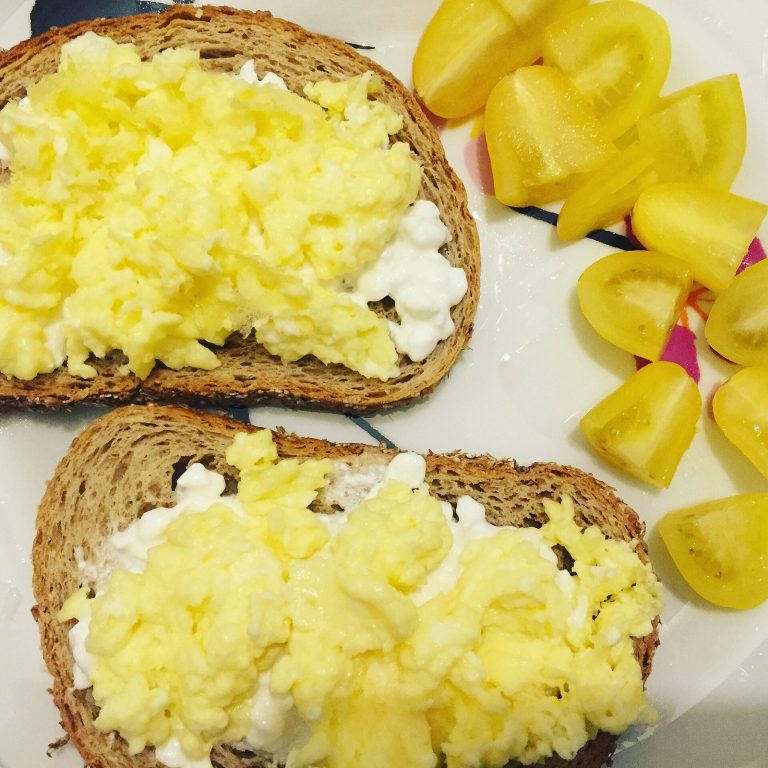
- – Breakfast: fortified cereal or eggs + toast; citrus fruit; take tablets as instructed (often with food if stomach upset—NHS).
- – Lunch: lentil soup or bean chili with tomatoes/peppers; side salad.
- – Dinner: meat or fish with greens and a vitamin C vegetable; or tofu/beans with broccoli and peppers for plant-forward days.
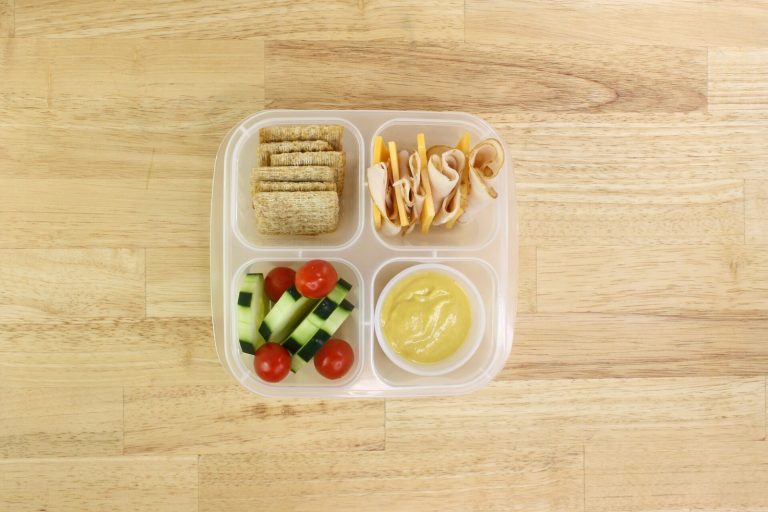
- – Snacks: dried fruit portion, hummus with peppers, or fortified yogurt if it does not collide with tablet timing.
4. Sample day (illustrative; adjust around tablets)
- – Morning tablet per GP; orange juice if advised.
- – Oatmeal or fortified cereal with strawberries.
- – Midday: turkey or lentil salad with tomatoes.
- – Afternoon tea away from the iron dose.
- – Evening: chili with beans and lean meat, kale side, kiwi.
5. Vegetarian or vegan adaptations
ODS: nearly double iron targets may be needed because of lower nonheme absorption. Emphasize legumes, fortified foods, and vitamin C at every iron-containing meal; ask a dietitian about labs and supplements.
6. Side-effect kitchen tips
NHS lists constipation, diarrhea, tummy pain, heartburn, nausea, and darker stools with tablets. Taking tablets with or soon after food may reduce side effects; fiber and fluids help constipation—ask before stopping tablets.
Safety, interactions, and who should ask a clinician first
- – Children: accidental iron overdose can be fatal—lock supplements away (NHS/ODS).
- – Pregnancy: higher iron needs (ODS RDA 27 mg); follow prenatal care, not internet megadoses.
- – GI disease, bariatric surgery, celiac disease, CKD, or heart failure: absorption and dosing differ (NHLBI/ODS)—specialist guidance.
- – Black sticky stools, vomiting blood, severe shortness of breath, chest pain, or fainting: emergency care.
- – Do not assume fatigue is “just iron” without blood tests—B12/folate deficiency and other anemias exist (NHS).
FAQ
Can diet reverse iron-deficiency anemia without tablets? Sometimes low intake is part of the story, but NHS usually recommends iron tablets when counts are low and always looks for the cause. Do not skip prescribed iron.
Is spinach enough? Leafy greens help, especially with vitamin C, but heme sources and fortified foods are often easier for raising intake. ODS stresses variety.
Should I stop tea completely? NHS advises drinking less tea/coffee around iron-rich meals and tablets—not necessarily a lifelong ban. Shift them between meals.
Why do I still feel tired after eating more iron? Tablets and stores often take weeks to months; bleeding may continue; other deficiencies can coexist. Recheck with your GP.
How this differs from related OTCFood topics
This page is an iron-deficiency anemia diet guide focused on heme/nonheme foods, absorption timing, and tablet support. It is not a restless legs syndrome diet guide RLS protocol (though NHS lists restless legs among less-common anemia symptoms), not a celiac disease diet guide gluten framework, not a ulcerative colitis diet guide IBD diet map, and not a general constipation diet guide fiber plan—though tablet side effects often overlap constipation care.
Medical disclaimer
Medical disclaimer: This article is for general information only. It is not medical advice, diagnosis, or a treatment plan. Iron-deficiency anemia care depends on labs, bleeding source, pregnancy status, and medicines. Talk with a clinician or registered dietitian before starting, stopping, or changing iron supplements or diet. Seek urgent care for signs of major bleeding, chest pain, or severe breathlessness. Keep iron tablets away from children.