Gallbladder Removal Diet: Foods That May Help and Foods to Limit
Medical note: This article discusses foods and researched botanicals. It does not claim to prevent, treat, or cure disease. Supplements are not a substitute for food, and studied amounts are not personal prescriptions.
People searching “gallbladder removal diet foods that may help or worsen” usually want a post-cholecystectomy grocery plan, not a promise that food will erase every bout of indigestion. NHS recovery advice is straightforward: eat a normal, healthy diet, and know that small meals may be easier for the first few days. NIDDK notes the gallbladder is not an essential organ—after removal, bile flows from the liver through the bile ducts into the small intestine instead of being stored. NIDDK’s gallstone nutrition page still offers useful kitchen defaults many surgeons echo after surgery: more fiber, healthy fats in place of fried fats, and fewer refined carbohydrates and sugars. Some people have temporary nausea, indigestion, tummy pain, or diarrhea after surgery (NHS calls this pattern post-cholecystectomy syndrome when it persists). Diet adjustments may help comfort; they do not replace wound care, emergency red-flag checks, or follow-up if symptoms continue.
What this gallbladder removal diet guide covers (and what it does not)
This guide is for adults recovering from cholecystectomy (laparoscopic or open) and for cooks supporting them at home. Anchors: NHS — Recovering from gallbladder removal, NHS — Complications of gallbladder removal, NIDDK — Gallstones Treatment, NIDDK — Eating, Diet, & Nutrition for Gallstones, and MedlinePlus — Gallbladder removal.
NHS urgent advice after surgery includes severe or worsening pain, wound pus or spreading redness, jaundice, leg swelling/pain, or high fever/chills—contact urgent care or emergency services as directed. Chest pain with leg swelling and breathing trouble needs emergency care for possible clot complications.
Evidence snapshot: post-gallbladder diet claims vs public sources
| Claim people hope for | What public sources actually say | Confidence |
|---|---|---|
| “You must stay on a lifelong fat-free diet” | NHS: return to a normal, healthy diet; small meals may be easier early on—not a permanent zero-fat mandate | Strong against extreme lifelong fat-free myths |
| “Fiber and healthier fats matter” | NIDDK (gallstone nutrition): more fiber (fruits, vegetables, beans, peas); healthy fats such as fish oil and olive oil; avoid unhealthy fats in desserts and fried foods | Moderate as a sensible pattern many people use after surgery too |
| “Smaller meals help early recovery” | NHS recovery: small meals may be easier for the first few days | Moderate–strong for the early weeks |
| “Diarrhea after surgery means surgery failed” | NHS: diarrhea, nausea, indigestion, or tummy pain can occur (post-cholecystectomy syndrome); usually improves, but contact GP/care team if it continues | Moderate that symptoms can be temporary |
| “Diet prevents all bile-duct problems” | NHS lists rare complications (bile leak, retained stones, duct injury) that need medical care, not groceries | Strong that diet is not the treatment for surgical complications |
Foods and patterns that may help after gallbladder removal
“May help” means easing digestion while bile delivery is continuous rather than stored—not a guarantee of zero symptoms.
Early days (NHS-focused)
- – Smaller, more frequent meals instead of three very large plates
- – Soft, familiar foods you tolerate while pain medicines settle
- – Steady fluids unless your surgeon gave different instructions
- – Build back toward a normal healthy diet rather than fear-based restriction
Fiber-forward defaults (NIDDK pattern)
- – Fruits and vegetables
- – Beans and peas
- – Whole grains as tolerated (increase gradually if gas or loose stools flare)
Healthier fat pattern (NIDDK)
- – Olive oil or other unsaturated oils in modest amounts for cooking
- – Fish as a protein option
- – Limit deep-fried foods and heavy cream desserts that NIDDK flags as unhealthy fats
Practical “often recommended” plates
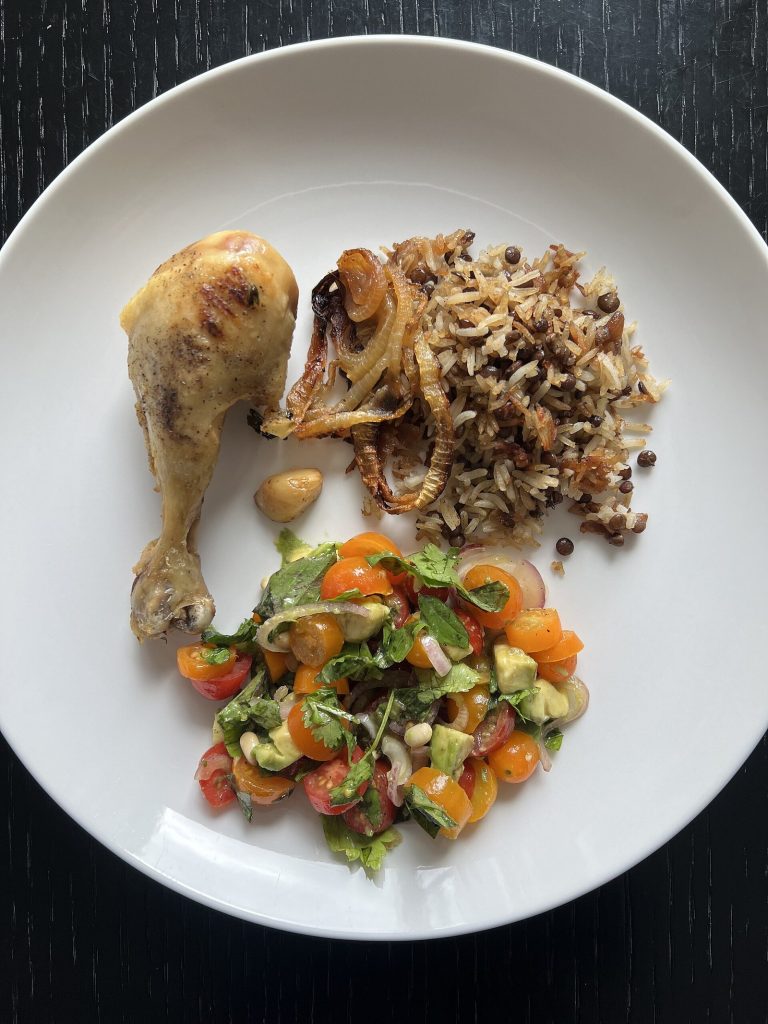
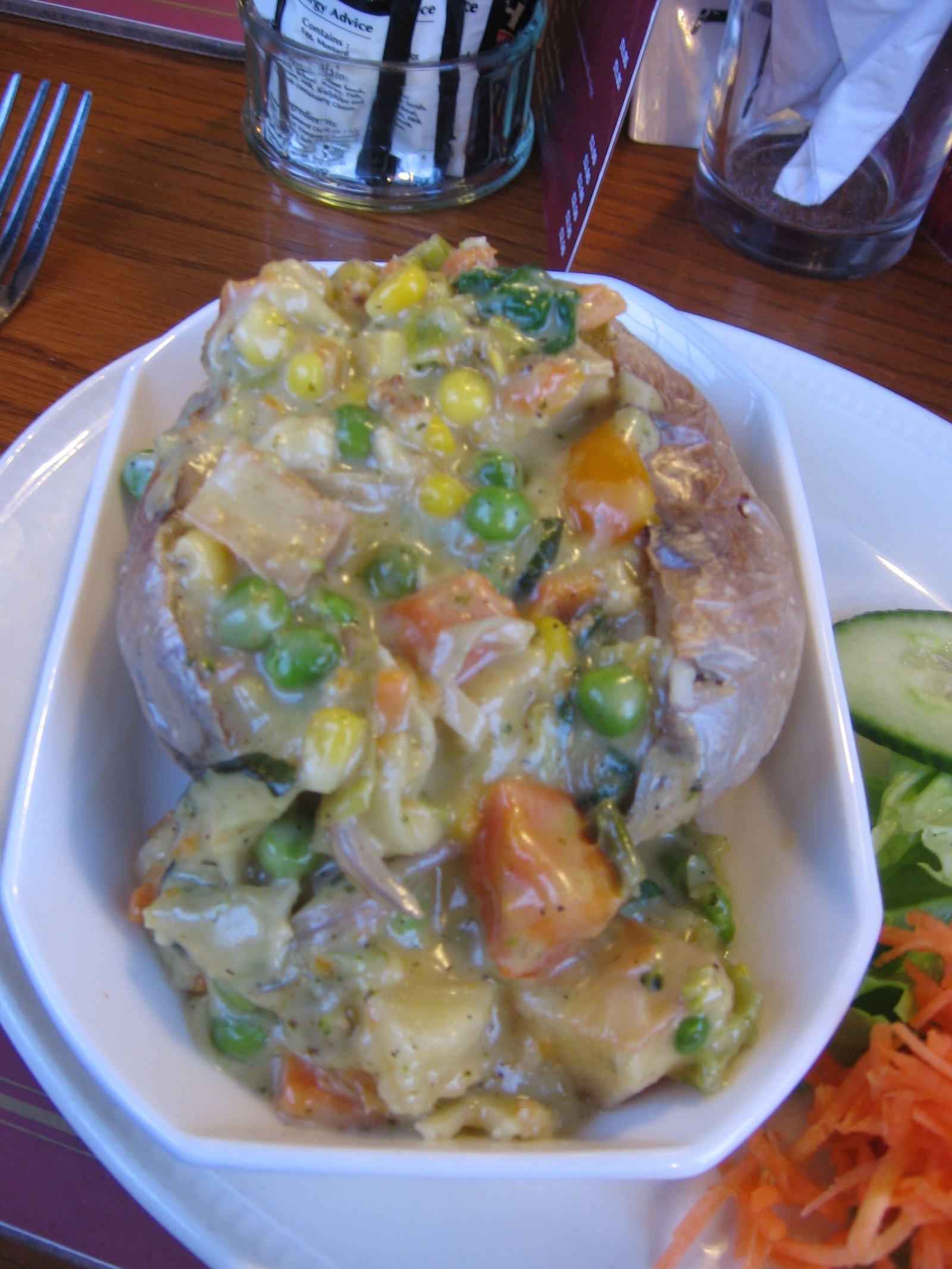
- – Grilled or baked poultry/fish with vegetables and a baked potato
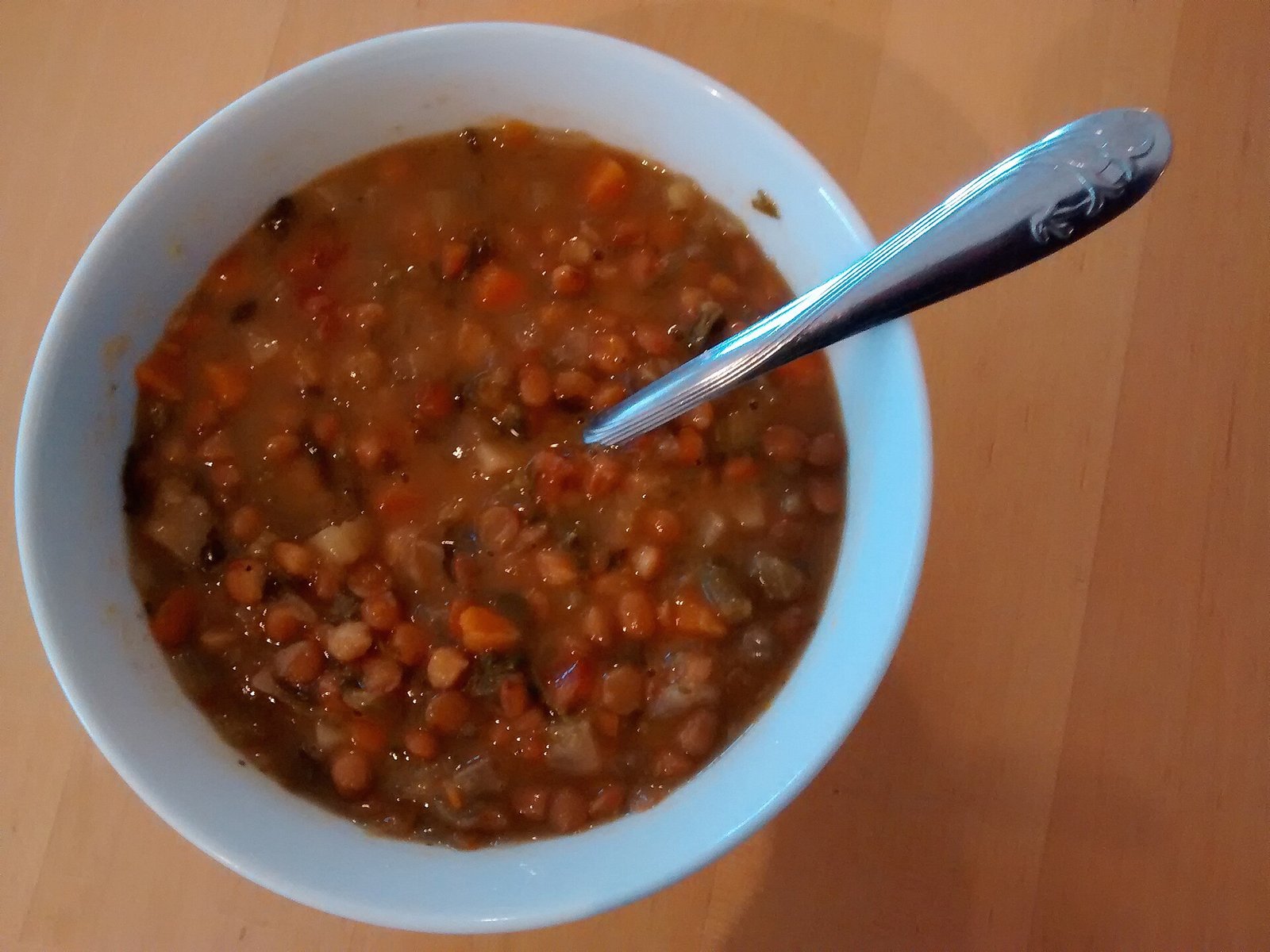
- – Lentil or vegetable soup with toast
- – Yogurt and fruit if dairy sits well
- – Oatmeal with banana for an easy breakfast
Foods and habits that often worsen comfort after cholecystectomy
- – Large, very high-fat fried meals (fried chicken buckets, heavy cream sauces, piles of cheese) especially in the first days—common patient triggers even though NHS does not demand lifelong fat-free eating.
- – Huge portions right after surgery when NHS suggests smaller meals may be easier.
- – Sugar-heavy refined snacks and sweets as the bulk of calories (NIDDK advises fewer refined carbohydrates and less sugar in gallstone-oriented eating).
- – Skipping meals all day then one feast—harder for continuous bile flow to match a sudden fat load for some people.
- – Alcohol binges while on pain medicines or while stools are already loose.
- – Ignoring red-flag symptoms and trying only “bland diet” when NHS says continuing pain, jaundice, or wound infection signs need medical review.
“Limit” means smaller servings and lower frequency while you learn your new tolerance—not a permanent ban on every gram of fat.
Practical kitchen protocol: the first month after gallbladder removal
1. Follow your discharge sheet first
Hospital instructions override generic blogs. NHS notes you may go home the same day; arrange help for the first 24 hours and take pain medicines as directed.
2. Week 1: small plates, low drama
- – Breakfast: oatmeal or toast with a little jam; banana.
- – Lunch: vegetable soup; crackers or bread.
- – Dinner: baked potato with a small portion of fish or chicken and cooked vegetables.
- – Snack: fruit or yogurt if tolerated.
Increase variety every day or two as energy returns.
3. Weeks 2–4: rebuild a normal healthy pattern
Reintroduce olive oil in teaspoon amounts, avocado in small slices, and nut butters carefully. Keep fried takeout rare. Aim for NIDDK-style fiber from produce and beans as stools allow.
4. If diarrhea is an issue
Keep a short food-and-symptom log. Note whether large fatty meals precede urgency. Ask your clinician about bile-acid binders or other medicines if NHS-described post-cholecystectomy symptoms persist—do not self-dose.
5. Shopping list default
Oats, bananas, potatoes, frozen mixed vegetables, lentils, chicken breast, white fish, eggs, yogurt, olive oil (small bottle), whole-grain bread, apples, and broth-based soups.
6. Sample day once you feel steadier (illustrative)
- – Breakfast: oatmeal with banana.
- – Lunch: lentil vegetable soup; side salad if tolerated.
- – Snack: apple.
- – Dinner: baked fish, roasted carrots and green beans, small rice portion.
- – Evening: yogurt if desired—skip fried snacks.
7. Eating out
Choose grilled items, ask for sauces on the side, share large entrees, and skip the deep fryer while you map triggers. Carry a card listing your recent surgery if early recovery limits activity.
Safety, interactions, and who should ask a clinician first
- – NHS urgent: severe/worsening pain, wound infection signs, jaundice, leg swelling/tenderness, high fever or rigors—seek urgent GP/111-style care (or local equivalent).
- – NHS emergency: leg pain/swelling with breathing difficulty or chest pain—possible clot; call emergency services.
- – MedlinePlus notes early post-op progress from IV fluids toward liquids then solids as the team allows—do not leap to steak dinners the night of surgery unless cleared.
- – Narcotic pain medicines can constipate; balance fiber and fluids as advised without forcing huge bran doses into a tender abdomen.
- – Pre-existing pancreatitis, bile-duct stones, or liver disease need individualized plans—this page is general education only.
FAQ
Do I need a permanent low-fat diet after gallbladder removal? NHS advises a normal healthy diet, with smaller meals easier at first. Many people still feel better limiting very greasy fried meals (aligned with NIDDK’s unhealthy-fat caution), but lifelong fat-free eating is not what NHS recovery text requires.
Why do I have diarrhea after surgery? NHS lists diarrhea among symptoms that can follow gallbladder removal (sometimes discussed as post-cholecystectomy syndrome). It often improves; contact your care team if it continues.
Can I eat eggs and avocado again? Often yes, in modest amounts once early recovery settles. Reintroduce gradually and watch stools and pain—individual tolerance varies.
Will diet fix a bile leak or retained stone? No. NHS describes those as complications needing medical or surgical care, not grocery changes.
How this differs from related OTCFood topics
This page is a post-cholecystectomy diet guide focused on early small meals, return to healthy eating, and fiber/healthier-fat patterns. It is not a gallstones diet guide prevention page for people who still have a gallbladder, not a pancreatitis diet guide protocol, not a IBS diet guide FODMAP plan, and not a fatty liver diet basics weight-loss guide—though weight and metabolic health still matter long term.
Medical disclaimer
Medical disclaimer: This article is for general information only. It is not medical advice, diagnosis, or a treatment plan. Eating after gallbladder removal depends on your operation type, medicines, and complications risk. Talk with a licensed clinician or registered dietitian before major diet changes. Seek urgent or emergency care for the NHS-listed warning signs after surgery.