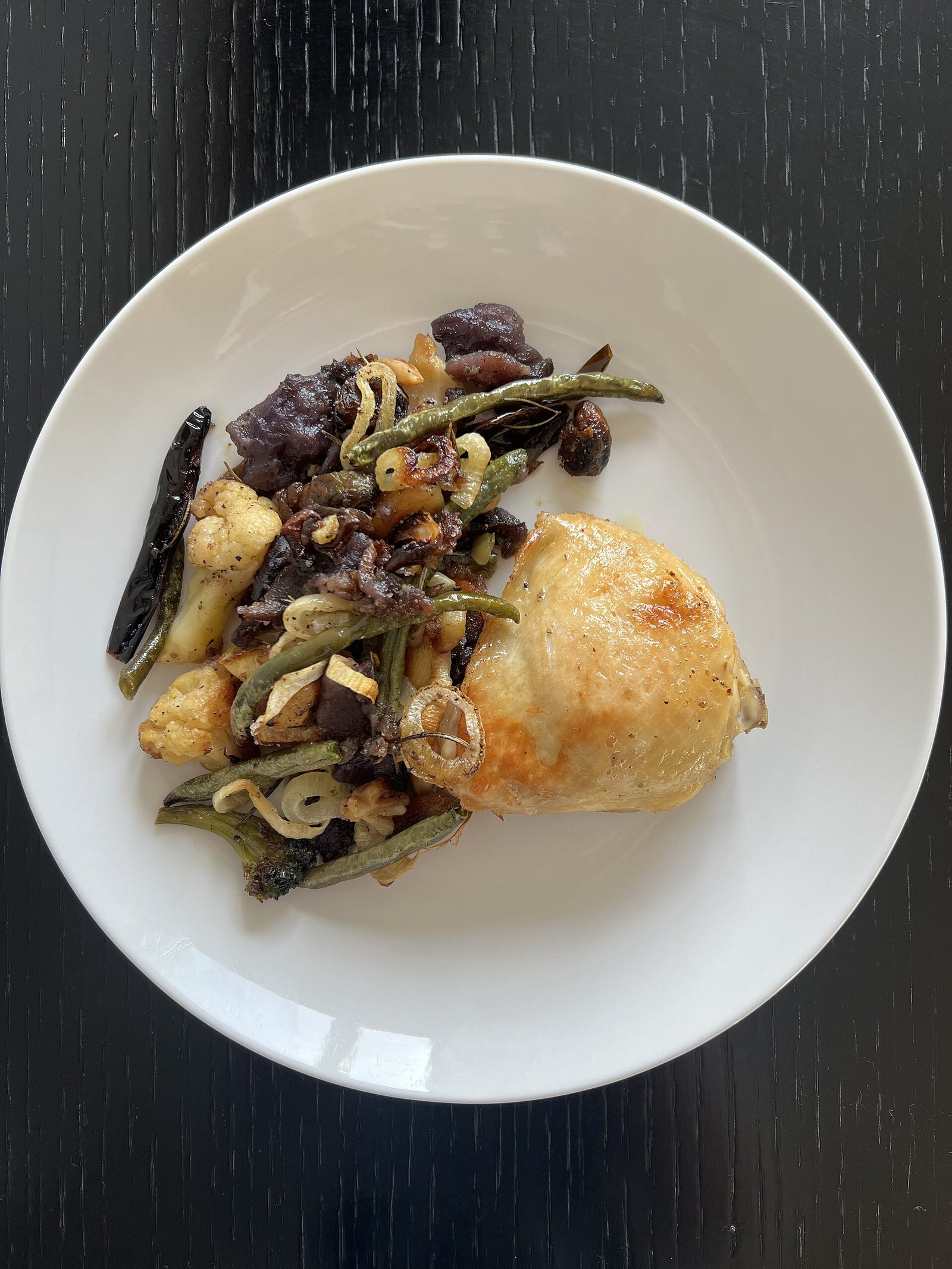
Diabetic Neuropathy Diet: Foods That May Help and Foods to Limit
Medical note: This article discusses foods and researched botanicals. It does not claim to prevent, treat, or cure disease. Supplements are not a substitute for food, and studied amounts are not personal prescriptions.
People searching “diabetic neuropathy diet foods that may help or worsen” usually want a blood-sugar-aware plate that supports nerve health, not a promise that food will regrow damaged nerves. NIDDK defines diabetic neuropathy as nerve damage from diabetes: over time, high blood glucose and high blood fats such as triglycerides can damage nerves. CDC states you can prevent or delay nerve damage by closely managing blood sugar, and that anyone with diabetes can develop neuropathy. NIDDK’s diabetes eating guidance (plate method, carb awareness, fiber, limited sugary drinks and alcohol) is the practical kitchen map. Diet is supportive alongside glucose medicines, foot care, and clinician-guided neuropathy care—it does not undo established nerve injury by itself or replace prescribed care.
What this diabetic neuropathy diet guide covers (and what it does not)
This guide is for adults with diabetes who have burning, tingling, or numbness in the feet or hands—or who want to lower neuropathy risk—and for caregivers cooking for them. Anchors: NIDDK — Diabetic Neuropathy, CDC — Diabetes and Nerve Damage, NIDDK — Diabetes Diet & Eating, and MedlinePlus — Diabetic Nerve Problems.
CDC notes peripheral neuropathy often starts in the feet; numbness can hide cuts that become ulcers. A new open foot sore, rapidly spreading redness, fever, sudden severe weakness, chest pain, or fainting needs urgent care—not a new smoothie.
Evidence snapshot: diabetic neuropathy diet claims vs public sources
| Claim people hope for | What public sources actually say | Confidence |
|---|---|---|
| “Blood sugar control protects nerves” | CDC: manage blood sugar closely to prevent or delay nerve damage; NIDDK: high glucose over time damages nerves | Strong as risk reduction, not a cure claim |
| “Triglycerides matter too” | NIDDK: high blood fats such as triglycerides from diabetes can damage nerves | Moderate–strong as a co-factor |
| “Plate method helps day-to-day eating” | NIDDK: half nonstarchy vegetables, one-quarter lean protein, one-quarter higher-fiber carb foods on a 9-inch plate | Strong as a practical planning tool |
| “Special ‘nerve repair’ foods undo neuropathy” | Public NIDDK/CDC pages emphasize glucose and overall diabetes management, not a named curative food | Insufficient for cure claims—avoid them |
| “Alcohol is harmless if carbs are counted” | NIDDK: limit alcohol; with insulin or certain medicines it can cause hypoglycemia | Moderate–strong to limit |
Foods and patterns that may help with diabetic neuropathy risk
“May help” means supporting glucose and triglyceride targets your care team sets—not guaranteeing nerve regeneration.
Plate method defaults (NIDDK)
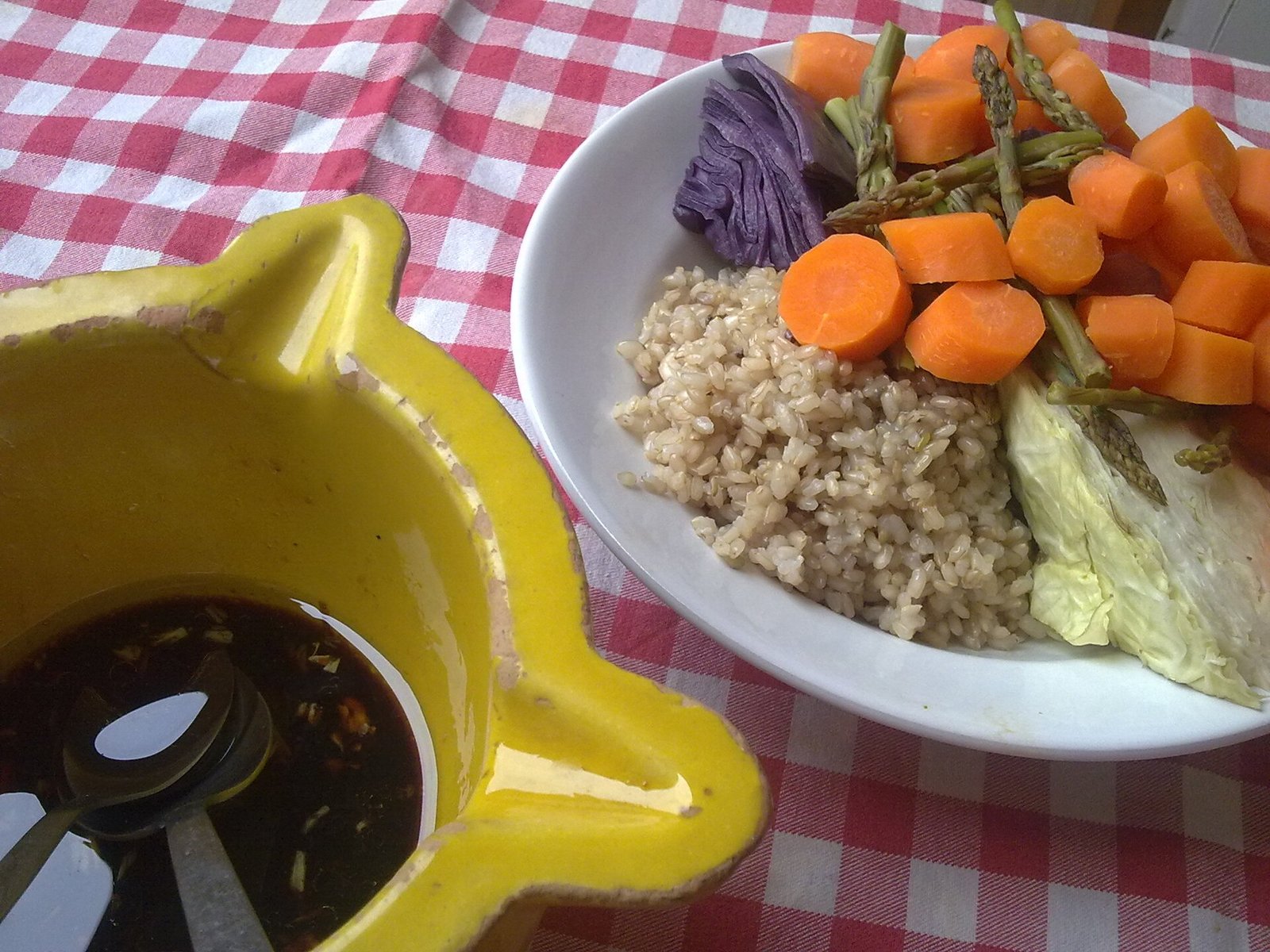
- – Half the plate: nonstarchy vegetables—leafy greens, peppers, carrots, green beans, broccoli, cucumbers, tomatoes
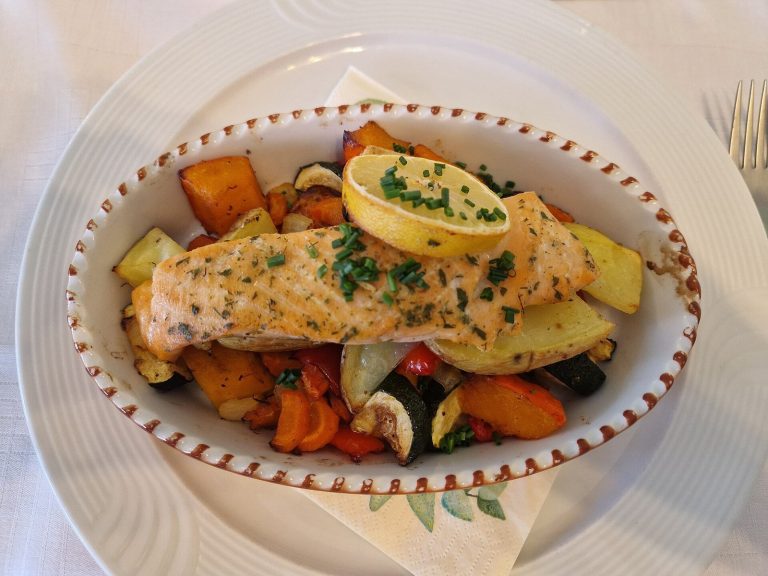
- – One-quarter: lean protein—fish, poultry, tofu, eggs, beans
- – One-quarter: higher-fiber carb foods—brown rice, whole grains, beans, fruit
Carb and drink patterns (NIDDK)
- – Choose foods with fiber, vitamins, calcium, and healthier fats
- – Prefer water or drinks with little or no added sugar
- – Learn whether carb counting or the plate method fits you—ask your diabetes team
- – Space meals consistently if your medicines require it
Heart-and-triglyceride aware choices
- – Oily fish, beans, vegetables, and whole grains as frequent defaults
- – Measured amounts of nuts and seeds if they fit your calorie plan
- – Less sugary dessert and fewer refined snacks that spike glucose and add empty calories
Foot-safe kitchen habits (CDC context)
- – Check feet daily after cooking sessions if you stand long
- – Avoid walking barefoot in kitchens where spills hide
Foods and habits that often worsen diabetic neuropathy risk patterns
- – Sugar-sweetened beverages and frequent sweets that drive high glucose (NIDDK limits added-sugar drinks).
- – Oversized refined carb portions (large white rice/pasta/bread servings without vegetables or protein).
- – Skipping medicines or glucose checks while “eating clean”—food does not replace therapy.
- – Heavy alcohol—hypoglycemia risk with insulin/sulfonylureas and extra calories that raise triglycerides (NIDDK).
- – Very low-calorie crash diets without medical supervision—can destabilize glucose and nutrition.
- – Ignoring foot injuries because “diet will fix numbness”—CDC warns unnoticed sores can lead to serious infections.
“Limit” means smaller portions and lower frequency under your meal plan—not fear of every fruit serving (fruit still fits the carb quarter).
Practical kitchen protocol: a diabetic neuropathy diet week
1. Know your targets before rewriting recipes
Ask for your A1C, time-in-range (if you use a CGM), LDL, and triglyceride goals. NIDDK ties nerve risk to glucose and blood fats—your numbers steer how strict carb timing needs to be.
2. Practice the 9-inch plate at home
Use a smaller dinner plate. Fill vegetables first, then protein, then a measured carb. Photograph a few meals for your dietitian visit.
3. Build a neuropathy-aware shopping list
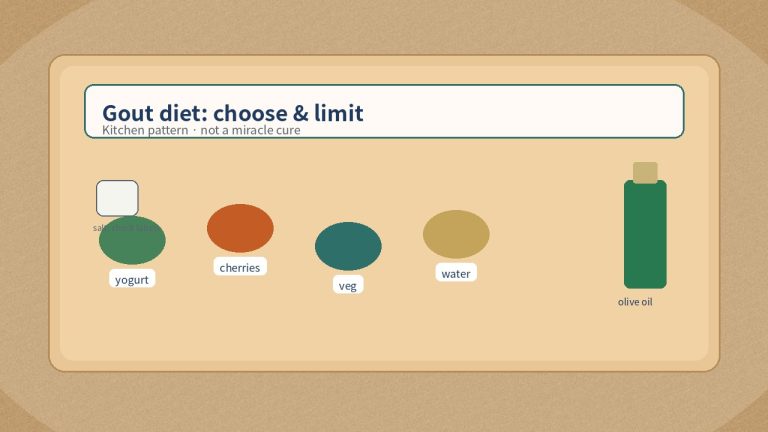
Leafy greens, frozen mixed vegetables, cucumbers and tomatoes, beans, lentils, tofu, eggs, fish, skinless chicken, brown rice, oats, berries, plain yogurt, olive oil in a small bottle, and sparkling water instead of soda.
4. Snack formula that rarely spikes as hard
Pair carb + protein/fat: apple with peanut butter; yogurt with berries; whole-grain crackers with tuna—portion per your plan.
5. Sample day (illustrative)
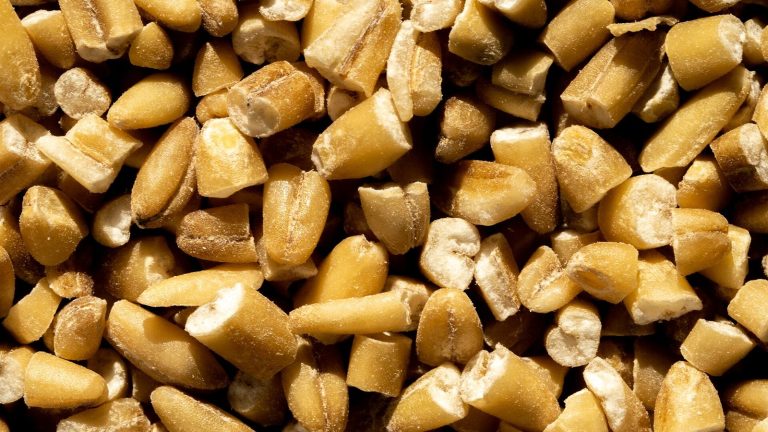
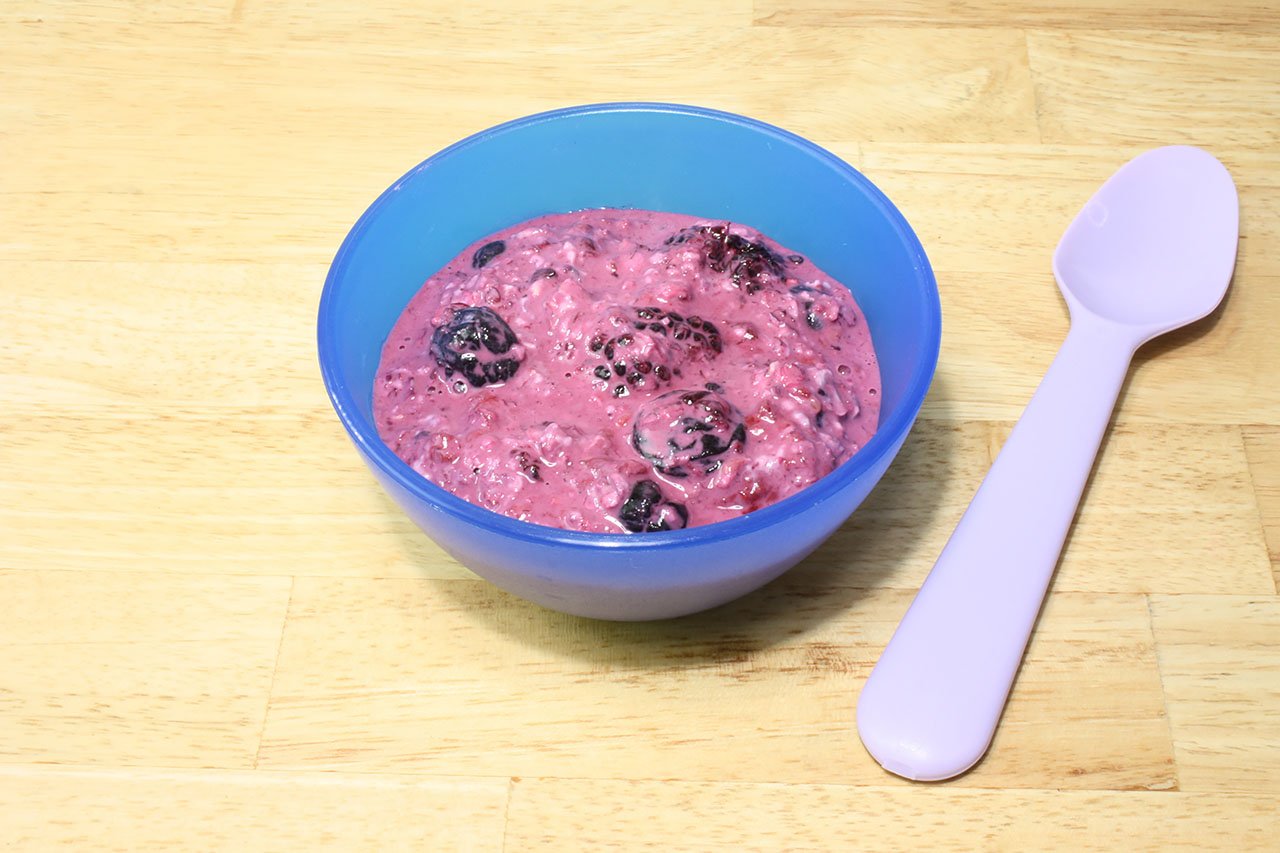
- – Breakfast: oatmeal cooked with water or unsweetened milk, topped with berries; egg on the side if you need more protein.
- – Lunch: large vegetable salad with grilled chicken and chickpeas; small whole-grain roll if it fits your carbs.
- – Snack: carrot sticks and hummus.
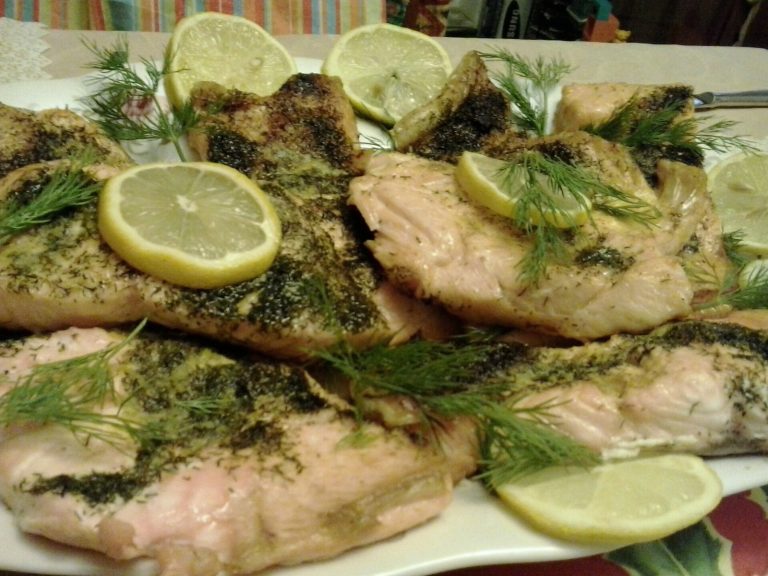
- – Dinner: baked fish, half-plate roasted vegetables, quarter-plate brown rice.
- – Evening: water or herbal tea; alcohol only if your clinician has cleared a specific amount.
6. Eating out
Order grilled proteins, double vegetables, starch on the side, and sauce separately. Skip bottomless chips and sugary drinks. Ask for nutrition info when available.
7. Hypoglycemia-aware cooking
If you use insulin or medicines that can drop glucose, carry rapid carbs as taught, and do not skip the meal after a long grocery trip or cooking session. NIDDK notes alcohol can worsen lows—never drink on an empty stomach if you are at risk.
Safety, interactions, and who should ask a clinician first
- – Foot red flags (CDC): new ulcers, spreading redness, pus, fever, or blackened skin—urgent care.
- – Autonomic neuropathy can affect digestion, bladder, heart rate, and hypoglycemia awareness (NIDDK / CDC)—report vomiting, diarrhea that will not stop, resting tachycardia, or sudden blackouts.
- – Kidney disease often coexists with long-standing diabetes—protein, potassium, and phosphorus may need renal diet limits; do not copy generic high-protein trends.
- – Supplements marketed to “rebuild nerves” (very high B6, mystery blends) can be harmful—ODS notes excess B6 can cause neuropathy; ask before buying.
- – Gastroparesis (delayed stomach emptying) may require texture and fat changes beyond this page—get specialized advice if vomiting undigested food.
FAQ
Can a diabetic neuropathy diet reverse nerve damage? CDC and NIDDK emphasize preventing or delaying damage with glucose management. They do not present food as a reliable way to reverse established neuropathy. Focus on “may help protect” language with your care team.
Is fruit allowed if I have neuropathy? Yes, in planned portions—NIDDK places fruit in the higher-fiber carb quarter of the plate. Whole fruit is generally preferable to juice.
Do I need a special “neuropathy vitamin”? Not by default. Correct documented deficiencies with clinician guidance. Megadoses are not a safe DIY nerve repair strategy.
How is this different from a general diabetes diet? The foods overlap heavily with standard diabetes eating. The difference is urgency: neuropathy raises the stakes for glucose/triglyceride control and daily foot vigilance (CDC).
How this differs from related OTCFood topics
This page is a neuropathy-bound diabetes diet guide linking plate method and glucose/triglyceride control to nerve risk. It is not a general type 2 diabetes plate guide overview alone, not a prediabetes insulin resistance diet guide prevention piece, not a gastroparesis diet guide texture protocol, and not a high cholesterol diet guide LDL-only plan—though lipids still matter for overall risk.
Medical disclaimer
Medical disclaimer: This article is for general information only. It is not medical advice, diagnosis, or a treatment plan. Diabetic neuropathy management depends on your glucose data, foot exams, kidney function, and medicines. Talk with a licensed clinician or registered dietitian before changing diet, supplements, or diabetes medications. Seek urgent care for foot ulcers, signs of infection, stroke symptoms, or severe hypoglycemia you cannot treat.