Eczema Diet: Foods That May Help and Foods to Limit
Medical note: This article discusses foods and researched botanicals. It does not claim to prevent, treat, or cure disease. Supplements are not a substitute for food, and studied amounts are not personal prescriptions.
Most people with eczema (atopic dermatitis) do not need a special diet. Public health sources agree that eczema comes from a mix of genes, immune-system changes, and environmental triggers—not from one bad food—and the NHS specifically advises not changing your diet unless a doctor tells you to, including when breastfeeding a baby with eczema. Food does matter in one important situation: a confirmed food allergy, which is more common in people with eczema and can make symptoms worse, especially in young children. The most useful “eczema diet” is therefore a balanced, varied eating pattern, careful allergy testing instead of guesswork, and evidence-aware choices about supplements.
What this eczema diet guide covers (and what it does not)
This guide is for adults with atopic dermatitis, parents of babies and children with eczema, and people wondering whether food or supplements play a role. Anchors: NIAMS — Atopic Dermatitis, NHS — Atopic eczema, MedlinePlus — Atopic dermatitis, NCCIH — Skin Conditions and Complementary Health Approaches, and the NIAID peanut allergy prevention guidelines summary.
It is not about contact dermatitis, dermatitis herpetiformis (a gluten-related rash), or infected eczema, which needs prompt medical review. NIAID estimates atopic dermatitis affects 10 to 30 percent of children and 2 to 10 percent of adults in the United States, and calls eczema the strongest risk factor for developing food allergy.
Evidence snapshot: eczema diet claims vs public sources
| Claim people hope for | What public sources actually say | Confidence |
|---|---|---|
| “Food allergies cause eczema” | MedlinePlus: people with atopic dermatitis often test positive on allergy tests, but atopic dermatitis is not caused by allergies; NHS lists certain foods among things that can make it worse | Moderate that food is a trigger for some, not the cause |
| “Cutting out dairy, eggs, or wheat will clear my skin” | NHS: do not change your diet unless told to by a doctor; NIAMS advises talking to your doctor about potential food allergies | Strong that elimination should follow testing |
| “Fish oil, evening primrose, or borage oil help” | NCCIH, citing American Academy of Dermatology guidelines: inconsistent to no evidence for fish oils, evening primrose oil, borage oil, multivitamins, zinc, vitamins D, E, B6, and B12; a 2013 Cochrane review of 27 trials found no clinical benefit from evening primrose or borage oil | Low |
| “Probiotics fix eczema” | NCCIH: guidelines do not recommend probiotics or prebiotics for established atopic dermatitis because evidence is inconsistent; the best evidence is for probiotics in pregnancy, breastfeeding, or infancy to lower the chance of eczema developing | Low for established eczema; preliminary for prevention |
| “Vitamin D may matter” | NCCIH: a 2019 meta-analysis of 16 studies found clinically relevant improvements at about 1,500–1,600 IU daily for up to 3 months, but guidelines still call evidence inconsistent and more research is needed | Low-to-moderate; check levels first |
| “Babies with eczema should avoid peanut” | NIAID guideline: infants with severe eczema, egg allergy, or both should have peanut-containing foods introduced as early as 4–6 months, after checking with their healthcare provider | Strong for supervised early introduction |
Foods and patterns that may help with eczema
“May help” here means supporting overall nutrition and avoiding unnecessary restriction—not clearing eczema.
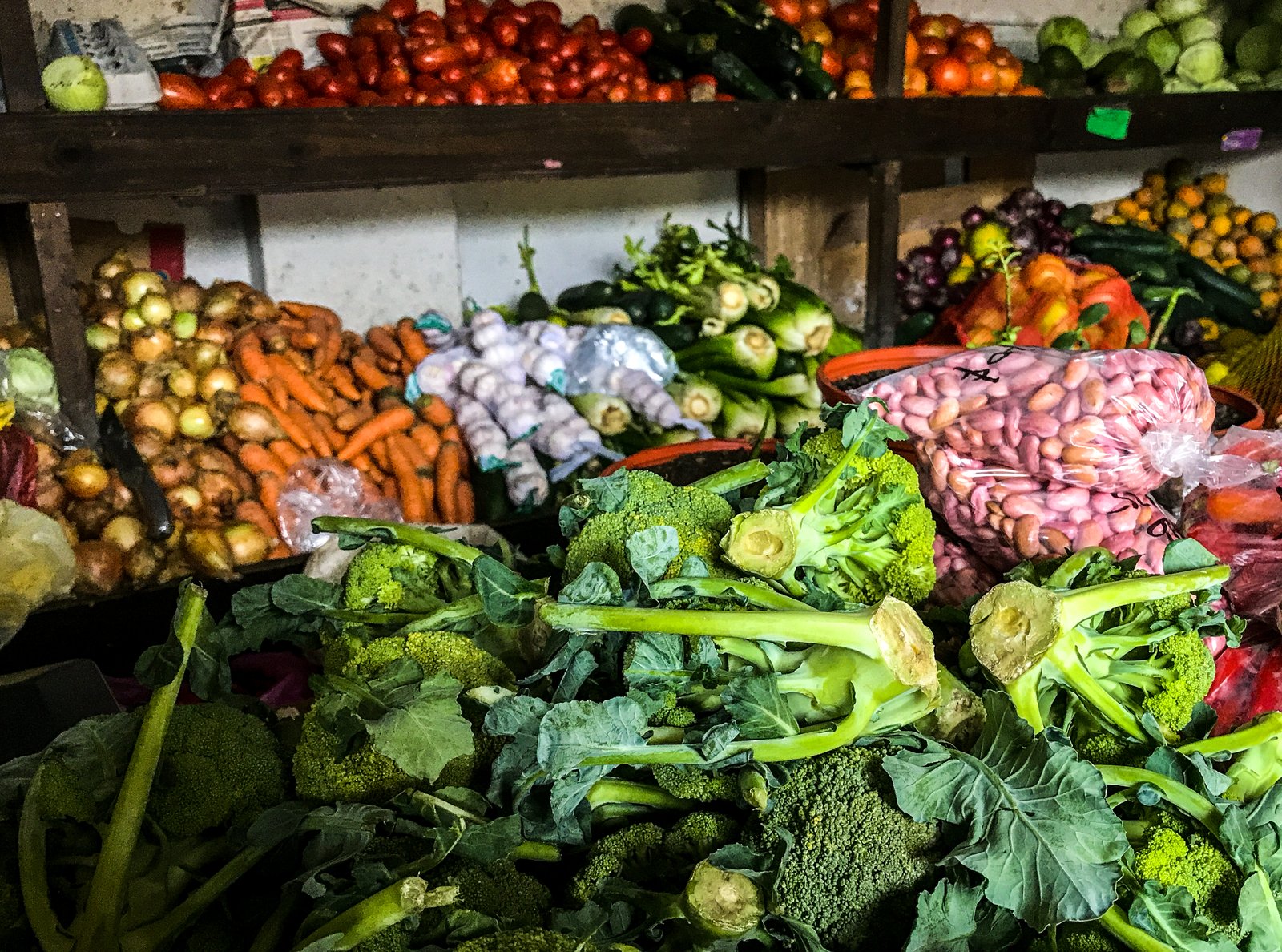
- – A balanced, varied diet with vegetables, fruits, whole grains, beans, nuts and seeds (if not allergic), dairy or fortified alternatives, eggs, poultry, and fish. Variety protects against nutrient gaps that restrictive “eczema diets” can create, which matters most for growing children.
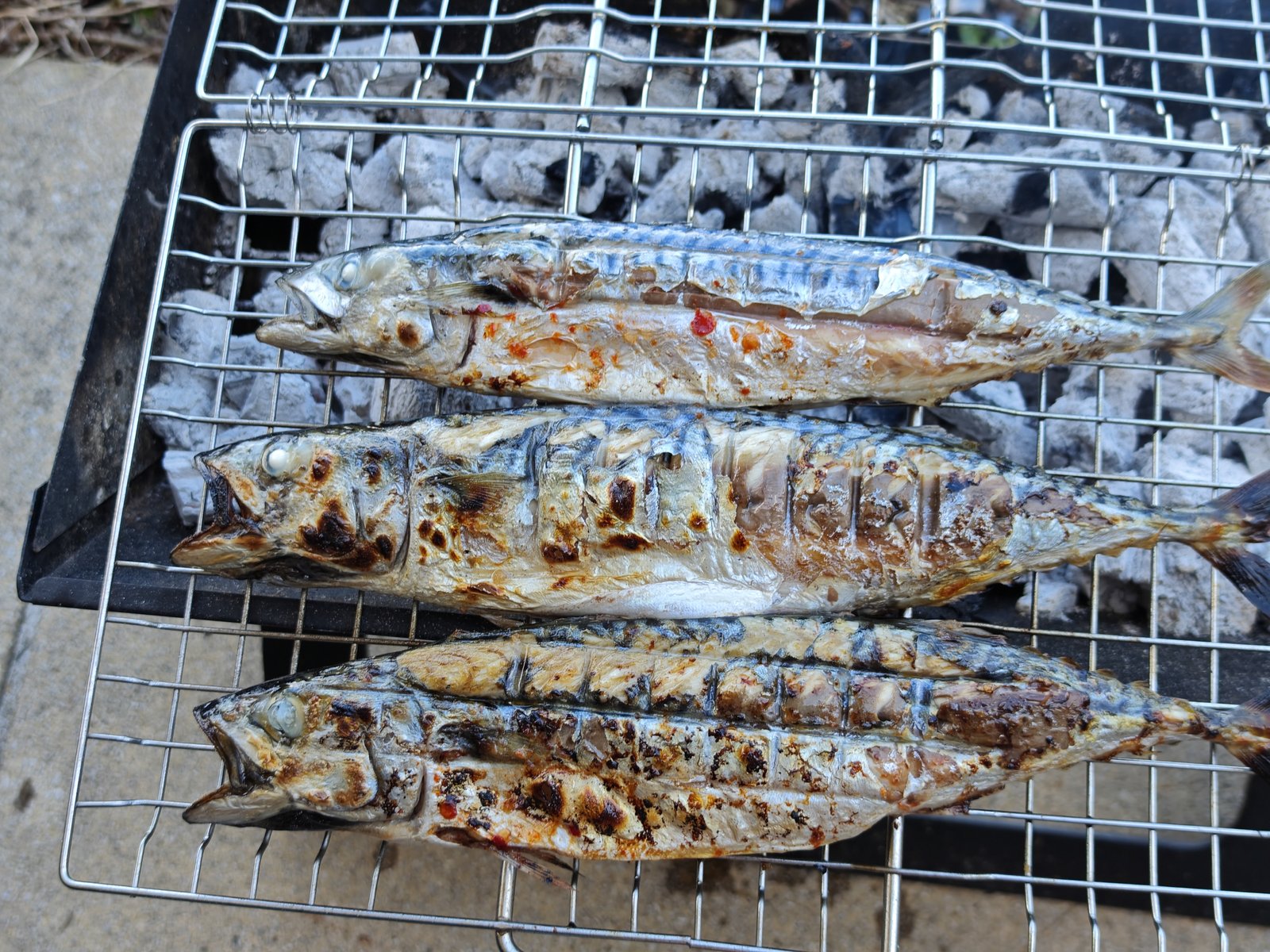
- – Fatty fish as a regular protein, such as salmon, sardines, or mackerel, as part of normal meals. Fish-oil supplements specifically have inconsistent evidence for eczema (NCCIH), so think of fish as good food, not a skin remedy.
- – Vitamin D from food or a tested supplement: if your clinician finds low vitamin D, correcting it is reasonable; NCCIH notes some trials suggest improvement, but evidence is not consistent.
- – Breastfeeding where possible: MedlinePlus notes children breastfed until 4 months may be less likely to develop atopic dermatitis; for formula-fed infants, partially hydrolyzed formula may lower the chances.
- – Early allergen introduction guided by a clinician: NIAID’s peanut guideline found regular early peanut eating lowered peanut allergy risk by 81 percent in high-risk infants in the LEAP trial.
Foods and habits to limit with eczema
- – Foods confirmed as allergens for you or your child—identified by an allergist with history and testing, not by internet lists. NIAMS asks about foods that seem to trigger hives when diagnosing atopic dermatitis.
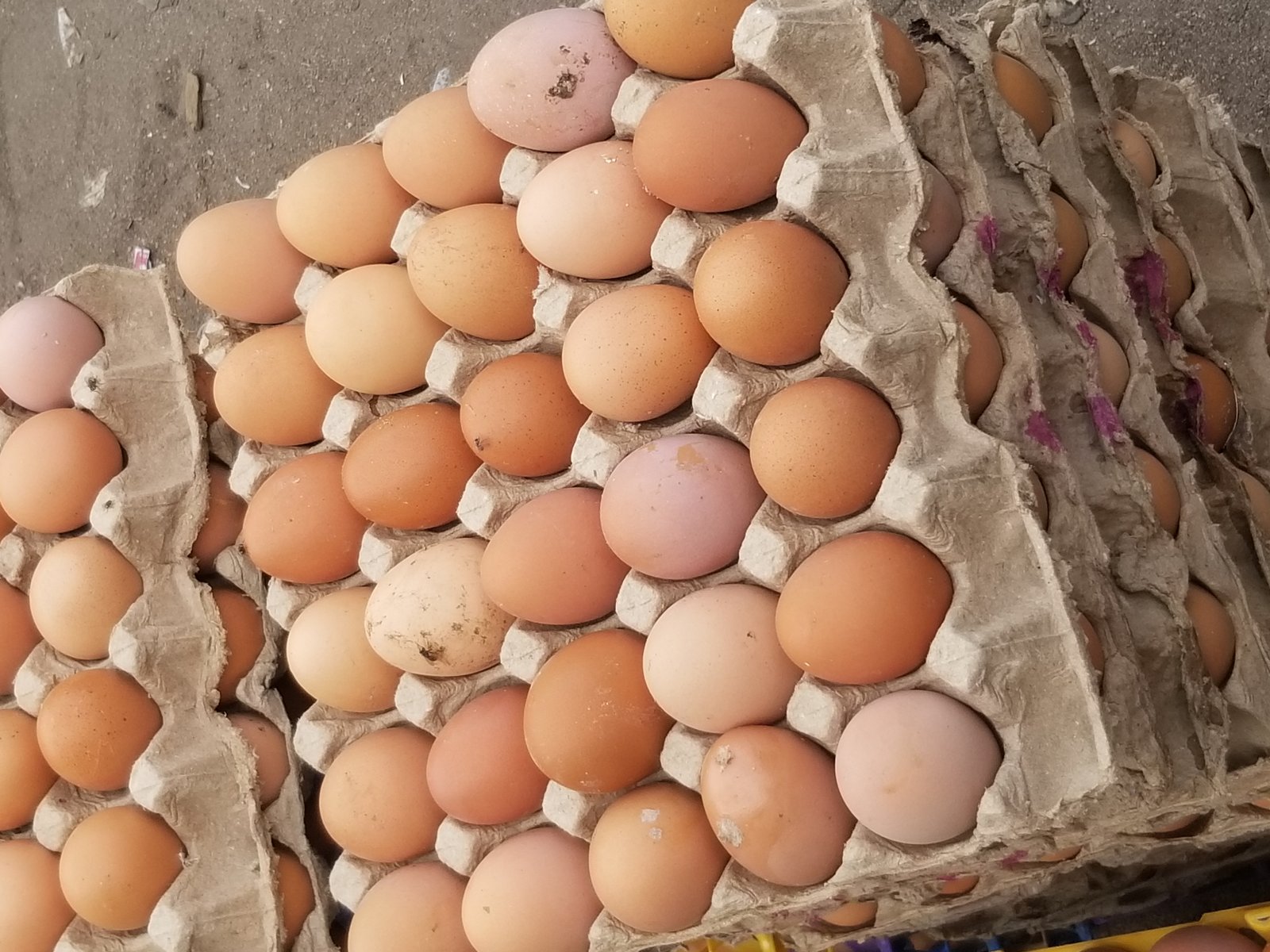
- – Foods such as eggs in very young children if they seem to cause an allergic reaction; MedlinePlus says always talk to your provider first.
- – Self-directed elimination diets, especially for children or breastfeeding parents (NHS advice).
- – Unproven supplement stacks: evening primrose oil, borage oil, zinc, multivitamins, or high-dose vitamins taken in hopes of clearing skin (NCCIH/AAD evidence summary).
- – Chinese herbal products for eczema without medical oversight: NCCIH notes reviews found no conclusive benefit and that these preparations can be potentially hazardous, especially for children.
“Limit” means remove only what testing supports, and reintroduce under guidance when appropriate.
Practical eczema plan: food diary, allergy testing, and the daily plate
1. Keep a combined skin-and-food diary for 2–4 weeks
Record meals, snacks, new foods, skin flares, itch at night, sweat or heat exposure, new soaps or detergents, and stress. NHS and NIAMS list many non-food triggers—soap, detergents, some fabrics, pets, pollen, house-dust mites, heat, stress, and hormonal changes—so a diary helps you avoid blaming food for a detergent problem.
2. Know when to ask about food allergy testing
Bring the diary to your doctor if a food is followed soon after by hives, swelling, vomiting, or a sudden skin flare, or if a baby’s eczema is severe. Your doctor or an allergist can decide whether testing is useful.
3. Feed babies and toddlers with a plan
- – Talk with your child’s provider before introducing peanut if your baby has severe eczema or egg allergy; they may arrange an allergy blood test or skin-prick test first (NIAID).
- – NIAID: for mild-to-moderate eczema, peanut-containing foods may be introduced around 6 months; never give whole peanuts to infants and small children because of choking risk; introduce other solid foods first.
- – Avoid removing milk, egg, or wheat from a baby’s or breastfeeding parent’s diet without professional advice (NHS).
4. Build an everyday plate
- – Half the plate: vegetables and fruit.
- – A quarter: protein—fish twice a week, eggs, poultry, beans, tofu (as tolerated).
- – A quarter: whole grains such as oats, brown rice, or whole-grain bread.
- – Plus: dairy or a calcium-fortified alternative, especially if any food group has been removed.
5. Pair food with skin care
Diet is a small lever compared with daily skin care. The NHS advises emollients at least twice a day, washing with an emollient instead of soap, and keeping cool. NIAMS suggests lukewarm baths once a day, patting skin dry, and moisturizing right after bathing.
6. Sample day (illustrative)
- – Breakfast: oatmeal with milk or fortified soy drink and sliced fruit.
- – Lunch: whole-grain wrap with chicken, salad vegetables, and hummus.
- – Snack: yogurt or a piece of fruit.
- – Dinner: grilled mackerel or salmon, brown rice, and roasted vegetables.
7. Shopping list default
Seasonal vegetables and fruit, oats, brown rice, whole-grain bread (if tolerated), canned salmon or sardines, fresh mackerel, eggs (if tolerated), plain yogurt or fortified alternatives, beans, lentils, olive oil, and smooth peanut butter for supervised infant introduction if your provider agrees.
Safety and who should talk to a doctor first
- – Infected or rapidly worsening eczema: the NHS advises an urgent GP appointment or NHS 111 for blistered, crusty, leaking, painful, swollen, or hot skin, a sudden spread, or a high temperature—signs of infection or eczema herpeticum.
- – Severe allergic reactions after eating—swelling of the lips or tongue, trouble breathing—need emergency care.
- – Children on restricted diets need a dietitian to protect growth and nutrition.
- – Supplements: vitamin D, zinc, and herbal products can interact with medicines or cause harm at high doses; check with your clinician, especially for children and during pregnancy.
- – Prescribed skin medicines (topical steroids, calcineurin inhibitors, biologics, JAK inhibitors) are the core of medical care described by NIAMS; do not stop them in favor of diet changes.
FAQ
Is there a specific diet that clears eczema? No public source supports a single eczema diet. The NHS advises against changing your diet unless a doctor advises it; a balanced diet plus targeted avoidance of confirmed allergens is the evidence-based approach.
Which foods trigger eczema most often? Triggers vary. MedlinePlus mentions eggs in very young children as an example of foods that may cause an allergic reaction. Testing guided by your doctor is more reliable than common-trigger lists.
Do probiotics help eczema? NCCIH reports guidelines do not recommend probiotics for established atopic dermatitis because results are inconsistent; there is more promising evidence for probiotics in pregnancy, breastfeeding, and infancy to lower the chance of developing eczema.
Should I give my baby with eczema peanut? NIAID guidelines recommend early peanut introduction for infants with severe eczema or egg allergy—as early as 4–6 months—but only after speaking with your child’s healthcare provider, who may order testing first.
How this differs from related OTCFood topics
This eczema diet guide focuses on food allergy, elimination-diet risks, and supplement evidence. For product-level detail, see our reviews of probiotics research and evening primrose oil evidence. Itchy nights can disrupt sleep; our insomnia diet guide covers evening food and drink habits.
Medical disclaimer
Medical disclaimer: This article is for general education only and is not medical advice or a personal care plan. Eczema and food allergy should be assessed by a doctor, dermatologist, or allergist. Do not remove foods from your or your child’s diet, introduce allergens to a high-risk infant, or start supplements without professional guidance. Seek urgent care for signs of infection or a severe allergic reaction.