Constipation Diet: Foods That May Help or Worsen Symptoms
Medical note: This article discusses foods and researched botanicals. It does not claim to prevent, treat, or cure disease. Supplements are not a substitute for food, and studied amounts are not personal prescriptions.
People searching “constipation diet foods that help or worsen” usually want a kitchen pattern that softens stool—not a miracle “constipation cure” list. Public education from NIDDK and MedlinePlus emphasizes enough fiber, plenty of liquids so fiber can work better, and limiting nearly fiber-free defaults. These dietary patterns often recommended may help some people when combined with activity, responding to the urge to go, and clinician-guided care. Food changes do not replace evaluation for other causes, do not “treat” or “cure” constipation on their own, and do not replace medicines your clinician may recommend.
What this constipation diet guide covers (and what it does not)
This article summarizes eating approaches commonly described for adults with infrequent, hard, or difficult-to-pass stools. Primary anchors are the NIDDK constipation eating/diet page, MedlinePlus constipation summaries, and MedlinePlus high-fiber food instructions. It is general kitchen guidance—not a personal prescription for obstruction risk and not advice to stop medicines.
MedlinePlus describes constipation as fewer than three bowel movements a week; stool may be hard, dry, and sometimes painful. Almost everyone is constipated at times; most short episodes are not serious. Contributors can include low fiber, low fluids, inactivity, delaying bathroom trips, medicines, pregnancy, and medical conditions.
Red flags needing prompt care: blood in stool, black stools, severe abdominal pain, unexplained weight loss, persistent vomiting, or a sudden lasting change in bowel habits—especially after age 50. Ask before large fiber jumps if you have bowel narrowing, recent surgery, or fluid/electrolyte limits.
Evidence snapshot: constipation diet claims vs public sources
| Claim people hope for | What public sources actually say | Confidence |
|---|---|---|
| “Add as much fiber as possible on day one” | NIDDK: adults often discussed in the 22–34 grams of fiber a day range depending on age and sex; add fiber a little at a time so the body gets used to the change | Moderate for gradual increase |
| “Water alone fixes constipation without food changes” | NIDDK pairs liquids with fiber so fiber works better and stools may become softer; hydration also helps avoid dehydration | Moderate for fiber + liquids together |
| “Meat and chips are fine if I take a laxative later” | NIDDK lists low-/no-fiber foods to avoid for preventing or relieving constipation: chips, fast food, meat, many prepared/frozen meals, and processed foods such as hot dogs | Moderate for pattern limits |
| “Any fruit juice in large amounts is always best” | NIDDK allows water and other liquids such as naturally sweetened juices and clear soups to help fiber work; whole fruits with skin (apples, pears) are also listed as fiber sources—juice alone is not the whole pattern | Low–moderate (liquids help; pattern matters) |
| “Laxatives should be the daily default” | MedlinePlus: use laxatives only if your health care provider says you should; lifestyle steps (fiber, fluids, exercise, responding to the urge) come first in public self-care lists | Do not self-escalate chronic stimulant use without advice |
Primary public anchors: NIDDK — Eating, Diet, & Nutrition for Constipation, MedlinePlus — Constipation, MedlinePlus — High-fiber foods.
Foods and patterns that may help with constipation symptoms
Constipation diet education usually stacks fiber sources + fluids + gradual change, not a single “superfruit.”
- – Fiber targets: NIDDK cites Dietary Guidelines ranges commonly summarized as about 22–34 g fiber/day depending on age and sex; ask a dietitian for a personal target.
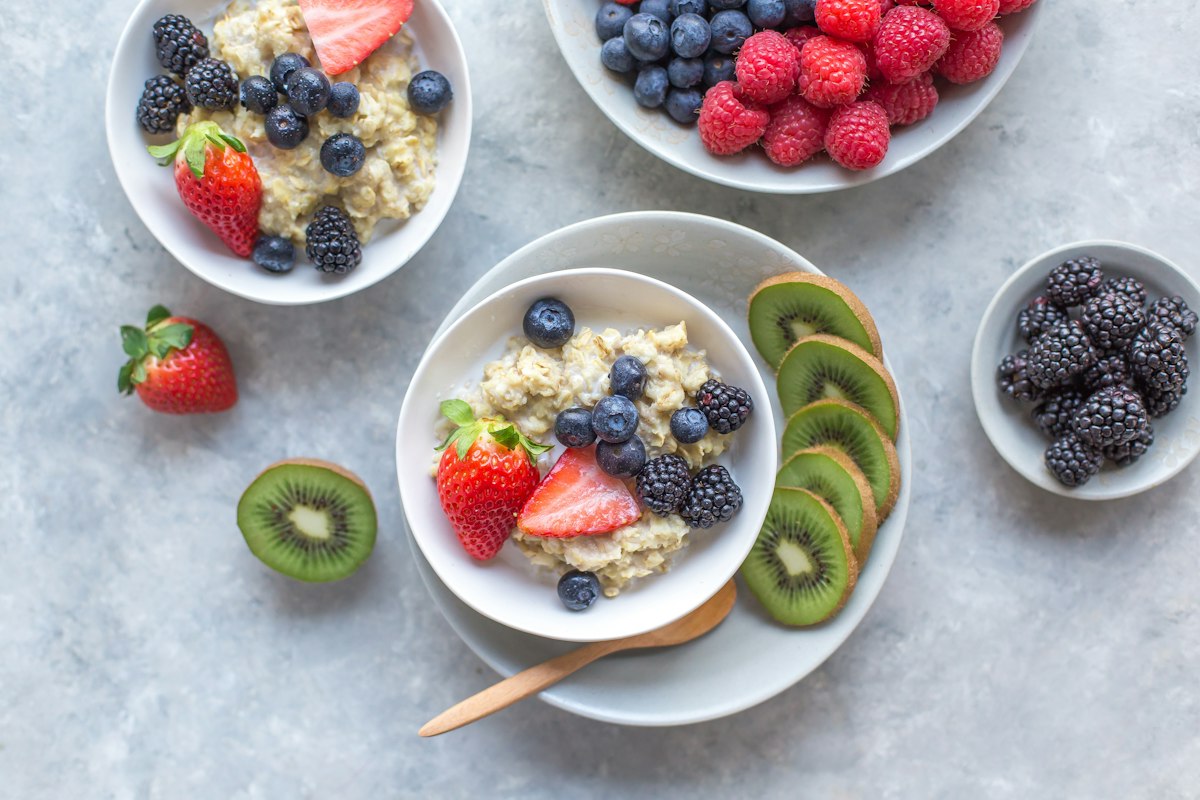
- – Whole grains: whole wheat bread and pasta, oatmeal, bran flake cereals (NIDDK).
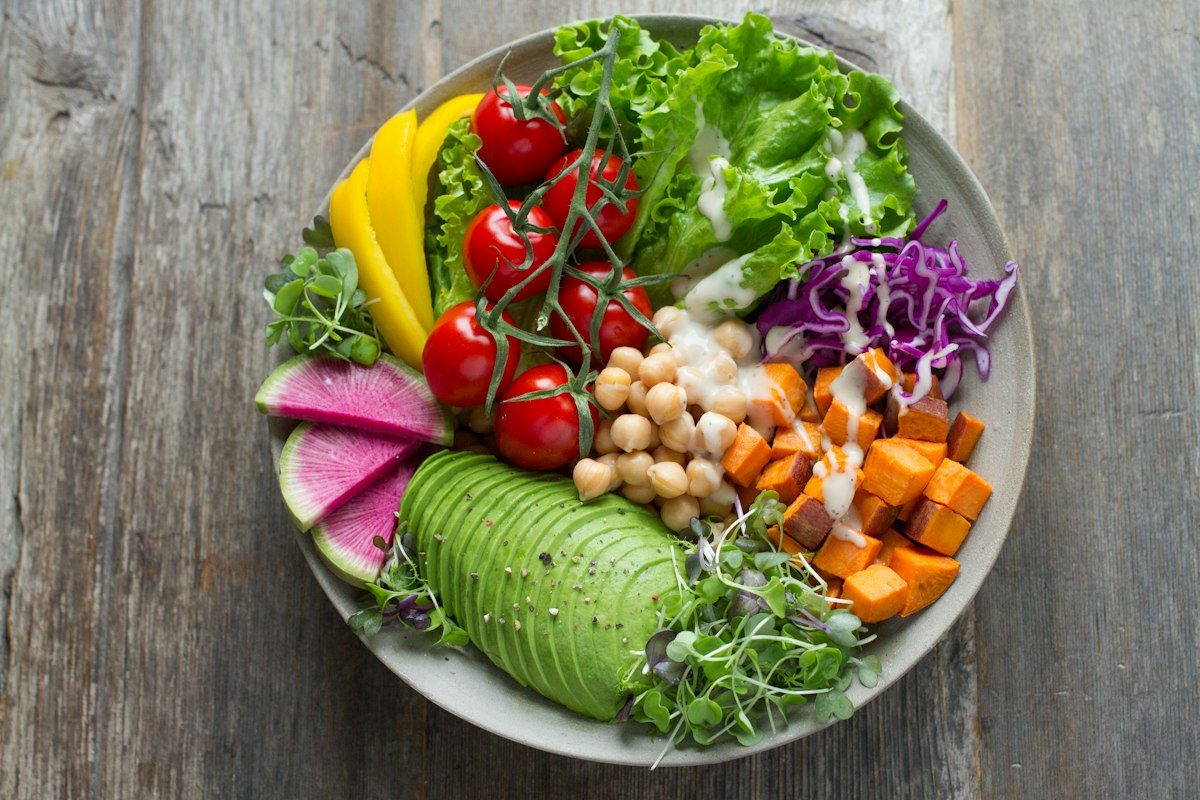
- – Legumes: lentils, black beans, kidney beans, soybeans, chickpeas—start small if gas is an issue.
- – Fruits and vegetables: berries, apples with skin, oranges, pears; carrots, broccoli, green peas, collard greens (NIDDK).
- – Nuts: almonds, peanuts, pecans in modest portions (NIDDK).
- – Plenty of liquids: water, naturally sweetened juices, and clear soups to help fiber work better; ask how much liquid fits your health and climate (NIDDK).
- – Activity and toilet timing: MedlinePlus lists exercise and taking time when you need to go—fiber works better when you are not sedentary and not delaying the urge. Older adults may need gentle, appealing high-fiber meals rather than harsh bran bombs (NIDDK).
“May help” means a lower-risk kitchen default alongside medical care—not a guarantee of daily soft stools.
Foods and habits that often worsen constipation symptoms
- – Nearly fiber-free defaults: chips, fast food, meat-heavy plates with little produce, many frozen/prepared snacks, and processed foods such as hot dogs (NIDDK).
- – Refined grains as the only starch, with little fruit or vegetables.
- – Raising fiber without fluids: MedlinePlus pairs fiber increases with enough liquid.
- – Sudden huge bran or bean dumps: NIDDK stresses adding fiber slowly; overnight jumps often mean gas that makes people quit.
- – Ignoring the urge and long sedentary days (MedlinePlus lifestyle list).
- – Stimulant laxatives as a daily beverage: use laxatives only when a provider says you should (MedlinePlus).
- – Skipping a medicines review: some pain medicines, iron, and calcium contribute—ask your clinician rather than only stacking fiber.
“Limit” means reduce frequency and portion while you follow a clinical plan—not that one meal ruins a month.
Practical kitchen protocol: a constipation diet week
1. Pick a gentle fiber climb, not a one-day overhaul
Map yesterday’s plate. Each day, change one meal: oatmeal instead of white toast, a skin-on apple, or a small scoop of lentils. Follow NIDDK’s “a little at a time” rule; if gas appears, hold before the next step. Move toward about 22–34 g fiber/day only as fast as tolerated—ask a dietitian if you have IBS overlap or prior surgery.
2. Bind liquids to every fiber upgrade
When you add oats, beans, or bran cereal, drink a full glass of water with that meal. Keep a bottle visible at your desk or stove. Clear soup at lunch counts. Ask your clinician for a personal fluid target if you have heart failure, kidney disease, or fluid restrictions.
3. Shopping default and plate template
Stock oatmeal or bran flakes, whole-wheat pasta or bread, frozen broccoli and peas, carrots, rinsed canned beans, lentils, apples and pears, berries, oranges, almonds or peanuts, and drinking water—before chips and hot-dog multipacks.
- – Half: vegetables and fruit (skins when appropriate and tolerated).
- – Quarter: whole grains (oatmeal, whole wheat, brown rice when tolerated).
- – Quarter: plant-forward protein—beans, lentils, soy, fish, poultry—rather than meat-only plates.
- – Liquids: water or clear soup through the day; nuts as a small handful, not a full bag.
4. Three kitchen swaps
- – Breakfast pastry + coffee only → oatmeal or bran flakes + fruit with skin + water.
- – Drive-through combo → bean-and-vegetable bowl or chili with extra carrots/peas + whole-grain side when available.
- – Steak and white rice alone → smaller meat portion + large broccoli or collards + lentils or chickpeas + fruit most nights.
5. Sample day (illustrative)
- – Breakfast: oatmeal; berries or sliced pear with skin; water.
- – Lunch: lentil or black-bean soup; carrot sticks; whole-wheat side if tolerated; water or clear broth.
- – Snack: apple with skin or a small handful of almonds; water.
- – Dinner: baked fish or tofu, broccoli and green peas, whole-wheat pasta or brown rice; orange for dessert. Prep fruit ahead if chips are your late-night default, and respond to the urge to go rather than delaying.
7. Eating out, travel, and when food is not enough
Ask for vegetable sides, beans, and oatmeal at buffets; carry water; prefer grilled items with salad over fried defaults. If constipation lasts or brings red flags, see a clinician. Keep prescribed regimens unless your clinician changes them.
Safety, interactions, and who should ask a clinician first
- – Blood in stool, black stools, severe pain, fever, vomiting, or unexplained weight loss: seek care promptly.
- – Known or suspected bowel obstruction, strictures, or recent abdominal surgery: high-fiber plans need medical clearance.
- – Kidney disease, heart failure, or other fluid/electrolyte limits: fluid and produce targets must be individualized.
- – Pregnancy, breastfeeding, children, and frail older adults: personalized plans; older adults may need appealing, soft high-fiber options rather than harsh bran.
- – Opioid pain medicines, some antidepressants, iron, calcium, and anticholinergics: review the medicine list with your clinician.
- – IBS, IBD, or celiac overlap: fiber type and FODMAP load may need a different protocol than plain “eat more bran.”
- – Fiber supplements: prefer food first (MedlinePlus high-fiber education); if you use a product such as psyllium, take enough liquid and ask first.
- – Do not escalate stimulant laxatives as a daily habit without advice.
FAQ
Will a constipation diet alone normalize my bowel habits? For many people with lifestyle-related constipation, more fiber, more fluids, activity, and responding to the urge may help. Others need evaluation or medicines. There is no guarantee that food alone “cures” constipation.
How fast should I raise fiber? NIDDK recommends adding fiber a little at a time. A practical kitchen rule is one meal upgrade per day (or every few days) rather than jumping from very low fiber to 30+ grams overnight.
Is meat “bad” for constipation? NIDDK lists meat among low-/no-fiber foods to avoid when the goal is preventing or relieving constipation—meaning meat-heavy, produce-poor plates are a poor default. Lean meat in a plant-forward meal is different from a chips-and-hot-dog pattern.
Do I need a bowel movement every day? MedlinePlus notes it is not important to have one every day; check with a provider if habits change. Comfort and warning signs matter more than a daily checkbox.
How this differs from related OTCFood topics
This page is a disease-bound constipation diet guide for foods that may help or worsen symptoms, focused on gradual fiber, fluids, and low-fiber limits. It is not an IBS low-FODMAP mapping guide (IBS diet foods that may help or worsen), not a kidney-stones fluid-and-oxalate protocol (kidney stones diet foods that may help or worsen), not a high-cholesterol saturated-fat guide (high cholesterol diet foods that may help or worsen), and not a fatty-liver sugar-and-oil deep dive (fatty liver diet basics)—though plant-forward plates can overlap.
Medical disclaimer
Medical disclaimer: This article is for general information only. It is not medical advice, diagnosis, or a treatment plan. Constipation management depends on your history, medicines, exam, and sometimes tests. Talk with a licensed clinician or registered dietitian before starting, stopping, or changing any eating plan, fiber supplement, or medication. Do not ignore emergency or urgent warning signs such as severe abdominal pain, vomiting, bleeding, black stools, or unexplained weight loss.