High Cholesterol Diet: Foods That May Help or Worsen Levels
Medical note: This article discusses foods and researched botanicals. It does not claim to prevent, treat, or cure disease. Supplements are not a substitute for food, and studied amounts are not personal prescriptions.
People searching “high cholesterol diet foods that help or worsen” usually want a kitchen pattern that can sit beside lab numbers—not a miracle “cholesterol cure” list. Heart-healthy eating patterns often recommended in public education from NHLBI, MedlinePlus, and the American Heart Association may help support healthier blood cholesterol when combined with activity, weight management when needed, and clinician-guided care. Food changes do not replace prescribed cholesterol-lowering medicines and do not “treat” or “cure” high cholesterol on their own.
What this high cholesterol diet guide covers (and what it does not)
This article summarizes eating approaches commonly described for people working on LDL (“bad”) cholesterol and overall blood lipids. Primary public anchors are NHLBI blood cholesterol pages (including treatment / lifestyle), MedlinePlus cholesterol-and-lifestyle patient instructions, MedlinePlus “How to Lower Cholesterol with Diet,” and AHA cholesterol topic pages. It is general kitchen guidance—not a personal statin decision, not a CAC-score interpretation, and not advice to stop medicines.
Cholesterol is a waxy, fat-like substance the body needs in the right amounts. LDL cholesterol can contribute to plaque buildup in arteries; HDL cholesterol helps carry cholesterol back toward the liver. Genes and lifestyle both matter. Routine blood tests show whether levels are in a healthy range; some people need lifestyle changes, medicines, or both.
Red flags needing prompt care: chest pain or pressure, sudden shortness of breath, sudden weakness or speech difficulty, or other signs of heart attack or stroke—call emergency services rather than adjusting a grocery list.
Evidence snapshot: high cholesterol diet claims vs public sources
| Claim people hope for | What public sources actually say | Confidence |
|---|---|---|
| “Cut all fat and cholesterol will normalize” | NHLBI TLC/DASH-style guidance focuses on limiting saturated fats (fatty meats, full-fat dairy, many desserts) and choosing whole grains, fruits, vegetables—not zero fat forever | Moderate for saturated-fat focus |
| “Oats alone replace a statin” | MedlinePlus highlights soluble fiber foods (oats, bran, beans, lentils) as part of a heart-healthy pattern; lifestyle continues with medicines when prescribed (NHLBI) | Moderate for pattern; low as a drug substitute |
| “Egg yolks are always forbidden” | MedlinePlus lifestyle guidance says eat fewer egg yolks, hard cheeses, whole milk, cream, and ice cream—portion and pattern matter more than a lifelong ban myth | Moderate as a limit cue |
| “Trans fats do not matter anymore” | MedlinePlus: avoid “hydrogenated / partially hydrogenated / trans fats” on labels; they can raise LDL and may lower HDL | High for label avoidance |
| “Losing a little weight never moves LDL” | NHLBI notes adults with overweight/obesity may lower LDL and raise HDL by losing only about 3% to 5% of body weight | Moderate for modest weight loss association |
Primary public anchors: NHLBI — Blood Cholesterol, NHLBI — Blood Cholesterol Treatment, MedlinePlus — Cholesterol and lifestyle, MedlinePlus — How to Lower Cholesterol with Diet, American Heart Association — Cholesterol.
Foods and patterns that may help with high cholesterol levels
High cholesterol diet education usually stacks fat quality + fiber + cooking method, not a single “superfood.”
- – Heart-healthy eating plans NHLBI names: Therapeutic Lifestyle Changes (TLC) and DASH-style patterns that limit saturated fat, emphasize produce and whole grains, and prepare food with little or no salt.
- – Lean proteins and plant proteins: MedlinePlus lists soy, fish, skinless chicken, very lean meat, and fat-free or 1% dairy as leaner protein defaults.
- – Soluble-fiber staples: oats, bran, split peas and lentils, beans (kidney, black, navy), some cereals, and brown rice—MedlinePlus flags these as good fibers to eat; soluble fiber is also highlighted on MedlinePlus “How to Lower Cholesterol with Diet” as helping reduce cholesterol absorption in the gut.
- – Unsaturated fat swaps when fat is used: cooking methods and soft vegetable-oil patterns appear across heart-diet education; AHA cholesterol pages frame overall risk reduction with lifestyle plus medicines when needed.
- – Cooking methods that skip deep frying: broiling, grilling, poaching, and baking for fish, chicken, and lean meats (MedlinePlus).
- – Modest weight loss when overweight: NHLBI cites research that losing only about 3–5% of weight may help improve LDL and HDL for some adults—slow, sustainable change beats crash diets.
- – Activity, sleep, and not smoking: NHLBI treatment guidance links regular physical activity, 7–9 hours of sleep, stress management, and quitting smoking with better cholesterol-related risk profiles—kitchen work is one lever among several.
“May help” means a lower-risk kitchen default alongside medical care—not guaranteed target LDL without follow-up labs.
Foods and habits that often worsen high cholesterol levels
- – Saturated-fat heavy defaults: fatty cuts of meat, many full-fat dairy desserts, butter-heavy cooking, and similar patterns NHLBI asks people to limit.
- – Trans fat / hydrogenated ingredients: packaged snacks, some commercial baked goods, and hard margarines that still list hydrogenated or partially hydrogenated oils (MedlinePlus).
- – Fried food as the weekday habit: MedlinePlus explicitly limits fried foods and many prepared baked goods (donuts, cookies, crackers) that can carry unhealthy fats.
- – Large fatty-meat portions and frequent egg-yolk / cream stacks: eat less fatty meat and smaller meat portions overall; eat fewer egg yolks, hard cheeses, whole milk, cream, and ice cream (MedlinePlus).
- – Refined sweets crowding out whole grains: NHLBI contrasts whole grains, fruits, and vegetables with refined carbohydrates and high-sugar foods.
- – Fast-food defaults: MedlinePlus notes healthy choices can be hard to find there—use as exception, not the plate template.
- – Stopping prescribed lipid medicines because “diet started”: NHLBI is clear that when medicines are prescribed, lifestyle continues with them.
“Limit” means reduce frequency and portion while you follow a clinical plan—not that one celebration meal ruins a month of labs.
Practical kitchen protocol: a high cholesterol diet week
1. Pick one saturated-fat swap per meal for seven days
Breakfast cream → fat-free or 1% milk / fortified soy. Lunch deli salami → skinless chicken, fish, beans, or tofu. Dinner butter sauce → herbs, citrus, vinegar, or a measured unsaturated oil. Track how often fatty meats and full-fat desserts appear—aim to cut frequency, not invent zero-fat misery.
2. Build a soluble-fiber anchor twice a day
Examples: oatmeal or oat-bran cereal at breakfast; lentil soup, black beans, or chickpeas at lunch or dinner. MedlinePlus soluble-fiber discussion and lifestyle fiber lists support this as a practical daily habit. Increase gradually if your gut is sensitive, and drink water with higher-fiber meals.
3. Read two label lines every shop
Saturated fat grams and the ingredients list for “hydrogenated / partially hydrogenated / trans.” Skip products that still carry those words. Prefer items where whole grains or beans lead the ingredient list when buying breads and cereals.
4. Plate template (illustrative, not personalized)
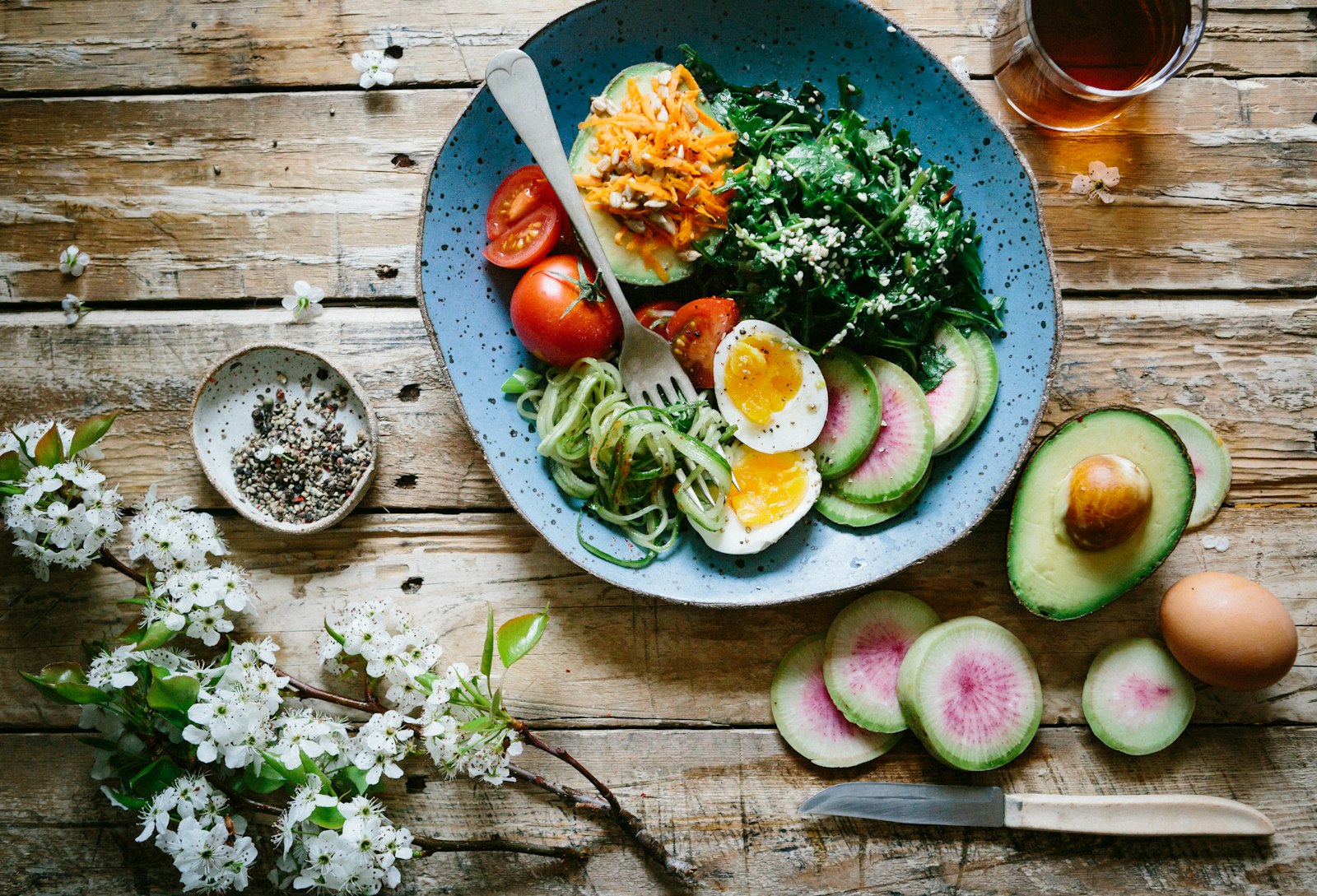
- – Half: vegetables and fruit you enjoy.
- – Quarter: whole grains (brown rice, oats, whole-wheat options).
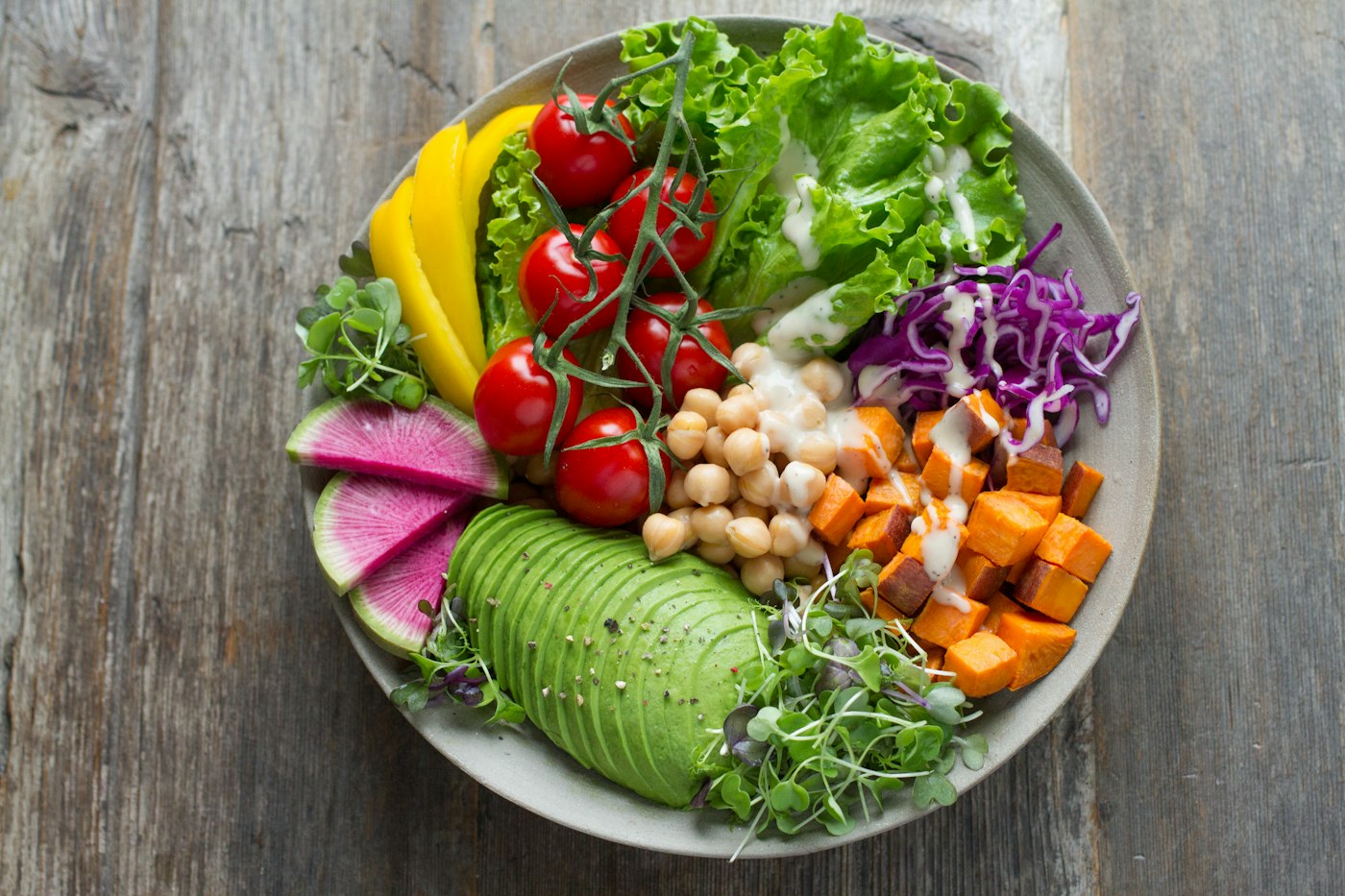
- – Quarter: lean or plant protein (fish, skinless poultry, soy, beans, lentils).
- – Dairy: fat-free or 1% when used.
- – Cooking: bake, grill, broil, poach, steam—deep fry as a rare exception.
5. Three kitchen swaps
- – Creamy pasta + garlic bread → tomato-vegetable pasta with beans or grilled fish + side salad.
- – Breakfast pastry + whole milk latte → oatmeal with fruit + 1% or soy milk.
- – Drive-through fried combo → grilled option or home bowl: greens + beans + brown rice + olive-oil drizzle measured, not poured freely.
6. Sample day (illustrative)
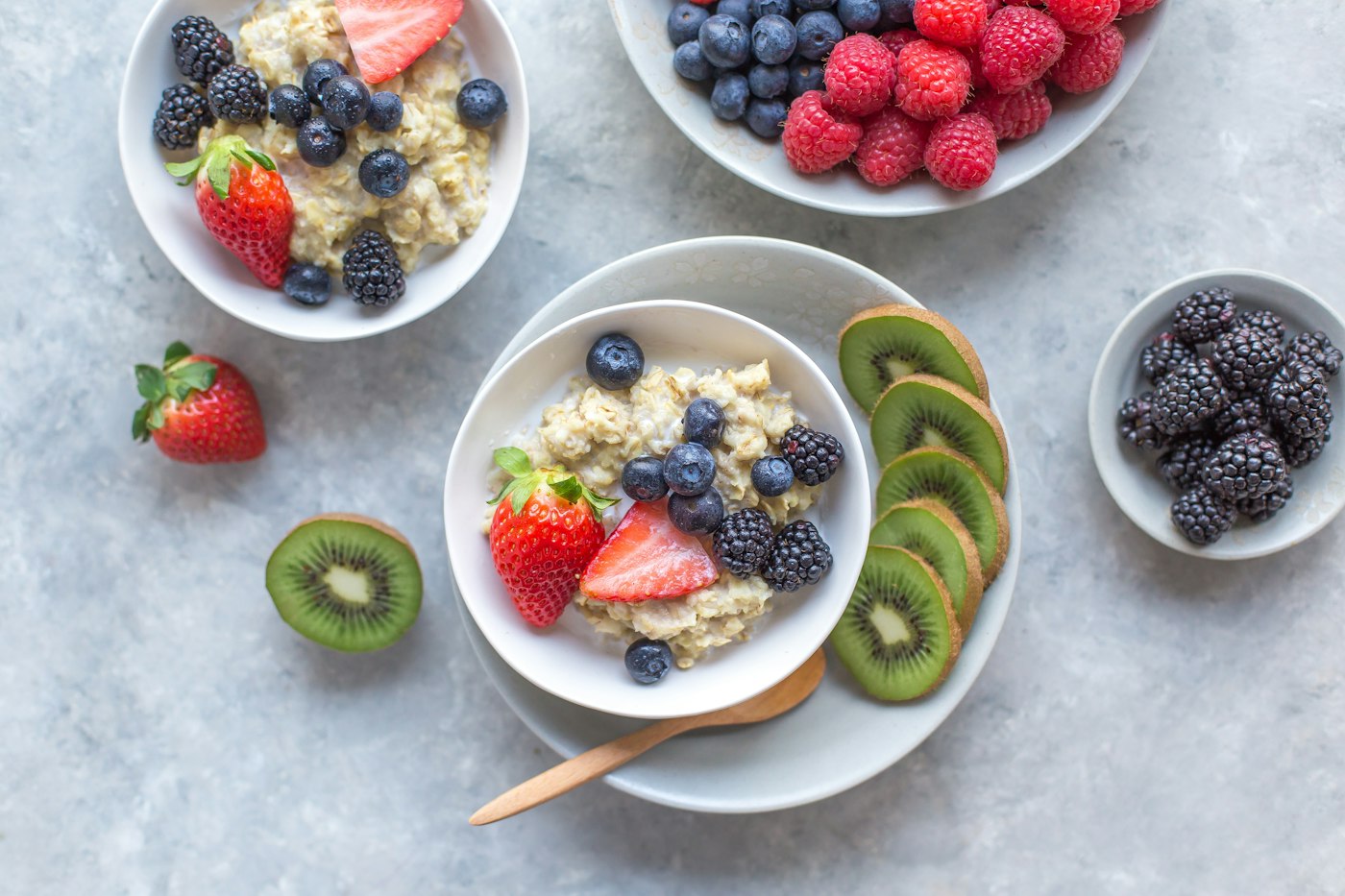
- – Breakfast: oatmeal cooked with water or 1% milk; berries; optional small handful of nuts if they fit your calorie plan.
- – Lunch: large salad or grain bowl with lentils or tuna packed in water, plenty of vegetables, vinaigrette.
- – Snack: apple or carrot sticks; water or unsweetened tea.
- – Dinner: baked fish or tofu, roasted vegetables, brown rice; fruit for dessert instead of ice cream most nights.
- – Evening: if late snacking is your LDL pattern, prep cut fruit ahead so cookies are not the default.
7. Eating out and travel
Ask for grilled or baked proteins, sauce on the side, and steamed vegetables. Split large portions. Choose oatmeal or yogurt-and-fruit breakfasts over pastry baskets when hotels offer them.
Keep medicines and labs on the calendar: if a statin or other lipid medicine was prescribed, continue it unless your clinician changes the plan. Kitchen changes are judged by follow-up labs and overall risk—not by how “clean” a week feels.
Safety, interactions, and who should ask a clinician first
- – Familial hypercholesterolemia or very high LDL: lifestyle still matters, but medicines and specialist care are often essential (NHLBI discusses FH-specific options).
- – Pregnancy, breastfeeding, children, and teens: cholesterol plans are individualized—do not copy adult crash diets.
- – Kidney, liver, or thyroid disease; diabetes; prior heart attack or stroke: coordinate diet with your care team.
- – Plant sterol/stanol fortified foods or high-dose fiber supplements: ask before stacking products if you take medicines or have GI disease.
- – Do not stop statins, ezetimibe, PCSK9 inhibitors, or other prescribed therapies because a food list looked persuasive online.
- – Chest pain, sudden neurologic symptoms, or severe shortness of breath need emergency care—not a diet tweak.
FAQ
Will a high cholesterol diet alone normalize my LDL? Sometimes lifestyle changes may help move numbers, especially with weight loss and saturated-fat cuts. Many people still need medicines. NHLBI frames lifestyle and medicines as a combined plan when drugs are prescribed.
Are eggs completely off-limits for high cholesterol? Public lifestyle guidance more often says eat fewer egg yolks within a lower saturated-fat pattern—not a universal forever ban. Ask how eggs fit your labs.
Do I need to avoid all dietary cholesterol? MedlinePlus diet pages discuss limiting cholesterol-rich animal foods when lowering cholesterol, while saturated fat remains a central everyday lever. Follow your clinician or dietitian plan.
Can I quit my statin if I start oats and fish? No. NHLBI is explicit that healthy lifestyle changes continue with medicines when medicines are part of treatment. Only your clinician should adjust prescriptions.
How this differs from related OTCFood topics
This page is a disease-bound high cholesterol diet guide for foods that may help or worsen lipid levels. It is not a fatty-liver sugar-and-oil deep dive (fatty liver diet basics), not a type 2 diabetes plate protocol (type 2 diabetes plate foods), not a high-blood-pressure sodium-first guide (high blood pressure foods to eat and limit), and not a gout purine list (gout diet foods to choose or avoid)—though lower fried-food defaults can overlap.
Medical disclaimer
Medical disclaimer: This article is for general information only. It is not medical advice, diagnosis, or a treatment plan. Blood cholesterol management depends on your full lipid panel, cardiovascular risk, family history, kidney and liver function, pregnancy status, and medicines. Talk with a licensed clinician or registered dietitian before starting, stopping, or changing any eating plan or medication. Do not ignore emergency warning signs such as chest pain, sudden weakness, or trouble speaking.