Atrophic Gastritis Diet: Foods That May Help and Foods to Limit
Medical note: This article discusses foods and researched botanicals. It does not claim to prevent, treat, or cure disease. Supplements are not a substitute for food, and studied amounts are not personal prescriptions.
People searching for an “atrophic gastritis diet” often want foods that will calm the stomach or correct low vitamin B12. Atrophic gastritis involves long-term damage to the stomach lining; related public pages on autoimmune gastritis and pernicious anemia describe problems absorbing vitamin B12 and iron. Eating patterns may help with comfort if meals trigger indigestion, and they can supply B12 and iron in food form. They do not heal atrophic gastritis, eradicate H. pylori, or replace clinician-directed B12 injections when intrinsic factor is lacking.
What this atrophic gastritis diet guide covers (and what it does not)
This guide is for adults who have been told they have atrophic gastritis, autoimmune gastritis, or pernicious anemia related to a weakened stomach lining, and who want kitchen habits grounded in public sources. Official anchors: NIDDK — Gastritis & Gastropathy, NIDDK — Eating, Diet, & Nutrition, NIDDK — Symptoms & Causes, NIDDK — Treatment, MedlinePlus — Gastritis, MedlinePlus — Vitamin B12, and MedlinePlus — Pernicious anemia (alternative names on that page include “Anemia – atrophic gastritis”). Related reading: gastritis diet guide, Helicobacter pylori diet guide, vitamin B12 deficiency diet guide, and pernicious anemia diet guide.
It is not a general gastritis or GERD redo (see chronic gastritis diet guide and GERD acid reflux diet guide), not an H. pylori antibiotic schedule, and not a promise that eating more meat or dairy will correct pernicious anemia.
Evidence snapshot: atrophic gastritis diet claims vs public sources
| Claim people hope for | What public sources actually say | Confidence |
|---|---|---|
| “A special diet causes or cures atrophic gastritis” | NIDDK: researchers have not found that eating, diet, and nutrition play an important role in causing most cases of gastritis or gastropathy | Strong that food is not the usual cause or a cure |
| “Food B12 can replace treatment for pernicious anemia” | MedlinePlus: pernicious anemia occurs when the intestines cannot properly absorb B12 because the stomach does not make enough intrinsic factor. Treatment often involves a B12 shot once a month; some people may be treated with large oral doses or a nasal spray, as a clinician directs. NIDDK: if autoimmune gastritis leads to pernicious anemia, doctors may recommend B12 injections | Strong that food does not replace clinician-directed B12 care |
| “Heavy alcohol is unrelated” | NIDDK: drinking a large amount of alcohol may cause acute erosive gastropathy. MedlinePlus lists heavy alcohol drinking among common gastritis causes and advises avoiding long-term use of substances that can irritate the stomach, such as alcohol and certain anti-inflammatory drugs | Moderate to strong for limiting heavy alcohol, as a source-linked irritation risk |
| “Diet erases H. pylori” | NIDDK: H. pylori is the most common cause of gastritis and is treated with a combination of medicines, most often antibiotics plus a proton pump inhibitor, sometimes with bismuth. Food is not described as a way to kill the bacteria | Strong that food does not replace prescribed H. pylori therapy |
| “Iron or B12 pills are always safe to start at home” | NIDDK: autoimmune gastritis can impair absorption of iron and B12; clinicians may recommend iron, folic acid, and B12 supplements, but you should talk with your doctor before using dietary supplements. In rare cases, iron supplements may cause gastritis | Strong that supplements should be clinician-directed |
Foods and patterns that may help with atrophic gastritis comfort and nutrition
“May help” means easier meals if indigestion is present, and food sources of B12 and iron as general nutrition—while absorption may still be limited.
If meals feel uncomfortable
NIDDK: most people with gastritis or gastropathy have no symptoms. When symptoms occur, they may include upper abdominal pain or discomfort, nausea or vomiting, feeling full too soon or too full after a meal, loss of appetite, or weight loss. Smaller, more frequent meals may be easier if early fullness is a problem. This is a comfort measure, not a way to reverse lining atrophy. NIDDK does not present a standard spicy-food ban for all gastritis; if a food repeatedly feels harsh, you can limit it as a personal comfort step and still keep the overall pattern adequate.
Vitamin B12 and iron in food—and their limits
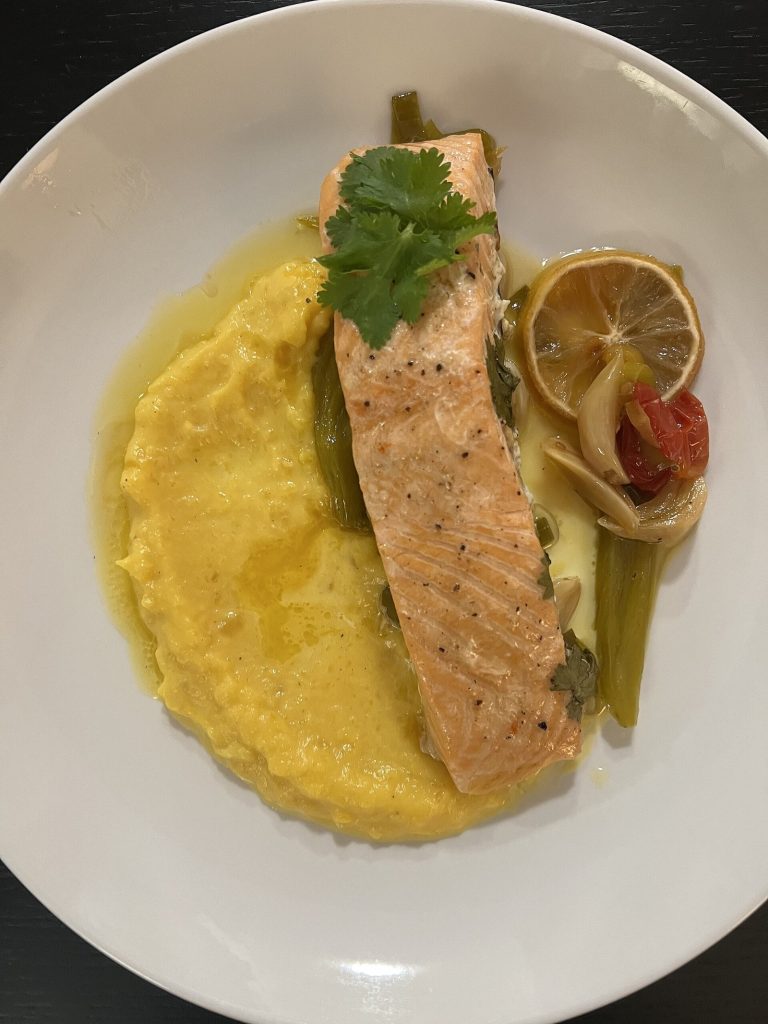
MedlinePlus — Vitamin B12 describes B12 as a nutrient needed for nerve function and for making red blood cells and DNA. Low B12 can cause fatigue and, if it lasts, nervous system problems. Food sources include organ meats such as beef liver; clams, sardines, tuna, trout, and salmon; eggs, milk, and other dairy foods; some breakfast cereals, nutritional yeasts, and other foods that have been fortified; and some kinds of soy milk and plant-based burgers (check the label). The same page notes that some people have trouble absorbing B12 from foods, including people who no longer have enough stomach acid or intrinsic factor. MedlinePlus — Pernicious anemia explains that intrinsic factor is released by cells in the stomach; when the stomach does not make enough, the intestine cannot absorb B12 well. Common causes include a weakened stomach lining (atrophic gastritis) and an autoimmune attack on intrinsic-factor-producing cells or on intrinsic factor itself. In that setting, a well-planned plate of fish, eggs, or dairy may still not correct the deficiency. Follow the B12 plan your clinician prescribes. See vitamin B12 deficiency diet guide and pernicious anemia diet guide.
NIDDK: H. pylori gastritis can impair iron absorption and lead to iron-deficiency anemia; treating the infection and taking iron supplements can improve the anemia. Autoimmune gastritis can impair both iron and B12 absorption. See iron-deficiency anemia diet guide.
Foods and habits that often worsen gastritis irritation or delay care
- – Heavy alcohol use, listed by NIDDK and MedlinePlus as a cause of stomach-lining irritation. This is not a claim that one drink always worsens atrophic gastritis; it is a source-linked reason to discuss alcohol with your clinician.
- – Starting or stopping NSAIDs such as aspirin, ibuprofen, or naproxen on your own. MedlinePlus: you may need to stop these medicines if they are causing gastritis, but always talk with your provider before stopping any medicine. NIDDK describes long-term NSAID contact as a common cause of reactive gastropathy.
- – Stopping H. pylori medicines early. NIDDK: if you stop early, some bacteria may survive and reinfect you. Testing may be recommended at least 4 weeks after you finish the medicines.
- – Self-starting high-dose iron or “stomach healing” supplements. NIDDK: talk with your doctor before using dietary supplements or complementary practices; iron supplements rarely may cause gastritis.
- – Ignoring bleeding symptoms. Seek medical help right away for black or tarry stool, red or maroon blood in stool, vomit that is red or looks like coffee grounds, or feeling unusually tired, short of breath, or light-headed (NIDDK, MedlinePlus).
Practical kitchen protocol: an atrophic-gastritis-aware week
1. Keep the medical plan in front of the menu
Confirm the type and cause with your clinician: H. pylori, autoimmune gastritis, long-term NSAID use, or another process. Ask whether you need B12 injections or other B12 forms, iron or folate supplements, and follow-up endoscopy or blood counts. Food supports nutrition; it does not replace those decisions.
2. Shopping list for nutrition and comfort
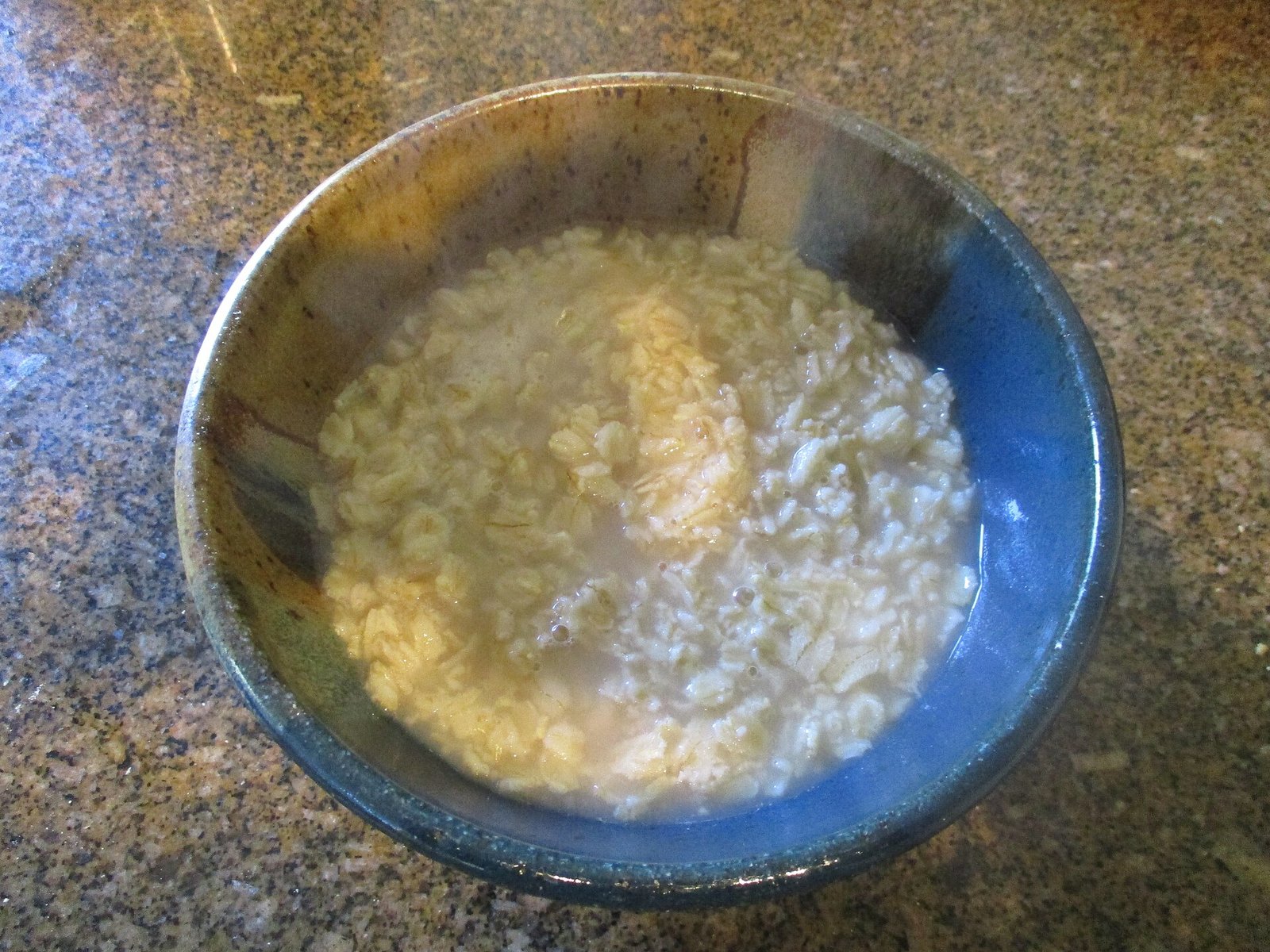
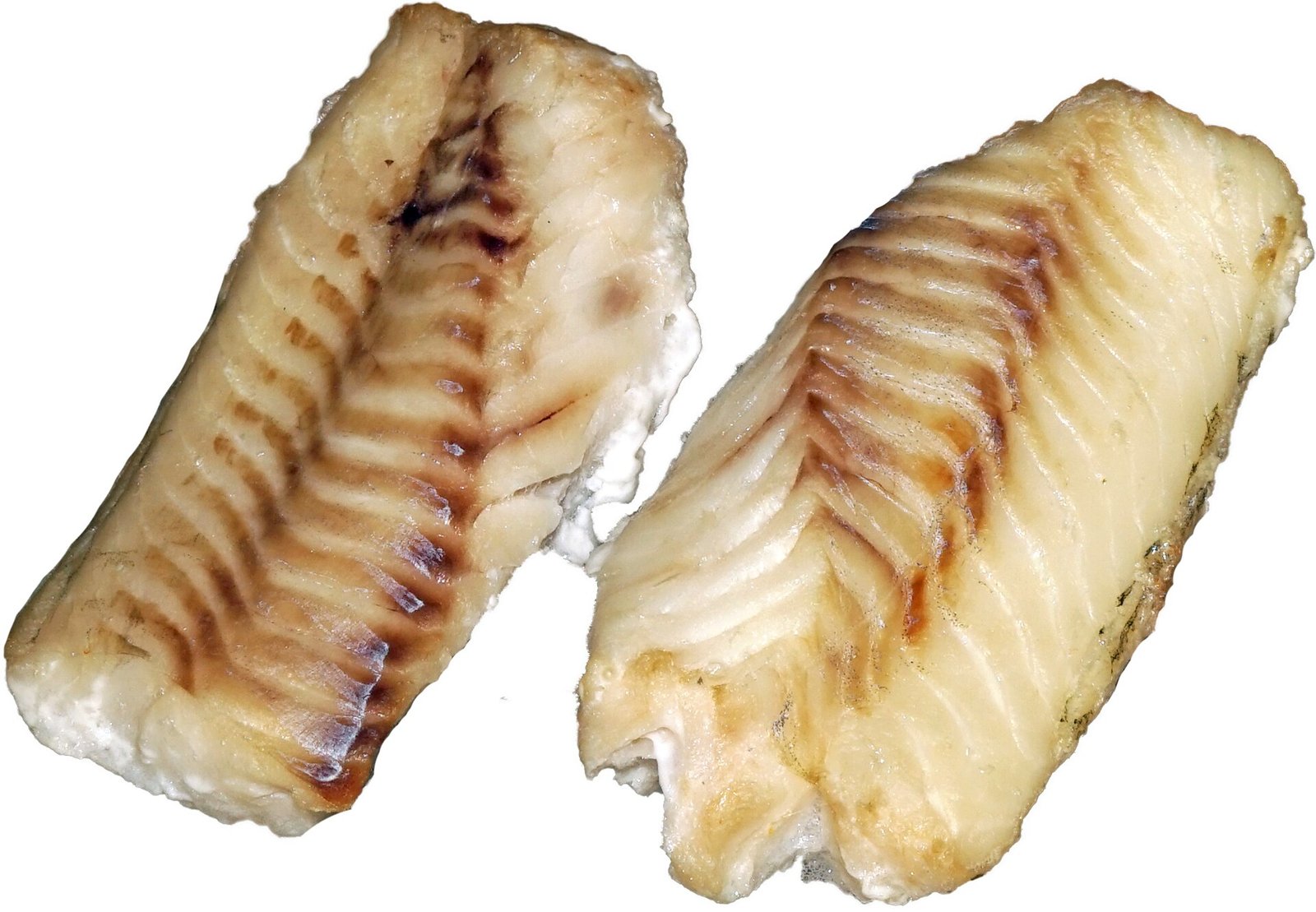
If you eat animal foods, include eggs, dairy, fish, or other meats as B12-containing options, understanding they may not be enough if intrinsic factor is lacking. If you do not eat animal foods, look for fortified cereals or fortified plant milks and tell your clinician, because food B12 may be even harder to rely on. Add iron-containing foods your dietitian suggests, plus grains and soft or bland options if early fullness or nausea is present (oatmeal, rice, yogurt, tender fish, cooked vegetables). There is no official “atrophic gastritis meal” that repairs the lining.
3. Default meal template and an illustrative day
- – If early fullness is a problem, try smaller meals rather than two very large ones.
- – If a meal is very high in alcohol or is a personal trigger, skip or reduce it as a comfort step.
- – Take prescribed B12 or iron exactly as directed; do not “make up” a missed injection with a large steak.
- – Breakfast: oatmeal or a fortified cereal, and eggs or yogurt if you eat them.
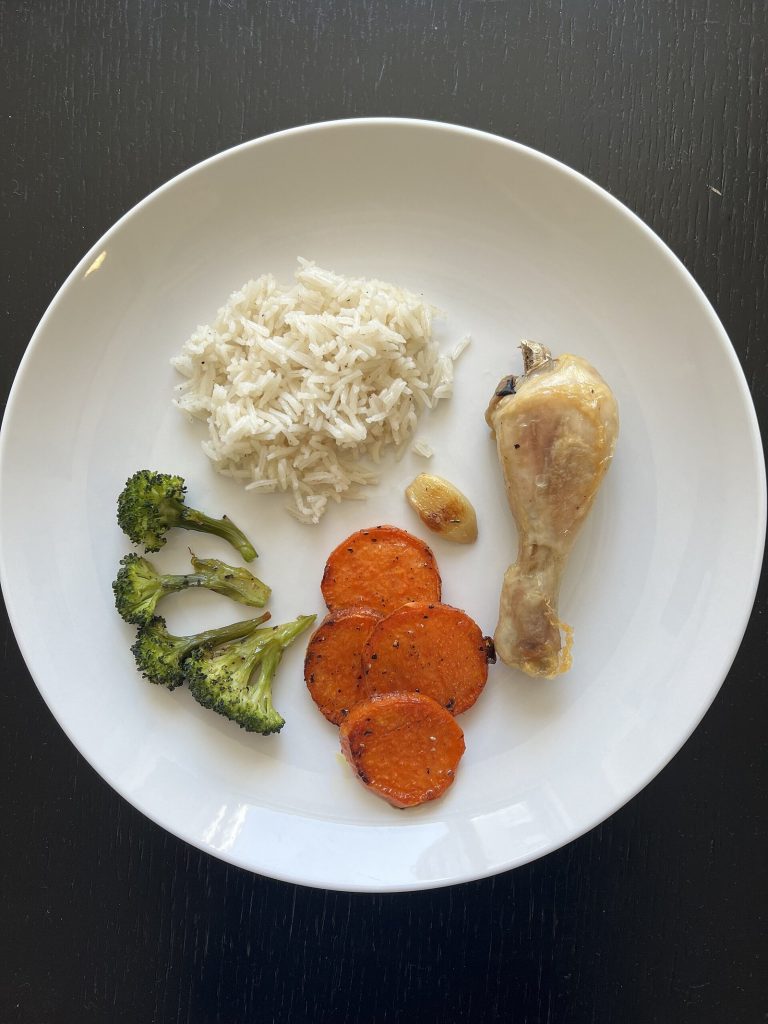
- – Lunch: a modest portion of fish or beans with a starch and cooked vegetables.
- – Dinner: a similar mixed plate, stopping at comfortable fullness.
4. When celiac disease or a food allergy is the related issue
NIDDK says doctors may recommend diet changes if gastritis is related to celiac disease or food allergies. That is a diagnosis-specific plan, not a default atrophic-gastritis diet. See peptic ulcer diet guide if ulcers are also being managed, and Helicobacter pylori diet guide for H. pylori-focused kitchen context.
Safety, interactions, and who should ask a clinician first
- – Bleeding signs listed above need urgent care, not a bland-food experiment.
- – MedlinePlus: contact a provider for upper abdominal pain that does not go away, black or tarry stools, or vomiting blood. Possible complications of gastritis include blood loss and an increased risk for gastric cancer—mention this only as a reason to keep medical follow-up, not as something food can prevent.
- – MedlinePlus (pernicious anemia): it is important to start B12 care early; nerve damage can be permanent if treatment does not start within 6 months of symptoms. There is no known way to prevent this type of B12 anemia; early detection and treatment can help reduce complications.
- – Do not stop aspirin or other prescribed NSAIDs after a heart or stroke event without the prescribing clinician’s advice.
- – Talk with your clinician before pregnancy, if you have had stomach surgery, or if you follow a strict vegan pattern and have atrophic gastritis.
FAQ
Can a bland diet heal atrophic gastritis? No. NIDDK reports that diet does not play an important role in causing most gastritis or gastropathy. Softer meals may be more comfortable if you have indigestion, but they do not treat the underlying lining damage.
If I eat more fish, eggs, or fortified cereal, can I skip B12 shots? Not if you have pernicious anemia or lack of intrinsic factor. MedlinePlus and NIDDK describe clinician-directed B12, often as injections. Only your clinician can decide whether a high-dose oral or nasal form is appropriate.
Should I avoid all spicy food? NIDDK does not give a standard spicy-food ban for all gastritis. Limit personal trigger meals as a comfort step, not as a cure.
Does food replace antibiotics for H. pylori? No. NIDDK describes combination medicines, and you should take the full course as prescribed.
Why is iron mentioned if this is a B12 problem? NIDDK: both H. pylori gastritis and autoimmune gastritis can impair iron absorption. A clinician may check for iron-deficiency anemia as well as B12 deficiency.
How this differs from related OTCFood topics
This page is an atrophic-gastritis-bound guide focused on B12 and iron malabsorption, autoimmune gastritis, and the limits of food when intrinsic factor is lacking. It is not a general gastritis or GERD article and not a substitute for H. pylori therapy or pernicious anemia care.
Medical disclaimer
Medical disclaimer: This article is for general information only. It is not medical advice, diagnosis, or a treatment plan. Atrophic gastritis and pernicious anemia require clinician-directed care, which may include B12 injections, iron or folate supplements, and treatment of H. pylori when present. Talk with a clinician or registered dietitian before changing your diet or starting supplements. Seek care urgently for vomiting blood, black or tarry stools, severe abdominal pain, or sudden light-headedness.