Iodine Deficiency Diet: Foods That May Help and Foods to Limit
Medical note: This article discusses foods and researched botanicals. It does not claim to prevent, treat, or cure disease. Supplements are not a substitute for food, and studied amounts are not personal prescriptions.
People searching “iodine deficiency diet foods that help or worsen” usually want a food-first way to meet iodine needs—not a claim that a high-dose kelp pill treats thyroid disease or replaces a clinician’s plan, especially in pregnancy. The NIH Office of Dietary Supplements (ODS) describes iodine as a mineral the body needs to make thyroid hormones, which help control metabolism and support bone and brain development during pregnancy and infancy. ODS states that iodine deficiency is uncommon in the United States and Canada, but some groups still have trouble getting enough. Food patterns may help people meet recommended amounts; they do not replace medical care for thyroid disease, and high-dose iodine can be harmful.
What this iodine deficiency diet guide covers (and what it does not)
This guide is for adults who want dietary iodine habits from federal consumer pages, including people who use little iodized salt, follow a vegan pattern, or need clinician advice about pregnancy supplements. Anchors: ODS — Iodine fact sheet for consumers and MedlinePlus — Iodine in diet. Related reading: hypothyroidism diet guide, hyperthyroidism diet guide, thyroid nodules diet guide, and diet after thyroidectomy guide. Do not start a high-dose iodine or kelp supplement on your own if you are pregnant, breastfeeding, or already have thyroid disease.
Evidence snapshot: iodine deficiency diet claims vs public sources
| Claim people hope for | What public sources actually say | Confidence |
|---|---|---|
| “Most people in the United States are severely iodine deficient” | ODS: most people in the United States get enough iodine from foods and beverages, and deficiency is uncommon in the United States and Canada | Strong that frank deficiency is uncommon there |
| “Iodized salt and some seafood, dairy, and eggs can help meet needs” | ODS and MedlinePlus list iodized salt, seafood, dairy, and eggs among practical sources. MedlinePlus: 1/4 teaspoon of iodized salt provides 78 micrograms, and 3 ounces of cod provides 146 micrograms | Strong as food-source information |
| “Sea salt or kosher salt is just as reliable as iodized table salt” | ODS: specialty salts such as sea salt, kosher salt, and Himalayan salt are not usually iodized; labels indicate whether salt is iodized. Processed foods almost never contain iodized salt | Strong that “salt” is not automatically iodized |
| “High-dose iodine is automatically safer if you worry about deficiency” | ODS: too much iodine can cause some of the same problems as deficiency, including goiter, and can cause thyroid inflammation. The adult daily upper limit from all sources is 1,100 micrograms, except when a doctor directs medical iodine | Strong caution against unsupervised high doses |
| “Goitrogenic vegetables must be avoided to protect the thyroid” | ODS: goitrogens in soy and cruciferous vegetables such as cabbage, broccoli, cauliflower, and brussels sprouts can interfere with iodine use, but reasonable amounts are not a concern for most people in the United States who get adequate iodine | Moderate: ordinary portions need not be forbidden if iodine intake is adequate |
Foods and patterns that may help with iodine intake
“May help” means contributing to the amounts ODS and MedlinePlus list as recommended. These foods do not diagnose deficiency or treat thyroid disease on their own.
Everyday patterns often recommended
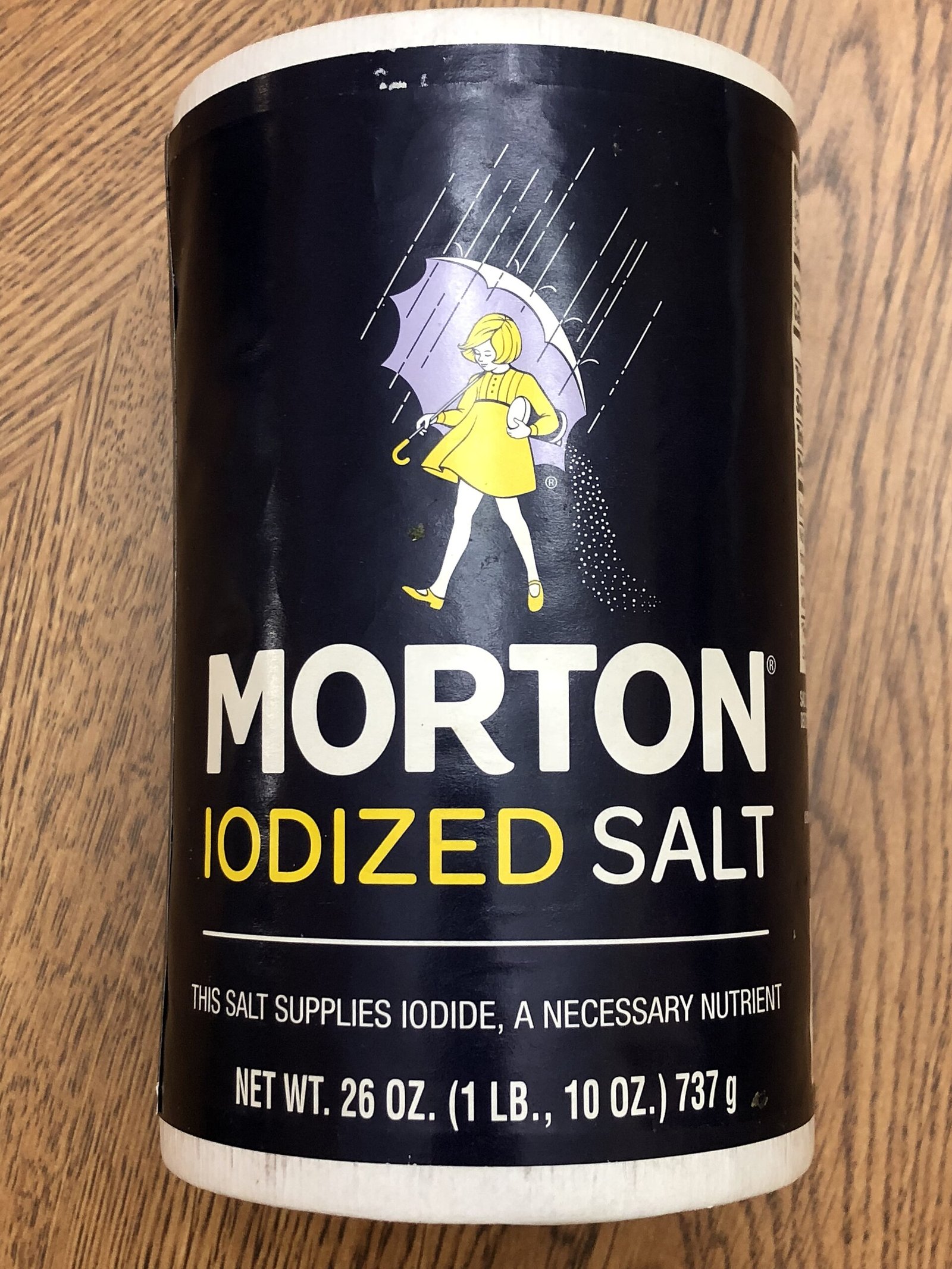
- – Iodized salt, if you use table salt and your clinician has not limited salt. MedlinePlus: iodized salt is the main food source of iodine, and you should check that the label says “iodized.” ODS: adding iodine to salt is the most widely used strategy to control iodine deficiency. This is not a reason to start a high-salt pattern if you are on a sodium-restricted diet; ask how to get iodine if you must limit salt. See hypertension diet guide if that applies.
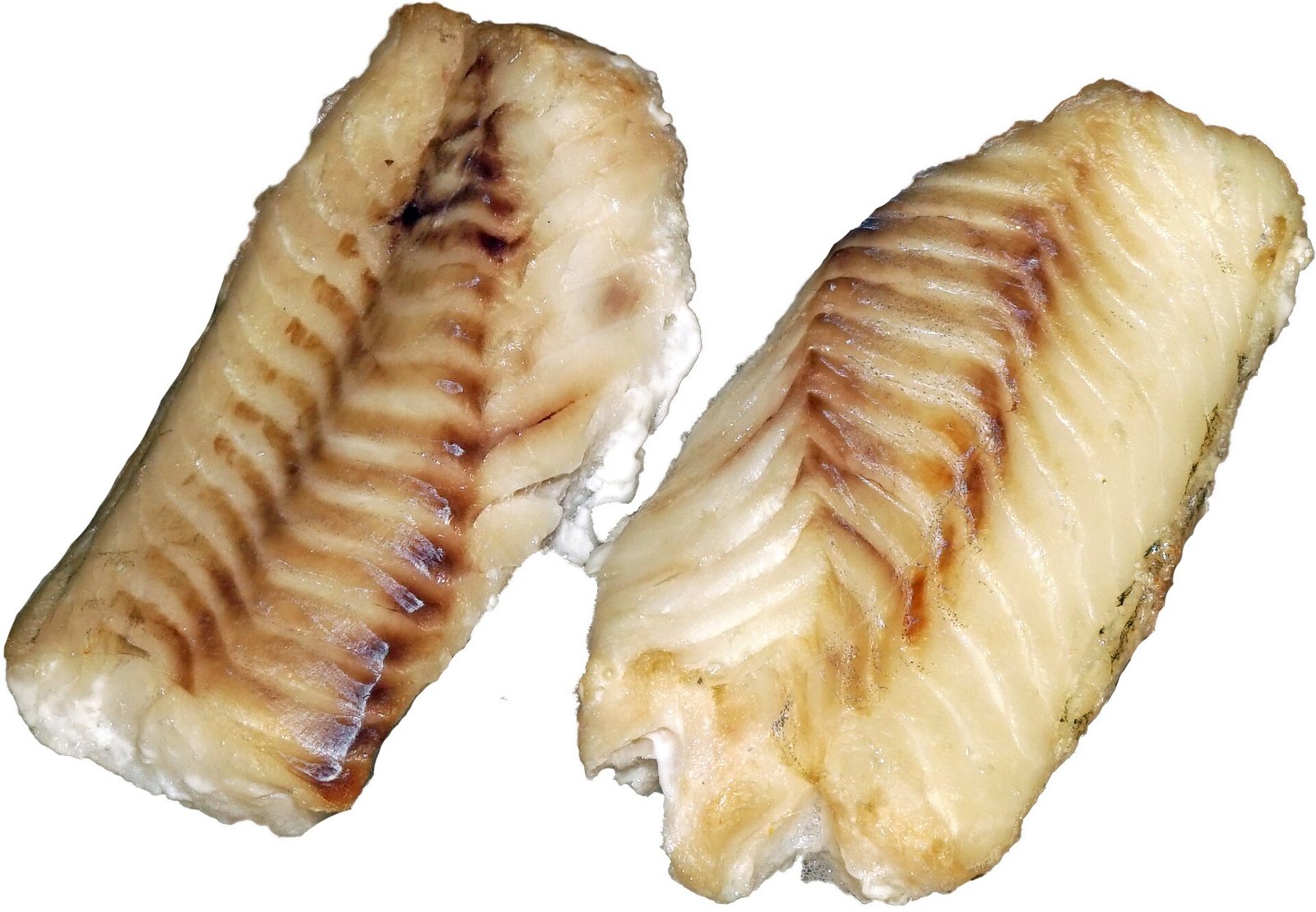
- – Seafood such as fish and shrimp, if you eat them. ODS lists fish (such as cod and tuna), seaweed, shrimp, and other seafood as generally rich in iodine. MedlinePlus names cod, sea bass, haddock, and perch as good sources and notes that kelp is a rich vegetable source.
- – Dairy foods and eggs, if you eat them. ODS lists milk, yogurt, cheese, and eggs as good sources. MedlinePlus also includes dairy products.
- – A varied pattern rather than a single “iodine superfood.” MedlinePlus: most people can meet daily recommendations by eating seafood, iodized salt, and plants grown in iodine-rich soil.
Recommended amounts (from ODS and MedlinePlus, not a personal dose)
Adults: 150 micrograms per day. Pregnancy: 220 micrograms. Breastfeeding: 290 micrograms. ODS notes that groups including the American Thyroid Association recommend that women who are pregnant, planning pregnancy, or breastfeeding take a daily supplement containing 150 micrograms of iodine as potassium iodide, and that only about half of U.S. prenatal multivitamins contain iodine. That is a clinician-and-label conversation, not a reason to take a high-dose standalone product.
Pattern that supports the medical plan
If you are vegan, use no dairy or seafood, or cook only with non-iodized specialty salt, review your pattern with a clinician or dietitian rather than guessing with kelp tablets. ODS lists people who do not use iodized salt, pregnant women, people who eat few or no dairy foods, seafood, and eggs, and people in regions with iodine-poor soils among those more likely to fall short.
Foods and habits that often worsen iodine problems
- – Relying on sea salt, kosher salt, or Himalayan salt as if they were iodized. ODS: these specialty salts are not usually iodized. Check the label.
- – Assuming packaged and restaurant foods are made with iodized salt. ODS: processed foods, such as canned soups, almost never contain iodized salt.
- – Self-treating with high-dose iodine or kelp supplements. ODS: kelp supplements are sold, and getting too much iodine can cause goiter, thyroid inflammation, and other harm. MedlinePlus: very high intake can reduce thyroid function, and high doses with antithyroid medicines could cause hypothyroidism.
- – Using a “low iodine diet” to treat deficiency. ODS describes low-iodine diets (50 micrograms or less per day for 1 to 2 weeks) as preparation for radioactive iodine treatment under medical direction. That restriction is the opposite of treating deficiency and should not be copied at home.
- – Ignoring pregnancy and thyroid-disease risks. Women who are pregnant need about 50% more iodine than other women, ODS says. Severe deficiency in pregnancy can harm the fetus. Do not start high-dose iodine without a clinician if you are pregnant, planning pregnancy, breastfeeding, or already have thyroid disease.
- – Cutting all cruciferous vegetables out of fear. ODS: reasonable amounts are not a concern for most people in the United States who get adequate iodine.
Practical kitchen protocol: an iodine-aware week
1. Keep thyroid care in parallel
Diet does not replace thyroid-function testing or thyroid medicine. If you have a goiter or a known thyroid condition, see hypothyroidism diet guide, hyperthyroidism diet guide, or Hashimoto’s thyroiditis diet guide only as background, and follow your clinician’s plan. After thyroid surgery, see diet after thyroidectomy guide.
2. Shopping list for food-first iodine
Salt labeled iodized (unless you must limit salt), fish such as cod when you eat seafood, eggs, and milk, yogurt, or cheese if you use dairy. If you do not eat those foods, ask a clinician whether a supplement that lists iodine is appropriate. Do not add a high-dose kelp pill as a default.
3. Default meal template
- – If you use salt at home, choose iodized salt unless you were told otherwise.
- – Include a seafood meal on some days if you eat fish or shrimp.
- – Keep dairy or eggs in the rotation if you already eat them.
- – Read prenatal or multivitamin labels for iodine if you are pregnant or planning pregnancy, and confirm the product with your clinician.
4. Sample day (illustrative, for an adult who eats mixed foods)
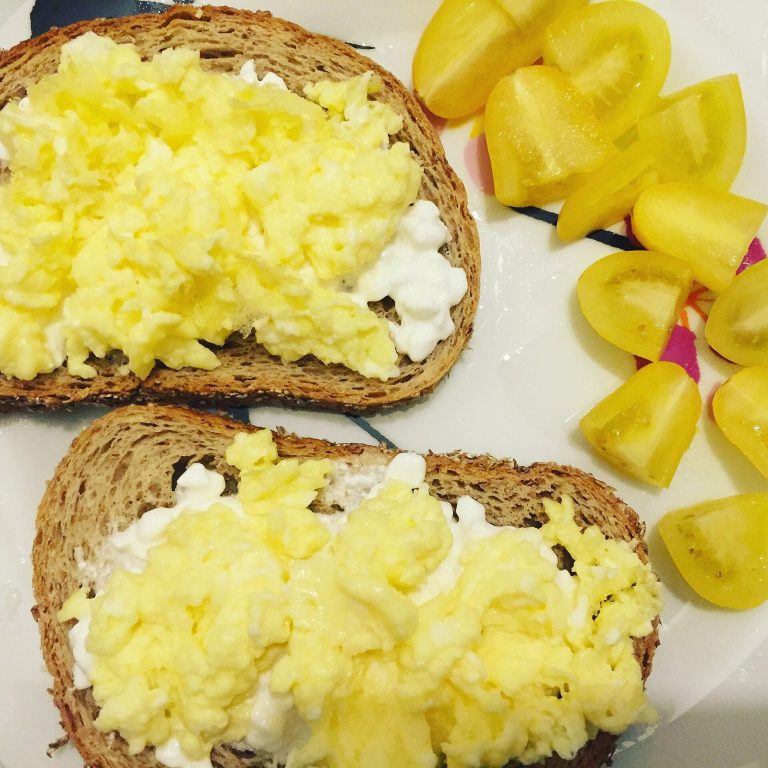
- – Breakfast: eggs and yogurt or milk; toast.
- – Lunch: a usual mixed plate; iodized salt in home-cooked food if salt is used.
- – Dinner: baked cod or another fish, plus vegetables and a grain. MedlinePlus’s 146-microgram figure for 3 ounces of cod shows how one seafood meal can cover much of an adult’s 150-microgram recommended amount, not a rule to eat cod every night.
- – Seasoning: iodized salt if you salt food and are not on a sodium-restricted plan.
5. If you do not eat seafood or dairy
ODS flags this pattern as a higher-risk gap. Use iodized salt if you are allowed to use salt, and ask a clinician about a supplement that contains iodine rather than a variable kelp product.
6. After a thyroid lab visit
Bring your salt type, a supplement bottle, and a short food log. If you are preparing for radioactive iodine treatment, follow only that care team’s low-iodine instructions, not this deficiency-focused guide.
Safety, interactions, and who should ask a clinician first

- – Pregnancy, planning pregnancy, and breastfeeding: do not self-dose high-iodine products. Ask whether your prenatal contains iodine and whether a 150-microgram potassium iodide supplement is appropriate, as ODS summarizes from professional groups.
- – Known thyroid disease, including hypo- or hyperthyroidism, nodules, or Graves disease: high iodine can worsen thyroid function. See a clinician first. Related background: thyroid nodules diet guide and Graves’ disease diet guide.
- – ODS interactions: high-dose iodine with antithyroid medicines such as methimazole could cause too little thyroid hormone; potassium iodide with ACE inhibitors or potassium-sparing diuretics such as spironolactone could raise blood potassium to an unsafe level.
- – The adult upper limit is 1,100 micrograms per day from all sources unless a doctor directs medical iodine, according to ODS. A very large dose (ODS gives several grams as an example) can cause burning of the mouth, throat, and stomach, fever, vomiting, a weak pulse, and coma.
- – Infants and children have lower upper limits; do not give iodine drops or kelp products unless a clinician directs it.
FAQ
Can iodized salt or fish cure hypothyroidism? No. Iodine is needed to make thyroid hormone, but food does not replace thyroid testing or prescribed medicine. See hypothyroidism diet guide.
Is sea salt a better iodine source because it comes from the ocean? Usually not. ODS: specialty salts, including sea salt, are not usually iodized. Check the label for the word iodized.
How much iodine do adults need? ODS and MedlinePlus list 150 micrograms per day for adults, 220 micrograms in pregnancy, and 290 micrograms while breastfeeding. Those are recommended intakes, not a license to take megadoses.
Should I take a kelp supplement to be safe? Not by default. High intakes can harm the thyroid. Ask a clinician, especially if you are pregnant or have thyroid disease.
Do I need to stop eating broccoli and cabbage? Not if your iodine intake is otherwise adequate. ODS says reasonable amounts of these foods are not a concern for most people in the United States who get enough iodine.
When should I see a clinician? See a clinician for a possible goiter, thyroid symptoms, pregnancy planning, a vegan pattern with little iodized salt, or before starting any iodine supplement. Seek care promptly for neck swelling with trouble breathing or swallowing.
How this differs from related OTCFood topics
This page is an iodine-deficiency-bound diet guide focused on iodized salt and food sources, with a warning against unsupervised high-dose supplements. It is not a hypothyroidism treatment plan, not a Graves or hyperthyroidism protocol, and not a clinician-directed low-iodine diet for radioactive iodine therapy.
Medical disclaimer
Medical disclaimer: This article is for general information only. It is not medical advice, diagnosis, or a treatment plan. Iodine needs and thyroid care depend on your diet, pregnancy status, medicines, and lab results. Talk with a clinician or registered dietitian before changing an eating plan or starting an iodine or kelp supplement, especially if you are pregnant, breastfeeding, planning pregnancy, or have thyroid disease. Seek urgent care for sudden neck swelling with trouble breathing or swallowing.