Gingivitis Diet: Foods That May Help and Foods to Limit
Medical note: This article discusses foods and researched botanicals. It does not claim to prevent, treat, or cure disease. Supplements are not a substitute for food, and studied amounts are not personal prescriptions.
People searching “gingivitis diet foods that help or worsen” usually want meals that are kinder to tender gums and less friendly to plaque—not a claim that food cures gingivitis, reverses tartar, or replaces brushing, flossing, and professional cleaning. MedlinePlus defines gingivitis as inflammation of the gums and an early form of periodontal disease, driven by short-term plaque deposits of bacteria, mucus, and food debris. NIDCR explains that gum disease is typically caused by plaque that is not removed and hardens into tartar; early disease can often be reversed by daily brushing and flossing. Mayo Clinic calls gingivitis a common, mild form of gum disease that does not cause bone loss, but can progress to periodontitis and tooth loss if untreated. Kitchen patterns may help by limiting frequent sugars and supporting adequate nutrition, including vitamin C; they do not replace dental care.
What this gingivitis diet guide covers (and what it does not)
This guide is for adults with dentist-recognized gingivitis who want practical food choices alongside oral hygiene. Because the former topic page `https://medlineplus.gov/gingivitis.html` no longer resolves, anchors are the working pages MedlinePlus — Gingivitis, MedlinePlus — Gum Disease, NIDCR — Periodontal (Gum) Disease, and Mayo Clinic — Gingivitis. MedlinePlus and NIDCR both stress that plaque must be removed daily and that tartar requires professional cleaning. Mayo Clinic lists swollen or puffy gums, color change, bleeding when brushing or flossing, tenderness, and bad breath. Listed risk factors include poor oral care, tobacco, dry mouth, uncontrolled diabetes, pregnancy-related hormonal changes, certain medicines, and poor nutrition, including not getting enough vitamin C. Related reading: Periodontitis (Gum Disease) Diet: Foods That May Help and Foods to Limit, Dry Mouth (Xerostomia) Diet: Foods That May Help and Foods to Limit, type 2 diabetes diet guide, and Vitamin C Deficiency Diet: Foods That May Help and Foods to Limit.
Evidence snapshot: gingivitis diet claims vs public sources
| Claim people hope for | What public sources actually say | Confidence |
|---|---|---|
| “A special diet reverses gingivitis by itself” | MedlinePlus, NIDCR, and Mayo Clinic place daily plaque removal, flossing, and professional cleaning at the center of reversal; food is supportive, not a substitute | Strong against food-as-cure |
| “Sugar does not matter if you brush sometimes” | Mayo Clinic: plaque forms after eating starches and sugars; NIDCR oral-hygiene guidance: eat a well-balanced diet and limit sweets and sugary drinks | Strong that frequent sugars feed plaque |
| “Vitamin C megadoses treat everyday gingivitis” | Mayo Clinic lists poor nutrition, including not enough vitamin C, as a risk factor; NIH ODS: frank deficiency can cause scurvy with inflamed, bleeding gums, but deficiency is rare, and high-dose supplements can cause diarrhea and other harms | Moderate for food-first adequacy; strong against unsupervised megadoses |
| “Tobacco is only a teeth-staining issue” | NIDCR: smoking or other tobacco use is the most significant risk factor for gum disease and can delay healing; Mayo Clinic lists smoking or chewing tobacco among risks | Strong caution |
| “Gingivitis never affects the rest of the body” | Untreated gingivitis can progress to periodontitis (MedlinePlus/NIDCR). Mayo Clinic notes research suggesting possible links between ongoing gum disease and other conditions, with more studies needed | Strong on progression; limited on systemic links |
Foods and patterns that may help with gingivitis
“May help” means supporting hygiene and nutrient adequacy while a dentist treats plaque and tartar—not a guarantee of pink, tight gums.
Everyday patterns often recommended
- – A well-balanced plate with regular meals rather than all-day sugary sipping (NIDCR oral hygiene: eat a well-balanced diet; limit sweets and sugary drinks)
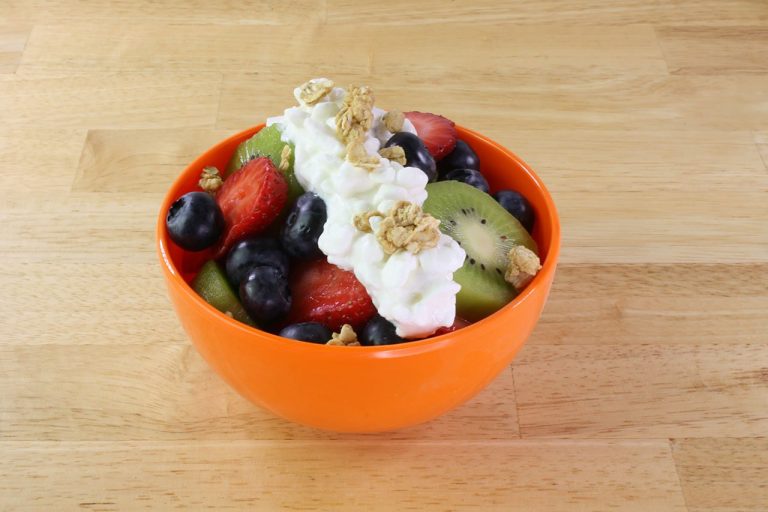
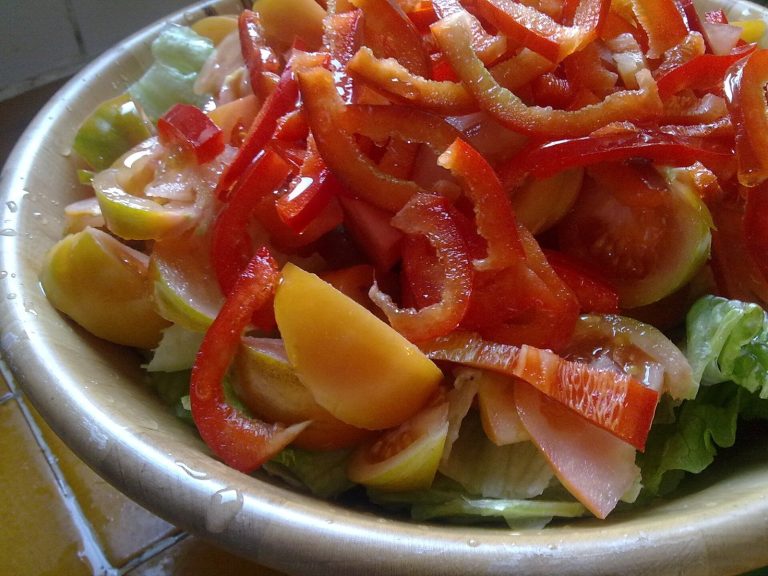
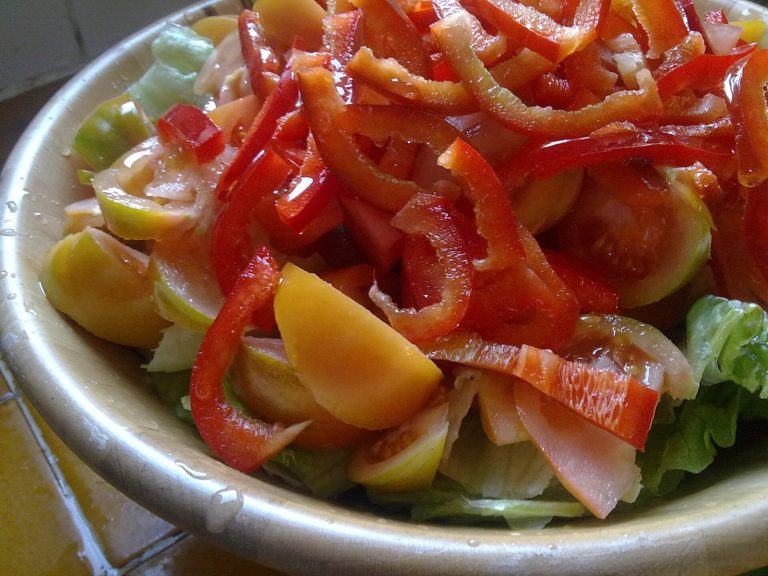
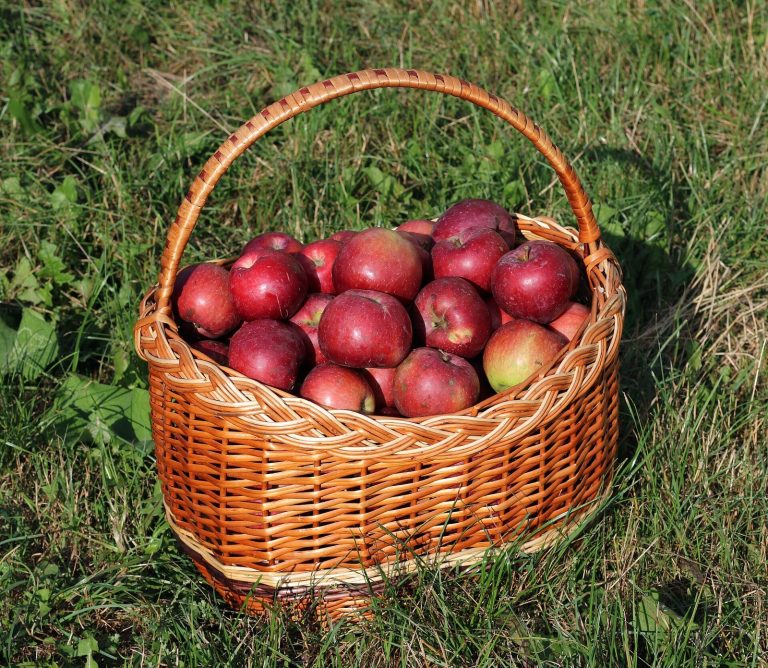
- – Food sources of vitamin C such as citrus, peppers, kiwi, broccoli, strawberries, and tomatoes, which NIH ODS lists as usual sources; adults generally need 75 mg (women) or 90 mg (men) daily, and 35 mg more if you smoke
- – Water, including fluoridated community water when available (NIDCR notes that drinking water with the right amount of fluoride protects teeth throughout the day)
- – Crunchy produce you can chew comfortably, then brush or rinse so bits do not linger
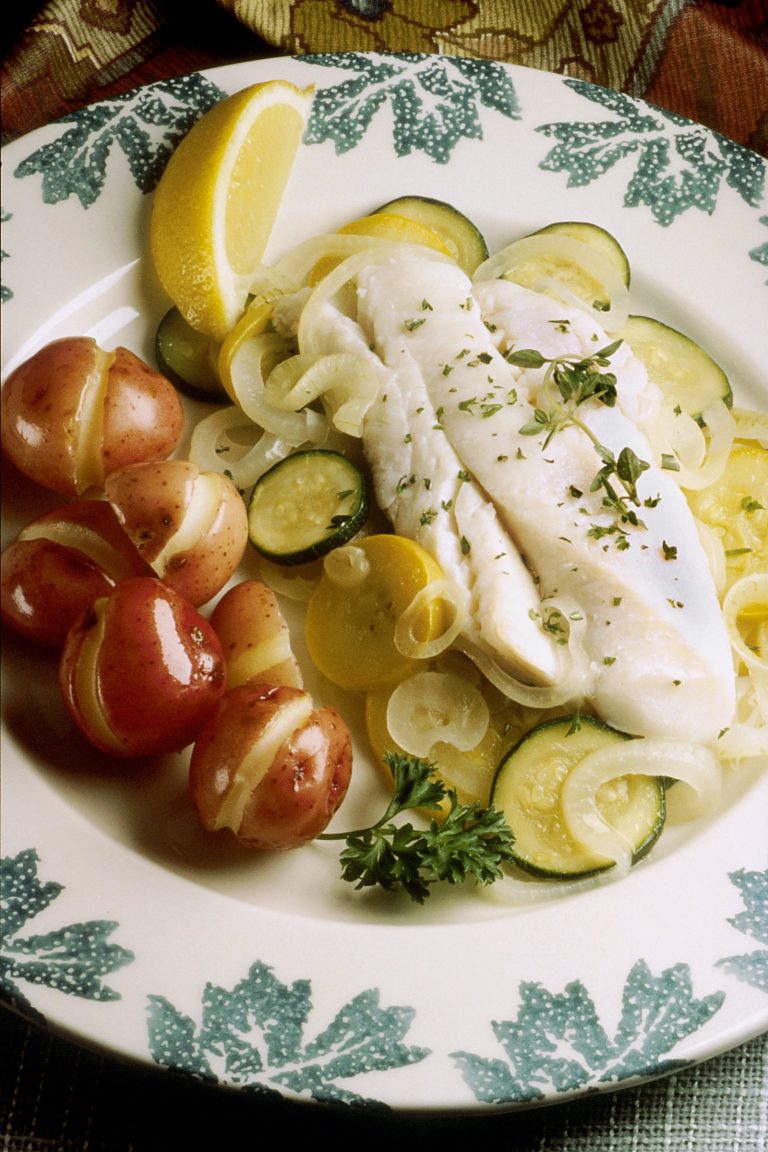
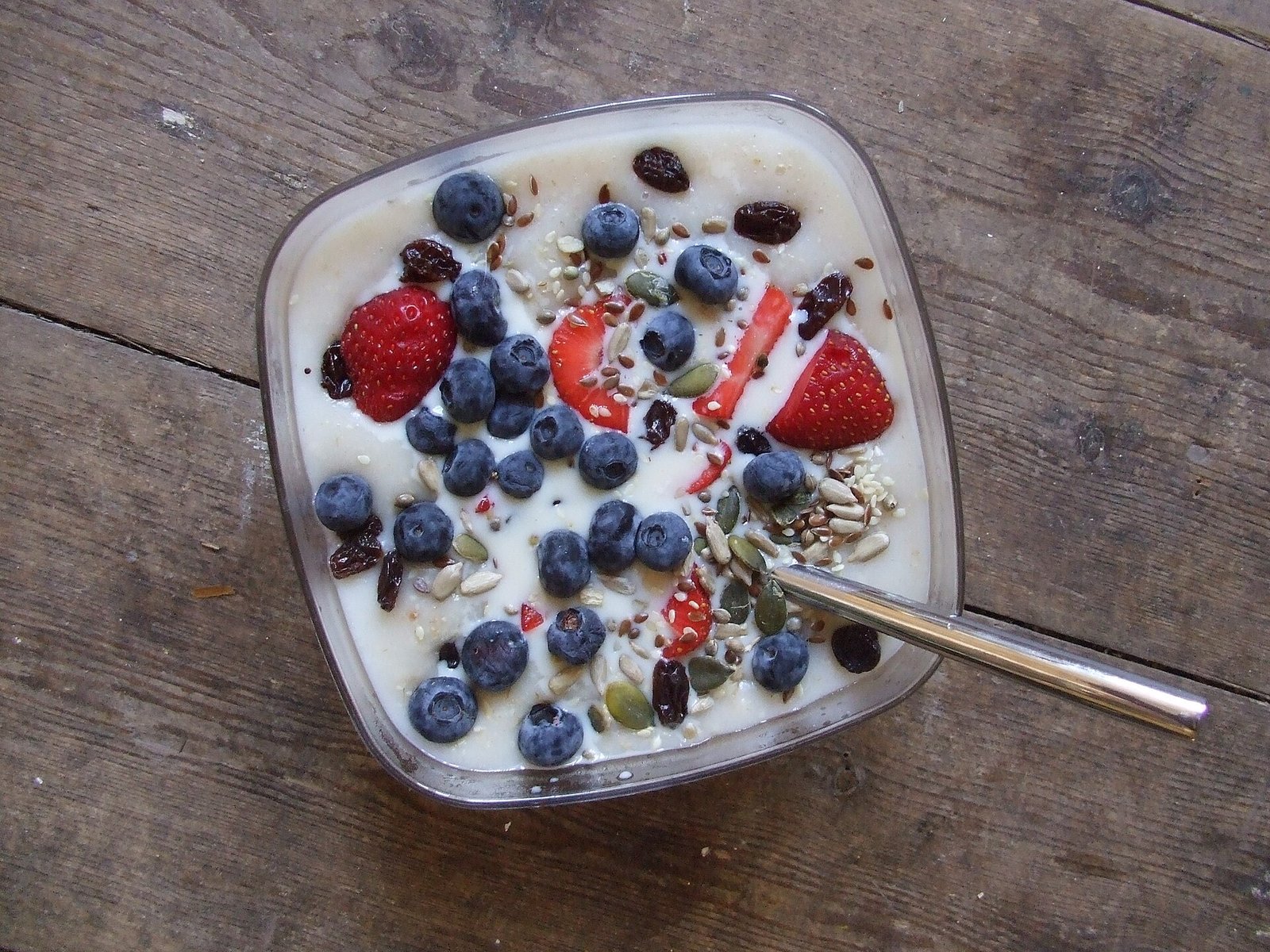
- – Softer choices—yogurt, eggs, tender fish, oatmeal, cooked vegetables, or ripe fruit—when gums are tender after a cleaning (MedlinePlus: tenderness should lessen within 1 or 2 weeks with good home care)
When medical conditions raise gum risk
MedlinePlus flags uncontrolled diabetes, and NIDCR notes that people at higher gum-disease risk because of a medical condition may need more frequent dental visits. Blood-sugar-aware eating belongs with your diabetes team. If saliva is low, see Dry Mouth (Xerostomia) Diet: Foods That May Help and Foods to Limit.
Pattern that supports the dental plan
Keep a short log of bleeding, tenderness, sweets, tobacco, and dry-mouth medicines. Bring it to your dental visit rather than hunting for a single “gum superfood.”
Foods and habits that often worsen gingivitis
- – Frequent sweets and sugary drinks, including soda. NIDCR specifically advises limiting them; Mayo Clinic explains that bacteria in plaque form after eating starches and sugars, and plaque forms quickly if it is not removed daily.
- – All-day grazing on sticky starches or candy that bathe teeth in fermentable carbohydrate between brushings.
- – Tobacco in any form. NIDCR calls tobacco the most significant risk factor and notes it can delay healing and make treatment less successful.
- – A very limited diet low in fruits and vegetables, which can make it harder to meet vitamin C needs (NIH ODS: people who eat a very limited variety of food are more likely to fall short).
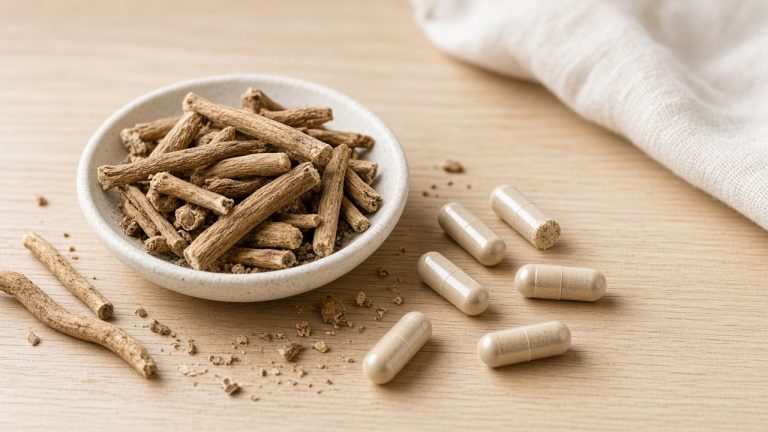
- – High-dose vitamin C supplements without advice. ODS: more than the adult upper limit of 2,000 mg per day can cause diarrhea, nausea, and cramps, and high doses can worsen iron overload in hemochromatosis.
- – Skipping brushing, flossing, or cleanings because a diet change “should be enough.” Tartar cannot be removed with food or home rinses alone (NIDCR, MedlinePlus).
- – Ignoring persistent bleeding or loosening teeth. Those signs can mean progression toward periodontitis; see Periodontitis (Gum Disease) Diet: Foods That May Help and Foods to Limit.
“Limit” means cutting plaque-feeding habits and tobacco while gums are treated—not a permanent ban on every dessert or acidic fruit.
Practical kitchen protocol: a gingivitis-aware week
1. Treat plaque in parallel
Book or keep your dental cleaning. MedlinePlus: the goal of treatment is to reduce inflammation by removing plaque or tartar, then maintain careful oral hygiene.
2. Shopping list for gum-aware plates
Fruit and vegetables with vitamin C, water, yogurt or other proteins you tolerate, oats, eggs, fish or beans, and fewer sugary drinks. If gums are sore, add softer cooked vegetables and ripe bananas.
3. Default plate template
- – Half vegetables and fruit
- – A quarter lean or tender protein
- – A quarter whole-food starch
- – Water with meals; save sweets for limited occasions, then brush
- – After sticky or starchy snacks, rinse or brush rather than leaving residue overnight
4. Sample day (illustrative)
- – Breakfast: oatmeal with strawberries; water.
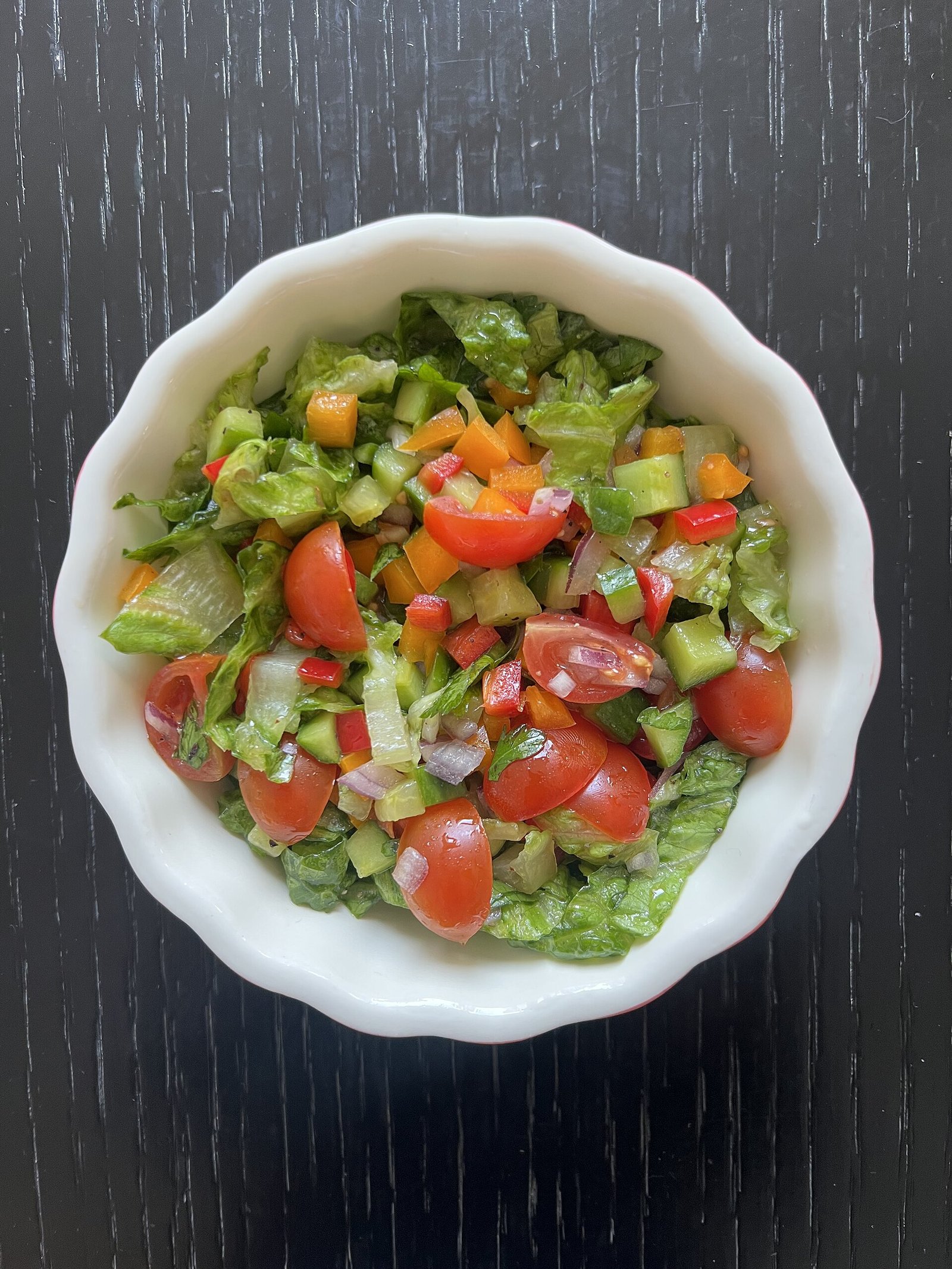
- – Lunch: a salad with bell peppers, broccoli, and a protein such as eggs, beans, or chicken; water.
- – Snack: an orange or kiwi, then a rinse or brush if you can.
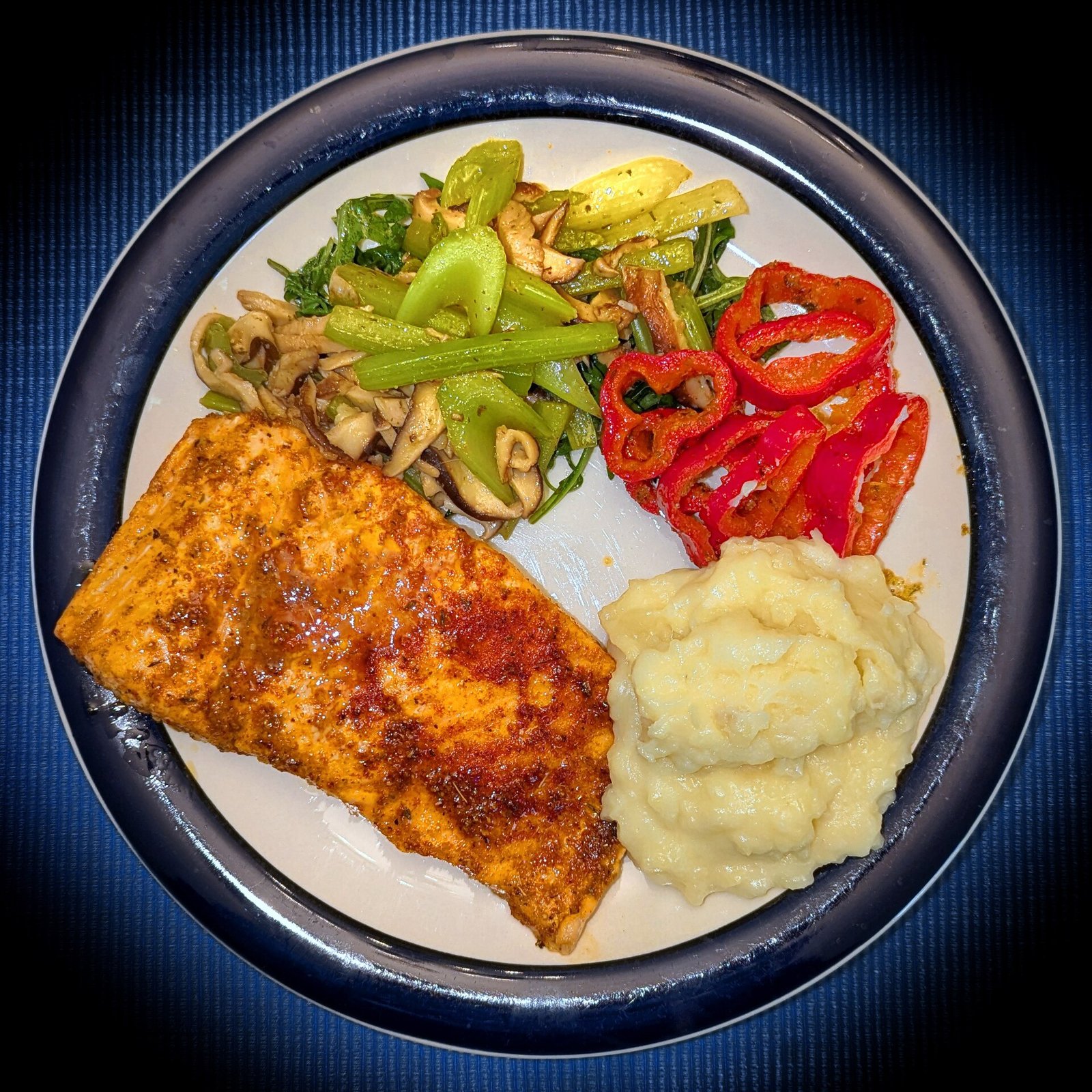
- – Dinner: baked fish or tofu, a baked potato, and cooked greens.
- – Evening: skip sugary soda; brush twice daily with fluoride toothpaste and floss, as NIDCR recommends.
5. If diabetes, pregnancy, or dry mouth overlap
Mayo Clinic lists pregnancy-related hormonal changes and certain medicines among risk factors; NIDCR advises a dental checkup if you are planning pregnancy. Coordinate blood-sugar and medicine questions with the appropriate clinicians.
6. After a professional cleaning
Choose softer textures for a few days if needed and keep up home care. MedlinePlus notes that warm salt water or antibacterial rinses can reduce swelling, but mouth care still depends on mechanical plaque removal.
Safety, interactions, and who should ask a clinician first
- – Red, swollen, or bleeding gums, especially if you have not had a cleaning in six months: contact a dentist (MedlinePlus).
- – Loose teeth, pain when chewing, or gums pulling away from teeth: these NIDCR signs can indicate more advanced disease—do not wait on a diet trial.
- – Diabetes, HIV/AIDS, cancer treatment, or other immunity-lowering conditions (Mayo Clinic): tell both your physician and dentist; you may need closer follow-up.
- – Pregnancy: ask about safe oral care and nutrition; do not start megadose supplements on your own.
- – Kidney disease, hemochromatosis, or chemotherapy: review vitamin C supplements with a clinician (ODS interaction and iron-overload cautions).
- – Do not stop a prescribed medicine that lists gum overgrowth or dry mouth as an effect without medical advice.
FAQ
Will changing my diet cure gingivitis? No. Public pages agree that removing plaque and tartar, plus daily brushing and flossing, is what usually reverses gingivitis. Food patterns may support that work.
Do I have to give up fruit because it is sweet or acidic? Not routinely. Fruits are major vitamin C sources (ODS), and Mayo Clinic flags inadequate vitamin C as a nutrition risk. Limit frequent sugary drinks and sticky sweets more than whole fruit, and brush as advised.
Can I just take a vitamin C pill instead of changing meals? Most people in the United States get enough vitamin C from foods (ODS). Supplements may be discussed if intake is very limited, but megadoses are not a gingivitis treatment and can cause side effects.
Is gingivitis the same as periodontitis? No. Gingivitis is the earlier, usually reversible stage. Periodontitis involves deeper tissue and bone damage (MedlinePlus, NIDCR). See Periodontitis (Gum Disease) Diet: Foods That May Help and Foods to Limit.
Does bad breath mean I only need mints? Bad breath can be a gingivitis symptom (Mayo Clinic, MedlinePlus). Mints do not remove plaque. Have a dental exam if odor persists.
When should I see a dentist? As soon as you notice gingivitis symptoms (Mayo Clinic). Earlier care improves the chance of reversing damage and avoiding periodontitis.
How this differs from related OTCFood topics
This page is a gingivitis-bound diet guide focused on plaque-feeding sugars, vitamin C adequacy, tobacco caution, and softer textures on tender-gum days. It is not a periodontitis surgery diet or a substitute for scaling.
Medical disclaimer
Medical disclaimer: This article is for general information only. It is not medical advice, diagnosis, or a treatment plan. Gingivitis care depends on a dental examination, home plaque control, medical conditions, medicines, and your dentist’s or clinician’s judgment. Talk with a dentist, clinician, or registered dietitian before starting, stopping, or changing any eating plan, supplement, or medicine. Seek dental or medical care for persistent bleeding gums, loose teeth, oral swelling, fever, or mouth pain that is getting worse.