Alopecia Areata Diet: Foods That May Help and Foods to Limit
Medical note: This article discusses foods and researched botanicals. It does not claim to prevent, treat, or cure disease. Supplements are not a substitute for food, and studied amounts are not personal prescriptions.
People searching “alopecia areata diet foods that help or worsen” usually want a kitchen plan while they wait for dermatology care—not a claim that food will switch off an autoimmune attack on hair follicles, replace steroid injections or JAK-inhibitor pills, or guarantee regrowth. NIAMS defines alopecia areata as a disease that happens when the immune system attacks hair follicles and causes hair loss, most often in small, round patches on the head or face. There is no cure, NIAMS states, although treatments can help hair grow back more quickly for some people and resources exist to help people cope. MedlinePlus notes that if hair loss is not widespread, hair may regrow in a few months without treatment. Kitchen patterns may help overall nutrition and associated-condition care; they do not treat alopecia areata.
What this alopecia areata diet guide covers (and what it does not)
This guide is for adults (and caregivers of older teens) with clinician-recognized alopecia areata who want honest food guidance while medical treatment and coping strategies continue. Anchors: MedlinePlus — Alopecia areata, NIAMS — Alopecia Areata, NIAMS — Diagnosis, Treatment, and Steps to Take, and MedlinePlus Genetics — Alopecia areata.
NIAMS explains that anyone can develop the disease; it can begin at any age but most often starts in the teens, twenties, or thirties, and a family history raises risk for some people though many have none. NIAMS lists higher overlap with thyroid disease, psoriasis, vitiligo, hay fever, and eczema; MedlinePlus Genetics also notes Hashimoto’s, Graves’, vitiligo, lupus, atopic dermatitis, and allergic asthma. Related reading: hypothyroidism diet guide, Hashimoto’s thyroiditis diet guide, vitiligo diet guide, psoriasis diet guide, eczema diet guide, and zinc deficiency diet guide.
Evidence snapshot: alopecia areata diet claims vs public sources
| Claim people hope for | What public sources actually say | Confidence |
|---|---|---|
| “One diet cures alopecia areata or forces full regrowth” | NIAMS: there is no cure; treatments (including approved JAK inhibitors for severe adult disease, corticosteroids, and other medicines) aim to stop the immune attack and stimulate regrowth | Strong against food-as-cure |
| “You must follow a lifelong elimination or ‘autoimmune protocol’ diet” | Official NIAMS and MedlinePlus pages do not prescribe an elimination diet as treatment | Strong that restriction is not standard care |
| “A biotin, zinc, or iron megadose will treat patchy autoimmune hair loss” | ODS: zinc deficiency can cause hair loss in older children, but that is deficiency—not alopecia areata. MedlinePlus lists blood tests for autoimmune and thyroid problems, not a supplement protocol | Strong against self-megadosing |
| “Diet is irrelevant to people with alopecia areata” | NIAMS: people have a higher risk of thyroid disease, eczema, and other autoimmune diseases and should see a primary-care clinician regularly | Moderate that nutrition matters for overlapping diagnoses |
| “Stress caused it, so changing meals will prevent the next patch” | NIAMS: emotional stress or illness may bring on disease in people at risk, but in most cases there is no obvious trigger | Low that kitchen changes control flares |
Foods and patterns that may help with alopecia areata day-to-day nutrition
“May help” means supporting ordinary nutrient needs and any clinician-diagnosed overlap (thyroid disease, iron or zinc deficiency found on labs)—not regrowing hair on a schedule.
A regular, complete plate while you wait for dermatology decisions
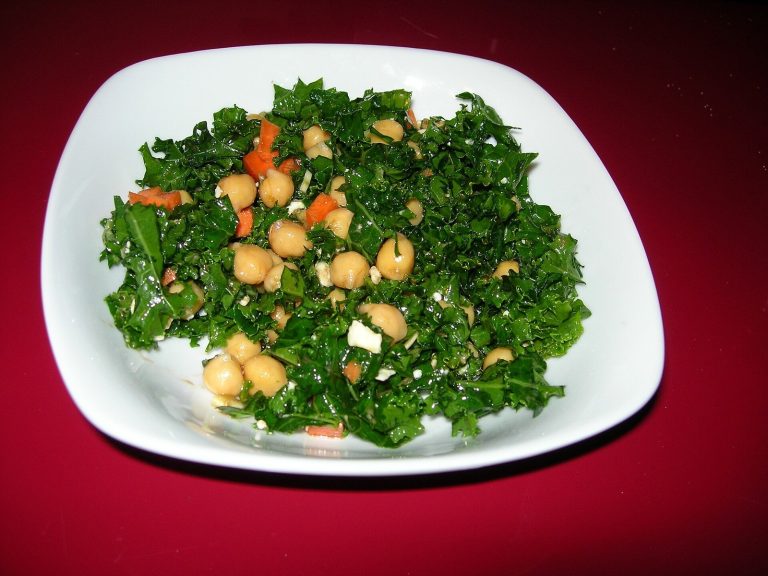
- – Protein at most meals (eggs, fish, poultry, beans, lentils, tofu, yogurt, or cheese if you use dairy) so calories and amino acids stay adequate if appetite drops after a new patch appears.
- – Colorful vegetables and fruits for fiber and a range of micronutrients—there is no official “hair-color vegetable list.”
- – Whole grains or other starches you already tolerate (oats, rice, bread, potatoes) for steady energy.
- – Usual iodized salt in cooking is enough for most people; do not start kelp or high-dose iodine on your own.
If blood tests find another problem
MedlinePlus notes clinicians may order blood tests for autoimmune conditions and thyroid problems; NIAMS adds that other conditions can mimic the same hair-loss pattern. If labs show true zinc deficiency, ODS lists oysters, meat, fish, poultry, crab or lobster, fortified cereal, beans, nuts, whole grains, eggs, and dairy, and warns that long-term high-dose zinc can lower copper and HDL cholesterol (adult upper limit 40 mg/day from all sources unless a clinician is treating you). Follow anemia or thyroid plans only when those diagnoses apply. See zinc deficiency diet guide and iron-deficiency anemia diet guide.
Eating when mood, stress, or appetite change
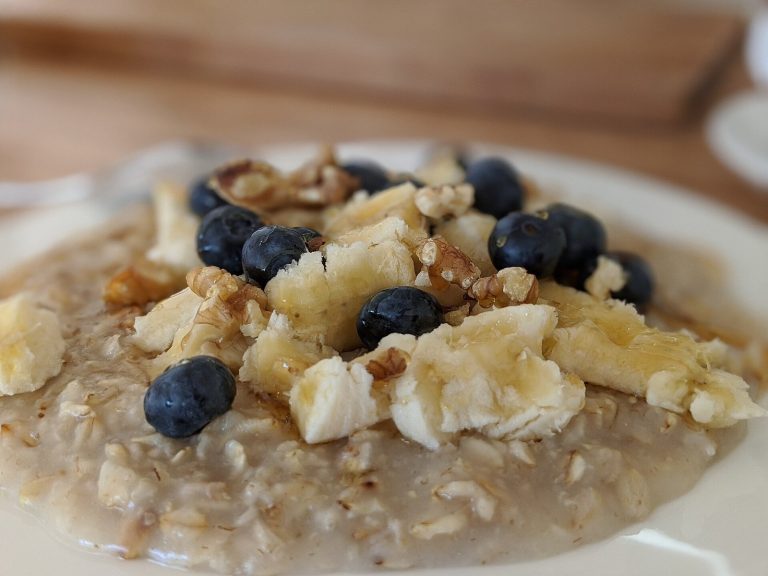
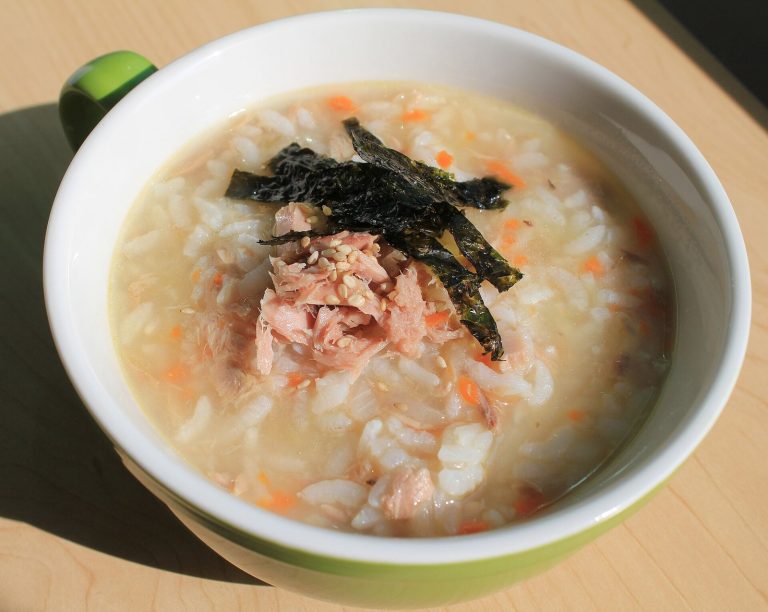
MedlinePlus Genetics and NIAMS both describe effects on self-esteem, with depression and anxiety more common. A simple default—oatmeal with fruit, a sandwich plus soup, rice with fish and vegetables—matters more than a “regrowth smoothie.” Keep shelf-stable proteins and frozen vegetables on hand if cooking feels hard.
Foods and habits that often worsen nutrition or confuse alopecia areata care
- – Crash diets and very low-calorie patterns that shrink protein and micronutrient intake while you are already managing an unpredictable condition.
- – Unsupervised high-dose zinc, iron, biotin, or iodine supplements marketed for hair. Excess zinc can be harmful (ODS); iron supplements can upset the stomach and are dangerous in overdose; extra iodine can disturb thyroid function.
- – Alcohol-heavy weeks, which ODS notes can reduce zinc absorption and increase zinc losses and often displace nutrient-dense meals.
- – Ignoring associated diseases. NIAMS advises regular primary-care visits because thyroid disease, eczema, and other autoimmune diseases are more common; delaying that visit to “try a diet first” can postpone needed care.
- – Assuming every new bald patch is a food allergy. NIAMS describes sudden round or oval patches, often with “exclamation point” hairs and usually no rash or scarring—features clinicians use to distinguish alopecia areata from other hair-loss types.
“Limit” here means avoiding extreme restriction and supplement hype—not fearing ordinary flavorful food.
Practical kitchen protocol: an alopecia-areata-aware week
1. Keep medical care in the center
Ask your clinician whether you need a dermatology exam, possible scalp biopsy, or blood tests (MedlinePlus). Treatment, if you choose it, may include corticosteroid injections for patchy disease or approved JAK inhibitors for severe adult disease (NIAMS). Food does not replace those options.
2. Shopping list for ordinary complete meals
Oats, eggs, yogurt or fortified plant yogurt, beans, nuts, brown or white rice, frozen mixed vegetables, citrus or berries, leafy greens, canned fish, chicken or tofu, fortified breakfast cereal, and a multivitamin only if your clinician suggests one—not a specialty “hair formula.”
3. Default plate template
- – About one-quarter protein you enjoy
- – About one-quarter starch
- – About half vegetables or fruit
- – Water or another non-alcoholic drink
- – Stop eating at comfortable fullness; do not “eat for hair volume”
4. Sample day (illustrative)
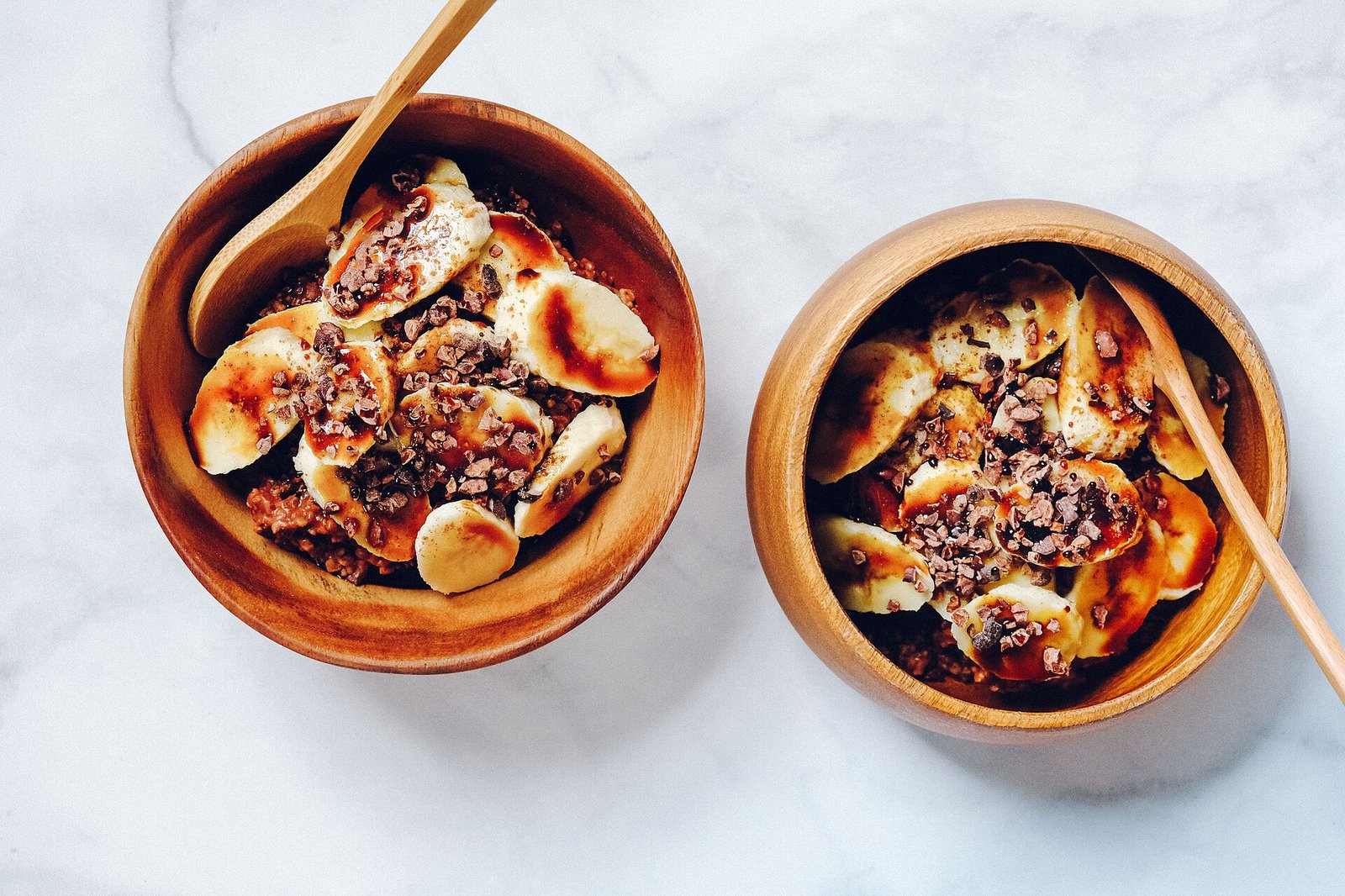
- – Breakfast: oatmeal with banana and yogurt.
- – Lunch: lentil soup, toast, and an orange.
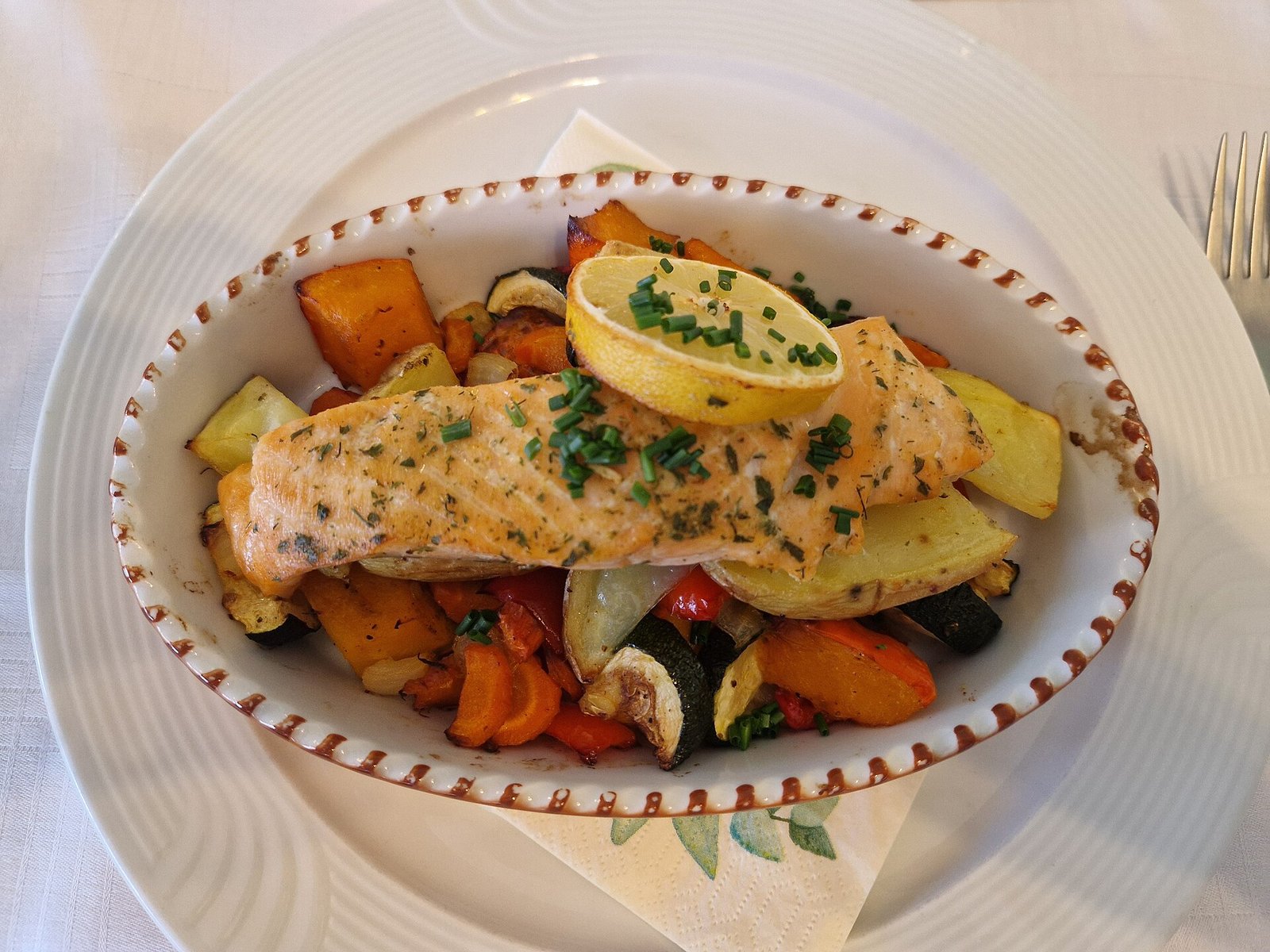
- – Dinner: baked fish or tofu, rice, and cooked vegetables.
- – Evening: note new patches, nail changes, or mood shifts for your visit—not a food-blame list.
5. If thyroid disease, eczema, or vitiligo is also present
Use the condition-specific guides linked above. Overlap with those diagnoses is higher (NIAMS, MedlinePlus Genetics); treating them is separate from hair-regrowth therapy.
6. Scalp and skin practicalities that are not diet
NIAMS living-with advice includes sunscreen on bare skin, hats or wigs for sun and warmth, and glasses or sunglasses if eyelashes or eyebrows are lost. Those steps protect skin; they are not nutrition.
Safety, interactions, and who should ask a clinician first

- – Contact a clinician if you are concerned about hair loss (MedlinePlus). Sudden widespread loss, nail changes, or signs of another illness deserve prompt review.
- – If you take a JAK inhibitor, corticosteroid, or immunosuppressant, ask before starting any new supplement.
- – Pregnancy or plans to conceive: review any supplement, including high-dose vitamin A or herbal “hair” blends, with a clinician.
- – Children with alopecia areata: NIAMS notes disease starting before age 10 tends to be more extensive; nutrition decisions belong with pediatrics, not adult megadose products.
- – Mental-health support is part of official living-with guidance (NIAMS). Diet changes are not a substitute for counseling if depression or anxiety is rising.
FAQ
Will changing my diet make alopecia areata go away? No. NIAMS states there is no cure. Hair may regrow on its own, especially with milder, later-onset disease and no nail changes, but food is not listed among treatments.
Should I take zinc or biotin for patchy hair loss? Only if a clinician finds a deficiency or recommends a product. ODS links hair loss to zinc deficiency in older children, which is a different problem from autoimmune follicle attack. Extra zinc above the adult 40 mg/day upper limit can be harmful.
Why would my clinician check my thyroid? MedlinePlus lists blood tests for autoimmune conditions and thyroid problems. NIAMS says people with alopecia areata have a higher risk of thyroid disease and should see primary care regularly.
Is alopecia areata the same as male- or female-pattern baldness? No. MedlinePlus Genetics describes alopecia areata as the second most common form of alopecia after androgenetic (pattern) hair loss, with a different autoimmune mechanism.
Can stress or a new diet “trigger” a patch? NIAMS says emotional stress or illness can bring on disease in people who are at risk, but most episodes have no obvious trigger. Do not blame a single meal.
When should I see a doctor? If you notice new round patches, nail pitting, eyebrow or eyelash loss, or hair loss that worries you—and sooner if you also have symptoms of thyroid disease, severe eczema, or depression.
How this differs from related OTCFood topics
This page is an alopecia-areata-bound diet guide focused on what official pages do not claim about food, how to eat while treatment and coping continue, and when overlapping thyroid, zinc-deficiency, or other autoimmune diagnoses change the kitchen plan. It is not a pattern-baldness page, not a JAK-inhibitor guide, and not a substitute for dermatology.
Medical disclaimer
Medical disclaimer: This article is for general information only. It is not medical advice, diagnosis, or a treatment plan. Alopecia areata care depends on age, how much hair is lost, other autoimmune or thyroid disease, medicines, and your clinician’s judgment. Talk with a clinician or registered dietitian before starting, stopping, or changing any eating plan, supplement, or medicine. Seek care for sudden extensive hair loss, signs of another illness, or rising depression or anxiety.