Anemia of Chronic Disease Diet: Foods That May Help and Foods to Limit
Medical note: This article discusses foods and researched botanicals. It does not claim to prevent, treat, or cure disease. Supplements are not a substitute for food, and studied amounts are not personal prescriptions.
People searching “anemia of chronic disease diet foods that help or worsen” usually want to know whether loading up on iron-rich foods will fix a low blood count—not a claim that spinach or iron pills treat the underlying illness. MedlinePlus defines anemia of chronic disease (ACD; also called anemia of inflammation) as anemia found in people with certain long-term medical conditions that involve inflammation. NIH’s Office of Dietary Supplements states that taking more iron from foods or supplements usually does not reduce anemia of chronic disease because iron is diverted from the blood circulation to storage sites. The main therapy is treatment of the underlying disease. Food still matters for overall nutrition; it does not replace that medical plan.
What this anemia of chronic disease diet guide covers (and what it does not)
This guide is for adults who have clinician-diagnosed ACD—or who were told their anemia is linked to inflammation—and who need a careful kitchen plan that does not confuse ACD with iron-deficiency anemia. Anchors: MedlinePlus — Anemia of chronic disease, NIH ODS — Iron (Consumer), and NHLBI — Anemia.
MedlinePlus lists conditions that can lead to ACD, including autoimmune disorders such as Crohn disease, lupus, rheumatoid arthritis, and ulcerative colitis; cancers including lymphoma and Hodgkin disease; and long-term infections such as endocarditis, osteomyelitis, HIV/AIDS, lung abscess, hepatitis B, or hepatitis C. NHLBI notes that anemia may signal a more serious condition such as bleeding, infection-related inflammation, kidney disease, cancer, or autoimmune disease. Related reading: iron-deficiency anemia diet guide, pernicious anemia diet guide, rheumatoid arthritis diet guide, Crohn’s disease diet guide, and ulcerative colitis diet guide.
Evidence snapshot: ACD diet claims vs public sources
| Claim people hope for | What public sources actually say | Confidence |
|---|---|---|
| “Eating more iron will correct ACD the way it helps iron-deficiency anemia” | ODS: taking more iron from foods or supplements usually does not reduce ACD because iron is diverted to storage sites. Main therapy is treating the underlying disease | Strong against self-started high-dose iron |
| “ACD always needs aggressive iron pills” | MedlinePlus: ACD is often mild enough that it does not need treatment and may get better when the disease causing it is treated | Strong that many cases are watch-and-treat-the-cause |
| “If you are anemic, more iron is always safer” | ODS: too much iron can cause stomach upset, constipation, nausea, and—at high doses—more serious harm; keep iron supplements away from children because accidental overdose is a leading cause of fatal poisoning in children under 6. People with hemochromatosis should avoid iron and vitamin C supplements | Strong safety warning |
| “You can diagnose the type of anemia from your grocery list” | MedlinePlus: finding the cause is very important; tests may include CBC, reticulocyte count, serum ferritin, serum iron, C-reactive protein, and sedimentation rate | Strong that lab work comes first |
| “Diet is irrelevant once inflammation is present” | Balanced eating still supports the illness you already have (IBD, RA, and others). ODS also notes people with cancer, GI disorders, or heart failure are among groups more likely to have trouble getting enough iron—your clinician distinguishes true iron shortage from ACD | Moderate that food remains supportive |
Foods and patterns that may help when anemia is tied to chronic disease
“May help” means supporting overall nutrition and the diet already used for your underlying condition—not overriding ODS’s warning that extra iron usually does not correct ACD.
Start with the disease you already have
Because ACD improves when the driving illness is treated (MedlinePlus), the most useful kitchen work is often the pattern already recommended for that illness:
- – Inflammatory bowel disease: see Crohn’s disease diet guide or ulcerative colitis diet guide rather than forcing high-iron meals during a gut flare.
- – Rheumatoid arthritis or lupus: see rheumatoid arthritis diet guide and lupus diet guide.
- – Heart failure overlap matters: MedlinePlus notes anemia may lead to a higher risk for death in people with heart failure, so follow that sodium and fluid plan with heart failure diet guide if it applies.
Everyday plates that support energy without self-prescribing iron
NHLBI says that for some types of mild to moderate anemia you may need iron supplements, vitamins, or medicines that help the body make more red blood cells, and that your doctor may suggest healthy eating changes. Until labs show what type you have, use a regular balanced pattern—vegetables, fruit, protein foods, and grains you tolerate—without megadosing iron on your own.
If your clinician later finds a mixed picture (ACD plus true iron deficiency, or separate B12 or folate deficiency), then the more specific pages apply: iron-deficiency anemia diet guide, vitamin B12 deficiency diet guide, folate deficiency diet guide, or pernicious anemia diet guide. ODS notes that heme iron in meat, seafood, and poultry absorbs better than plant iron, and that vitamin C–rich foods help absorb plant iron—useful if iron deficiency is confirmed, not as a shortcut.
When medical treatments—not groceries—are the next step
MedlinePlus: more severe anemia, such as that caused by cancer or HIV/AIDS, may require blood transfusion or erythropoietin given as a shot. Those decisions belong to your clinician.
Foods, supplements, and habits that often worsen the ACD picture
- – Self-started high-dose iron. ODS: extra iron usually does not correct ACD, and excess iron can be harmful. Adult upper limits from all sources are 45 mg/day unless a doctor prescribes more for documented iron deficiency.
- – Vitamin C supplements if you have hemochromatosis. ODS: people with this inherited iron-overload condition should avoid iron and vitamin C supplements.
- – Copying tea, coffee, or calcium timing rules from iron-deficiency articles automatically. Those tips matter when iron deficiency is confirmed. In ACD the problem is inflammation, not simply low intake.
- – Ignoring medicine interactions if iron is later prescribed. ODS: iron can reduce absorption of levodopa and levothyroxine; proton pump inhibitors may reduce nonheme iron absorption; calcium might interfere, so separating calcium and iron supplements may help.
- – Using grocery changes instead of finding the cause. MedlinePlus: anemia may be the first symptom of a serious illness.
“Limit” means not escalating iron on your own—not avoiding nutritious foods.
Practical kitchen protocol: an ACD-aware week
1. Confirm the type of anemia before changing supplements
Bring your CBC and iron studies to the visit. MedlinePlus lists ferritin and serum iron among tests used to diagnose ACD; those results help clinicians distinguish inflammation-related anemia from true iron deficiency. Do not interpret the numbers yourself from a blog table.
2. Shopping list for balanced, easy energy
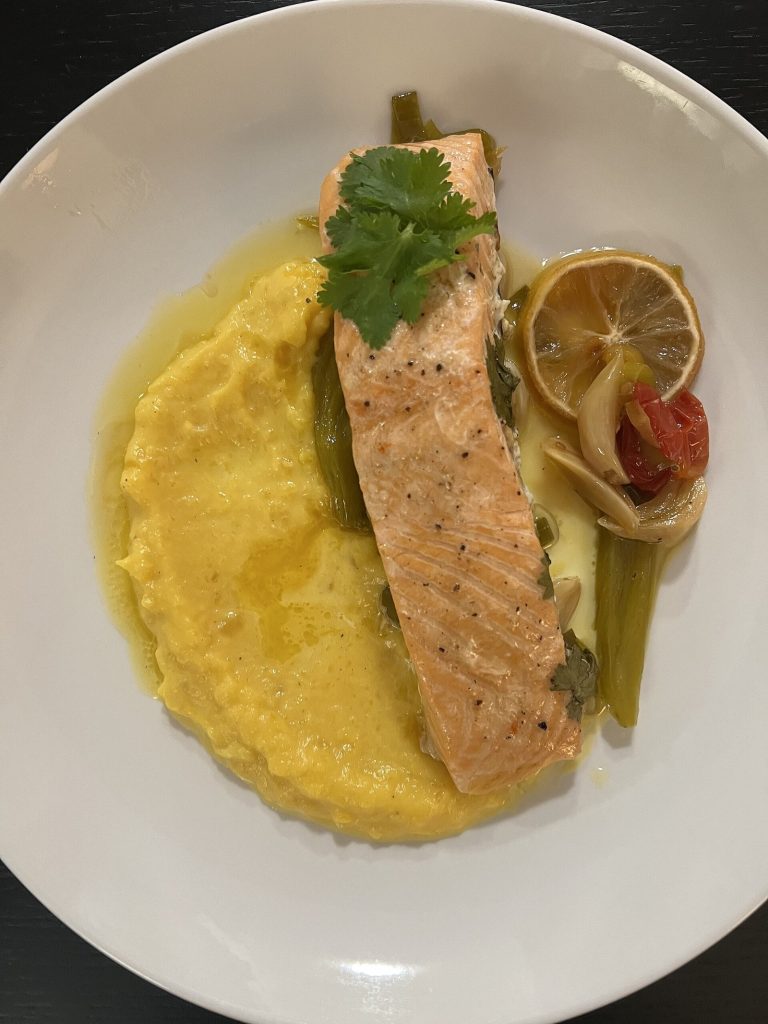
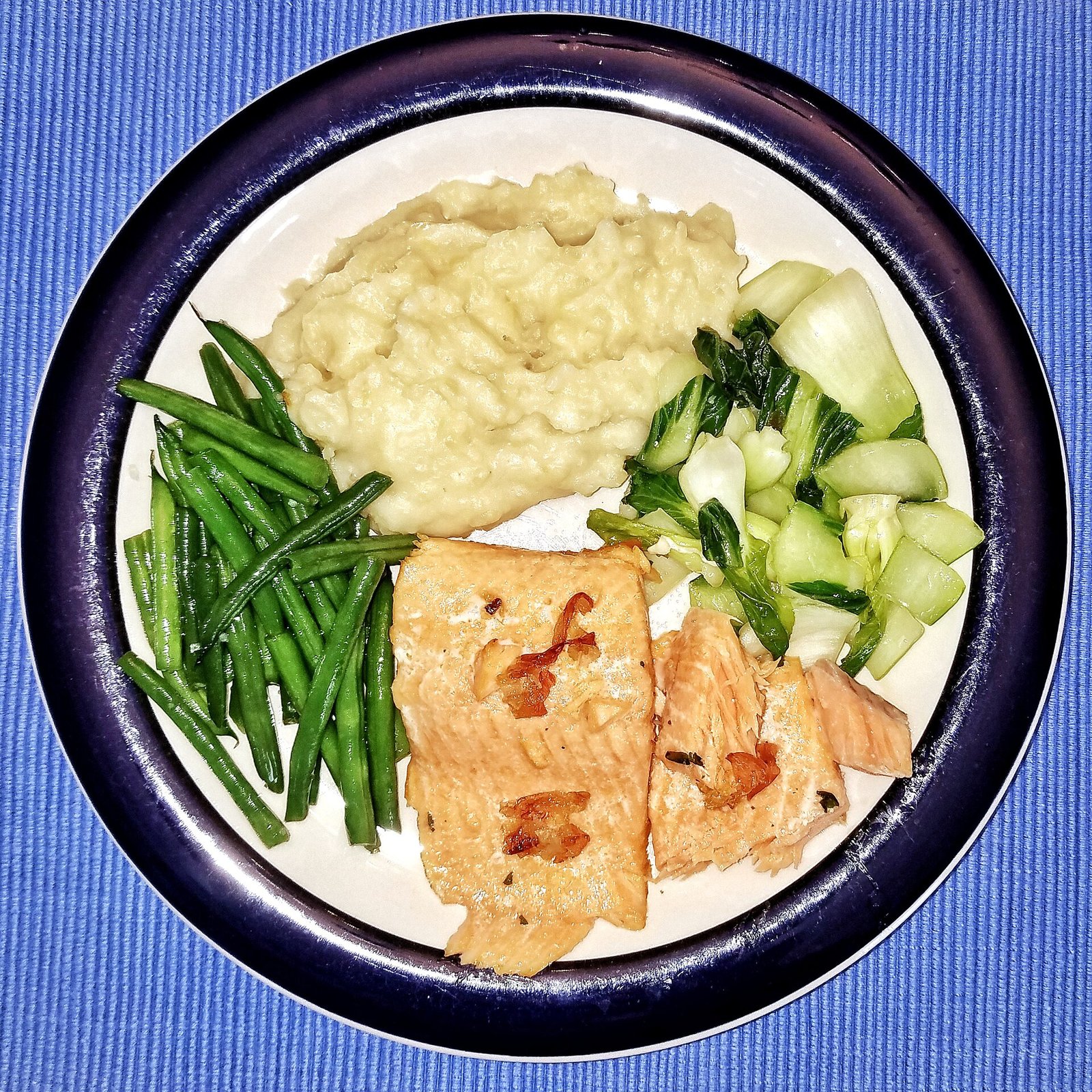
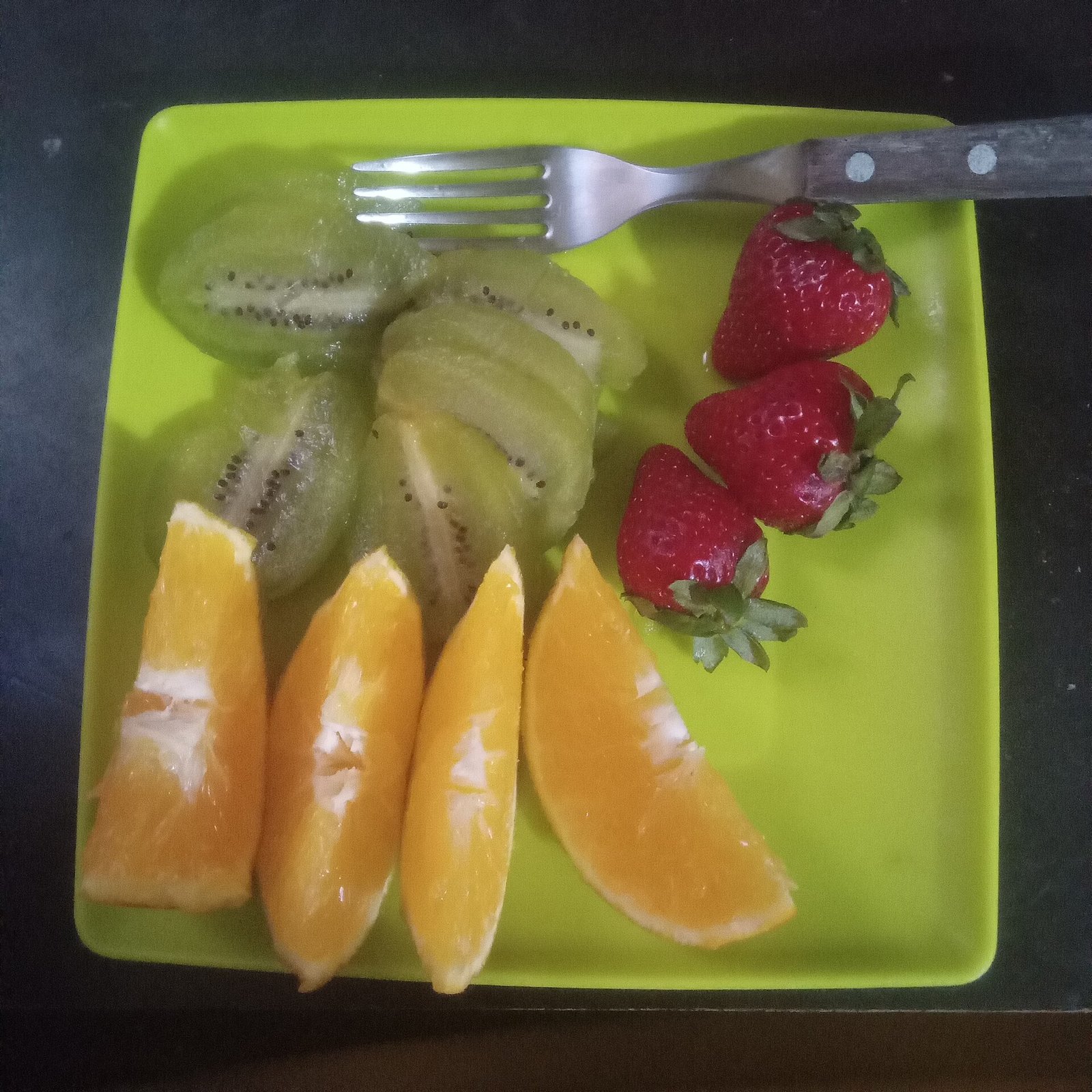
Eggs, yogurt or other tolerated proteins, fish or tender poultry, beans or lentils if your gut disease allows them, oats or rice, cooked vegetables, and fruit such as strawberries or citrus. The goal is steady meals while the underlying disease is treated—not an iron-loading contest.
3. Sample day (illustrative)
- – Breakfast: oatmeal with strawberries or an orange on the side.
- – Lunch: rice bowl with beans or fish and cooked vegetables, if tolerated.
- – Snack: yogurt or fruit.
- – Dinner: baked fish or eggs, potatoes or rice, and a mixed vegetable side.
- – Pills: take only iron or other supplements your clinician prescribed; if both calcium and iron are advised, ODS suggests different times of day.
4. Watch symptoms that are about the disease, not the menu
MedlinePlus says ACD is often mild and you may not notice symptoms. When symptoms occur they may include feeling weak or tired, headache, paleness, and shortness of breath. Contact your provider if you have a long-term disorder and develop these. Report black stools, vomiting blood, chest pain, fainting, or sudden worsening shortness of breath urgently.
5. Keep child-proofing in mind even if the iron bottle is “just in case”
ODS: dietary supplements that contain iron warn that they should be kept out of the reach of children. Accidental overdose of iron-containing products is a leading cause of fatal poisoning in children under 6.
Safety, interactions, and who should ask a clinician first
- – Cancer treatment, HIV, dialysis or kidney disease, or inflammatory bowel disease: anemia plans are specialized; do not copy an iron-deficiency grocery protocol.
- – Heart failure: MedlinePlus flags higher risk of death when anemia is present—coordinate diet with that care team.
- – Pregnancy: ODS iron recommendations are higher in pregnancy (27 mg/day listed), but pregnancy anemia still needs a clinician’s diagnosis of the type.
- – Parkinson disease medicines (levodopa) or thyroid hormone (levothyroxine): review any iron supplement timing with your clinician (ODS).
- – Hereditary hemochromatosis: avoid extra iron and vitamin C supplements (ODS).
FAQ
Should I eat more red meat to fix anemia of chronic disease? Usually not as a standalone fix. ODS says extra iron from foods or supplements usually does not reduce ACD because stored iron is not being released normally. Treat the underlying disease first.
How is this different from iron-deficiency anemia? Iron-deficiency anemia means the body lacks enough iron, often from blood loss, poor absorption, or low intake (NHLBI). ACD is driven by inflammation that interferes with using stored iron (ODS, MedlinePlus). Labs, not a grocery experiment, separate them. See iron-deficiency anemia diet guide.
If my anemia is mild, do I still need to change my diet? MedlinePlus: mild ACD often needs no separate anemia treatment and may improve when the causing disease is treated. Keep a balanced pattern and follow the diet already used for that disease.
Can I take leftover iron pills from a past pregnancy? Do not start leftover iron without advice. ODS describes real harms from excess iron, and ACD often does not respond to extra iron the way iron deficiency does.
Why would my clinician mention transfusion or erythropoietin? MedlinePlus lists those options for more severe anemia, such as anemia related to cancer or HIV/AIDS.
When should I contact a clinician? If you have a chronic disorder and develop weakness, paleness, headache, or shortness of breath, or if anemia was found and the cause is not yet clear (MedlinePlus).
How this differs from related OTCFood topics
This page is an anemia-of-chronic-disease diet guide focused on not treating ACD like simple iron deficiency, using ODS and MedlinePlus language about stored iron and treating the cause. It is not an iron-loading primer or a substitute for evaluating the underlying disease.
Medical disclaimer
Medical disclaimer: This article is for general information only. It is not medical advice, diagnosis, or a treatment plan. Anemia care depends on the type of anemia, the underlying disease, iron studies, other nutrient levels, and your clinician’s judgment. Talk with a clinician or registered dietitian before starting, stopping, or changing any eating plan, supplement, or medicine. Seek urgent care for chest pain, fainting, vomiting blood, black stools, or severe shortness of breath.