Bruxism Diet: Foods That May Help and Foods to Limit
Medical note: This article discusses foods and researched botanicals. It does not claim to prevent, treat, or cure disease. Supplements are not a substitute for food, and studied amounts are not personal prescriptions.
People searching “bruxism diet foods that help or worsen” usually want softer chewing and fewer jaw irritants while grinding or clenching is being managed—not a claim that food stops nighttime grinding or replaces a dentist-fitted guard. MedlinePlus defines bruxism as grinding your teeth (sliding them back and forth over each other). It can happen during the day or night; sleep grinding is often harder to control. NIDCR describes bruxism as grinding, clenching, or gnashing that can occur when awake or asleep, and notes that many cases are mild while severe bruxism can damage teeth and cause jaw pain or headache. Kitchen texture changes may help sore jaw muscles; they do not cure bruxism.
What this bruxism diet guide covers (and what it does not)
This guide is for adults (and caregivers asking about household eating habits) with dentist- or clinician-recognized bruxism who want practical food textures alongside mouth guards, stress-management, and dental care. Anchors: MedlinePlus — Bruxism, NIDCR — Bruxism, and Mayo Clinic — Teeth grinding (bruxism).
MedlinePlus says there is some disagreement about the cause; daily stress may be the trigger in many people. Factors that influence whether grinding causes pain include stress, how long and how tightly you clench, whether teeth are misaligned, posture, ability to relax, diet, and sleeping habits. Mayo Clinic adds that sleep bruxism is a sleep-related movement disorder and that people who grind during sleep are more likely to have other sleep disorders such as snoring and sleep apnea. Related reading: TMJ disorder diet guide, obstructive sleep apnea diet guide, and GERD acid reflux diet guide.
Evidence snapshot: bruxism diet claims vs public sources
| Claim people hope for | What public sources actually say | Confidence |
|---|---|---|
| “A special diet stops all grinding” | Public pages emphasize dental evaluation, guards/splints, behavior change, and stress management. Diet appears as one comfort and risk-habit factor, not a cure | Strong against food-as-cure |
| “Hard foods are fine if you chew slowly” | MedlinePlus self-care: avoid eating hard or dense foods like nuts, candies, and steak | Strong practical caution during pain |
| “Sugar-free gum is a harmless habit” | MedlinePlus: do not chew gum. Mayo Clinic: chewing gum for long periods can increase the risk of awake bruxism. NIDCR helpful tips focus on keeping teeth apart during the day | Strong to limit gum |
| “Caffeine and alcohol are unrelated” | NIDCR lists consuming alcohol or caffeine and smoking among factors that appear to play a role; helpful tips say avoid caffeine and alcohol and don’t smoke. Mayo Clinic: drinking caffeinated beverages or alcohol can raise bruxism risk | Moderate-to-strong to limit these |
| “A night guard is optional if you change breakfast” | NIDCR and MedlinePlus discuss mouth guards/splints to protect teeth from grinding pressure. Food texture does not replace dental protection when a dentist recommends a guard | Strong that diet is adjunctive |
Foods and patterns that may help when the jaw is sore
“May help” means lowering mechanical load on tired chewing muscles—not rebuilding enamel through nutrients.
Softer textures while muscles are tender (MedlinePlus)
MedlinePlus self-care tips that map directly onto the kitchen:
- – Avoid eating hard or dense foods like nuts, candies, and steak.
- – Do not chew gum.
- – Drink plenty of water every day.
- – Get plenty of sleep.
- – Apply ice or damp heat to sore jaw muscles (either can help).
- – Learn stretching exercises and massage for neck, shoulder, and face muscles as advised.
- – Relax your face and jaw muscles throughout the day.
Practical soft-food swaps many people use during flares (same idea as conservative TMD care—see TMJ disorder diet guide):
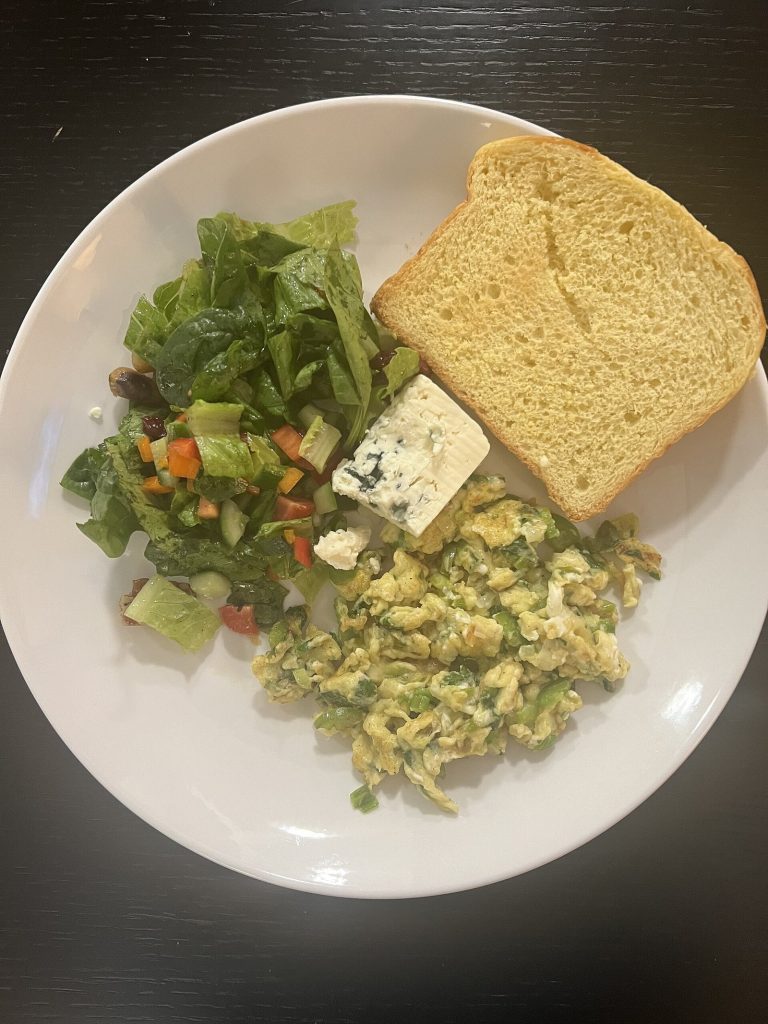
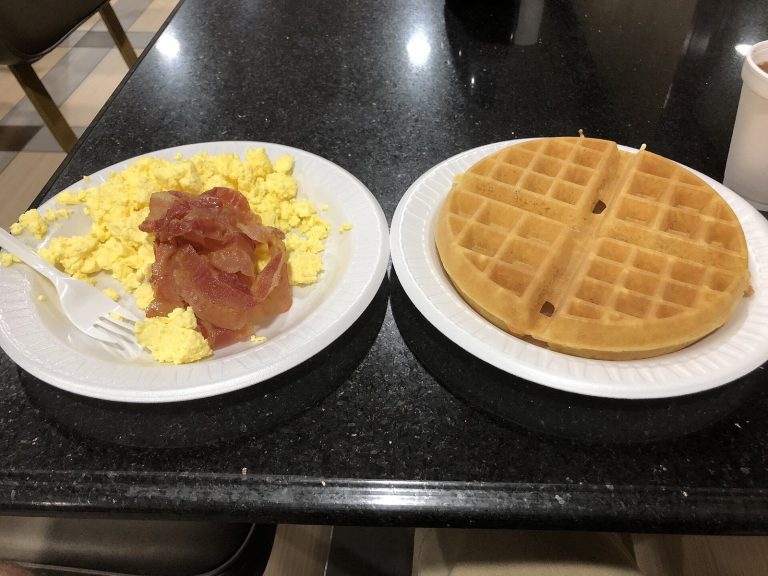
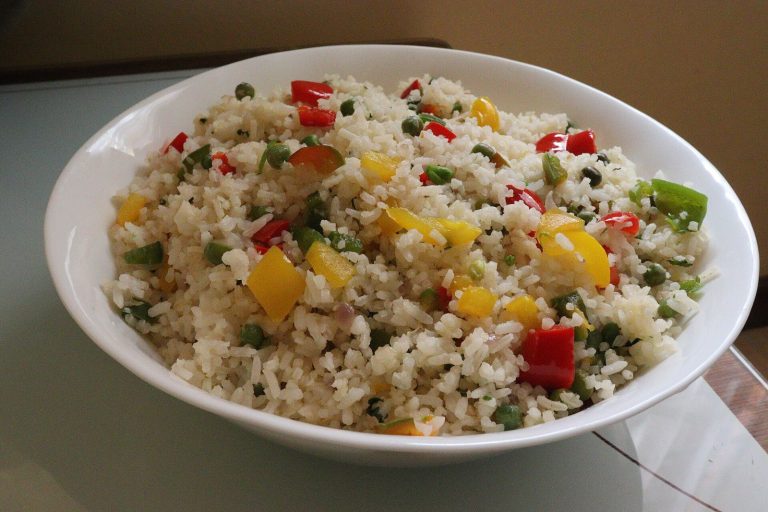
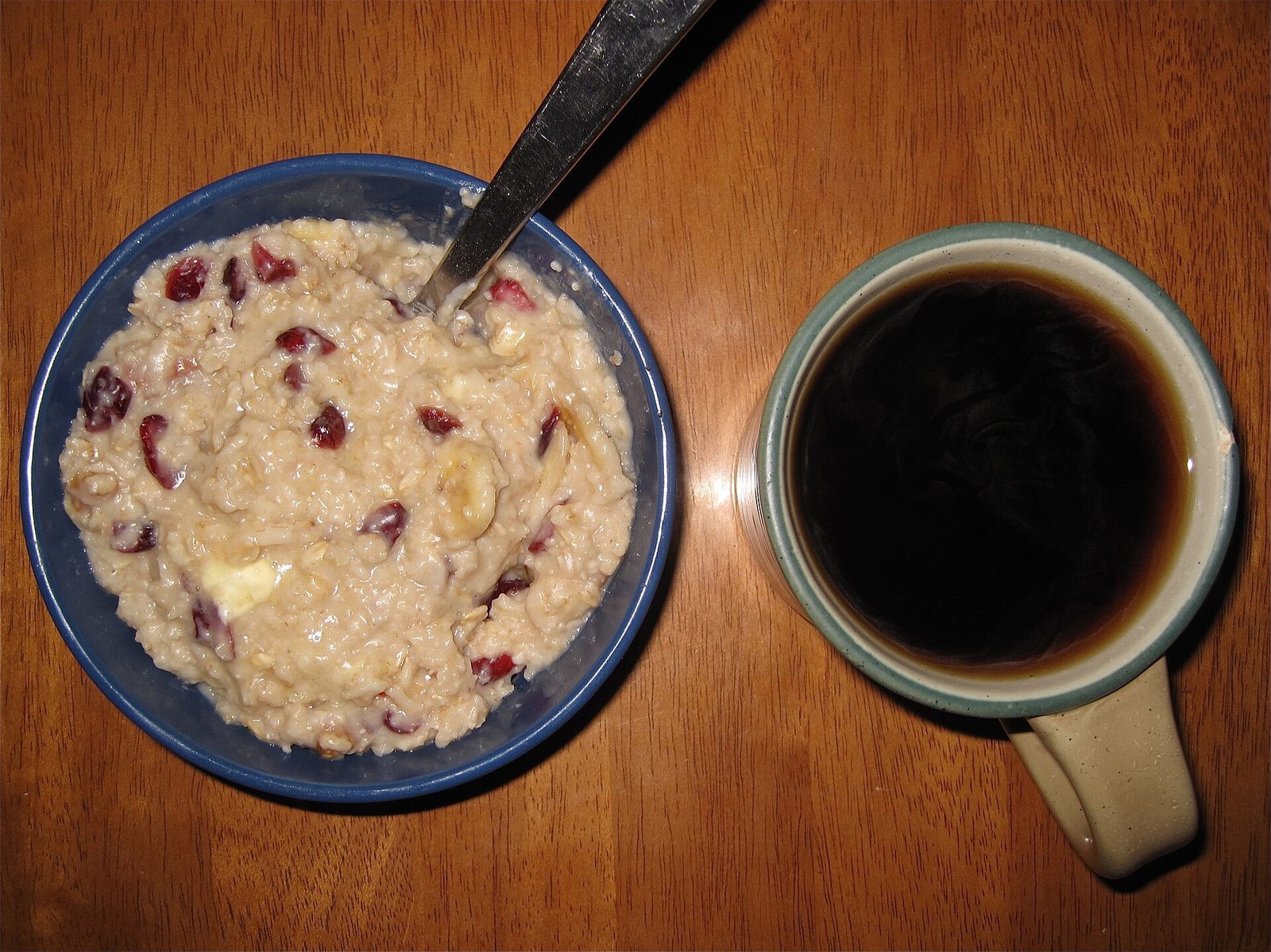
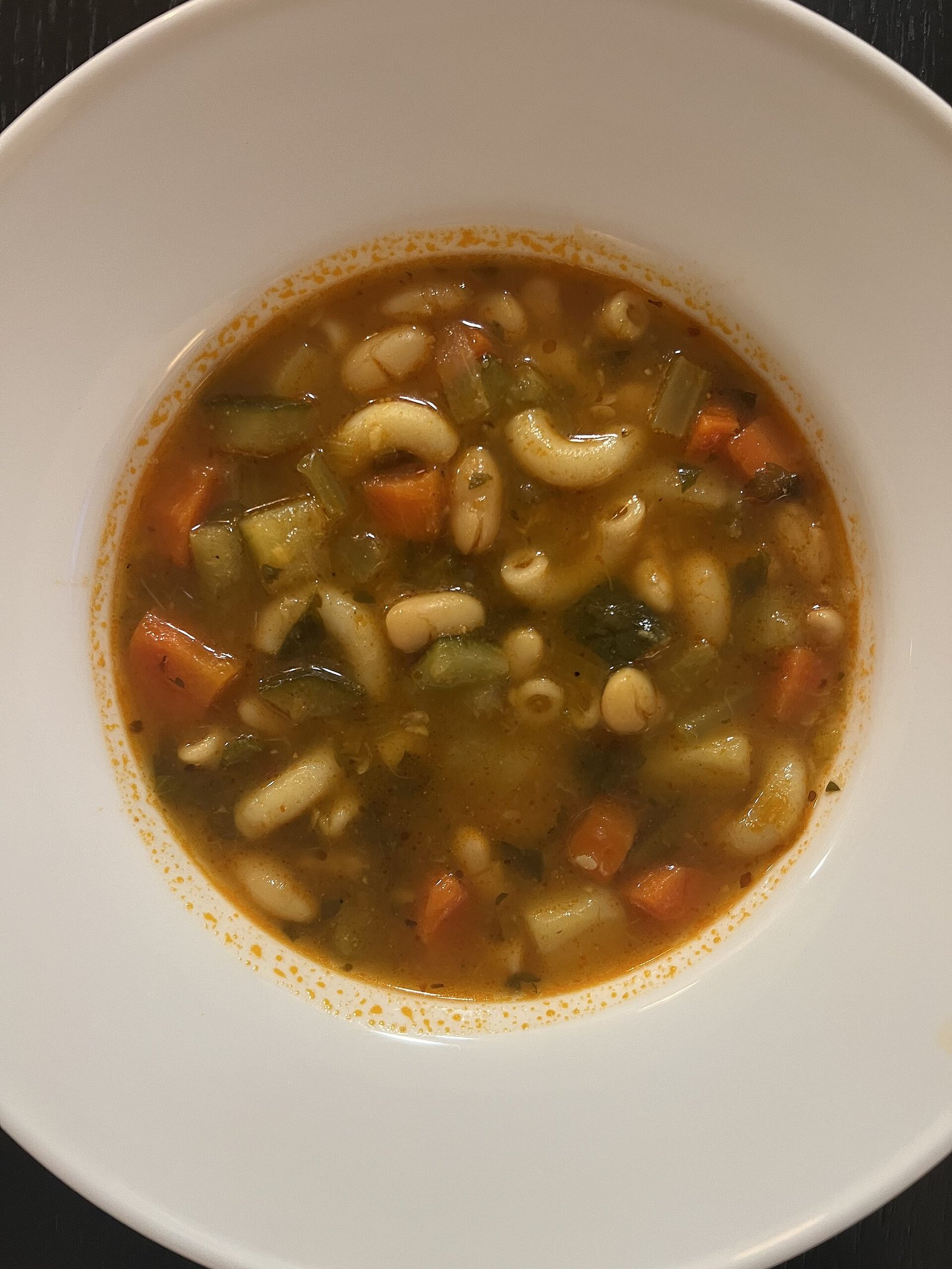
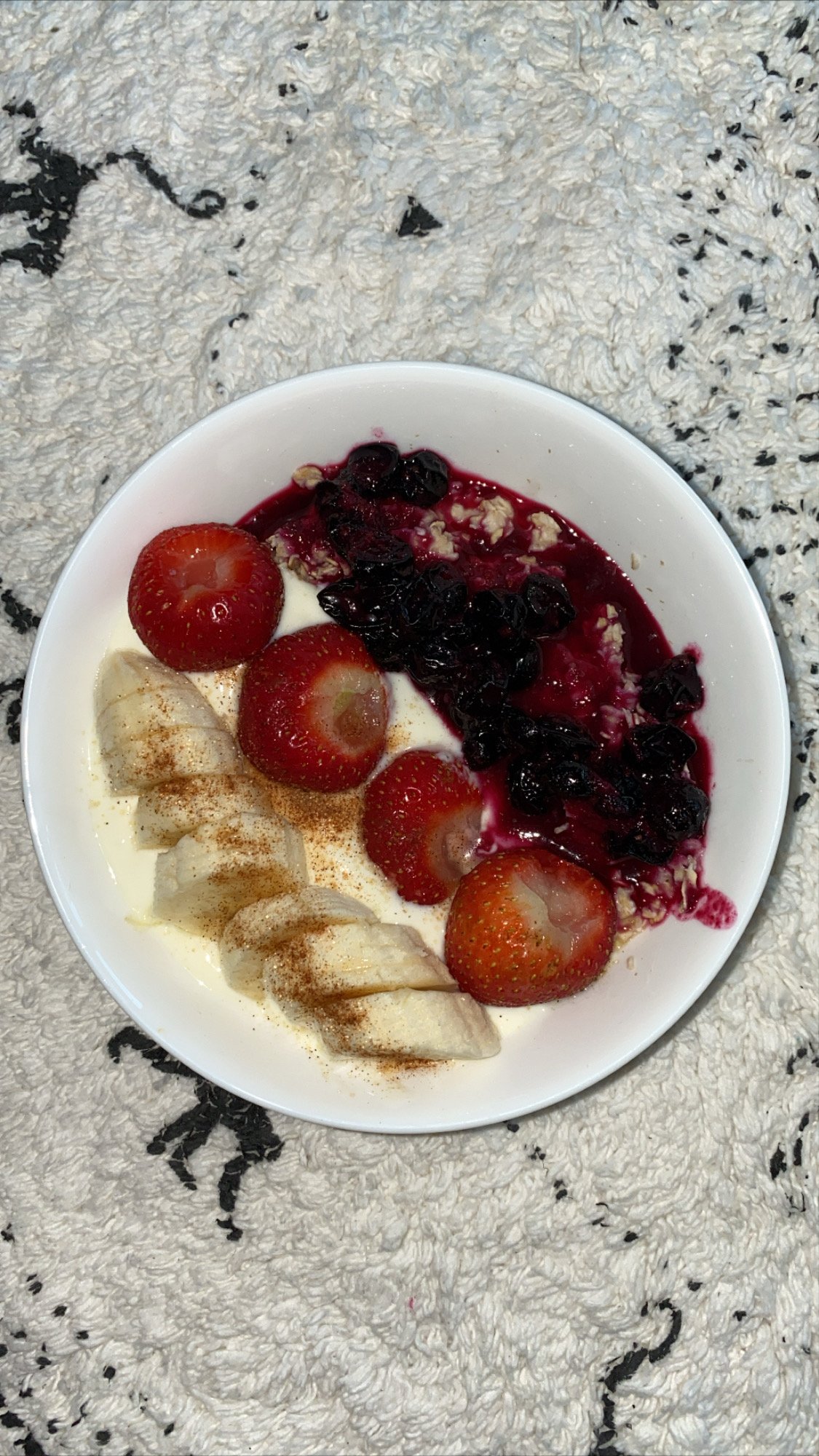
- – Oatmeal, yogurt, scrambled eggs, smoothies you can sip without a straw habit that bothers your jaw, mashed potatoes, tender fish, ground or shredded moist meats, soups, stews, and well-cooked vegetables
- – Cut food into small pieces so you do not open wide or tear at crusty breads
- – Warm, moist dishes if heat comforts your muscles; very chewy bagels, tough cuts, and crunchy snack mixes can wait
Hydration and evening wind-down
MedlinePlus specifically lists drinking plenty of water. Pair that with NIDCR’s tips to avoid caffeine and alcohol and not to smoke—especially in the hours before bed if sleep grinding is the main issue. NIDCR also suggests reminders (notes or a phone timer) to keep your teeth apart if you clench during the day.
Foods and habits that often worsen jaw load or bruxism risk
- – Hard or dense foods such as nuts, candies, and steak (MedlinePlus).
- – Chewing gum and other long chewing habits (MedlinePlus; Mayo Clinic also flags long gum chewing, plus lip, tongue, or cheek biting, as raising awake-bruxism risk).
- – Caffeinated drinks and alcohol (NIDCR, Mayo Clinic).
- – Smoking (NIDCR, Mayo Clinic).
- – Unreviewed stimulant or mental-health medicines. Mayo Clinic and NIDCR note that some antidepressants, seizure medicines, and ADHD medicines may increase bruxism chances—do not stop them on your own.
- – Ignoring sleep apnea, GERD, or high stress. Mayo Clinic lists sleep apnea, GERD, and stress/anxiety among linked conditions and risk factors.
“Limit” means reducing chew-load and listed risk habits while your dentist addresses protection—not fearing every flavorful dinner forever.
Practical kitchen protocol: a bruxism-aware week
1. See a dentist in parallel
NIDCR: visit your dentist regularly so signs of bruxism can be spotted. MedlinePlus goals of treatment are to reduce pain, prevent permanent tooth damage, and reduce clenching as much as possible. A well-fitting splint may protect teeth; some people find pain returns when they stop using it, and another type may work if one does not (MedlinePlus).
2. Shopping list for lower-chew days
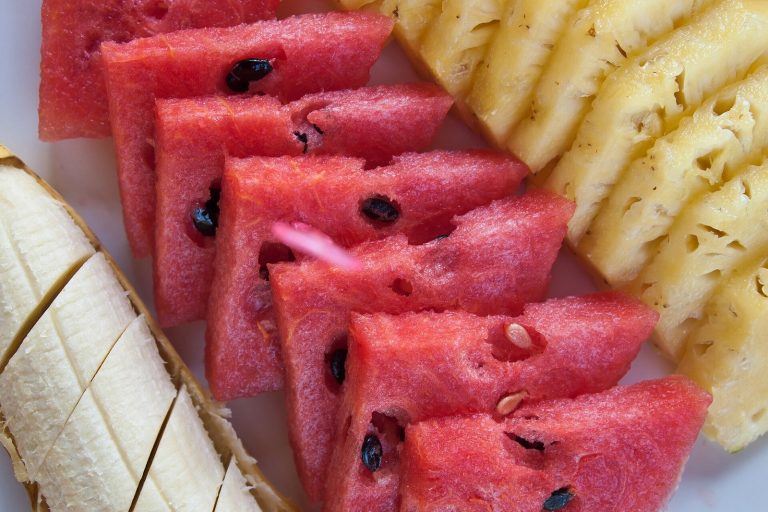
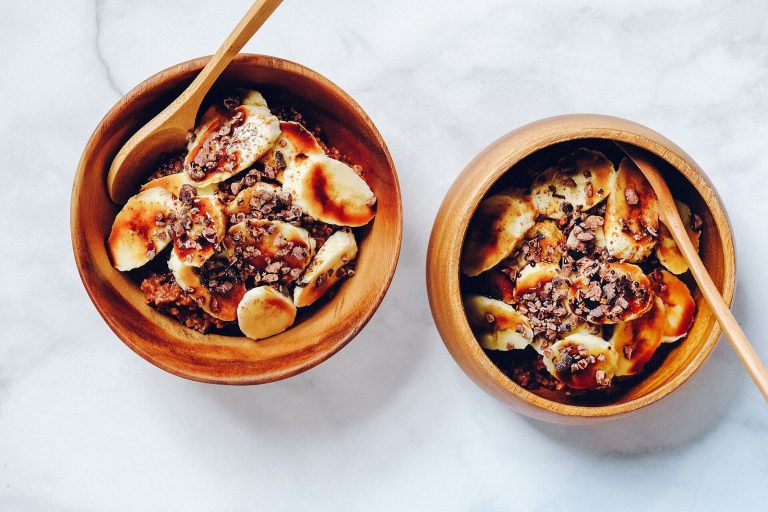
Oats, yogurt, eggs, ripe bananas, applesauce, canned or baked fish, slow-cooked shredded chicken, well-cooked carrots or zucchini, potatoes, rice, soups, hummus or other soft spreads, and water-rich fruit such as melon if it does not trigger sensitivity. Skip bulk nuts, hard candies, bagels, and chewing gum at the checkout.
3. Sample day (illustrative)
- – Breakfast: oatmeal or scrambled eggs; ripe banana.
- – Lunch: lentil or vegetable soup; soft bread without a tough crust if tolerated.
- – Snack: yogurt.
- – Dinner: baked fish or a moist stew with cooked vegetables and potatoes—cut small, no steak-like chewing.
- – Evening: water rather than coffee, energy drinks, or alcohol; use your dentist-advised guard if you have one.
4. Daytime jaw hygiene at meals
NIDCR helpful tips include setting reminders to keep teeth apart. At the table, notice whether you are clenching between bites, chewing on ice, or finishing other people’s leftovers as extra chewing practice. MedlinePlus emphasizes making facial relaxation a habit.
5. If sleep, reflux, or jaw-joint pain overlap
Sleep bruxism can travel with snoring or sleep apnea (Mayo Clinic); see obstructive sleep apnea diet guide rather than treating fatigue as a caffeine problem. If heartburn is part of the night picture, see GERD acid reflux diet guide. If the joint itself clicks painfully or locks, use the TMD page and dental/medical advice—not only a softer sandwich list.
Safety, interactions, and who should ask a clinician first
- – Broken, loose, or severely worn teeth, locked jaw, or trouble opening your mouth or eating: see a dentist promptly (MedlinePlus notes you should mention trouble opening your mouth or eating).
- – Children who grind: Mayo Clinic says bruxism is common in young children and usually goes away by adulthood—mention it at the next dental visit rather than starting an adult-style restriction diet.
- – Depression, anxiety, or high daily stress: MedlinePlus lists these among associated symptoms and notes stress may trigger many cases; NIDCR lists counseling and relaxing activities such as yoga or meditation among helpful tips.
- – Do not stop prescribed antidepressants, seizure medicines, or ADHD medicines without medical advice even if you suspect they affect grinding (Mayo Clinic, NIDCR).
- – Recreational drugs and unapproved medicines: Mayo Clinic lists these among risk-raising substances.
FAQ
Can changing my diet stop teeth grinding? Public sources do not present food as a cure. Softer meals may ease jaw soreness, and limiting caffeine, alcohol, gum, and hard foods is consistent with MedlinePlus, NIDCR, and Mayo Clinic guidance.
Why are nuts and steak singled out? MedlinePlus names hard or dense foods like nuts, candies, and steak in its self-care list because they demand more jaw work when muscles are already overloaded.
Is coffee banned forever? NIDCR says avoid caffeine and alcohol; Mayo Clinic says caffeinated beverages can raise risk. Many people start by cutting late-day caffeine and watching symptoms rather than assuming a lifelong ban without dental follow-up.
Do I still need a mouth guard if I eat softly? If your dentist recommends a guard or splint to protect teeth, texture changes do not replace it (NIDCR, MedlinePlus).
Is bruxism dangerous? MedlinePlus: it is not a dangerous disorder, but it can cause permanent tooth damage and temporomandibular joint discomfort.
When should I see a dentist or doctor? Mayo Clinic: see a dentist or other clinician if you have symptoms that could be caused by grinding or clenching, or other concerns about your teeth or jaws.
How this differs from related OTCFood topics
This page is a bruxism-bound diet guide focused on softer textures, no gum, water, and limiting caffeine, alcohol, and smoking as public sources describe. It is not a full TMD joint protocol, not a sleep-apnea weight plan, and not a GERD reflux menu—though those pages may overlap for some readers.
Medical disclaimer
Medical disclaimer: This article is for general information only. It is not medical advice, diagnosis, or a treatment plan. Bruxism care depends on tooth damage, jaw-joint symptoms, sleep disorders, medicines, and your dentist’s or clinician’s judgment. Talk with a dentist, clinician, or registered dietitian before starting, stopping, or changing any eating plan, supplement, or medicine. Seek prompt dental or medical care for a locked jaw, broken teeth, or inability to eat or open your mouth.