Diet After Lung Resection: Foods That May Help and Foods to Limit
Medical note: This article discusses foods and researched botanicals. It does not claim to prevent, treat, or cure disease. Supplements are not a substitute for food, and studied amounts are not personal prescriptions.
People searching “diet after lung resection foods that help or worsen” usually want practical fueling that supports healing, energy return, and deep-breathing work after lobectomy, wedge resection, or pneumonectomy—not a claim that food regrows lung tissue, “clears” cancer, or replaces chest-tube care, pulmonary rehab, prescribed pain control, or smoking cessation. MedlinePlus explains that lung surgery repairs or removes lung tissue and may include lobectomy (one or more lobes), wedge resection, pneumonectomy (an entire lung), biopsy, or related chest procedures via thoracotomy or video-assisted thoracoscopic surgery (VATS).
What this after-lung-resection diet guide covers (and what it does not)
This guide is for adults recovering after lung tissue removal or related thoracic surgery who want everyday kitchen habits while they follow surgical discharge rules. Anchors: MedlinePlus — Lung surgery, MedlinePlus — Lung surgery discharge, NHLBI — Lung treatments, and NCI — Surgery to treat cancer.
MedlinePlus discharge guidance stresses pain control so you can breathe deeply, use of an incentive breathing device several times a day, gradual walking, lifting limits, and quitting smoking—including keeping others from smoking in your home. NHLBI notes that pulmonary rehabilitation is a supervised program with exercise training, health education, and breathing techniques for people with certain lung conditions or after lung transplant; ask whether a similar rehab pathway fits your resection. Kitchen habits do not replace chest-tube care, wound checks, oxygen safety when prescribed, or oncology follow-up. Related reading: interstitial lung disease diet guide, COPD diet guide, and diet after CABG guide for other recovery-fueling patterns.
Evidence snapshot: after-lung-resection diet claims vs public sources
| Claim people hope for | What public sources actually say | Confidence |
|---|---|---|
| “Special foods inflate the operated lung like a balloon” | MedlinePlus: deep breathing, walking, and a breathing device help inflate the lung and prevent pneumonia—not culinary “lung cleanses” | Strong: breathing work is medical |
| “Diet replaces quitting smoking after thoracic surgery” | MedlinePlus discharge: if you smoke, ask for help quitting; do not let others smoke in your house | Strong: smoke exposure undermines lung recovery |
| “Protein-forward meals may support healing while appetite is low” | General surgical recovery nutrition themes emphasize adequate protein and calories when intake is reduced by pain or fatigue; individualize with your dietitian | Moderate for supportive fueling |
| “Any herbal lung detox equals pulmonary rehab” | NHLBI frames pulmonary rehab as supervised exercise, education, and breathing techniques—not unregulated cleanses | Strong: rehab is structured care |
| “Kitchen changes fix fever, wound drainage, or bloody cough” | MedlinePlus lists these among reasons to contact your surgeon urgently | Strong: red flags are medical |
Foods and patterns that may help after lung resection day to day
“May help” means supporting calories, protein, hydration, and constipation prevention while you prioritize breathing exercises—not guaranteeing faster lobe recovery.
Steady protein and easy calories while energy is low
- – MedlinePlus notes it often takes 6 to 8 weeks to get energy back and that eating may be harder while pain and fatigue dominate.
- – Soft proteins (eggs, fish, poultry, yogurt, tofu, beans if tolerated) and oral nutrition drinks when recommended can make targets easier between short walks.
- – Smaller, more frequent meals often feel better than three heavy plates if breathing or incision pain limits sitting at the table.
Fiber and fluids that support pain-medicine bowels
- – Narcotic pain medicines commonly slow the gut; constipation can make deep breathing and coughing more uncomfortable.
- – Gradually emphasize fruits, vegetables, whole grains, and water as your team allows—similar comfort logic to constipation diet guide without replacing your thoracic plan.
Hydration that supports mucus clearance
- – Adequate fluids may help keep secretions thinner while you use your breathing device as instructed (MedlinePlus: often 4 to 6 times daily for the first 2 weeks).
- – Confirm fluid goals if heart failure, kidney disease, or fluid restriction applies.
Pulmonary rehab–aligned kitchen education
- – NHLBI describes pulmonary rehab as combining exercise, education, and breathing techniques. Use dietitian sessions there for realistic high-protein shopping lists and restaurant strategies.
- – Keep meals light enough that a full stomach does not worsen shortness of breath during walking practice.
Smoke-free home as a non-negotiable “diet adjacent” habit
- – MedlinePlus discharge links quitting smoking and a smoke-free home to recovery. Food swaps cannot offset continued smoke exposure.
Foods and habits that often worsen after-lung-resection kitchen patterns
- – Continued smoking or indoor secondhand smoke—MedlinePlus ranks quitting and a smoke-free house among core self-care steps.
- – Very large, heavy meals that leave you too full to complete walking or breathing-device sessions.
- – Skipping protein for multiple days while living on sugary drinks alone, which can undermine wound healing fueling.
- – Excess alcohol that interacts with narcotic pain medicines and worsens sleep and breathing.
- – Unprescribed “lung detox teas,” megadose vitamin stacks, or blood-thinning herb blends without telling thoracic and oncology teams.
- – Ignoring inability to eat or drink, fever ≥101°F (38.3°C), hard breathing, bloody cough, or wound drainage—MedlinePlus discharge red flags.
“Limit” means reducing patterns that fight energy return and breathing practice—not perfection after one celebration meal.
Practical kitchen protocol: the first weeks after lung resection
1. Medical spine first
Take pain medicine on schedule when pain starts (MedlinePlus: waiting too long lets pain worsen). Use the breathing device as taught. Follow chest-tube and wound instructions. Keep a smoke-free home. Confirm lifting limits (often about 10 pounds for a period after VATS and longer after open surgery).
2. Shopping list for a thoracic-recovery kitchen
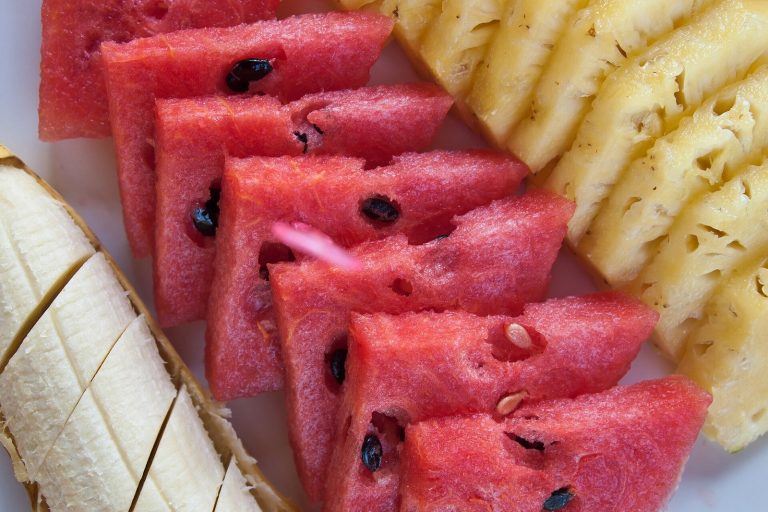
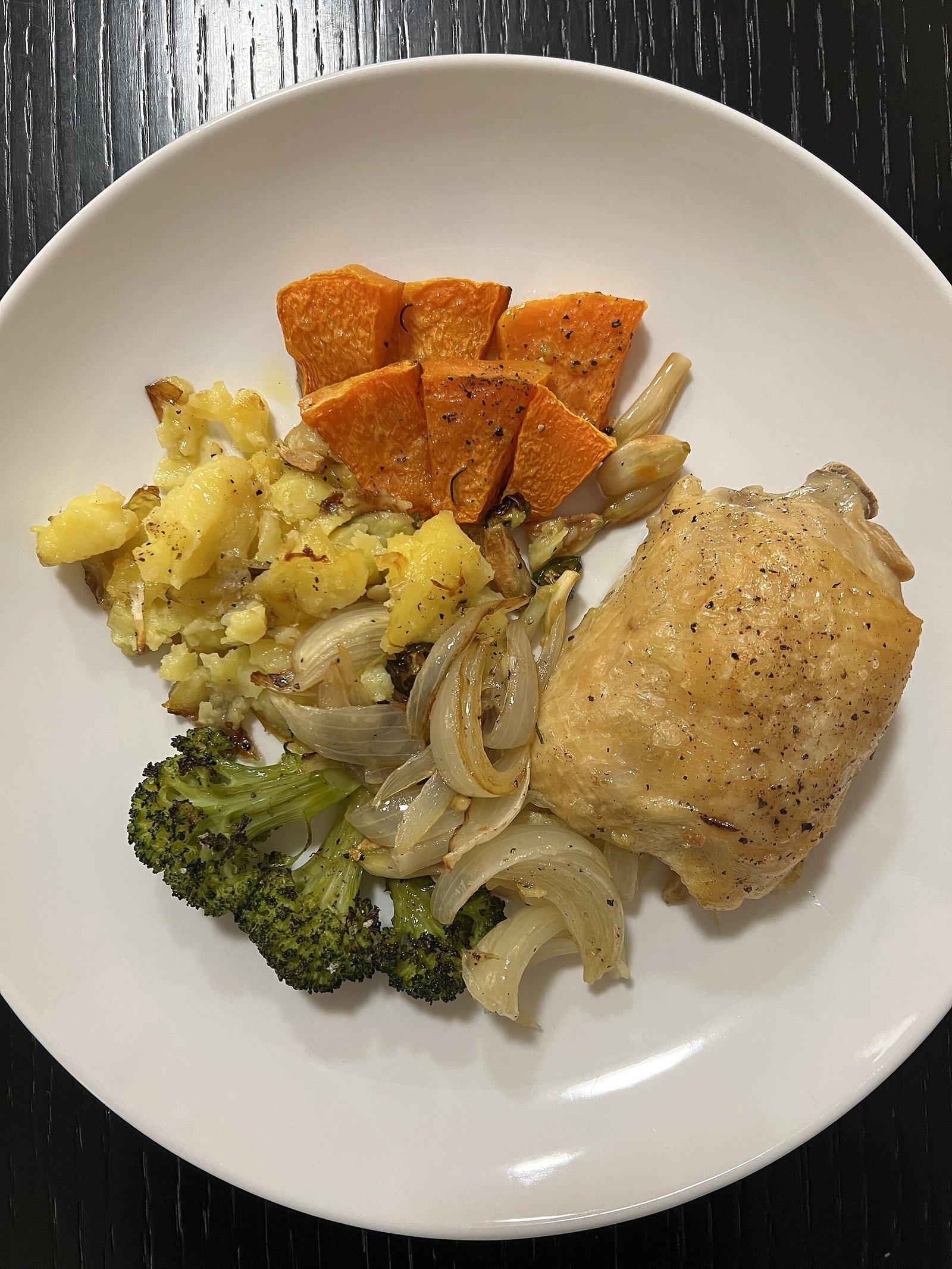
Eggs; Greek yogurt; cottage cheese; canned tuna or salmon; pre-cooked chicken; soft fruit; cooked vegetables; oats and rice; whole-grain bread if tolerated; beans or lentils as fiber allows; olive oil in modest amounts; oral nutrition drinks if advised; prune juice or other fiber helpers only as your clinician suggests; water or unsweetened tea.
3. Default plate template
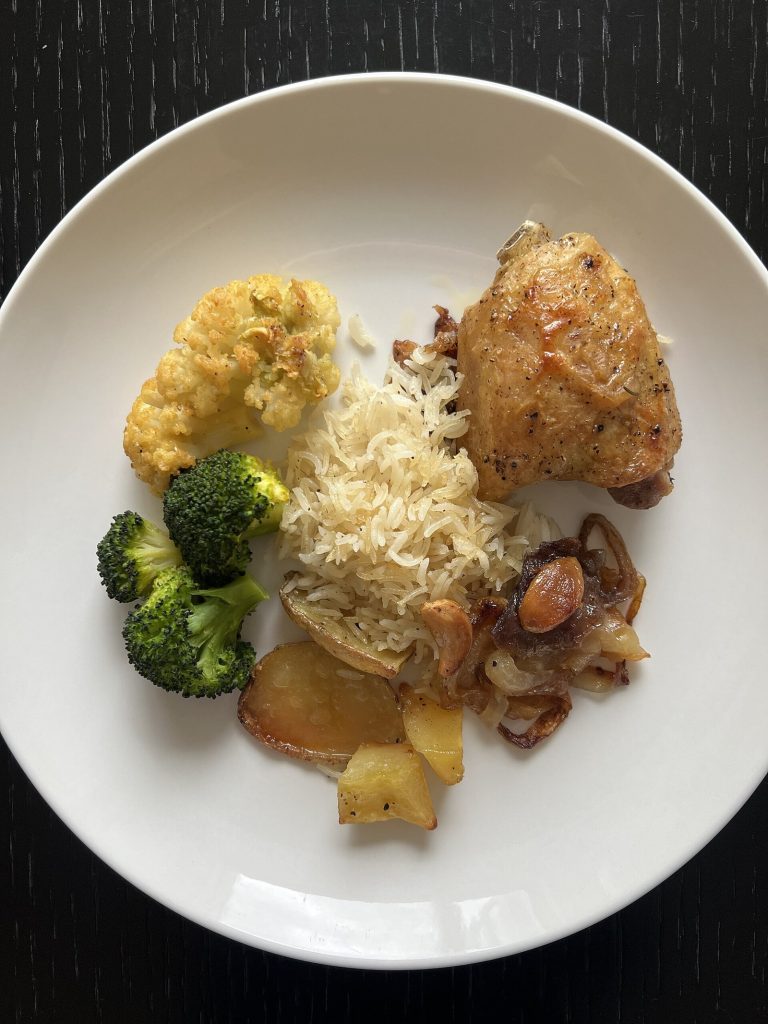
- – One palm-sized protein portion you can finish
- – Soft starch
- – Soft vegetables or fruit
- – Fluids sipped between bites if a full cup worsens breathlessness
- – Sit upright; avoid rushing so you can protect the incision when coughing
4. Sample day (illustrative)
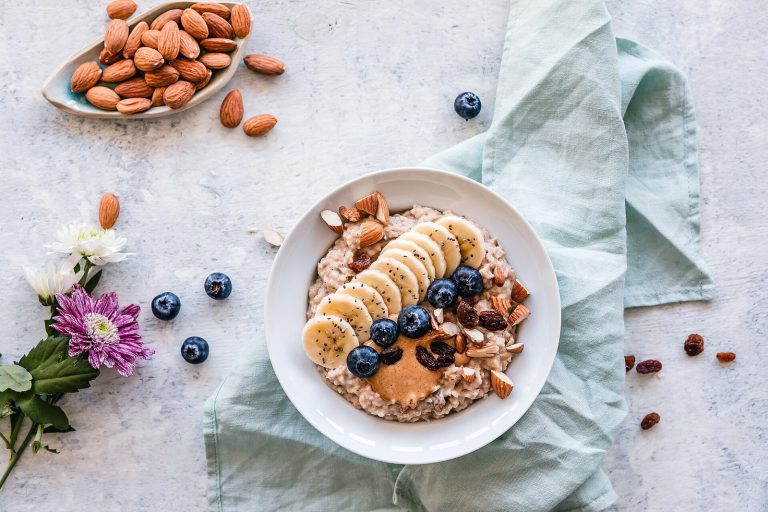
- – Breakfast: scrambled eggs on toast; soft fruit; water.
- – Mid-morning: yogurt; short walk as cleared.
- – Lunch: grilled chicken or fish, rice, cooked carrots; breathing-device session afterward when rested.
- – Afternoon: cottage cheese or a nutrition drink if intake is low.
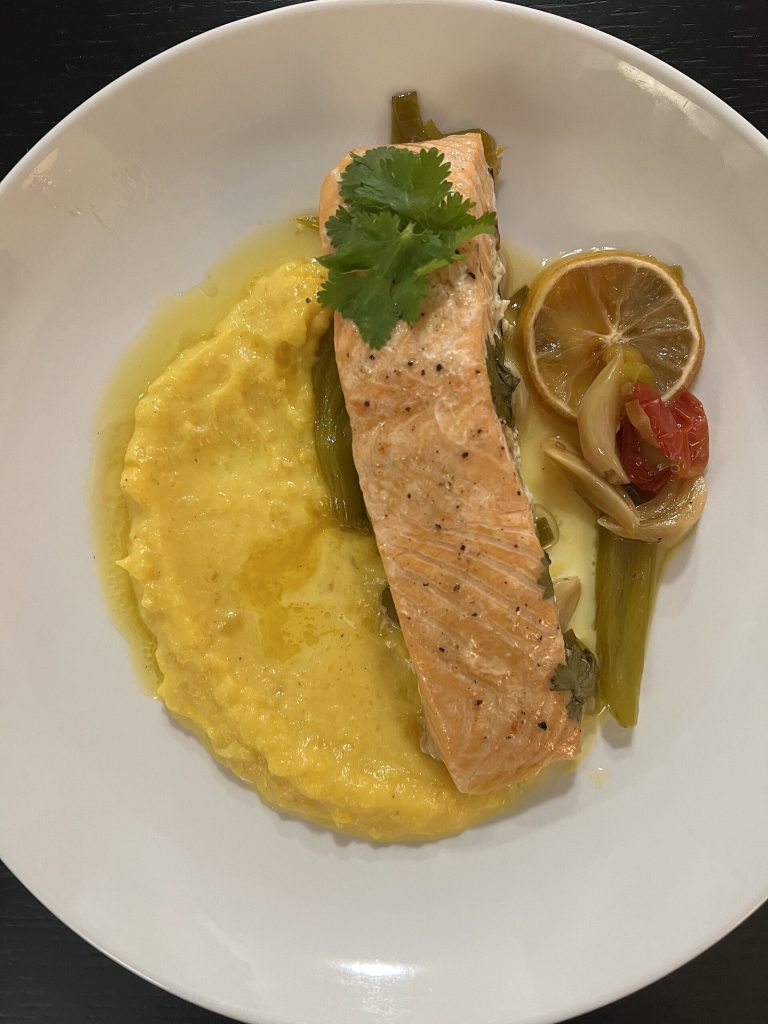
- – Dinner: turkey or tofu, potato, soft vegetables; early evening walk.
- – Evening: light snack if night fasting worsens fatigue; no smoking; limit alcohol.
5. Eating out
Choose grilled proteins and soft sides; skip smoke-filled rooms; ask for a quiet table if deep-breathing practice follows the meal; watch very salty soups if blood pressure is a co-goal—see hypertension diet guide.
6. When oncology treatments continue
Food tracking supports conversations with thoracic surgery and oncology; it does not replace imaging, chemo, or radiation plans.
Safety, interactions, and who should ask a clinician first
- – Narcotic pain medicines: discuss constipation prevention and driving limits (MedlinePlus: do not drive while taking narcotic pain medicine).
- – Anticoagulation shots or stockings used in hospital for clot prevention: ask before starting high-dose fish-oil or herbal “blood thinner” stacks.
- – Home oxygen if prescribed: follow NHLBI-style oxygen safety (no smoking or flames near oxygen).
- – Diabetes: coordinate carbohydrates with pulmonary recovery—see type 2 diabetes diet guide.
- – Call urgently for fever, hard breathing, bloody or colored sputum, wound problems, chest/neck/face swelling, inability to eat or drink, or leg swelling/pain (MedlinePlus discharge).
FAQ
Can diet heal the lung after resection? No. MedlinePlus frames recovery around breathing exercises, walking, pain control, and wound care. Food supports energy and healing conditions.
Why does constipation matter after lung surgery? Straining and a full, uncomfortable abdomen can make deep breathing and coughing harder while you protect the incision.
Is pulmonary rehab only for COPD? NHLBI lists pulmonary rehab for several lung conditions and after lung transplant. Ask whether a supervised program fits after your resection.
How soon will my appetite return? MedlinePlus notes energy often takes 6 to 8 weeks to return; eating comfort varies. Keep soft high-protein options ready.
Do I need to quit smoking if only part of a lung was removed? Yes—MedlinePlus discharge still advises quitting and a smoke-free home after lung surgery.
How is this different from COPD diet pages? COPD pages focus on chronic breathlessness patterns—see COPD diet guide—while this guide is resection/thoracic-surgery recovery fueling.
How this differs from related OTCFood topics
This page is an after-lung-resection–bound diet guide focused on protein-forward fueling, constipation prevention, hydration, and smoke-free habits alongside breathing work. It is not a chest-tube manual and not a substitute for emergency care.
Medical disclaimer
Medical disclaimer: This article is for general information only. It is not medical advice, diagnosis, or a treatment plan. Care after lung resection depends on how much lung was removed, chest tubes, oxygen needs, oncology treatments, and other conditions. Talk with a clinician or registered dietitian before starting, stopping, or changing any eating plan, supplement, or medicine. Seek urgent care for fever, hard breathing, bloody cough, wound problems, or other emergency symptoms listed by your surgical team.