Idiopathic Intracranial Hypertension Diet: Foods That May Help and Foods to Limit
Medical note: This article discusses foods and researched botanicals. It does not claim to prevent, treat, or cure disease. Supplements are not a substitute for food, and studied amounts are not personal prescriptions.
People searching “idiopathic intracranial hypertension diet foods that help or worsen” usually want a realistic weight-management kitchen plan that may ease pressure-related symptoms while they follow neurology and eye care—not a claim that food replaces acetazolamide, shunts, or optic-nerve surgery, or that every headache is “just salt.” The National Eye Institute (NEI) explains idiopathic intracranial hypertension (IIH) as high pressure around the brain from too much cerebrospinal fluid (CSF), causing symptoms such as headaches, vision changes, tinnitus, and eye-nerve strain. NEI notes IIH is sometimes called pseudotumor cerebri (“false tumor”) because symptoms can resemble a brain tumor even when imaging does not show one.
What this idiopathic intracranial hypertension diet guide covers (and what it does not)
This guide is for adults with clinician-diagnosed IIH who want practical eating patterns that support the weight-loss approach NEI describes as first-line for many overweight or obese patients. Anchors: NEI — Idiopathic Intracranial Hypertension. (The topic brief’s NINDS URL returned forbidden from this publisher network; NEI’s patient page is the primary NIH source used here.)
NEI states IIH is most common in women ages 20 to 50; excess weight and recent weight gain raise risk; BMI greater than 30 also increases likelihood. Treatments include weight loss, medicines such as acetazolamide that help the body make less CSF, and surgery if needed. Related reading: migraine diet guide, hypertension diet guide, NAFLD diet guide, and type 2 diabetes diet guide.
Evidence snapshot: IIH diet claims vs public sources
| Claim people hope for | What public sources actually say | Confidence |
|---|---|---|
| “Any crash cleanse cures IIH” | NEI: for people who are overweight or obese, weight loss is usually the first treatment; losing about 5 to 10 percent of body weight can help lessen symptoms—for example, about 10 to 20 pounds if you weigh 200 pounds—via safe, sustainable methods with your doctor | Strong for gradual loss, against crash cleanses |
| “Diet replaces acetazolamide” | NEI: medicine may be recommended in addition to weight loss; a 2010 NEI-funded trial helped show acetazolamide plus a weight-loss plan can help restore some vision in mild vision-loss IIH | Strong: medicine + plan, not food alone |
| “Vision loss can wait while you try diets” | NEI: talk to your eye doctor about vision changes; untreated pressure can threaten sight; surgery exists when other treatments fail | Strong: eye follow-up is non-negotiable |
| “IIH is the same as systemic high blood pressure diet” | IIH is high pressure of CSF around the brain, not the same condition as arterial hypertension, though heart-healthy lower-ultra-processed patterns often still help weight goals—see hypertension diet guide only as a general pattern cousin | Strong distinction |
| “Supplements labeled ‘brain pressure detox’ are standard care” | NEI patient page focuses on weight loss, acetazolamide, and surgery—not detox products | Strong against DIY detox marketing |
Foods and patterns that may help with IIH day to day
“May help” means supporting sustainable calorie patterns that make a 5–10% weight reduction more achievable while medicines and eye monitoring continue—not a promise of normalized opening pressures from one superfood.
NEI-aligned weight-loss support
- – Work with your clinician on a safe plan; NEI’s example frames percent weight loss, not extreme weekly quotas.
- – Build plates around vegetables, fruit, legumes, whole grains, lean proteins, and unsaturated fats so satiety stays higher while calories drop.
- – Track beverages: sugar-sweetened drinks often undermine weight goals without adding fullness.
- – If NAFLD or type 2 diabetes coexists, coordinate plans with NAFLD diet guide and type 2 diabetes diet guide themes rather than stacking conflicting fad rules.
Practical satiety tactics for headache weeks
- – Steady protein at meals; fiber-rich vegetables; planned snacks so migraine-like hunger does not drive takeout binges.
- – Soft, easy meals when headache or nausea limits cooking—similar comfort logistics to other neurologic diet pages, without claiming migraine-specific cures; see migraine diet guide if your neurologist overlaps diagnoses.
Medicine-aware hydration and electrolytes
- – Acetazolamide can change how you feel day to day (discuss side effects with your prescriber). Do not invent high-sodium “sports” regimens that fight weight goals unless your clinician gives a specific electrolyte plan.
- – Prefer water and unsweetened options as default fluids.
Activity pairing
- – NEI focuses on weight loss as treatment; ask what exercise is safe with your vision status and headache load. Kitchen prep that supports planned meals often matters more than buying specialty “IIH powders.”
Foods and habits that often worsen IIH kitchen patterns
- – Sugar-dense ultra-processed grazing that blocks the 5–10% weight-loss goal NEI highlights.
- – Yo-yo crash diets that cause rapid regain—NEI stresses safe, sustainable methods.
- – Alcohol excess that adds calories and can disrupt sleep when headaches already interfere with rest.
- – Skipping meals all day then bingeing at night, which makes calorie awareness harder.
- – Unregulated “CSF detox teas” or megadose supplements marketed as pressure cures.
- – Ignoring vision changes while focusing only on the scale—NEI urges eye-doctor contact for vision symptoms.
- – Stopping acetazolamide on your own because grocery habits improved—medicine changes belong to your clinician.
“Limit” means reducing calorie-dense defaults that fight the evidence-based weight target—not blaming one dessert for optic-nerve risk.
Practical kitchen protocol: an IIH diet week
1. Confirm medical targets first
Know your eye-follow-up schedule, visual-field plan, acetazolamide dose timing, and the weight range your clinician considers meaningful (NEI’s 5–10% example is a population teaching point—your target is individualized).
2. Shopping list for sustainable deficit weeks
Leafy and non-starchy vegetables; berries and other fruit; beans; oats; eggs; fish or poultry; plain yogurt; nuts in measured portions; olive oil used with a spoon, not free-pour; sparkling water; herbs and spices.
3. Default plate template
- – Half non-starchy vegetables
- – Quarter protein
- – Quarter whole grains or starchy vegetables
- – Measured fat
- – Planned dessert strategy (fruit-first) so restriction does not rebound into takeout
4. Sample day (illustrative)
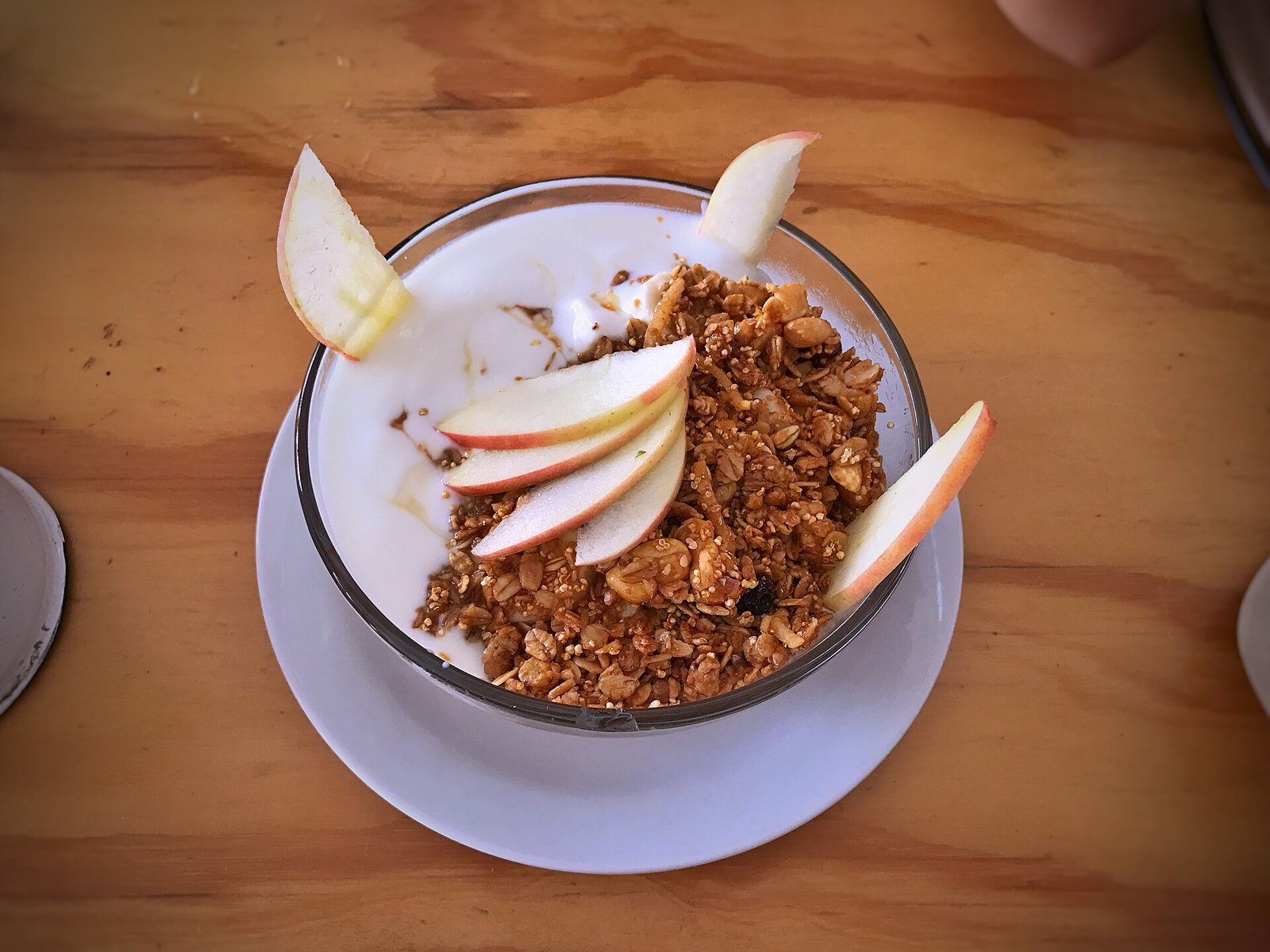
- – Breakfast: Greek yogurt or eggs with vegetables; water.
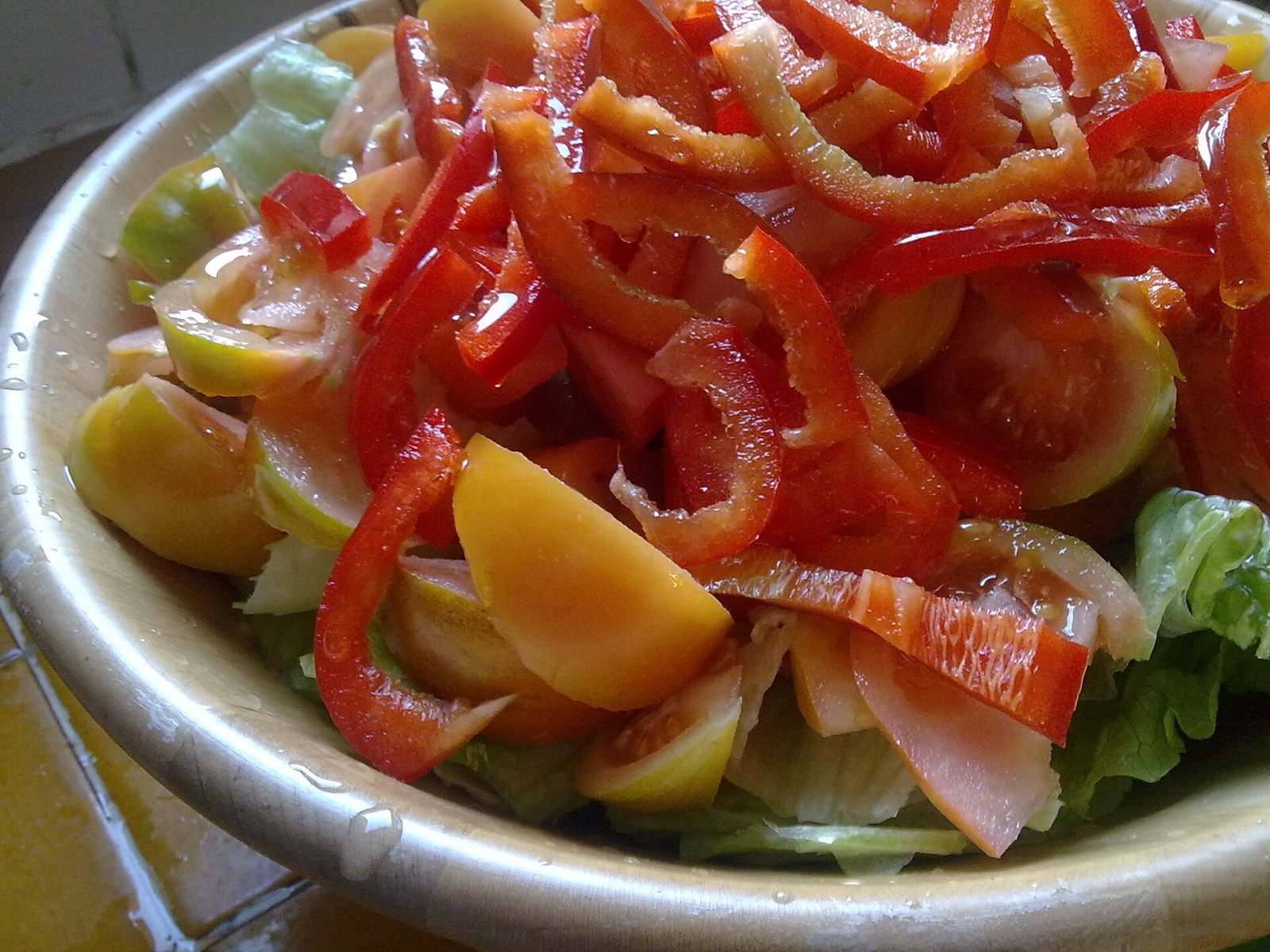
- – Lunch: large salad with beans or tuna; fruit; water.
- – Snack: apple and a pre-portioned nut serving.
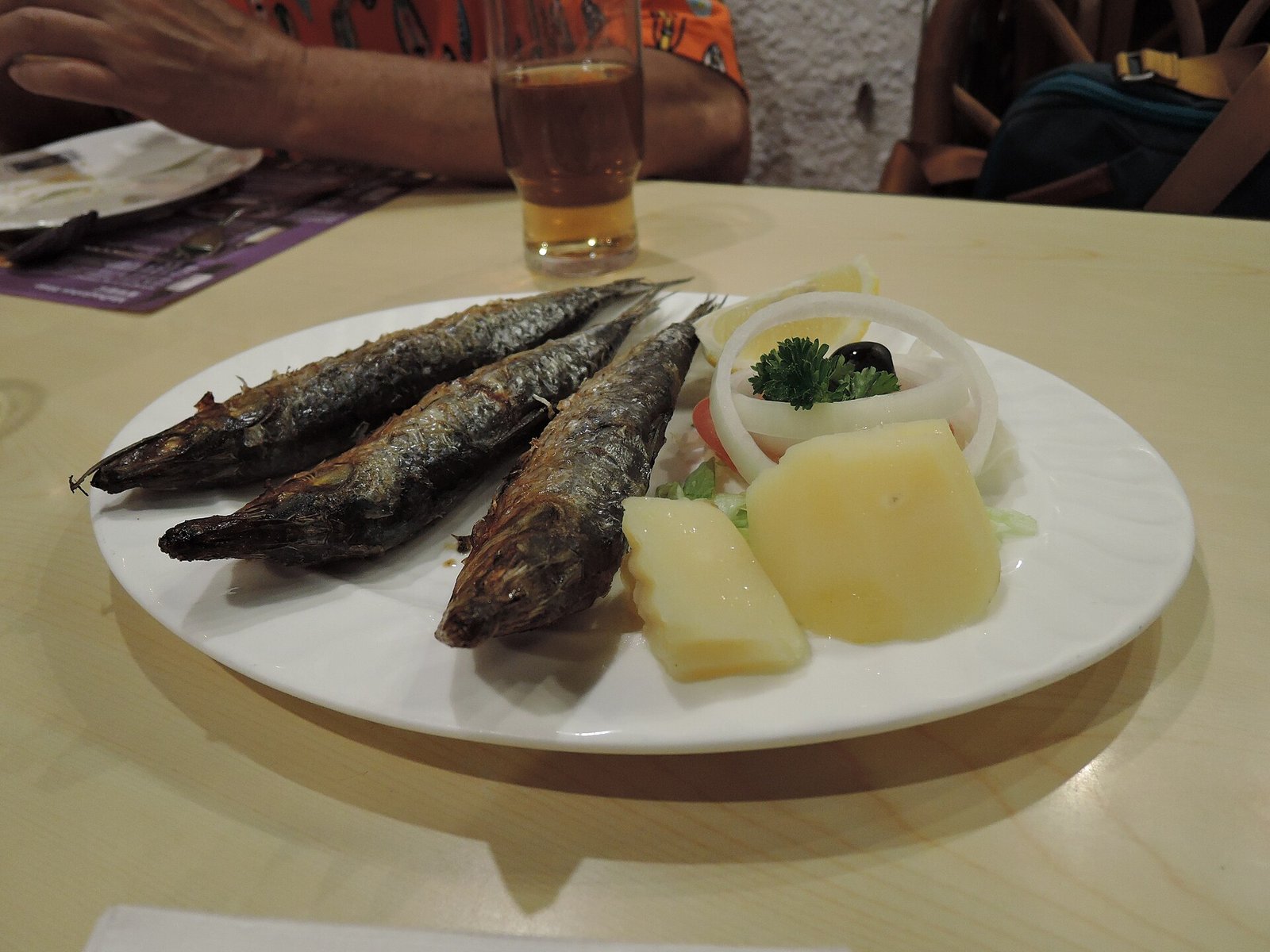
- – Dinner: grilled fish, roasted vegetables, small grain portion.
- – Evening: herbal caffeine-free tea if tolerated; screens dimmed if light worsens headache.
5. Eating out without undoing the week
Ask for dressings and sauces on the side; box half the entrée; swap fries for salad or cooked vegetables; keep a protein-and-produce default so travel weeks still move toward the percent weight-loss goal.
6. When headaches limit grocery trips
Use frozen vegetables, canned beans (rinsed), eggs, and simple sheet-pan meals; schedule delivery if vision or pain makes driving unsafe.
Safety, interactions, and who should ask a clinician first
- – Pregnancy: IIH management and weight advice change—specialist care required.
- – Kidney disease, sulfa allergy history, or electrolyte disorders: acetazolamide decisions are medical, not dietary DIY.
- – Rapid vision loss, new double vision, or sudden severe headache unlike your baseline: urgent evaluation.
- – Bariatric surgery interest: discuss with IIH clinicians before assuming any operation automatically fixes pressure.
- – Depression or binge-eating patterns: ask for behavioral support; NEI’s sustainable framing is incompatible with shame-based restriction alone.
FAQ
Can diet cure IIH? NEI presents weight loss as a primary treatment for many overweight/obese patients and medicines/surgery as additional tools. Food plans support that medical strategy; they are not a guaranteed cure for every person.
How much weight loss matters? NEI cites about 5 to 10 percent of body weight as a level that can help lessen symptoms for many people—confirm your personal goal with your doctor.
Is IIH caused by salty food? NEI frames excess CSF pressure and weight-related risk; it does not present a salt-elimination diet as the core public teaching the way some other neurologic conditions do. Follow your clinician if they individualize sodium for blood pressure or medicine reasons.
Can I stop acetazolamide if I lose weight? Only your clinician should adjust medicines. NEI discusses medicine in addition to weight loss for many patients.
What if I am already at a lower BMI? IIH can still occur; NEI notes risk is higher with overweight/obesity, but treatment decisions for people without that risk profile are individualized—do not force unhealthy under-eating.
Do vision symptoms mean the diet failed? Vision changes need eye/neuro assessment promptly. Weight trends and optic-nerve health are monitored together, not as a single kitchen scorecard.
How this differs from related OTCFood topics
This page is an IIH-bound diet guide centered on NEI’s weight-loss-first teaching plus medicine/surgery context. It is not a primary arterial hypertension protocol and not a migraine elimination diet, though those pages may help with overlapping goals—see hypertension diet guide and migraine diet guide.
Medical disclaimer
Medical disclaimer: This article is for general information only. It is not medical advice, diagnosis, or a treatment plan. IIH care depends on visual fields, papilledema status, opening pressures, medicines, surgical options, and your clinicians’ judgment. Talk with a neurologist, eye clinician, or registered dietitian before starting, stopping, or changing any eating plan, supplement, or medicine. Seek urgent care for rapid vision loss, new double vision, severe unexplained headache, or fainting.