Thrombocytopenia Diet: Foods That May Help and Foods to Limit
Medical note: This article discusses foods and researched botanicals. It does not claim to prevent, treat, or cure disease. Supplements are not a substitute for food, and studied amounts are not personal prescriptions.
People searching “thrombocytopenia diet foods that help or worsen” usually want kitchen habits that support bone-marrow nutrient needs, limit alcohol-related marrow stress, and reduce bleeding-risk food choices while they follow a hematology plan—not a claim that food raises platelets like medicine or replaces transfusions, steroids, or other prescribed care. NHLBI defines thrombocytopenia as a platelet count that is too low (adults normally about 150,000–450,000 platelets per microliter), which can make bleeding harder to stop. MedlinePlus notes low platelets can stem from reduced marrow production, increased destruction in the bloodstream, or trapping in an enlarged spleen or liver, and lists vitamin B12 and folate deficiency among production-related causes.
What this thrombocytopenia diet guide covers (and what it does not)
This guide is for adults with a low platelet count who want practical eating patterns while they follow clinician advice on activity limits, medicines, and bleeding precautions. Anchors: NHLBI — Thrombocytopenia, MedlinePlus — Thrombocytopenia, and related blood-health reading on ODS — Vitamin B12. Mayo Clinic patient pages on thrombocytopenia were listed in the topic plan but were not reliably fetchable at draft time; NIH and MedlinePlus remain the primary grounding.
Kitchen changes do not treat immune thrombocytopenia (ITP), heparin-induced thrombocytopenia, leukemia-related marrow failure, or TTP. Related reading: Iron Deficiency Anemia Diet, Vitamin B12 Deficiency Diet, and Pernicious Anemia Diet.
Evidence snapshot: thrombocytopenia diet claims vs public sources
| Claim people hope for | What public sources actually say | Confidence |
|---|---|---|
| “A special diet cures low platelets” | NHLBI centers cause-specific medical treatment; food is supportive | Strong: food is not a platelet cure |
| “Vitamin B12 or folate foods always fix thrombocytopenia” | MedlinePlus lists B12 and folate deficiency among marrow under-production causes—only relevant if deficiency is present and confirmed | Moderate: test before mega-supplementing |
| “Alcohol ‘cleanses’ blood” | NHLBI notes alcohol can damage marrow and reduce platelet production, especially with low B12 or folate | Strong: heavy alcohol often worsens risk |
| “Avoid all vegetables because vitamin K ‘clots too much’” | Platelet count and clotting-factor pathways are different problems; do not invent a zero-produce diet without your clinician | Strong against blanket vegetable bans |
| “Papaya leaf extract replaces hematology care” | Not an NHLBI/MedlinePlus treatment pathway; unregulated extracts can interact with medicines | Strong: ask before herbal “platelet boosters” |
Foods and patterns that may help with thrombocytopenia day to day
“May help” means supporting nutrient adequacy for blood-cell production when deficiency is a factor, limiting marrow toxins like heavy alcohol, and choosing textures that are gentler if mouth or gum bleeding is an issue—not a promise that dinner raises your next CBC.
Nutrient-dense patterns if marrow production is nutrient-limited
- – MedlinePlus lists folate deficiency and vitamin B12 deficiency among reasons the marrow may not make enough platelets.
- – ODS notes vitamin B12 helps keep blood cells healthy; adults generally need about 2.4 mcg/day from fish, meat, poultry, eggs, dairy, or fortified foods—plant foods lack natural B12 unless fortified.
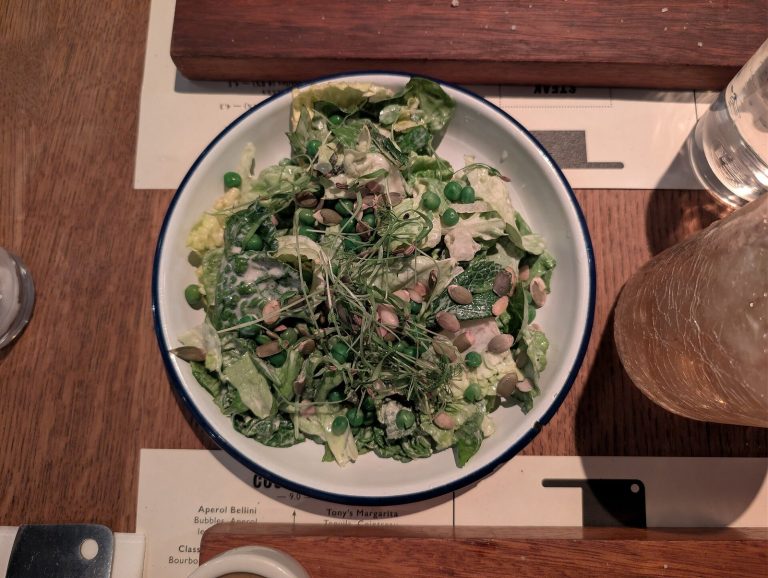
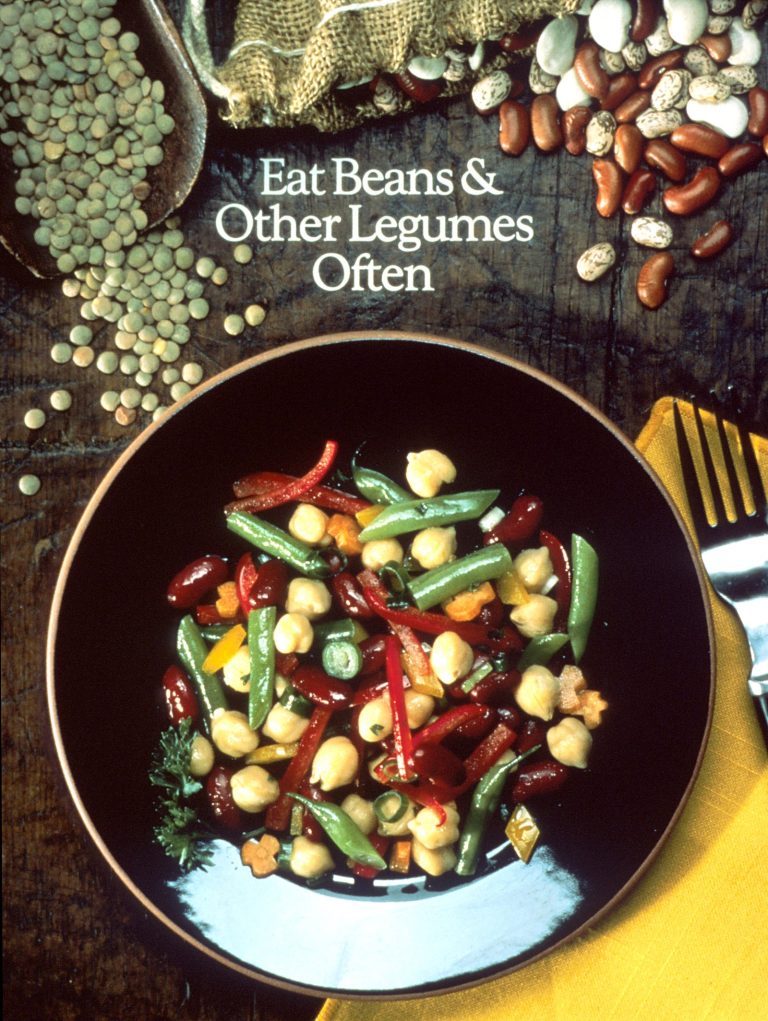
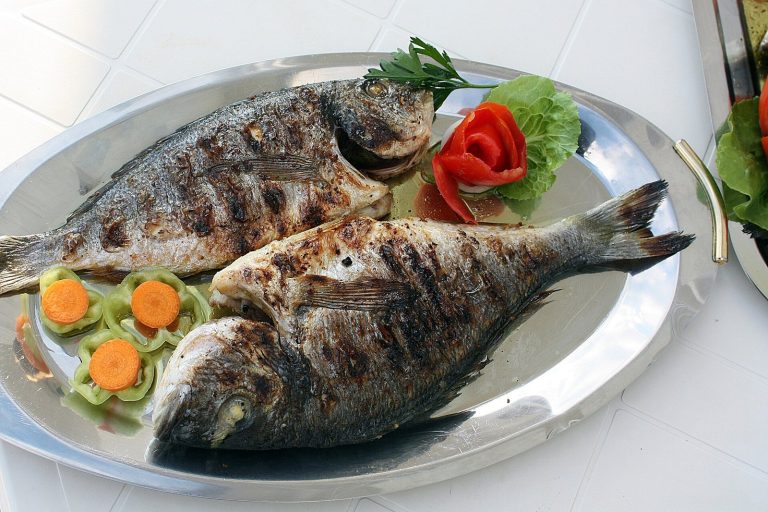
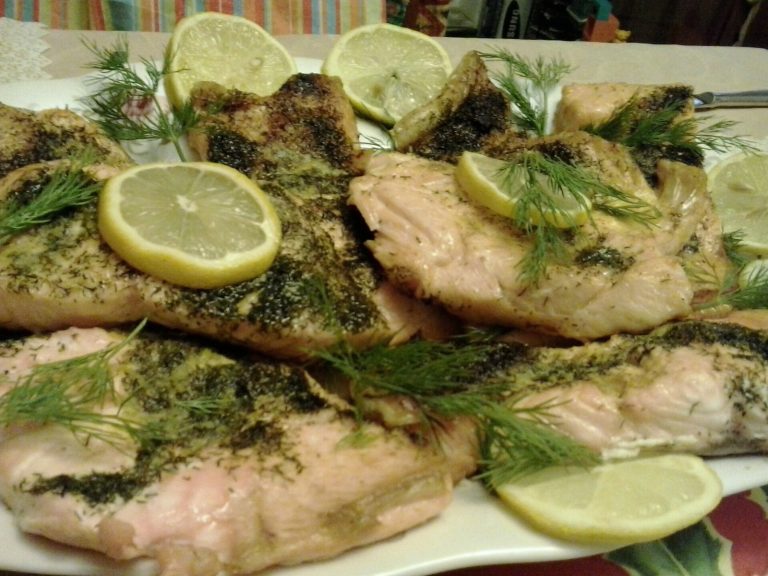
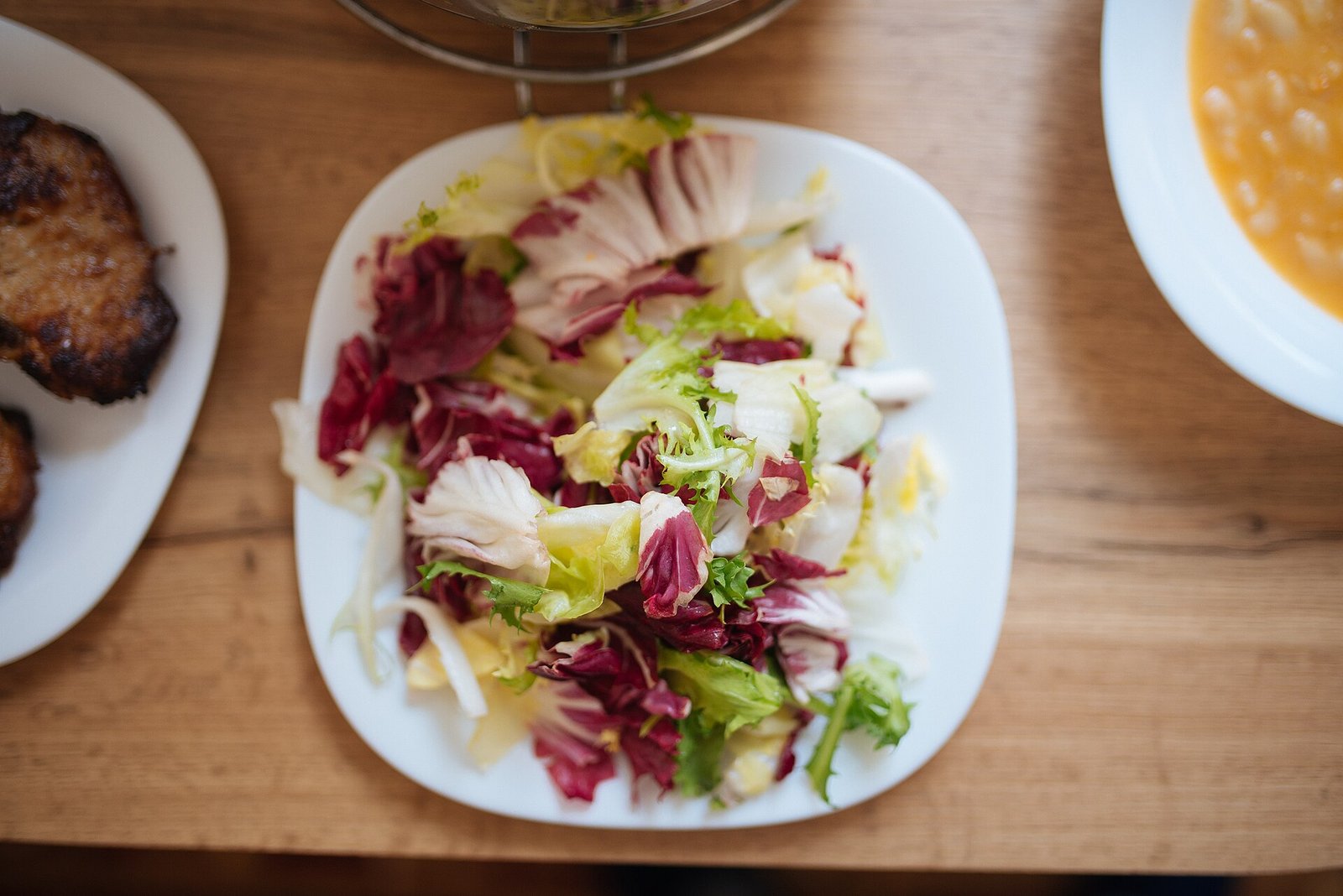
- – Practical plates: eggs; yogurt or milk if tolerated; fish or poultry; fortified cereal; leafy greens and legumes for folate context (coordinate if you also have iron or other labs in play—see Iron Deficiency Anemia Diet).
Soft, low-trauma textures when gums or mouth bleed easily
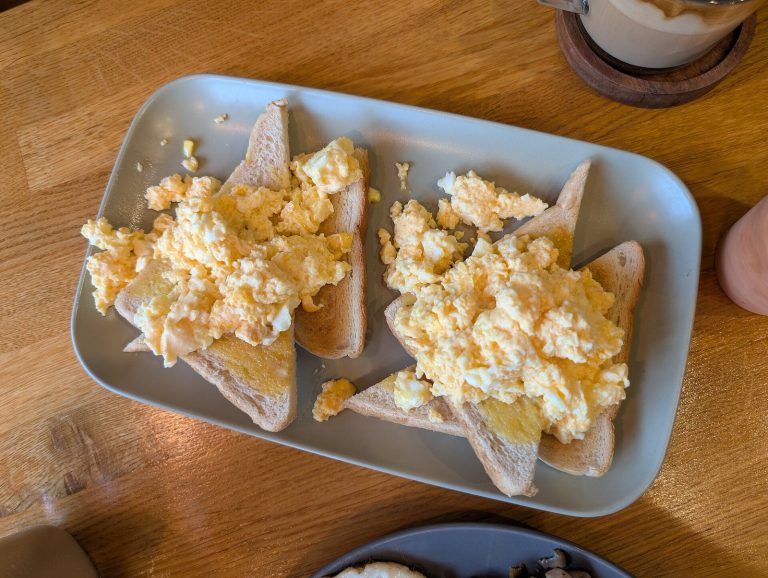
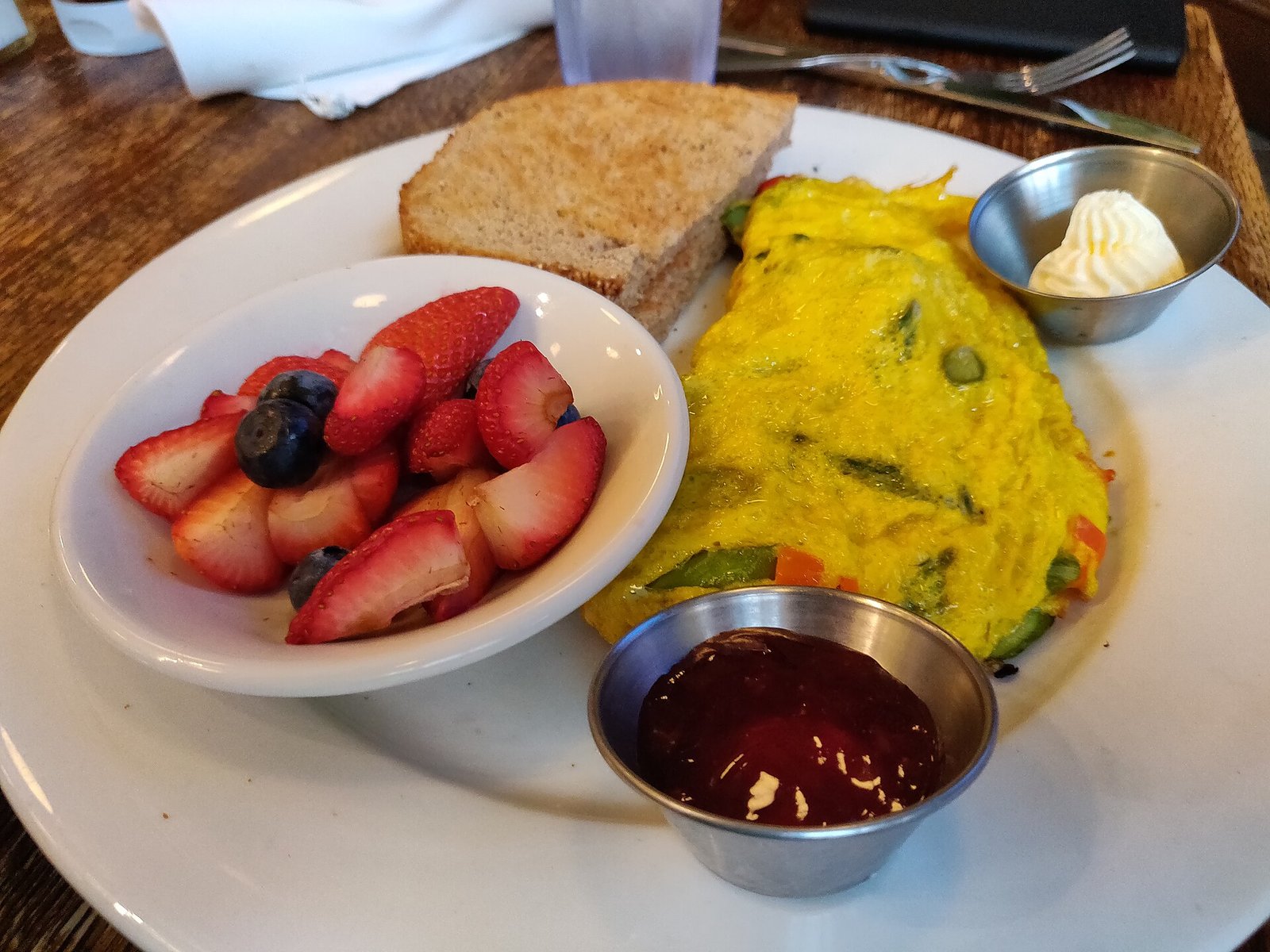
- – Soft eggs, oatmeal, yogurt, well-cooked vegetables, tender fish, and soups may be easier than sharp chips, hard crusts, or crunchy snacks that scrape bleeding gums.
- – NHLBI emphasizes that bleeding can occur under the skin or from gums and nose; kitchen texture is comfort care, not a substitute for platelet thresholds your clinician sets.
Steady protein and overall calories during treatment fatigue
- – Corticosteroids, procedures, or cancer therapies (when those are the context) often change appetite—keep simple proteins available rather than living on sugary snacks alone.
- – Overlap with autoimmune contexts such as Lupus (SLE) Diet is about whole-diet quality, not a claim that lupus diets raise platelets.
Hydration without alcohol
- – Nonalcoholic fluids support general wellness; NHLBI flags alcohol as a lifestyle factor that can reduce platelet production.
Foods and habits that often worsen thrombocytopenia kitchen patterns
- – Heavy alcohol that can impair marrow platelet production (NHLBI).
- – Self-directed “blood thinning” stacks (high-dose fish oil, unexplained aspirin-like herbals) without hematology clearance when bleeding risk is already high.
- – Crash mono-diets or juice fasts that worsen B12/folate/protein adequacy.
- – Very hard, sharp, or highly abrasive snacks when oral bleeding is active.
- – Ignoring medicine–food timing for prescribed steroids, immunosuppressants, or thrombopoietin-receptor agonists—ask your pharmacist.
- – Expecting kitchen changes to stop heavy bleeding, black stools, severe headache with neurologic change, or bleeding that will not stop with pressure—NHLBI says call 9-1-1 for bleeding that does not stop when you apply pressure.
“Limit” means reducing marrow stress and bleeding-risk habits—not that one salad defines your platelet count.
Practical kitchen protocol: a thrombocytopenia diet week
1. Keep the medical spine first
Confirm your platelet count trend, activity/contact-sport limits, medicine list (including heparin history if relevant), and when to seek emergency care. Put emergency contacts where caregivers can see them.
2. Shopping list for supportive blood-health kitchens
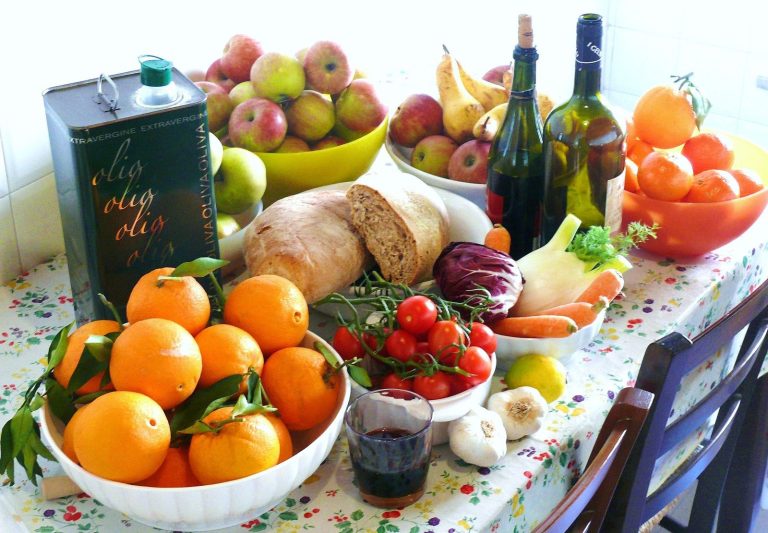
Eggs; fortified cereal or nutritional yeast if vegan; dairy or fortified plant alternatives; fish/poultry; beans and leafy greens (folate-forward); soft fruits; olive oil; oral fluids you will actually drink; B12-fortified foods if you eat little animal protein—coordinate labs with your clinician rather than guessing doses.
3. Default plate template
- – Soft lean protein (eggs, fish, poultry, tofu if tolerated)
- – Folate-aware plant side (cooked greens, beans) unless your team individualized otherwise
- – Gentle carbohydrate (oats, rice, soft bread)
- – Nonalcoholic fluid
4. Sample day (illustrative—not a prescription)
- – Breakfast: scrambled eggs with spinach; fortified cereal or toast; water or milk.
- – Lunch: soft fish or chicken, rice, cooked vegetables; yogurt.
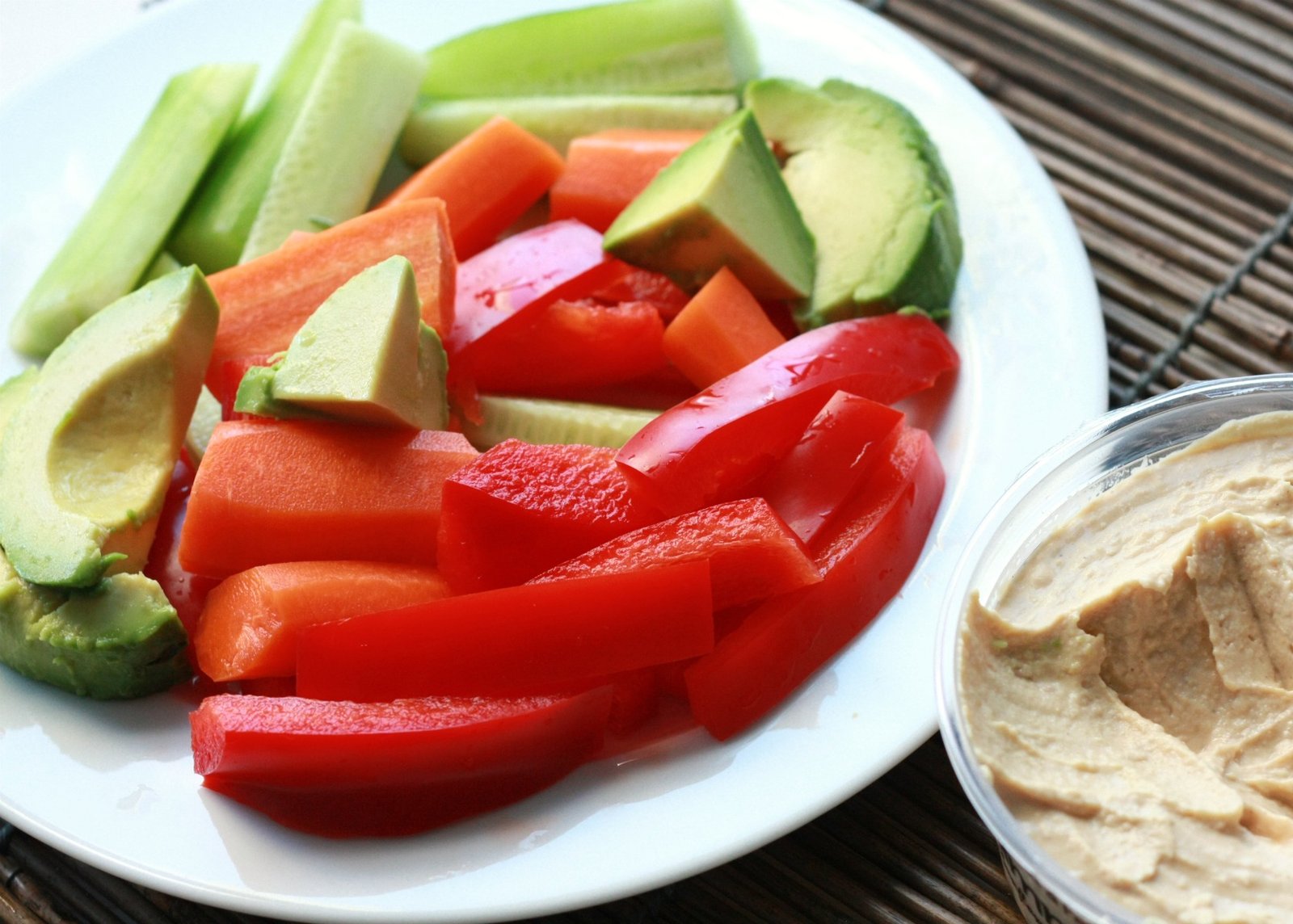
- – Snack: banana or soft fruit; hummus with soft pita if gums tolerate.
- – Dinner: tender poultry, mashed potato or rice, cooked greens; water.
- – Evening: nonalcoholic fluid only—skip “nightcap” alcohol.
5. Home setup tips
Keep a bleeding-precaution card on the fridge (nosebleed packing, when to call); avoid cluttered counters with sharp knives left out if dizziness is an issue; ask helpers for grocery runs during very low counts.
6. If autoimmune disease is the background
Patterns for overall anti-inflammatory eating may overlap Lupus Diet, but ITP-specific immunosuppression and platelet goals stay with hematology.
Safety, interactions, and who should ask a clinician first
- – Pregnancy-related mild thrombocytopenia near delivery: NHLBI notes it often needs different handling—do not self-treat.
- – Heparin-induced thrombocytopenia: stopping heparin alone may not be enough; this is not a diet problem.
- – Kidney, liver, or spleen enlargement contexts: fluid and protein plans may need specialist input.
- – Supplements marketed to “boost platelets”: discuss before use; bleeding risk and drug interactions matter.
- – Contact your clinician urgently for bleeding that will not stop, blood in urine/stool, severe headache, confusion, or widespread petechiae that worsen rapidly.
FAQ
Can diet raise my platelet count to normal? Not as a stand-alone cure. Food may support nutrient needs when deficiency contributes; medical therapy addresses most other causes (NHLBI/MedlinePlus).
Should I avoid vitamin K foods? Do not invent a vitamin K ban for low platelets unless your clinician gives clotting-factor–specific instructions. Platelets and vitamin K–dependent factors are different issues.
Do I need a B12 shot? Only if testing shows deficiency or a condition like pernicious anemia that blocks absorption—see Vitamin B12 Deficiency Diet and ask your clinician.
Is alcohol ever “fine in moderation” with low platelets? NHLBI links alcohol to reduced platelet production; ask your hematologist what is safe for your count and medicines.
How is this different from an anemia diet page? Overlap exists for B12/folate/iron themes, but thrombocytopenia centers bleeding risk and platelet-specific treatments.
How this differs from related OTCFood topics
This page is a thrombocytopenia-bound diet guide focused on nutrient support, alcohol limits, and bleeding-aware textures. It is not an ITP medication protocol, not a cancer diet, and not a substitute for hematology follow-up.
Medical disclaimer
Medical disclaimer: This article is for general information only. It is not medical advice, diagnosis, or a treatment plan. Care for thrombocytopenia depends on cause, platelet count, bleeding history, medicines, and other conditions. Talk with a clinician or registered dietitian before starting, stopping, or changing any eating plan, supplement, or medicine. Seek emergency care for bleeding that does not stop with pressure, signs of internal bleeding, or sudden neurologic changes.