Diet After Cystectomy: Foods That May Help and Foods to Limit
Medical note: This article discusses foods and researched botanicals. It does not claim to prevent, treat, or cure disease. Supplements are not a substitute for food, and studied amounts are not personal prescriptions.
People searching “diet after cystectomy foods that help or worsen” usually want kitchen habits that support healing, steady fluids, and living with a urinary diversion—not a claim that food rebuilds the bladder, prevents cancer return, or replaces stoma care, catheters, or oncology follow-up. NIDDK explains that urinary diversion creates a new way for urine to exit the body when flow is blocked or a diseased area must be bypassed, and that the most common reason for diversion is bladder cancer requiring bladder removal—a procedure called cystectomy.
What this after-cystectomy diet guide covers (and what it does not)
This guide is for adults recovering from cystectomy with urinary diversion (urostomy/ileal conduit, continent reservoir, or related reconstructions) who want practical eating patterns while they follow surgical discharge rules. Anchors: NIDDK — Urinary diversion, MedlinePlus — Kidney removal encyclopedia context for major urologic surgery recovery themes (listed topic anchor; diversion-specific diet bullets below are from NIDDK), and related urostomy living guidance on the same NIDDK page.
NIDDK lists ileal conduit and cutaneous ureterostomy among urostomy types, describes continent diversions and bladder substitutes, and answers “Will my diet need to change after urinary diversion?” by noting most people return to a normal diet, that some may want to avoid foods that make urine smell strong (examples: asparagus and seafood), and that people with certain diversion types may not have enough vitamin B12 and may need vitamin B injections—talk with your health care professional about dietary needs. NIDDK also advises drinking eight 8-ounce glasses of liquids each day—or more if recommended—to help prevent infection after diversion. Kitchen changes do not replace pouch changes, catheterization schedules, or cancer surveillance. Related reading: Diet After Ileostomy, Diet After Colostomy, and Constipation Diet.
Evidence snapshot: after-cystectomy diet claims vs public sources
| Claim people hope for | What public sources actually say | Confidence |
|---|---|---|
| “A special lifelong ‘bladder diet’ is mandatory for everyone after cystectomy” | NIDDK: most people return to a normal diet after urinary diversion; individualize odor triggers and B12 monitoring | Strong for “usually normal diet” |
| “Skipping fluids rests the diversion” | NIDDK: drink eight 8-oz glasses daily (or more if advised) to help prevent infection | Strong: under-drinking backfires |
| “Food alone replaces vitamin B12 injections when levels are low” | NIDDK: some diversion types may need vitamin B injections—clinical decision, not DIY megadoses | Strong: ask first |
| “Avoiding asparagus cures pouch odor permanently” | NIDDK lists asparagus and seafood as examples that may make urine smell strong when emptying the pouch—comfort/preference, not disease cure | Moderate for odor preference |
| “Kitchen changes replace stoma teaching or infection watches” | NIDDK emphasizes stoma/skin care and lists infection symptoms needing prompt care | Strong: nursing/surgical care primary |
Foods and patterns that may help after cystectomy day to day
“May help” means supporting hydration, balanced plates as appetite returns, and awareness of odor or B12 issues—not a promise that food prevents every UTI or pouch leak.
Steady fluids once your surgeon clears oral intake
- – NIDDK: drink eight 8-ounce glasses of liquids each day—or more if your health care professional recommends—to help prevent infection.
- – Keep a bottle visible during the first weeks when travel to clinic appointments and pouch changes disrupt routines.
- – If kidney function, heart failure, or other limits apply, follow those fluid caps instead of this general diversion tip—see Chronic Kidney Disease Diet or Heart Failure Diet when those diagnoses coexist.
Return toward a normal, protein-aware plate
- – NIDDK’s diet answer centers returning to a normal diet for most people after diversion.
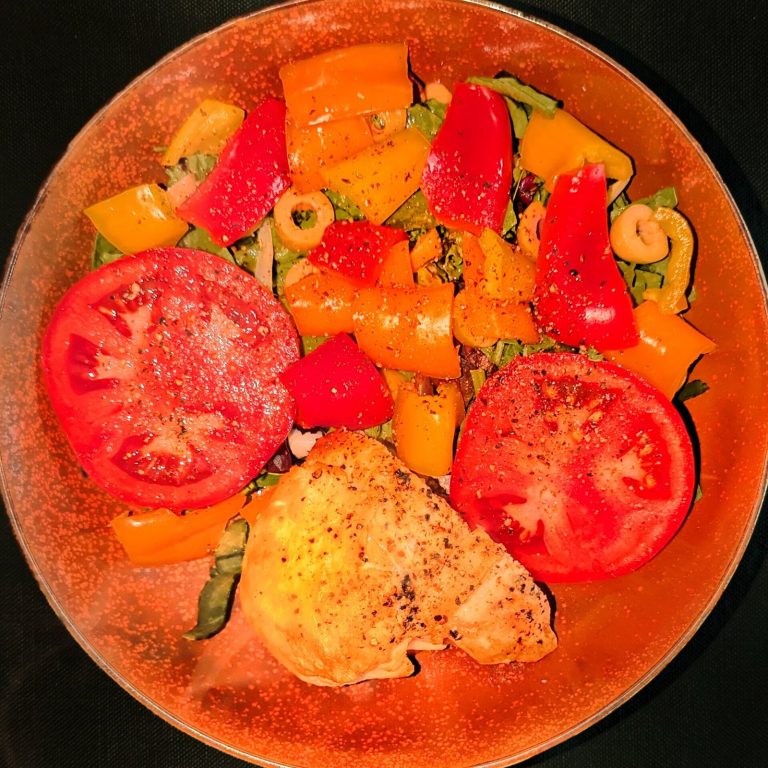
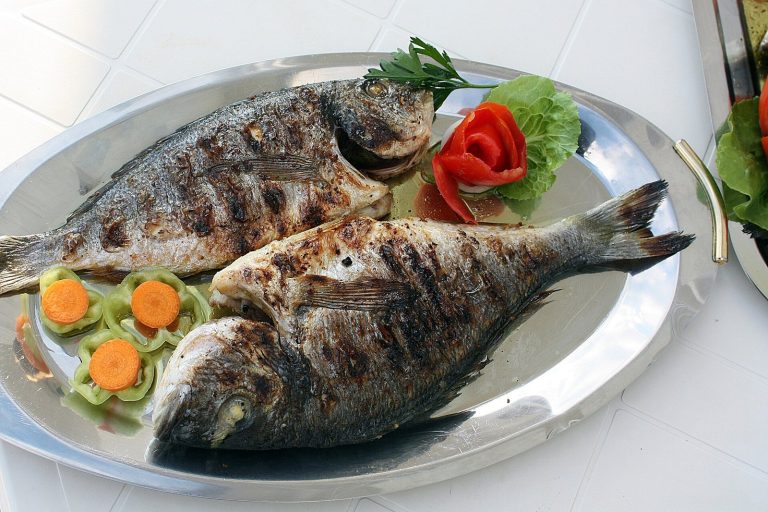
- – Include eggs, fish, poultry, dairy if tolerated, tofu, or beans as energy returns so healing is not “toast only for weeks.”
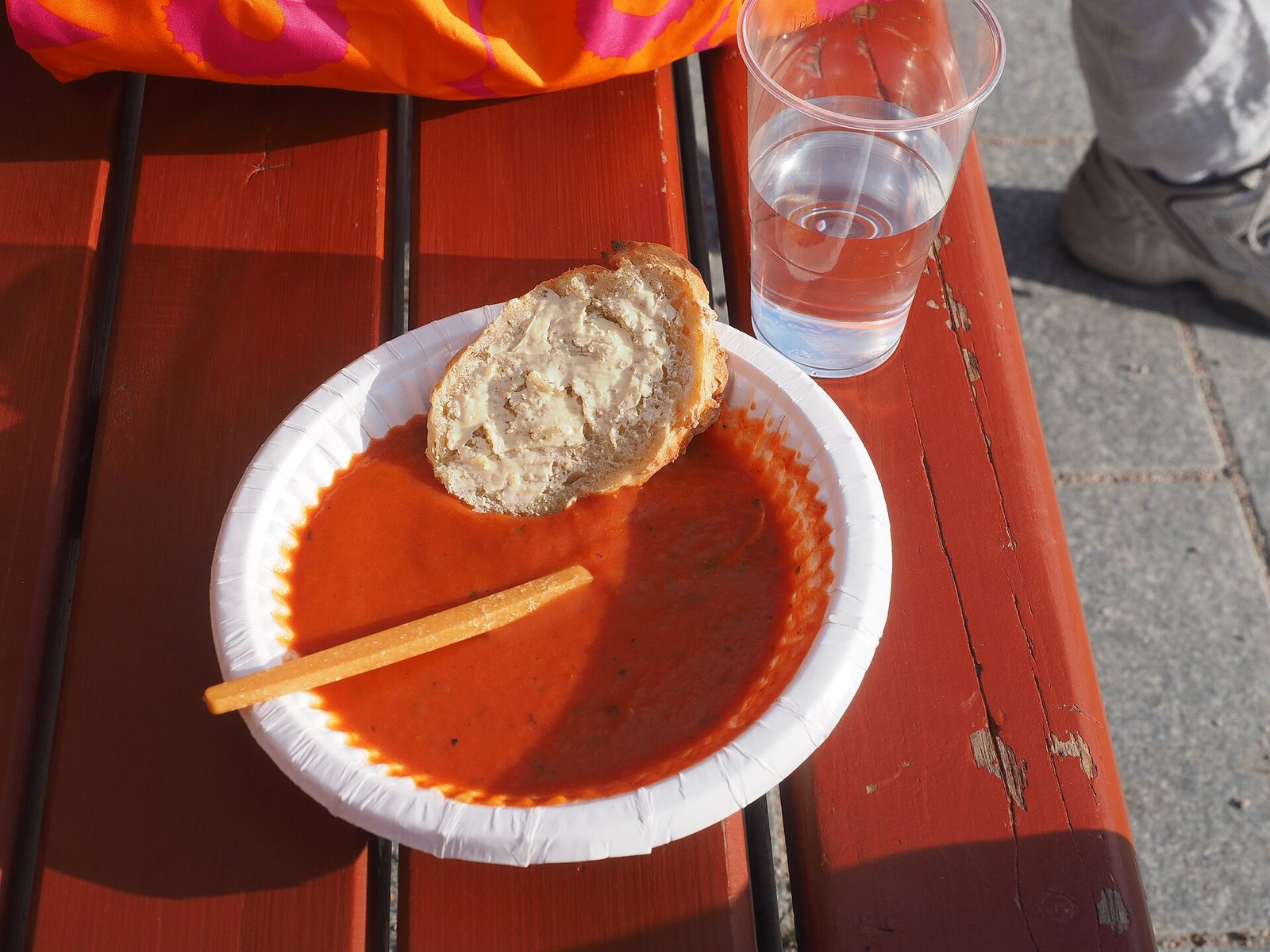
- – Soft textures early (soups, yogurt, scrambled eggs, tender fish) reduce kitchen strain while abdominal incisions heal—comfort themes also appear after other abdominal diversions such as Diet After Ileostomy.
Odor-aware choices without extreme restriction
- – If asparagus, seafood, or other personal triggers make pouch emptying socially stressful, rotate them rather than permanently banning entire food groups unless your clinician advised a specific limit.
- – Empty and care for the pouch on schedule; food odor tips do not replace pouch hygiene teaching on the NIDDK page.
B12 and nutrition monitoring when advised
- – NIDDK: certain urinary diversion types may leave people without enough vitamin B12, sometimes needing injections.
- – Do not self-inject or megadose B vitamins from internet protocols—ask for lab monitoring and a dietitian if weight or appetite falters.
Foods and habits that often worsen after-cystectomy kitchen patterns
- – Chronic under-drinking opposite NIDDK’s infection-prevention fluid guidance (unless a clinician set a different limit).
- – Ignoring infection symptoms—NIDDK lists fever, chills, nausea, vomiting, poor appetite, back or side pain, painful urination patterns when applicable, and cloudy, dark, or strong-smelling urine as reasons to seek care promptly.
- – Unprescribed “urostomy detox teas” that dehydrate or interact with medicines.
- – Heavy alcohol that dehydrates and may impair wound healing routines.
- – Skipping protein while living on clear liquids long after the surgeon advanced your diet.
- – Expecting diet alone to fix stoma retraction, severe skin breakdown, inability to catheterize a continent pouch, or heavy bleeding—those are surgical/ostomy-nurse issues.
- – Lifting restrictions ignored while hauling giant water cooler jugs “for hydration.”
“Limit” means reducing dehydration and unnecessary odor stress—not that one seafood dinner defines surgical success.
Practical kitchen protocol: an after-cystectomy diet week
1. Keep the medical spine first
Confirm diversion type (ileal conduit vs continent reservoir vs neobladder-style substitute), pouch or catheterization schedule, antibiotic or VTE prophylaxis if prescribed, lifting limits, and oncology follow-up. Put the ostomy nurse’s phone number where caregivers can find it.
2. Shopping list for diversion-friendly recovery
Still water and other clinician-approved fluids; soft proteins (eggs, yogurt, tender fish/poultry); soups; cooked vegetables; fruit; whole grains as tolerated; oral nutrition drinks only if advised; mild soap and pouch supplies belong in the bathroom kit, not the spice rack.
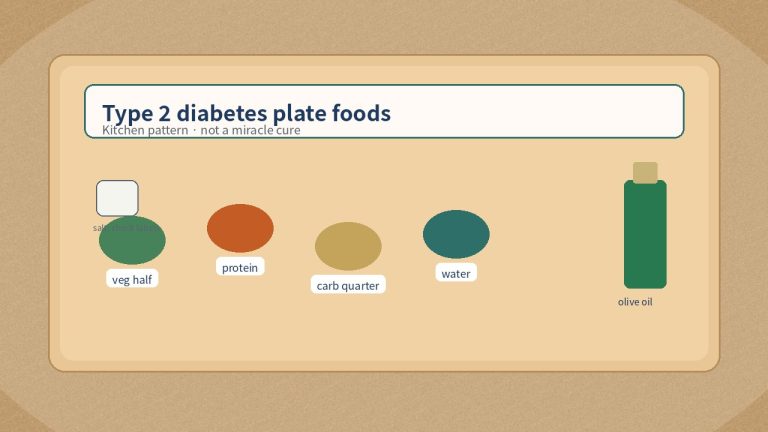
3. Default plate template (when advanced)
- – Lean or soft protein
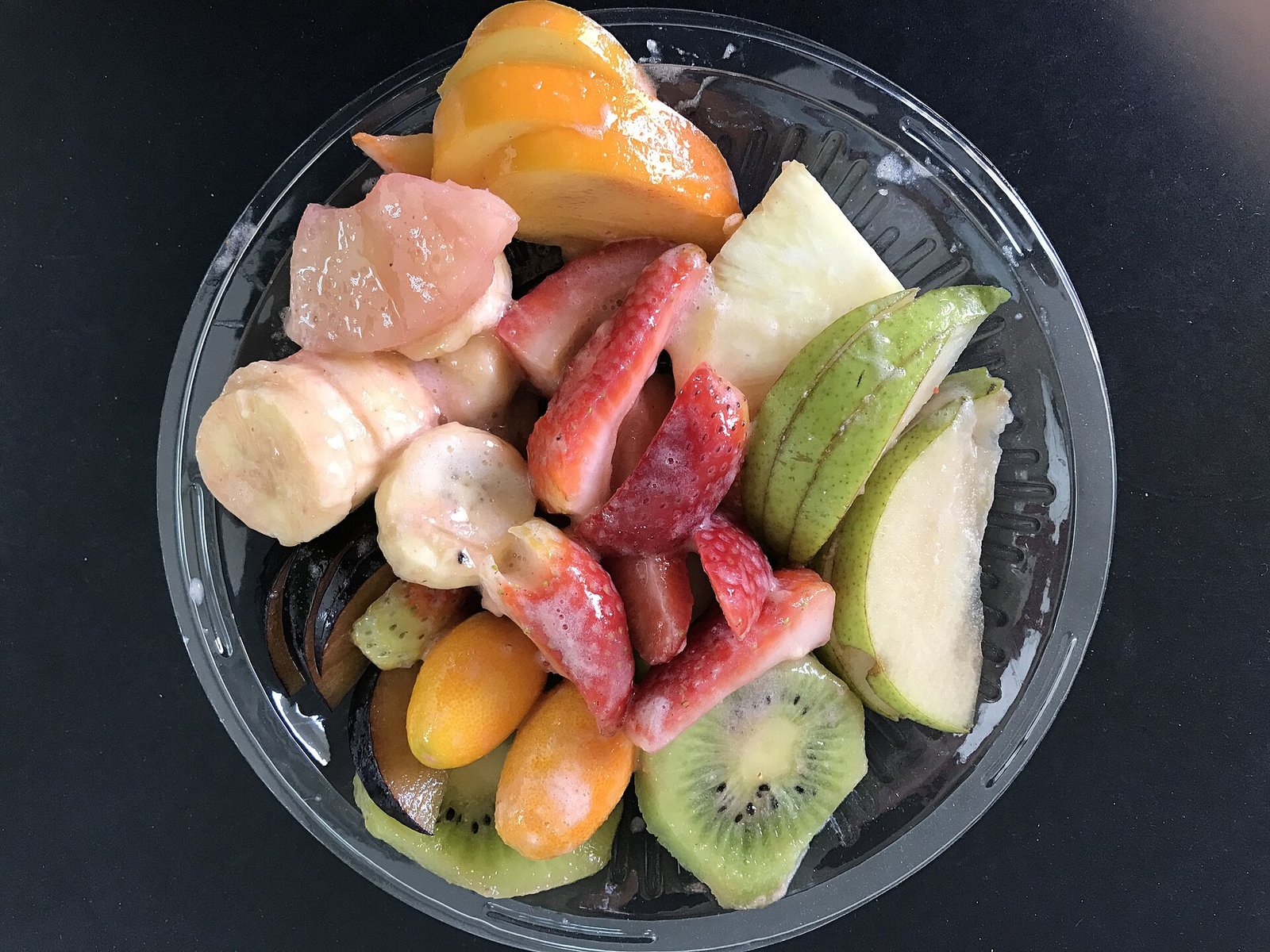
- – Cooked vegetable or fruit
- – Starch your team cleared
- – Fluid target tracked across the day (eight 8-oz glasses unless individualized)
4. Sample day (illustrative, after diet advance)
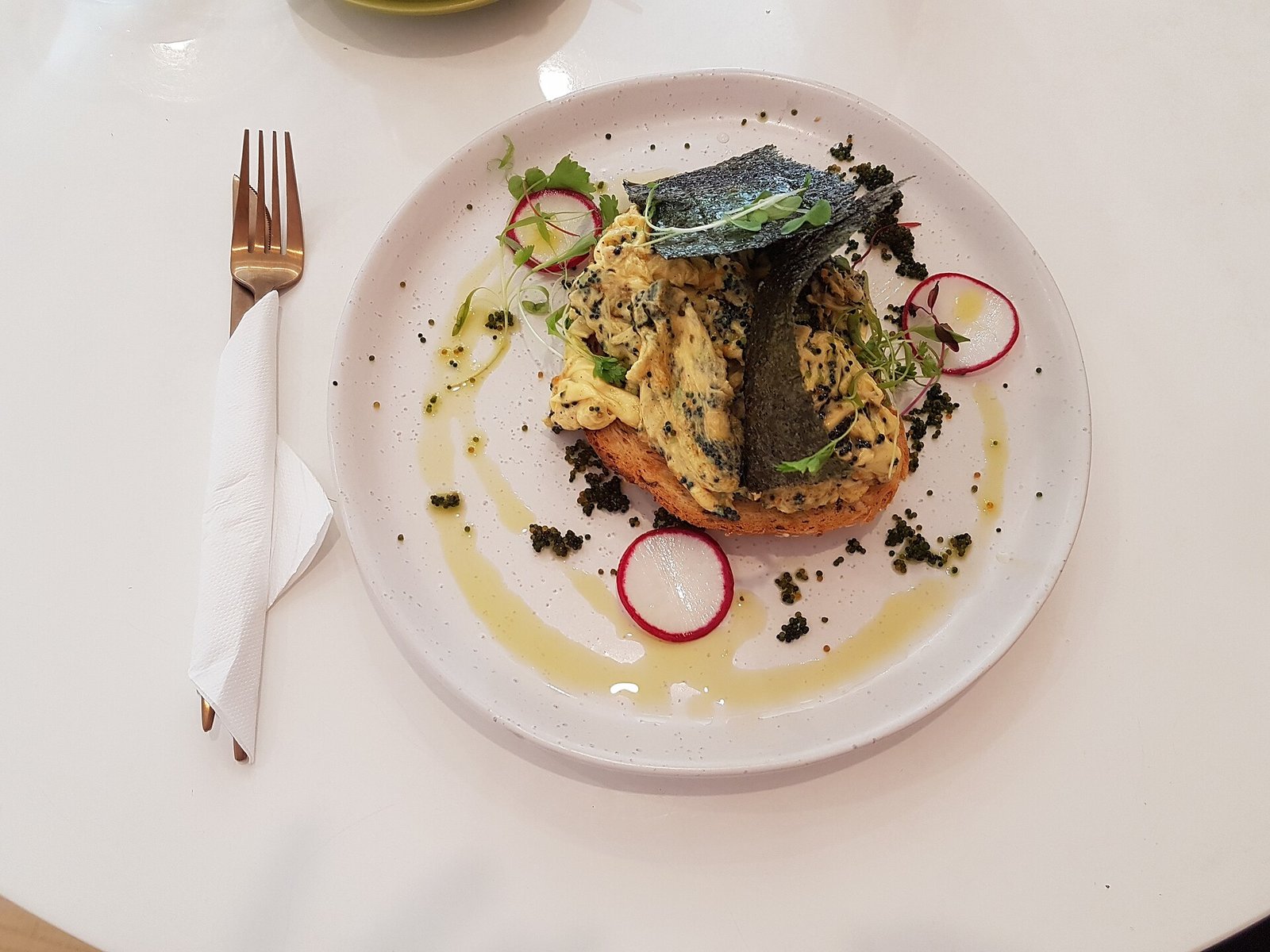
- – Breakfast: scrambled eggs and toast; water.
- – Lunch: vegetable soup with tender chicken; fruit; water.
- – Snack: yogurt; fluid top-up.
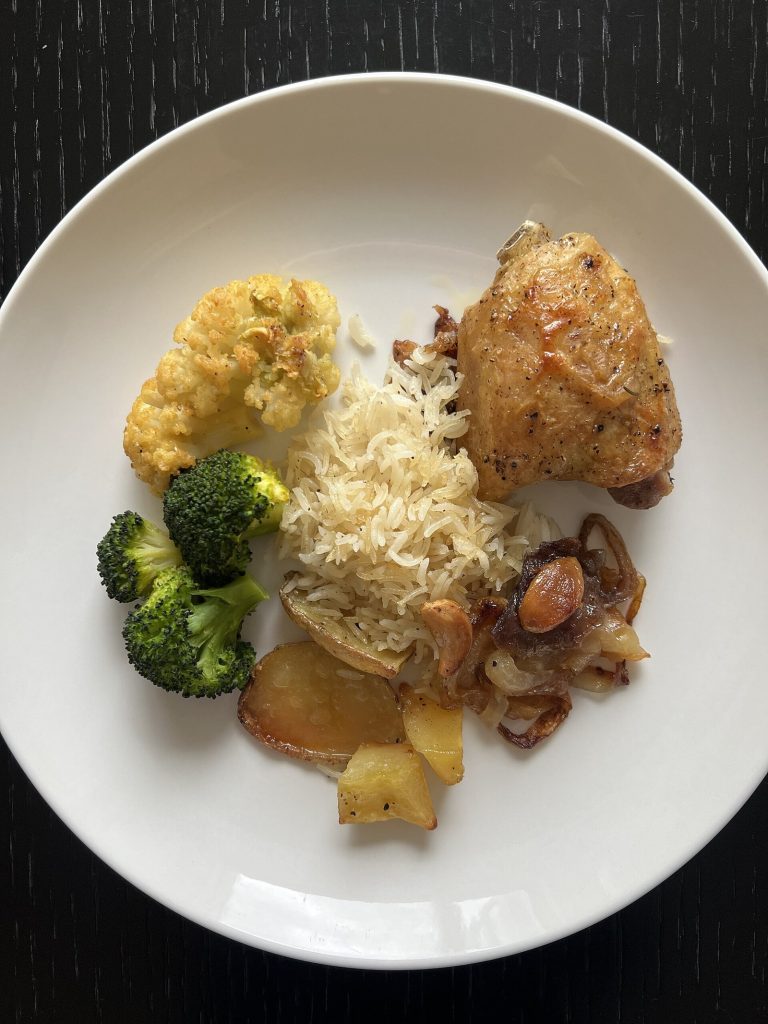
- – Dinner: baked fish, rice, cooked vegetables—skip a huge asparagus side if odor bothers you when emptying the pouch.
- – Evening: water toward your daily goal; review pouch schedule, not a second espresso if caffeine worsens urgency in a neobladder context for you personally.
5. Home setup tips
Stage fluids in every room used during recovery; keep a simple log of intake, output concerns, and symptoms for clinic visits; ask helpers for grocery runs while driving and lifting are limited.
6. If bowel segments were used in reconstruction
Gas, mucus in urine (NIDDK notes mucus wiping around stomas), or B12 risk may need dietitian input—related abdominal diversion reading: Diet After Ileostomy and Diet After Colostomy, without claiming identical bowel rules.
Safety, interactions, and who should ask a clinician first
- – Continent pouch or neobladder catheterization trouble, no urine output, or severe abdominal pain: urgent care pathways as taught at discharge.
- – Kidney disease or heart failure: individualized fluid goals.
- – Chemotherapy or immunotherapy ongoing: nutrition support with oncology, not DIY fasting.
- – Seek urgent care for fever with flank pain, vomiting with inability to keep fluids, chest pain, or sudden severe shortness of breath.
FAQ
Do I need a permanent special diet after cystectomy? NIDDK says most people return to a normal diet after urinary diversion; odor preferences and B12 needs are the main diet-specific caveats on that page.
How much should I drink? NIDDK suggests eight 8-ounce glasses daily—or more if recommended—to help prevent infection, unless another condition sets a different limit.
Why might vitamin B12 matter? NIDDK notes some diversion types may not provide enough vitamin B12 and may require injections—ask your clinician about monitoring.
Can food prevent every urinary infection? Fluids help as one prevention tip; infection still needs prompt clinical care if symptoms appear.
Is this the same as an ileostomy diet? Related but not identical—urine diversion vs stool diversion. See Diet After Ileostomy for bowel ostomy kitchen themes.
How this differs from related OTCFood topics
This page is a cystectomy / urinary-diversion–bound diet guide focused on returning to normal eating, infection-aware fluids, odor preferences, and B12 awareness. It is not a bladder-cancer treatment protocol and not a substitute for ostomy nursing.
Medical disclaimer
Medical disclaimer: This article is for general information only. It is not medical advice, diagnosis, or a treatment plan. Care after cystectomy depends on diversion type, kidney function, infection risk, cancer therapy, medicines, and your surgical team’s protocol. Talk with a clinician, ostomy nurse, or registered dietitian before starting, stopping, or changing any eating plan, supplement, or medicine. Seek urgent care for fever with flank pain, no urine output, vomiting with dehydration, or sudden severe symptoms.