Interstitial Lung Disease Diet: Foods That May Help and Foods to Limit
Medical note: This article discusses foods and researched botanicals. It does not claim to prevent, treat, or cure disease. Supplements are not a substitute for food, and studied amounts are not personal prescriptions.
People searching “interstitial lung disease diet foods that help or worsen” usually want kitchen habits that make breathing-related meals easier and support energy—not a claim that food reverses lung scarring, replaces oxygen therapy or antifibrotic medicines when prescribed, or cures idiopathic pulmonary fibrosis. MedlinePlus describes interstitial lung disease as a large group of diseases that inflame or scar the lungs, making it hard to get enough oxygen. NHLBI explains that causes include environmental exposures, autoimmune diseases, and unknown (idiopathic) forms, and that treatment may involve medicines, oxygen, pulmonary rehabilitation, or transplant in severe cases.
What this interstitial lung disease diet guide covers (and what it does not)
This guide is for adults living with ILD—including idiopathic pulmonary fibrosis and other interstitial pneumonias—who want practical eating patterns while they follow pulmonology plans. Anchors: MedlinePlus — Interstitial lung diseases, MedlinePlus — ILD discharge, NHLBI — Interstitial lung diseases, and related breathing-meal themes in oxygen/activity self-care pages clinicians often pair with ILD education.
Kitchen habits do not replace oxygen prescriptions, antifibrotic or immunosuppressive regimens when used, pulmonary rehabilitation, infection-prevention vaccines MedlinePlus lists (flu, pneumococcal, COVID-19 as advised), or transplant evaluation. Related reading: COPD diet guide, pulmonary hypertension diet guide, and sarcoidosis diet guide.
Evidence snapshot: ILD diet claims vs public sources
| Claim people hope for | What public sources actually say | Confidence |
|---|---|---|
| “A special diet dissolves lung scar tissue” | MedlinePlus/NHLBI center medicines, oxygen, rehab, and exposure avoidance—not culinary antifibrosis | Strong: food is supportive |
| “Large heavy meals are fine if calories are high” | MedlinePlus ILD discharge: eat smaller meals more often; it might be easier to breathe when your stomach is not full; try about 6 small meals; do not drink a lot of liquid before eating or with meals | Strong for meal-size tactics |
| “Exercise and eating cures ILD” | MedlinePlus: exercise doesn’t make lung disease go away but helps maintain endurance; ask about pulmonary rehab | Strong: supportive, not curative |
| “Smoking or strong fumes are unrelated to kitchen air” | MedlinePlus discharge: quit smoking, stay away from smokers and strong odors/fumes to keep lungs from becoming more damaged | Strong for exposure control |
| “Skip vaccines if diet is ‘anti-inflammatory’” | MedlinePlus: get a flu shot yearly; ask about pneumococcal and COVID-19 vaccines; wash hands; limit sick contacts | Strong: vaccines remain medical |
Foods and patterns that may help with ILD day to day
“May help” means supporting easier breathing at mealtime, steadier energy, and nutrition during limited activity—not promising improved CT fibrosis scores from salads alone.
Smaller, more frequent meals (MedlinePlus ILD discharge)
- – Aim toward about six smaller meals rather than three very large ones when fullness worsens shortness of breath.
- – Avoid drinking large volumes of liquid immediately before or during meals so the stomach is less distended.
Energy-dense but not endlessly fried patterns
- – MedlinePlus suggests asking your provider what foods to eat to get more energy.
- – Practical ideas: nut butters on toast, yogurt with fruit, eggs, soft fish, bean soups, avocado in measured amounts, olive oil on vegetables—coordinate calories if weight loss from work of breathing is a problem, or if steroids raise appetite and weight.
Soft, easy-to-chew meals when oxygen tubing or fatigue limits kitchen time
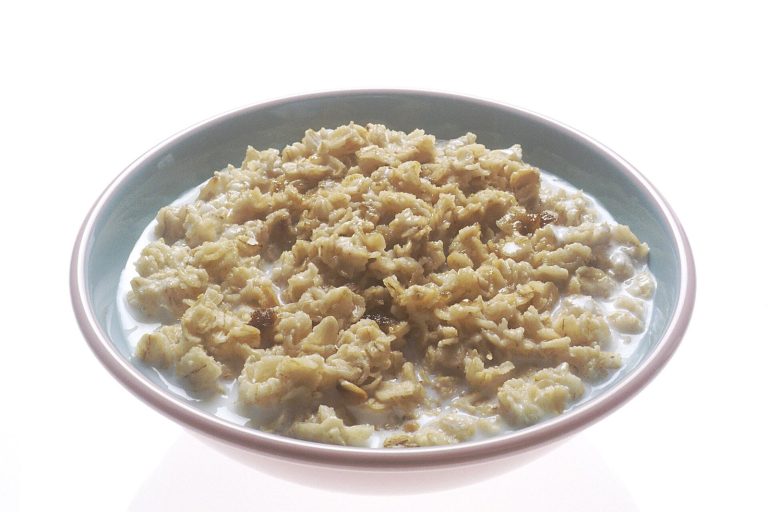
- – Scrambled eggs, oatmeal, soups, stews, yogurt bowls, and pre-cut fruit reduce standing time.
- – MedlinePlus energy-saving tips: sit while cooking when you can; use lightweight tools; don’t try to do too much in one day; use a wheeled cart—apply these to meal prep.
Protein-aware plates during pulmonary rehab
- – Rehab and strength work need adequate protein; include fish, poultry, eggs, dairy if tolerated, beans, or tofu across small meals.
- – Overlap with other chronic lung kitchen themes in COPD diet guide when emphysema or chronic bronchitis coexist.
Hydration timing separate from big bites
- – Sip fluids between meals rather than chugging with food if that matches discharge guidance.
- – Keep water accessible without deep bending—MedlinePlus advises placing often-used items where you need not reach or bend.
Foods and habits that often worsen ILD kitchen patterns
- – Very large, gas-producing feast meals that leave the stomach packed and make breathing harder.
- – Drinking large fluid volumes with every bite when discharge instructions suggest otherwise.
- – Continuing to smoke or cooking in poorly ventilated spaces filled with strong fumes—MedlinePlus flags smoke and strong odors.
- – Ultra-processed salty defaults only, especially if pulmonary hypertension or right-heart strain later brings sodium limits—see pulmonary hypertension diet guide.
- – Skipping prescribed oxygen during meal prep/eating when your clinician set saturation targets (MedlinePlus mentions keeping saturations above clinician thresholds, often discussed around 90%).
- – Crowded sick visits while immunosuppressed without masking strategies MedlinePlus suggests for visitors with colds.
- – Unvetted “lung cleanse” herbs that may interact with antifibrotics or immunosuppressants.
- – Ignoring red flags—harder/faster/shallower breathing, oxygen saturation remaining low on prescribed oxygen, blue fingertips, confusion, fever, or dark mucus—MedlinePlus lists these as reasons to contact your provider.
“Limit” means reducing meal size extremes and inhaled irritants—not never enjoying social meals with pacing.
Practical kitchen protocol: an ILD diet week
1. Keep the medical spine first
Confirm ILD subtype, oxygen prescription, medicine list, pulmonary-rehab referral, vaccine status, and whether autoimmune disease drives the ILD (coordinate with rheumatology diets such as lupus diet guide or sarcoidosis diet guide when relevant).
2. Shopping list for small-meal living
Eggs; yogurt; soft fruits; pre-washed salad greens; soup ingredients (low-sodium broth if advised); oats; canned beans (rinsed); frozen vegetables; cooked chicken strips; olive oil; easy snacks like bananas and peanut butter. Prioritize foods that reheat in small portions.
3. Default small-meal template
- – Modest protein
- – Soft carbohydrate
- – Vegetables that are easy to chew
- – Fluids mostly between meals
- – Pause if talking-while-eating worsens breathlessness (MedlinePlus notes trying not to talk when walking—similar pacing helps at the table)
4. Sample day (illustrative)
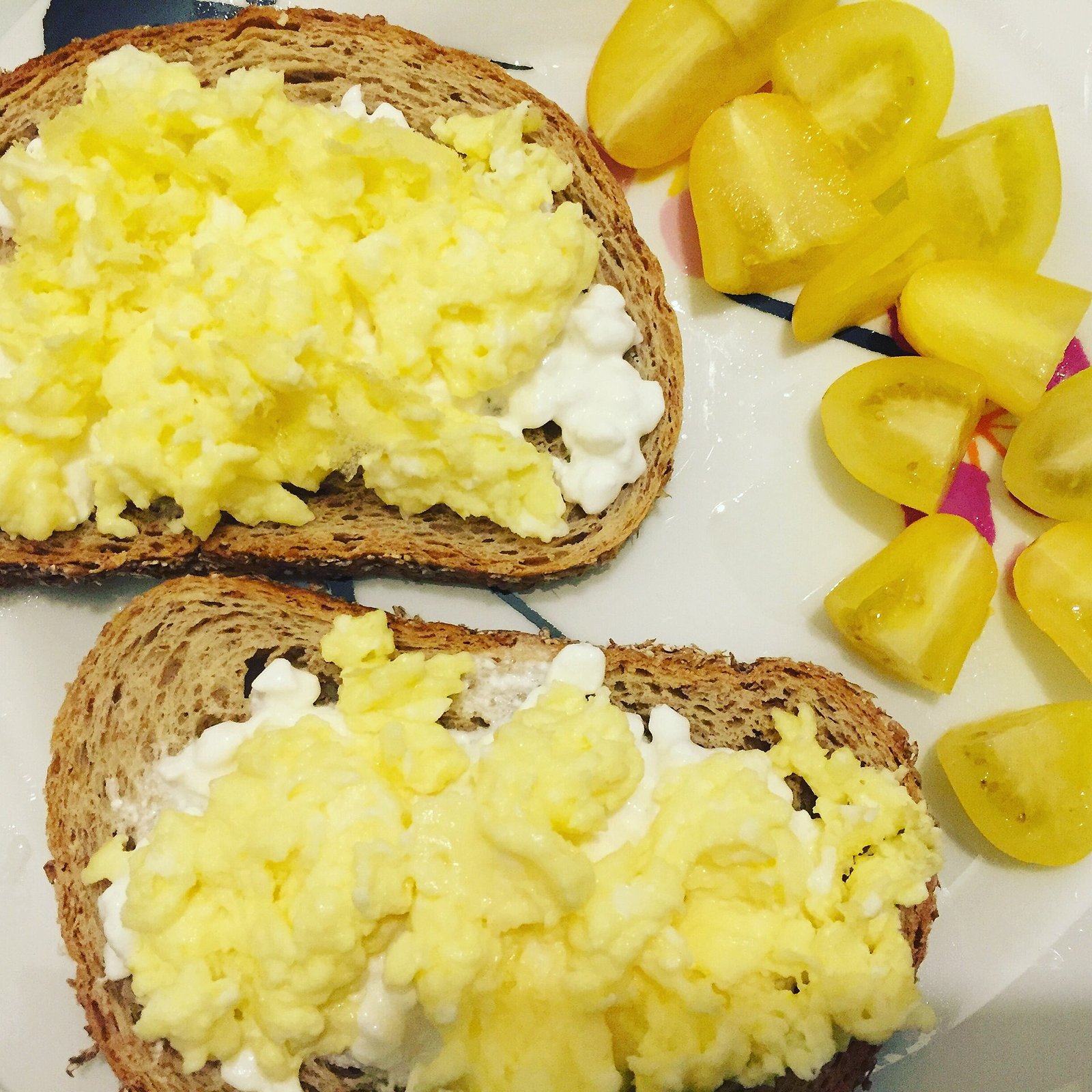
- – Early breakfast: scrambled eggs on toast.
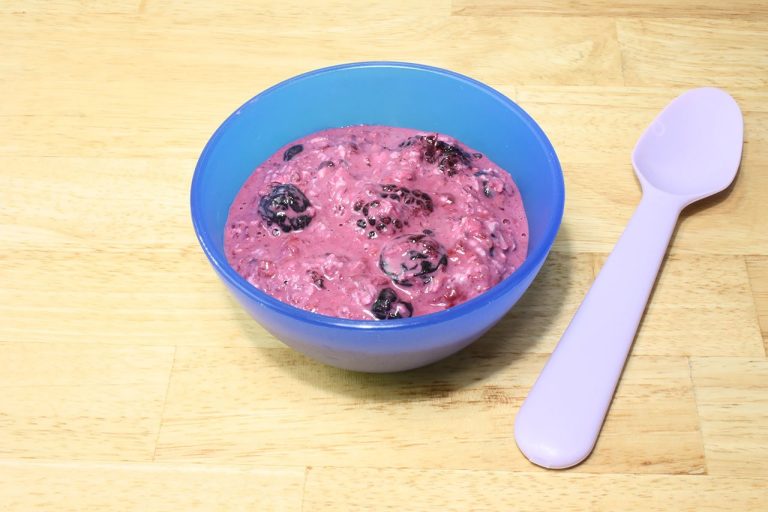
- – Mid-morning: yogurt with berries.
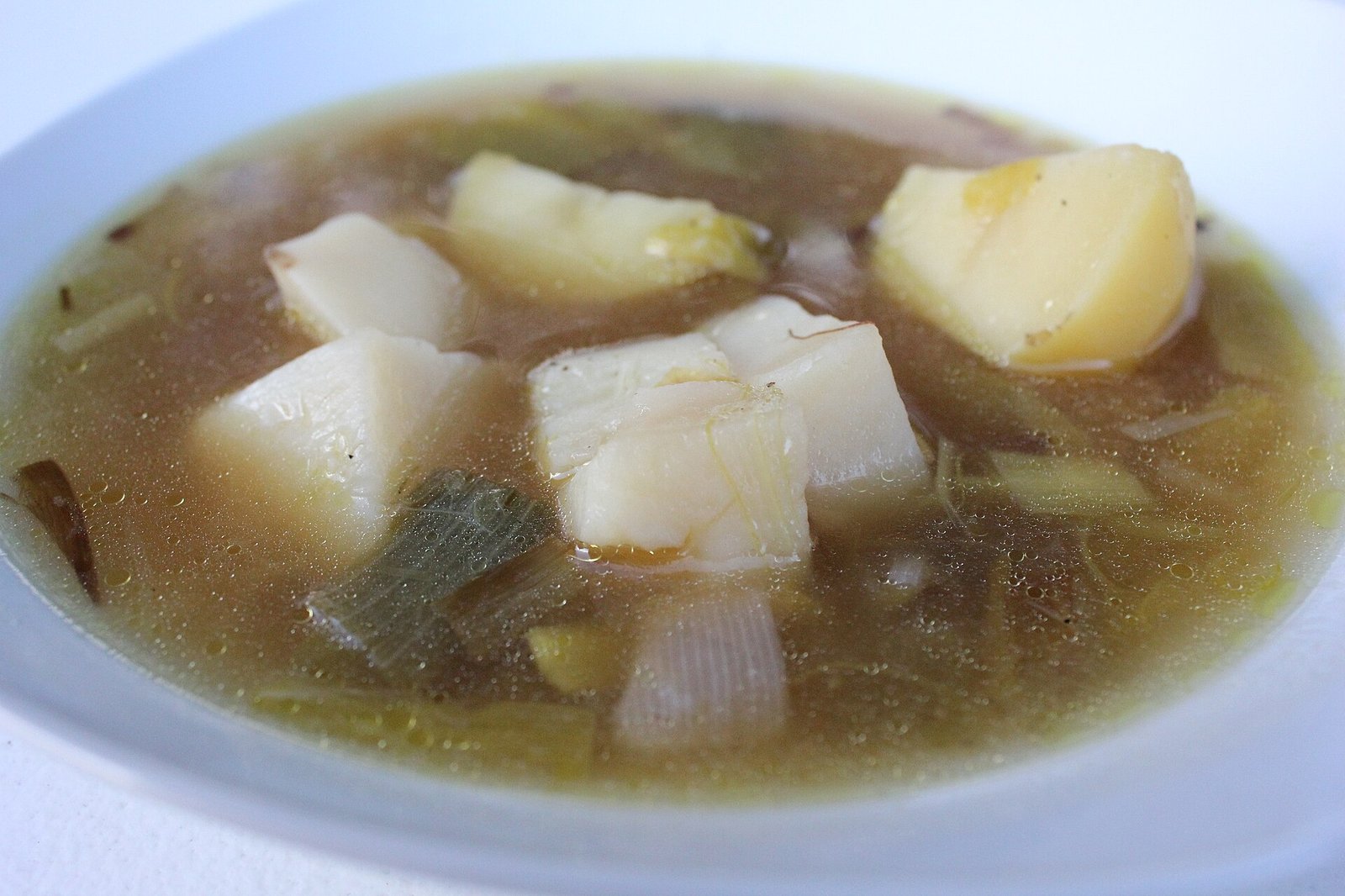
- – Lunch: small bowl of chicken vegetable soup; a few crackers if tolerated.
- – Afternoon: banana with nut butter.
- – Dinner: baked fish, soft rice, cooked carrots.
- – Evening: warm herbal tea sipped slowly—not a huge liquid bolus with dessert.
5. Kitchen energy conservation
Sit to chop; batch-cook and freeze single portions; use a dishwasher/electric opener; avoid stairs with grocery bags. Match oxygen use during cooking to clinician instructions—never change flow without asking.
6. If GERD or steroid diabetes appears
Coordinate reflux-aware timing (GERD acid reflux diet guide) and carbohydrate distribution (type 2 diabetes diet guide) rather than stacking conflicting rules.
Safety, interactions, and who should ask a clinician first
- – Advanced ILD on high-flow oxygen or awaiting transplant: individualized medical nutrition therapy.
- – Antifibrotic GI side effects: diet texture/timing adjustments with your team.
- – Fluid or sodium limits from concurrent heart disease: do not invent high-fluid rules.
- – Seek urgent care for MedlinePlus red flags: worsening work of breathing, persistent low saturations on oxygen, cyanosis, confusion, fever, or coughing dark mucus.
FAQ
Will changing my diet reverse pulmonary fibrosis? No public MedlinePlus/NHLBI page positions diet as antifibrotic cure. Meal patterning supports comfort and nutrition.
Why six small meals? MedlinePlus ILD discharge: it might be easier to breathe when your stomach is not full.
Can I still use herbs for “lung detox”? Ask your pulmonologist—supplements can interact with medicines and are not substitutes for oxygen or antifibrotics.
Is exercise pointless if diet is optimized? MedlinePlus: exercise doesn’t erase ILD but helps endurance; ask about pulmonary rehabilitation.
How does this relate to COPD or PH diet pages? ILD scarring physiology differs, but small-meal and energy themes overlap with COPD diet guide; sodium issues may overlap with pulmonary hypertension diet guide when PH is present.
How this differs from related OTCFood topics
This page is an ILD-bound diet guide focused on smaller frequent meals, fluid timing, energy conservation in the kitchen, smoke/fume avoidance, and vaccine-aware living. It is not a COPD inhaler guide and not a lung-transplant diet unless that path applies.
Medical disclaimer
Medical disclaimer: This article is for general information only. It is not medical advice, diagnosis, or a treatment plan. Care for interstitial lung disease depends on subtype, oxygen needs, medicines, autoimmune drivers, and your clinician’s protocol. Talk with a clinician or registered dietitian before starting, stopping, or changing any eating plan, supplement, or medicine. Seek urgent care for worsening breathlessness, low oxygen saturations, cyanosis, confusion, or fever.