Diet After a Heart Attack: Foods That May Help and Foods to Limit
Medical note: This article discusses foods and researched botanicals. It does not claim to prevent, treat, or cure disease. Supplements are not a substitute for food, and studied amounts are not personal prescriptions.
People searching “diet after a heart attack foods that help or worsen” usually want kitchen patterns that support secondary prevention—lower saturated fat and sodium, steadier blood pressure and cholesterol habits, and cardiac-rehab–friendly meals—not a claim that food dissolves coronary plaque, thins blood the way prescribed anticlotting medicines do, or replaces supervised recovery. NHLBI notes that most people survive heart attacks and that healthy lifestyle changes, alongside medicines and cardiac rehabilitation, improve chances of a better quality of life afterward. MedlinePlus heart-attack discharge guidance specifically flags salty foods, fast-food defaults, early alcohol limits, smoking cessation, and taking heart medicines exactly as prescribed.
What this after-heart-attack diet guide covers (and what it does not)
This guide is for adults recovering from myocardial infarction who want practical DASH-style and lower-sodium plates while they follow cardiology instructions. Anchors: MedlinePlus — Heart attack, MedlinePlus — Heart attack discharge, NHLBI — Heart attack recovery, NHLBI — DASH Eating Plan, and MedlinePlus — How to prevent heart disease.
Kitchen habits do not replace anticlotting medicines, beta blockers, ACE inhibitors, statins, blood-pressure or diabetes care, smoking cessation, or cardiac rehabilitation when referred. MedlinePlus also warns not to take other medicines or herbal supplements without asking your provider first, and not to take heart medicines with grapefruit juice when that interaction applies. Related reading: diet after coronary stent guide, coronary artery disease diet guide, and hypertension diet guide.
Evidence snapshot: after-heart-attack diet claims vs public sources
| Claim people hope for | What public sources actually say | Confidence |
|---|---|---|
| “Food dissolves the blockage that caused the heart attack” | NHLBI centers urgent treatment, medicines, and lifestyle changes for secondary prevention—not culinary “flush” cures | Strong: food is supportive |
| “Diet replaces dual antiplatelet or statin therapy” | NHLBI recovery: anticlotting medicines, beta blockers, ACE inhibitors, and statins are commonly used after a heart attack; take them as instructed | Strong: medicines are medical |
| “DASH-style patterns may support blood pressure and heart-healthy eating” | NHLBI DASH: vegetables, fruits, whole grains; low-fat dairy, fish, poultry, beans; limit saturated fat, sweets, and sodium targets (often 2,300 mg, with 1,500 mg lowering BP further for many) | Strong for risk-factor support |
| “Any alcohol is fine immediately after discharge” | MedlinePlus discharge: do not drink any alcohol for at least 2 weeks; ask your provider when and how much may be safe later | Strong for early abstinence + clinician guidance |
| “Cardiac rehab is optional if home salads look good” | NHLBI: cardiac rehab includes exercise training, heart-healthy living education, and counseling; it may reduce hospital returns and support prevention of future heart problems | Moderate–strong for rehab value |
Foods and patterns that may help after a heart attack day to day
“May help” means supporting blood pressure, cholesterol, glucose, weight, and smoking-cessation goals that reduce further coronary risk—not guaranteeing another event never occurs.
DASH-aligned grocery pattern
- – NHLBI DASH recommends eating vegetables, fruits, and whole grains; including fat-free or low-fat dairy, fish, poultry, beans, nuts, and vegetable oils; limiting foods high in saturated fat (fatty meats, full-fat dairy, tropical oils such as coconut/palm); and limiting sugar-sweetened beverages and sweets.
- – Example sodium framing from DASH materials: aiming toward 2,300 mg sodium daily, with 1,500 mg lowering blood pressure further for many people—individualize if your clinician sets a different heart-failure or kidney-related target (see also heart failure diet guide).
Lower-sodium, lower–fast-food defaults (MedlinePlus discharge)
- – MedlinePlus after MI: avoid salty foods and stay away from fast-food restaurants as a recovery lifestyle theme.
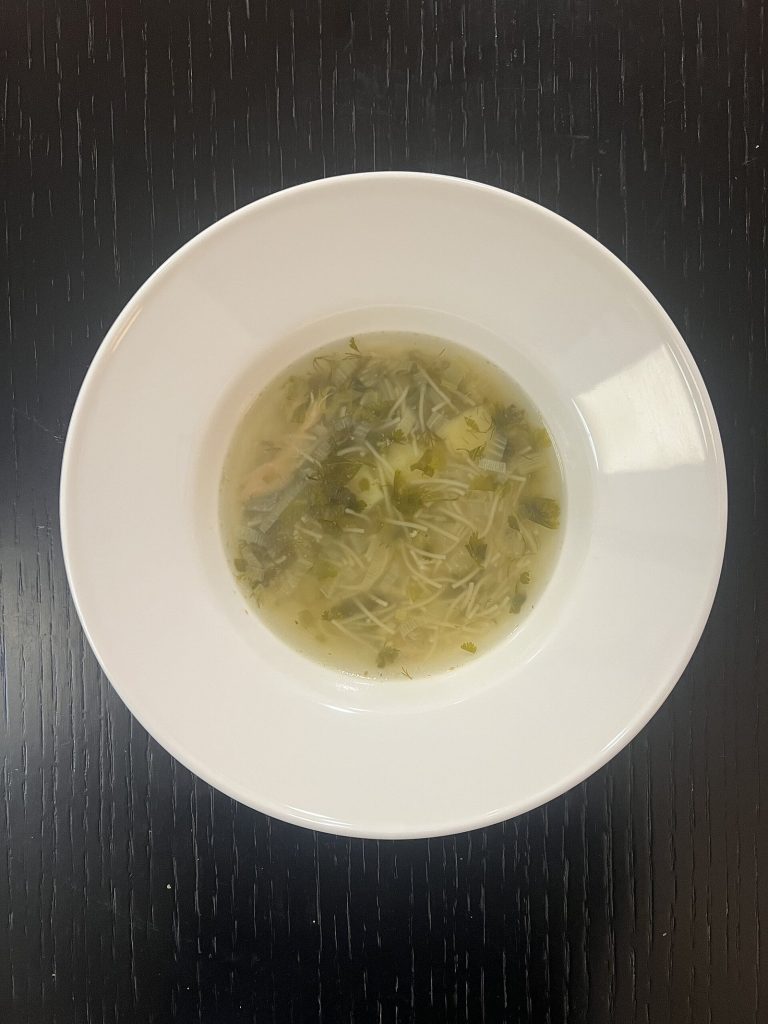
- – Practical moves: cook with herbs, citrus, garlic (culinary amounts), and unsalted spices instead of adding table salt; choose low-sodium canned beans/soups when labeled; rinse canned vegetables; ask restaurants for sauces on the side.
Unsaturated-fat swaps and produce-forward plates
- – MedlinePlus heart-disease prevention emphasizes limiting saturated fat and staying at a healthy weight when overweight raises risk through linked factors such as cholesterol and blood pressure.
- – Prefer olive or canola oil over stick margarine/shortening when oils are used; bake, grill, or steam instead of deep-frying; build plates around vegetables, fruit, beans, and whole grains with measured nuts.
Rehab-friendly meal timing while energy returns
- – MedlinePlus: take it easy for the first 4–6 weeks; rest in the afternoon; do not change exercise plans before talking with your provider; cardiac rehab teaches how to increase activity safely.
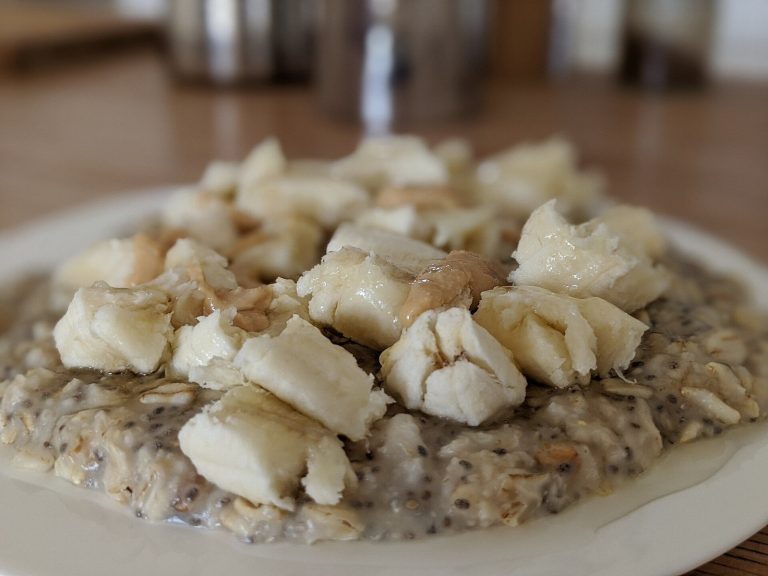
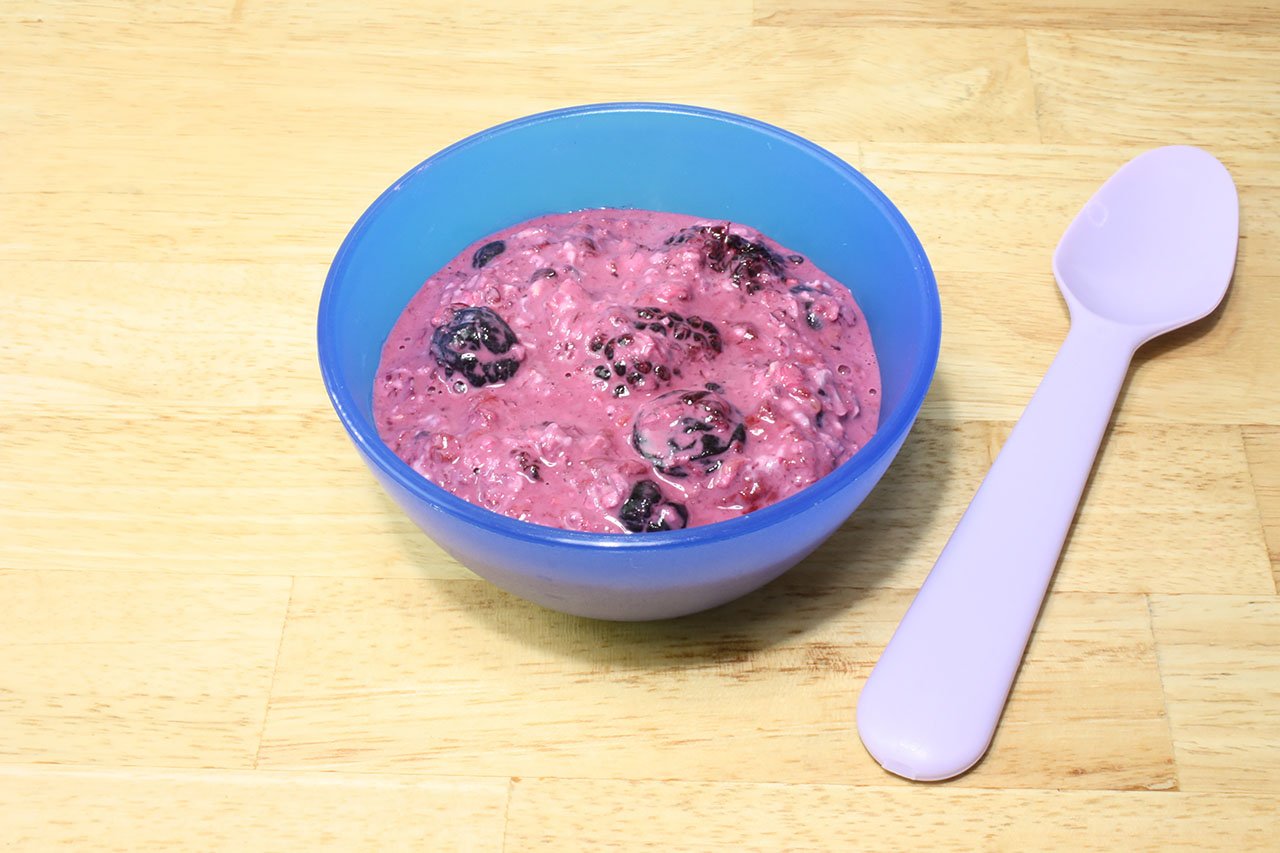
- – Keep easy, balanced meals ready so fatigue does not default to salty takeout—overnight oats, yogurt with fruit, grilled fish with vegetables, bean-and-vegetable bowls.
Foods and habits that often worsen after-MI kitchen patterns
- – High-sodium packaged meals, cured meats, and fast-food defaults that fight MedlinePlus “avoid salty foods / stay away from fast food” guidance.
- – Frequent fatty meats, full-fat dairy, and tropical-oil–heavy sweets that crowd out DASH unsaturated patterns.
- – Sugar-sweetened beverages as everyday hydration (DASH limits sweets and sweet drinks).
- – Early alcohol restart before the discharge timeline and clinician clearance.
- – Continuing to smoke or allowing indoor secondhand smoke—MedlinePlus discharge treats quitting as essential; NHLBI recovery links lifestyle change to preventing another attack.
- – Unvetted “natural blood thinner” herb stacks taken with prescribed anticlotting medicines without pharmacist review.
- – Grapefruit juice with interacting heart medicines when your clinician or pharmacist has flagged that interaction.
- – Expecting kitchen changes alone to treat rest angina, worsening chest pressure, or sudden severe symptoms—call emergency services per your angina/heart-attack action plan.
“Limit” means reducing salty, saturated-fat, and sugary-drink defaults—not never tasting a celebration meal again under clinician guidance.
Practical kitchen protocol: an after-heart-attack diet week
1. Keep the medical spine first
Confirm your medicine list (antiplatelets, statin, beta blocker, ACE inhibitor, others), cardiac-rehab referral, blood-pressure and lipid targets, diabetes plan if present, alcohol guidance after the early abstinence window, and whether a registered dietitian is available. Do not stop or skip heart medicines to “eat clean instead.”
2. Shopping list aligned with DASH + discharge themes
Leafy greens and mixed vegetables; berries and other whole fruit; oats and other whole grains; beans/lentils; olive oil; fish such as salmon; poultry or tofu; fat-free or low-fat dairy if tolerated; unsalted nuts in snack portions; sparkling or still water; herbs and spices. Skip bulk cases of sugary soda and heavily salted frozen dinners as the default cart.
3. Default plate template
- – Half non-starchy vegetables when possible
- – Quarter lean protein (fish, poultry, beans, tofu)
- – Quarter whole-grain or bean-based carbohydrate
- – Unsweetened fluid
- – Measured unsaturated fat rather than deep-fried sides
- – Minimal added salt at the table
4. Sample day (illustrative)
- – Breakfast: overnight oats with berries; water or unsweetened tea.
- – Lunch: grilled chicken or chickpea salad with mixed vegetables and olive-oil dressing; fruit.
- – Snack: yogurt or a small handful of unsalted nuts if that fits your plan.
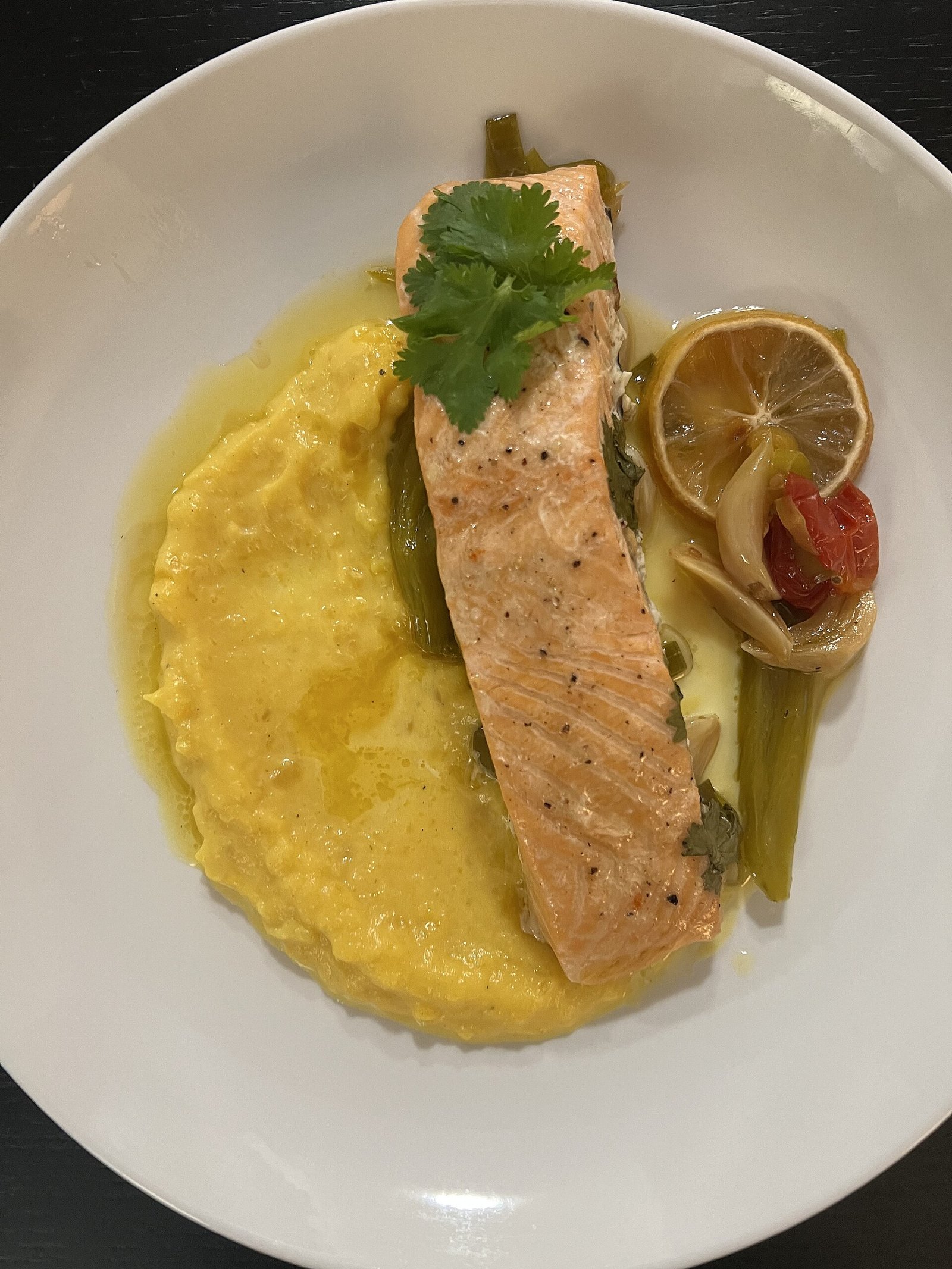
- – Dinner: baked salmon, brown rice or quinoa if tolerated, roasted vegetables.
- – Evening: herbal tea or water—not a large sweetened soda or early alcohol restart.
5. Eating-out and convenience tactics
Order grilled fish or poultry, double vegetables, sauce on the side; choose water first; ask for no added salt when kitchens can oblige. Prep grain-and-bean bowls on weekends so weeknights are not drive-through defaults—overlap with diet after CABG guide and diet after coronary stent guide if those procedures apply.
6. If diabetes or heart failure are also on the chart
Coordinate carbohydrate distribution and stricter sodium/fluid rules with those plans rather than stacking conflicting “detox” rules—see type 2 diabetes diet guide and heart failure diet guide.
Safety, interactions, and who should ask a clinician first
- – Pregnancy after cardiac events, advanced heart failure, kidney disease, or unexplained weight loss: individualized medical nutrition therapy.
- – Anticlotting or anticoagulant therapy: bleeding risk rises with some supplements; disclose everything you take.
- – Diabetes medicines that can cause low blood sugar: adjust meal timing with your clinician when calories change during rehab.
- – Seek emergency care for heart-attack or unstable angina symptoms—chest pressure/squeezing, shortness of breath, pain in arm/jaw/back, cold sweat, lightheadedness—per MedlinePlus/NHLBI guidance; do not wait on a kitchen experiment.
FAQ
Can diet reverse a heart attack by itself? Food patterns support secondary prevention. NHLBI recovery centers medicines, cardiac rehab, and lifestyle together—not a DIY cure claim.
How soon can I drink alcohol again? MedlinePlus discharge: none for at least 2 weeks, then ask your provider for personalized limits. Some people will be told to avoid alcohol longer.
Is the DASH plan only for hypertension? NHLBI frames DASH as a flexible heart-healthy eating style for life; blood-pressure benefit is a core evidence theme, and the pattern also limits saturated fat and sweets relevant after MI.
Do I need a special “heart cleanse” juice? Public NIH/MedlinePlus pages emphasize balanced patterns, sodium awareness, and medicines—not short cleanses. Rapid under-eating can worsen recovery energy.
What if I also had a stent or bypass? Combine this page with diet after coronary stent guide or diet after CABG guide and follow your surgical/interventional team’s timeline.
How this differs from related OTCFood topics
This page is an after-myocardial-infarction diet guide focused on DASH-style plates, early alcohol caution, salt/fast-food limits, and rehab-compatible meals. It is not a substitute for cardiac rehabilitation, dual antiplatelet counseling, or emergency action planning.
Medical disclaimer
Medical disclaimer: This article is for general information only. It is not medical advice, diagnosis, or a treatment plan. Care after a heart attack depends on the size of the event, complications, medicines, procedures, comorbidities, and your clinician’s protocol. Talk with a clinician or registered dietitian before starting, stopping, or changing any eating plan, supplement, or medicine. Seek emergency care for heart-attack or unstable angina symptoms.