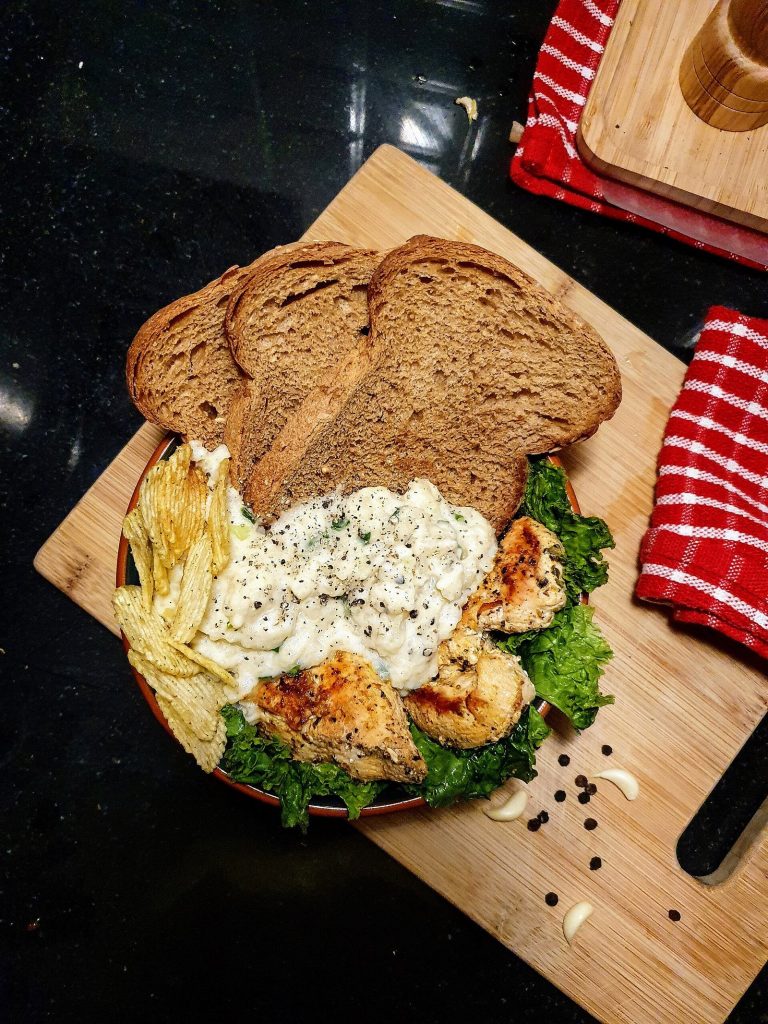
Neutropenia Diet: Foods That May Help and Foods to Limit
Medical note: This article discusses foods and researched botanicals. It does not claim to prevent, treat, or cure disease. Supplements are not a substitute for food, and studied amounts are not personal prescriptions.
People searching “neutropenia diet foods that help or worsen” usually want food-safety habits that may lower infection risk while neutrophil counts are low—not a claim that groceries raise white blood cell counts like prescribed growth factors or replace hand hygiene, fever action plans, or oncology instructions. MedlinePlus explains that neutrophils are white blood cells that fight infection; too few neutrophils is neutropenia, and severe neutropenia (generally fewer than 500 neutrophils per microliter in their adult framing) makes even mouth, skin, and gut bacteria more dangerous. NCI’s infection and neutropenia pages emphasize hand washing, careful food handling, and knowing fever thresholds that need urgent care. MedlinePlus cancer infection-prevention guidance adds: do not eat raw or undercooked fish, eggs, or meat; avoid spoiled or past-date foods; and follow broader hygiene steps beyond the kitchen.
What this neutropenia diet guide covers (and what it does not)
This guide is for adults with neutropenia—often during chemotherapy, other marrow-suppressing treatment, or bone marrow disease—who want practical kitchen and grocery rules beside oncology care. Anchors: MedlinePlus — Low white blood cell count and cancer, MedlinePlus — Cancer treatment: preventing infection, NCI — Infection and neutropenia during cancer treatment, and NCI — Nutrition during cancer treatment.
Food safety does not replace filgrastim or other clinician-ordered medicines, central-line care, or emergency evaluation for fever. Related reading: Constipation Diet (when opioids or low intake slow bowels) and general recovery nutrition themes in surgical pages—always defer to your oncology diet sheet if it differs.
Evidence snapshot: neutropenia diet claims vs public sources
| Claim people hope for | What public sources actually say | Confidence |
|---|---|---|
| “A special juice raises neutrophils overnight” | Public oncology pages focus on preventing infection and treating causes—not culinary WBC cures | Strong: food is supportive/safety-focused |
| “Well-cooked proteins and careful produce handling matter” | MedlinePlus/NCI: cook meats, fish, and eggs thoroughly; follow food-safety tips; some teams advise peeling produce or washing carefully | Strong for safety practices |
| “Probiotic foods always rebuild immunity during nadir” | Live-culture foods may be restricted on some oncology diets—ask before kefir/sauerkraut experiments | Moderate: team-specific |
| “Fever can wait until morning if you feel ‘mostly fine’” | MedlinePlus lists fever ≥100.4°F (38°C) among infection signs needing prompt contact; do not mask fever with OTC meds without asking | Strong: urgent pathway |
| “Restaurant sushi is safe if it is ‘high end’” | Raw fish remains a high-risk choice while counts are low per cooking guidance | Strong avoid while restricted |
Foods and patterns that may help during neutropenia day to day
“May help” means supporting safe calories and protein while reducing foodborne infection risk—not promising higher ANC (absolute neutrophil count) from a grocery cart.
Thoroughly cooked proteins and safe leftovers
- – Cook meat, poultry, fish, and eggs until well done; keep hot foods hot and cold foods cold (NCI food-safety messaging).
- – Reheat leftovers thoroughly; when in doubt, throw them out rather than tasting “to check.”
- – Choose pasteurized milk, yogurt, and cheeses unless your oncology diet says otherwise.
Produce strategies your team endorses
- – NCI notes you may be advised to eat fruits and vegetables that can be peeled or to wash all raw produce very well.
- – Some centers temporarily limit raw berries, salad bars, or fresh-squeezed juices—follow the written diet you were given.
- – Canned or cooked vegetables are practical when energy for meticulous washing is low.
Protein and calorie coverage when treatment suppresses appetite
- – NCI nutrition pages note people with cancer often need eating patterns that differ from generic “healthy” diets—enough protein and calories to stay strong can matter more than low-fat trends during active treatment.
- – Eggs, cooked poultry, beans (well heated), peanut butter on toast, oral nutrition drinks if prescribed, and smoothies made with pasteurized ingredients can help when chewing is tiring.
- – Small frequent meals often beat forcing large plates during nausea.
Hydration and mouth care adjacent to diet
- – Mouth sores and dry mouth can limit intake; soft, non-irritating foods and clinician-approved rinses (MedlinePlus suggests alcohol-free rinses in infection-prevention care) support eating.
- – Keep water bottles clean; do not share cups.
Kitchen hygiene as part of “diet”
- – Wash hands before cooking and eating; sanitize surfaces; use separate cutting boards for raw meats.
- – Ask someone else to handle pet waste, litter boxes, and fish tanks (MedlinePlus).
Foods and habits that often worsen neutropenia kitchen patterns
- – Raw or undercooked eggs, meat, fish, and shellfish, including runny yolks, rare burgers, sushi, and raw oyster bars.
- – Unpasteurized dairy or juices when your protocol forbids them.
- – Buffets, salad bars, and deli counters where food sits at uncertain temperatures—many teams discourage these during nadir.
- – Spoiled leftovers, dented cans, and past-date packaged foods.
- – Sharing utensils or tasting from communal bowls during gatherings.
- – Gardening without gloves or eating produce straight from soil without washing—MedlinePlus notes soil microbes.
- – Alcohol excess that dehydrates and may interact with medicines.
- – Expecting kitchen rules to replace calling for fever, chills, new cough, burning urination, or diarrhea—those are infection alerts.
Practical kitchen protocol: a neutropenia-aware diet week
1. Keep the medical spine first
Know your ANC trend, growth-factor schedule if any, fever phone number, and whether you are on a formal “neutropenic diet” versus modern food-safety–focused counseling. Do not take acetaminophen/NSAID for fever until you ask—MedlinePlus warns these can mask fever.
2. Shopping list for safer cooking
Pasteurized dairy; eggs; poultry and fish you will cook thoroughly; frozen vegetables; peelable fruit (bananas, oranges); canned fruit in juice; bread; peanut butter; bottled water if advised; oral supplements if prescribed; disinfectant wipes for carts and handles.
3. Default plate template
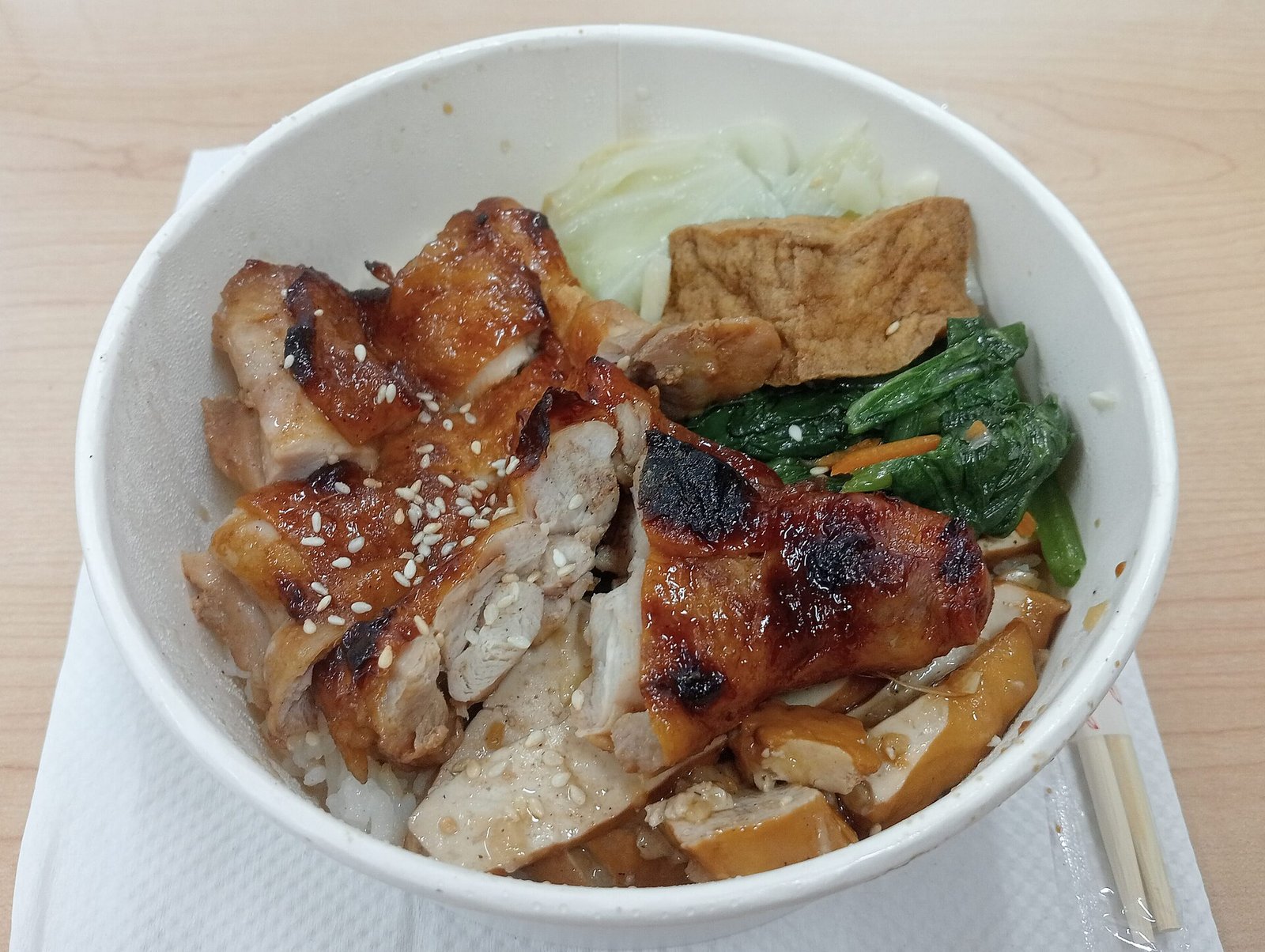
- – Well-cooked protein
- – Starch
- – Cooked or carefully washed/peeled produce
- – Pasteurized dairy or alternative if desired
- – Clean utensils only for you
4. Sample day (illustrative; match your oncology sheet)
- – Breakfast: scrambled eggs cooked through; toast; banana; pasteurized yogurt.
- – Lunch: thoroughly heated chicken-and-rice soup; cooked carrots; canned peaches.
- – Snack: oral nutrition drink if prescribed; crackers.
- – Dinner: baked fish cooked opaque throughout; baked potato; steamed green beans.
- – Evening: herbal tea if allowed; oral care routine—not leftover sushi.
5. Restaurant and takeout rules of thumb
Choose freshly cooked hot meals; avoid raw garnishes if restricted; reheat delivery food until steaming; skip salad bars.
6. When counts recover
Ask when raw produce, restaurants, and social dining can liberalize—restrictions are often time-limited around nadir, not lifelong for every survivor.
Safety, interactions, and who should ask a clinician first
- – Central lines and ports: kitchen hygiene still matters, but line care protocols are separate—never flush lines with kitchen syringes.
- – Diabetes during steroids: coordinate carbohydrate plans with safe cooking rules.
- – Graft-versus-host disease or transplant diets: may be stricter—use transplant RD instructions over this general page.
- – Severe mucositis: texture changes and pain control may be required before “balanced plates” are realistic.
- – Call urgently for fever ≥100.4°F (38°C), shaking chills, new confusion, shortness of breath, uncontrolled diarrhea/vomiting, or spreading skin redness.
FAQ
Does a neutropenia diet raise white cell counts? No. It aims to reduce foodborne infection risk while counts are low. Medicines and time drive count recovery under oncology care.
Is every raw fruit banned forever? Not necessarily. Some teams allow well-washed or peeled produce; others tighten rules during deep nadir. Follow your written plan.
Are probiotic yogurts required? Ask first. Live cultures are restricted on some protocols even when commercial yogurt is otherwise useful protein.
Can I take fever reducers and wait? MedlinePlus advises checking with your provider before acetaminophen, aspirin, ibuprofen, or naproxen because they can hide fever—call the oncology number with temperature readings as instructed.
How is this different from a general “immune boosting” diet article? This page prioritizes food safety during documented neutropenia, not supplement marketing. It does not claim foods cure cancer or replace vaccines your oncology team approves.
How this differs from related OTCFood topics
This page is a neutropenia-bound diet and food-safety guide for low neutrophil counts, especially around cancer treatment. It is not a chemotherapy protocol, not a transplant diet manual, and not a substitute for fever pathways or growth-factor prescriptions.
Medical disclaimer
Medical disclaimer: This article is for general information only. It is not medical advice, diagnosis, or a treatment plan. Neutropenia care depends on cause, depth and duration of low counts, catheters, and your oncology or hematology protocols. Talk with a clinician or registered dietitian before starting, stopping, or changing any eating plan, supplement, or medicine. Seek emergency care for fever or other infection warning signs while neutropenic.