NAFLD Diet: Foods That May Help and Foods to Limit
Medical note: This article discusses foods and researched botanicals. It does not claim to prevent, treat, or cure disease. Supplements are not a substitute for food, and studied amounts are not personal prescriptions.
People searching “NAFLD diet foods that help or worsen” usually want kitchen patterns that support gradual weight loss, steadier blood sugar, and less added sugar—not a claim that food dissolves liver fat overnight or replaces clinician-guided metabolic care. MedlinePlus now frames the condition many still call nonalcoholic fatty liver disease (NAFLD) within steatotic liver disease, especially metabolic dysfunction-associated steatotic liver disease (MASLD). NIDDK still publishes NAFLD/NASH pages that emphasize healthy eating, portion control, weight management when appropriate, and minimizing alcohol.
What this NAFLD diet guide covers (and what it does not)
This guide is for adults told they have NAFLD, MASLD, NAFL, or NASH/MASH who want practical plate habits while they follow labs, imaging, and medicine plans from their clinicians. Anchors: MedlinePlus — Steatotic liver disease / fatty liver, NIDDK — NAFLD & NASH, NIDDK — Eating, diet, & nutrition for NAFLD & NASH, and NIDDK — Treatment for NAFLD & NASH.
NIDDK notes that if you have NAFLD, a doctor may recommend gradual weight loss when overweight or obesity is present, and may suggest limiting fats that drive excess calories, replacing saturated and trans fats with unsaturated fats (especially omega-3 sources), choosing more low-glycemic foods such as most fruits, vegetables, and whole grains, and avoiding drinks and foods with large amounts of simple sugars—especially fructose from sweetened soft drinks, sports drinks, sweetened tea, and juices. Kitchen changes do not replace evaluation for fibrosis risk or alcohol counseling. Related reading: NAFLD fatty liver diet guide, type 2 diabetes diet guide, and hypertension diet guide.
Evidence snapshot: NAFLD diet claims vs public sources
| Claim people hope for | What public sources actually say | Confidence |
|---|---|---|
| “A detox juice cleanse clears fatty liver in days” | NIDDK centers gradual weight loss, food-pattern changes, and activity—not short cleanses; rapid weight loss and malnutrition can worsen liver disease | Strong: avoid crash cleanses |
| “Losing a little weight may reduce liver fat” | NIDDK: losing at least 3% to 5% of body weight can reduce fat in the liver; up to 7% to 10% may be needed to reduce inflammation and fibrosis in NASH/MASH contexts | Strong for gradual, clinician-aligned loss |
| “Any alcohol is fine if labs look quiet” | NIDDK: if you have NAFLD, minimize alcohol, which can further damage the liver | Strong: minimize |
| “Herbal liver ‘boosters’ are safer than waiting” | NIDDK: no medicines approved specifically for NAFLD/NASH in that page’s framing; some herbal remedies can damage the liver—talk with a doctor before supplements | Strong: ask first |
| “White bread and sugary drinks are ‘just empty calories,’ not a liver issue” | NIDDK specifically flags high simple-sugar loads, especially fructose-containing sweetened beverages and juices | Moderate–strong for pattern change |
Foods and patterns that may help with NAFLD day to day
“May help” means supporting the eating patterns NIDDK links to prevention and treatment conversations—not a promise that one salad reverses MASH.
Gradual calorie awareness and portion limits when weight loss is advised
- – NIDDK: healthy diet, limiting portion sizes, and maintaining a healthy weight may help prevent NAFLD; with NAFLD, gradual weight loss is often recommended if overweight or obesity is present.
- – Physical activity alone, even without weight loss, is also described as beneficial on the NIDDK treatment page—coordinate a safe plan with your clinician.
Swap saturated/trans fats toward unsaturated patterns
- – NIDDK suggests replacing saturated and trans fats with unsaturated fats, especially omega-3 fatty acids, which may reduce heart-disease chance if you have NAFLD.
- – Practical kitchen moves: olive oil or canola in place of stick margarine/shortening; fatty fish such as salmon a few times weekly if advised; nuts in measured portions rather than fried snacks.
Favor lower-glycemic carbohydrate patterns
- – NIDDK examples of lower-glycemic choices include most fruits, vegetables, and whole grains, versus higher-glycemic patterns such as white bread, white rice, and potatoes as frequent defaults.
- – Build plates around vegetables, beans, oats, brown rice, or other whole grains your dietitian approves—see also prediabetes diet guide if glucose is rising.
Cut sugar-sweetened beverages and juice sugar loads
- – NIDDK: avoid foods and drinks with large amounts of simple sugars, especially fructose; soft drinks, sports drinks, sweetened tea, and juices are called out; table sugar (sucrose) becomes glucose and fructose during digestion.
- – Default drinks: water, unsweetened tea/coffee if tolerated, or other clinician-approved unsweetened options.
Produce-forward, fiber-aware plates
- – Vegetables, fruit, legumes, and whole grains support the low-glycemic pattern NIDDK describes and help satiety during gradual weight loss.
- – Pair protein (fish, poultry, beans, tofu, dairy if tolerated) so meals are not “salad only” starvation days that invite rebound eating.
Foods and habits that often worsen NAFLD kitchen patterns
- – Sugar-sweetened beverages and frequent juice as everyday hydration (NIDDK fructose emphasis).
- – Large saturated-fat and ultra-processed fried patterns that pack calories and crowd out unsaturated swaps.
- – Alcohol minimization ignored “because NAFLD is ‘nonalcoholic’ by name”—NIDDK still says minimize alcohol with NAFLD.
- – Crash diets or very rapid loss that risk malnutrition; NIDDK warns rapid weight loss and malnutrition can make liver disease worse.
- – Unvetted herbal “liver cleanses.”
- – Skipping metabolic comorbidities—type 2 diabetes, high blood pressure, and lipid issues often travel with MASLD/NAFLD; see type 2 diabetes diet guide and heart failure diet guide when those diagnoses apply.
- – Expecting kitchen changes alone to fix jaundice, confusion, vomiting blood, or severe right-upper abdominal pain—those need urgent care.
“Limit” means reducing sugar-sweet drink frequency and calorie-dense saturated-fat defaults—not never tasting dessert again.
Practical kitchen protocol: an NAFLD diet week
1. Keep the medical spine first
Confirm how your clinician labels the condition (NAFLD/MASLD/NASH/MASH), whether weight-loss targets were set, alcohol guidance, medicine list, and whether a registered dietitian referral is available. Ask before starting any supplement.
2. Shopping list aligned with NIDDK themes
Leafy greens and mixed vegetables; berries and other whole fruit; oats and other whole grains; beans/lentils; olive oil; fish such as salmon; poultry or tofu; plain yogurt if tolerated; nuts in snack portions; sparkling or still water; unsweetened tea. Skip bulk cases of sugary soda as the default drink aisle buy.
3. Default plate template
- – Half non-starchy vegetables when possible
- – Quarter lean protein
- – Quarter whole-grain or bean-based carbohydrate
- – Unsweetened fluid
- – Measured unsaturated fat (oil, avocado, nuts) rather than deep-fried sides
4. Sample day (illustrative)
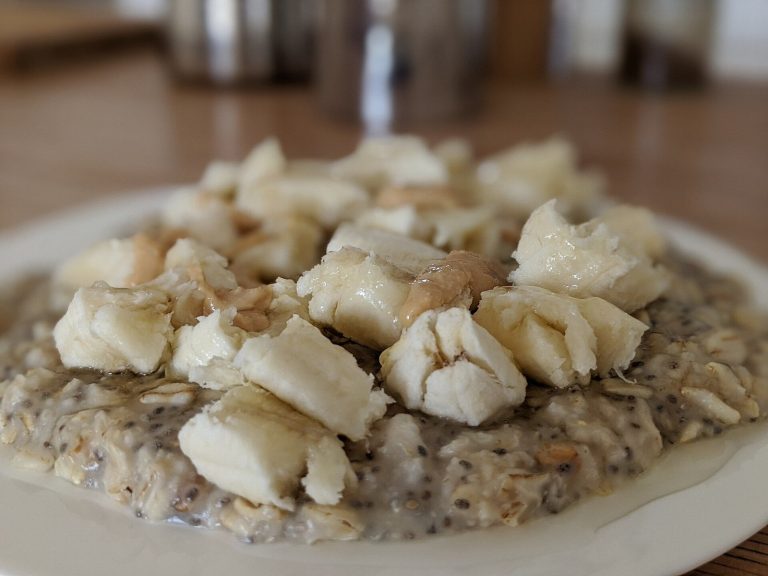
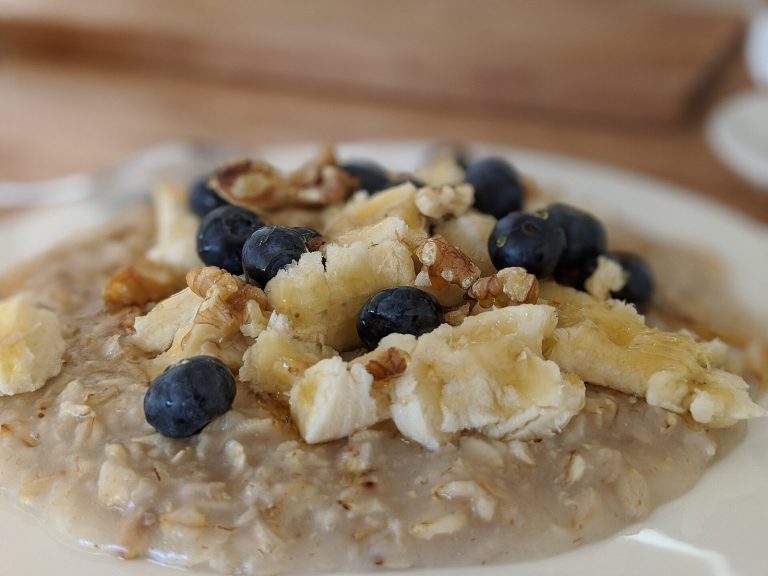
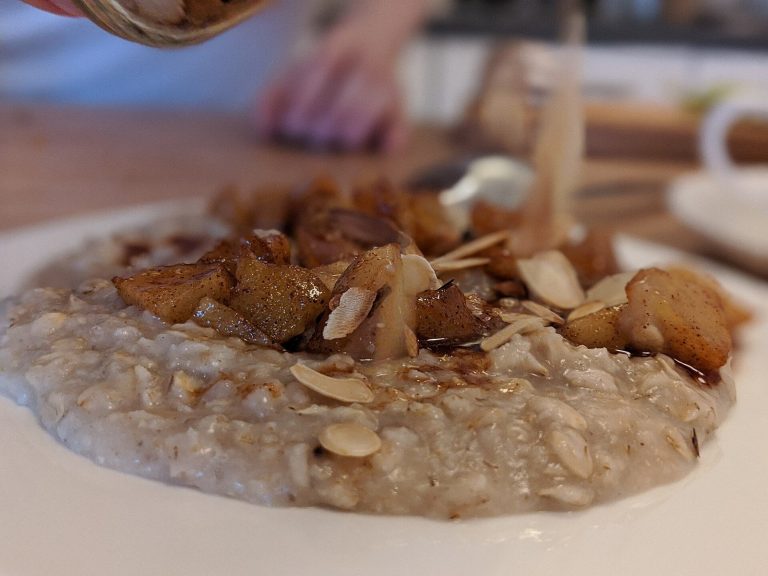
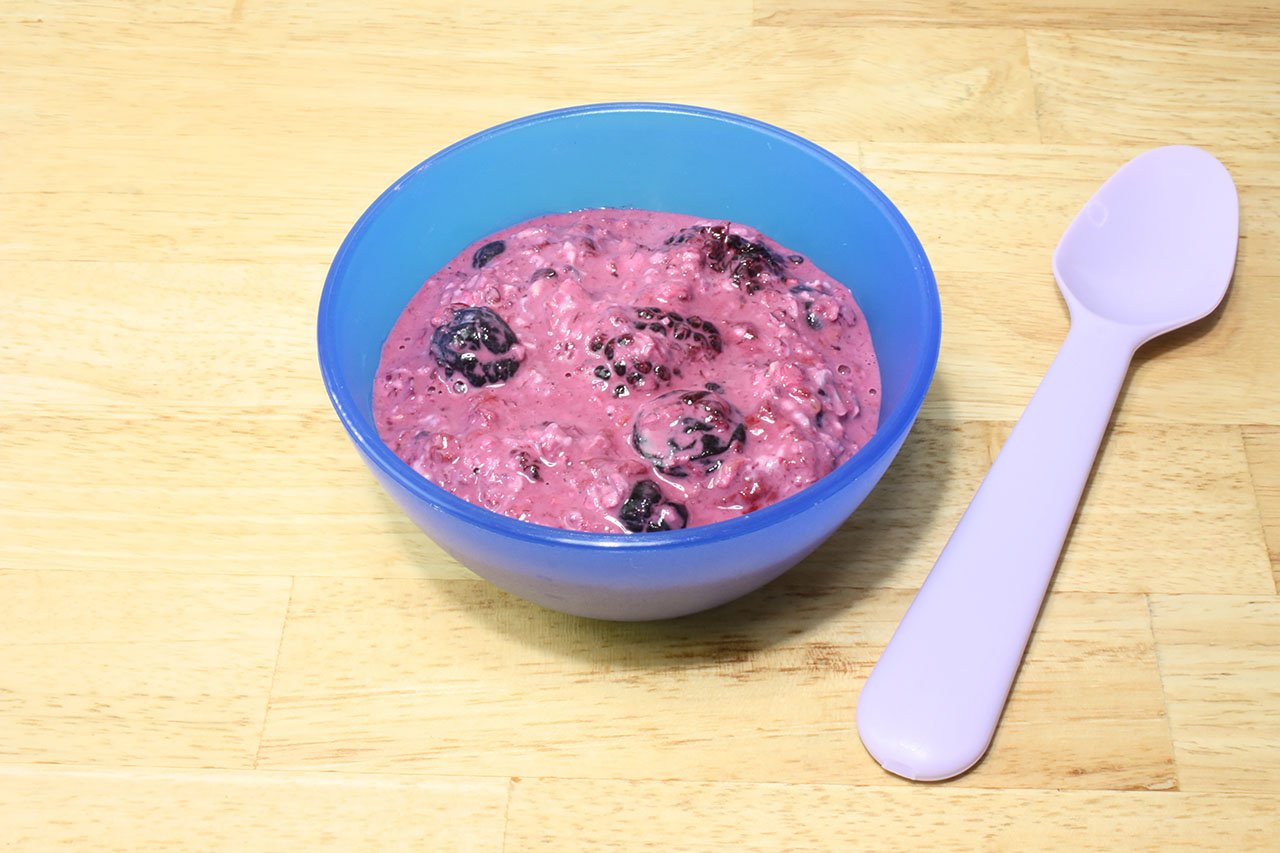
- – Breakfast: overnight oats with berries; water or unsweetened tea.
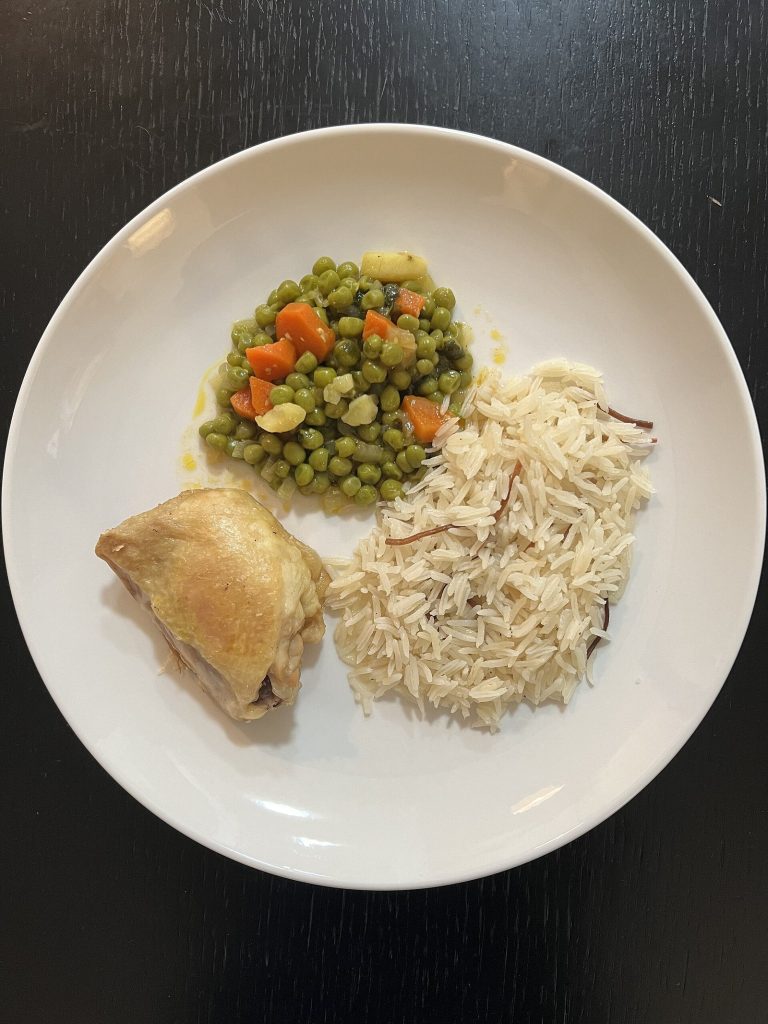
- – Lunch: grilled chicken or chickpea salad with mixed vegetables and olive-oil dressing; fruit.
- – Snack: yogurt or a small handful of nuts if that fits your calorie plan.
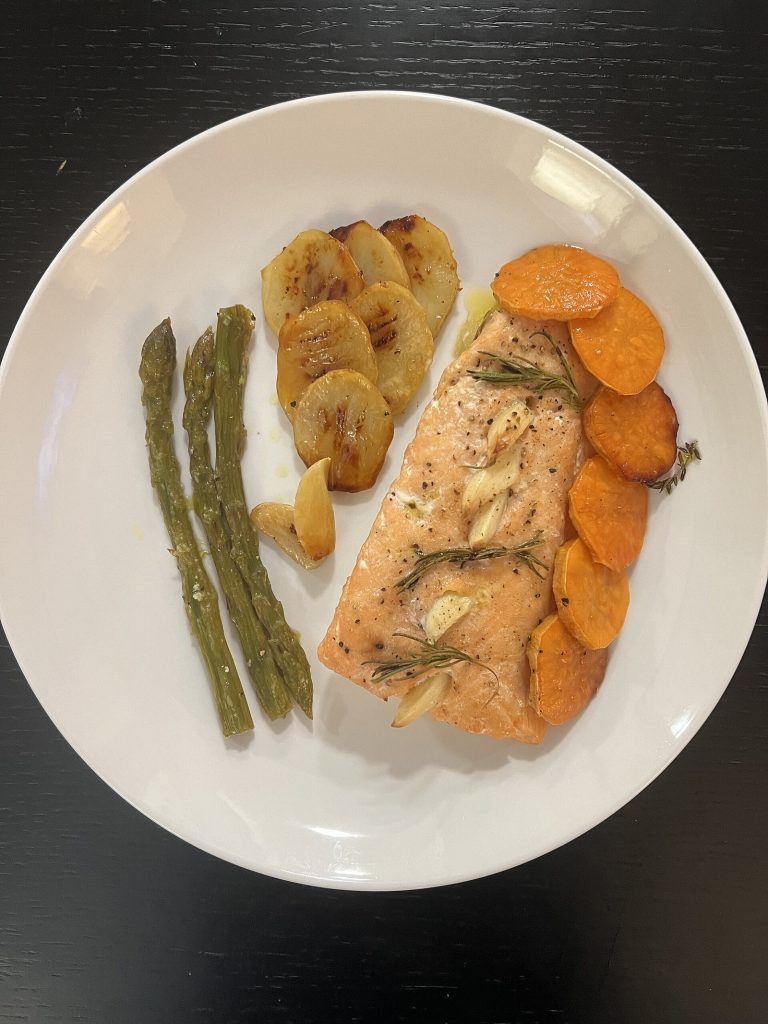
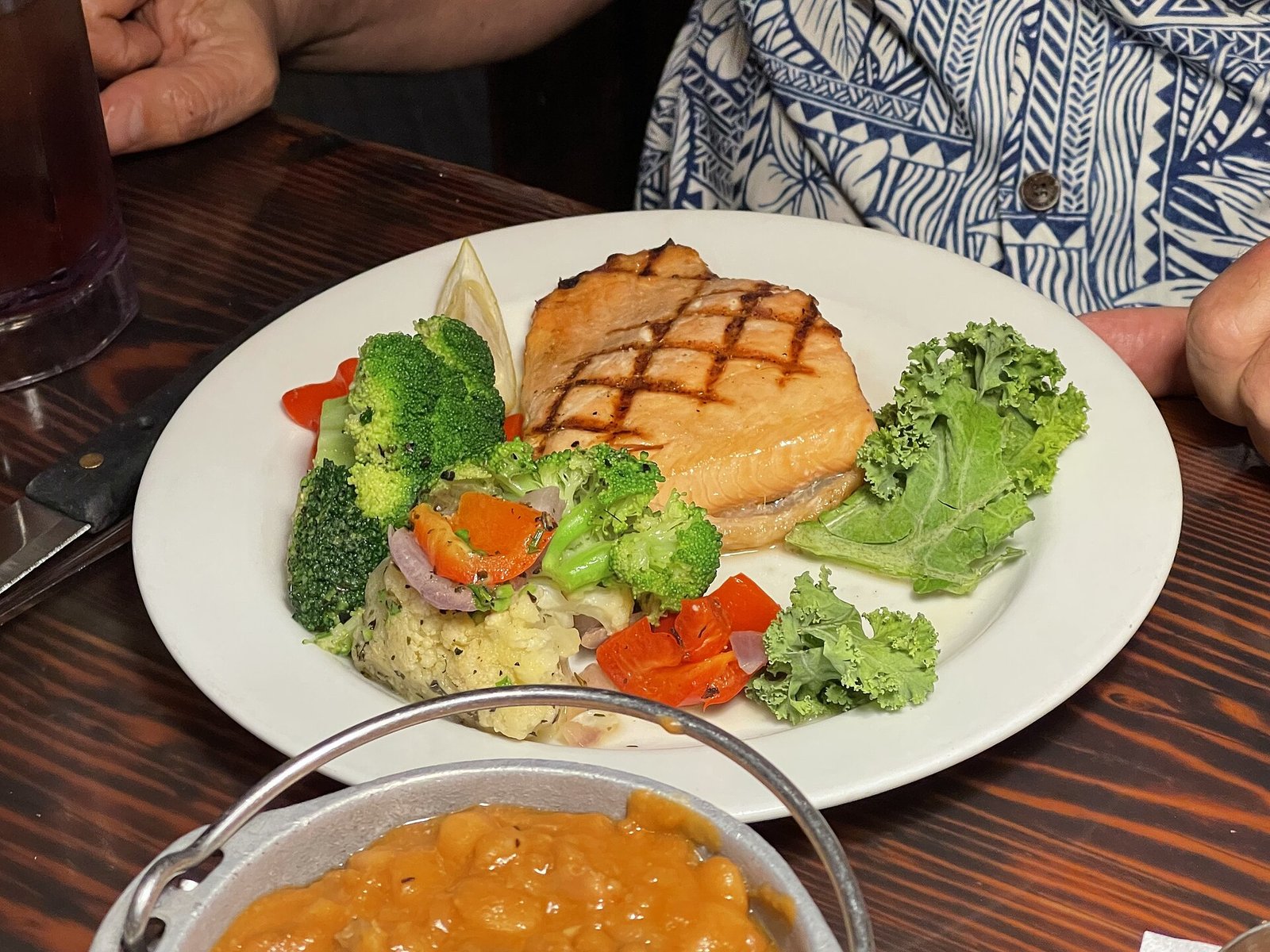
- – Dinner: baked salmon, brown rice or quinoa if tolerated, roasted vegetables.
- – Evening: herbal tea or water—not a large sweetened soda.
5. Eating-out and convenience tactics
Order grilled fish or poultry, double vegetables, sauce on the side; choose water first; skip “bottomless” sugary drinks. Prep grain-and-bean bowls on weekends so weeknights are not drive-through defaults.
6. If diabetes or blood pressure are also on the chart
Coordinate carb distribution and sodium with those plans rather than stacking conflicting “liver detox” rules—see hypertension diet guide and type 2 diabetes diet guide.
Safety, interactions, and who should ask a clinician first
- – Pregnancy, advanced fibrosis/cirrhosis concerns, or unexplained weight loss: individualized medical nutrition therapy.
- – Kidney disease or fluid limits: do not invent high-fluid rules from other conditions.
- – Diabetes medicines that can cause low blood sugar: adjust meal timing with your clinician when calories drop.
- – Supplement stacks marketed for “liver detox”: NIDDK flags that some herbals can harm the liver.
- – Seek urgent care for yellowing skin/eyes, confusion, vomiting blood, black stools, or severe abdominal pain.
FAQ
Can diet cure NAFLD by itself? Food and gradual weight loss are central supports in NIDDK guidance, but this is not a DIY cure claim. Follow your clinician’s monitoring plan.
How much weight loss matters? NIDDK cites at least 3%–5% body-weight loss to reduce liver fat, and up to 7%–10% in contexts aimed at reducing inflammation and fibrosis—individualize safely.
Is fruit banned because of sugar? NIDDK lists most fruits among lower-glycemic foods to emphasize; the sharper target is sweetened drinks and large simple-sugar loads. Whole fruit portions usually fit better than soda.
Do I need a special “fatty-liver supplement”? NIDDK advises talking with a doctor before dietary supplements or complementary practices; some herbals can damage the liver.
How is this page different from our other fatty-liver guide? Overlap is intentional with NAFLD fatty liver diet guide; this article stays tightly bound to NIDDK eating/treatment bullets and everyday plate templates.
How this differs from related OTCFood topics
This page is an NAFLD/MASLD-bound diet guide focused on gradual weight support, unsaturated-fat swaps, lower-glycemic patterns, and cutting sugar-sweet drinks. It is not an alcohol-use-disorder program, not a cirrhosis transplant diet, and not a substitute for hepatology follow-up.
Medical disclaimer
Medical disclaimer: This article is for general information only. It is not medical advice, diagnosis, or a treatment plan. Care for NAFLD/MASLD/NASH depends on fibrosis risk, alcohol use, diabetes and heart risk, medicines, and your clinician’s protocol. Talk with a clinician or registered dietitian before starting, stopping, or changing any eating plan, supplement, or medicine. Seek urgent care for jaundice, confusion, vomiting blood, or severe abdominal pain.