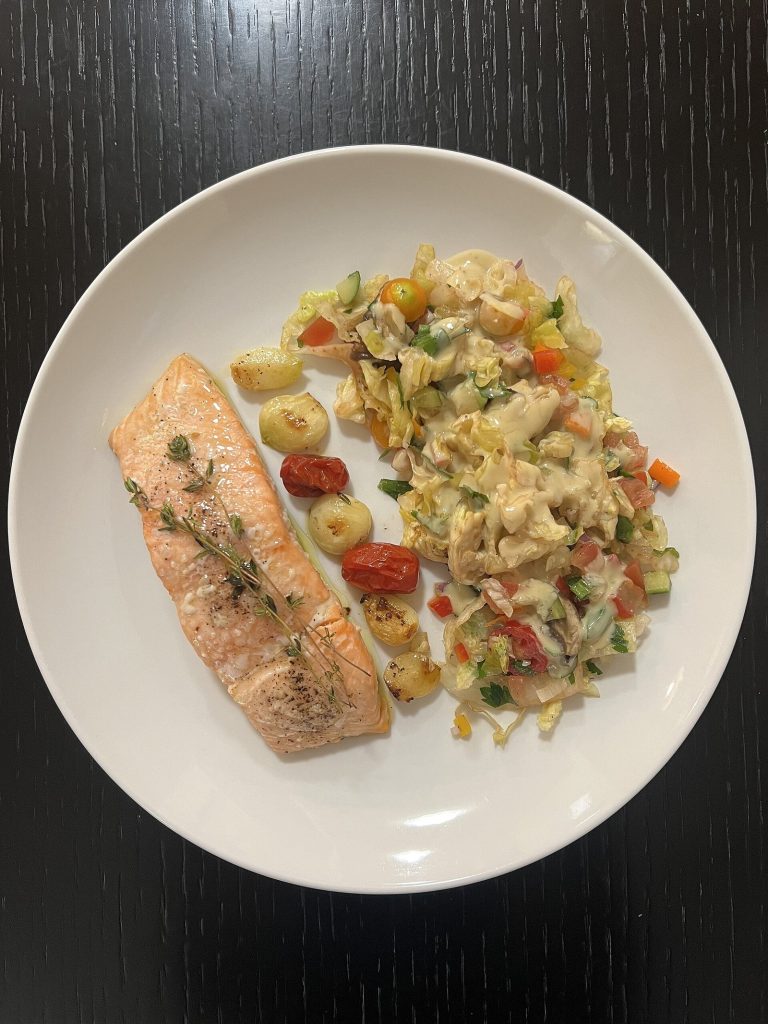
Diet After Gastric Sleeve Surgery: Foods That May Help and Foods to Limit
Medical note: This article discusses foods and researched botanicals. It does not claim to prevent, treat, or cure disease. Supplements are not a substitute for food, and studied amounts are not personal prescriptions.
People searching “diet after gastric sleeve foods that help or worsen” usually want staged textures, protein priorities, and habits that limit dumping-like discomfort while they follow a bariatric team’s plan—not a claim that kitchen tricks replace the surgery’s anatomy change or prescribed vitamin/mineral supplements. MedlinePlus describes vertical sleeve gastrectomy as removing most of the stomach so the remaining pouch is roughly banana-sized, limiting how much you can eat and helping you feel full after small amounts. NIDDK explains that sleeve surgery reduces how much food fits in the stomach and may also affect gut hormones related to appetite; after surgery, programs typically start liquids, advance to soft foods, then solids, with lifelong vitamin and mineral supplementation as directed.
What this after-gastric-sleeve diet guide covers (and what it does not)
This guide is for adults recovering from sleeve gastrectomy who want practical kitchen patterns while they follow surgeon and dietitian staging, protein targets, and supplement schedules. Anchors: MedlinePlus — Vertical sleeve gastrectomy, NIDDK — Types of weight-loss surgery, and NIDDK — Bariatric surgery overview.
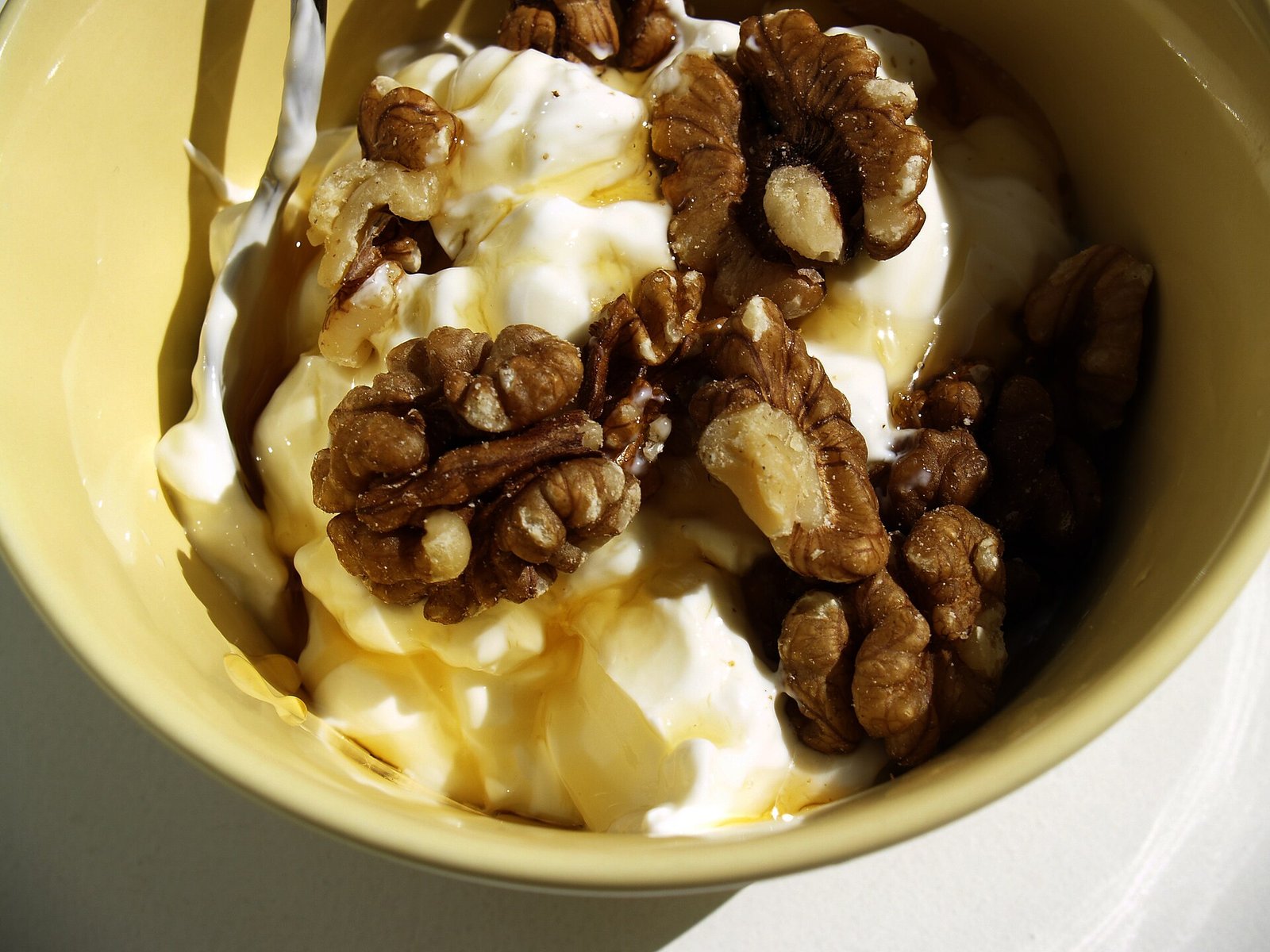
MedlinePlus notes you will likely take liquids the day after surgery, then a pureed diet by discharge, and that the small pouch fills quickly so very small portions feel filling. NIDDK states you will probably start on a liquid diet, move over weeks to soft foods such as cottage cheese, yogurt, or soup, then return to solids; you will need small meals, thorough chewing, and dietary supplements your clinician prescribes. Food does not reverse staple-line complications or replace follow-up labs. Related reading: diet after gastric bypass guide, dumping syndrome diet guide, and vitamin B12 deficiency diet guide.
Evidence snapshot: after-gastric-sleeve diet claims vs public sources
| Claim people hope for | What public sources actually say | Confidence |
|---|---|---|
| “Eating anything soft after week 1 is fine if it ‘fits’” | MedlinePlus/NIDDK emphasize staged textures and team guidelines—not self-accelerating to steak | Strong: follow your staged plan |
| “Skipping vitamins is OK because the sleeve ‘isn’t a bypass’” | NIDDK lists vitamin and iron deficiency risk with sleeve (lower than bypass for some nutrients, still real) | Strong: take prescribed supplements |
| “Sugary shakes help ‘dumping’ after sleeve” | MedlinePlus notes cramps/pain after sugary foods (dumping) as a possible issue; concentrated sweets often worsen symptoms | Strong: limit sugary loads |
| “Clear liquids forever maximize weight loss” | NIDDK describes progression through soft then solid foods with healthy habits—not indefinite starvation liquids | Strong: advance as cleared |
| “Carbonated drinks stretch the pouch back” | Teams commonly advise limiting carbonation; evidence framing varies—follow your program’s beverage rules | Moderate: program-specific |
Foods and patterns that may help after gastric sleeve day to day
“May help” means supporting hydration, protein adequacy, and texture stages your team assigned—not a promise that recipes guarantee ideal weight-loss curves.
Follow the staged texture ladder your team wrote
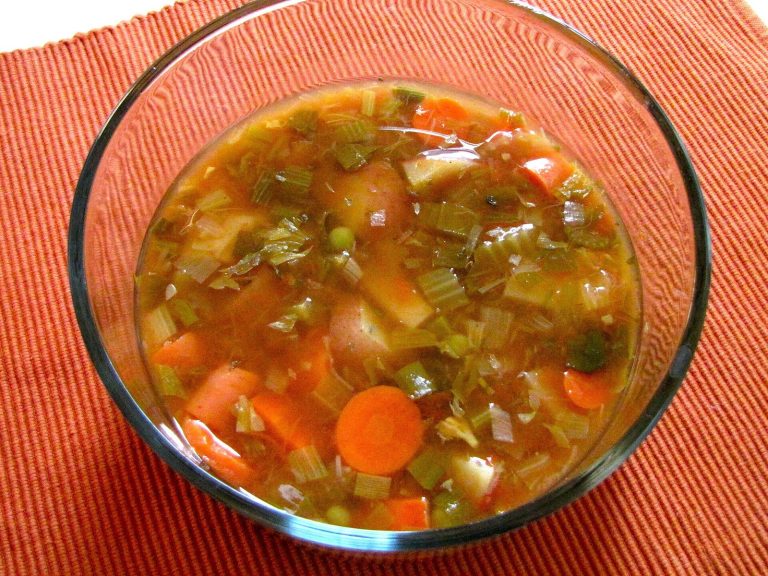
- – Liquids → pureed → soft (cottage cheese, yogurt, soups per NIDDK examples) → solids chewed thoroughly.
- – Do not invent a prolonged clear-liquid “detox” beyond instructions; do not jump to tough meats early.
Protein-forward mini-meals
- – Prioritize eggs, Greek yogurt, cottage cheese, soft fish, tender poultry, tofu, or protein supplements your dietitian approved.
- – Eat protein foods first in the small pouch volume so micronutrient-poor fillers do not crowd them out.
Slow eating and small portions
- – MedlinePlus: the pouch fills quickly; you feel full after very small amounts.
- – Put the fork down between bites; stop at comfortable fullness—vomiting from overfilling is a common early pitfall MedlinePlus warns about in related bariatric contexts.
Prescribed vitamins and minerals with food or timing your team prefers
- – NIDDK: take dietary supplements prescribed to cover vitamins and minerals; sleeve carries risk of shortages even though intestines are not bypassed the same way as Roux-en-Y.
- – B12, iron, calcium, vitamin D, and multivitamin routines are common program elements—confirm your exact brands/doses.
Fluids between meals (not always with huge gulps during bites)
- – Sip noncarbonated fluids across the day as your program advises to support hydration without displacing protein bites if that is your team’s rule.
Foods and habits that often worsen after-gastric-sleeve kitchen patterns
- – Concentrated sugars and sugary drinks that can trigger dumping-like cramps (MedlinePlus lists dumping after sugary foods among possible issues).
- – Tough, dry, doughy, or fibrous skins early (steak, untoasted bread, popcorn, raw peels) before your surgeon clears them.
- – Carbonated beverages and large gulps of air-swallowing drinks if your program restricts them.
- – Alcohol — NIDDK notes alcohol-use-disorder risk considerations after some bariatric operations; many programs restrict alcohol early and counsel carefully later.
- – Skipping protein then grazing on chips that fill the pouch with low-nutrient volume.
- – NSAID self-medication without surgeon clearance (MedlinePlus preoperative lists often flag NSAIDs—post-op ulcer risk counseling is program-specific).
- – Expecting food to fix fever, tachycardia, severe abdominal pain, or persistent vomiting — surgical red flags.
“Limit” means protecting comfort and nutrient density in a small pouch—not moralizing every birthday bite forever.
Practical kitchen protocol: an after-gastric-sleeve diet week
1. Keep the medical spine first
Confirm stage (liquid/puree/soft/solid), protein gram target, fluid goal, supplement schedule, PPI or other acid medicine if prescribed, and activity limits. Put supplements next to your toothbrush.
2. Shopping list for sleeve-recovery kitchens
Clear approved broths and protein drinks (early); Greek yogurt; cottage cheese; eggs; soft fish; tender ground poultry; well-cooked vegetables once cleared; mashed banana or unsweetened applesauce in early soft phases; later lean proteins and nonstarchy vegetables; chewable or liquid supplements per program.
3. Default plate template (soft/solid phase example)
- – Protein first (egg, fish, yogurt)
- – Soft vegetable or fruit as cleared
- – Measured complex carbohydrate only if your dietitian included it
- – Fluids sipped separately if that is your rule
4. Sample day (illustrative soft-to-early-solid phase—follow YOUR stage)
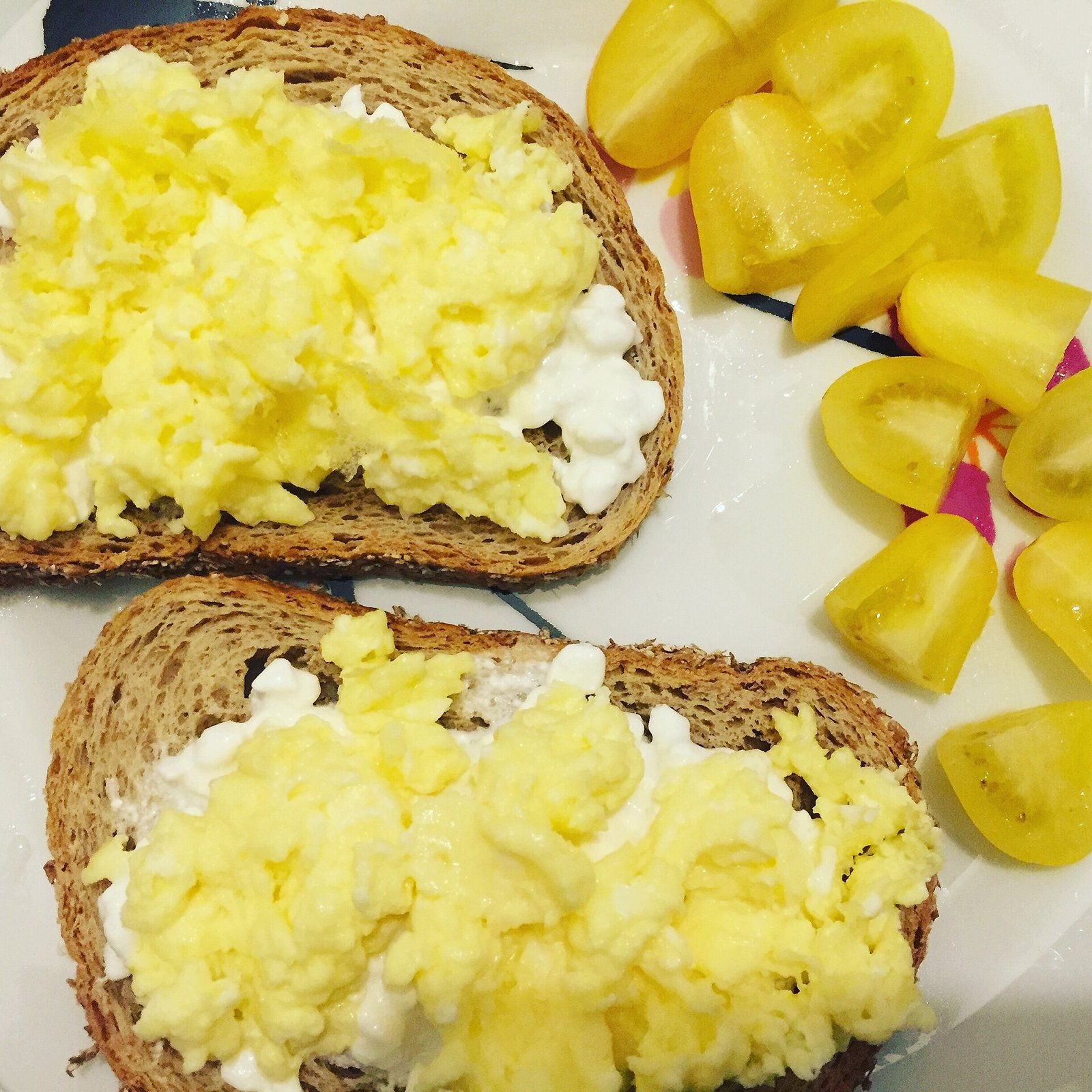
- – Breakfast: scrambled egg; few spoons Greek yogurt.
- – Mid-morning: protein shake if approved.
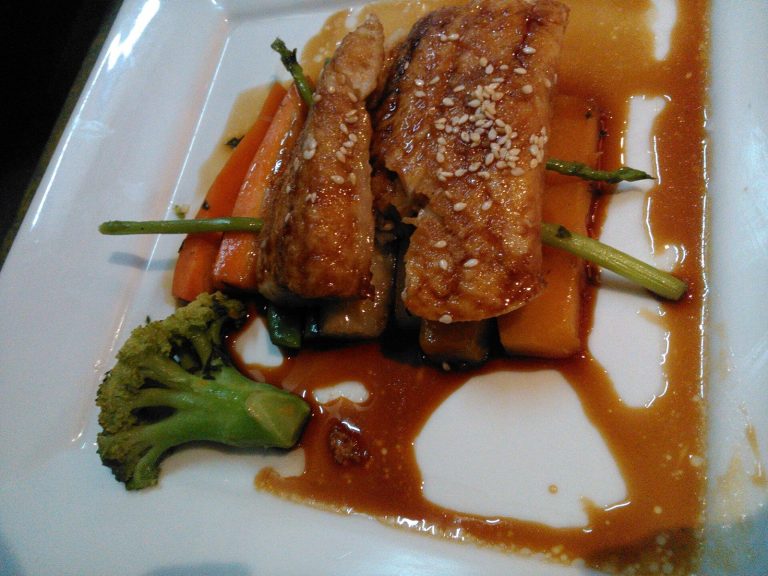
- – Lunch: soft fish flaked finely; pureed or very soft vegetables.
- – Snack: cottage cheese.
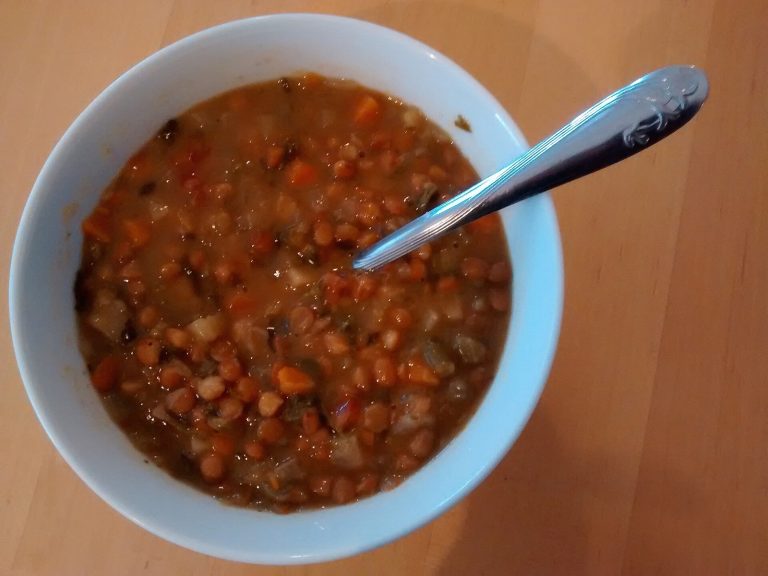
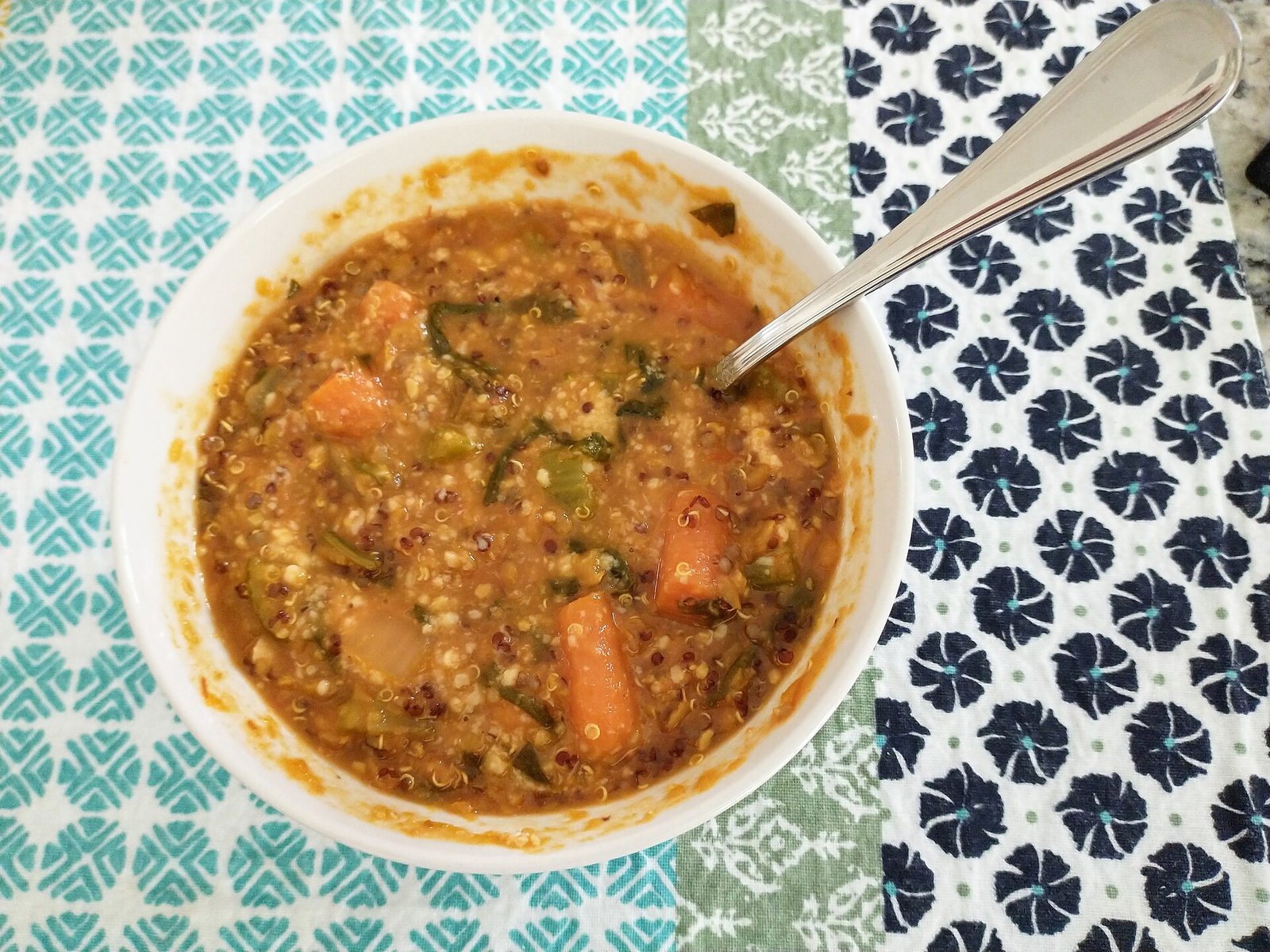
- – Dinner: tender ground turkey chili-soft texture; cooked carrots mashed.
- – Evening: scheduled supplements; no sugary dessert experiment.
5. Home setup tips
Use small plates; set a 20-minute meal timer; keep a texture-stage card on the fridge so helpers do not serve steak early.
6. If dumping-like symptoms appear
Patterns overlap dumping syndrome diet guide—smaller portions, less concentrated sugar, and team review. Bypass-specific anatomy differs; see also diet after gastric bypass guide for contrast, not DIY crossover protocols.
Safety, interactions, and who should ask a clinician first
- – Pregnancy planning after bariatric surgery needs specialized nutrition counseling.
- – Persistent vomiting, inability to keep fluids down, or black stools need urgent contact.
- – Iron and B12 shortages can sneak up—attend lab visits.
- – Gallstones and GERD symptoms can change after sleeve; report new severe reflux.
- – Medication tablet sizes may need crushing/liquid forms early—ask the pharmacist and surgeon.
FAQ
How long until I eat “normal” food after sleeve? NIDDK describes weeks of progression from liquids to soft to solids; your surgeon’s timeline wins over social media charts.
Do I still need vitamins if I eat carefully? Yes—NIDDK emphasizes prescribed supplements because volume limits and surgical changes raise deficiency risk.
Is sleeve diet the same as gastric bypass diet? Texture staging looks similar early; malabsorption risk and some long-term rules differ—use your program’s sleeve-specific handout and see diet after gastric bypass guide only for orientation.
Can I drink alcohol to “celebrate” early weight loss? Many programs forbid early alcohol; NIDDK flags alcohol-related risks in bariatric contexts—ask before any return.
What if I feel dumping after sweets? Limit concentrated sugars, slow down, and call your dietitian—see dumping syndrome diet guide.
How this differs from related OTCFood topics
This page is a sleeve-gastrectomy–bound diet guide focused on staged textures, protein-first mini-meals, and lifelong supplements. It is not a DIY banding adjuster, not a liquid-fast challenge, and not a substitute for bariatric follow-up.
Medical disclaimer
Medical disclaimer: This article is for general information only. It is not medical advice, diagnosis, or a treatment plan. Care after gastric sleeve depends on surgical details, complications, other conditions, and your bariatric team’s protocol. Talk with a clinician or registered dietitian before starting, stopping, or changing any eating plan, supplement, or medicine. Seek urgent care for severe abdominal pain, fever, ongoing vomiting, chest pain, or inability to keep fluids down.