Diet After Liver Transplant: Foods That May Help and Foods to Limit
Medical note: This article discusses foods and researched botanicals. It does not claim to prevent, treat, or cure disease. Supplements are not a substitute for food, and studied amounts are not personal prescriptions.
People searching “diet after liver transplant foods that help or worsen” usually want kitchen habits that protect the new liver, reduce foodborne infection risk on immunosuppressants, and limit salt, sugar, and alcohol—not a claim that food replaces anti-rejection medicines or transplant monitoring. NIDDK notes that after a liver transplant you will see clinicians often to check that the new liver is working. Mayo Clinic emphasizes a balanced, generally lower-salt, lower-fat, lower-sugar pattern, complete alcohol avoidance to protect the new liver, food-safety practices, and avoiding grapefruit with certain immunosuppressants.
What this after-liver-transplant diet guide covers (and what it does not)
This guide is for adults recovering after liver transplantation who want practical eating patterns while they follow immunosuppression, infection precautions, and clinic labs. Anchors: MedlinePlus — Liver transplantation, NIDDK — Liver transplant, Mayo Clinic — Liver transplant, and CDC — Food safety basics.
Mayo Clinic’s nutrition section after liver transplant commonly advises low salt, cholesterol, fat, and sugar; no alcohol in beverages or cooking; at least five servings of fruits and vegetables daily (as individualized); fiber and whole grains; low-fat dairy; lean meats/poultry/fish; food-safety habits; hydration; and avoiding grapefruit/juice because of immunosuppressant interactions. Kitchen changes do not replace reporting fever, jaundice, or severe abdominal pain. Related reading: NAFLD fatty liver diet guide and fatty liver diet basics.
Evidence snapshot: after-liver-transplant diet claims vs public sources
| Claim people hope for | What public sources actually say | Confidence |
|---|---|---|
| “Herbal liver cleanses replace clinic labs” | NIDDK/Mayo center medicines and monitoring—not unregulated cleanses | Strong |
| “A little wine is fine if the new liver ‘regenerates’” | Mayo: avoid alcohol to protect the new liver—including cooking alcohol | Strong |
| “Raw seafood is a protein upgrade after transplant” | Immunosuppression + CDC higher-risk foods (undercooked seafood/meat/eggs, sprouts, unwashed produce) raise foodborne illness concern | Strong: follow center rules |
| “Grapefruit breakfast is harmless” | Mayo: avoid grapefruit with interacting immunosuppressants | Strong |
| “High-sugar pastries do not matter because bilirubin looks better” | Mayo recommends limiting sugar; weight gain, diabetes, and lipid issues are common post-transplant concerns | Moderate–strong |
Foods and patterns that may help after liver transplant day to day
“May help” means supporting recovery nutrition and safer habits—not a promise that diet prevents rejection or recurrence of every prior liver disease.
Balanced, lower-salt, lower-sugar plates
- – Mayo: generally low in salt, fat, cholesterol, and sugar; emphasize fruits, vegetables, fiber, whole grains, lean proteins, and low-fat dairy.
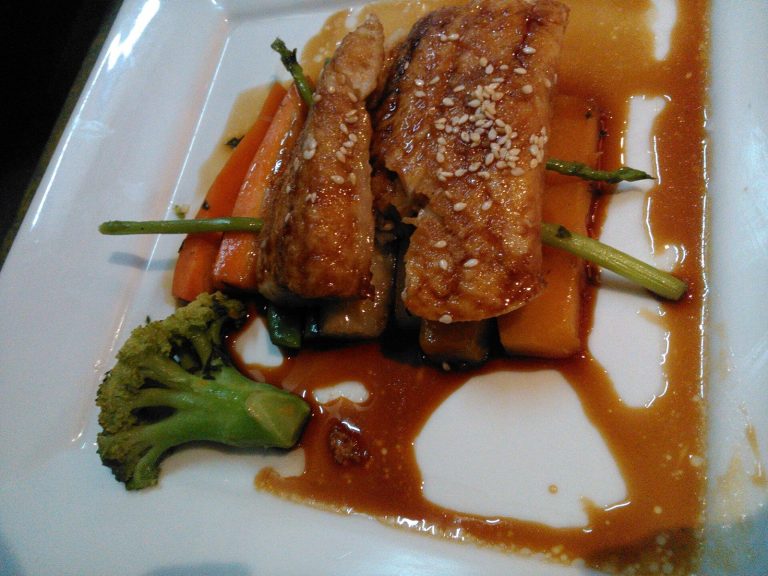
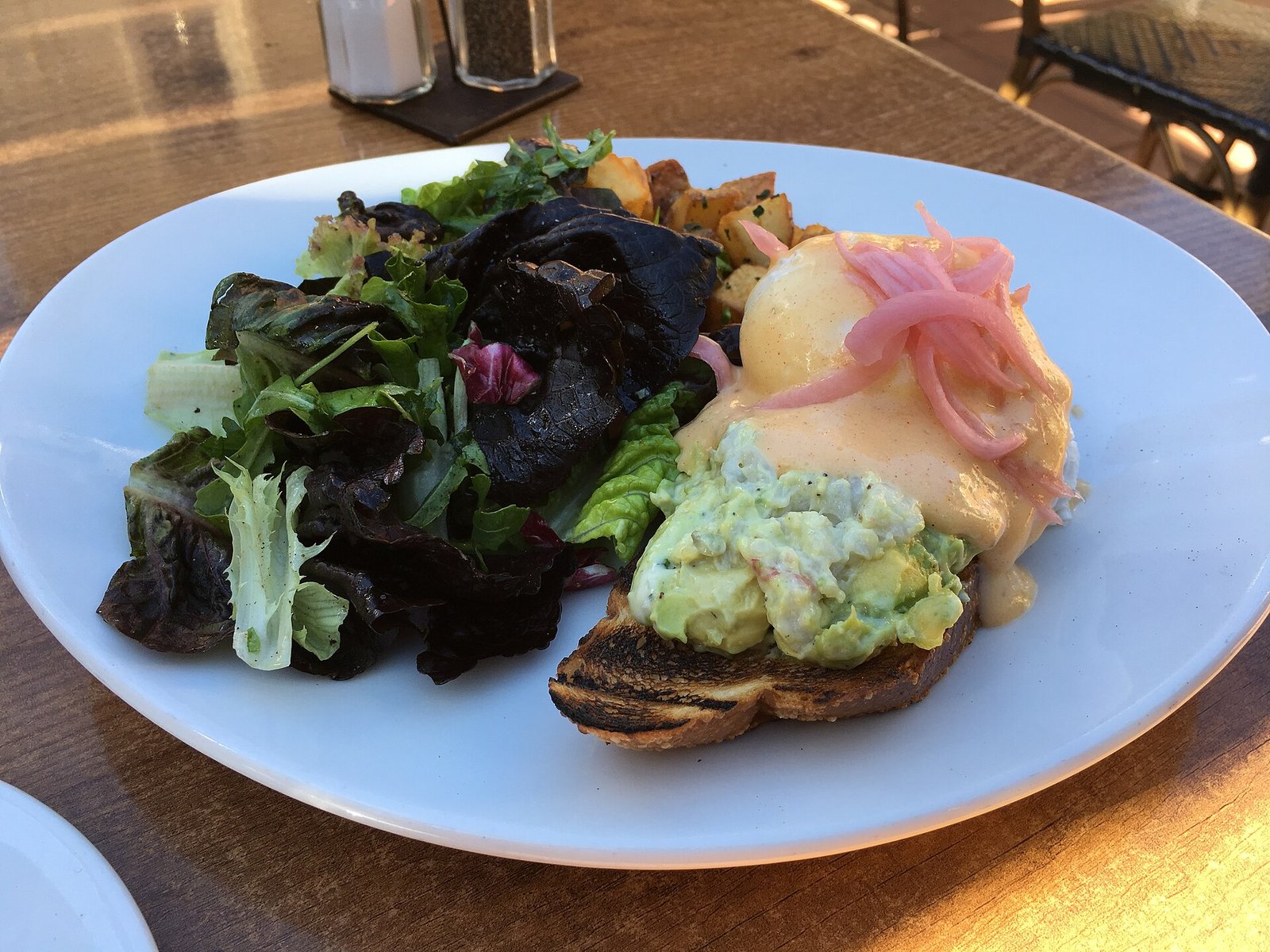
- – Build plates around cooked vegetables, fruit, beans if tolerated, fish or poultry, and measured grains rather than pastry-heavy grazing.
- – If metabolic dysfunction–associated steatotic liver disease (formerly NAFLD) was part of your history, long-term patterns overlap NAFLD fatty liver diet guide and fatty liver diet basics—still individualized to transplant medicines and glucose.
Absolute alcohol avoidance
- – Mayo Clinic: do not drink alcoholic beverages or use alcohol in cooking after liver transplant.
- – Remove cooking wines and “just a splash” recipes from the household rotation; use broth, vinegar, or citrus instead.
Food-safety discipline on immunosuppressants
- – CDC food-safety basics: cook foods properly; separate raw meats; chill promptly; wash hands and produce.
- – Many transplant centers restrict raw/undercooked animal foods, unpasteurized products, and certain deli/buffet exposures early on—follow your written list.
- – When dining out, ask for thorough cooking and avoid high-risk raw items.
Protein for healing without force-feeding grease
- – Include lean proteins across the day as appetite returns after major abdominal surgery.
- – If early satiety or bile issues persist, smaller frequent meals may be easier—ask the transplant dietitian before extreme low-fat experiments.
Rebuilding appetite after major abdominal surgery
- – Early on, smaller frequent meals may be easier than three heavy plates while the incision and digestion settle.
- – Prioritize cooked proteins and soft starches if raw salads feel hard at first, then advance produce as cleared.
- – Track weight weekly; unintended loss or rapid gain both deserve a dietitian call.
- – Keep oral nutrition supplements only if your transplant team recommended a specific product—do not self-start random herbal shakes.
Cardiometabolic kitchen habits that protect long-term outcomes
- – Mayo Clinic notes diabetes, high blood pressure, and high cholesterol can appear with antirejection medicines.
- – Build default dinners around vegetables, lean protein, and whole grains rather than fried takeout.
- – Limit sugar-sweetened beverages; flavor water with citrus (not grapefruit) if you miss sweet drinks.
- – Related metabolic themes overlap NAFLD fatty liver diet guide without claiming the graft “cures” metabolic disease.
Social drinking pressure after transplant
- – Prepare a one-line refusal for parties: your transplant team requires alcohol-free living to protect the new liver.
- – Stock appealing zero-alcohol options at home so guests are not pouring wine as the only ritual drink.
Foods and habits that often worsen after-liver-transplant kitchen patterns
- – Any alcohol, including cooking alcohol (Mayo).
- – Grapefruit/grapefruit juice with interacting medicines.
- – Undercooked meats, raw sprouts, unpasteurized juices/dairy, and long room-temperature leftovers.
- – High-sodium, high-sugar ultra-processed patterns that fight blood pressure, weight, and glucose goals.
- – Unvetted herbal hepatics marketed as “liver repair.”
- – Expecting diet alone to fix fever, rising liver tests, jaundice, or black stools.
“Limit” means protecting the graft and metabolic health—not perfection after one party tray.
Practical kitchen protocol: an after-liver-transplant diet week
1. Keep the medical spine first
Confirm immunosuppressant timing, infection prophylaxis, drain/wound care if still present, activity limits, and the transplant call line. Tell every clinician and pharmacist you take anti-rejection medicines before new prescriptions.
2. Shopping list for safer recovery
Pasteurized dairy; cook-to-temperature proteins; frozen vegetables; fruit; whole grains; olive oil in measured amounts; herbs; low-sodium broth; no alcohol; no grapefruit; food thermometer; leftover containers with dates.
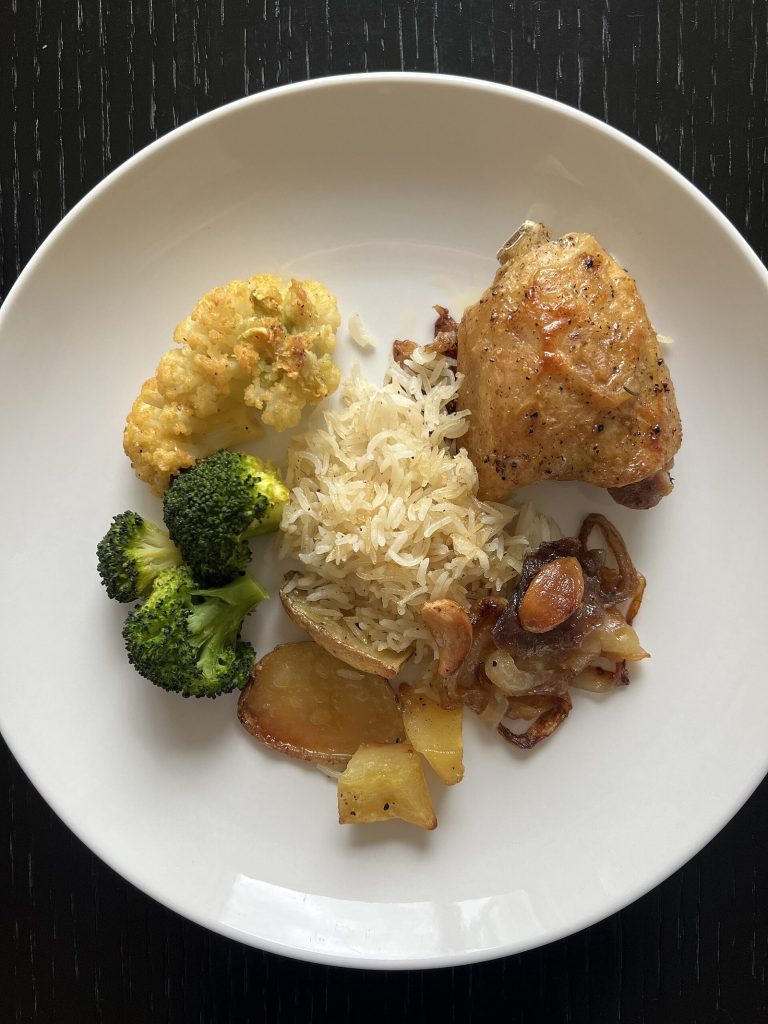
3. Default plate template
- – Lean cooked protein
- – Vegetables/fruit
- – Whole grain
- – Minimal salty/sugary sauces
4. Sample day (illustrative)
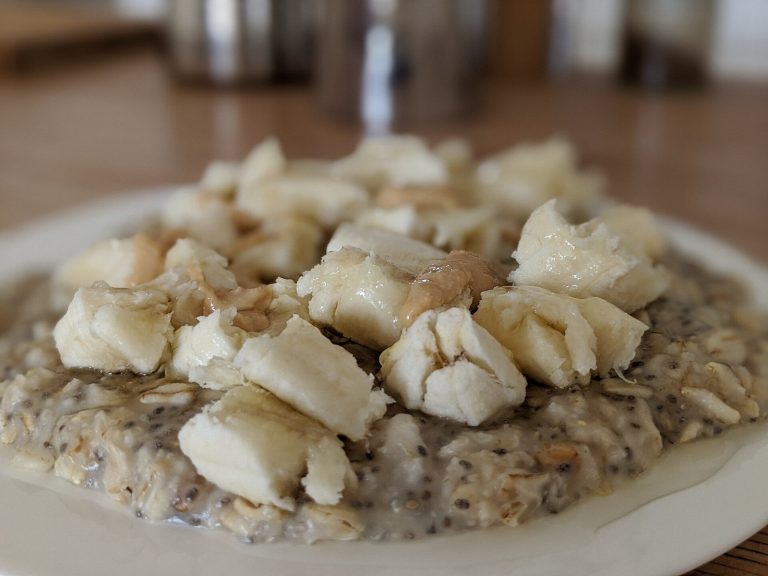
- – Breakfast: oatmeal with berries; low-fat milk if allowed; water.
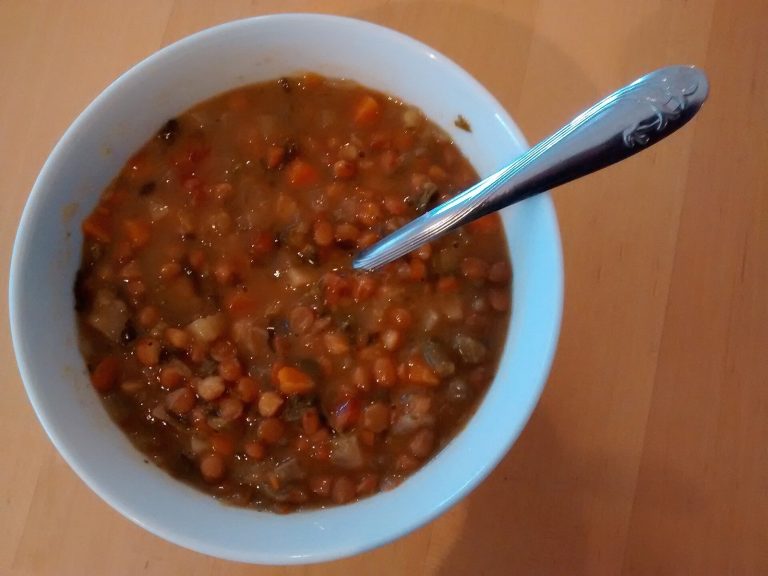
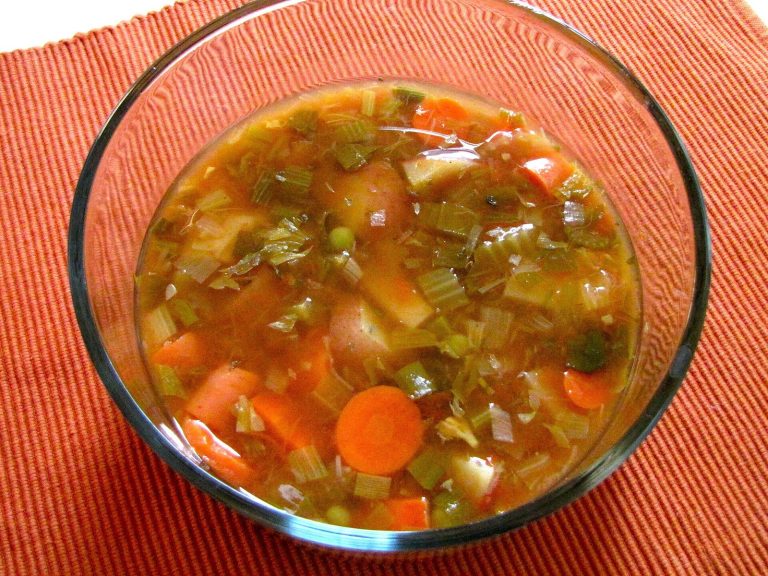
- – Lunch: turkey sandwich on whole grain with cooked-vegetable soup; fruit.
- – Snack: yogurt (pasteurized) or washed fruit.
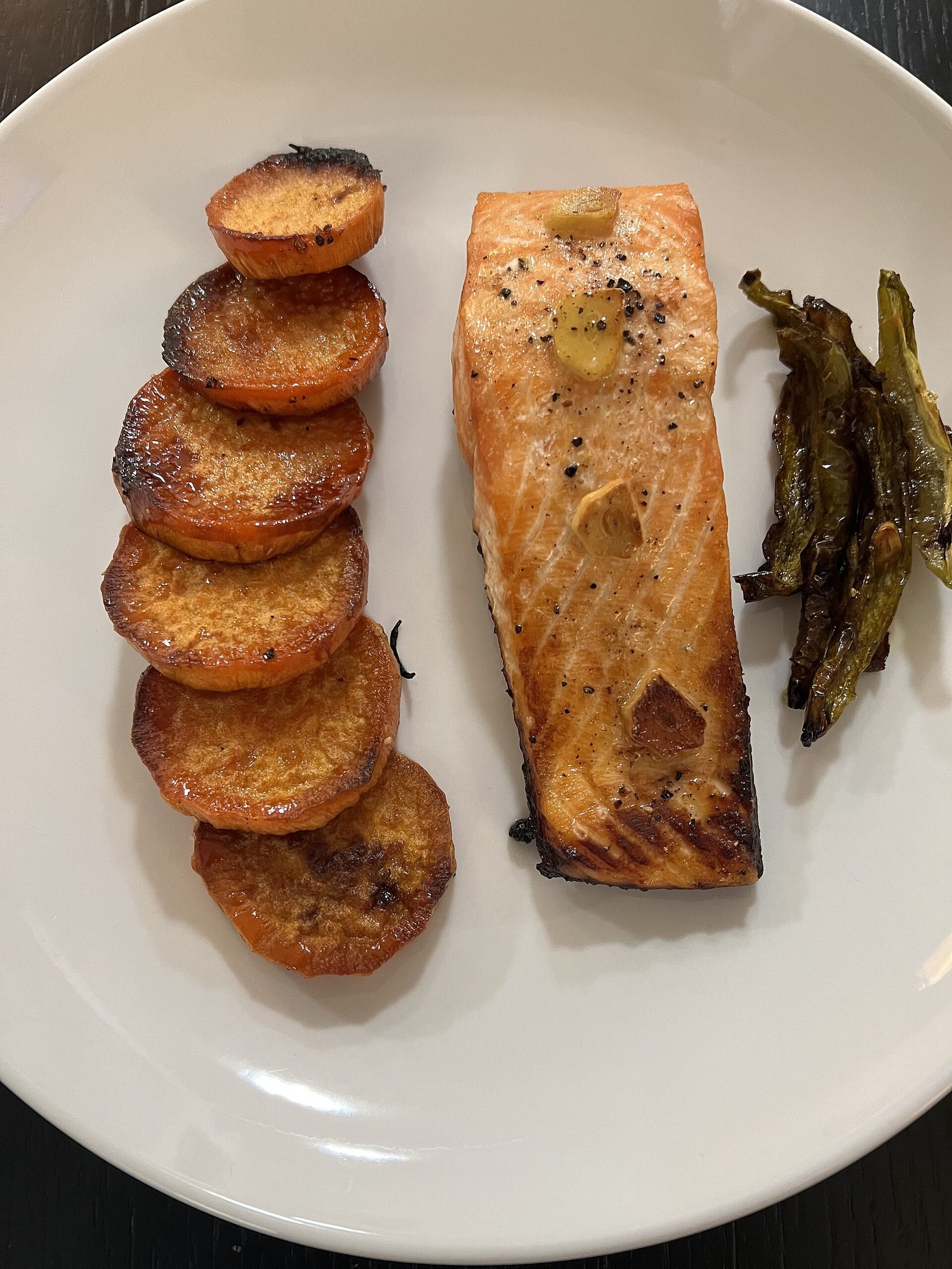
- – Dinner: baked fish, quinoa, roasted vegetables; salad greens washed well.
- – Evening: medicines on schedule; sparkling water with lime—not wine.
5. Home setup tips
Declutter alcohol from easy reach; keep a cooking thermometer; batch-cook and freeze single portions to avoid risky leftovers sitting out.
6. If bile-duct issues or diarrhea complicate eating
Coordinate texture and fat tolerance with the transplant dietitian; do not invent prolonged clear-liquid “detoxes.” Transplant infection rules and medicine schedules stay primary even when stools are loose.
Safety, interactions, and who should ask a clinician first
- – Immunosuppressants + grapefruit: avoid.
- – Steroids: glucose, bones, appetite—ask about monitoring.
- – New diabetes or high cholesterol after transplant: common enough to plan labs and diet together.
- – Acetaminophen and other OTC pain medicines: confirm safe doses with the team—liver caution still matters.
- – Seek urgent care for fever, jaundice, severe abdominal pain, vomiting blood, or confusion.
FAQ
Can I ever drink alcohol after liver transplant? Mayo Clinic advises avoiding alcohol to protect the new liver. Follow your transplant team’s lifelong guidance.
Why is food safety stricter than before surgery? Anti-rejection medicines suppress immune defenses, raising foodborne illness risk (CDC context + transplant teaching).
Are all fats forbidden? Mayo emphasizes lower fat overall; your dietitian individualizes calories if you are underweight or recovering slowly.
Is coffee allowed? Ask your center; many people continue modest coffee if tolerated, but it does not replace medical care.
How is this different from a fatty-liver diet page? See NAFLD fatty liver diet guide; transplant adds immunosuppression food safety, grapefruit rules, and alcohol avoidance as graft protection.
How this differs from related OTCFood topics
This page is a liver-transplant-bound diet guide focused on alcohol-free, food-safe, lower-salt/sugar eating after graft placement. It is not a DIY rejection protocol and not a substitute for transplant-clinic care.
Medical disclaimer
Medical disclaimer: This article is for general information only. It is not medical advice, diagnosis, or a treatment plan. Care after liver transplant depends on graft function, immunosuppression, prior liver disease, and your transplant center’s protocol. Talk with your transplant team or registered dietitian before starting, stopping, or changing any eating plan, supplement, or medicine. Seek urgent care for fever, jaundice, severe pain, or other warning signs your team listed.