Diet After ICD Implantation: Foods That May Help and Foods to Limit
Medical note: This article discusses foods and researched botanicals. It does not claim to prevent, treat, or cure disease. Supplements are not a substitute for food, and studied amounts are not personal prescriptions.
People searching “diet after ICD implantation foods that help or worsen” usually want kitchen habits that support heart-healthy patterns, wound recovery, and day-to-day energy while they follow device restrictions and cardiology follow-up—not a claim that food reprograms an implantable cardioverter-defibrillator or replaces arrhythmia medicines, device checks, or emergency care after shocks. MedlinePlus describes an ICD as a device that detects life-threatening rapid heartbeats and can deliver a shock to restore a more normal rhythm; many ICDs also include pacing functions. NHLBI explains that defibrillators can lower sudden-death risk in people with dangerous arrhythmias such as ventricular tachycardia or ventricular fibrillation, or those at high risk of sudden cardiac arrest.
What this after-ICD-implantation diet guide covers (and what it does not)
This guide is for adults recovering after ICD placement who want practical eating patterns while they follow arm-movement limits, incision care, driving rules, and medicine plans from their heart team. Anchors: MedlinePlus — Implantable cardioverter-defibrillator, NHLBI — Defibrillators, Mayo Clinic — ICDs, and NHLBI — DASH Eating Plan.
Mayo Clinic notes that the implant site may be swollen and tender for days to weeks, that aspirin and ibuprofen may raise bleeding risk after implant (follow your clinician’s pain plan), and that abrupt left-arm elevation and heavy lifting are often limited for weeks so leads can settle. Kitchen changes do not replace reporting shocks, fever, drainage, or sudden shortness of breath. Related reading: diet after pacemaker implantation guide and heart failure diet guide.
Evidence snapshot: after-ICD diet claims vs public sources
| Claim people hope for | What public sources actually say | Confidence |
|---|---|---|
| “A special diet turns the ICD off or stops all future shocks” | MedlinePlus/NHLBI/Mayo center device programming, medicines, and arrhythmia care—not culinary device control | Strong: food is supportive only |
| “High-sodium comfort food is fine because the device ‘covers’ heart risk” | Many ICD recipients also have cardiomyopathy, coronary disease, or heart failure; NHLBI heart-failure guidance emphasizes limiting salt/sodium and heart-healthy patterns | Strong for sodium awareness when HF/HTN are present |
| “DASH patterns replace anticoagulation or antiarrhythmics” | DASH is a flexible heart-healthy pattern (NHLBI); it does not replace prescribed rhythm or stroke-prevention medicines | Strong: keep medicines as directed |
| “Energy drinks ‘wake up’ a tired heart after implant” | High-stimulant drinks can worsen palpitations for some people; ask your cardiology team before using them | Moderate: individualize with clinician |
| “Skipping fluids ‘dries the incision faster’” | Hydration needs depend on heart-failure fluid limits vs ordinary recovery—follow your team’s fluid plan | Strong: do not invent fluid rules |
Foods and patterns that may help after ICD implantation day to day
“May help” means supporting heart-healthy eating, steadier energy for limited activity, and easier meal prep while the arm and incision heal—not a promise that food prevents ICD therapy.
Heart-healthy patterns aligned with DASH themes
- – NHLBI’s DASH plan emphasizes vegetables, fruits, whole grains; fat-free or low-fat dairy; fish, poultry, beans, nuts, and vegetable oils; and limiting foods high in saturated fat, full-fat dairy, and tropical oils, plus limiting sugar-sweetened beverages and sweets.
- – A common DASH sodium target example is about 2,300 mg sodium per day (your clinician may set a lower target).
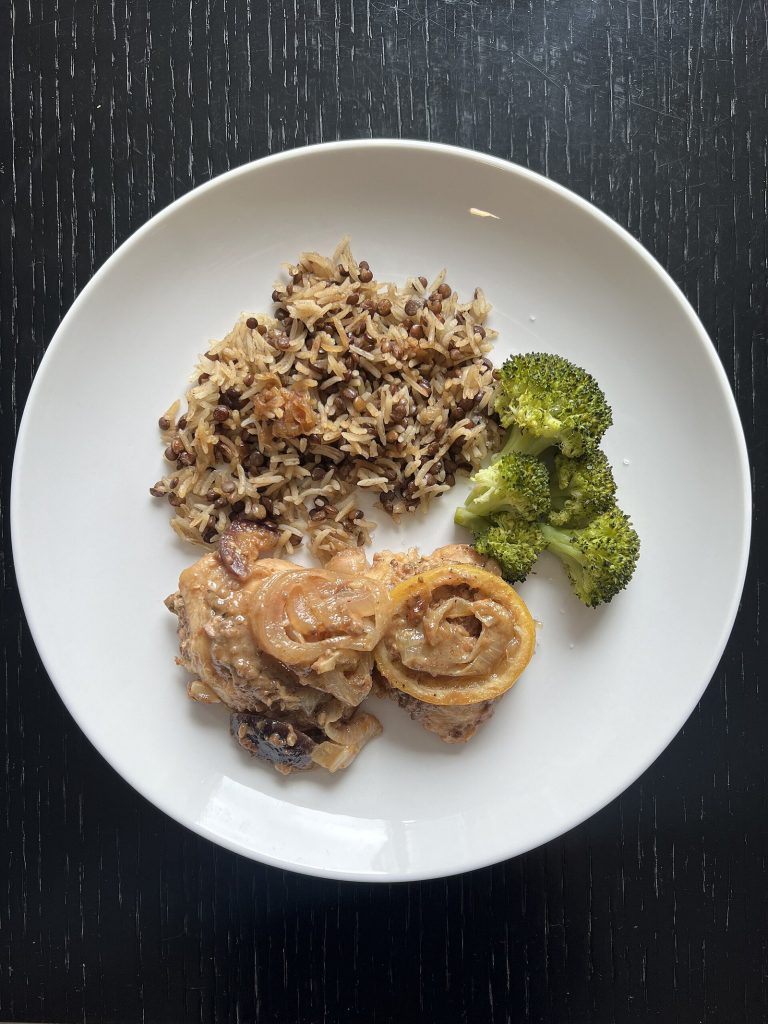
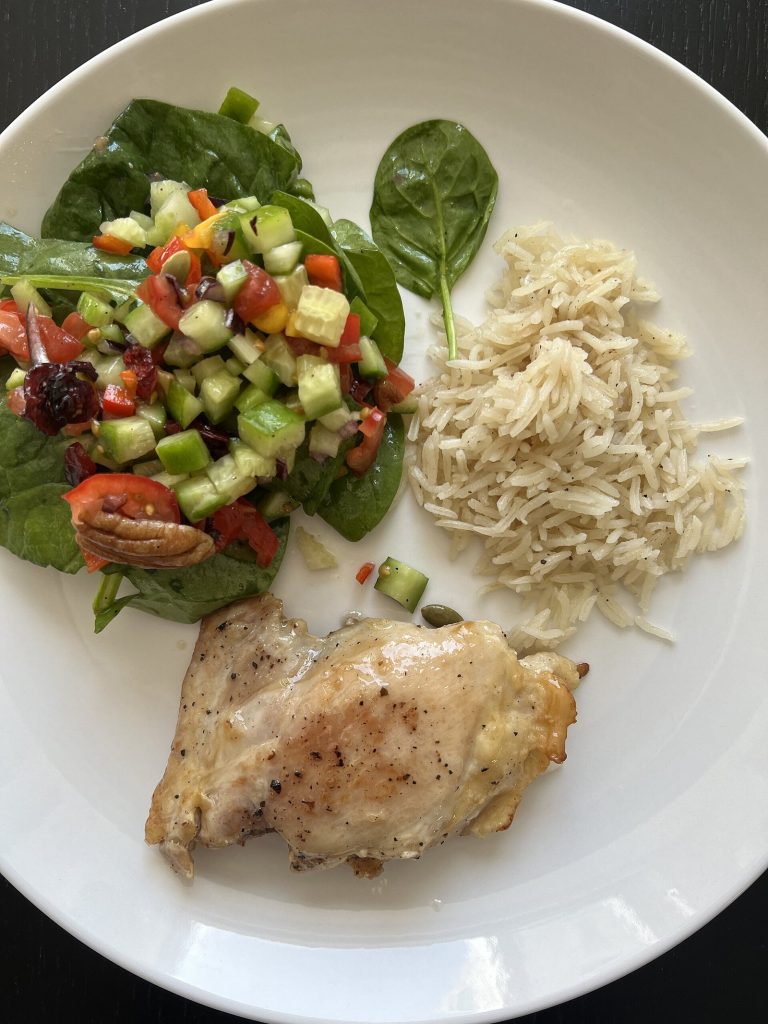
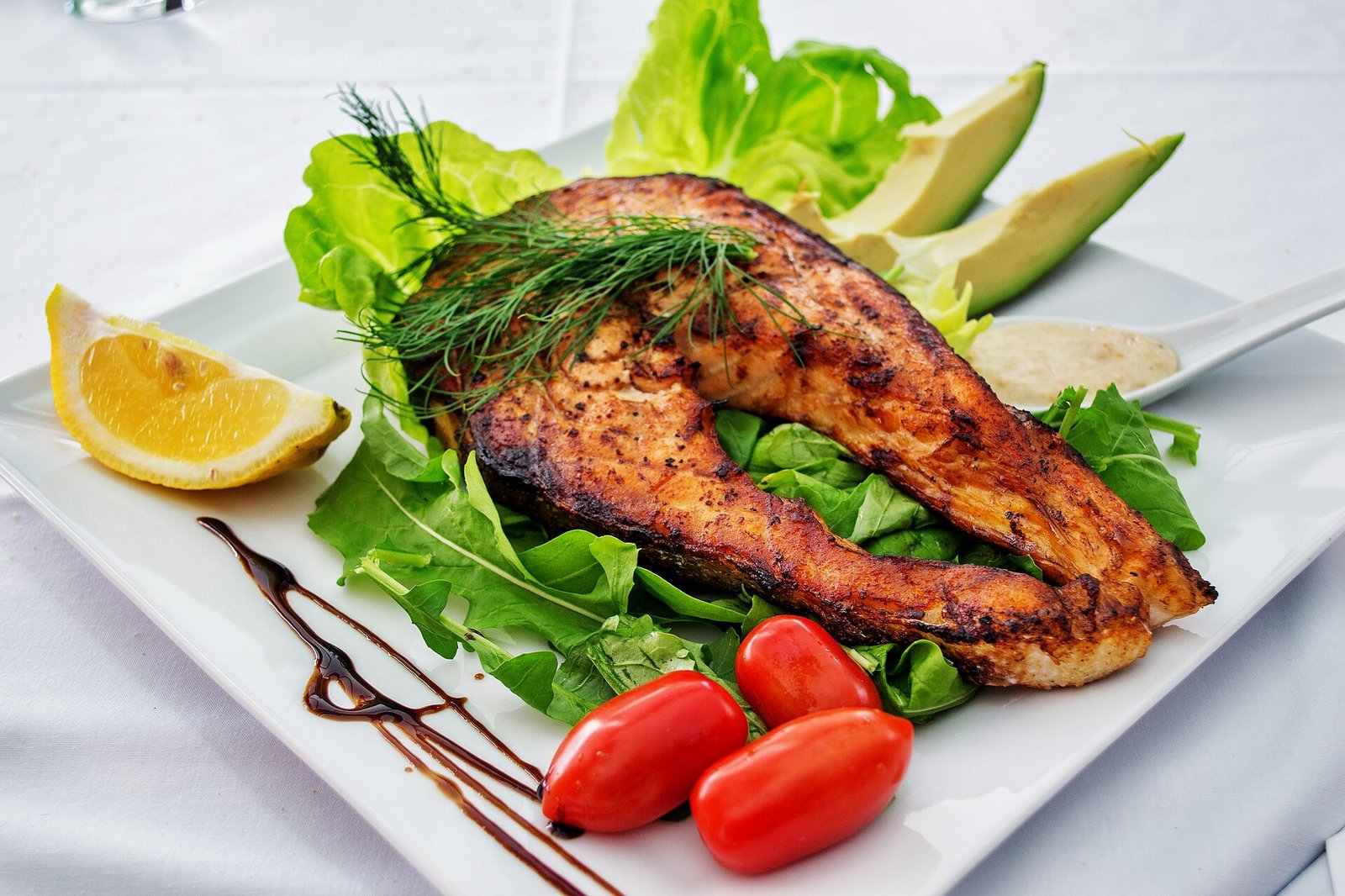
- – Practical plates: oatmeal with fruit; grilled fish with vegetables and brown rice; bean-and-vegetable soups; unsalted nuts in measured portions.
- – See also hypertension diet guide and coronary artery disease diet guide.
Soft, low-chaos meals during the first recovery weeks
- – Mayo Clinic describes tenderness at the generator site and activity limits that make heavy grocery hauling and high-reach pantry work difficult.
- – Keep ready proteins (eggs, yogurt, canned tuna packed in water if sodium-aware, pre-cooked poultry) and microwaveable vegetables within easy reach of the non-dominant arm when possible.
- – Batch-cook soups and grain bowls before surgery if your team allows, or ask helpers to portion freezer meals.
Protein and produce for recovery fueling
- – Include fish, poultry, eggs, low-fat dairy if tolerated, tofu, or beans as appetite returns—general recovery fueling akin to diet after CABG guide themes without claiming surgical equivalence.
- – Fruits and vegetables support potassium, fiber, and volume without relying only on salty packaged snacks—within any potassium or fluid limits your team set for heart failure or kidney disease.
Alcohol awareness
- – NHLBI heart-failure guidance often advises limiting or stopping alcohol; ask your cardiologist how alcohol fits your ICD indication, ejection fraction, and medicines.
- – Alcohol is not a “nerve calmer” substitute for discussing anxiety after shocks with your care team.
Foods and habits that often worsen after-ICD kitchen patterns
- – High-sodium restaurant and ultra-processed patterns that fight blood-pressure and fluid goals many ICD patients share.
- – Large stimulant loads (multiple energy drinks, huge coffee stacks) without clinician clearance if palpitations or sleep are already fragile.
- – Heavy lifting of water-cooler jugs or giant rice bags during the arm-restriction window Mayo Clinic describes.
- – Aspirin or ibuprofen “for incision pain” unless your clinician specifically allows them—Mayo notes bleeding-risk concerns after implant.
- – Grappling with kitchen magnets stuck over the generator or storing strong magnets against the device pocket—Mayo advises keeping magnets about 6 inches (15 cm) from the ICD site.
- – Expecting diet to fix fever, wound drainage, multiple shocks in a short period, fainting, or sudden severe shortness of breath—those are device/surgical red flags.
“Limit” means reducing heart-strain and recovery friction—not that one salty meal “breaks” the ICD.
Practical kitchen protocol: an after-ICD diet week
1. Keep the medical spine first
Confirm incision care, antibiotic plan if prescribed, pain medicines that are approved, arm/shoulder limits (Mayo often cites roughly eight weeks of avoiding abrupt left-arm elevation above the shoulder for traditional implants—follow your instructions), driving rules, and what to do after a shock. Put the device ID card where you can show security staff.
2. Shopping list for heart-aware, low-reach recovery
Oats; fruit; leafy greens and frozen vegetables; beans; fish or poultry; low-fat dairy or fortified alternatives; olive oil; herbs and spices instead of salt-heavy sauces; whole-grain bread; ready-to-eat unsalted nuts; oral fluids per your plan; soft foods if swallowing or appetite is off the first days.
3. Default plate template
- – Soft lean protein
- – High-fiber carbohydrate (oats, beans, potato, brown rice if tolerated)
- – Fruit/vegetables
- – Flavor with herbs, citrus, vinegar—not only soy sauce and salty packets
4. Sample day (illustrative; individualize for HF fluid/sodium limits)
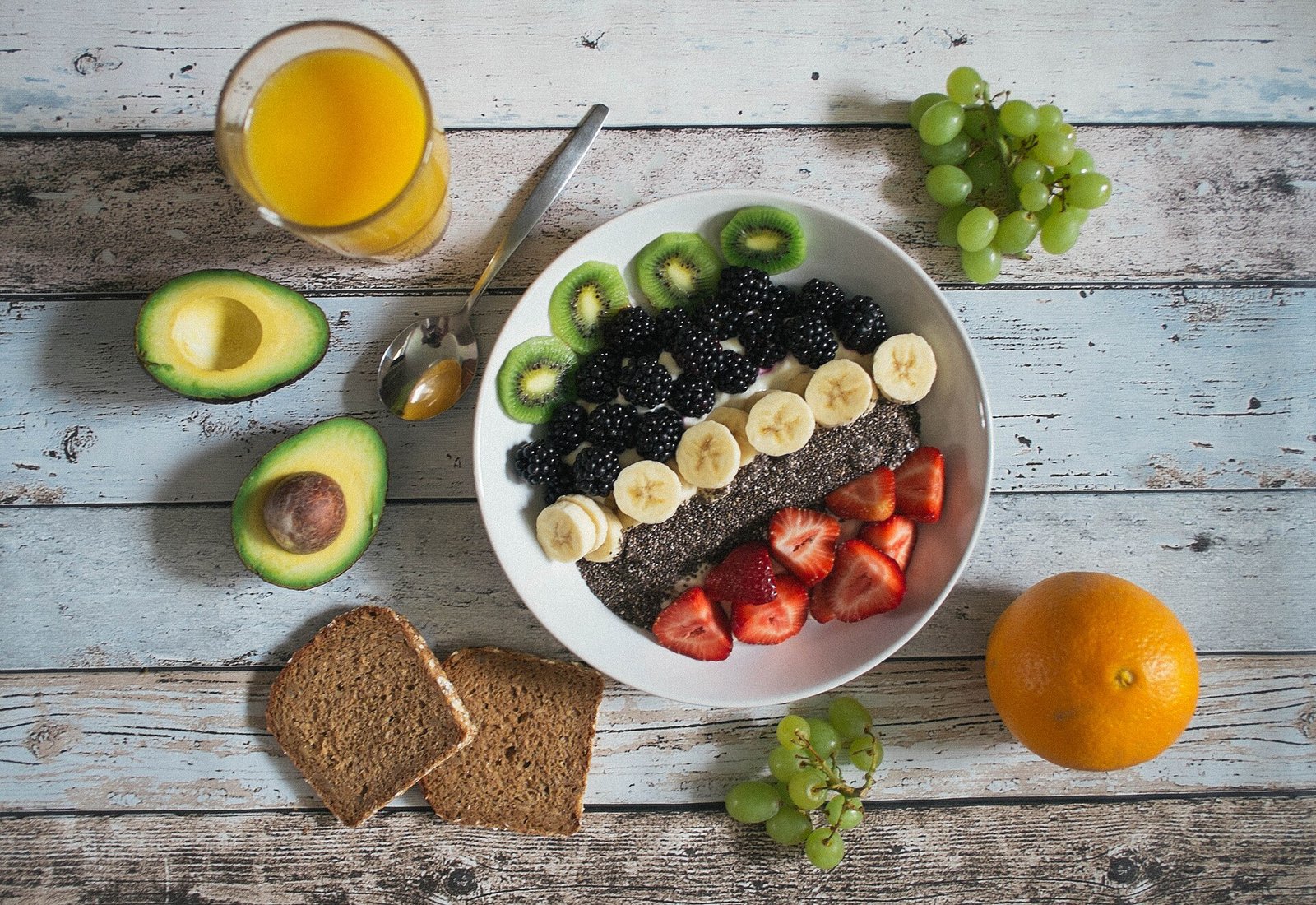
- – Breakfast: oatmeal with berries; water or approved fluid.
- – Lunch: turkey and vegetable bowl with olive oil and lemon; fruit.
- – Snack: yogurt or unsalted nuts (portioned).
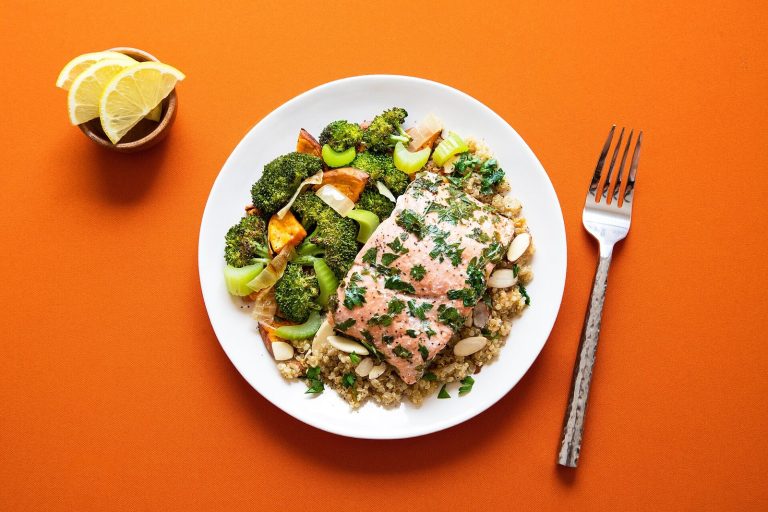
- – Dinner: baked fish, roasted vegetables, quinoa or rice; salad.
- – Evening: herbal tea if caffeine worsens sleep; review tomorrow’s medicine times—not a second energy drink.
5. Home setup tips
Move frequently used pans to counter height; ask helpers for heavy grocery runs; keep a written shock log (time, symptoms) for clinic visits; microwave and air-fryer tools reduce stove-reaching strain.
6. If heart failure or hypertension is the background problem
Long-term patterns overlap heart failure diet guide and hypertension diet guide; device rules stay with electrophysiology/cardiology.
Safety, interactions, and who should ask a clinician first
- – Heart-failure fluid restrictions: do not “force water” beyond your plan.
- – Kidney disease: sodium, potassium, and protein targets may differ—use your renal dietitian’s sheet.
- – Blood thinners or dual antiplatelet therapy after stents: watch for GI bleeding signs; ask before herbal “blood thinners.”
- – Diabetes: steroid bursts (if ever used) or appetite swings can change glucose plans.
- – Contact the heart team or emergency services for electrical storm (Mayo: three or more shocks in a short period), syncope, severe chest pain, wound infection signs, or stroke symptoms.
FAQ
Can diet stop my ICD from shocking? No. Food supports heart-healthy patterns; shocks mean the device detected a rhythm it was programmed to treat—report them.
Is a low-salt diet mandatory for every ICD patient? Not automatically, but many recipients also have hypertension, coronary disease, or heart failure where NHLBI-style sodium limits are commonly advised. Ask for your number.
Can I use the microwave and kitchen appliances? Mayo Clinic lists microwave ovens among devices with little or no risk to an ICD; follow your card’s guidance for strong magnets and industrial equipment.
How soon can I cook normally? Follow arm and lifting limits. Many people need help with heavy pots early; advance activity only as cleared.
How is this different from a pacemaker diet page? Overlap is large—see diet after pacemaker implantation guide—but ICD care adds shock counseling, sometimes different driving rules, and often a ventricular-arrhythmia or cardiomyopathy context.
How this differs from related OTCFood topics
This page is an ICD-implantation-bound diet guide focused on heart-healthy eating, sodium awareness when indicated, and kitchen logistics around pocket/lead healing. It is not a DIY arrhythmia protocol, not a cancer diet, and not a substitute for device clinic follow-up.
Medical disclaimer
Medical disclaimer: This article is for general information only. It is not medical advice, diagnosis, or a treatment plan. Care after ICD implantation depends on the indication, heart function, other conditions, and your cardiology team’s protocol. Talk with a clinician or registered dietitian before starting, stopping, or changing any eating plan, supplement, or medicine. Seek urgent care for repeated shocks, fainting, severe shortness of breath, stroke signs, or wound infection concerns.