Giant Cell Arteritis Diet: Foods That May Help and Foods to Limit
Medical note: This article discusses foods and researched botanicals. It does not claim to prevent, treat, or cure disease. Supplements are not a substitute for food, and studied amounts are not personal prescriptions.
People searching “giant cell arteritis diet foods that help or worsen” usually want kitchen habits that support bone health, protein, and steadier energy while they follow rheumatology care—not a claim that food calms artery inflammation or replaces corticosteroids when they are prescribed. MedlinePlus describes giant cell arteritis (GCA), also called temporal arteritis, as inflammation and damage of medium-to-large arteries that supply the head, neck, upper body, and arms. NIAMS notes that GCA almost always occurs in people older than age 50 and often overlaps with polymyalgia rheumatica. Vision changes are a medical emergency, not a smoothie problem.
What this giant cell arteritis diet guide covers (and what it does not)
This guide is for adults living with GCA who want practical eating patterns while they follow steroid tapering, bone-protection plans, and specialist follow-up. Anchors: NIAMS — Polymyalgia rheumatica and giant cell arteritis, MedlinePlus — Giant cell arteritis, ODS — Calcium, and ODS — Vitamin D.
MedlinePlus explains that when GCA is suspected, corticosteroids such as prednisone are often started promptly—sometimes even before biopsy—because delayed care risks permanent vision loss. NIAMS likewise centers corticosteroids as a mainstay of treatment. Kitchen changes do not replace those medicines, aspirin when prescribed, or urgent evaluation for new visual symptoms. Related inflammatory and bone-aware frames: polymyalgia rheumatica diet guide and osteoporosis diet guide.
Evidence snapshot: giant cell arteritis diet claims vs public sources
| Claim people hope for | What public sources actually say | Confidence |
|---|---|---|
| “An anti-inflammatory kitchen diet replaces prednisone for GCA” | MedlinePlus/NIAMS: corticosteroids are primary medical therapy when GCA is suspected or confirmed | Strong: food is supportive only |
| “Food can reverse artery narrowing and protect vision alone” | NIAMS: visual symptoms need immediate medical care because delayed treatment risks permanent vision loss | Strong: vision care is medical |
| “Calcium and vitamin D foods fully cancel steroid bone risk” | MedlinePlus/NIAMS advise calcium, vitamin D, weight-bearing activity, and clinician-directed bone plans during long steroid courses—not DIY megadoses as a cure | Moderate for food-first bone support under clinician guidance |
| “Skipping carbs or ‘detox juices’ lowers artery inflammation faster” | Public patient pages emphasize balanced eating to limit steroid-related weight gain, diabetes risk, and high blood pressure—not detox protocols | Strong: extreme diets often backfire |
| “Herbal artery cleanses are safer than rheumatology medicines” | No NIH patient page positions unregulated herbs as GCA disease control | Strong: disclose supplements to your clinician |
Foods and patterns that may help with giant cell arteritis day to day
“May help” means supporting bone nutrients during long steroid courses, adequate protein and calories, and steadier blood-pressure– and glucose-aware plates—not a promise that food remakes inflamed arteries.
Calcium- and vitamin D–aware plates during steroid therapy
- – MedlinePlus lists bone protection steps during long corticosteroid treatment: avoid smoking and excess alcohol, take extra calcium and vitamin D based on your provider’s advice, pursue weight-bearing activity when cleared, and follow bone-density testing or prescribed bone medicines when indicated.
- – NIAMS similarly advises enough calcium and vitamin D plus walking-style weight-bearing exercise to protect bones.
- – ODS frames food sources of calcium (dairy, fortified plant milks, canned fish with bones, tofu set with calcium, leafy greens) and vitamin D (fortified milk/cereals, fatty fish, limited sun exposure context). Use food-first habits unless your clinician has prescribed specific doses—see calcium deficiency diet guide and vitamin D deficiency diet guide.
Protein for muscle and everyday energy
- – Steroid courses and reduced activity can challenge muscle mass. Build meals around eggs, dairy if tolerated, fish, poultry, lean meat, beans, lentils, and tofu in portions that fit your overall plan—similar protein-aware habits discussed in sarcopenia diet guide as general kitchen context, not as vasculitis therapy.
- – Soft, easy proteins help when appetite dips early in treatment.
Balanced plates to limit steroid-related metabolic strain
- – NIAMS notes that a healthy balanced diet plus regular activity may help avoid weight gain and lower diabetes and high blood pressure risk while on corticosteroids.
- – Emphasize vegetables, fruit, whole grains, and unsaturated fats; keep added sugars and ultra-salty restaurant meals modest—patterns that echo general hypertension diet guide and type 2 diabetes diet guide kitchen frames without claiming they treat GCA.
Practical hydration and regular meals
- – Steady meals limit the “skip then overeat” cycle that can worsen glucose swings on steroids.
- – Keep alcohol modest; MedlinePlus specifically advises avoiding excess alcohol for bone protection during steroid therapy.
Foods and habits that often worsen giant cell arteritis kitchen patterns
- – Stopping or self-tapering corticosteroids because a “natural diet” feels better—MedlinePlus notes medicine courses often last 1 to 2 years with slow tapering under clinicians.
- – Unprescribed high-dose herbal “immune modulators,” artery cleanses, or bleeding-risk supplements taken without telling rheumatology—especially relevant if aspirin or other medicines are prescribed.
- – Very low calcium / very low protein patterns while on long steroids.
- – Heavy alcohol and smoking, which undermine bone and heart health (NIAMS/MedlinePlus).
- – Expecting kitchen changes to fix new vision loss, double vision, severe headache, jaw claudication, or scalp tenderness—those are medical red flags.
- – Crash detoxes or extreme fasting that worsen fatigue and steroid side-effect management.
“Limit” means reducing habits that undermine bone support and metabolic steadiness—not that one restaurant meal defines rheumatology success.
Practical kitchen protocol: a giant cell arteritis diet week
1. Keep the medical spine first
Confirm steroid dosing/taper, aspirin if prescribed, eye-symptom emergency plan, bone-density and bisphosphonate plans when indicated, blood-pressure and glucose monitoring, and infection precautions. Put prescribed medicines where you will not miss doses.
2. Shopping list for bone- and protein-aware kitchens
Milk or fortified alternatives; yogurt or cheese; canned salmon/sardines with bones if liked; eggs; tofu; beans; leafy greens; fortified cereals; fatty fish; oranges or other produce; whole-grain breads; olive oil; nuts in portions that fit your plan.
3. Default plate template
- – Roughly a quarter lean protein
- – A quarter whole-grain or starchy vegetables
- – Half non-starchy vegetables and fruit
- – Include a calcium-containing food most days unless contraindicated
4. Sample day (illustrative)
- – Breakfast: fortified cereal or eggs with toast; yogurt; water or fortified milk.
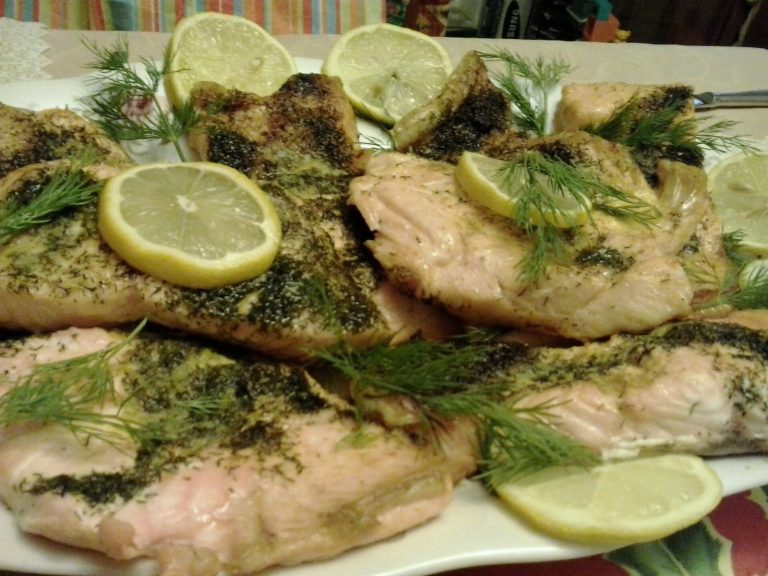
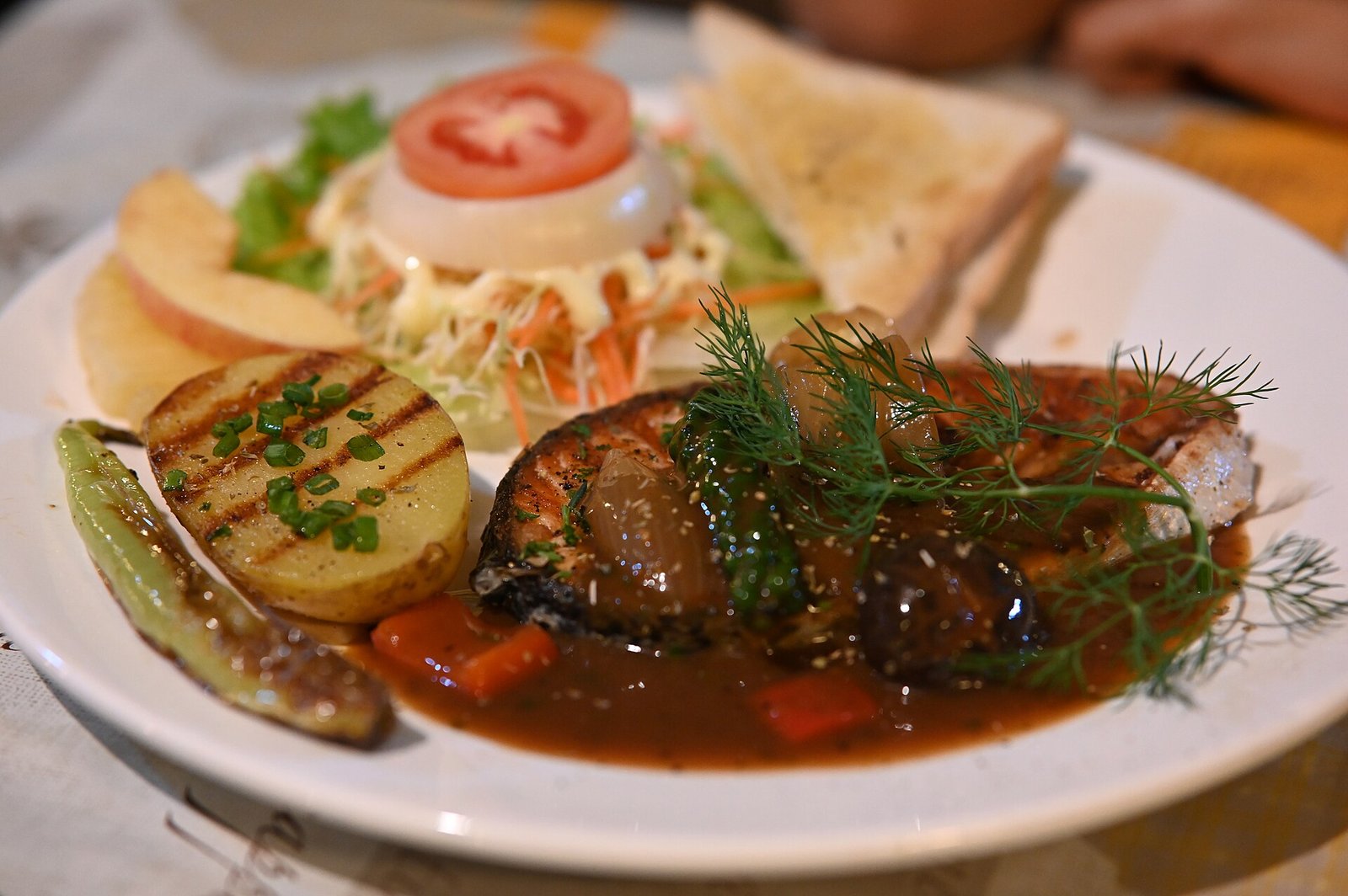
- – Lunch: salmon or bean salad with leafy greens; fruit.
- – Snack: cheese and an apple, or tofu snack.
- – Dinner: poultry or lentils, potato or rice, cooked greens; milk or alternative.
- – Evening: calcium-containing snack if it fits your plan—per clinician guidance.
5. Home setup tips
Keep easy proteins and calcium foods at eye level; ask helpers to carry heavy grocery bags if steroids or polymyalgia stiffness limit lifting; batch-cook soups early in the week.
6. If polymyalgia rheumatica overlaps
Stiffness and morning ache may limit cooking—see polymyalgia rheumatica diet guide for related kitchen pacing. Food still does not replace rheumatology dosing.
Safety, interactions, and who should ask a clinician first
- – Diabetes, kidney disease, or kidney stones: do not self-escalate calcium supplements.
- – Blood thinners or aspirin therapy: keep vitamin K and supplement changes coordinated with your clinician.
- – Osteoporosis medicines: follow timing rules (for example, with some oral bisphosphonates) separately from food guidance.
- – Stop or change supplements only with clinician input during active GCA therapy.
- – Seek urgent care for new vision changes, sudden severe headache, stroke-like symptoms, chest pain, or uncontrolled fever—not a new juice cleanse.
FAQ
Can diet replace corticosteroids for giant cell arteritis? No. MedlinePlus and NIAMS place corticosteroids at the center of GCA care because delayed treatment risks permanent vision loss. Food supports bone and metabolic health around that therapy.
Why do patient pages talk so much about calcium and vitamin D? Long steroid courses can thin bones. MedlinePlus and NIAMS advise calcium, vitamin D, activity, and clinician-directed bone plans—not DIY megadoses as a cure.
Do I need a special “vasculitis diet” brand? No NIH GCA page requires a branded vasculitis meal kit. A balanced, calcium-aware, protein-aware pattern under your clinician’s advice is the practical kitchen frame.
Is vision loss from GCA something food can reverse? No. NIAMS stresses immediate medical care for visual symptoms. Diet does not reopen critically inflamed eye arteries on a kitchen timeline.
How is this different from a general osteoporosis diet? Bone nutrients overlap—see osteoporosis diet guide—but GCA adds urgent vascular/vision rules and steroid-management priorities your rheumatology team owns.
How this differs from related OTCFood topics
This page is a giant-cell-arteritis-bound diet guide focused on steroid-era bone support, balanced metabolic plates, and clear medical red flags. It is not a headache-only lifestyle program, not a polymyalgia cure protocol, and not a substitute for rheumatology or ophthalmology care.
Medical disclaimer
Medical disclaimer: This article is for general information only. It is not medical advice, diagnosis, or a treatment plan. Care for giant cell arteritis depends on disease activity, steroid dosing, other medical conditions, and your specialists’ protocols. Talk with a clinician or registered dietitian before starting, stopping, or changing any eating plan, supplement, or medicine. Seek urgent care for vision changes, stroke-like symptoms, severe headache, or other emergency warning signs.