Diet After Prostatectomy: Foods That May Help and Foods to Limit
Medical note: This article discusses foods and researched botanicals. It does not claim to prevent, treat, or cure disease. Supplements are not a substitute for food, and studied amounts are not personal prescriptions.
People searching “diet after prostatectomy foods that help or worsen” usually want kitchen habits that support hydration, bowel comfort without straining, and steady energy while they follow a surgeon’s catheter and lifting plan—not a claim that food rebuilds the prostate, restores continence on a schedule you choose, or replaces prescribed medicines, wound care, or pelvic-floor exercises. MedlinePlus describes radical prostatectomy as surgery to remove all of the prostate gland and some tissue around it, most often for localized prostate cancer. A urine catheter is commonly left in place for days to a few weeks; recovery fatigue often lasts several weeks.
What this after-prostatectomy diet guide covers (and what it does not)
This guide is for adults recovering from open, laparoscopic, or robotic radical prostatectomy who want practical eating patterns while they follow catheter care, lifting limits, and follow-up visits. Anchors: MedlinePlus — Radical prostatectomy, MedlinePlus — Radical prostatectomy discharge, and MedlinePlus — Kegel exercises.
MedlinePlus discharge guidance notes you may be tired for 3 to 4 weeks after going home, may have abdominal or perineal discomfort for 2 to 3 weeks, and typically go home with a catheter removed after about 1 to 3 weeks. Do not lift anything heavier than a 1-gallon (about 4 liters) milk jug for the first 6 weeks unless your surgeon gives different limits. After catheter removal, temporary urine leakage is common and often improves over months with Kegel exercises taught by your care team. Kitchen changes do not replace catheter hygiene, clot-risk education, or continence physiotherapy. This page is not an oncology protocol and does not claim food cures prostate cancer—see also diet after hernia repair guide and diet after hysterectomy guide for other post-surgery fueling frames.
Evidence snapshot: after-prostatectomy diet claims vs public sources
| Claim people hope for | What public sources actually say | Confidence |
|---|---|---|
| “A special diet restores continence faster than Kegels and time” | MedlinePlus centers catheter care, Kegel exercises, and gradual recovery timelines—not culinary continence cures | Strong: food is supportive only |
| “Skipping fluids ‘rests’ the bladder after catheter removal” | Discharge guidance: drink at least 8 glasses of water a day; hydration supports urine flow and constipation prevention | Strong: under-drinking often backfires |
| “Zero fiber prevents catheter problems” | MedlinePlus: eat a lot of fruits and vegetables and take stool softeners to prevent constipation; do not strain during bowel movements | Strong: straining is the concern |
| “Protein shakes replace lifting restrictions” | Discharge pages emphasize lifting ceilings and rest; protein is a general healing-support habit, not a license to overdo grocery bags | Strong: activity rules come first |
| “Food reverses erection changes after surgery” | MedlinePlus: sexual-function changes may improve over many months and need clinician discussion; diet is not erectile therapy | Strong: ask your provider |
Foods and patterns that may help after prostatectomy day to day
“May help” means supporting hydration, limiting constipation strain on the pelvis and anastomosis area, and easier shopping when energy is low—not a promise that food shortens catheter days or scar remodeling.
Fluids first while the catheter is in (and after)
- – MedlinePlus radical-prostatectomy discharge self-care explicitly suggests drinking at least 8 glasses of water a day.
- – Steady daytime fluids help keep urine flowing through the catheter system; contact your surgeon if the bag has not drained for an hour.
- – Limit large evening boluses if nighttime bathroom trips are exhausting—spread intake earlier when your clinician agrees.
Fruits, vegetables, and stool-softener plans to limit straining
- – Discharge guidance pairs “a lot of fruits and vegetables” with stool softeners to prevent constipation and warns not to strain during bowel movements—important after pelvic surgery and while on pain medicines.
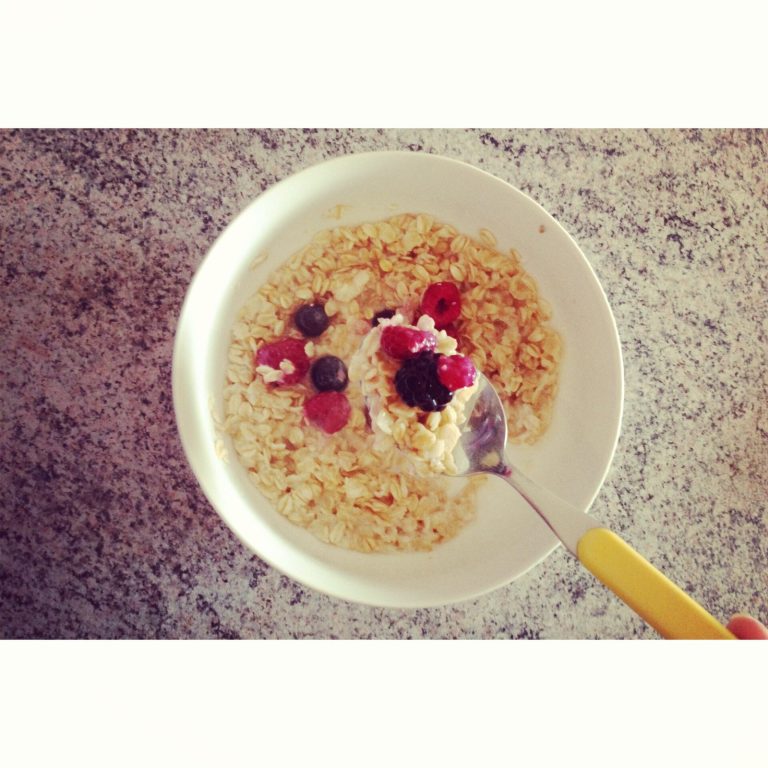
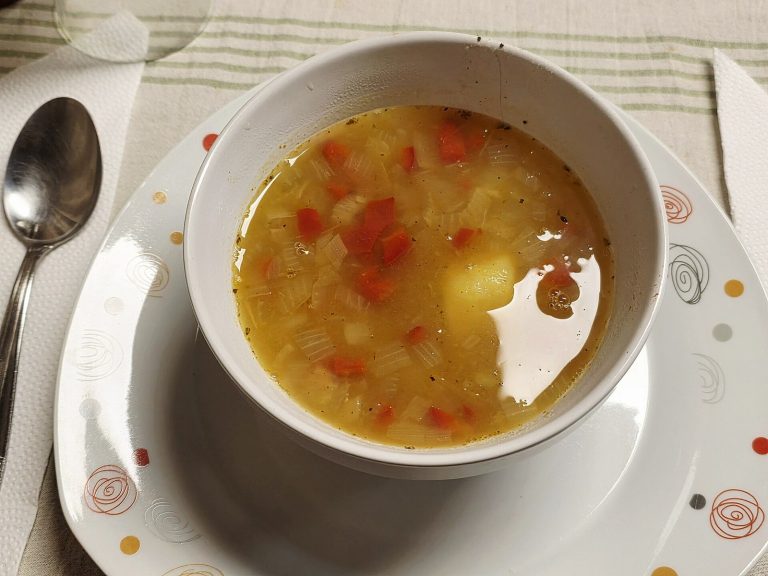
- – Soft fiber options (cooked vegetables, bananas, oatmeal, peeled fruit, soups) often feel easier early on than huge raw salads if appetite is low.
- – Pair kitchen fiber habits with your clinician’s advice on stool softeners; do not invent megadose laxative stacks. Related reading: constipation diet guide.
Protein for healing support and daytime energy
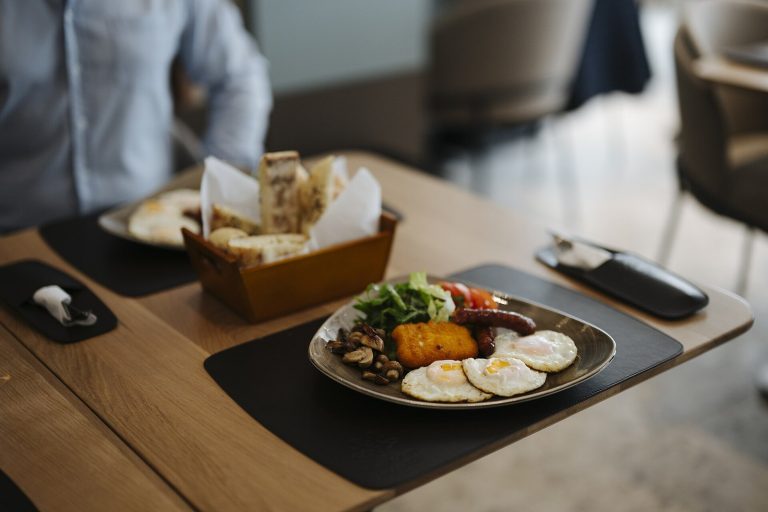
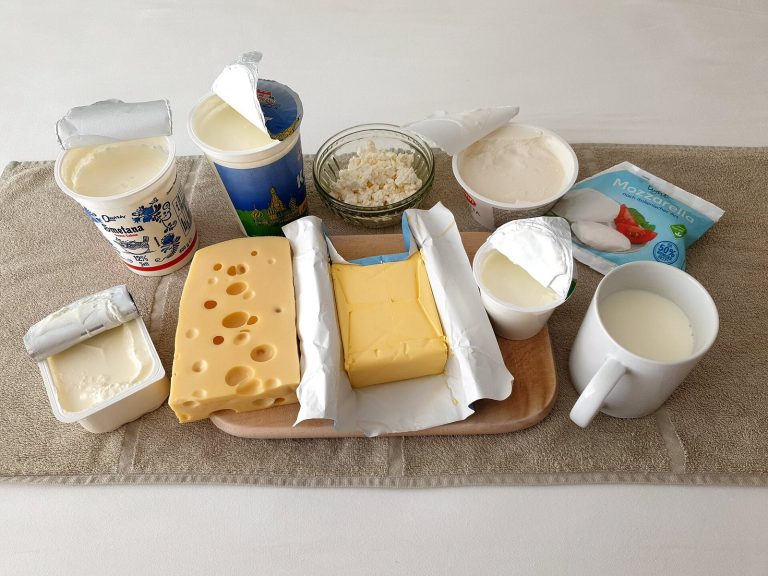
- – Build meals around eggs, dairy if tolerated, fish, poultry, lean meat, tofu, beans, and lentils in portions that fit your overall health plan—similar protein-aware habits discussed in our sarcopenia diet guide page as general kitchen context, not as prostate-surgery cures.
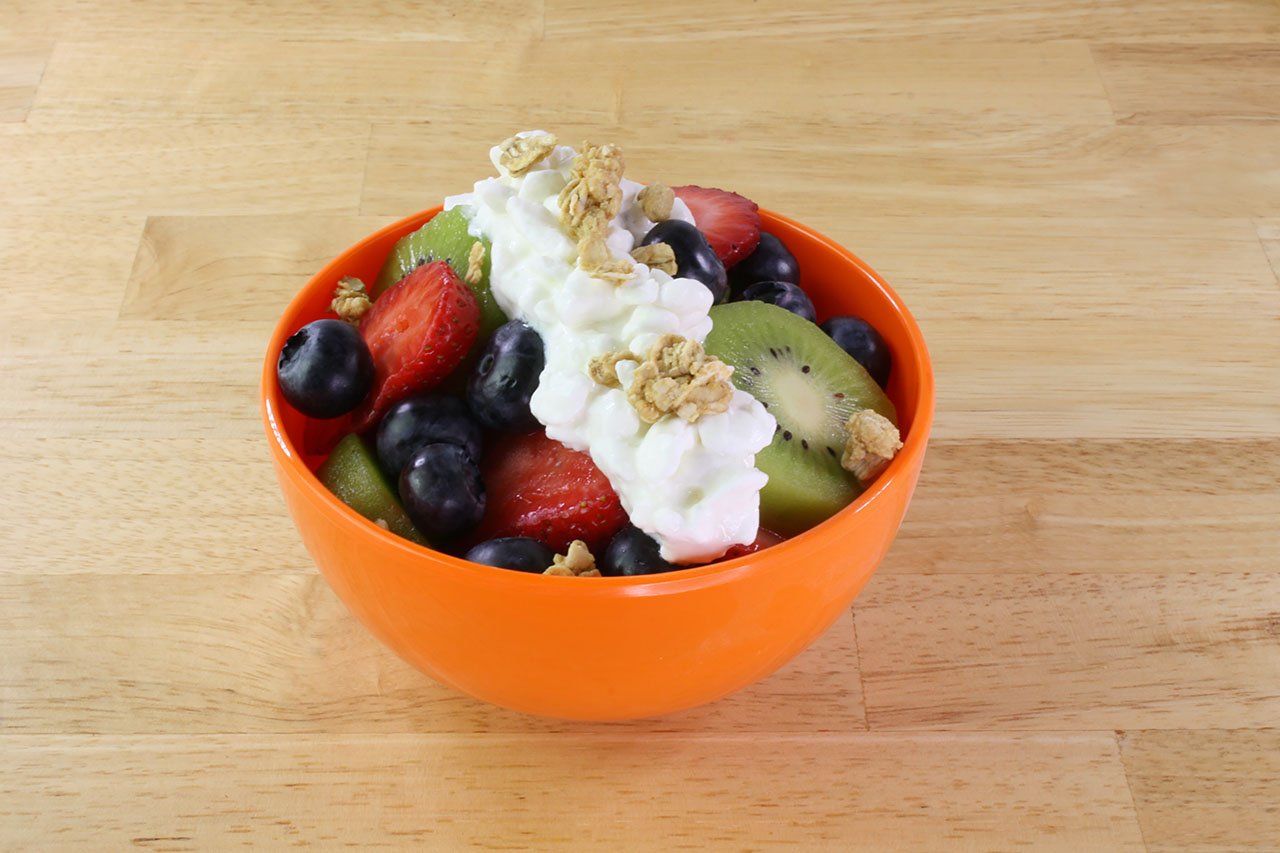
- – Soft or easy-to-prep options (yogurt, cottage cheese, scrambled eggs, canned fish, rotisserie chicken, hummus) help when standing to cook is limited and lifting is capped.
Practical energy when fatigue and bladder spasms dominate
- – Frequent smaller plates often work better than one large meal during the first weeks of tiredness MedlinePlus describes.
- – Keep alcohol modest so it does not undermine hydration, sleep, or fall risk while on pain medicine—and ask before combining alcohol with prescriptions.
Foods and habits that often worsen after-prostatectomy kitchen patterns
- – Skipping fluids while hoping the bladder “rests,” which can worsen dehydration and constipation.
- – Very low fiber patterns that worsen constipation and straining against discharge advice.
- – Heavy alcohol that worsens dehydration, sleep, and medicine interactions.
- – Unprescribed high-dose herbal “prostate detox,” liver cleanses, or bleeding-risk supplements taken without telling your surgeon—MedlinePlus reminds patients to disclose medicines, herbs, and supplements around surgery.
- – Expecting kitchen changes to fix fever, wound drainage, catheter blockage, no urine output, chest pain, or one-sided leg swelling—those are surgical red flags, not smoothie problems.
- – Ignoring lifting limits while overdoing heavy grocery bags or deep kitchen cleaning in the first 6 weeks.
“Limit” means reducing habits that undermine recovery fueling and bowel comfort—not that one restaurant meal defines surgical success.
Practical kitchen protocol: an after-prostatectomy diet week
1. Keep the medical spine first
Confirm catheter care and bag emptying, wound washing rules, bathing vs showering while the catheter is in, lifting limits (MedlinePlus often uses a gallon-of-milk ceiling for 6 weeks), driving rules (often no driving the first 3 weeks), and when sexual activity may resume. Put protein-rich snacks where you can reach them without heavy lifting.
2. Shopping list for low-energy, low-lift kitchens
Eggs; Greek yogurt or cottage cheese; milk or fortified alternatives if appropriate; canned tuna/salmon; pre-cooked chicken; tofu; beans; oats; bananas and soft fruit; bagged salad or pre-cut vegetables; frozen vegetables; rice or potatoes; soups; olive oil; stool softener only as your clinician directed.
3. Default plate template (when appetite allows)
- – Roughly a quarter to a third lean protein
- – A quarter easy starches
- – Half vegetables and fruit
- – Season mildly; sit for meals if standing worsens discomfort
4. Sample day (illustrative)
- – Breakfast: scrambled eggs and toast; yogurt with soft fruit; water.
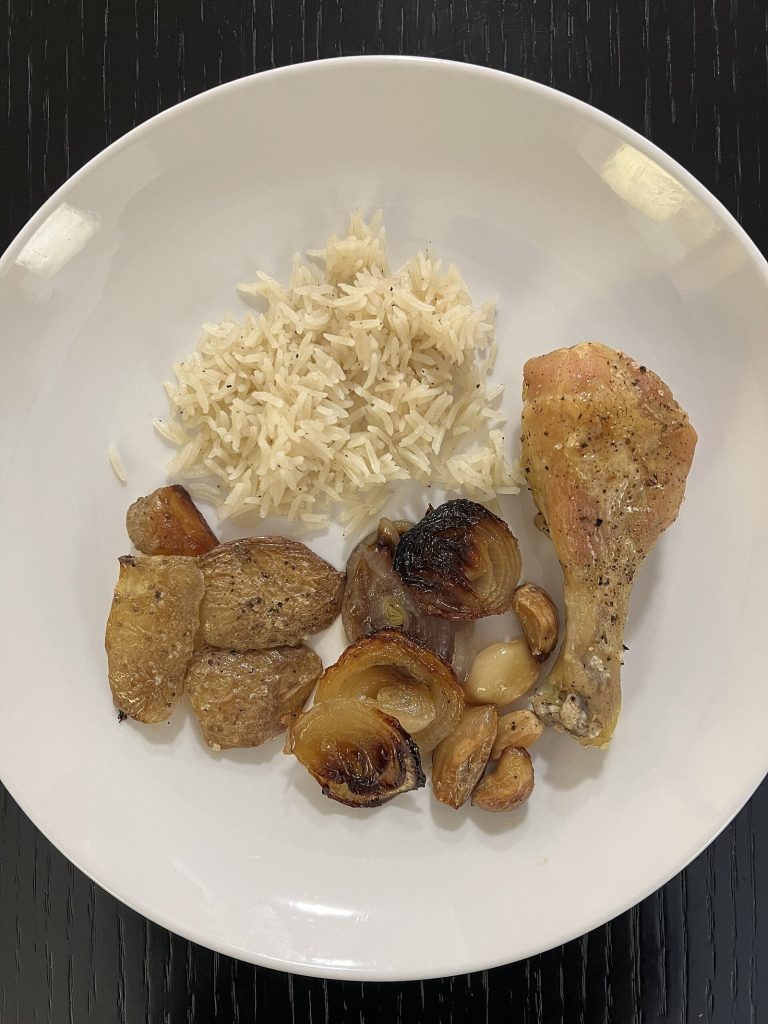
- – Lunch: chicken and rice bowl with cooked vegetables; fruit.
- – Snack: cottage cheese or hummus with crackers; water.
- – Dinner: baked fish or tofu, potato, cooked carrots; milk or alternative if fitting your plan.
- – Evening: warm fluid and a fiber-containing snack if bowels are slow—per clinician guidance; keep late caffeine modest if bladder spasms are bothersome.
5. Home setup tips
Stage a cooler bag near the couch with ready proteins; ask helpers to carry heavy grocery bags; batch-cook soups early when energy allows; keep catheter supplies and wound supplies separate from food hygiene areas.
6. After catheter removal
Burning, urgency, and leakage can occur temporarily. Keep fluids steady unless your clinician adjusts them; continue Kegels as taught. Diet supports comfort; it does not replace pelvic-floor training—see diet after colectomy guide for another post-op bowel-comfort frame when relevant to your history.
Safety, interactions, and who should ask a clinician first
- – Diabetes, kidney disease, or fluid limits: do not self-escalate water goals beyond your care plan.
- – Blood thinners or clot history: follow medicine timing; diet does not replace prophylaxis when prescribed.
- – Check with your surgeon before aspirin, ibuprofen, naproxen, or similar medicines—MedlinePlus notes they may cause problems with blood clots in the urine after this surgery.
- – Vegetarian or vegan patterns: plan protein and iron food sources thoughtfully with clinician or dietitian input—see iron deficiency anemia diet guide for nutrient context only.
- – Contact the surgical team for fever, wound problems, chest pain or breathing trouble, catheter blockage or no urine for an hour, inability to pass stool with severe pain, foul drainage, or one-sided leg swelling/pain—not a new smoothie.
FAQ
Can diet make my continence return on a faster timeline than my surgeon expects? No. MedlinePlus ties bladder control recovery to time, catheter removal, and Kegel exercises. Food supports hydration and bowel comfort; it does not rewrite pelvic-floor recovery on a schedule you choose.
Do I need a bodybuilder-level protein diet? Not automatically. Aim for a daily protein source across meals within your health conditions. Extreme intakes are not a MedlinePlus prostatectomy requirement.
Why do discharge pages talk so much about constipation? Pain medicines and reduced mobility often slow bowels; straining is uncomfortable after pelvic surgery. Fluids, fruits, vegetables, and clinician-advised stool plans matter more than “detox teas.”
Should I avoid coffee completely? MedlinePlus radical-prostatectomy discharge emphasizes water, fruits, vegetables, and stool softeners. Individual bladder sensitivity varies—ask your team if caffeine worsens spasms for you. Related TURP discharge pages often flag coffee and alcohol as bladder irritants; your surgeon’s list wins.
Is this the same as diet after other abdominal or pelvic surgeries? Related protein and constipation themes appear elsewhere—see diet after hernia repair guide—but prostatectomy has specific catheter, continence, and sexual-function follow-up your urology team owns.
How this differs from related OTCFood topics
This page is a prostatectomy-bound diet guide focused on recovery fueling, hydration, and constipation awareness during catheter and early continence recovery. It is not a prostate-cancer prevention program, not an erectile-dysfunction protocol, and not a substitute for surgical follow-up.
Medical disclaimer
Medical disclaimer: This article is for general information only. It is not medical advice, diagnosis, or a treatment plan. Care after prostatectomy depends on surgical approach, cancer staging and follow-up, other medical conditions, and your surgeon’s protocol. Talk with a clinician or registered dietitian before starting, stopping, or changing any eating plan, supplement, or medicine. Seek urgent care for signs of infection, blood clot, severe breathing trouble, uncontrolled pain, catheter failure, or heavy bleeding.